GSM-NONP Progress Report
May 2026
Burt J., Springer B.
intoishun / Robogenesis
Olympic National Park
Washington State, USA
*This report will be updated as sequencing data is received. Results will be added along with additional comments. Last updated August 17, 2026.
Welcome back! For May we have a decent selection of both things that are known and unknown to us at the moment, and a few in betweens. As a reminder, Brodie has made all collections this month solo, so we are a bit limited on both my input and my photos. However, since Brodie does not necessarily like to write very much, and this is formally my study, I will continue to be our writer for now. I feel like I will continue to say “for now” until around springtime next year, once we hit around the year mark I feel like we will have more of a set format and flow for our work. That is not to say we don’t have a good sense of what we’re doing in the field, just that how we operate this study and talk about it is still fairly new. We would like to continue to make improvements to our reporting as we seek to impress the park and justify the existence of these studies. Those improvements may need improvement themselves, seeing as we are both fairly new to more seriously published work. I would say we are happy to continue providing useful data while we both learn how to, and prepare to, leverage this work into research published in a journal. I think as two very devout citizen scientists, aging into more legitimate adulthood and interest in the subject, that is the long term goal. Along with of course the fun stuff, like a guidebook, etc.
Speaking of these sorts of improvements, specifically to flow and function, we are focusing this month’s additional reporting on this web version. It might not immediately allow me to make things the way I want visually, but it works much better for sharing. Especially when viewing on a mobile device, which most people are doing. I think for the time being, we will prioritize this web version and create PDF versions on the side and… for print! Brodie printed a physical copy of our first report for his grandma and I think that is a great idea in general. I’ve always had an interest in art and printing things, and with science a book is always in the back of my mind, so this is a great way to get started with more book-like printing. I think we will issue a print version of each month’s report, once all or 95% of sequencing results have been returned. Meaning that the first report, for March of this year, would not be available in a print copy yet because there’s a handful of things awaiting a sequence. Some things may not run or may take longer, so maybe once we’re at 90% or 27 collections, we will print.
As for small things, we have a couple. We are still working on getting a flow for microscopy for many or most collections. We are a bit overdo there, it again might have been useful this month. I think I’d like to set a goal of making sure we have at least a few decent micro examples for separate collections every month, by the fall. We are also going to start using alternative tools like KOH, UV light, etc. more frequently. Brodie has also begun developing our own detailed collection card for field documentation, tailored to fungal observations in this region. Again I originally figured photos and DNA would be enough fun, but have come to realize that if we want to be very serious about this research, we need to be doing things to provide for that. We won’t be able to publish something novel down the road, if we don’t start acting like it now.
With some mildly tantalizing results still coming in from March, our first month of study, I am confident we will eventually get there. Anywho, there will always be time for more blabbering about pans later, onto the mushrooms from MAY!
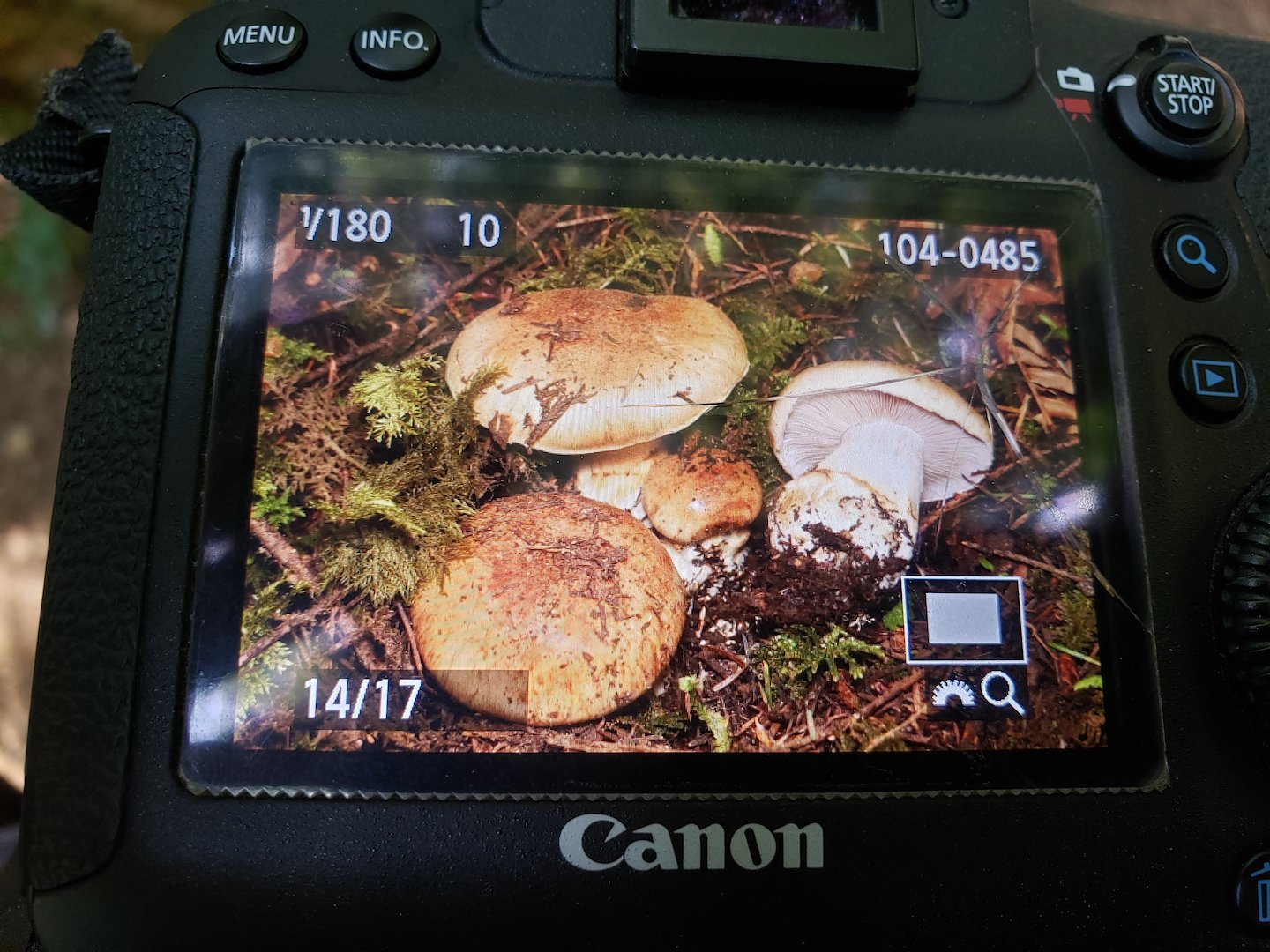
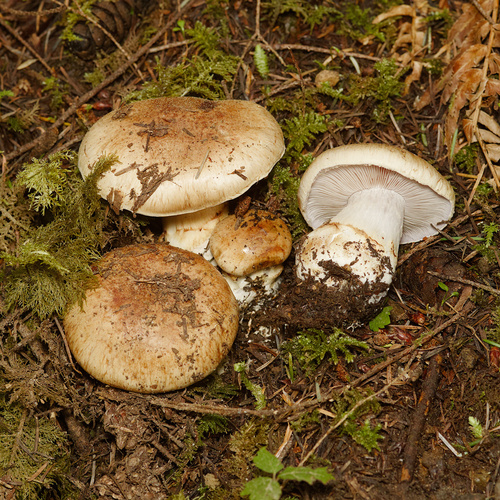
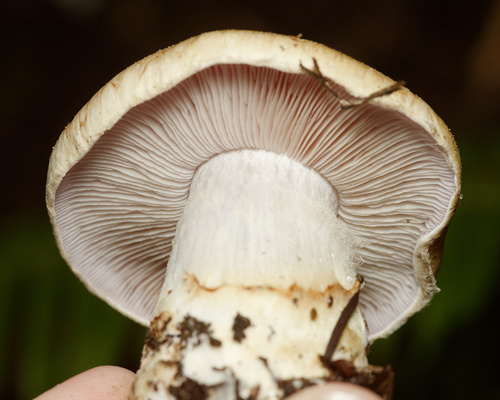
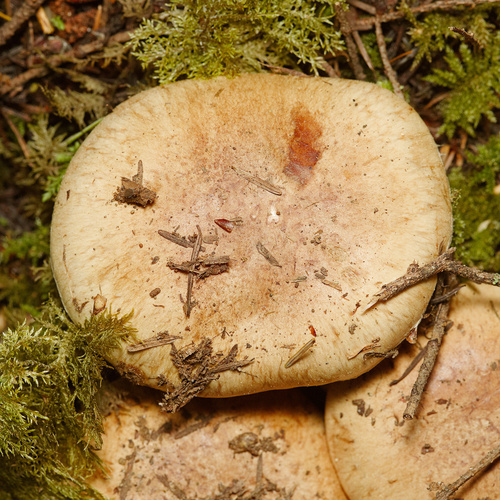
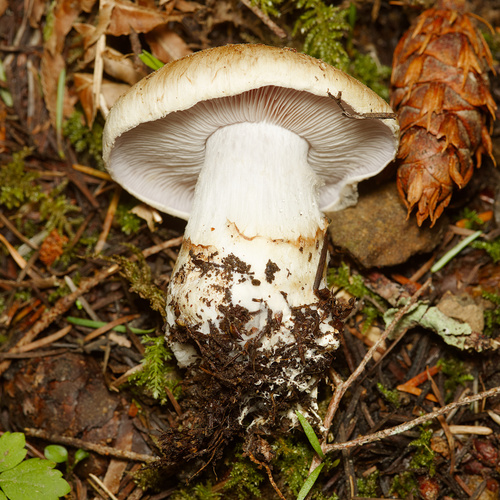
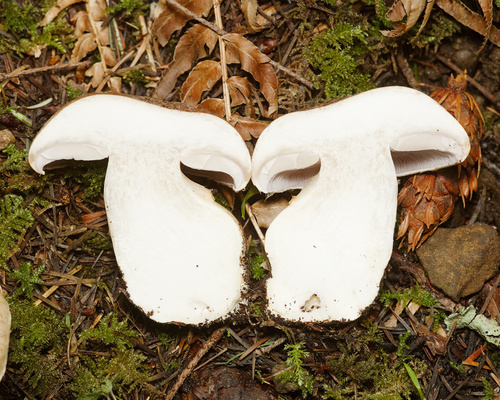
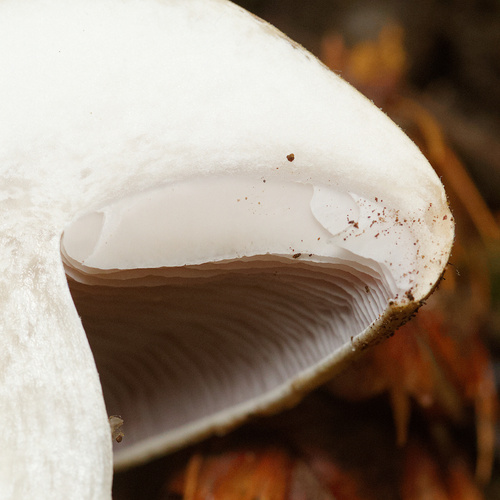
Family Cortinariaceae. Unknown species to be found in Spring. Shannon Adams notes on our iNat observation that this looks maybe towards P. balteatus but is not familiar with a Spring species. Or at least that’s what I assume she means by “the Baleati”, maybe a typo from “Balteati”. Most sources note them as being fall mushrooms so her statement would make sense.*Could be she is referring to something else altogether.
I would patch it together by saying I do think this looks Phlegmacium, Shannon is a cort pro, and David Arora confirms in Mushrooms Demystified, that a Spring P. balteatus like species can be found in Oregon. Of all places, near Crater Lake! I find it believable that Brodie may have found a species in that group, and would love to use my other study in CRLA to see if we find a match or not for this species, Fall or Spring. Being such a diverse family, I could also personally see other options here, so I am excited to see if DNA leads us to something more intriguing and potentially less common or something more common and maybe simply overlooked. It is at least Phlegmacium.
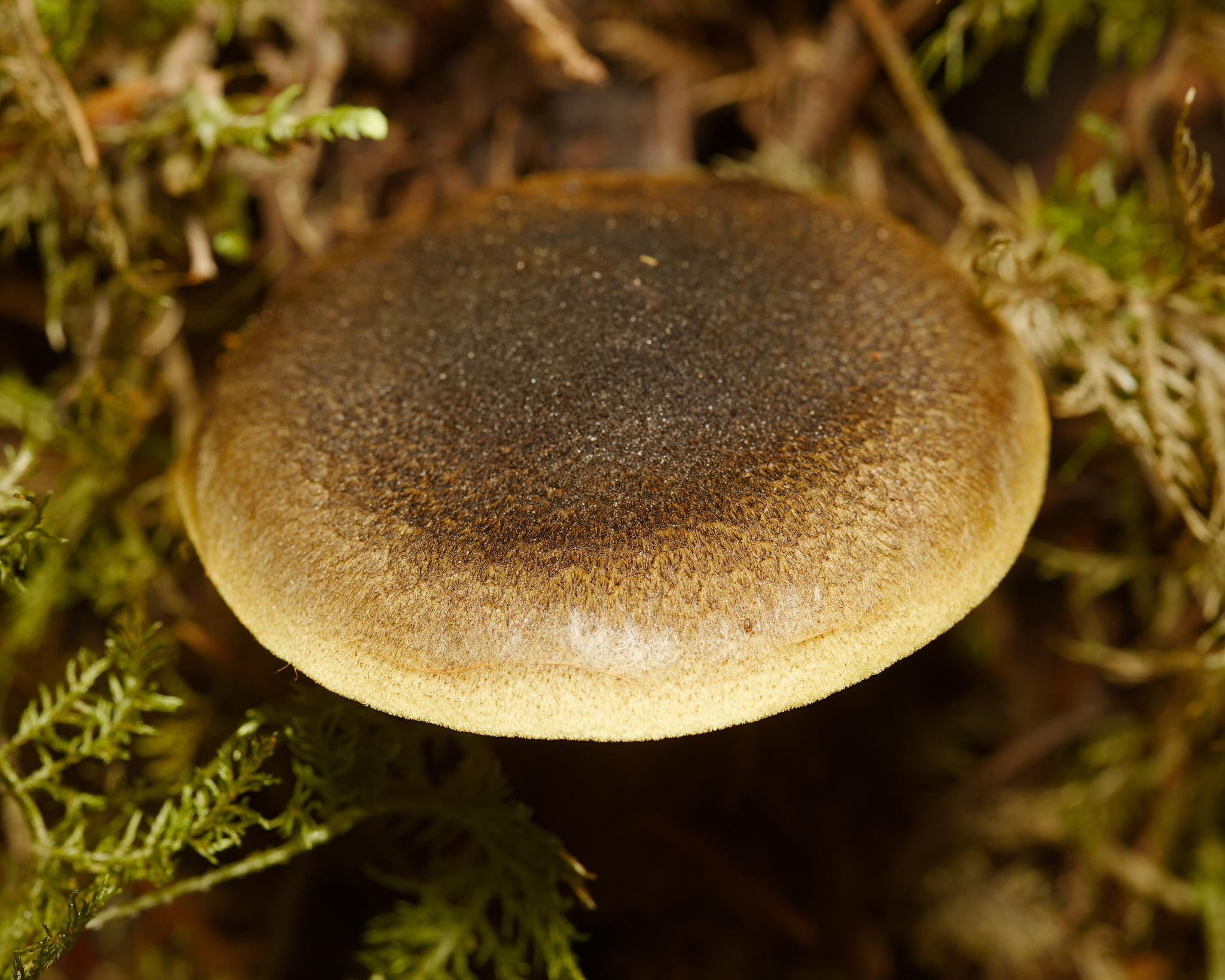
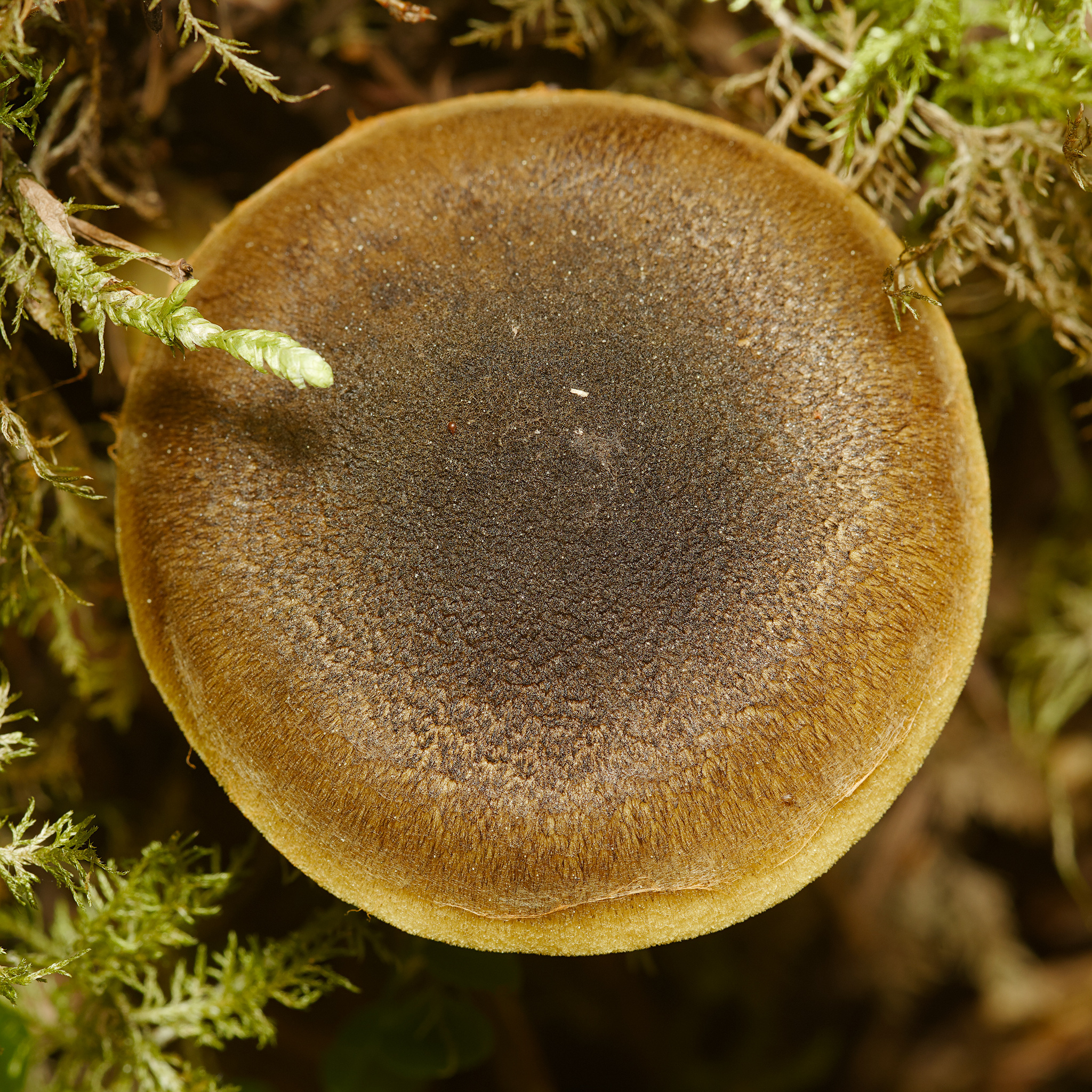
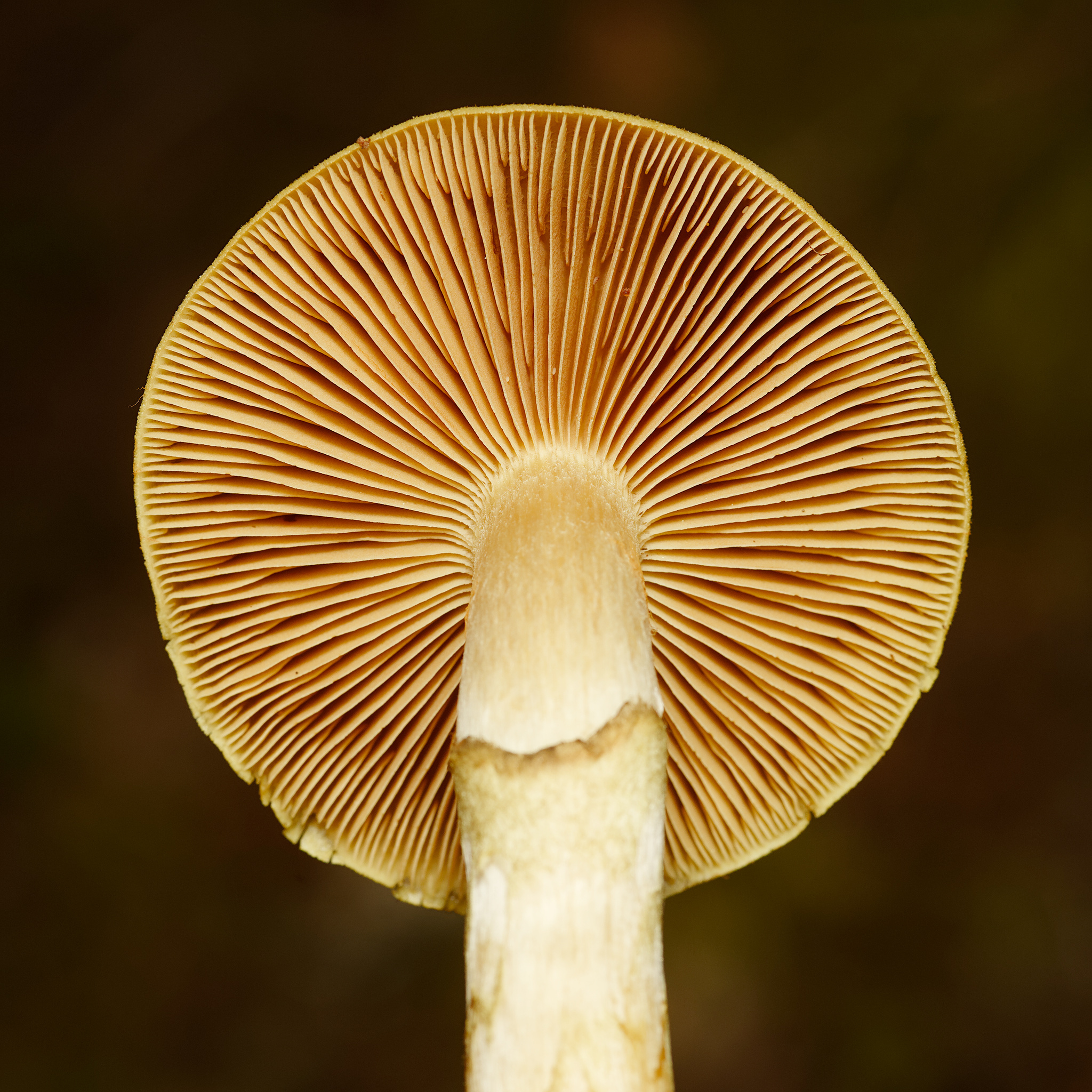
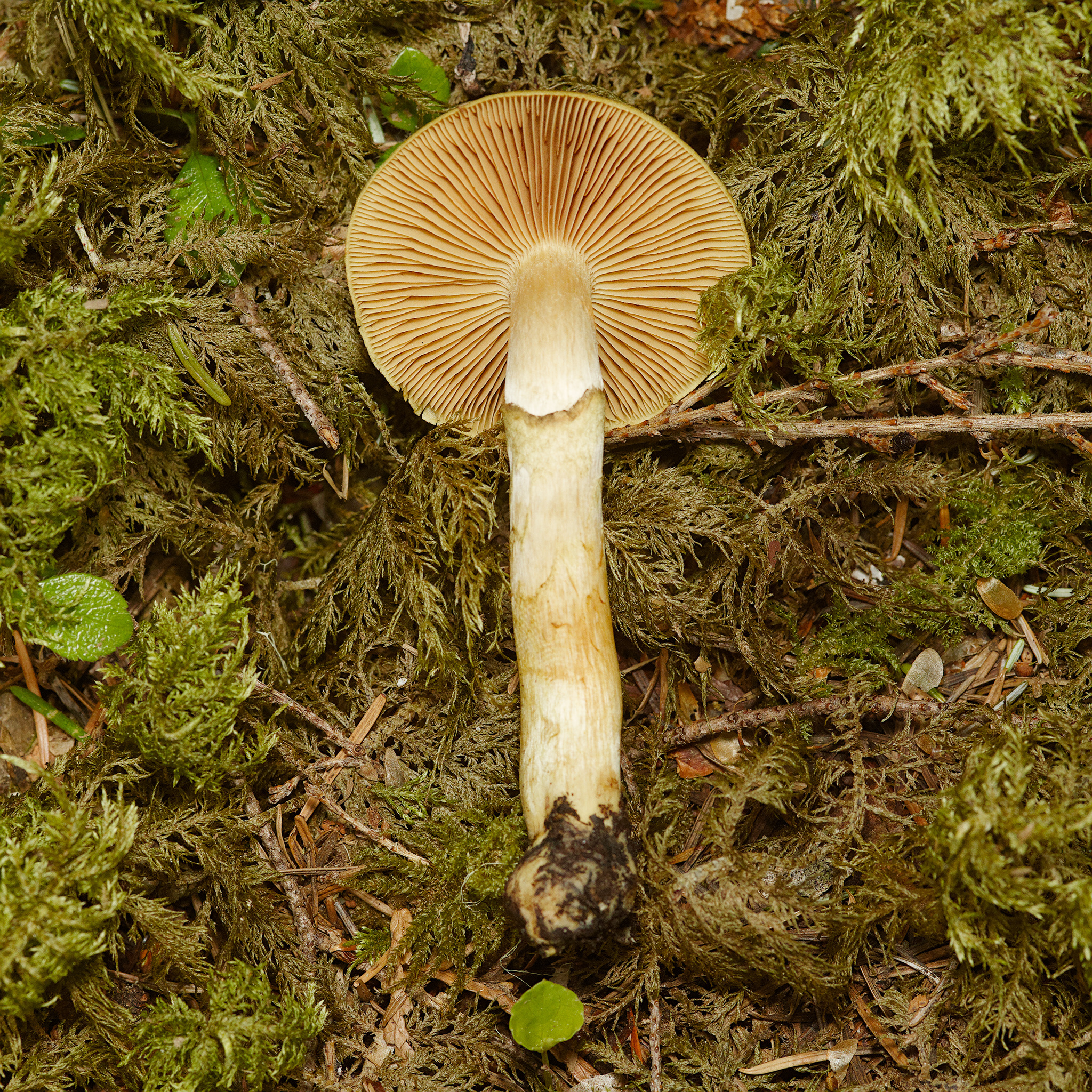
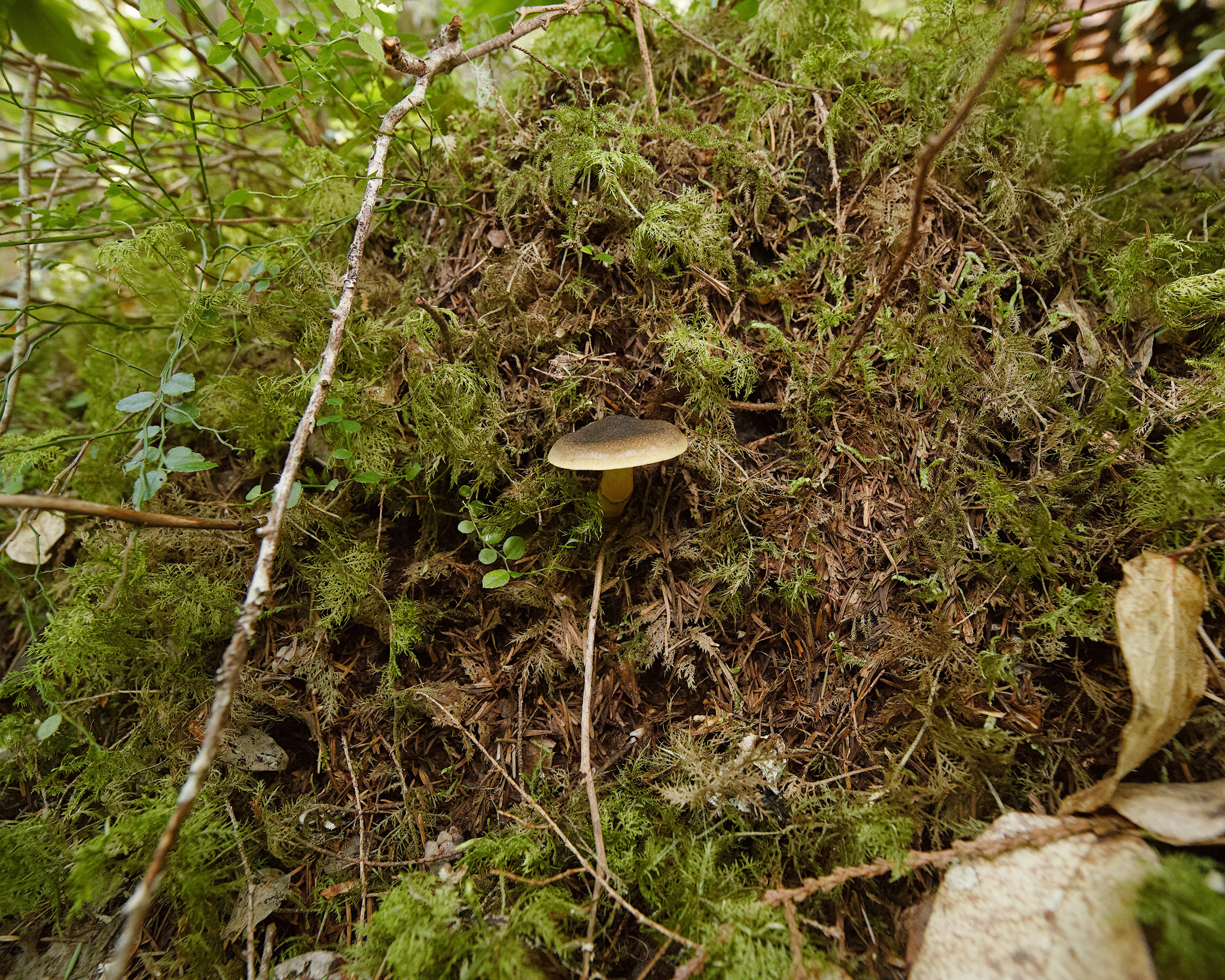
Cortinarius clandestinus. UV reactive. Seemingly a very common Spring cort here, probably fall also. Considering it was described from near a lake in WA, this continues to seem like a very likely ID here and for one of our April collections. I think moving forward we will attempt to avoid collections of this species, and feel we have done our part to add a bit of data on this local.
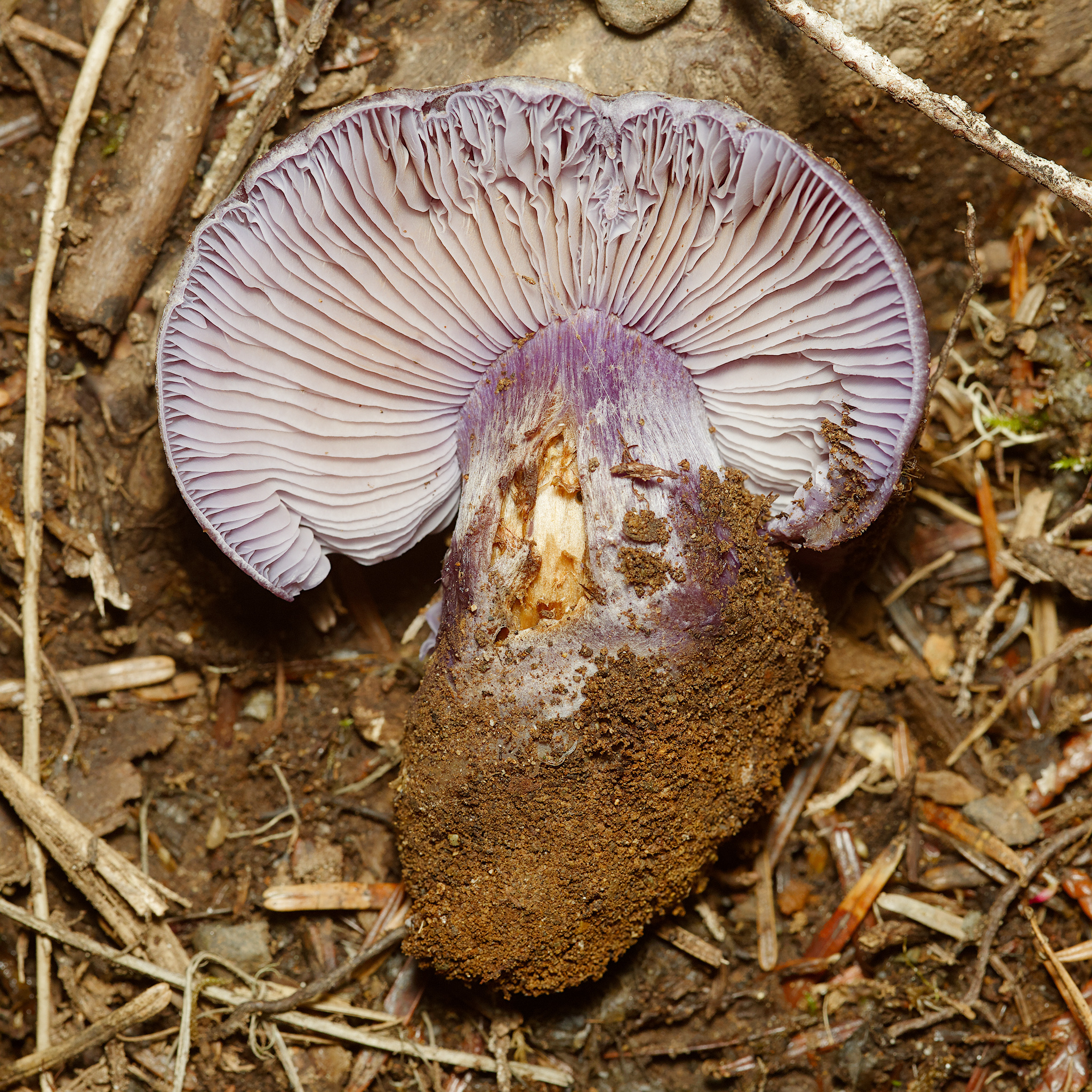
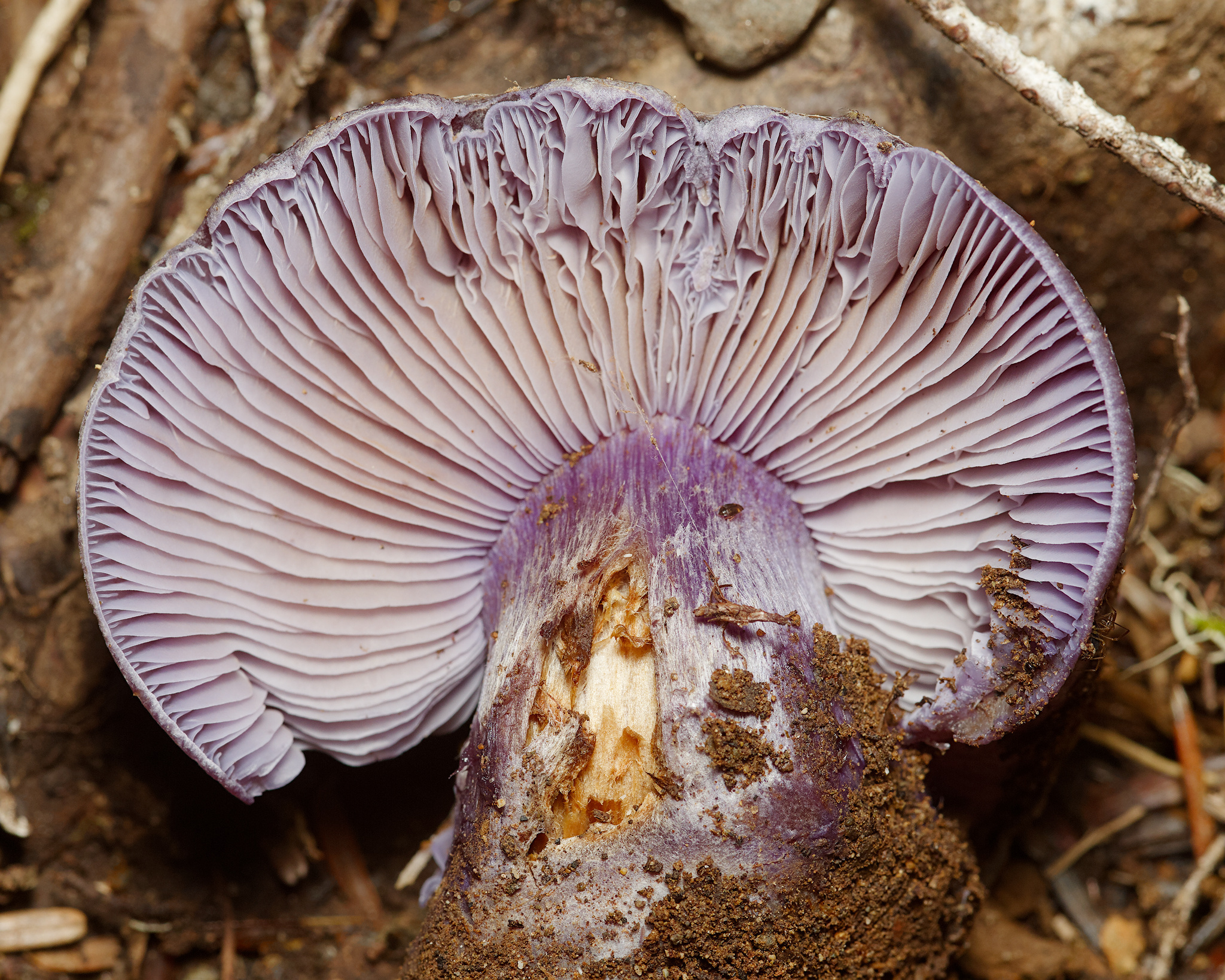
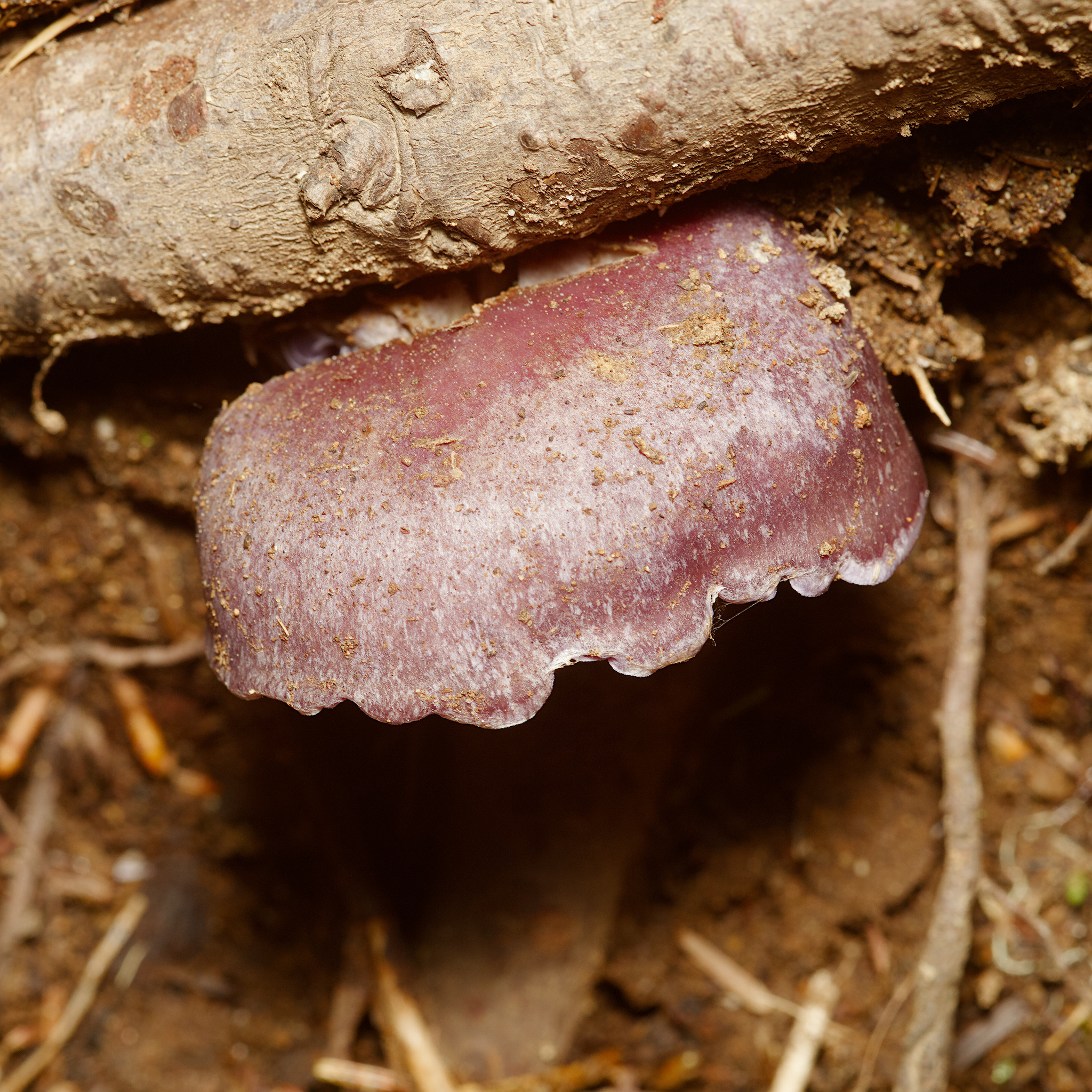
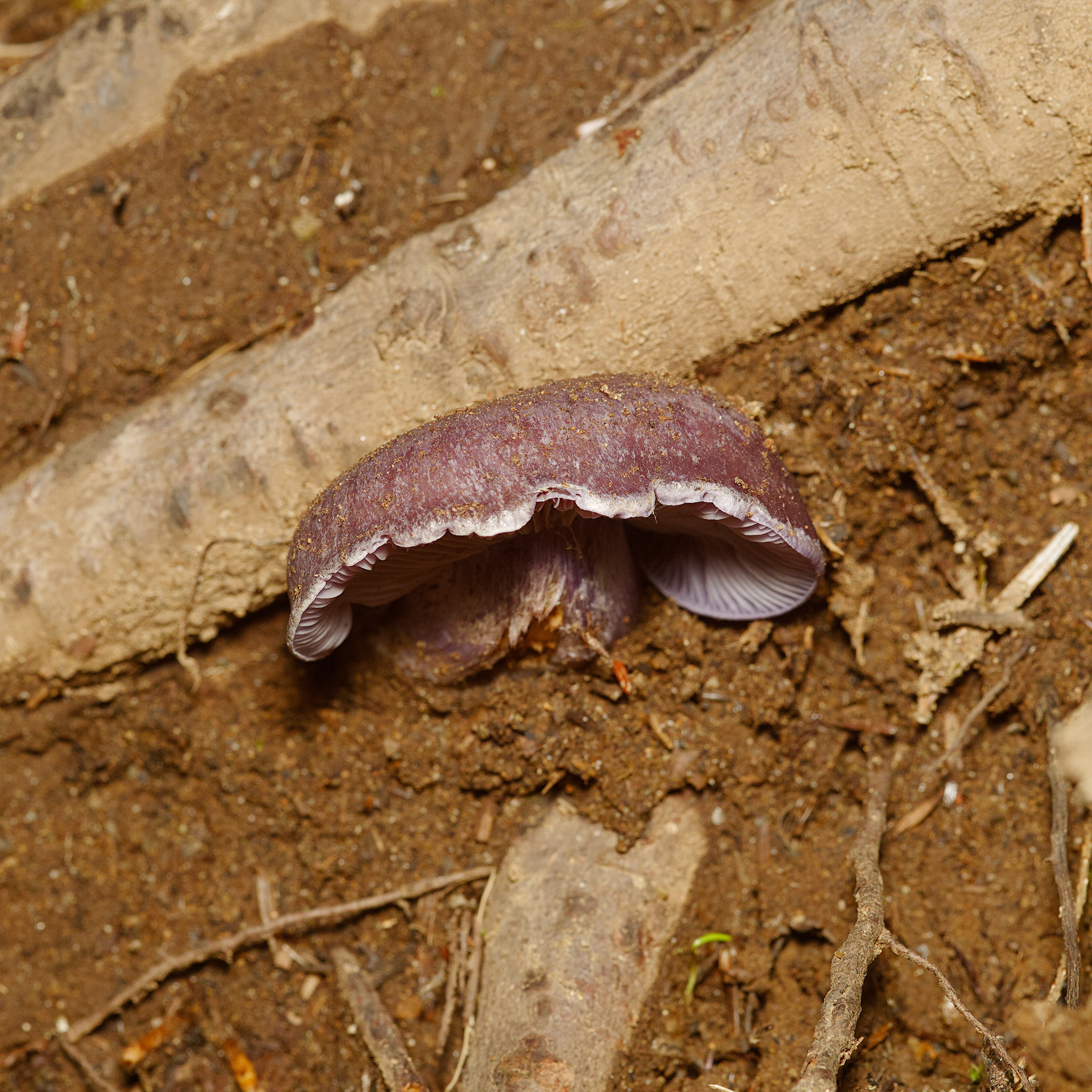
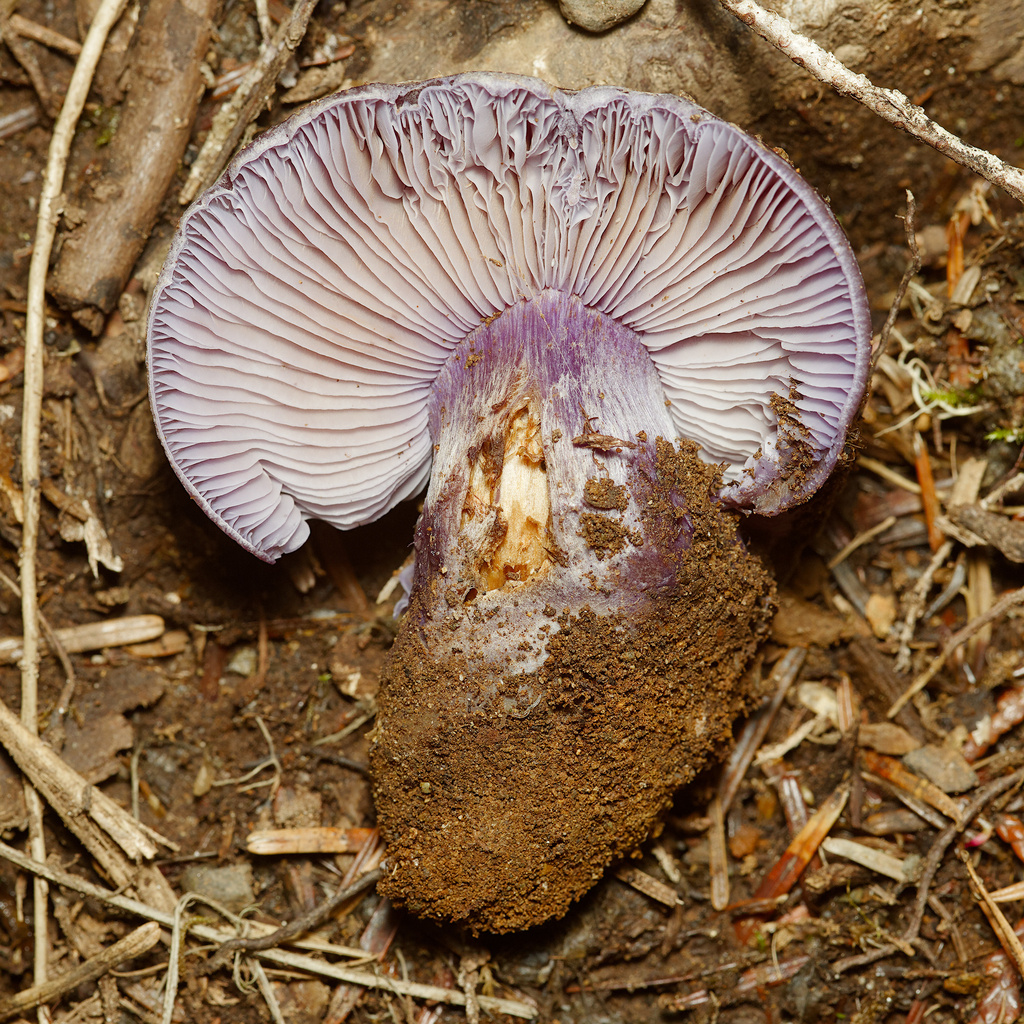
Species Phlegmacium subolivascens. Found growing out from under a tree root. This species (group) is apparently quite variable in appearance. It has been suggested by two cort pros here, one being Shannon on iNat. Danny Miller also notes there is an “entirely streaky purple” version, so I would assume this is that! Beautiful.
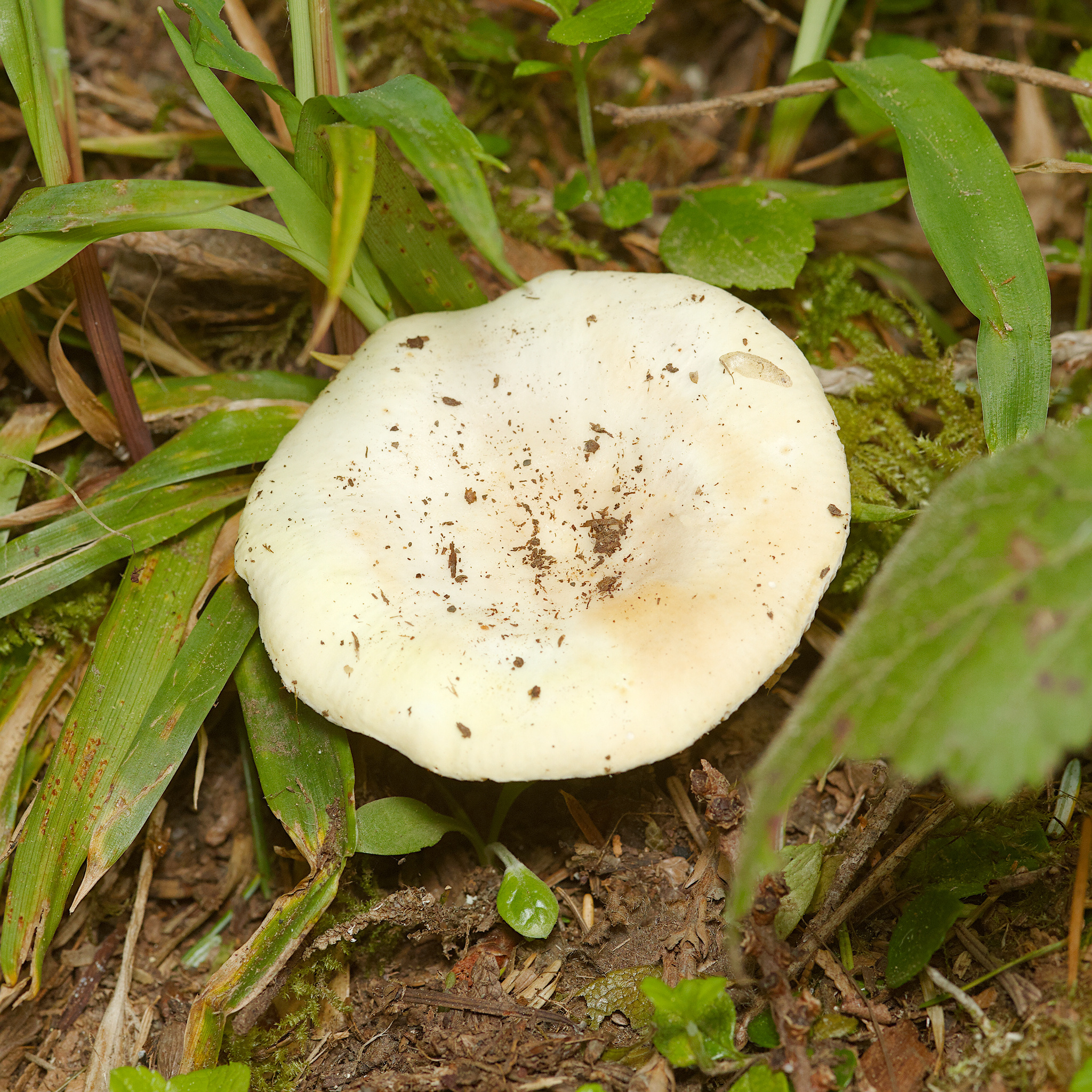
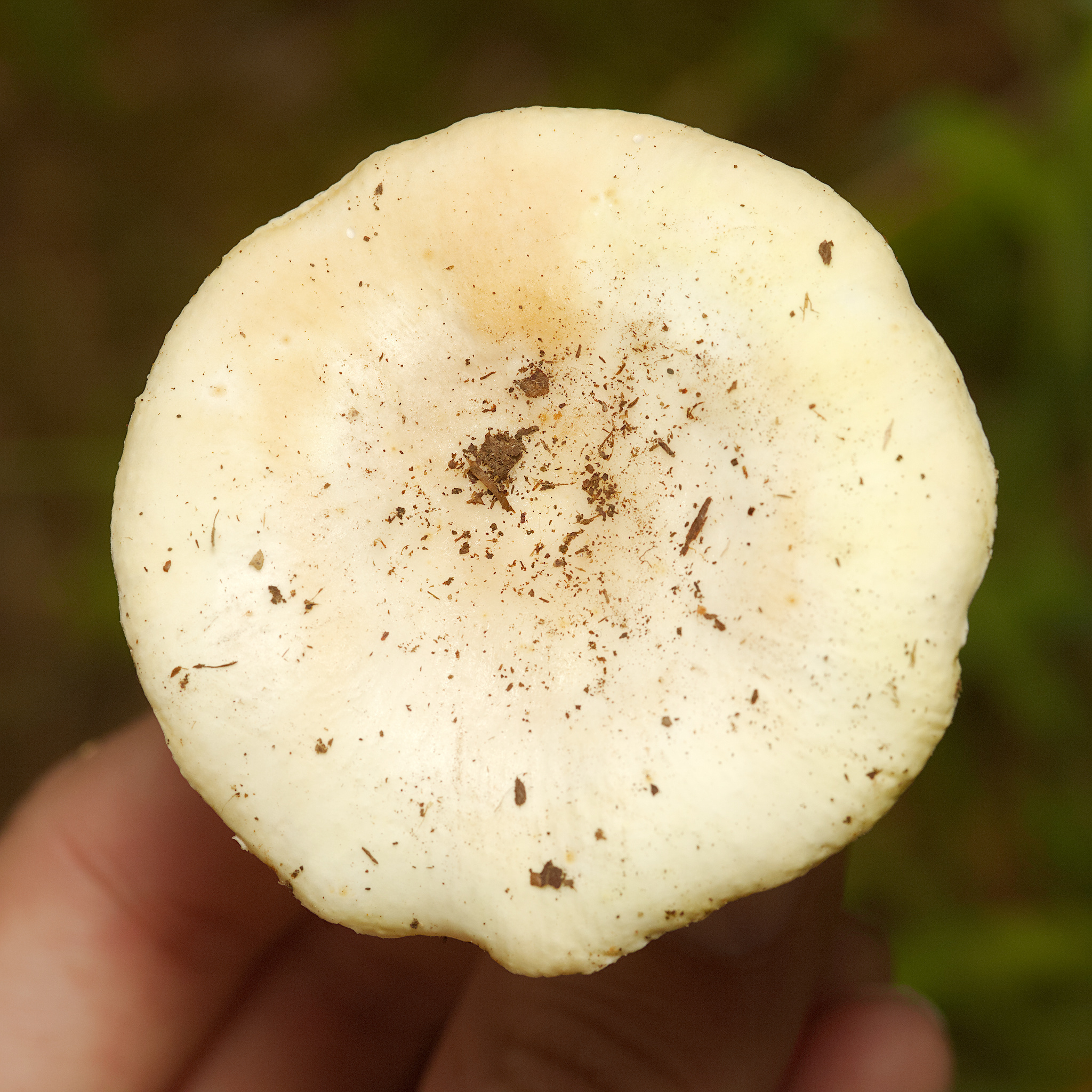
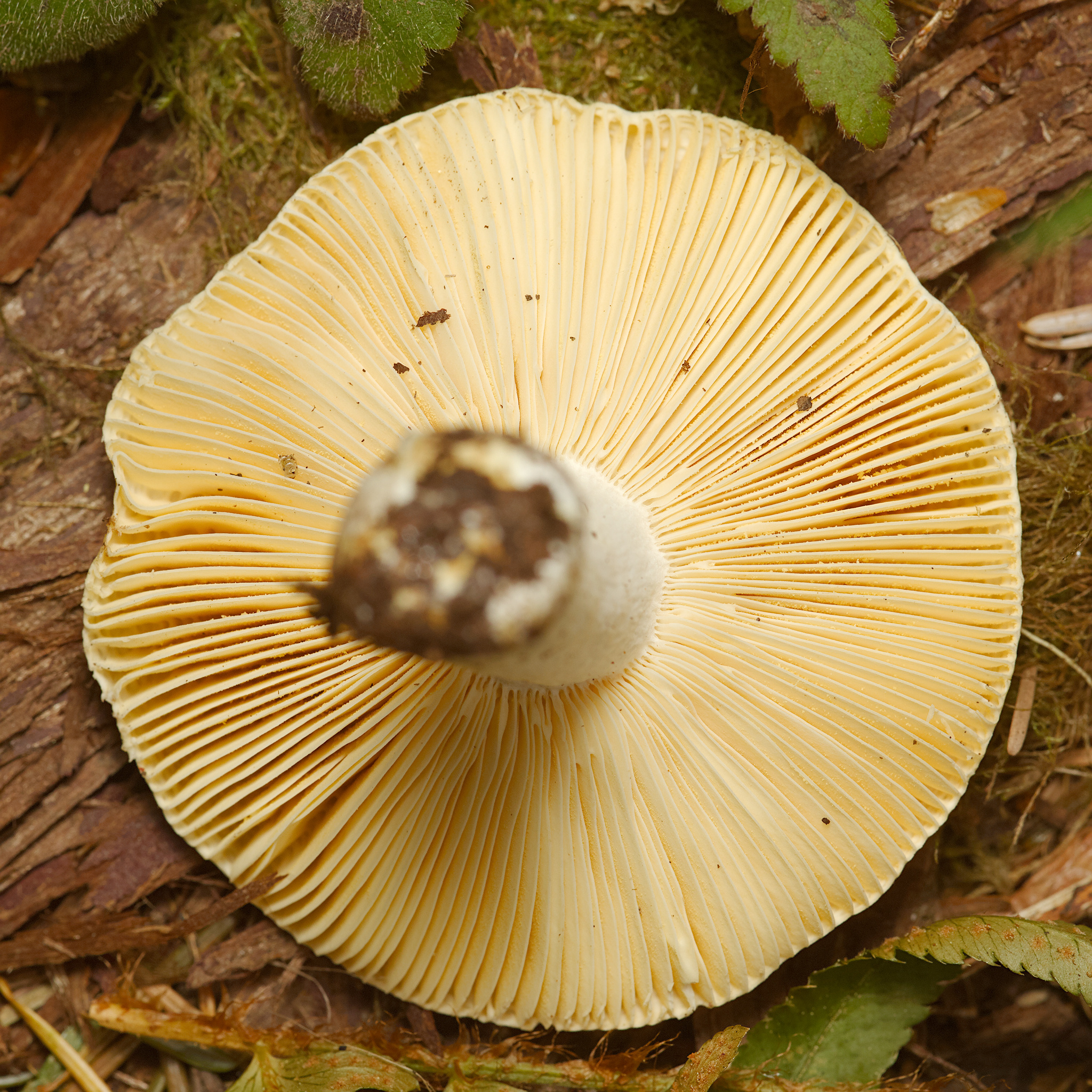
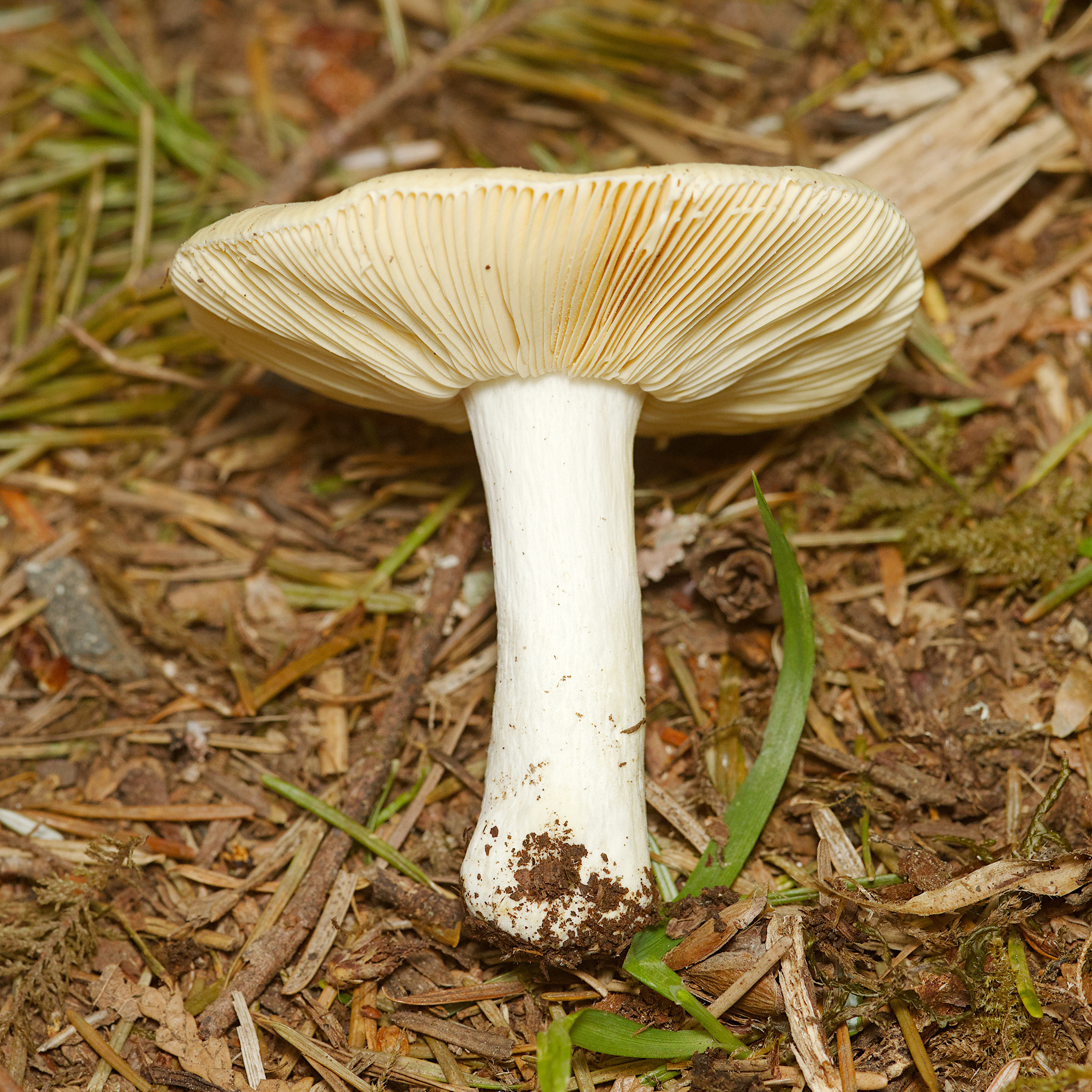
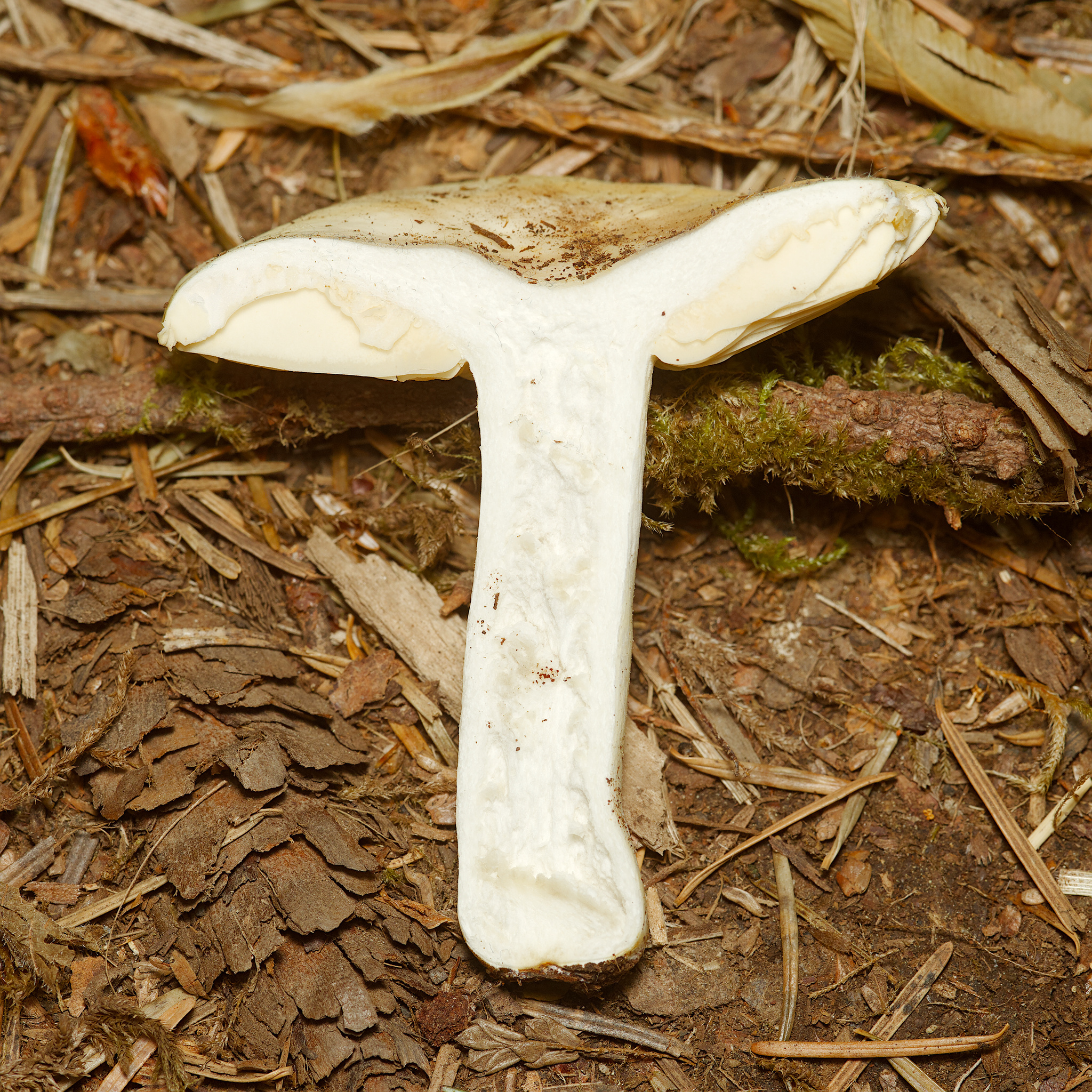
A smallish white-ish Russula. With size and stature we have a few options we could guess but (reconvene on taste before comment). While I don’t often dabble in specifics in the genus, I appreciate seeing sequences for Russula species, as they’ve yielded surprising results for me before.
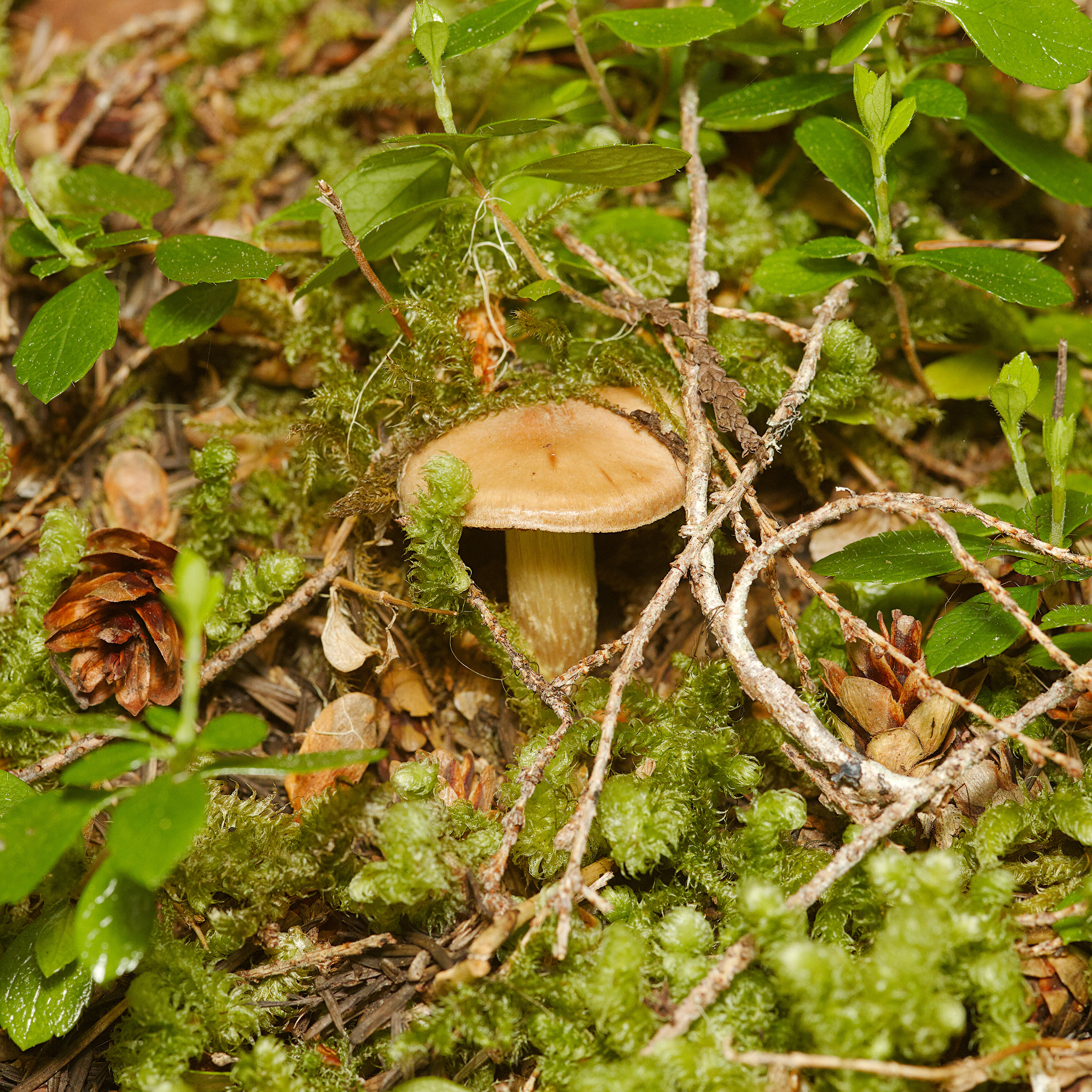
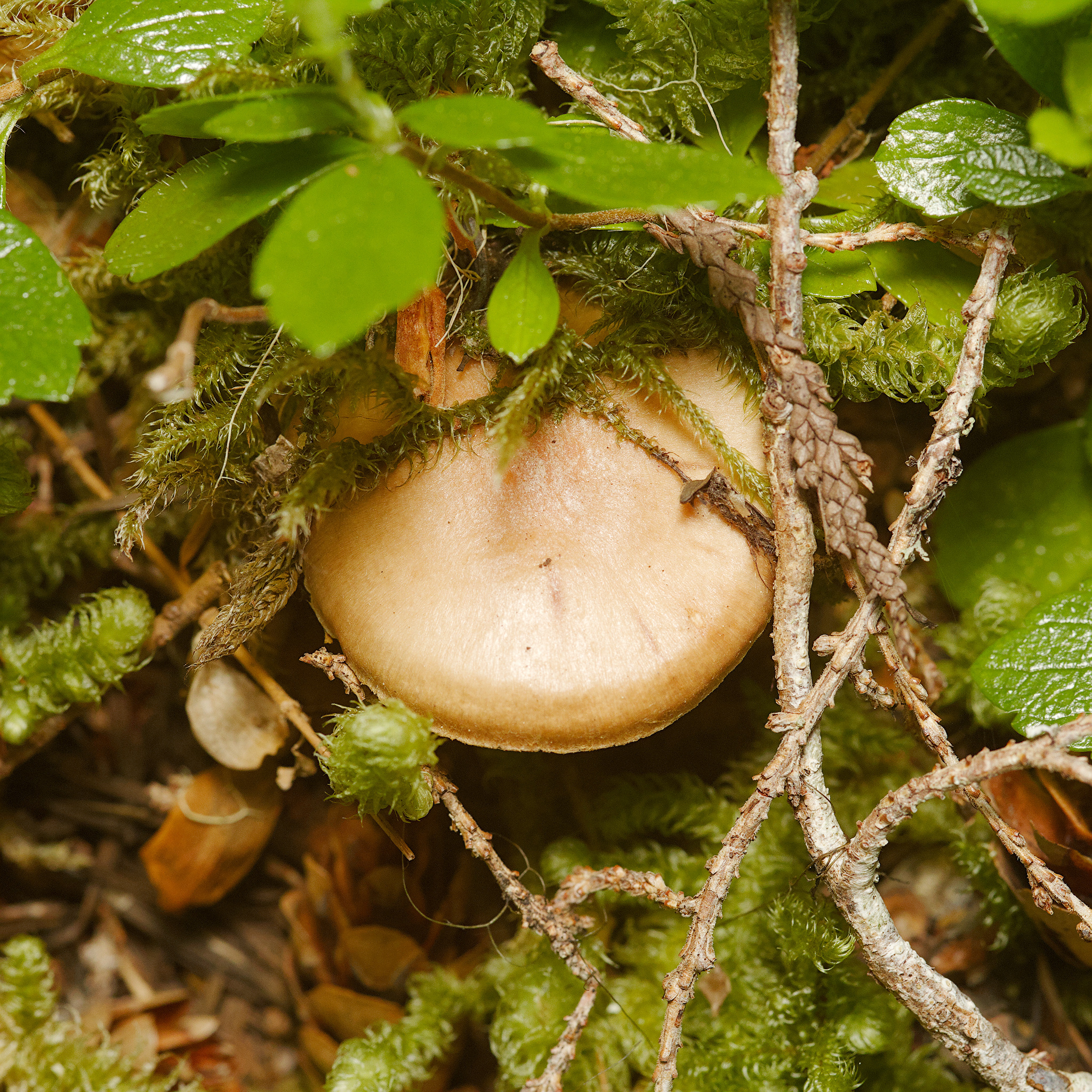
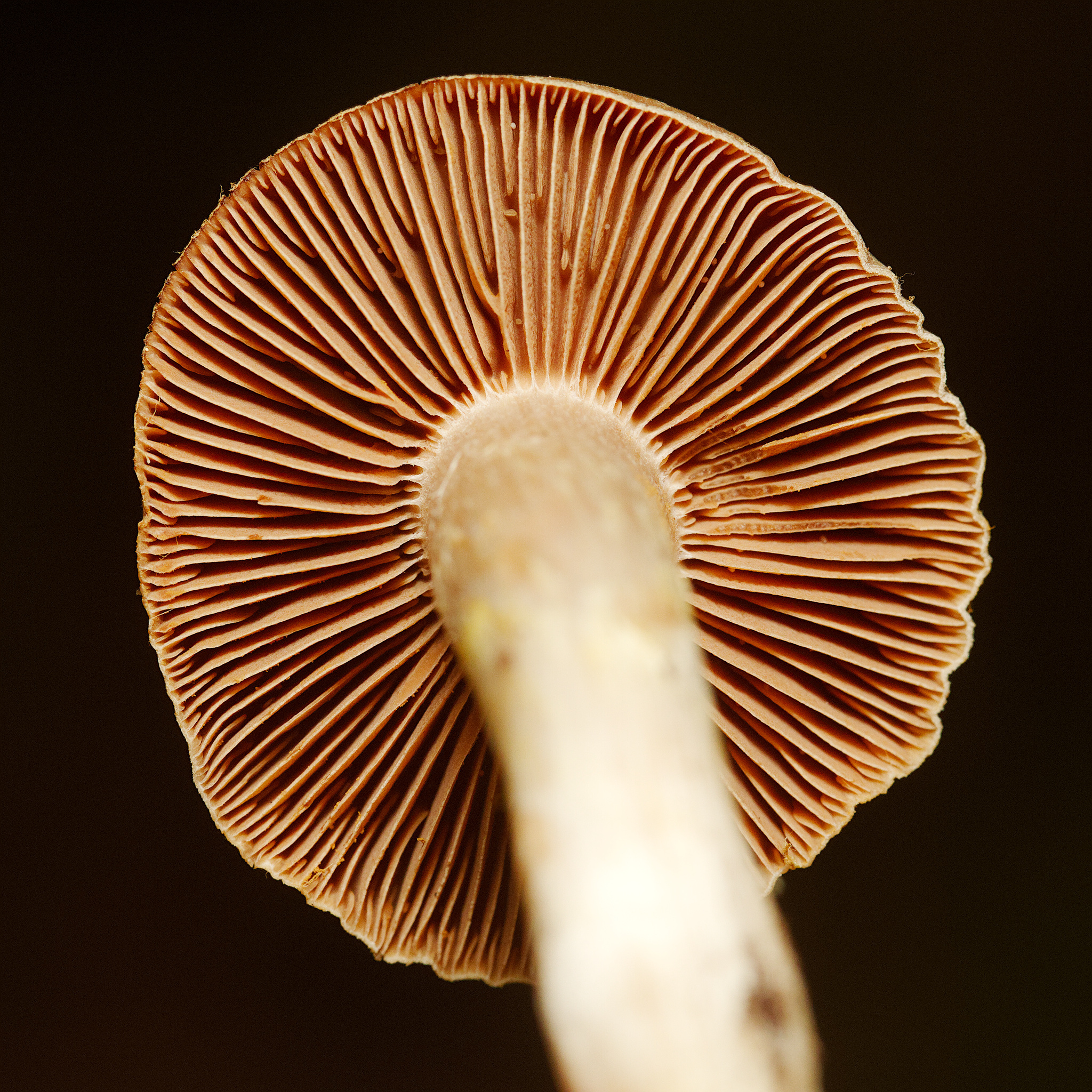
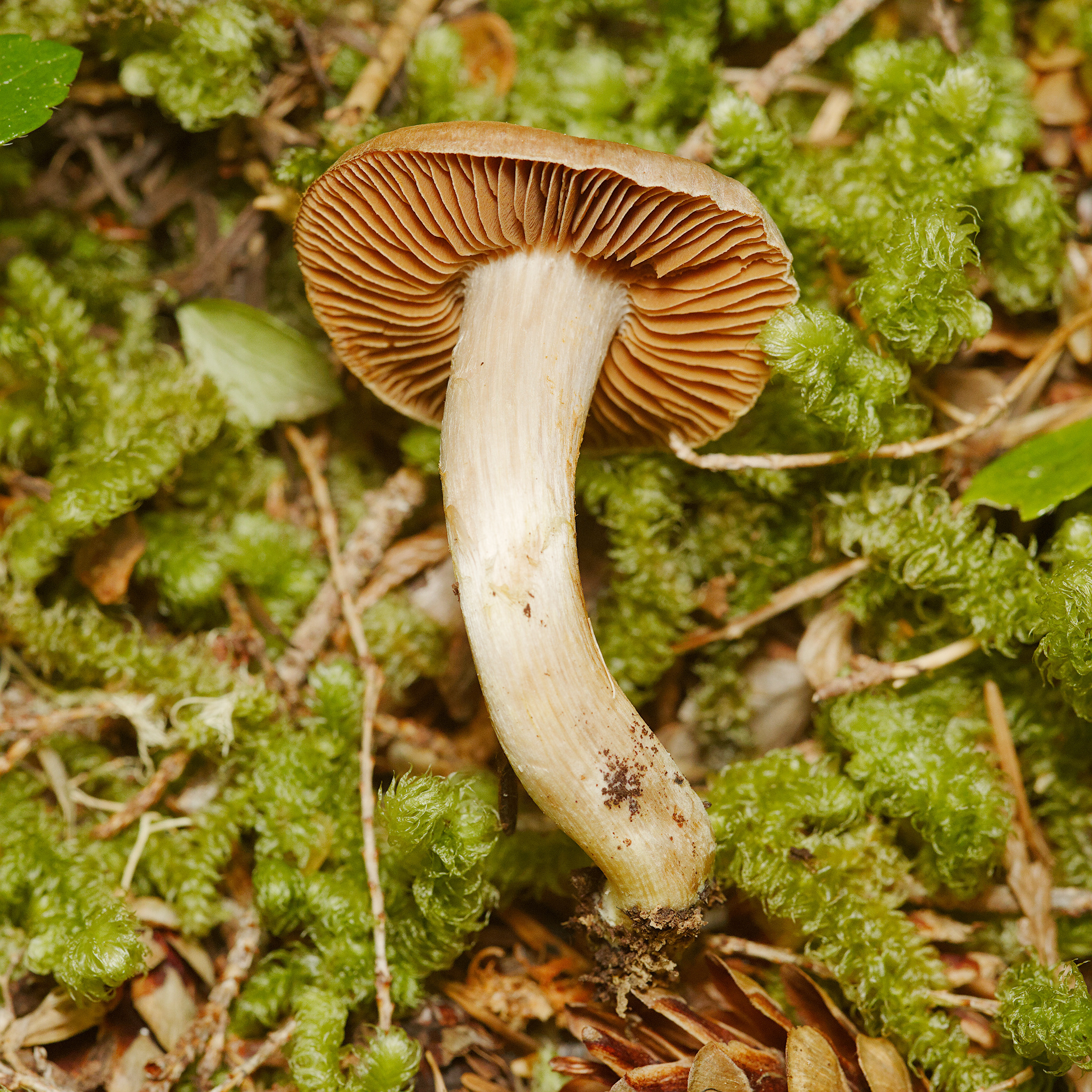
By process of elimination, I am currently going to Telamonia here. These drab little Corts are extremely common and diverse, also similar to each other, etc. Ryan Pattin confirms this is likely Telamonia and did not make much additional comment here. Maybe he will be more interested after the sequence is returned… maybe not!
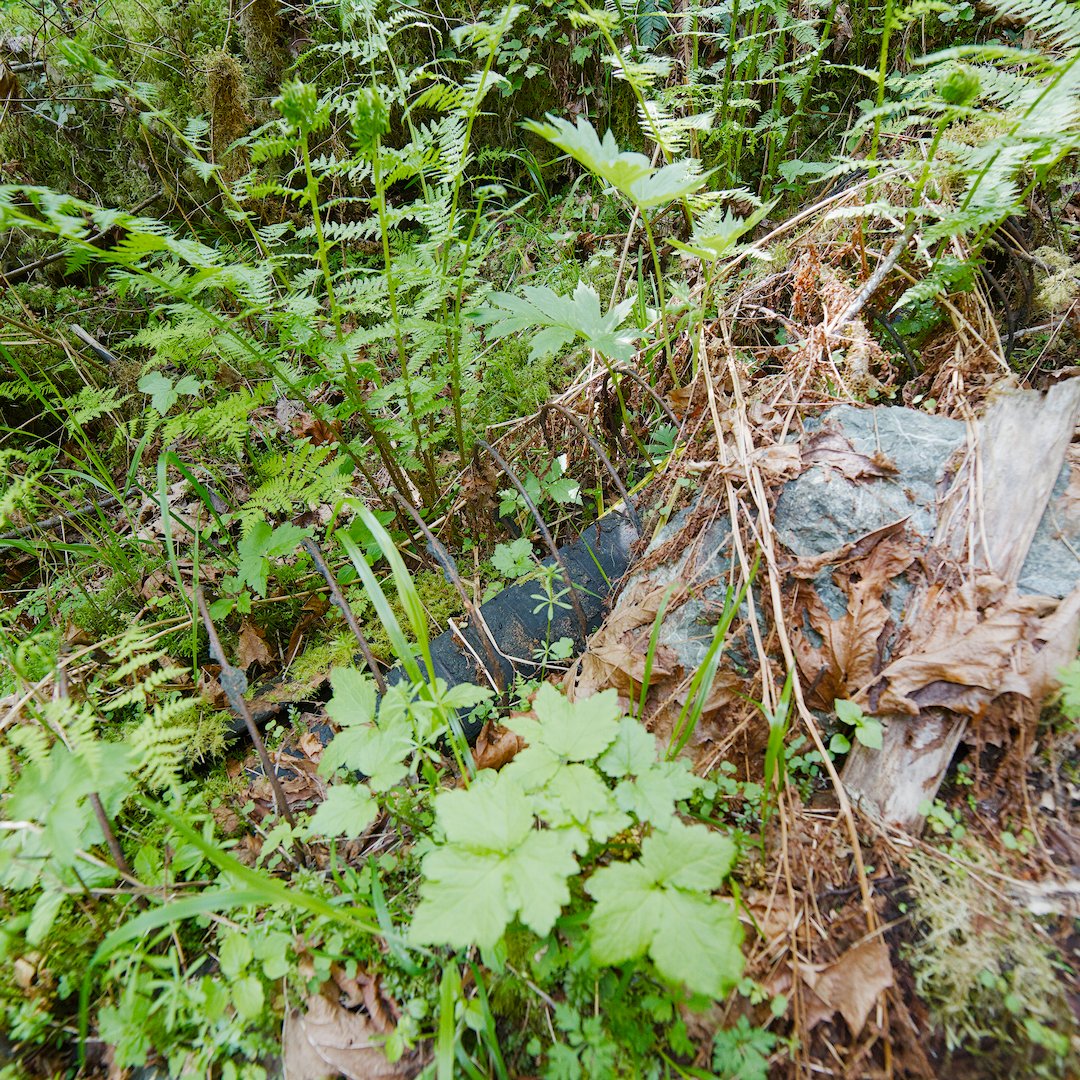
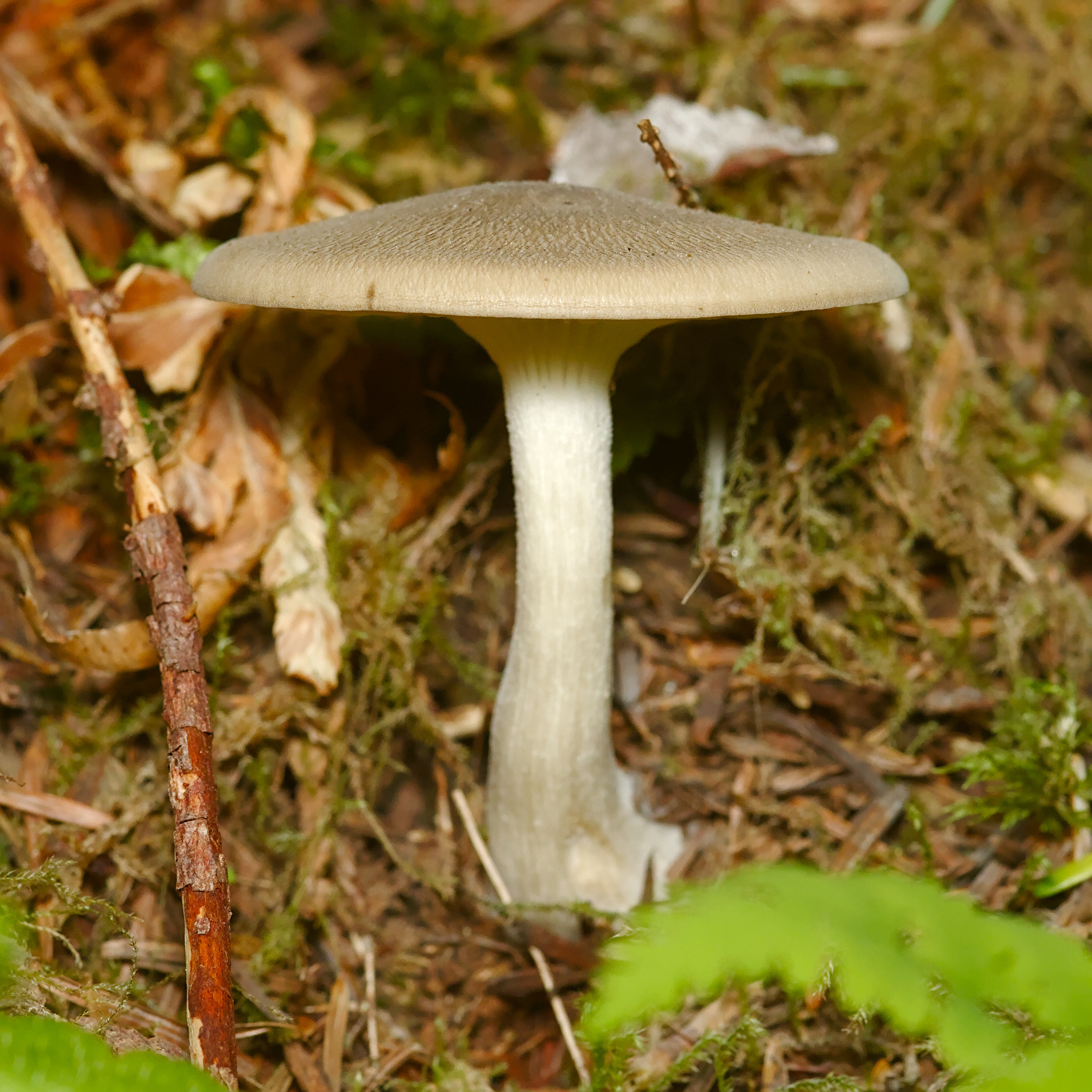
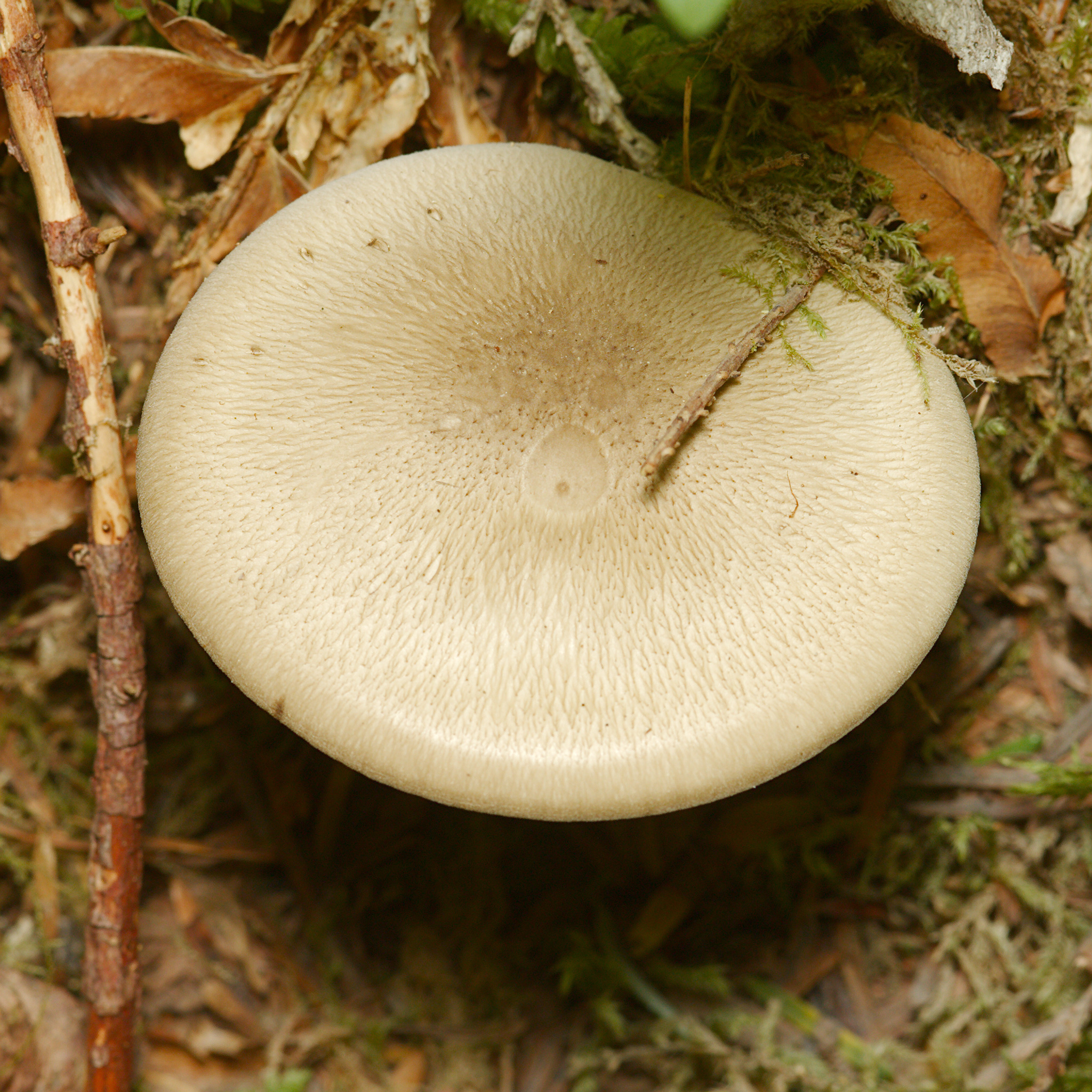
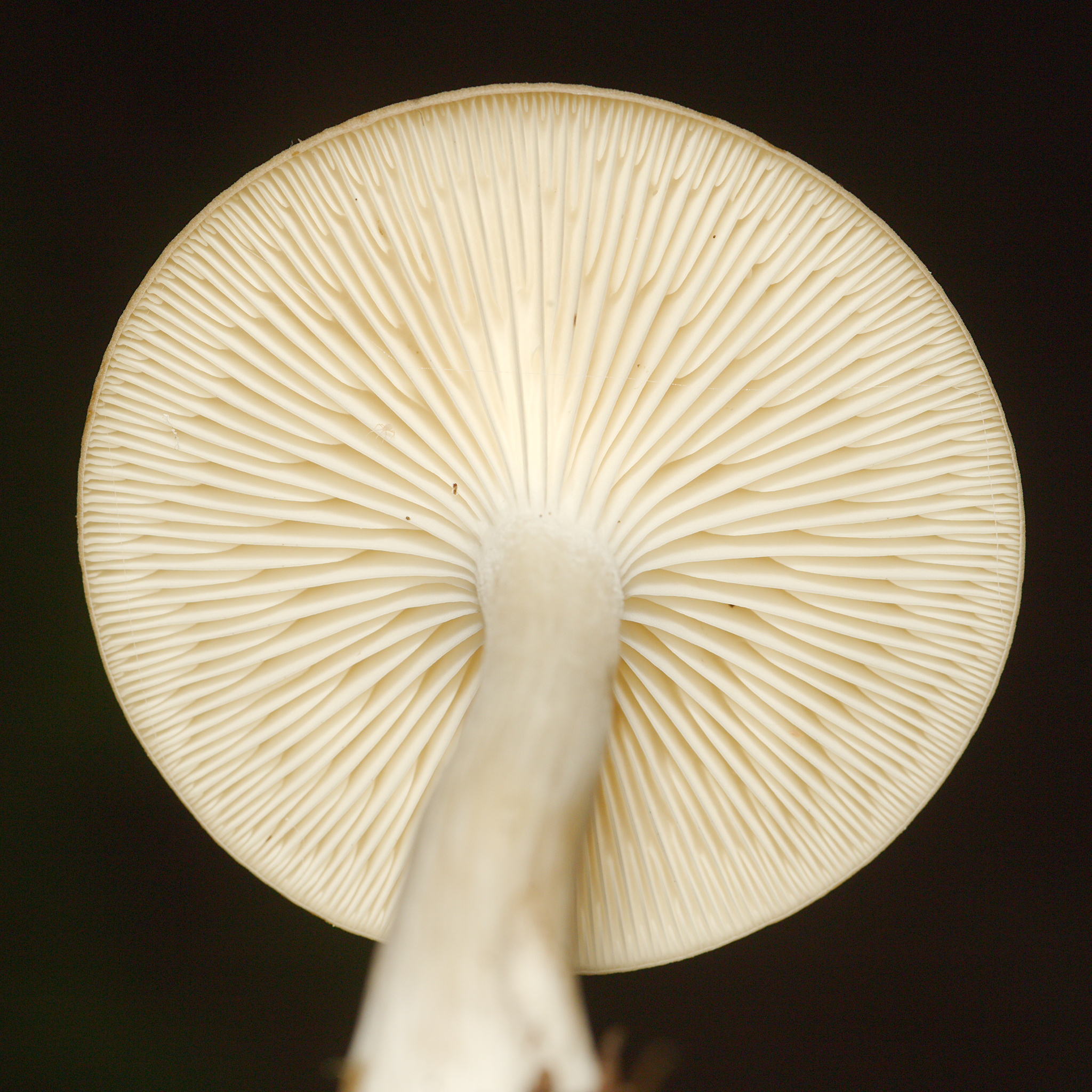
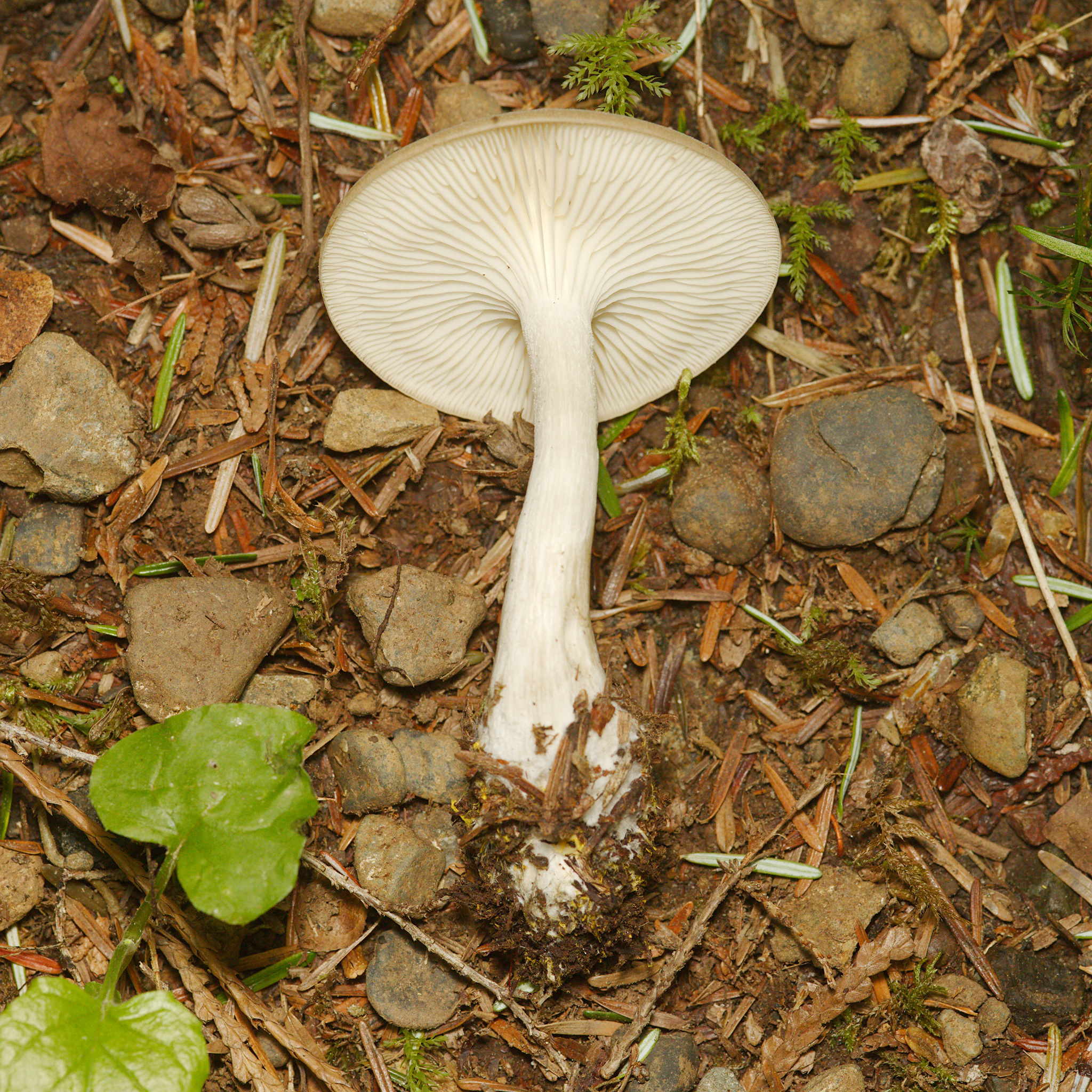
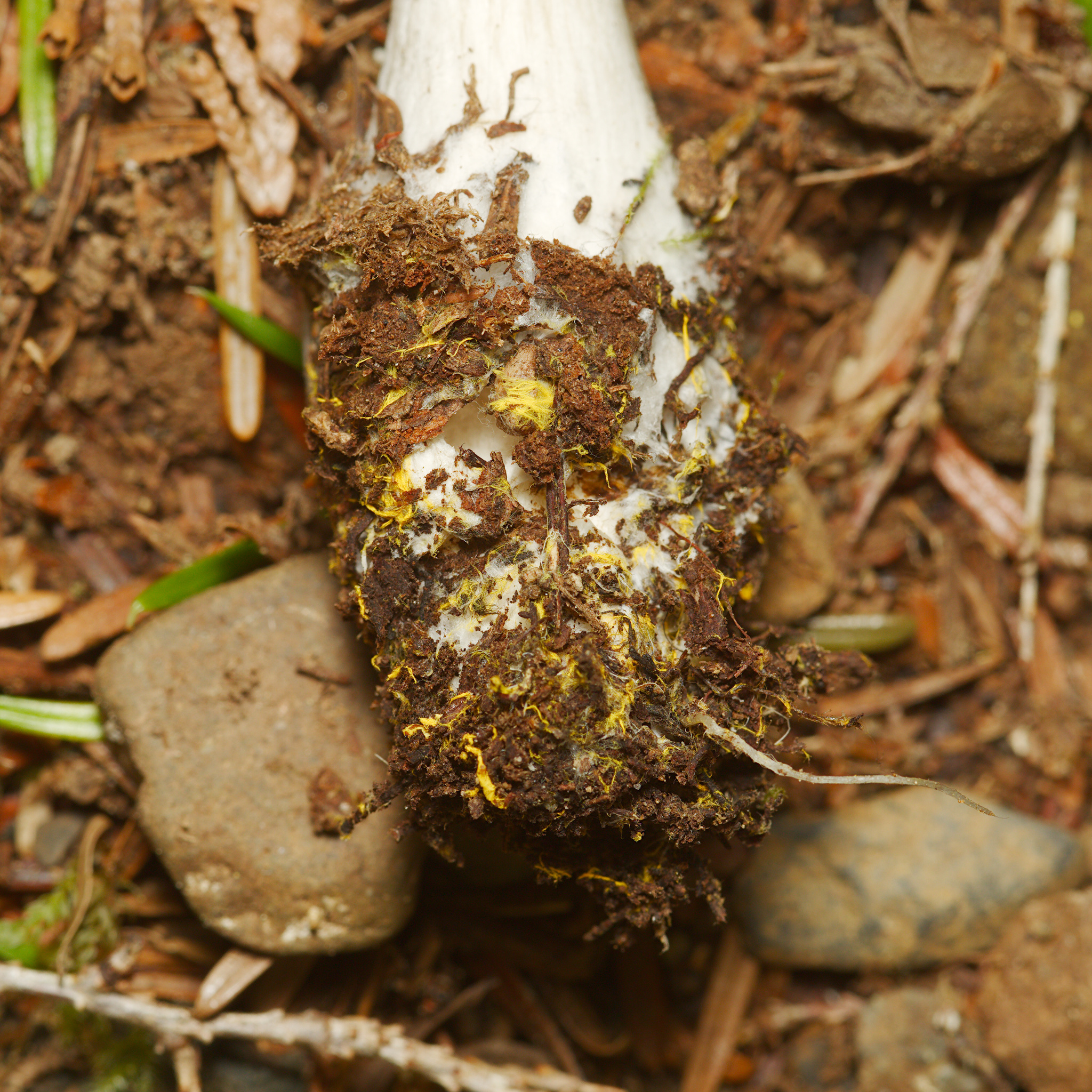
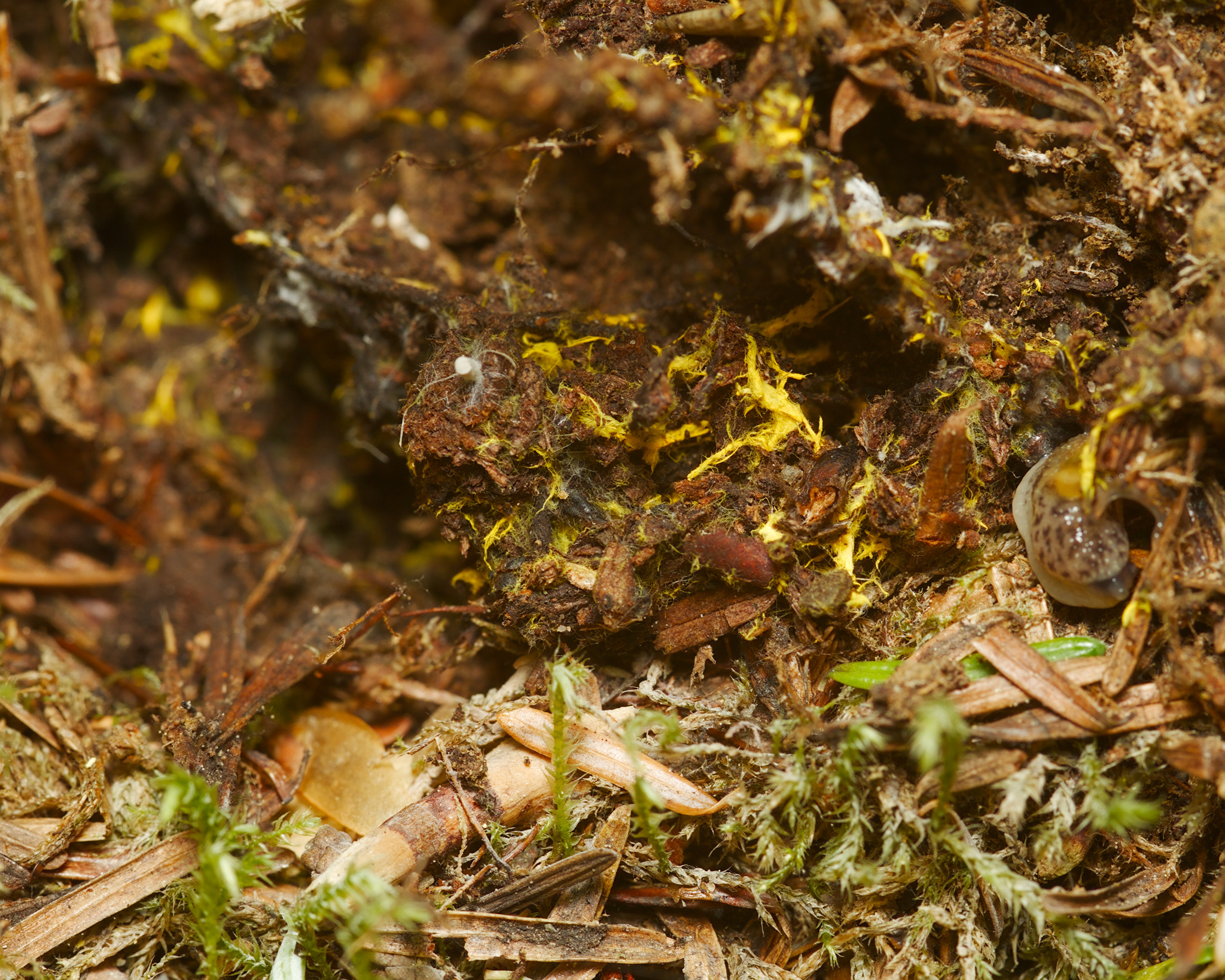
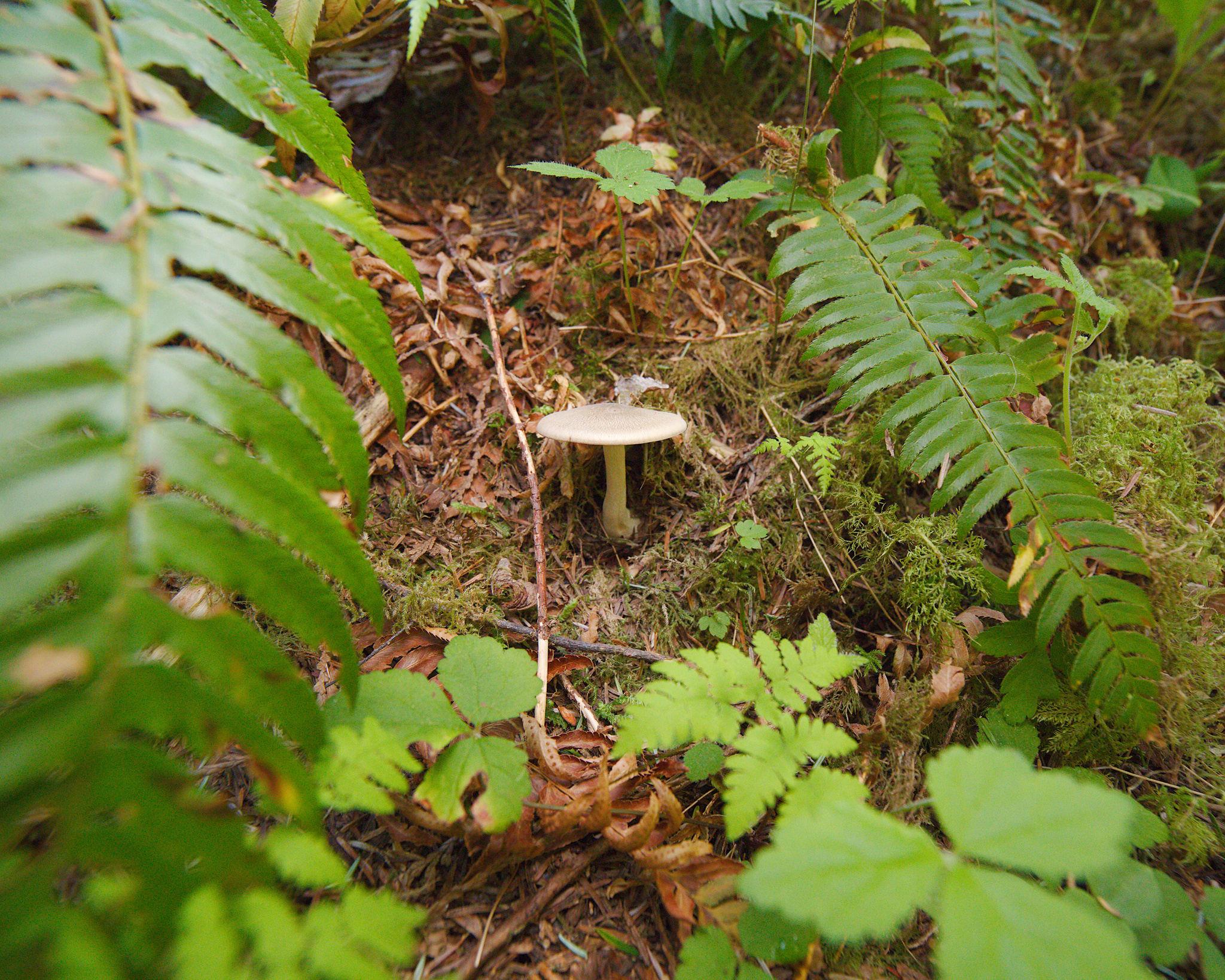
I would bet my lunch money that this is an Ampulloclitocybe. I am no specialist in all clitocyboids, not many are, but my gut tells me this is clitocyboid and not towards Collybia. If I am correct in my ID that is certainly true, as Danny also notes these are in the “non-waxy Hygrophorineae”. That being the suborder of “waxy caps” makes this fun! It includes some of my favorite genera that to be honest, I did not know shared a suborder with Ampulloclitocybe. Cap texture, this more strict “funnel” form but without a depressed cap, gill attachment and structure, all give me the idea this is maybe a Spring and Fall species in that genus which I have seen but never sequenced. I would be surprised if this doesn’t fall under some sort of clitocyboid genus, at the very least. An interesting note here are those bits of what appear to be yellow mycelium, not sure what’s up with that here. I think there's potential for that to be from a different species, Brodie has found some in wood before.
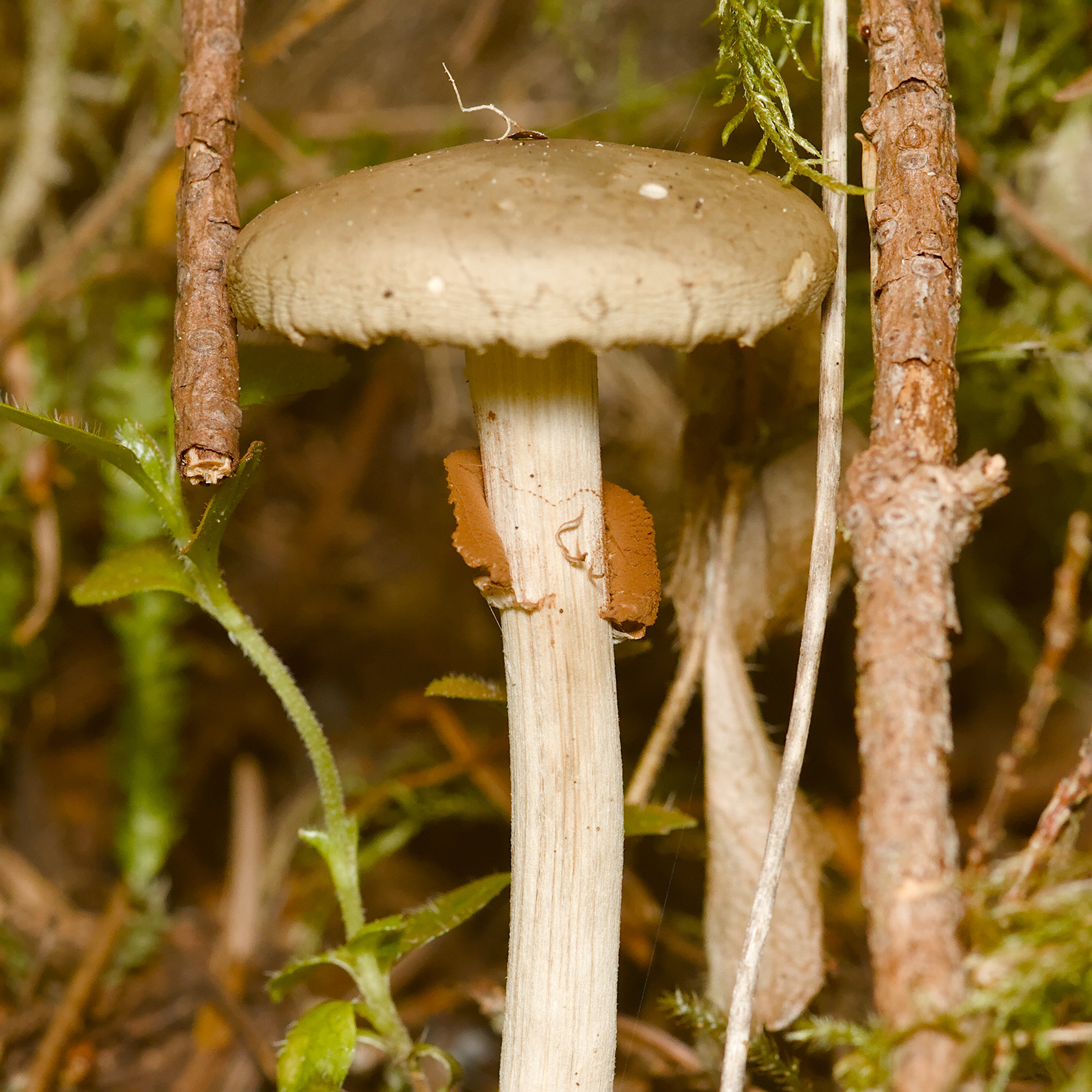
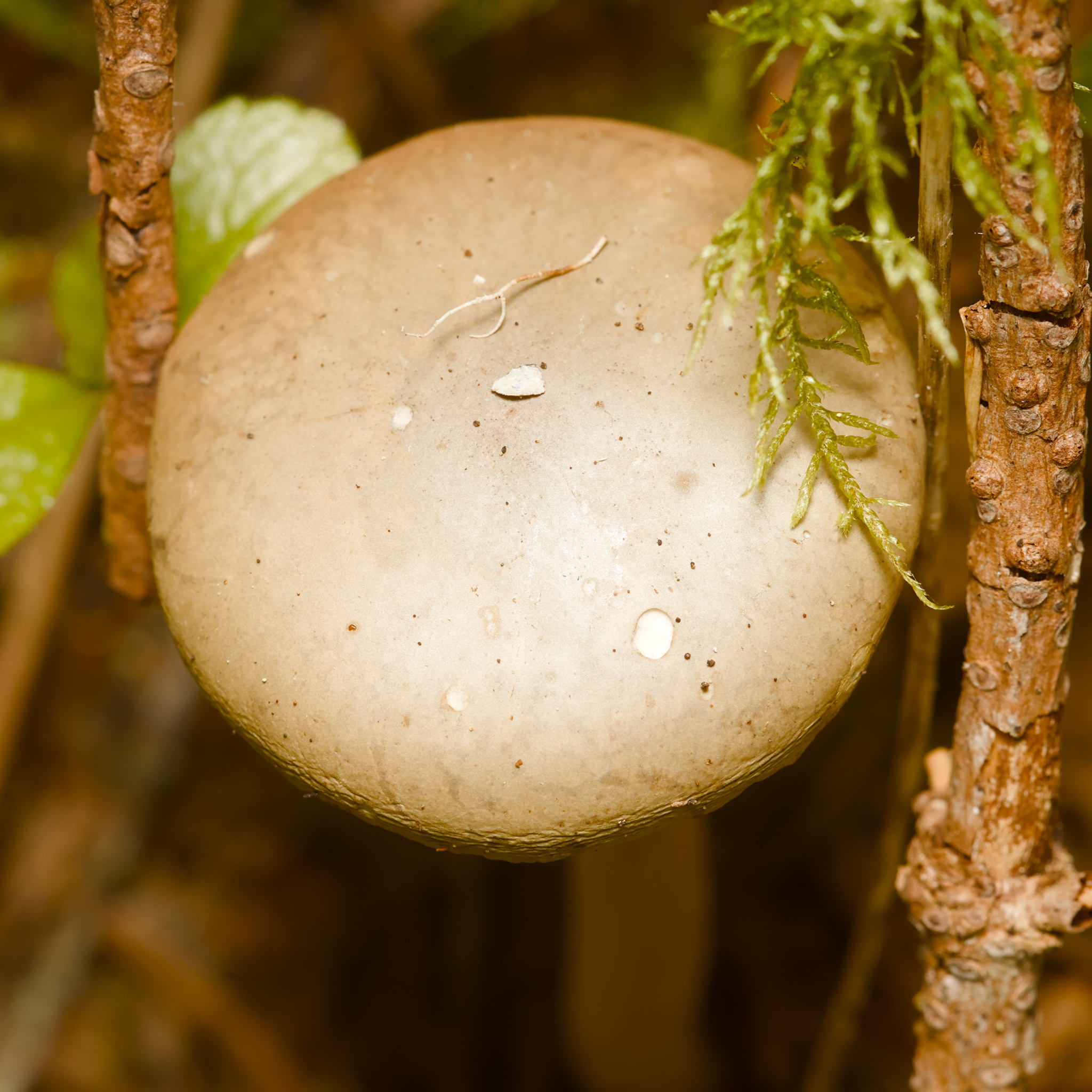
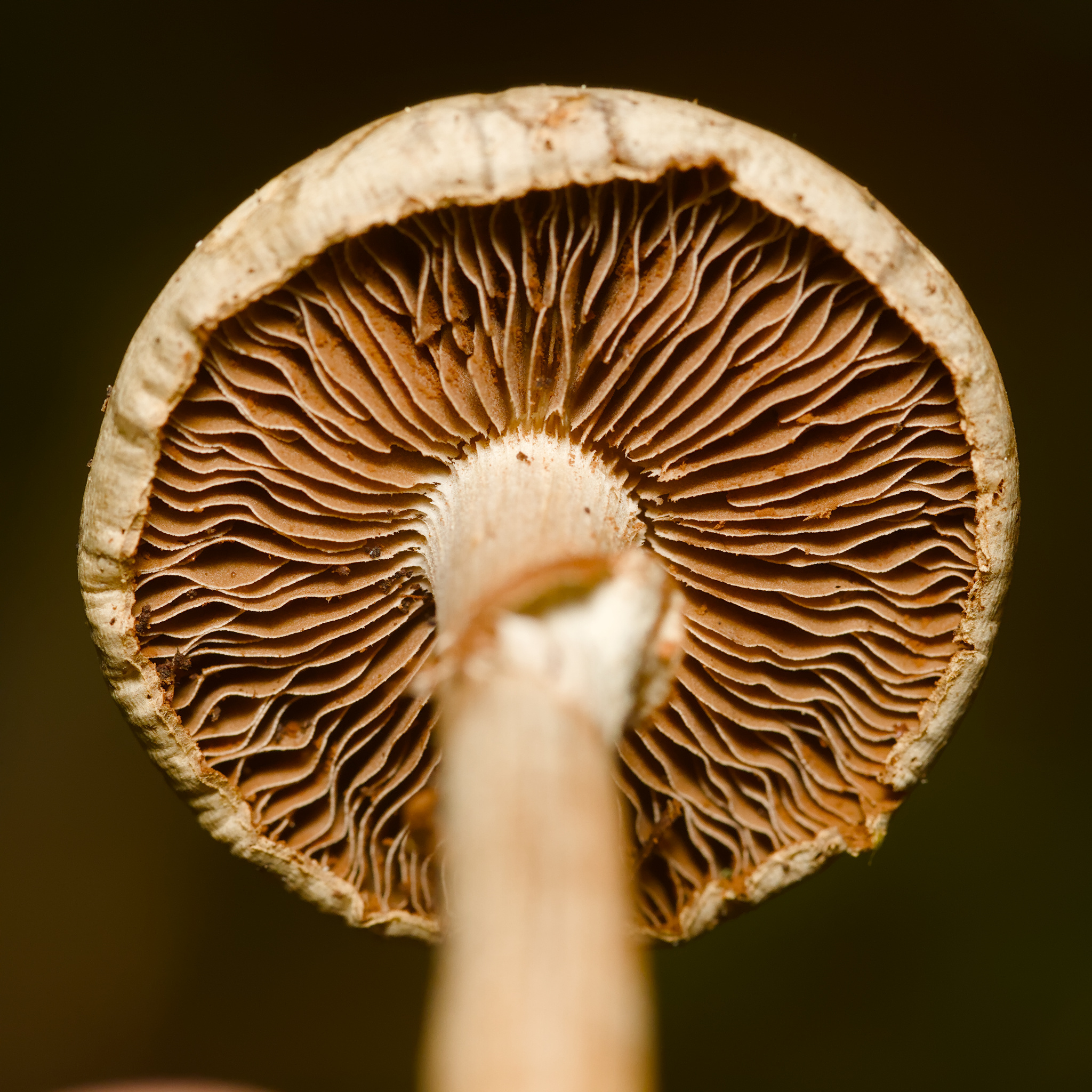
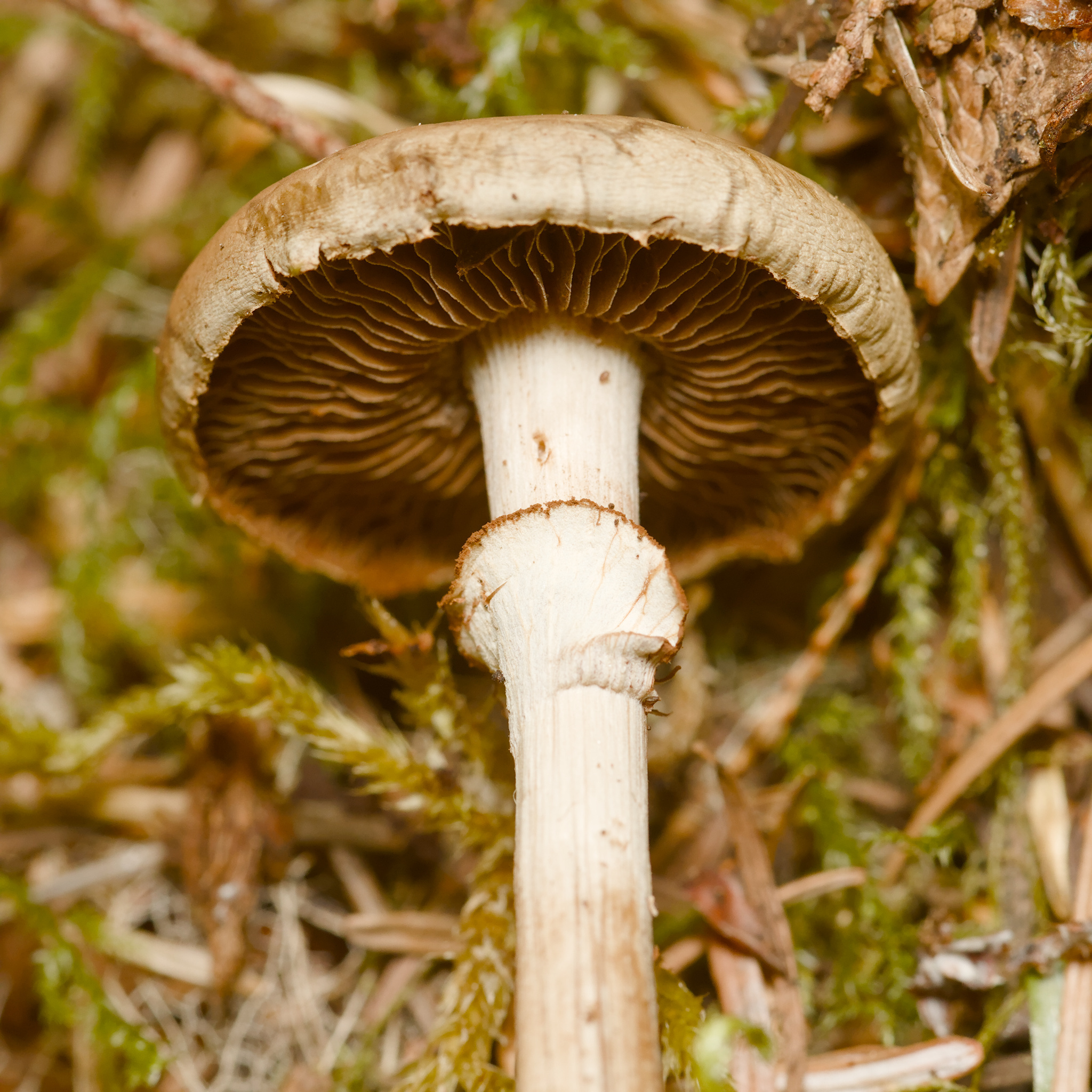
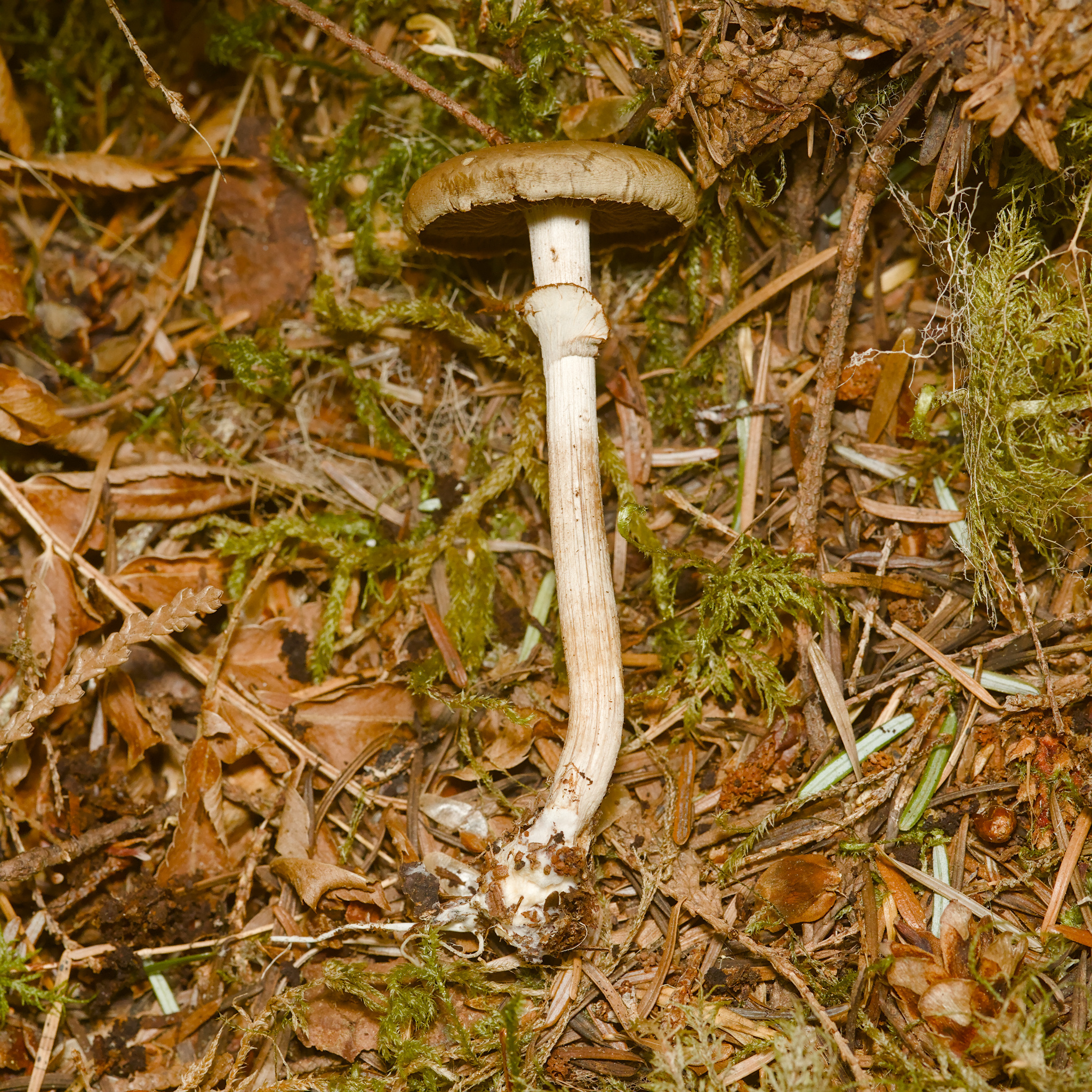
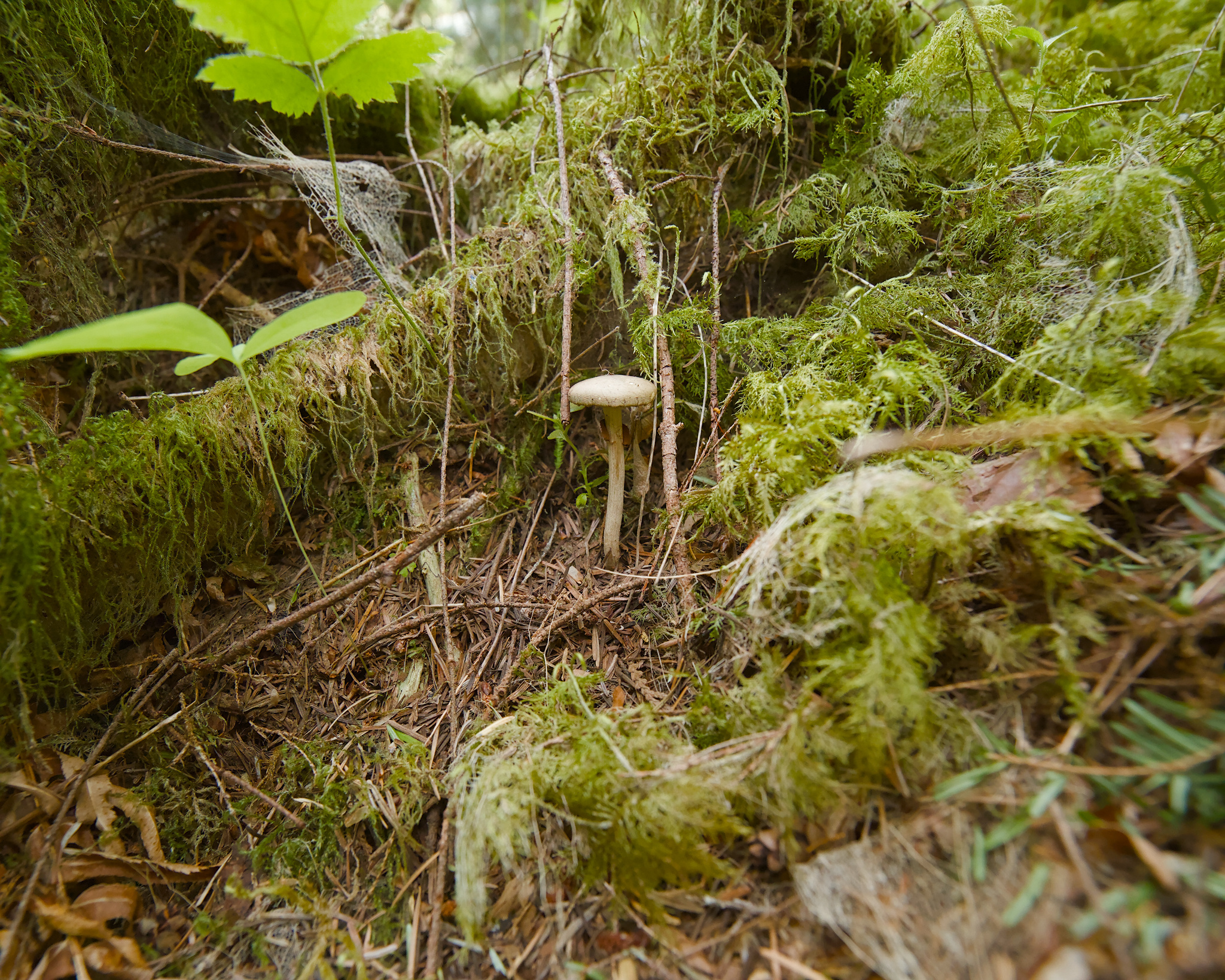
I sometimes despise the seemingly constant flow of Agrocybe ID requests in the online groups, especially come Spring. This phenomenon happens of course, because A. praecox group is both one of the most widely distributed macrofungal species in the world, and has developed a penchant for our agricultural land and urban landscaping. Those two things may be linked but I would have to add that seeing one in the woods is a different story! There is indeed a potential for a bit more diversity in the genus in wooded habitats, so I might only hope this is anything but A. praecox. I would add that this appears to be on coniferous duff, so we may be able to rule out A. acericola.
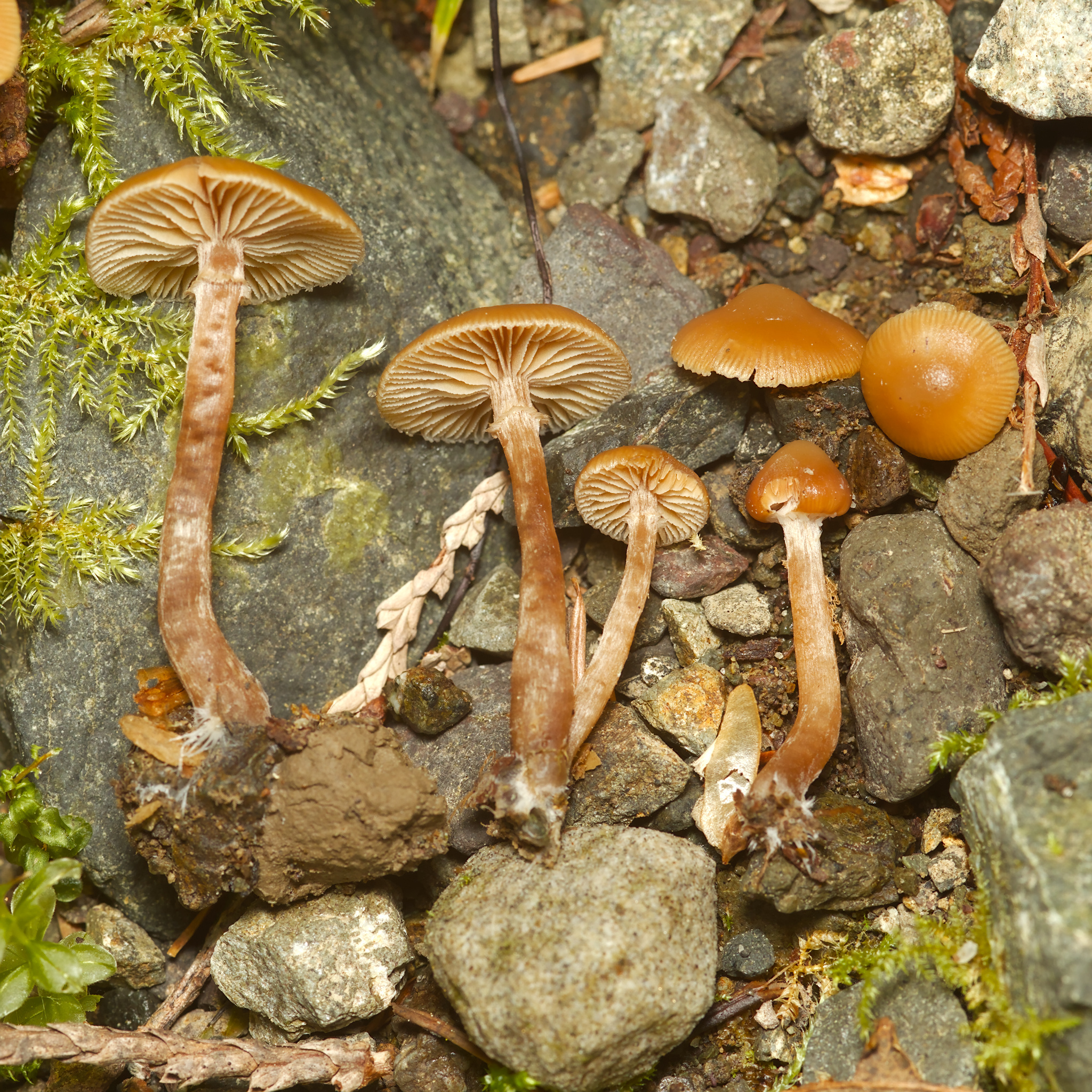
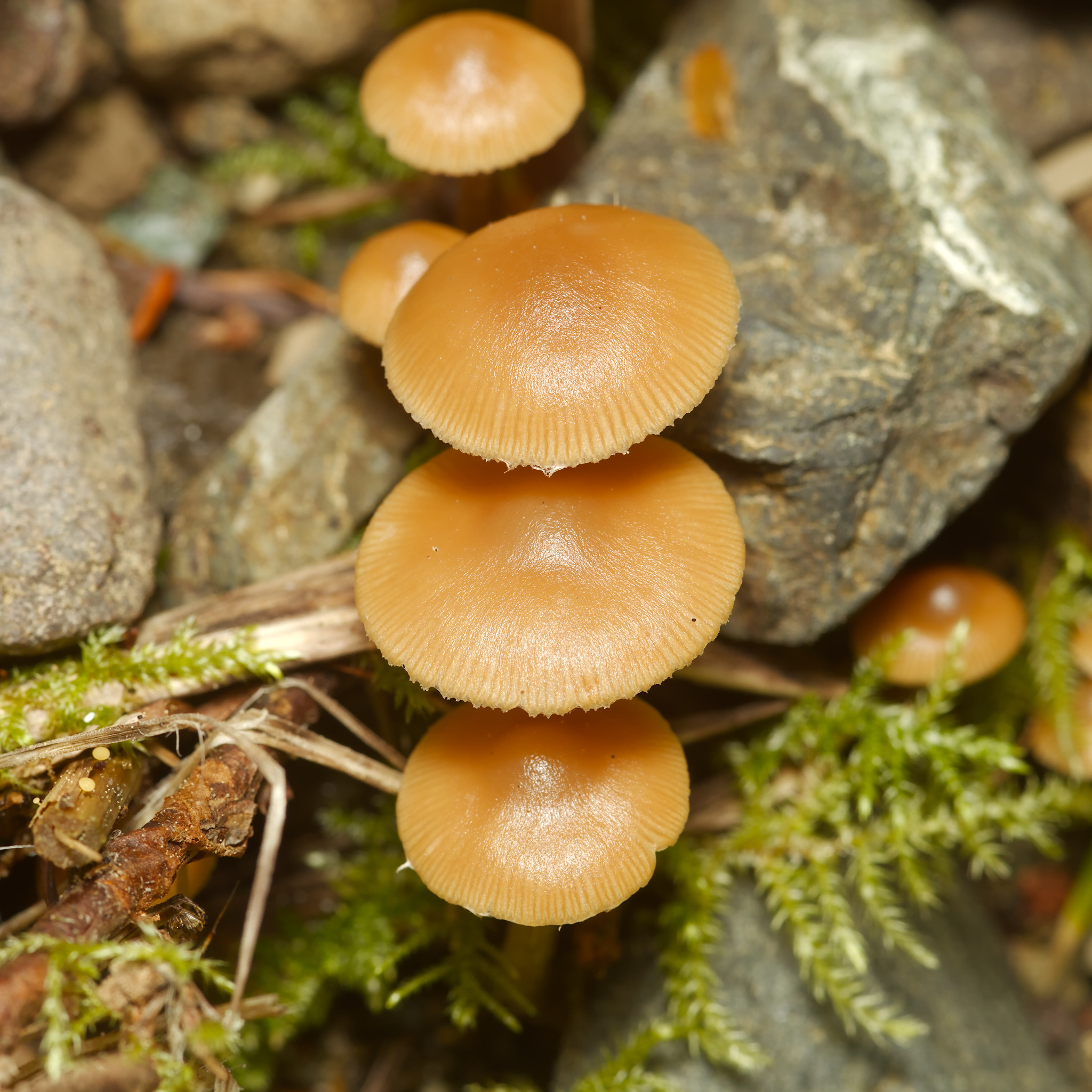
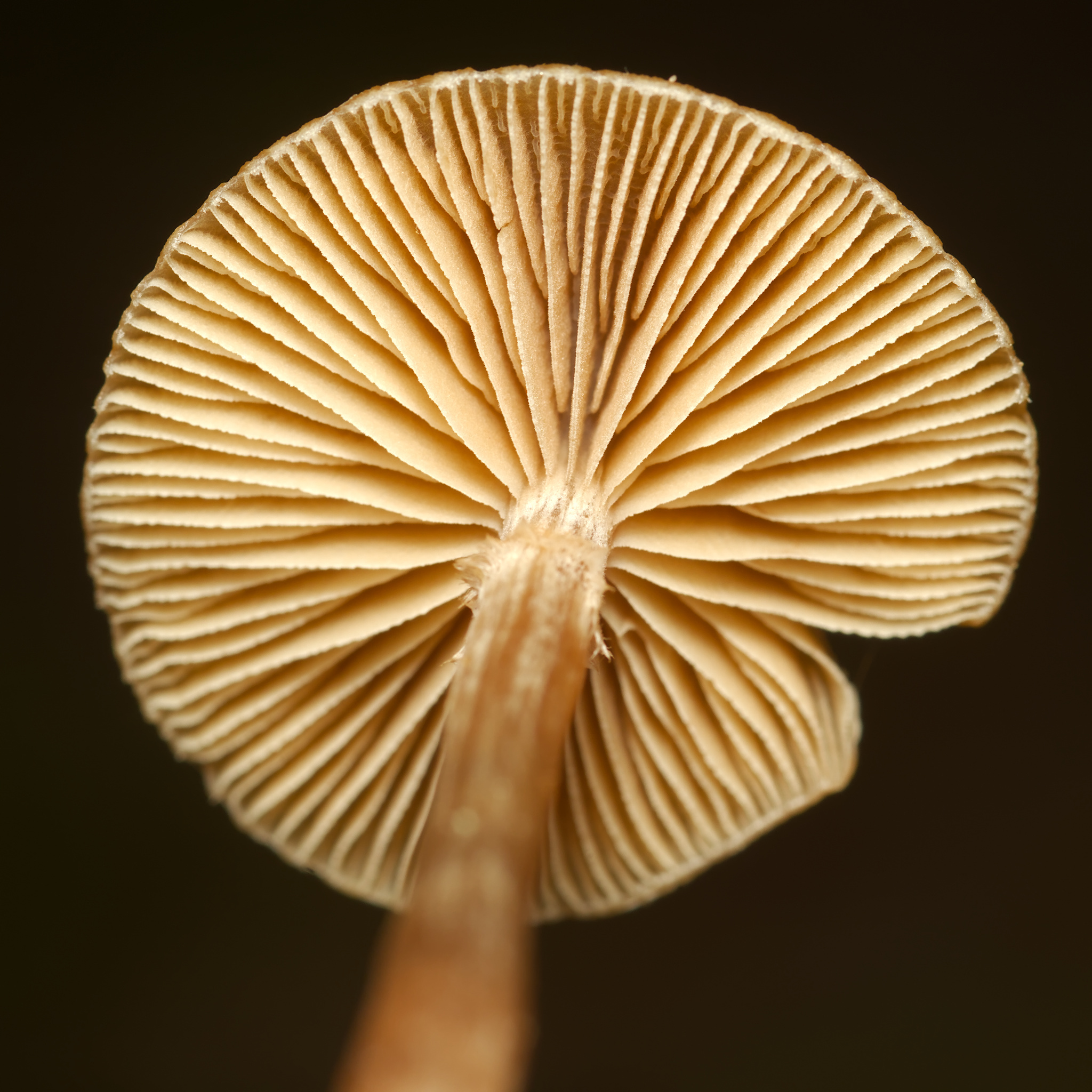
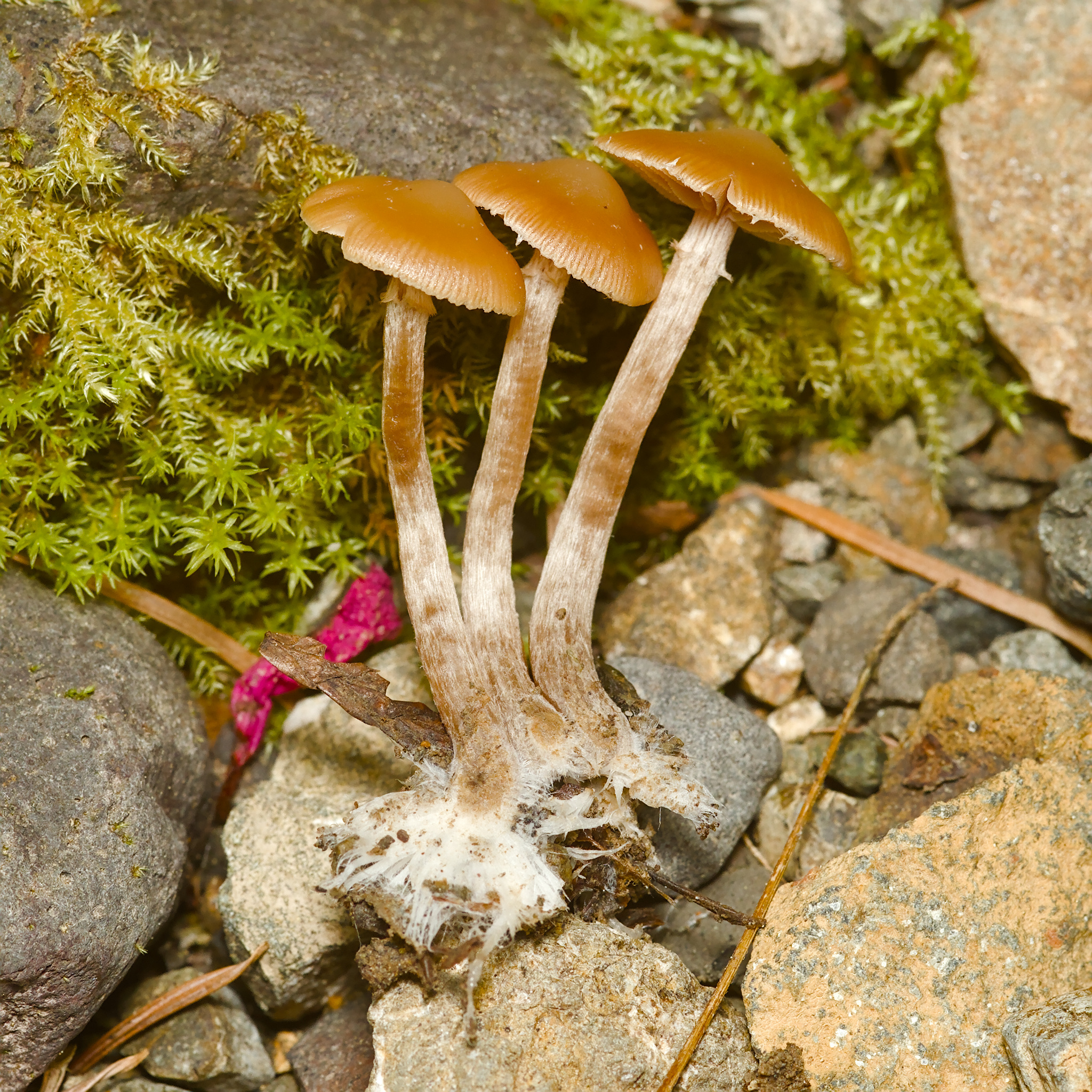
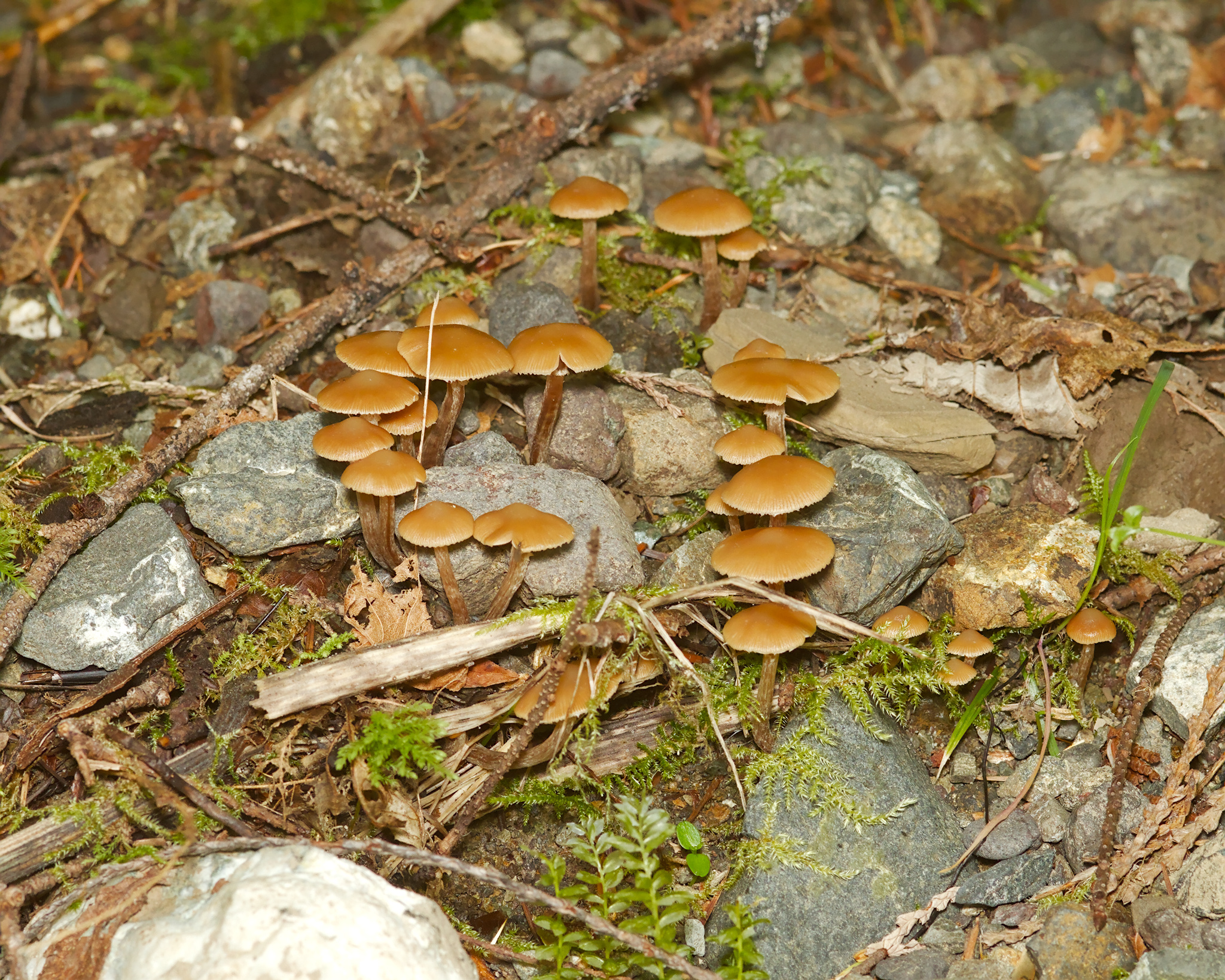
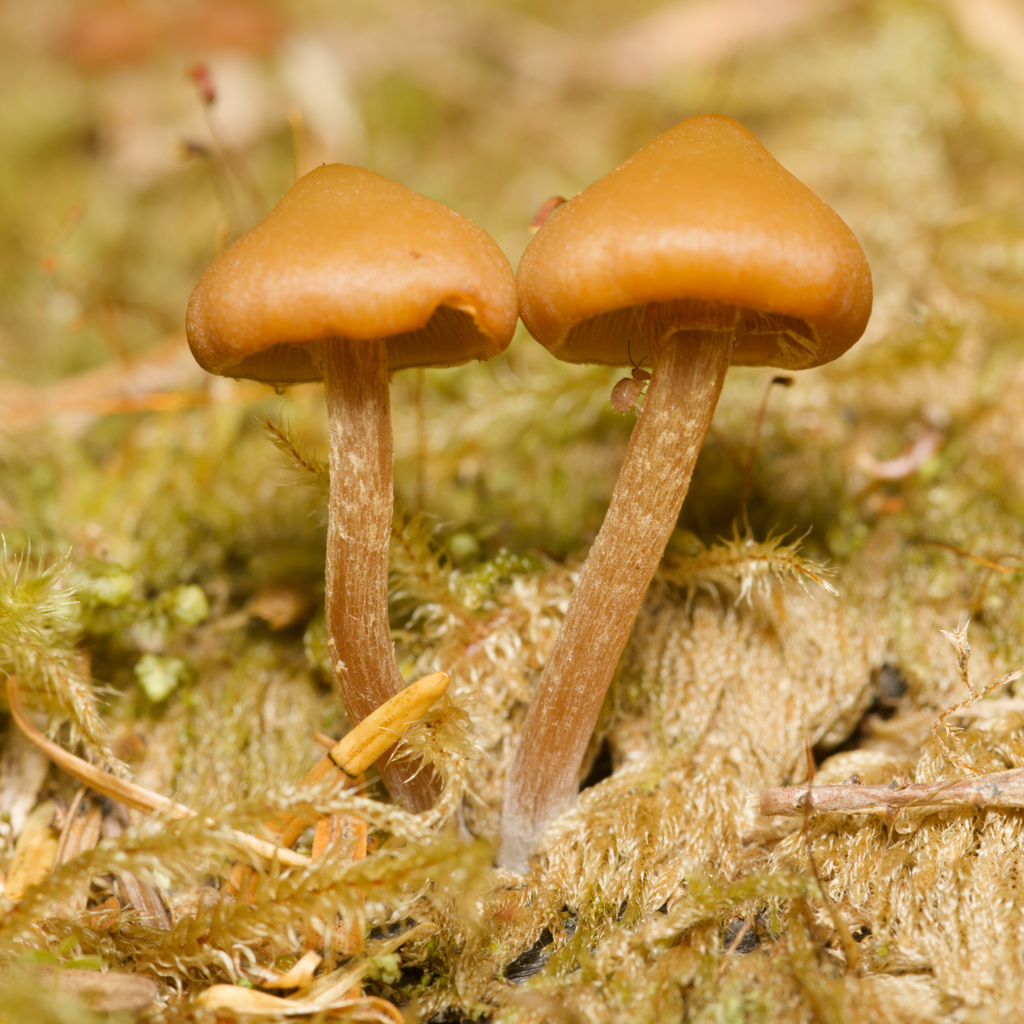
I have gone back and forth over this collection’s ID a few times. Tubaria seemed good but the cap is too conical and some of the textures aren’t quite right. I thought Galerina might be feasible but have tried to rule that out. Other experts are thankfully also a little stumped, and we have attempted to rule out other genera and families too! A tentative ID I had not considered, from Jacob Pulk, is Alnicola. We do have a lot of Alnus in the area so maybe that direction fits, but we will have to see. I note finely serrated gills that I think I will have to learn to associate with whatever the result here is!
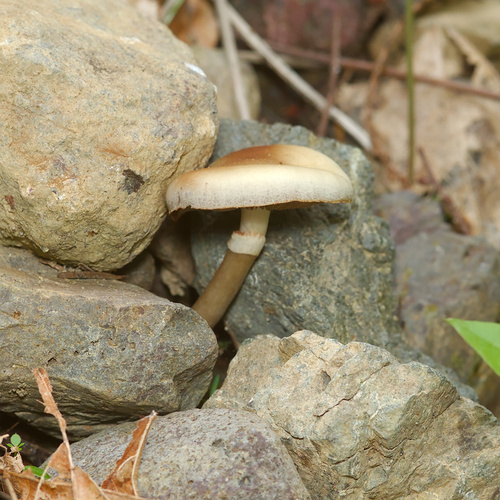
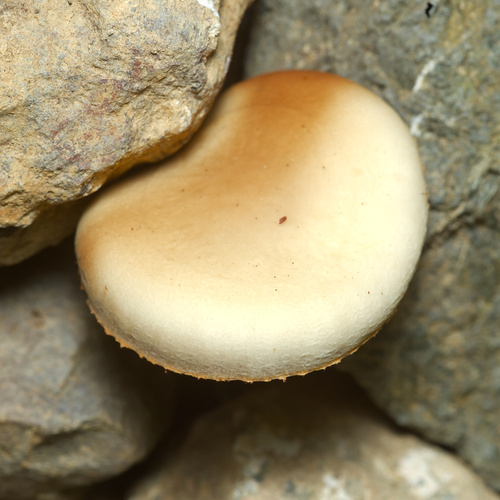
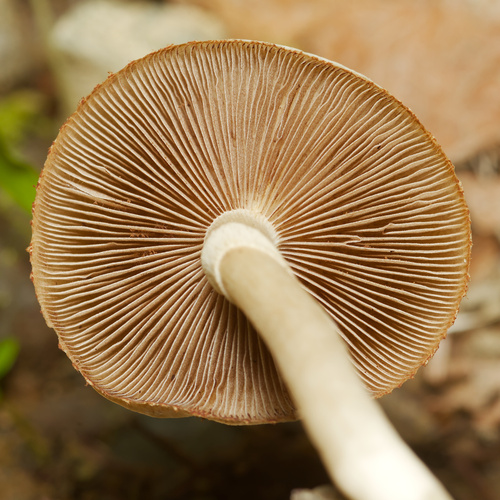
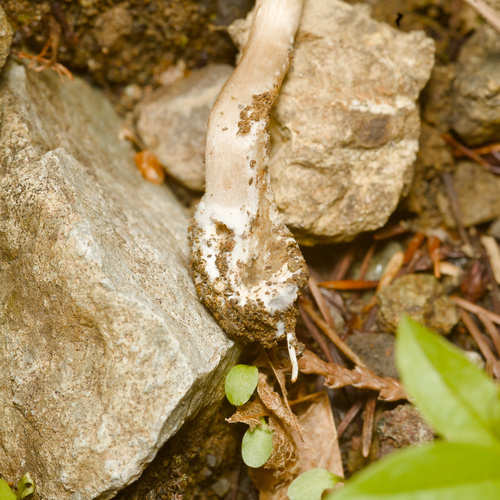
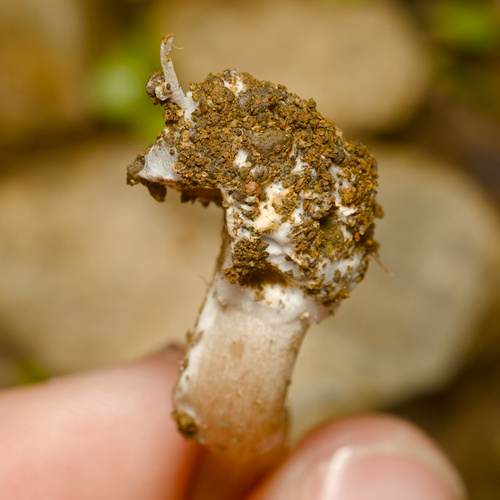
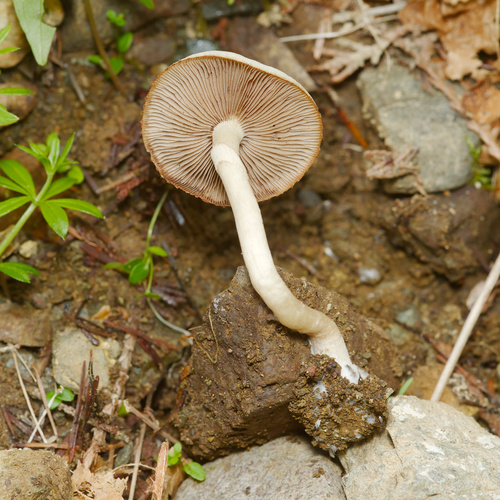
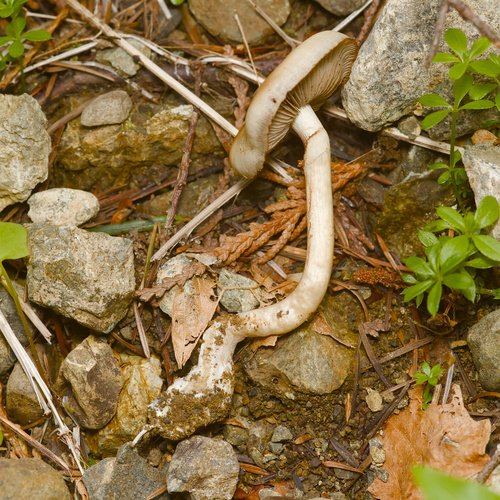
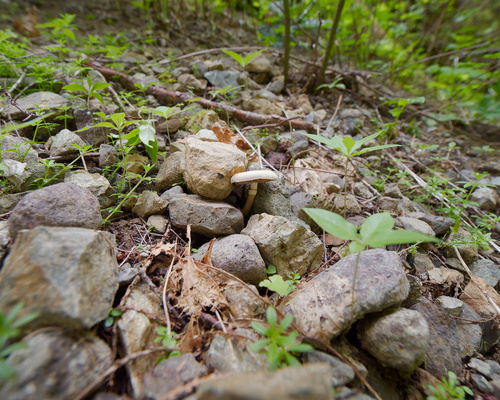
Agrocybe again. I think this might be the same as the previous collection but there is a slim chance it is not. We have selected both here just to get a bit of data going, I think it would be nice to have two more woodsy sequences in the genus, assuming we’re correct.
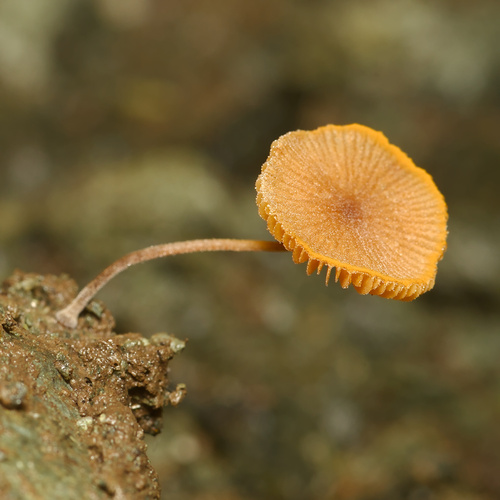
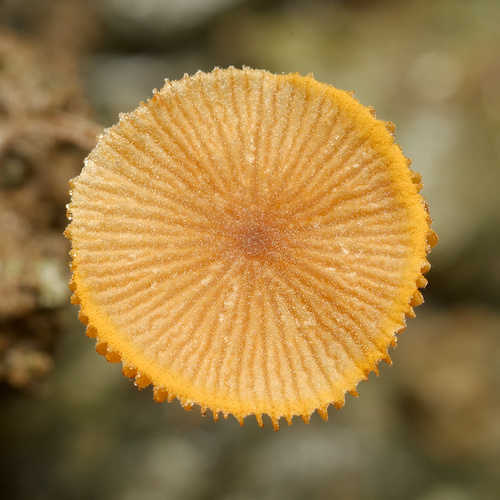
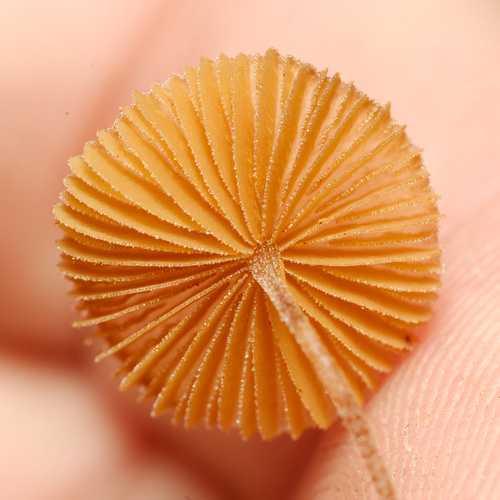
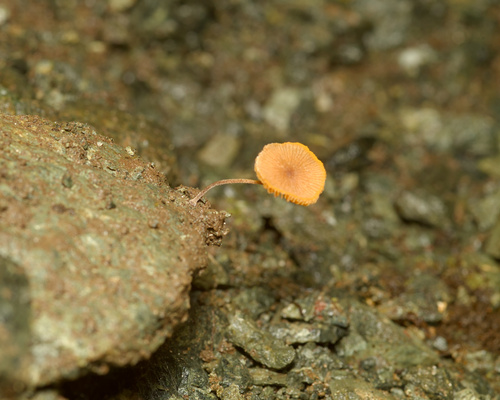
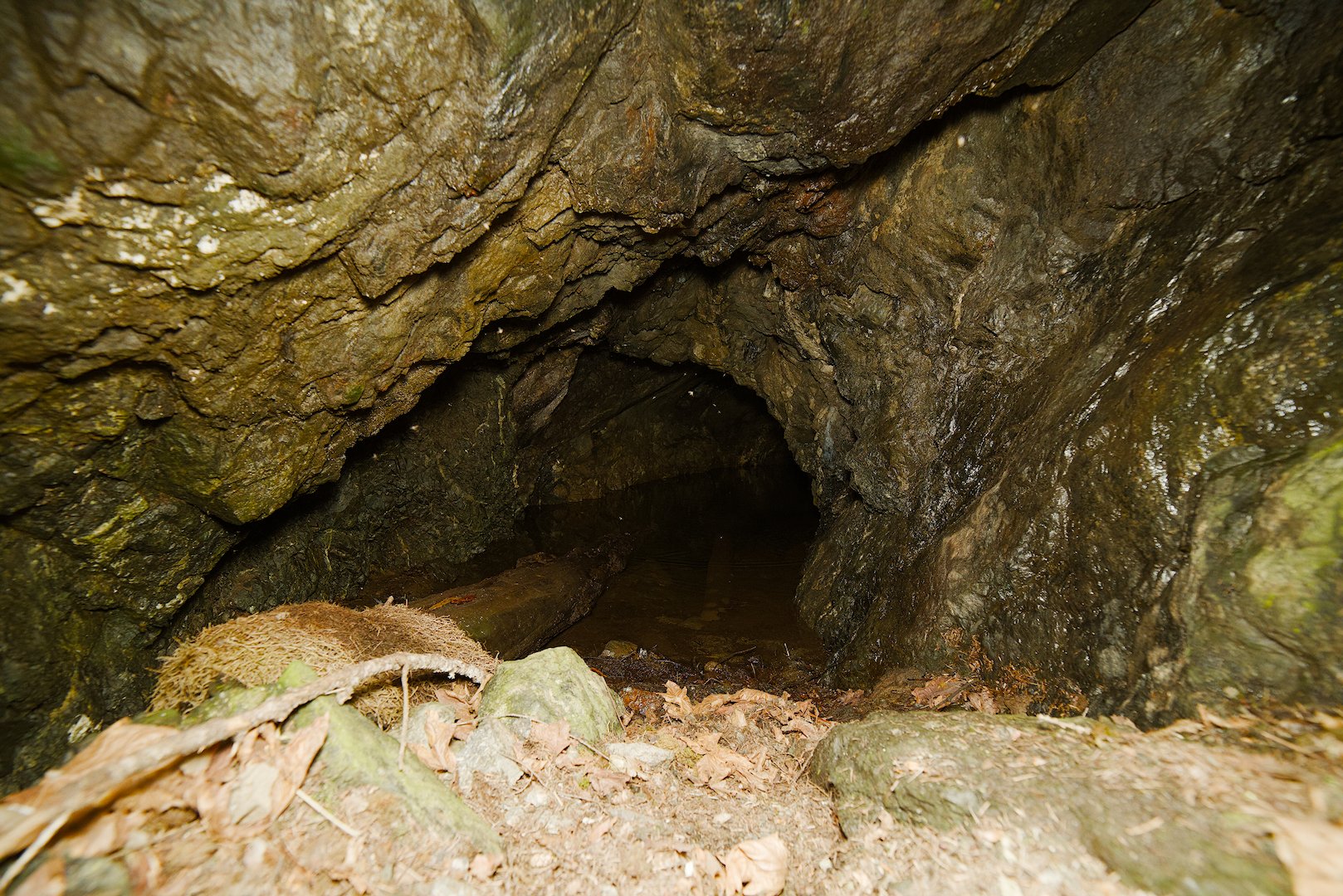
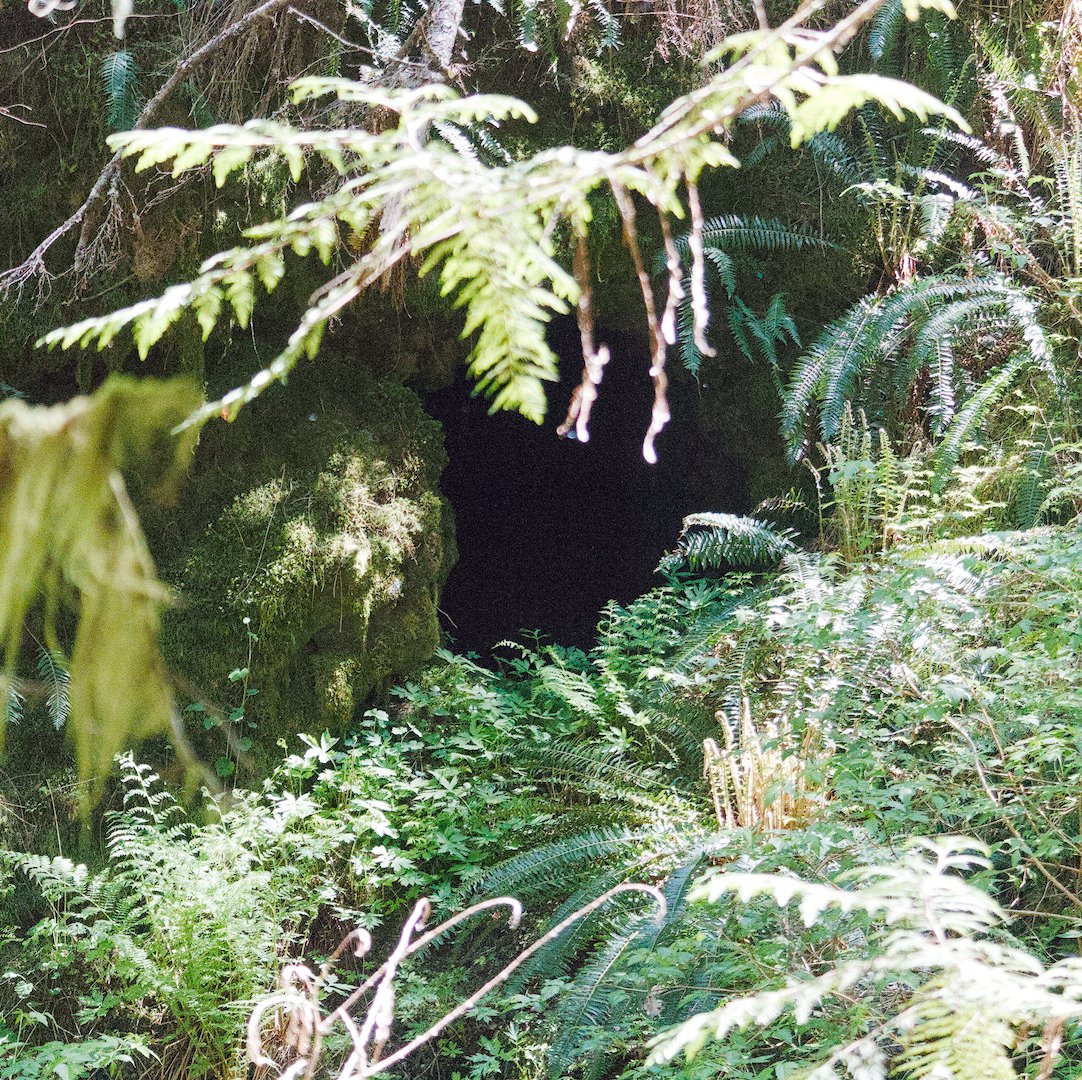
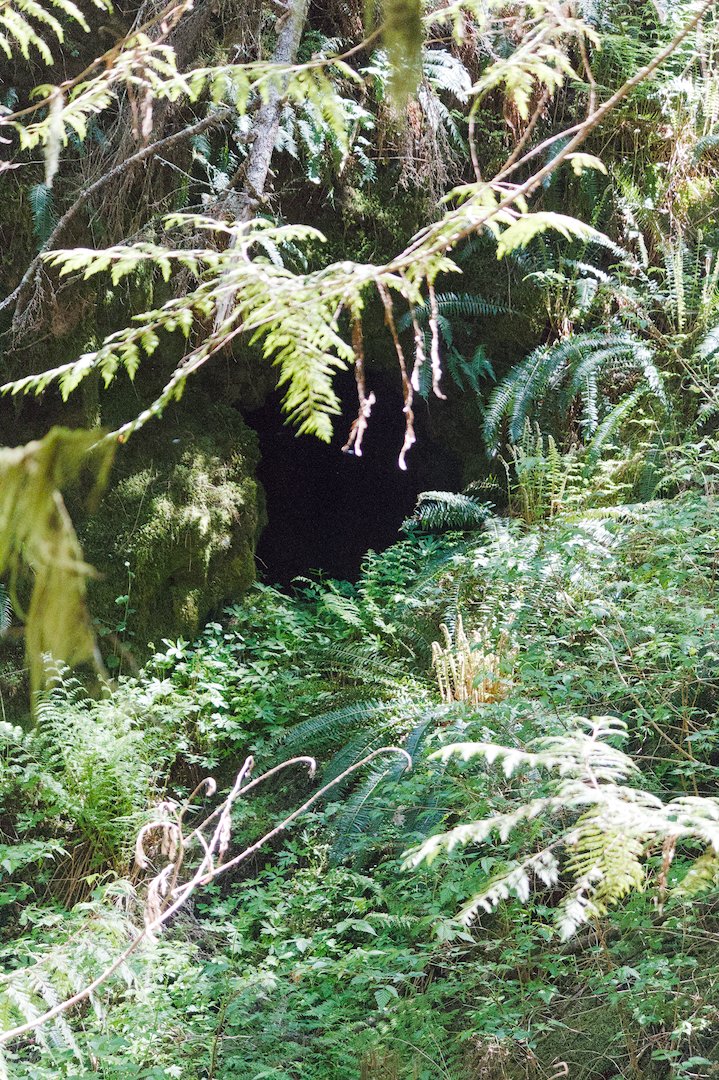
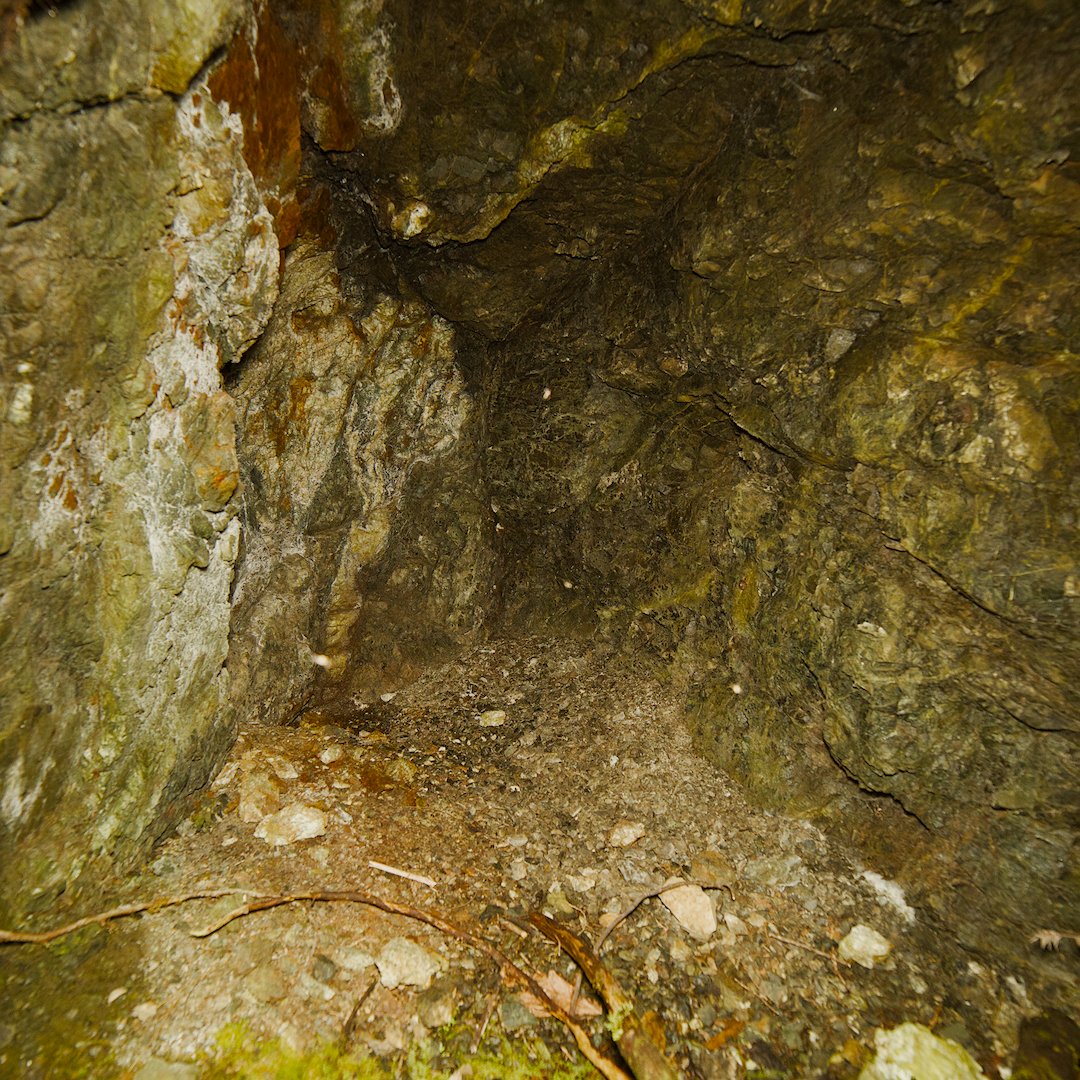
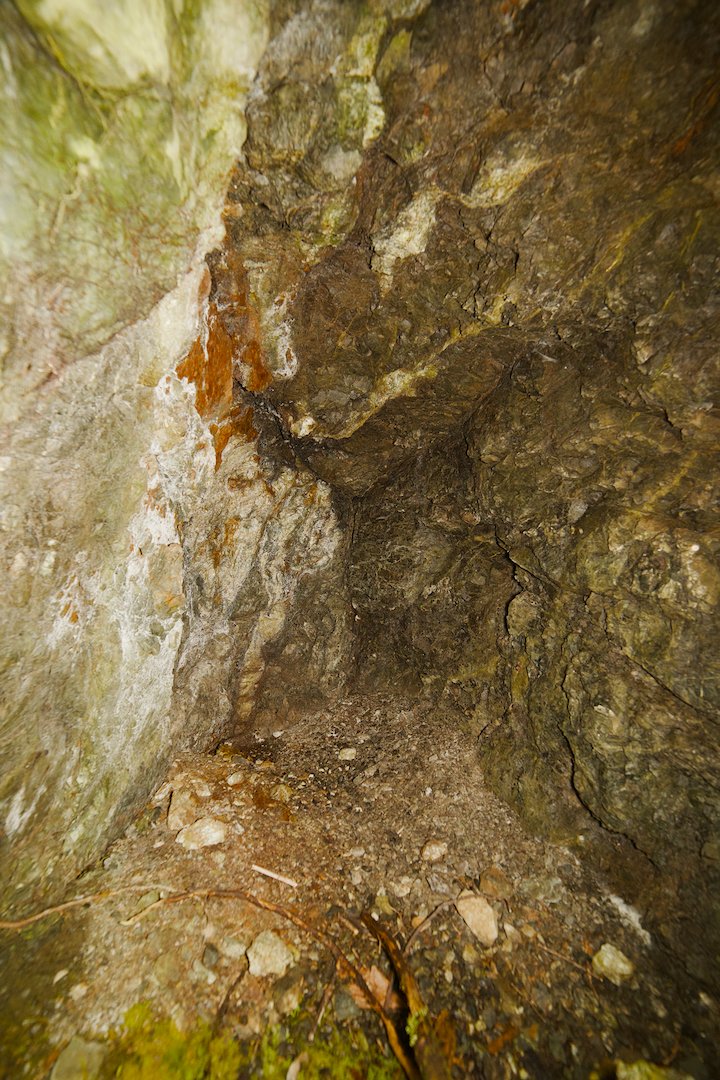
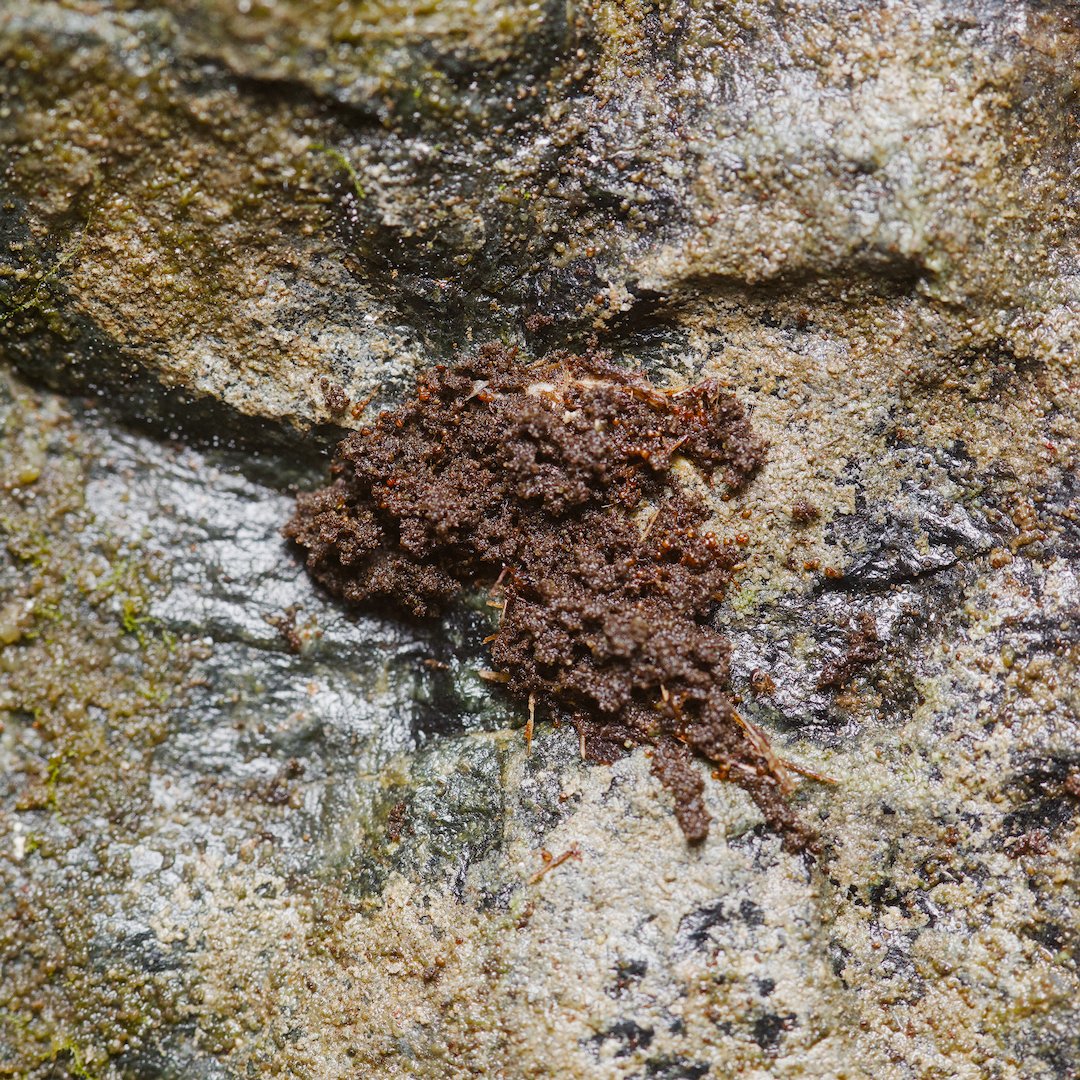
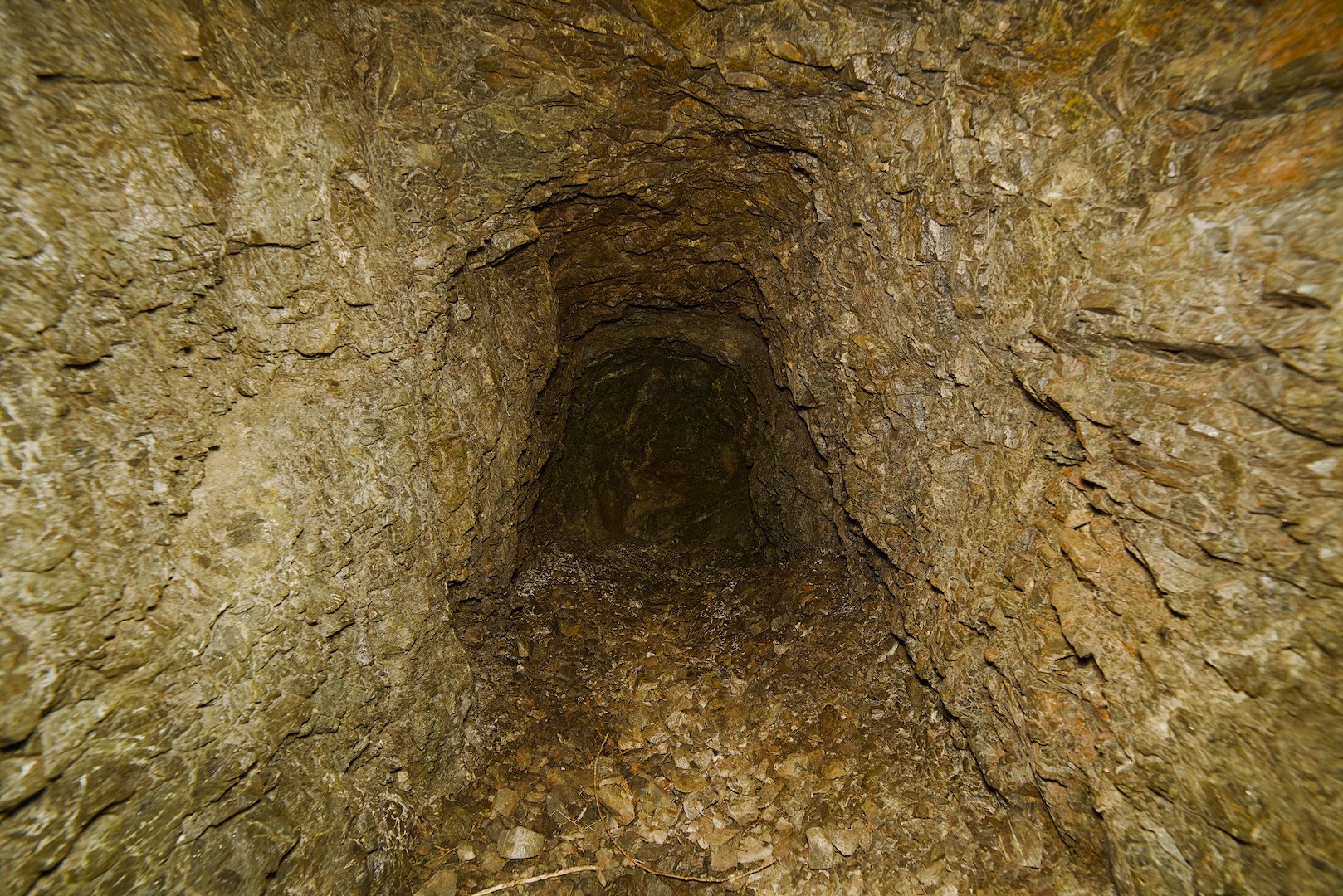
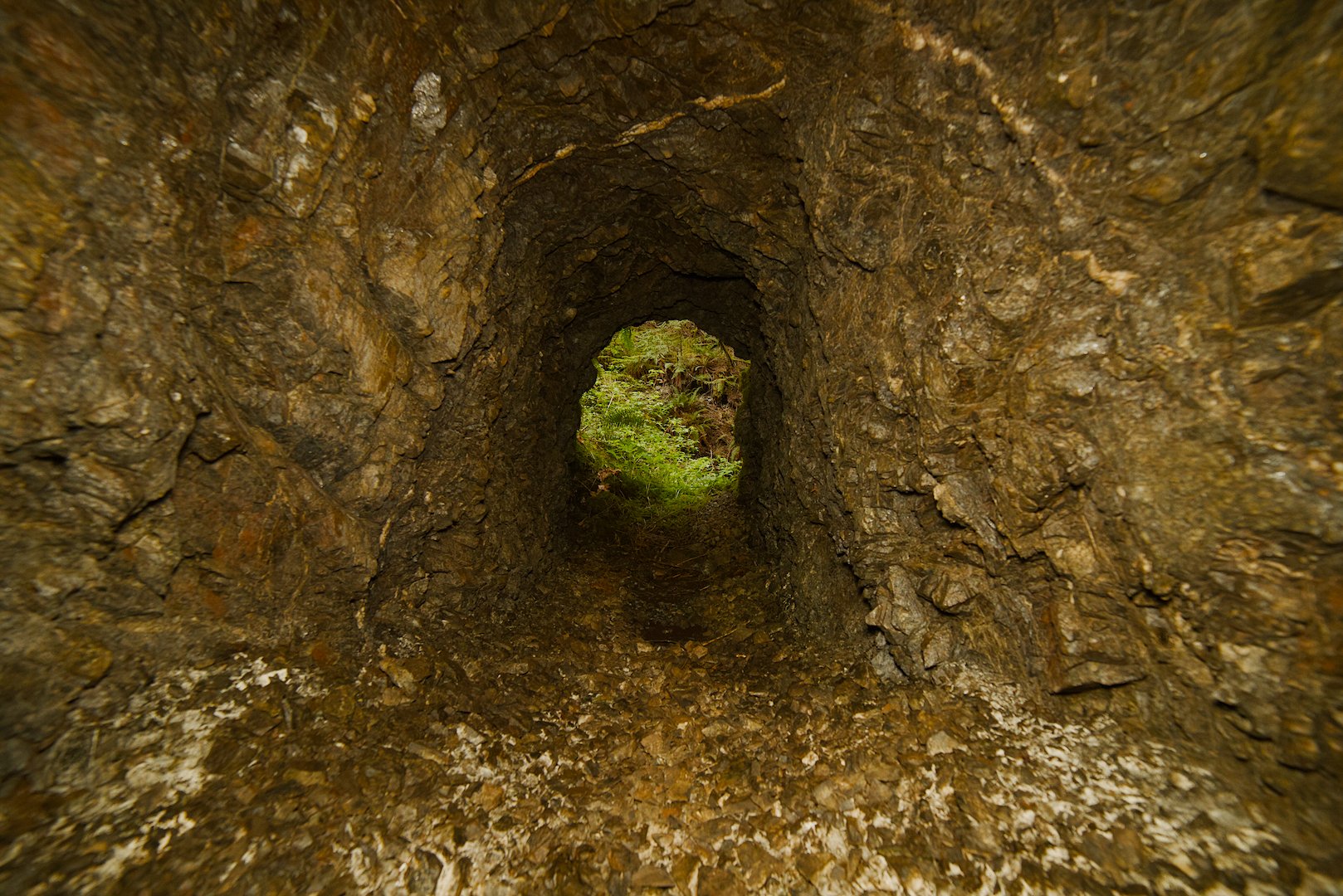
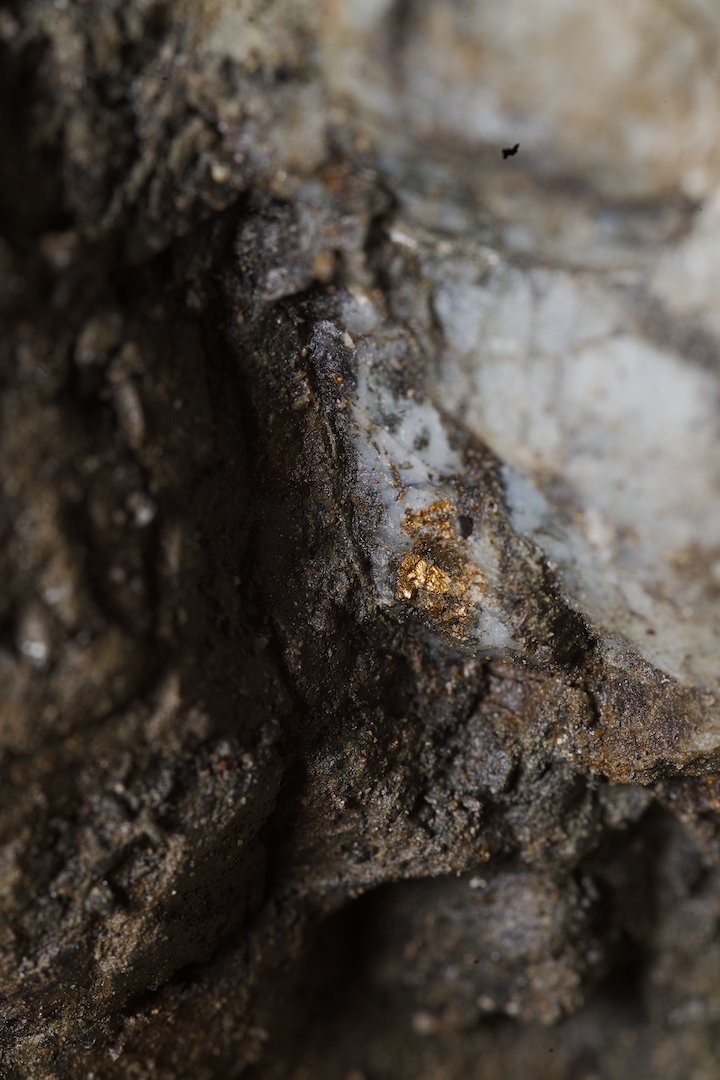
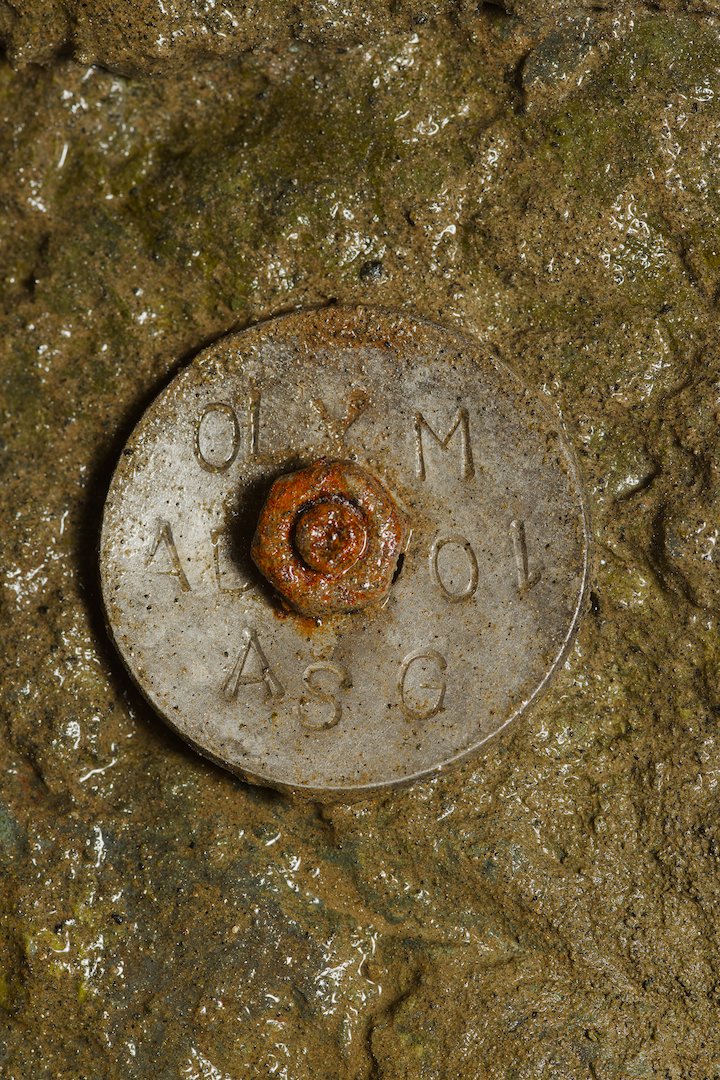
Cave mushroom! Found around 100’ into an old mineshaft. I thought this was cool as hell. Was glad to see that Brodie made a trip back up to one of these structures of human decay that has been reclaimed by nature. My tentative ID was Bolbitiaceae and my friend who likes that family agrees, Aj Wind says maybe Conobolbitina or simply Conocybe.
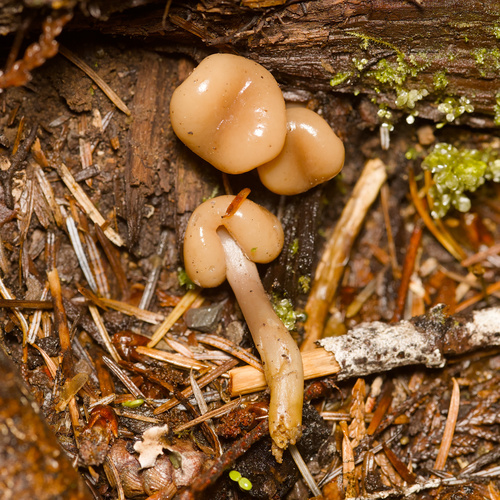
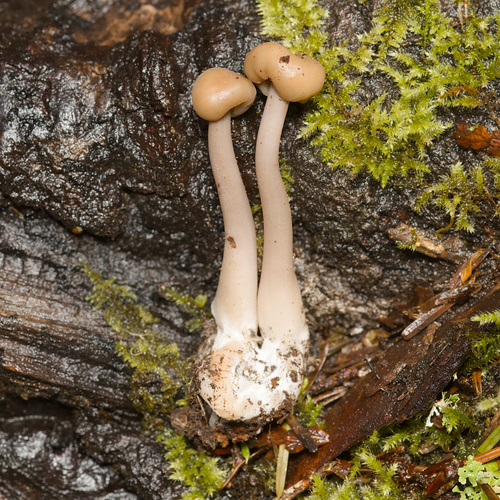
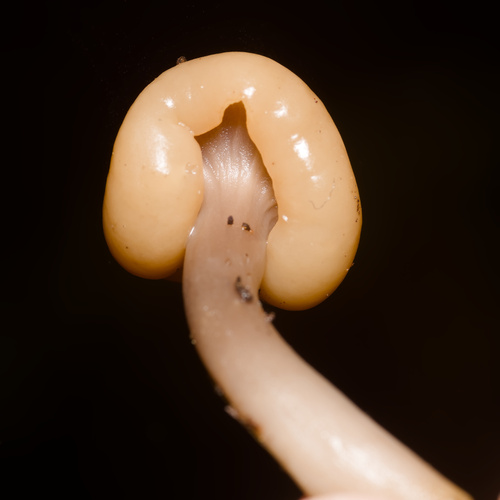
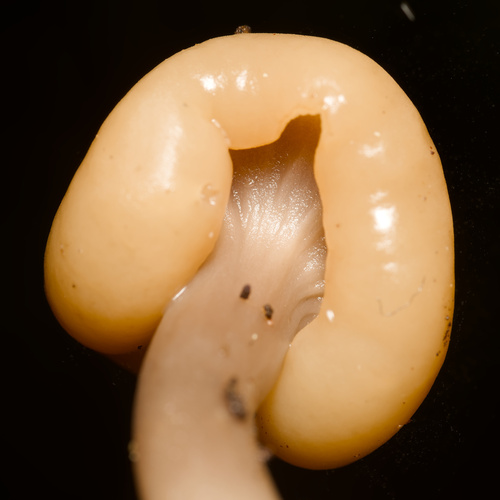
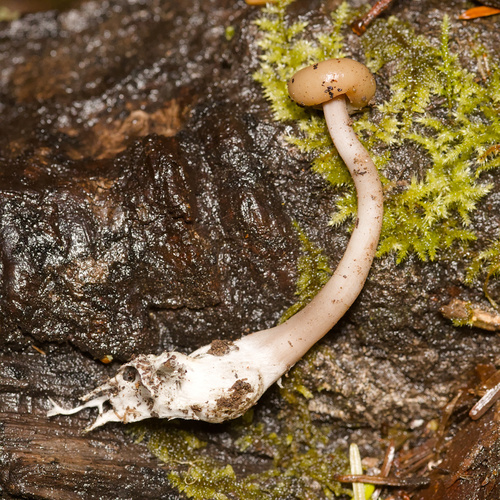
Cudonia! A genus I have never found, so I am jealous that Brodie got to see this alone. Closely related to, and likely to be moved to the same genus, these are essentially Spathularia without the same spathulate heads. With minimal sequences from the peninsula, somewhat limited observations in general, I am excited to have this one under our belt! I think maybe C. circinans here but there’s a decent chance it is one of the other species, there’s a few temp codes around too. The textures here are lovely.
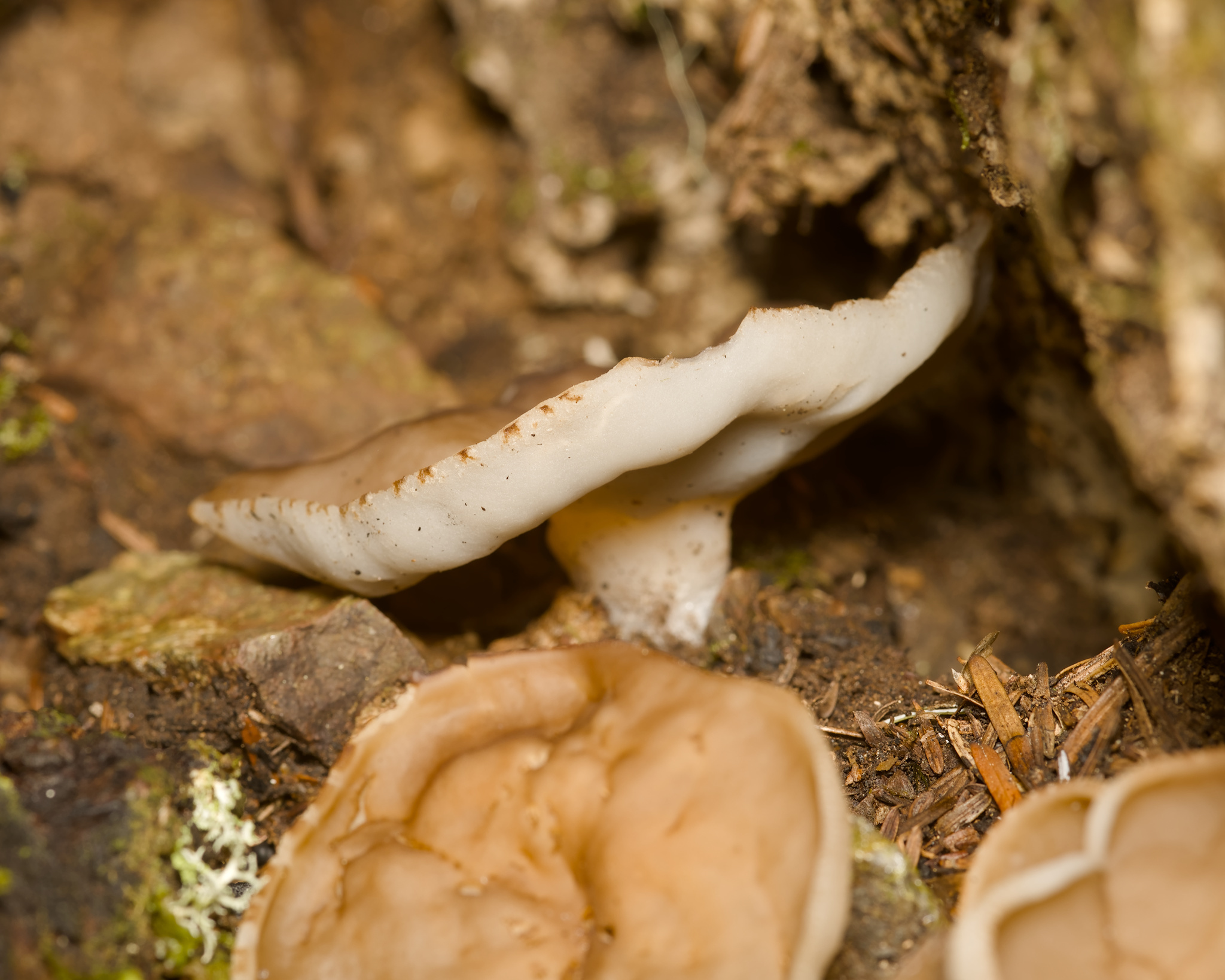
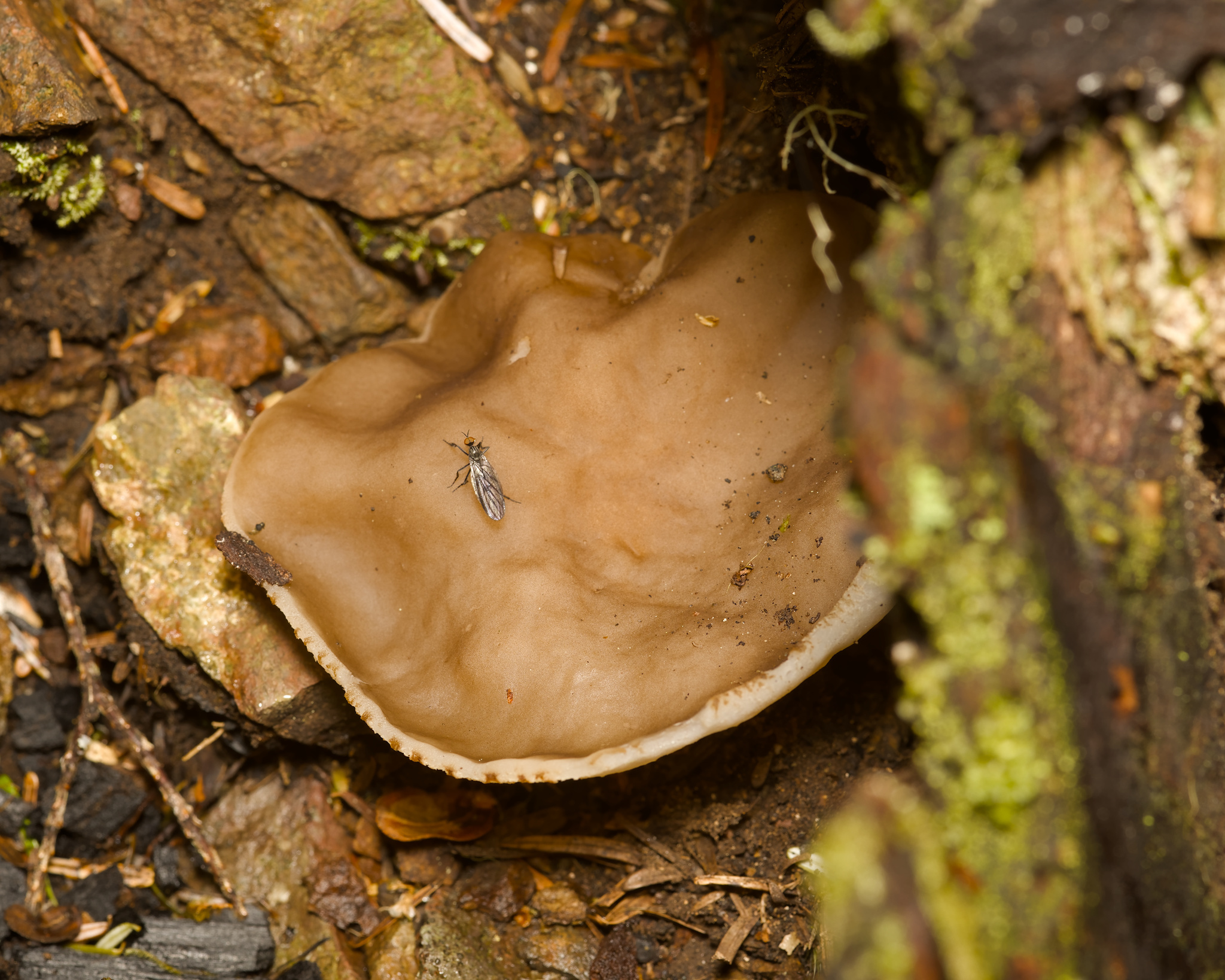
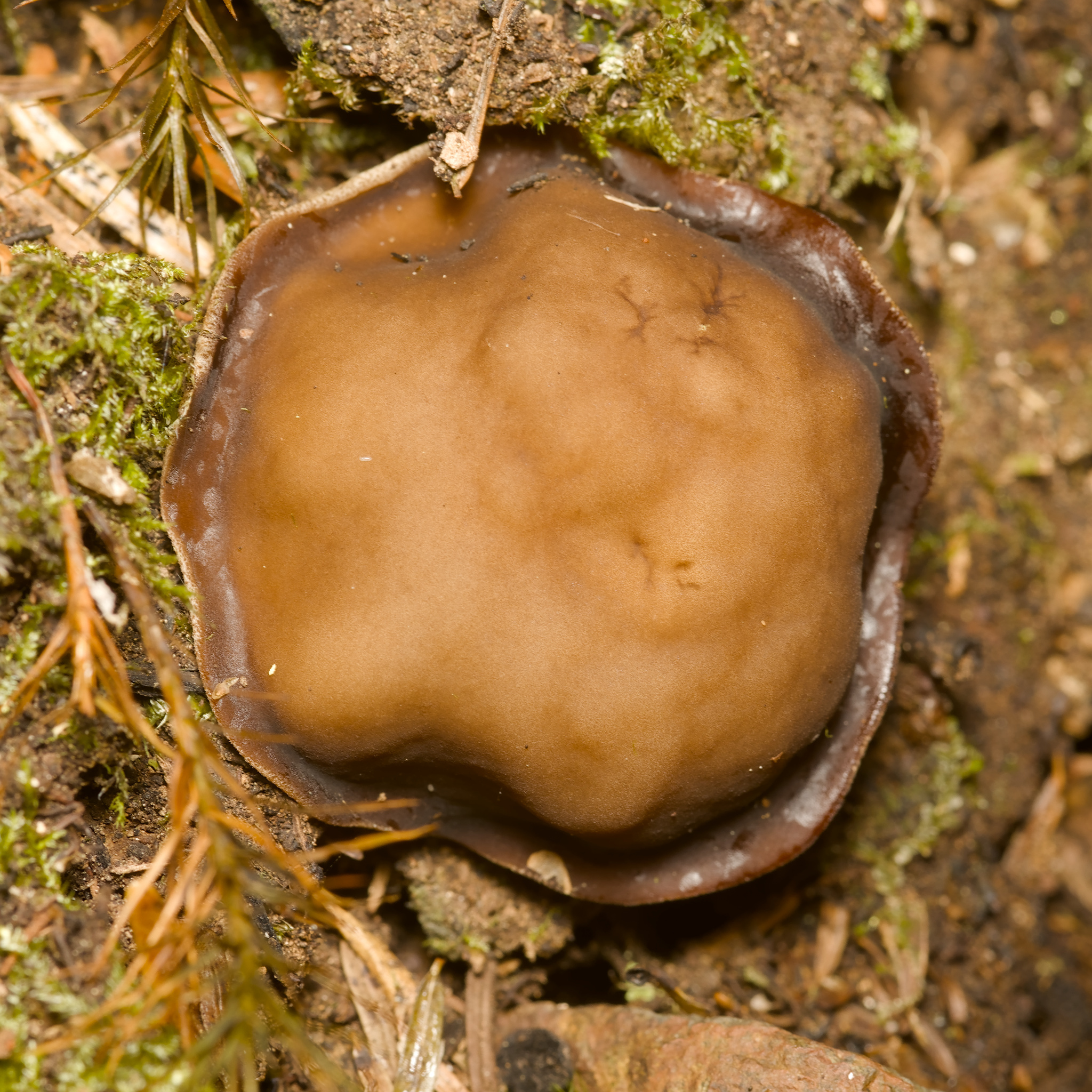
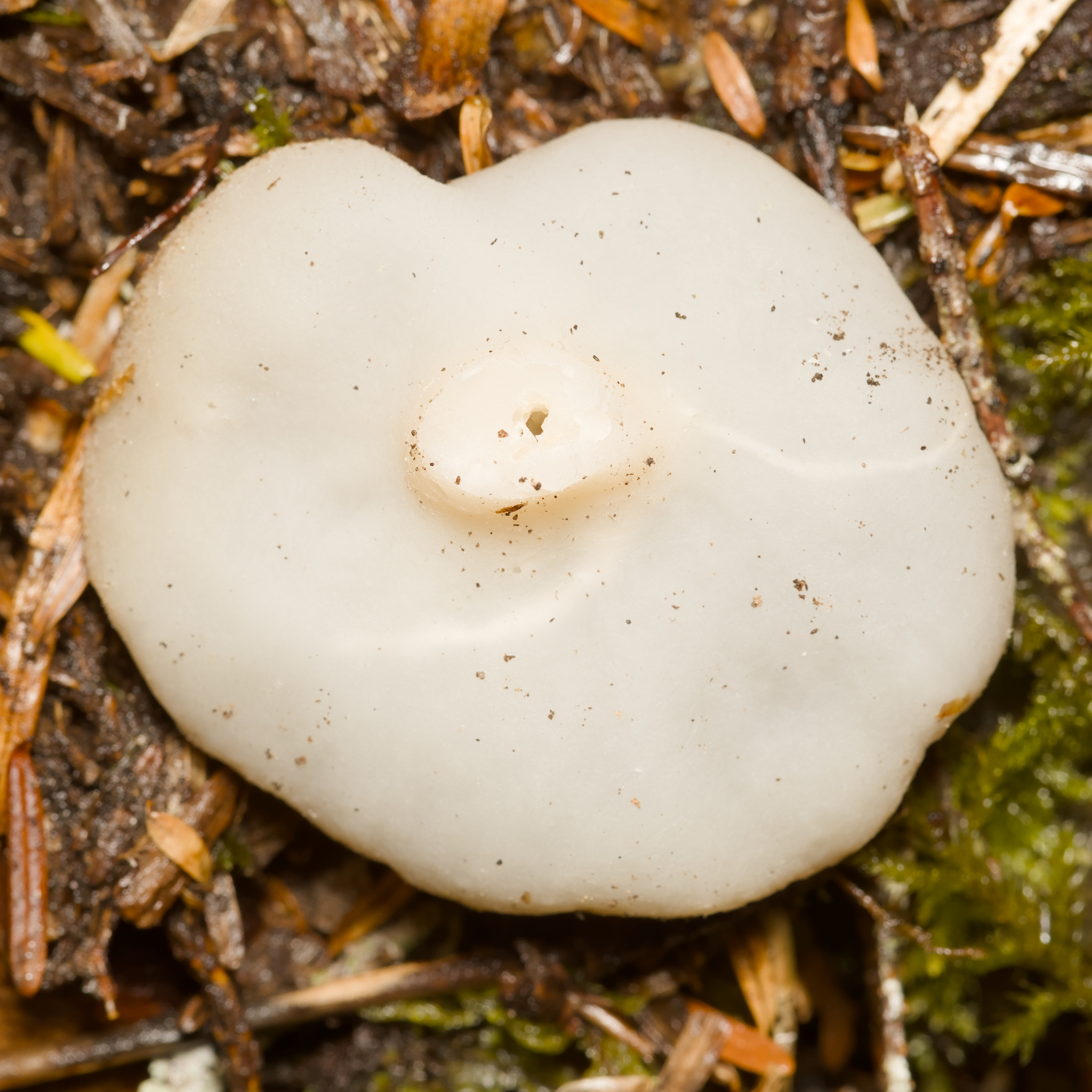
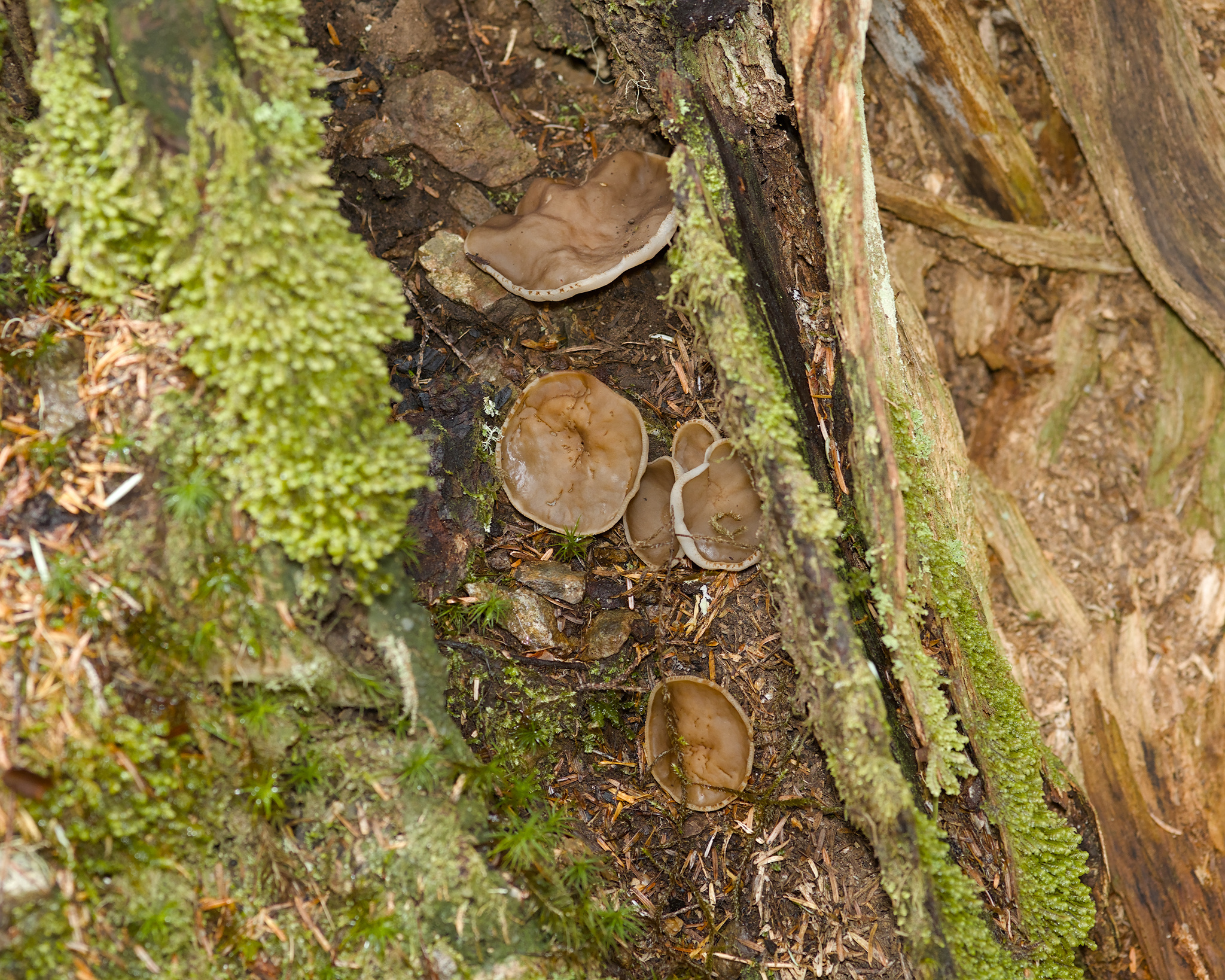
I would say this is Pseudodiscina cf. melaleucoides. Very similar to other cup like Discinaceae but the texture and color here strongly steer me in that direction. That and the streaks of white on the underside, which seems to be very present in this genus. This genus takes an interesting place in the recent taxonomic revisions of the family. To my knowledge the genus was established in a paper from China a few years ago where they describe the only other taxon I’ve heard from it. That species appears endemic to China though and this one is confirmed in the most recent paper by A. Dirks et al., where it and the genus are recognized as one of the 10 new genera introduced by the split in tribe Discineae.
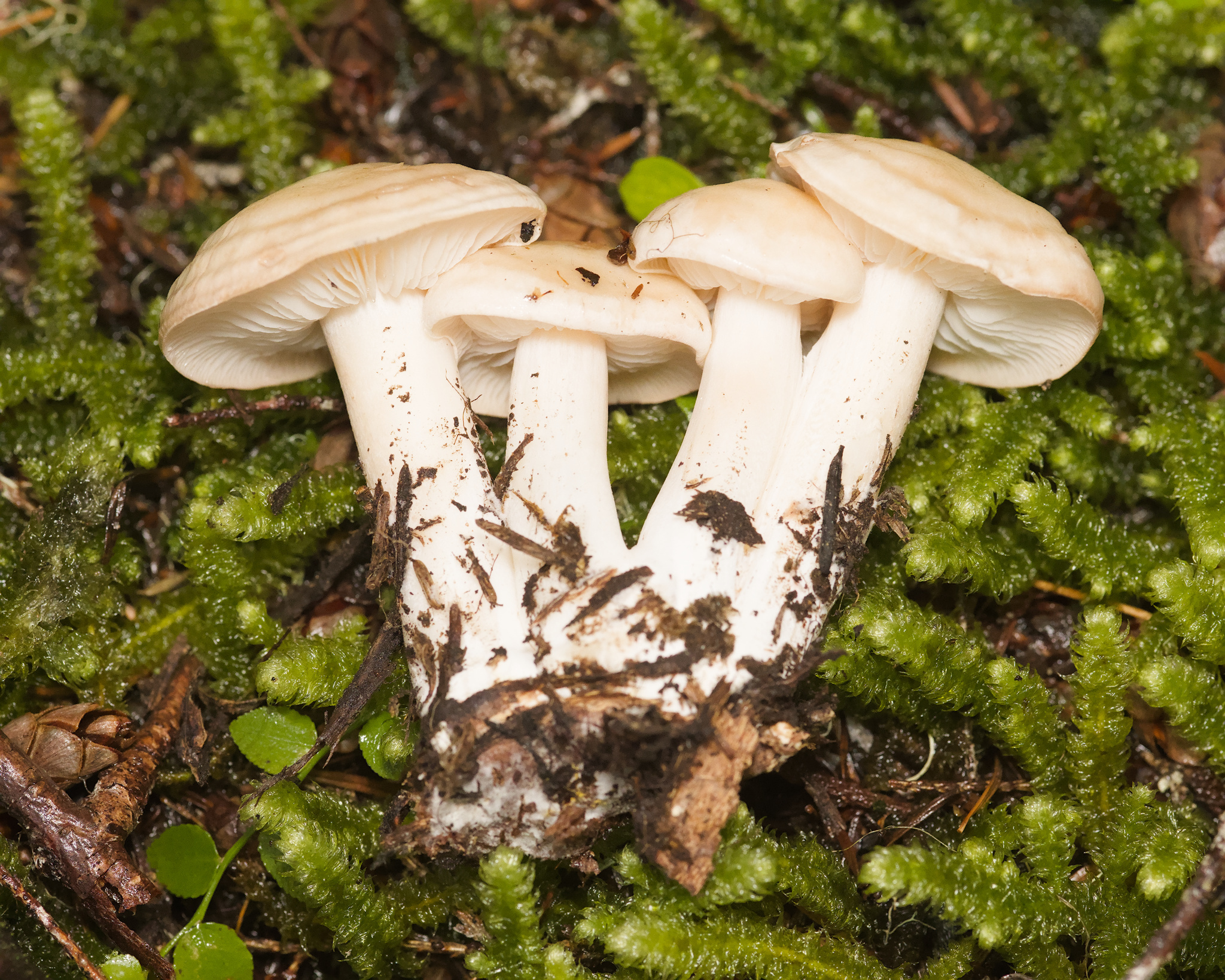
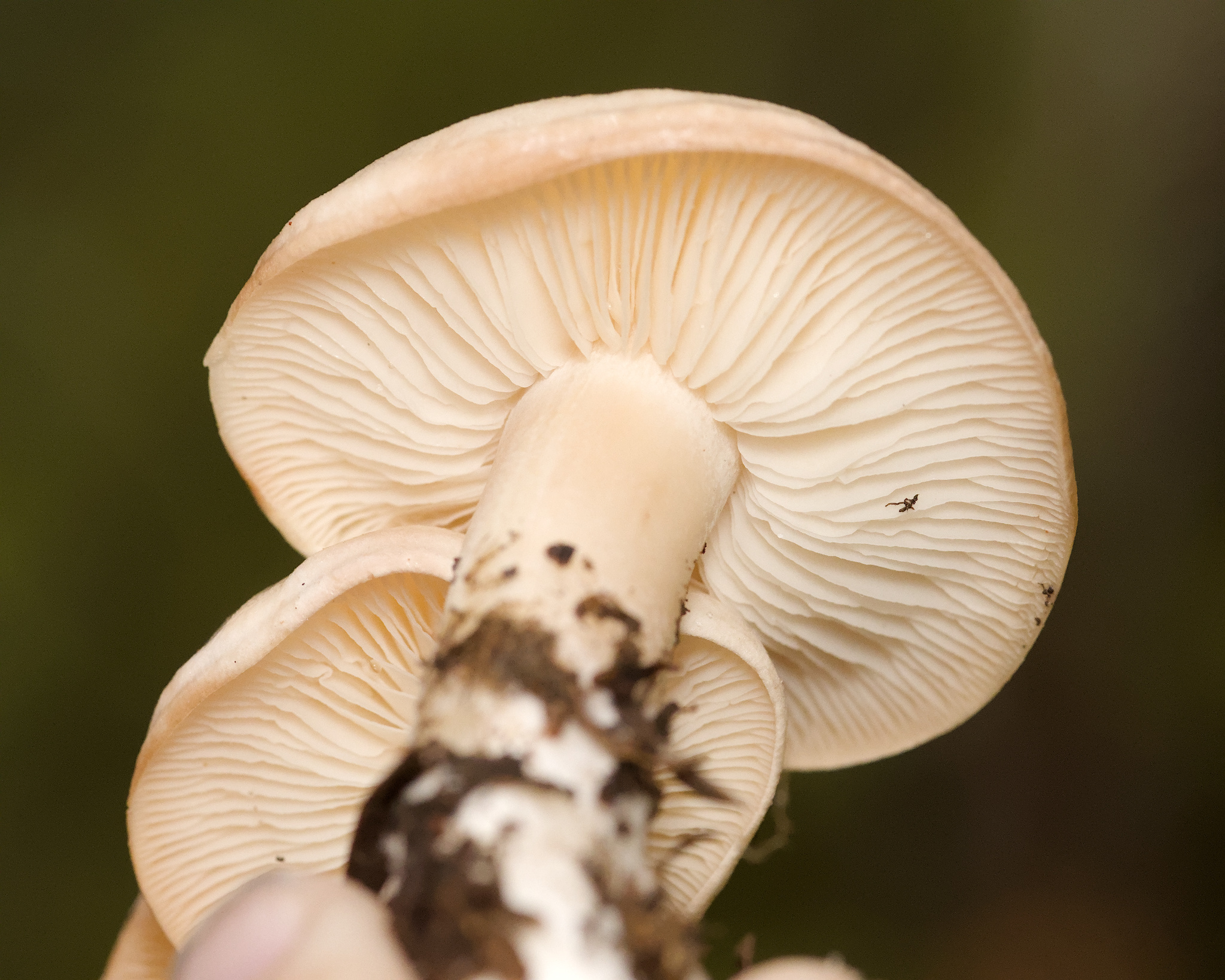
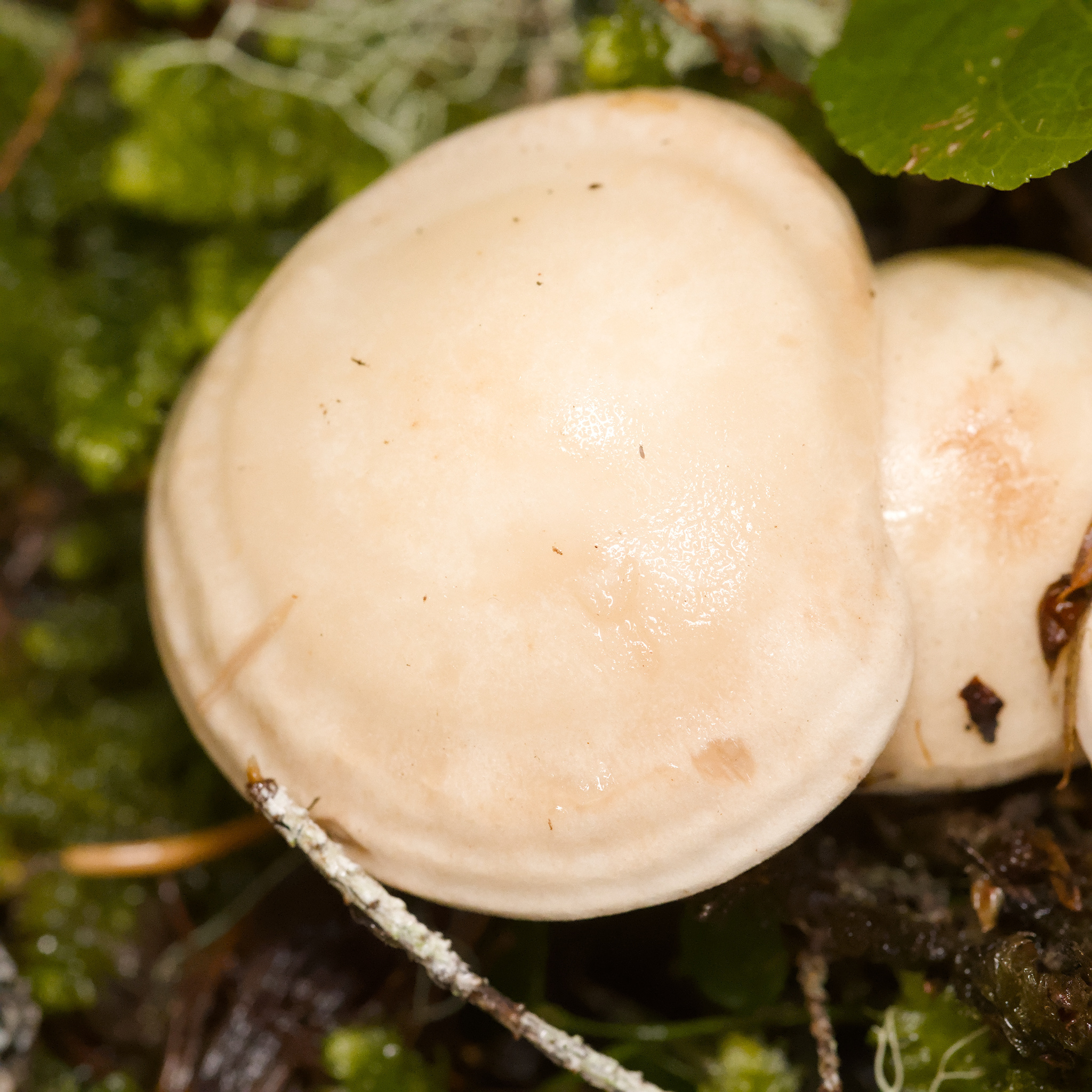
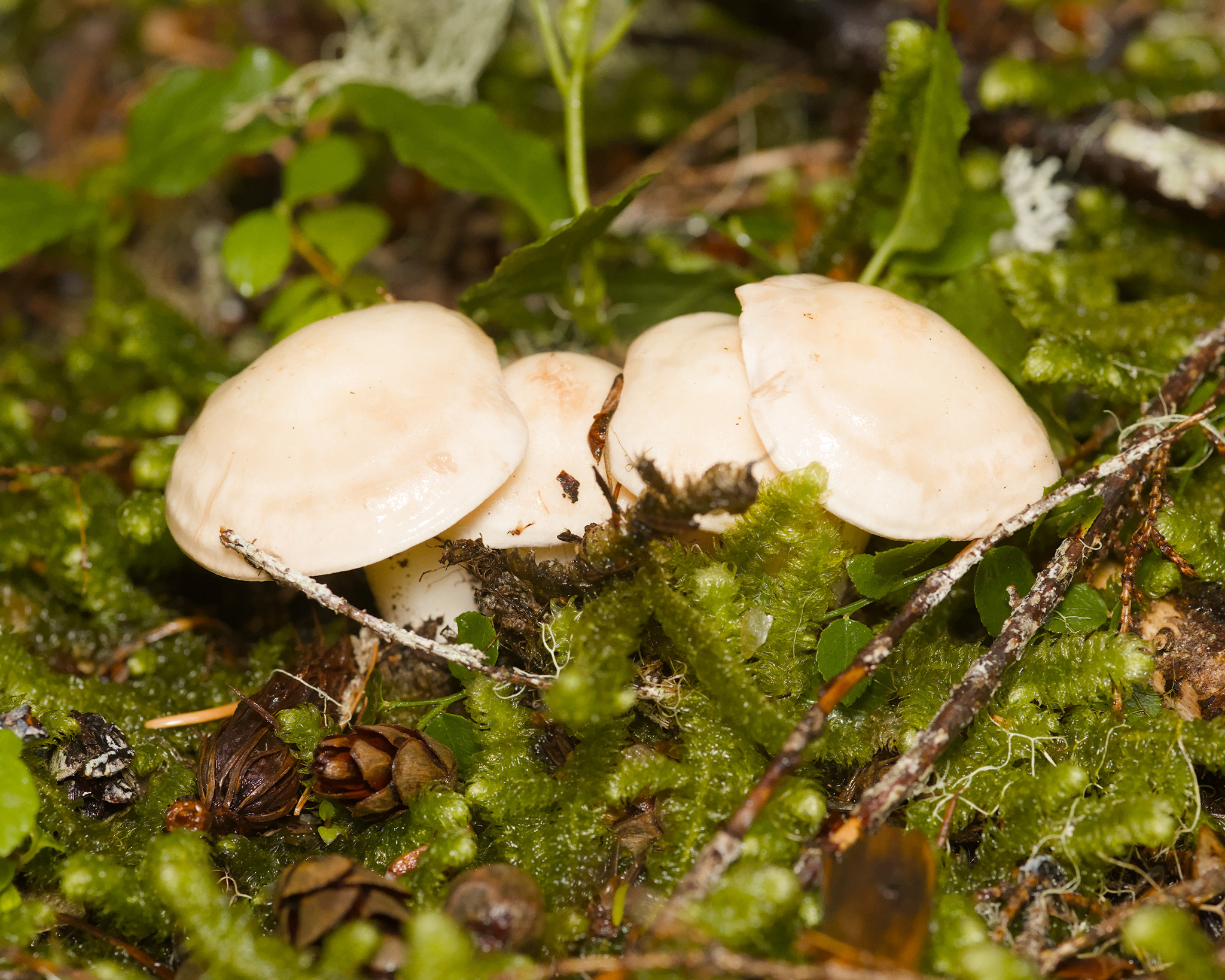
Likely a member of Rhodocollybia maculata group, I would be fascinated to know if this is also R. "maculata-AK01", which we found together all the way back in February! Before our first full month and report but one of our first collections in this study. If it is indeed that same temp. code, I might assume this species has a very long season, or at least a decent tolerance for different environmental conditions, as I have observed similar specimens in the region in both Summer and Fall.
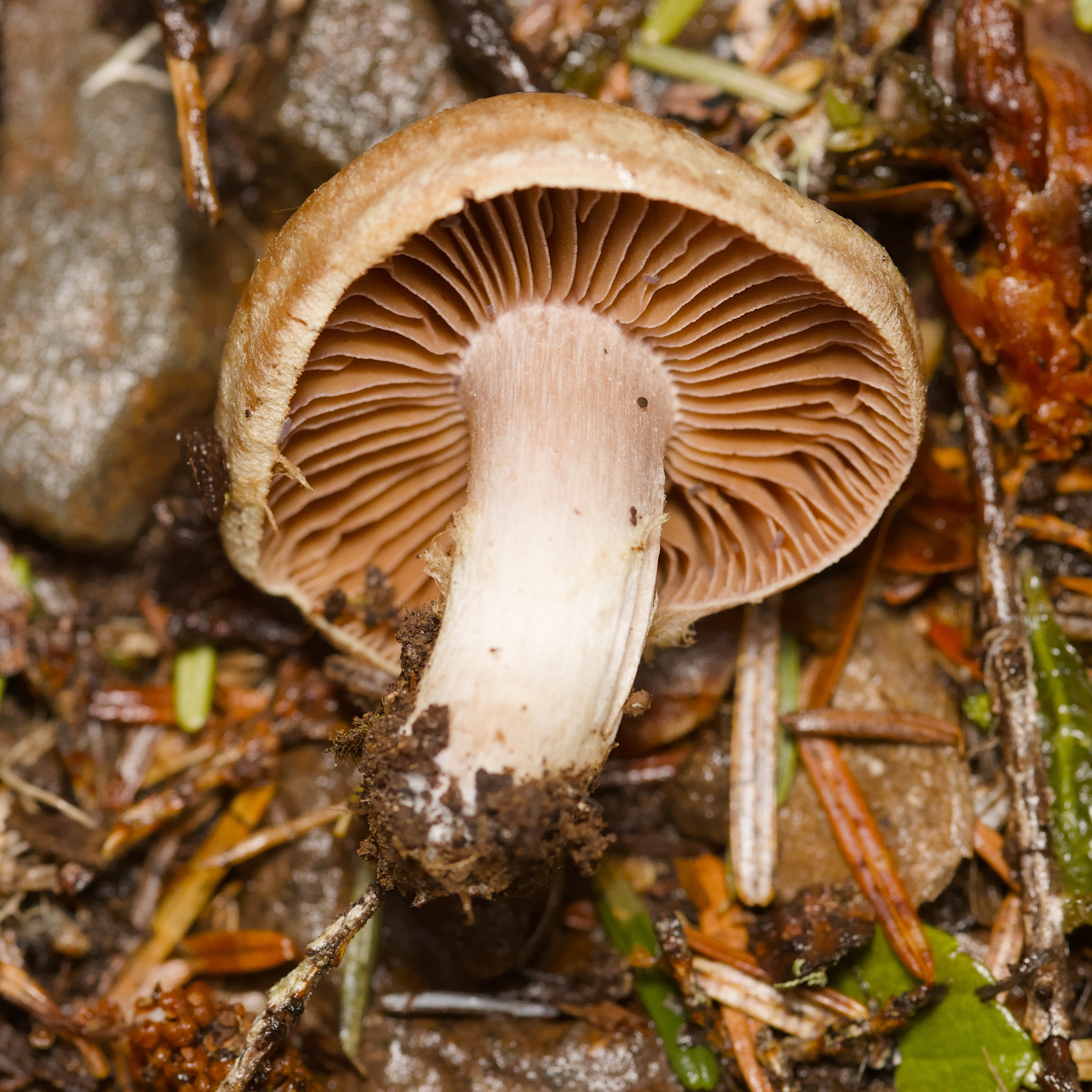
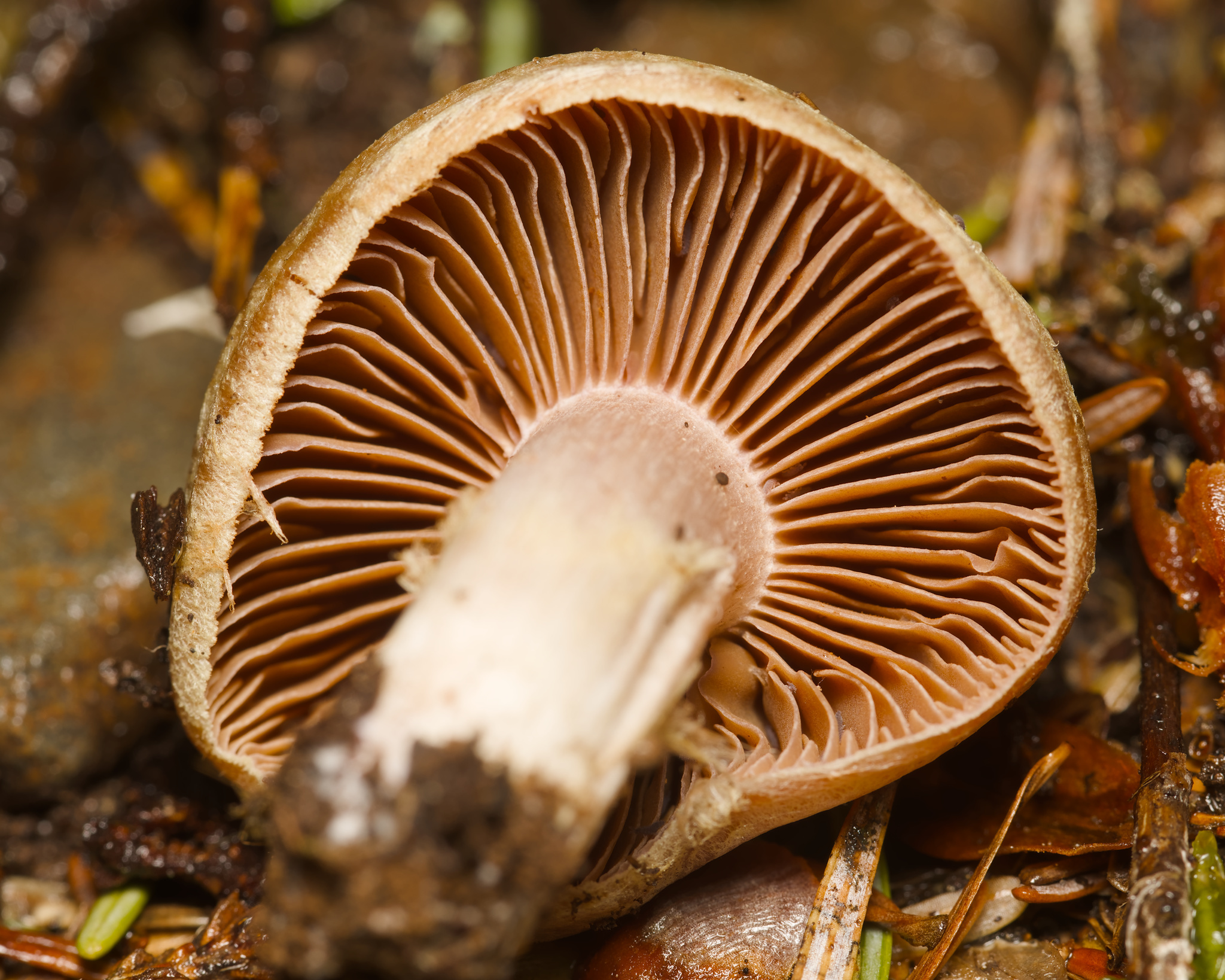
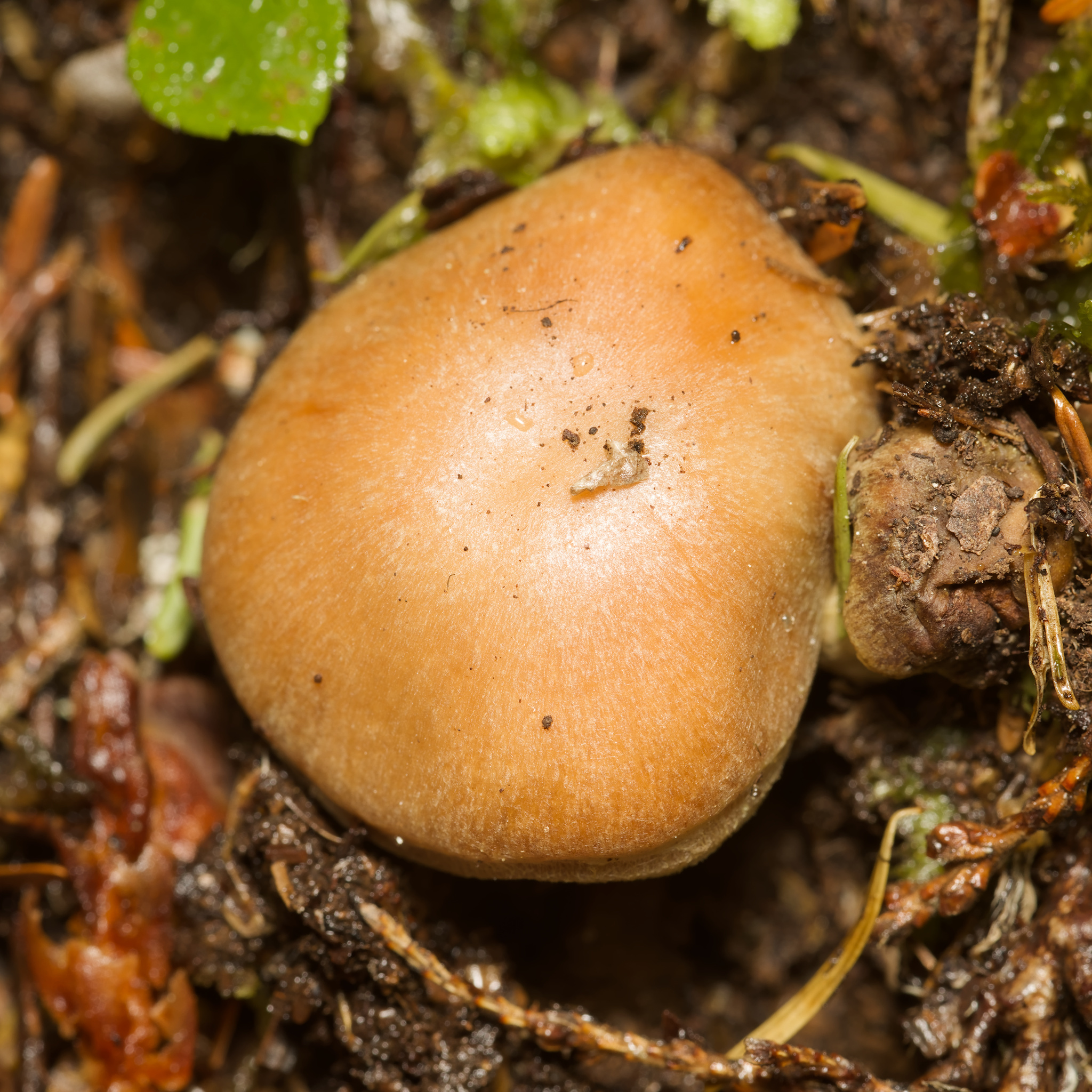
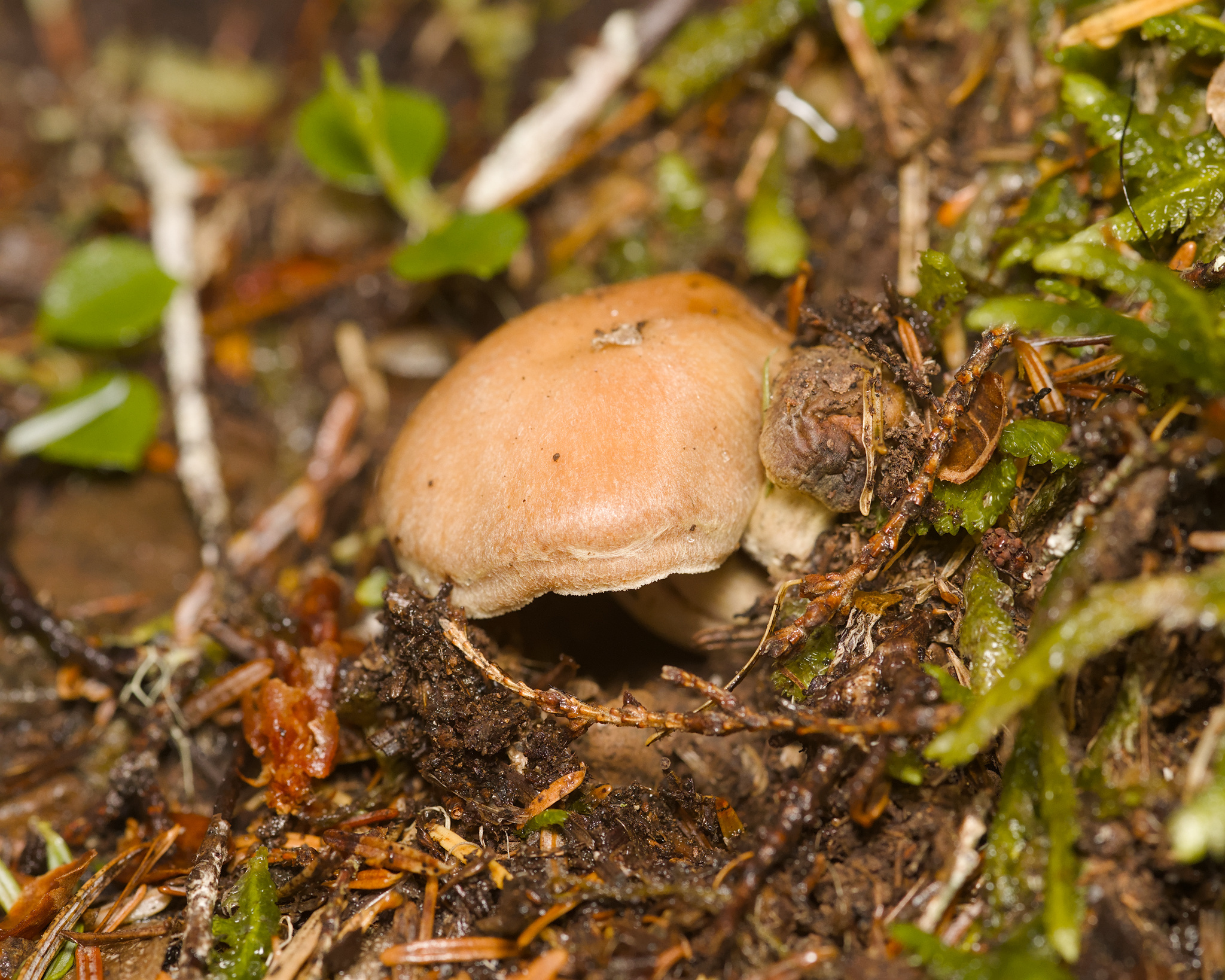
Potentially the same suspected Telamonia as observed previously in this report. Corts that look like this are numerous and sometimes hard to decipher. I would add that I am gaining an interest in some of our local members of other genera / subgenera, so while we will likely try to avoid this one in the future, we will continue to collect Corts.
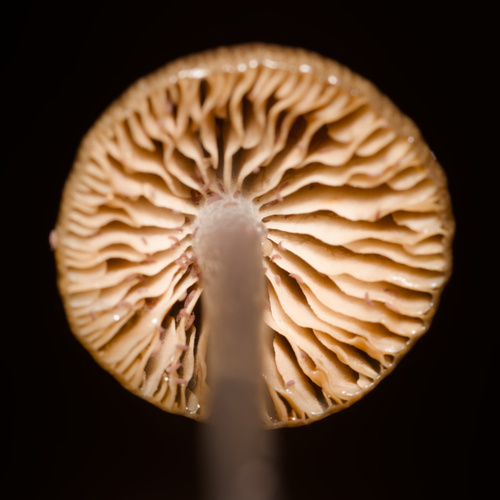
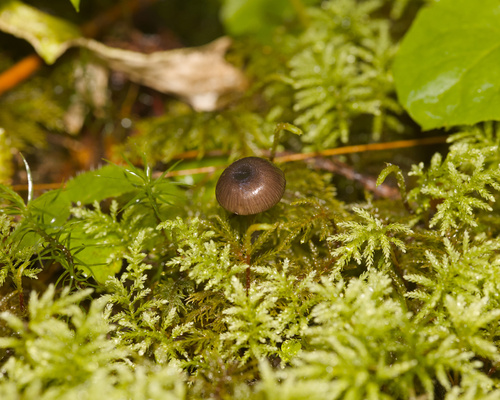
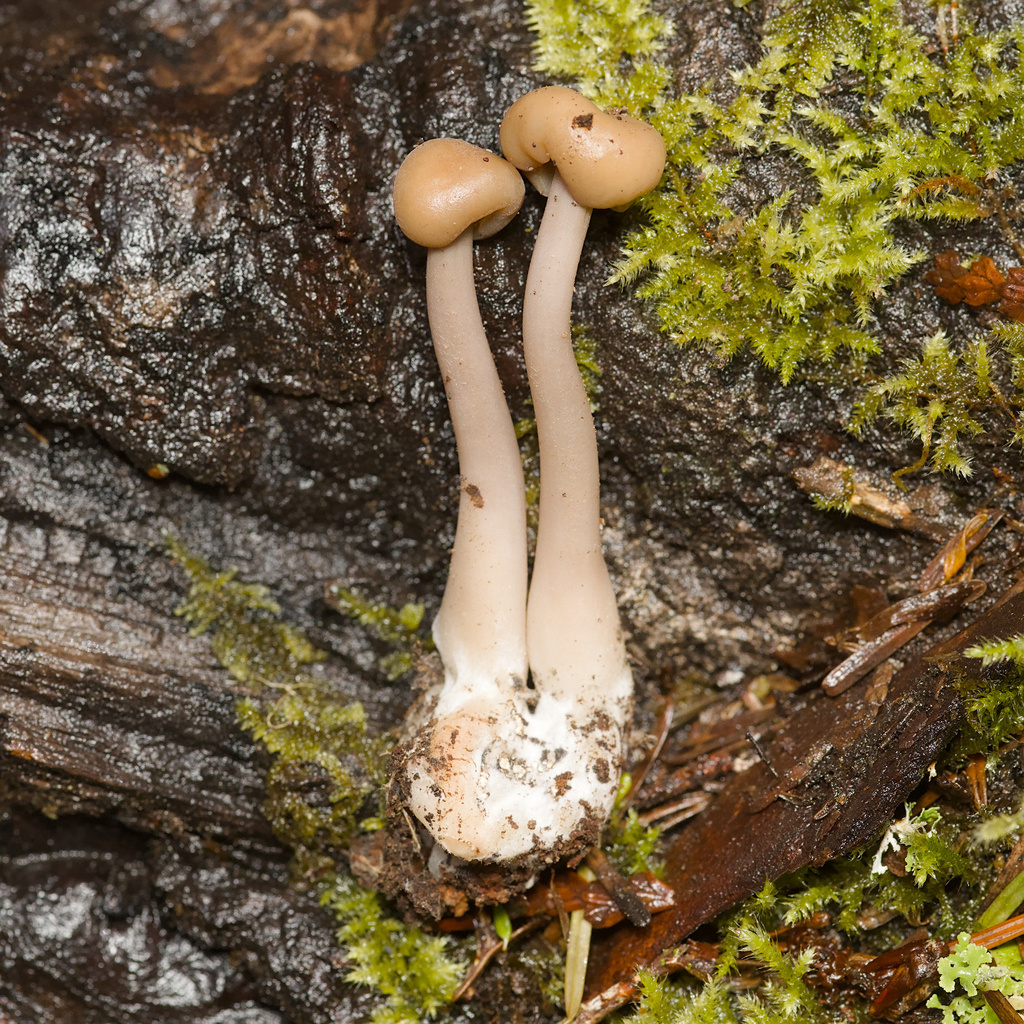
Perhaps Entolomataceae. Hard to assume with smaller more nondescript mushrooms, although we may form other guesses here before DNA sequencing.
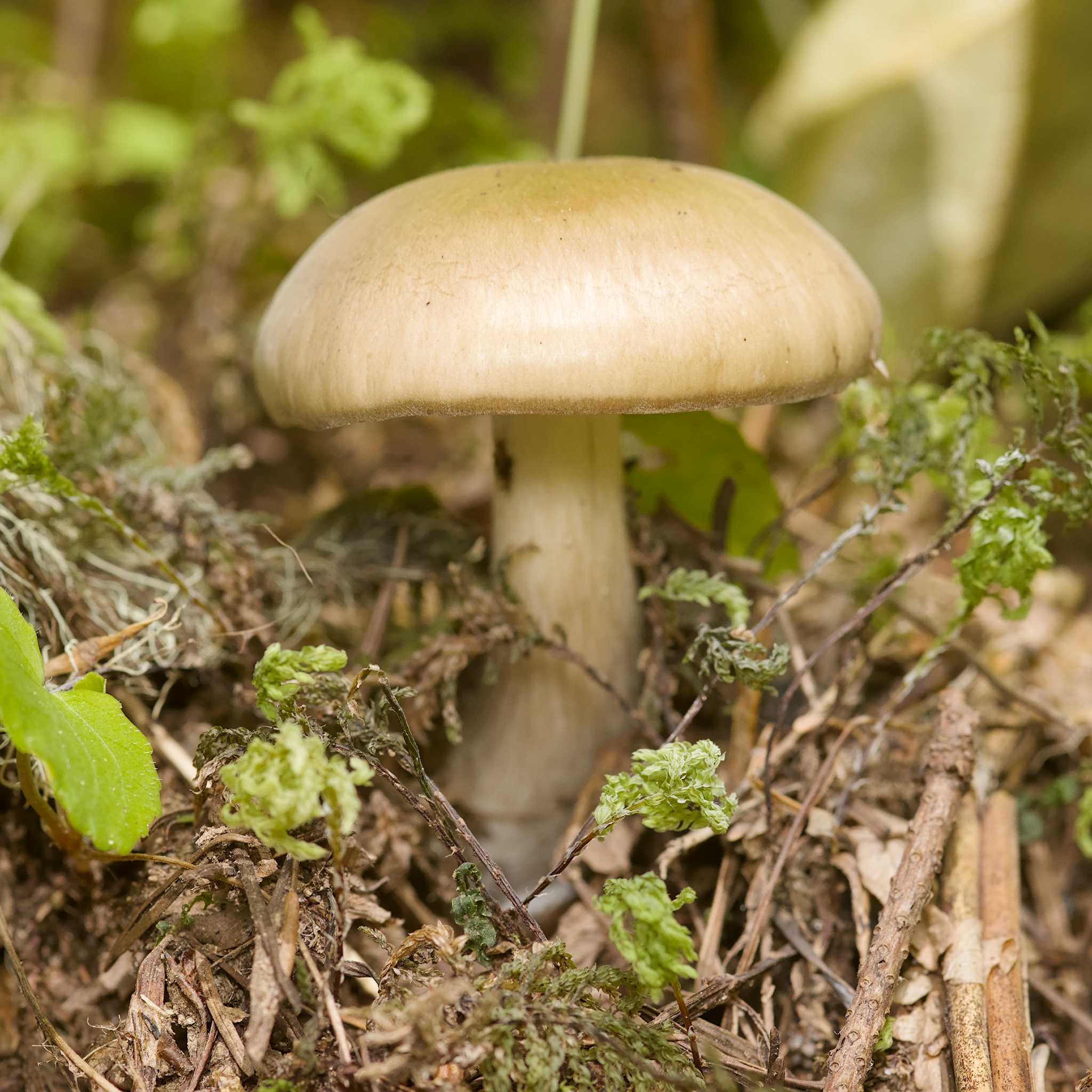
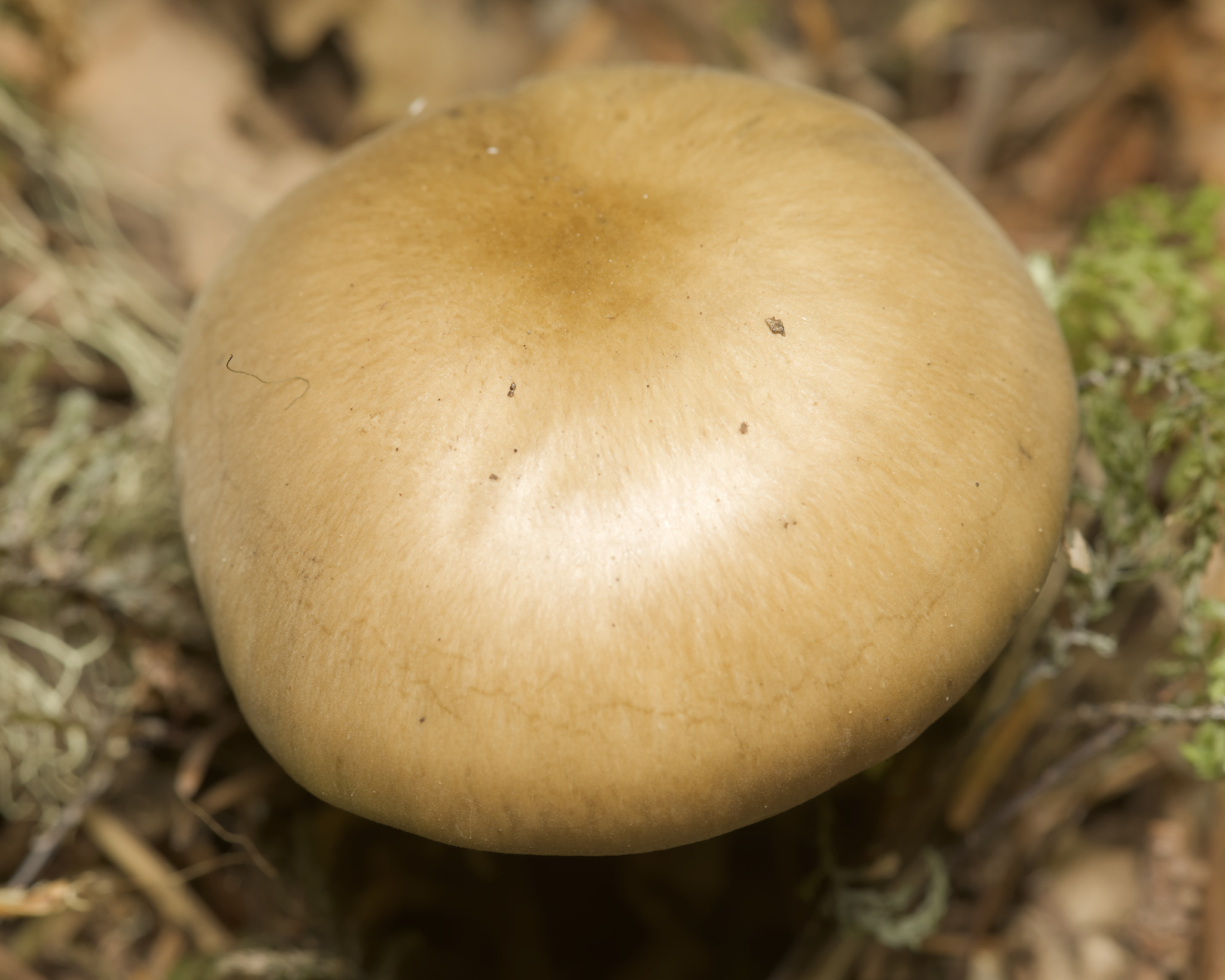
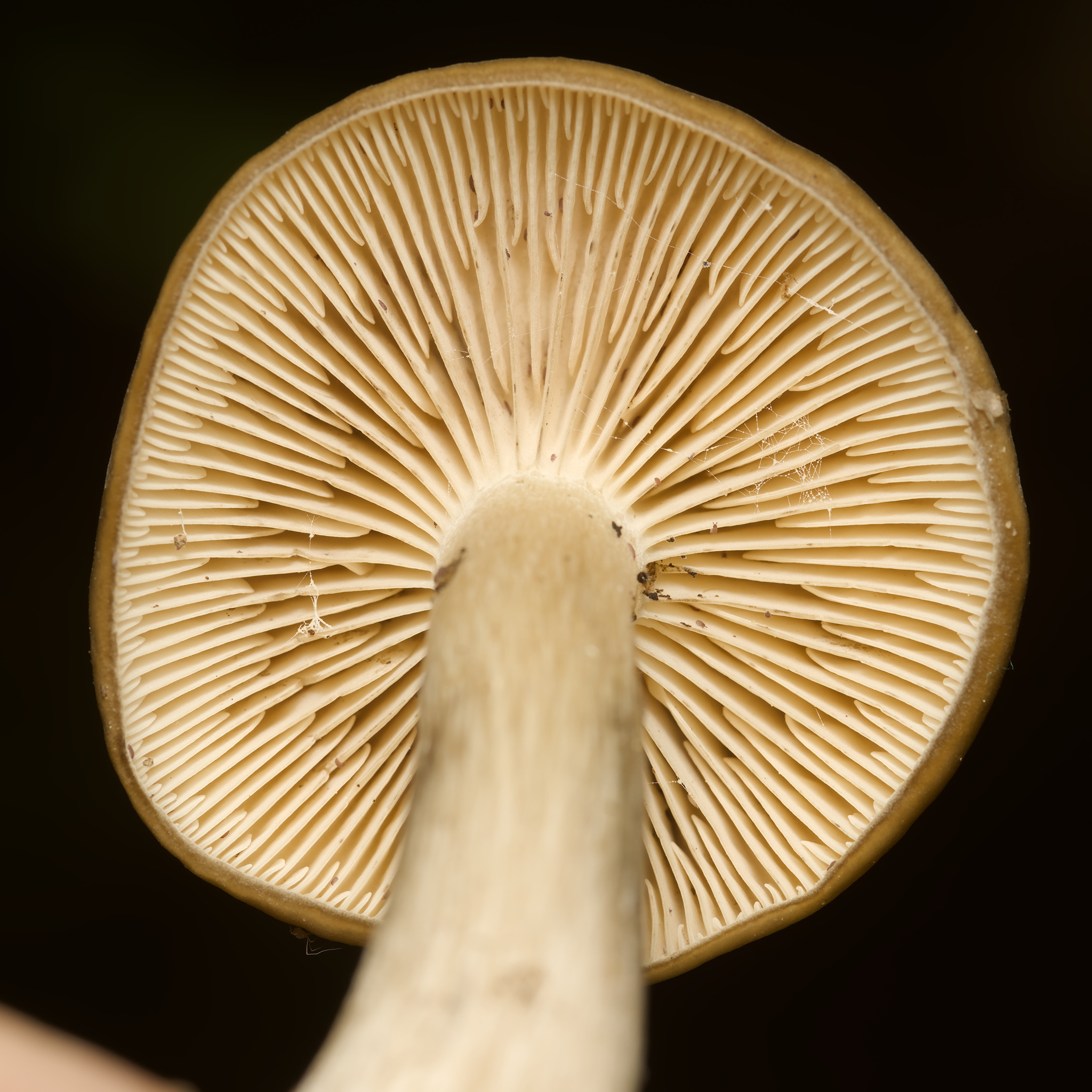
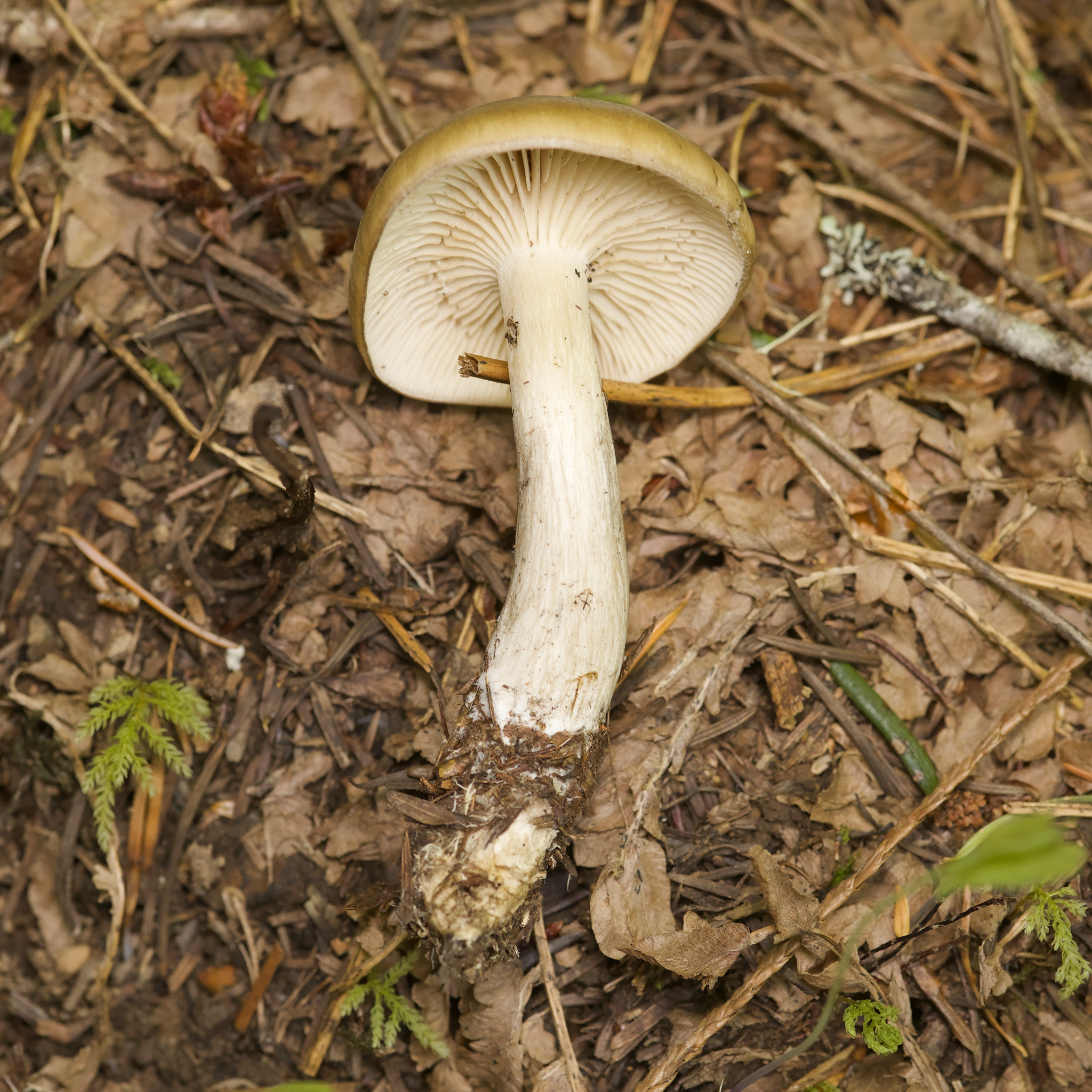
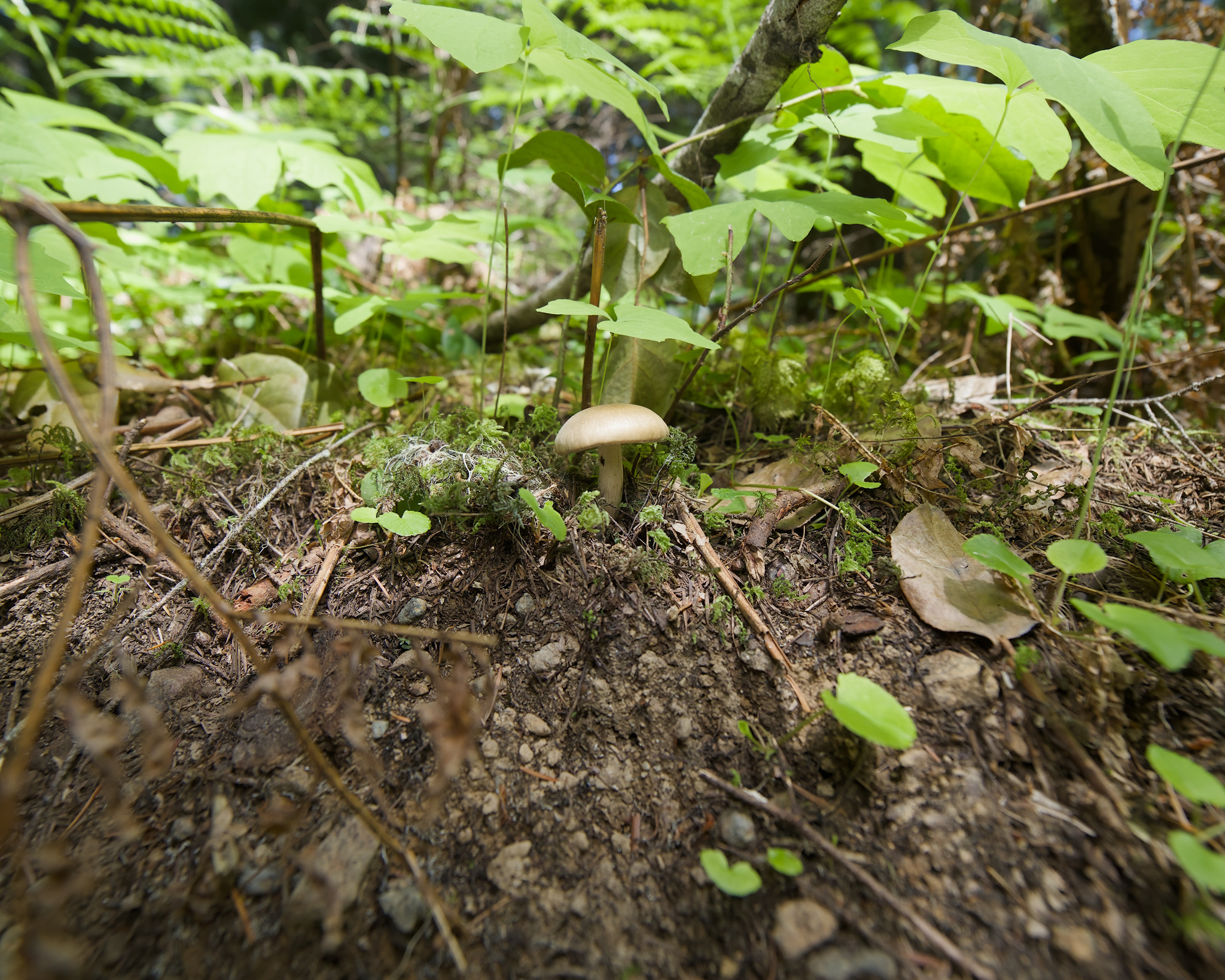
I have placed this is Clitocybaceae currently but it might be better to say clitocyboid, the stipe and gills certainly make me lean that direction. Cap texture and color through, don’t necessarily match anything I am immediately familiar with.
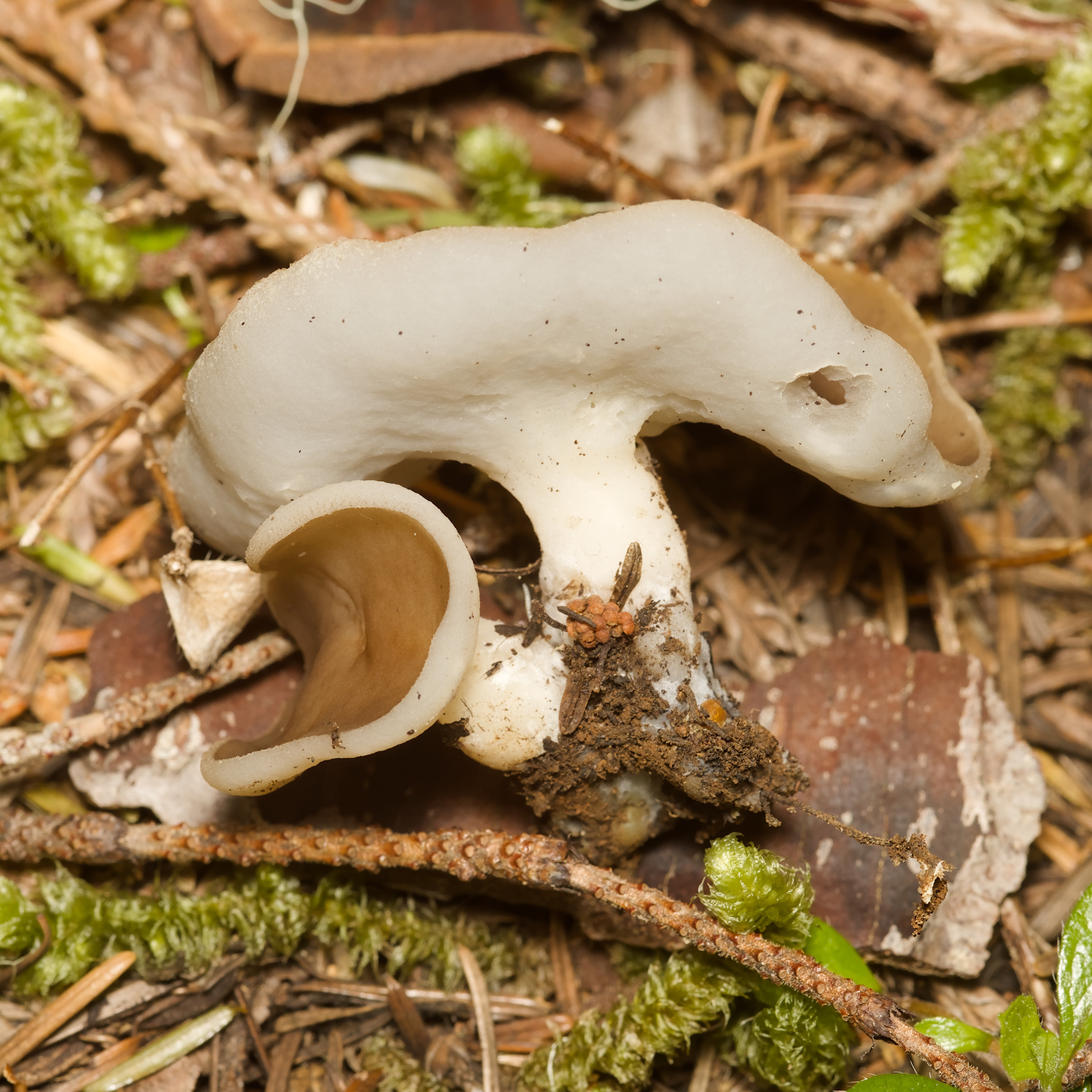
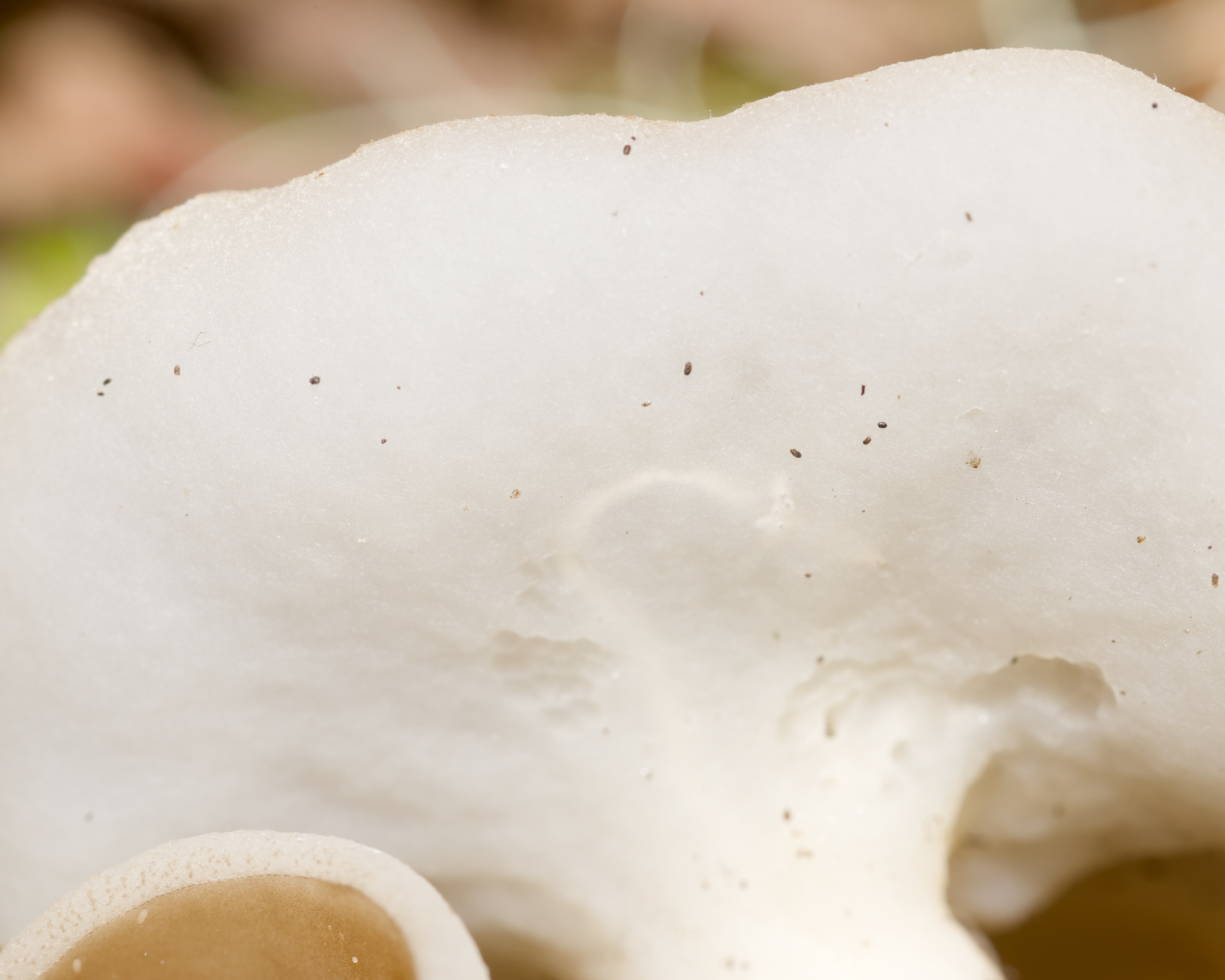
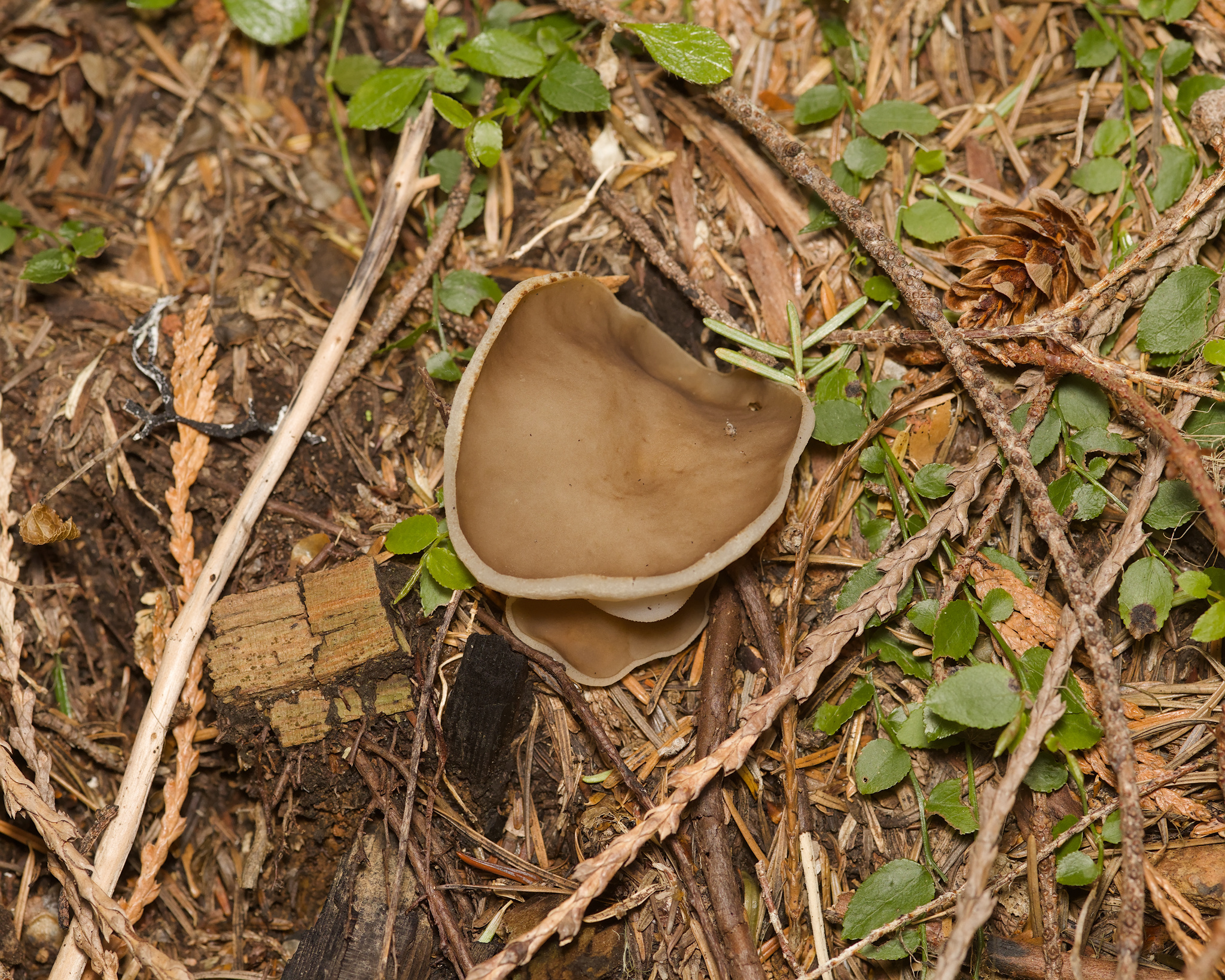
Also betting this Discinaceae is our local Pseudodiscina. Noting again similar shape, texture, margins, and those white lines appearing on the underside. Although less profuse in our two collections, I think that this may still be a reliable macroscopic ID tip for the genus. Especially when combined with the other morphology.
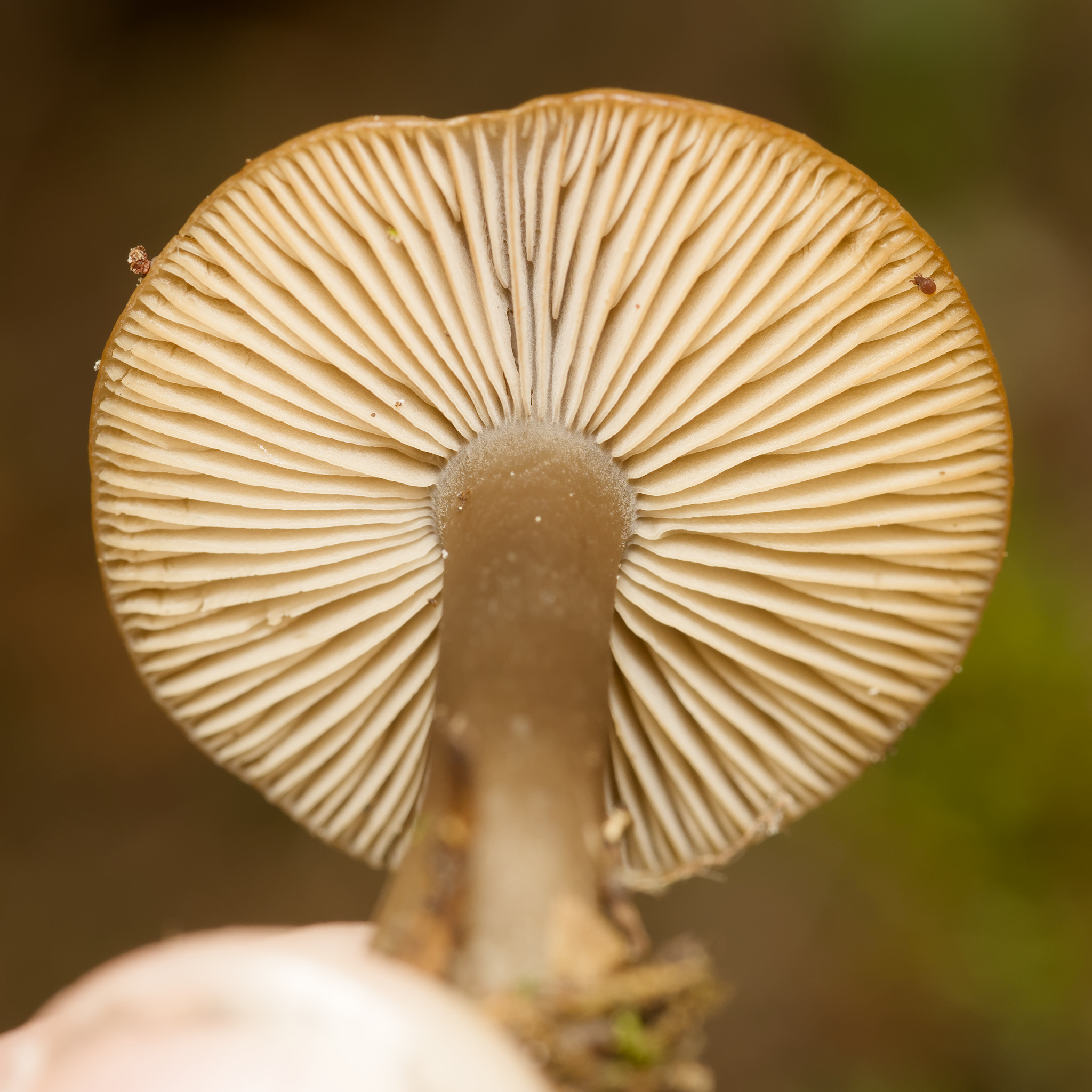
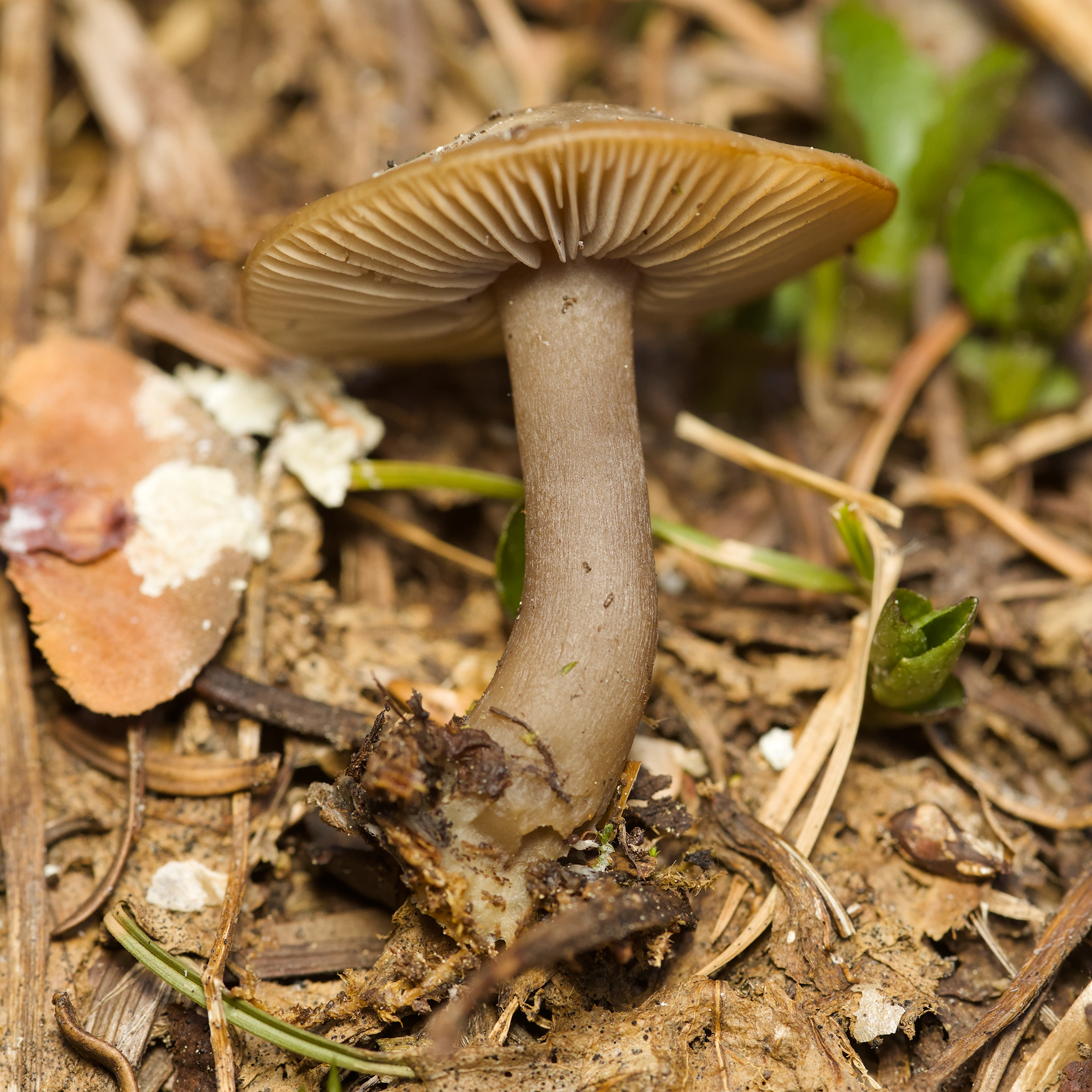
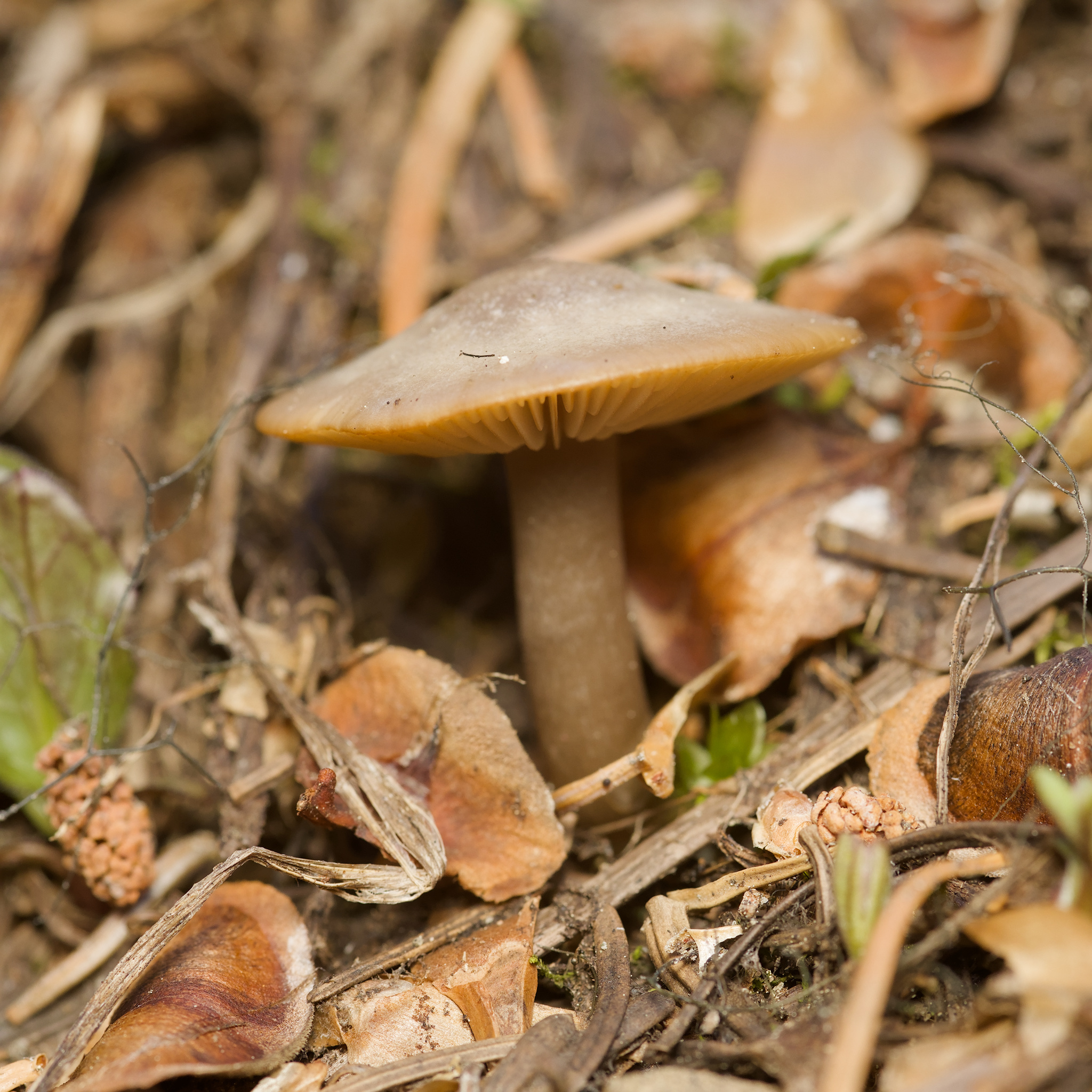
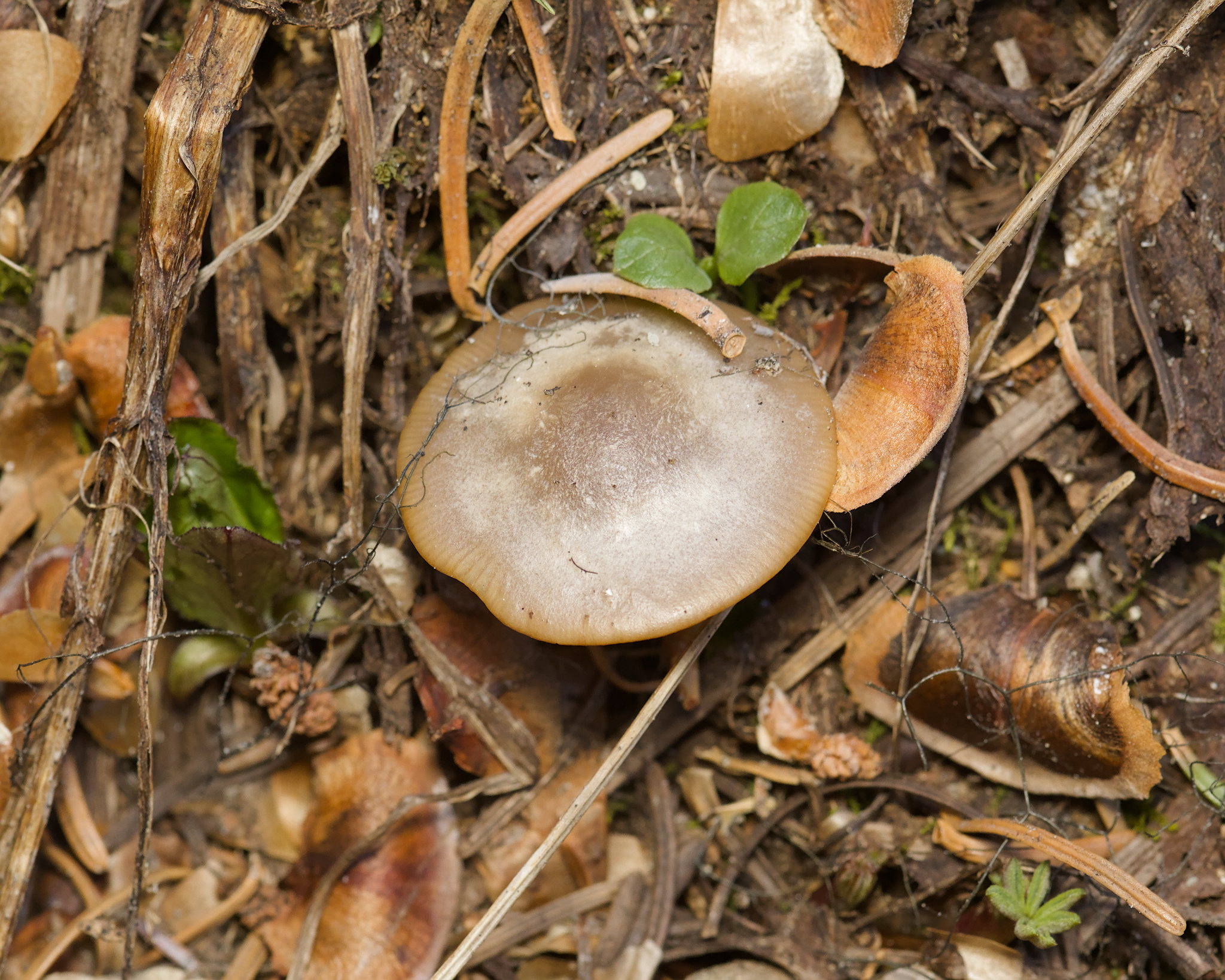
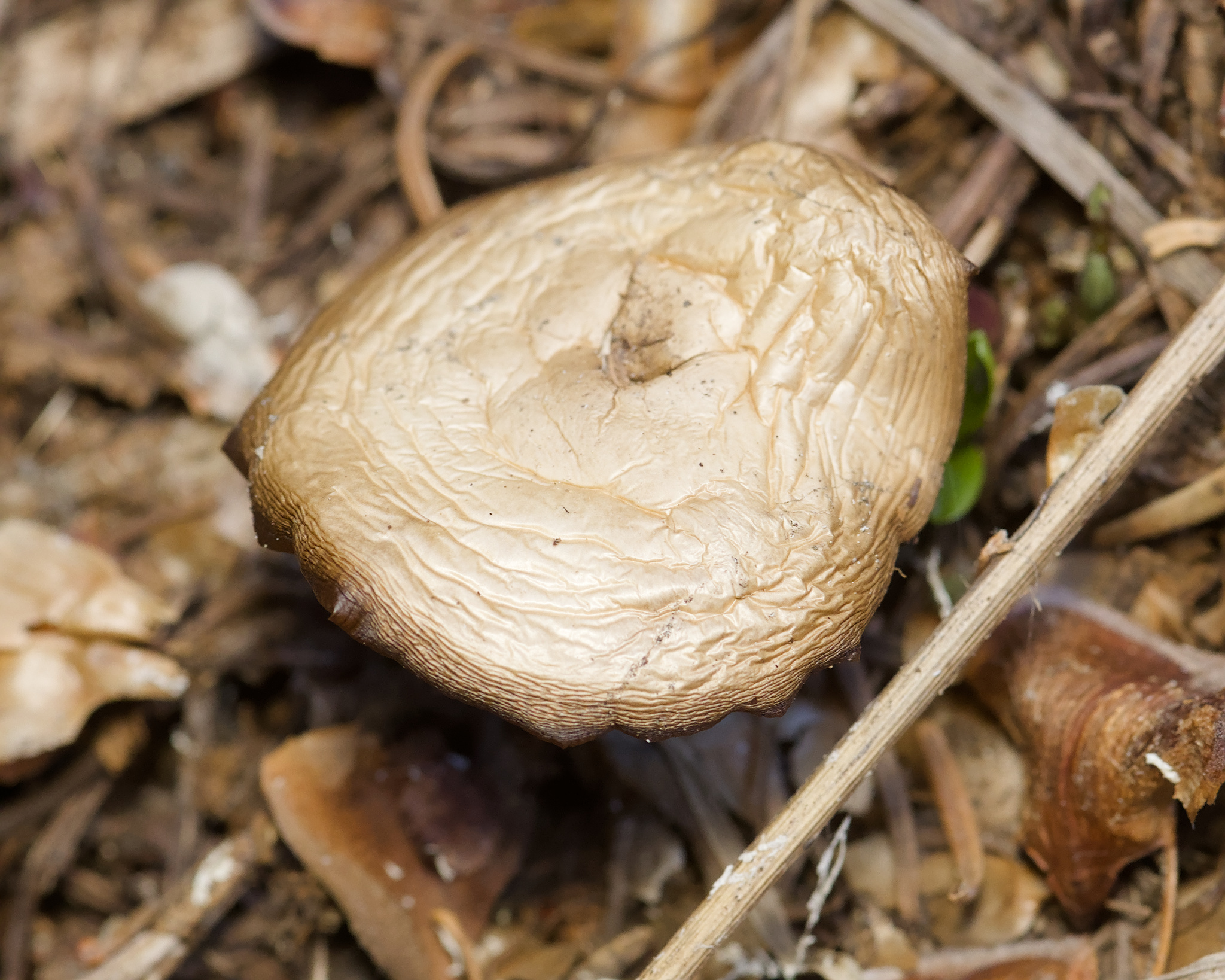
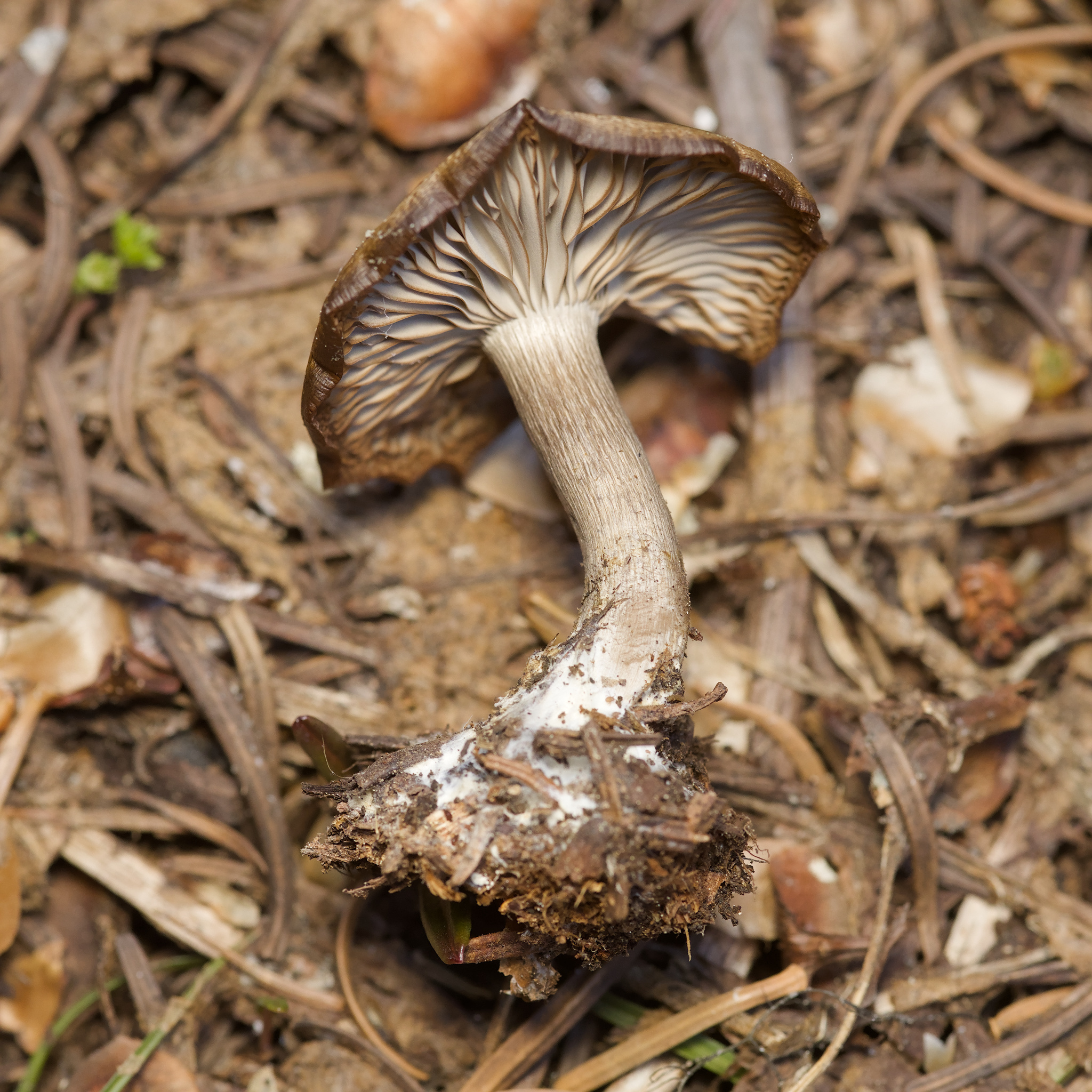
Another weirdo, I am genuinely impressed with some of the diversity, at least in appearance among regular brown mushrooms, that Brodie was able to collect this month. I would have to wager Entolomataceae here for now but really not sure if that puts it in the right direction with this texture on the stipe and stature. Cap and gills though, do look in that direction.
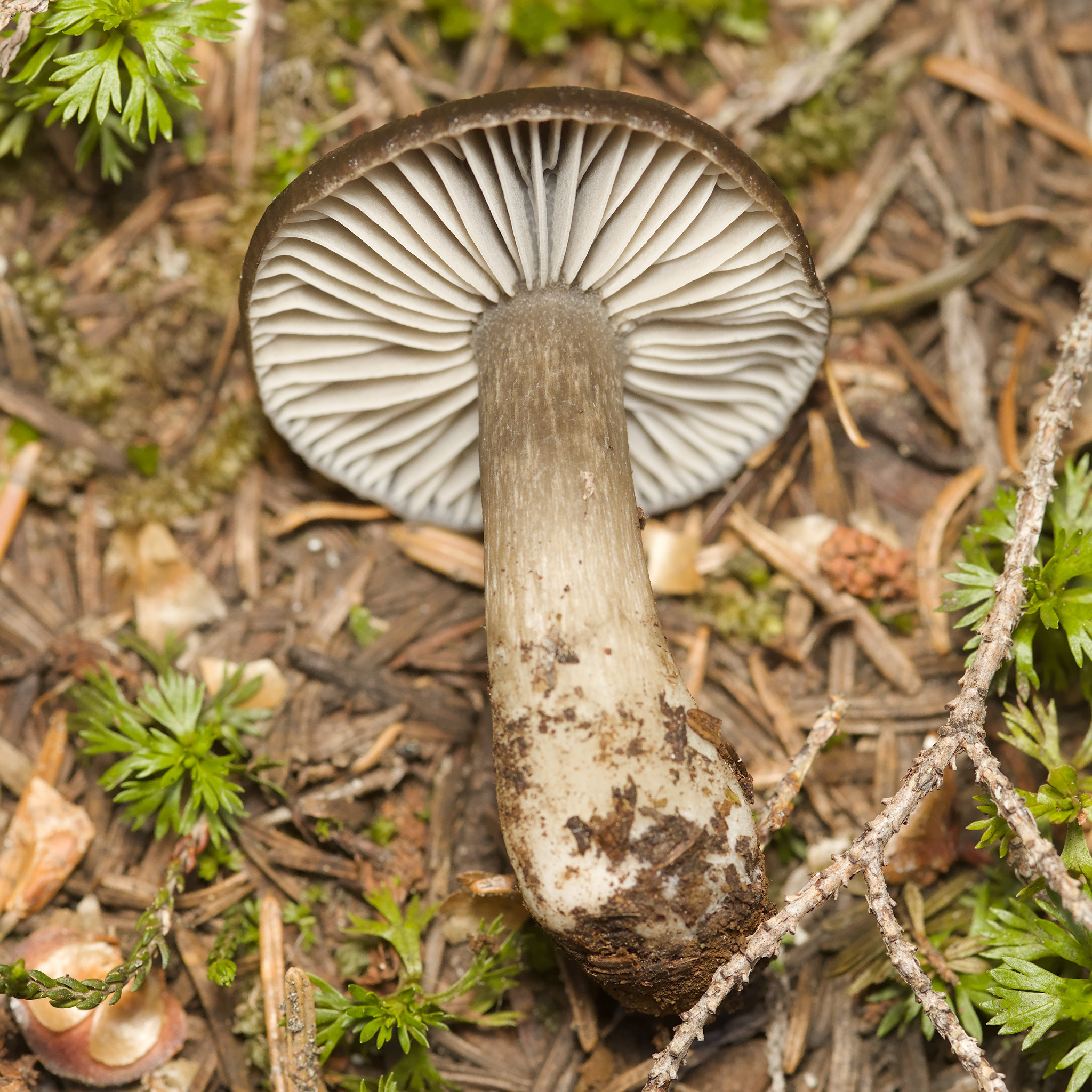
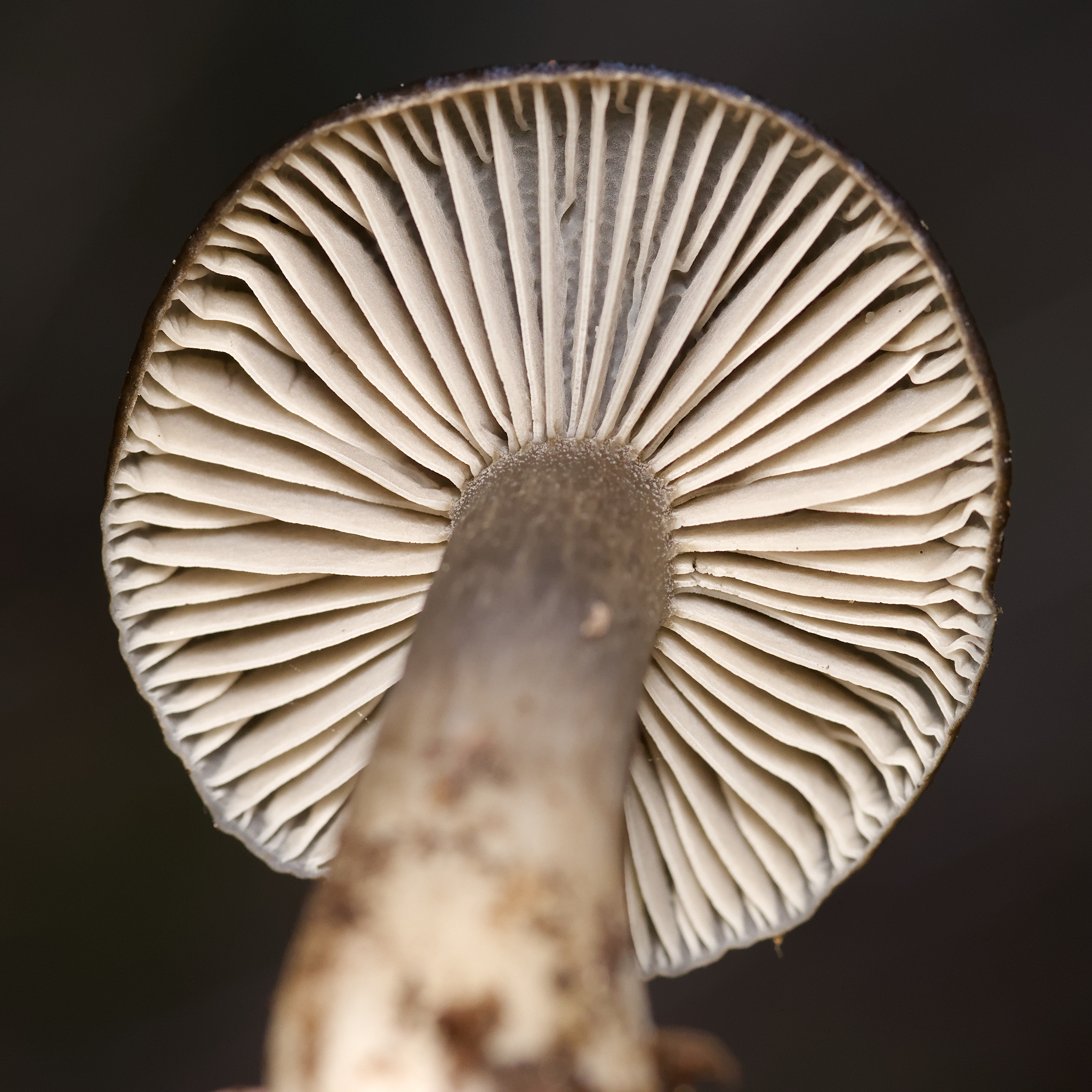
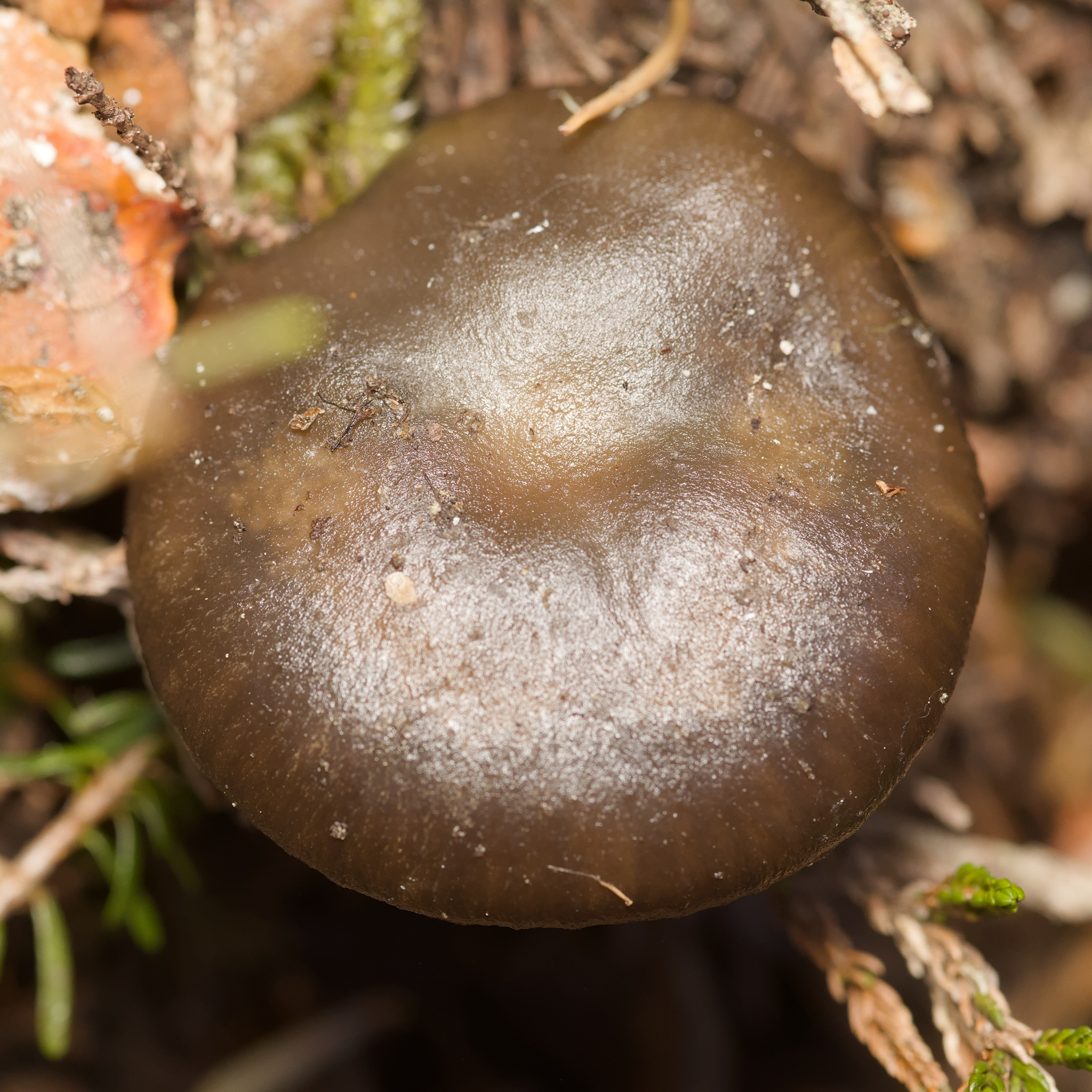
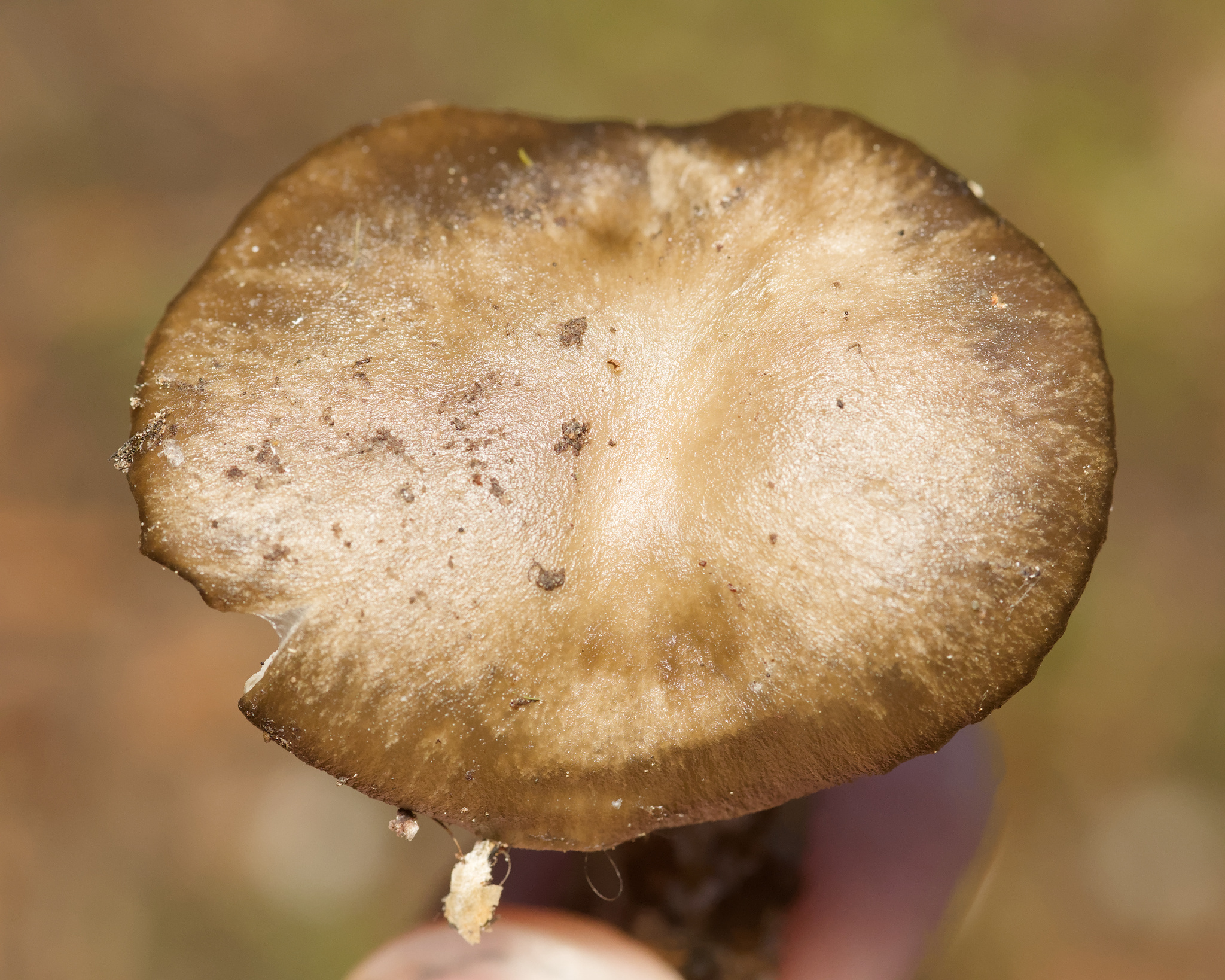
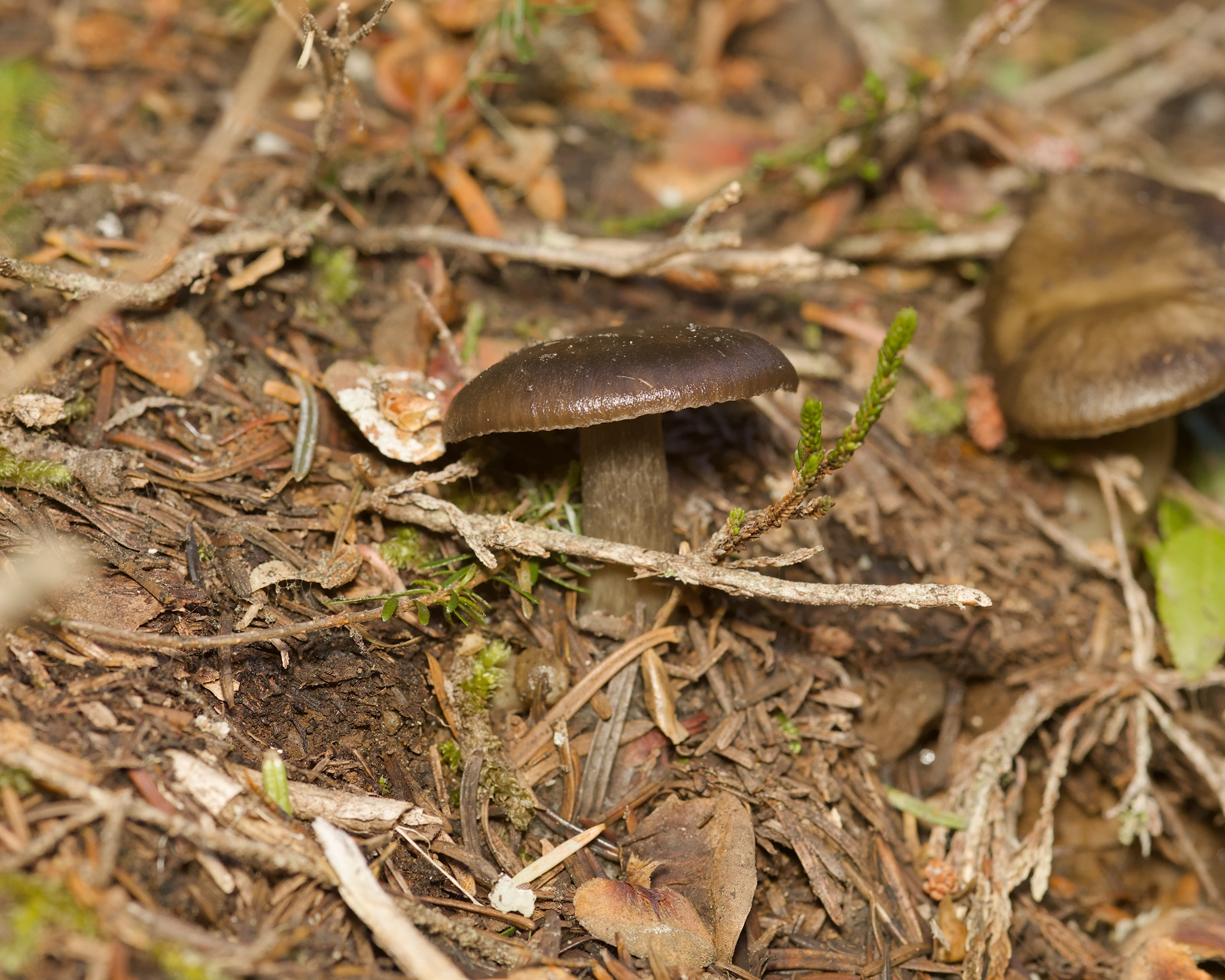
At first we considered maybe entolomatoid here but further inspection leads me to Hygrophorus. Assuming this is the same species featured later in the report, and consider that Andrew is a bit of a specialist in the genus, I think H. marzuolus may be likely here also.
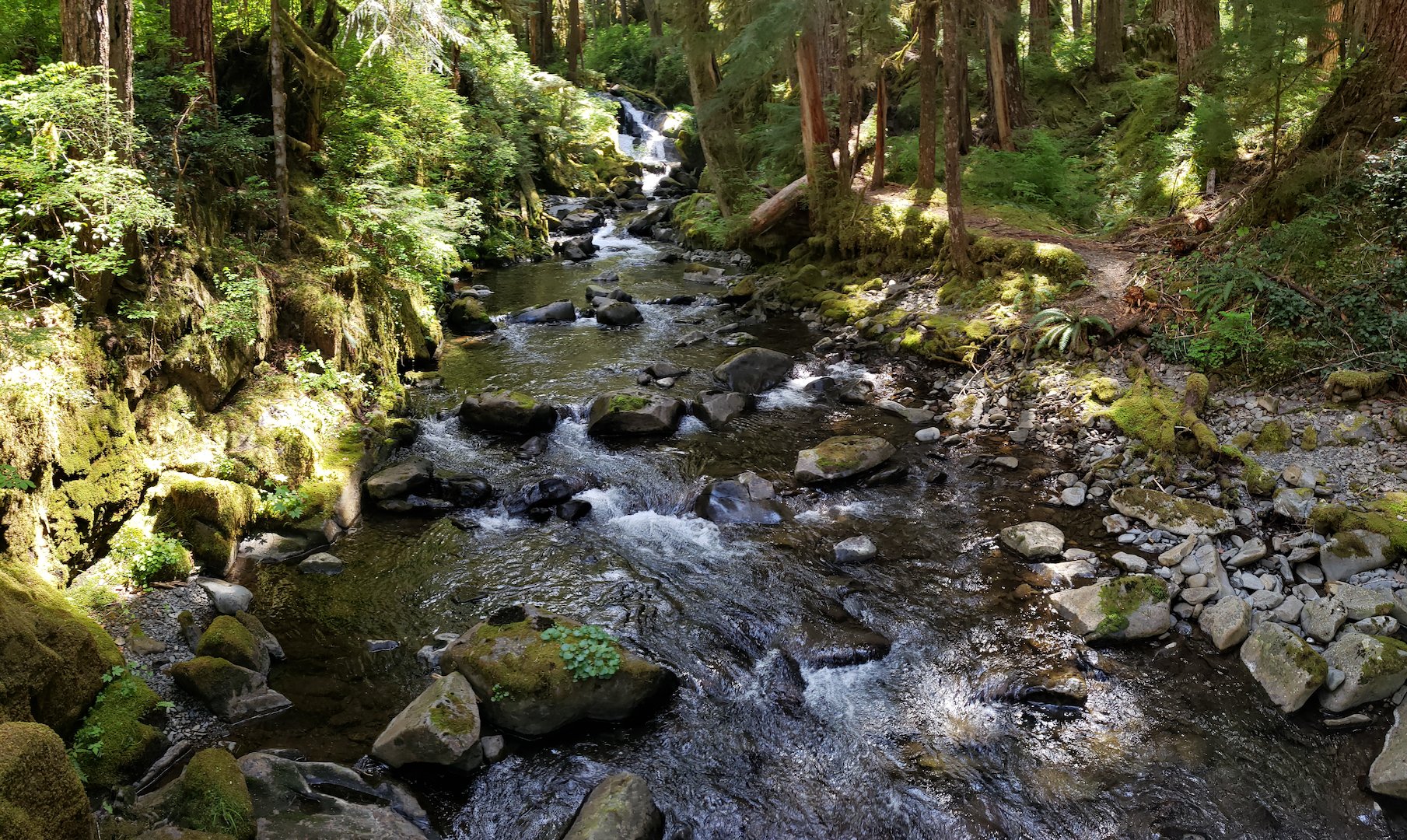
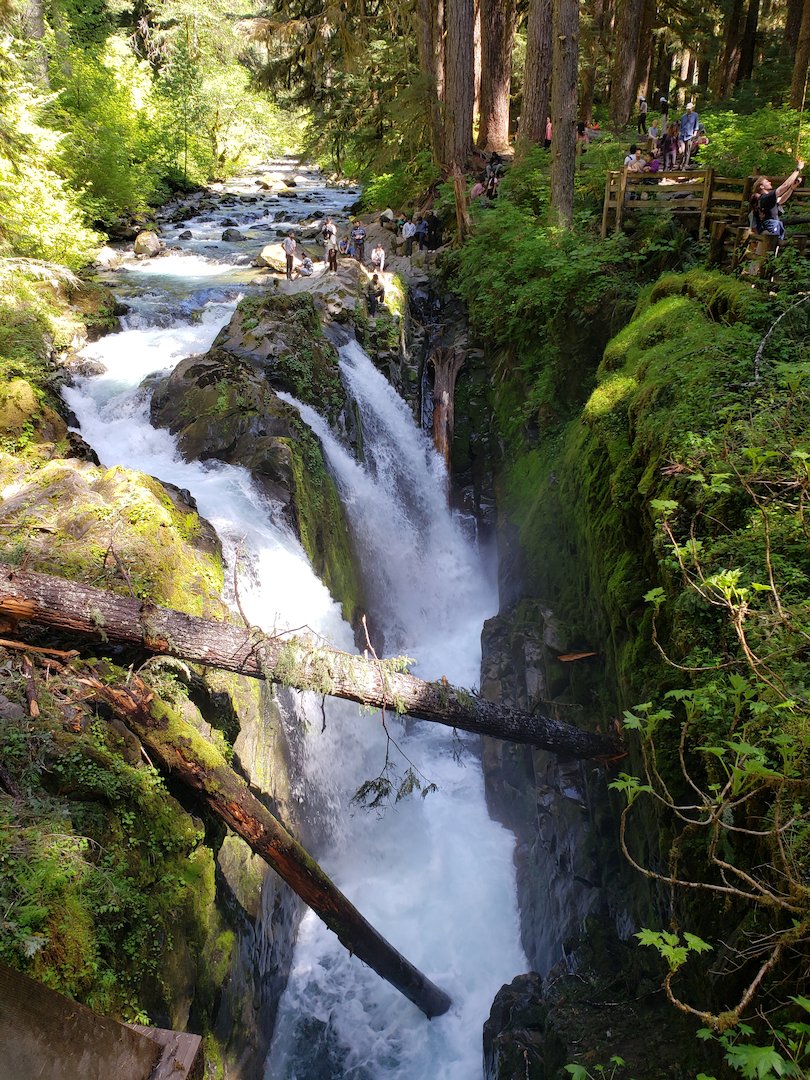
Not very many macrofungi. Would simply note that at least it looks beautiful and Brodie was able to hit a target Discinaceae here and potentially confirm an extended range for the Gal, so not totally worthless by any standard.
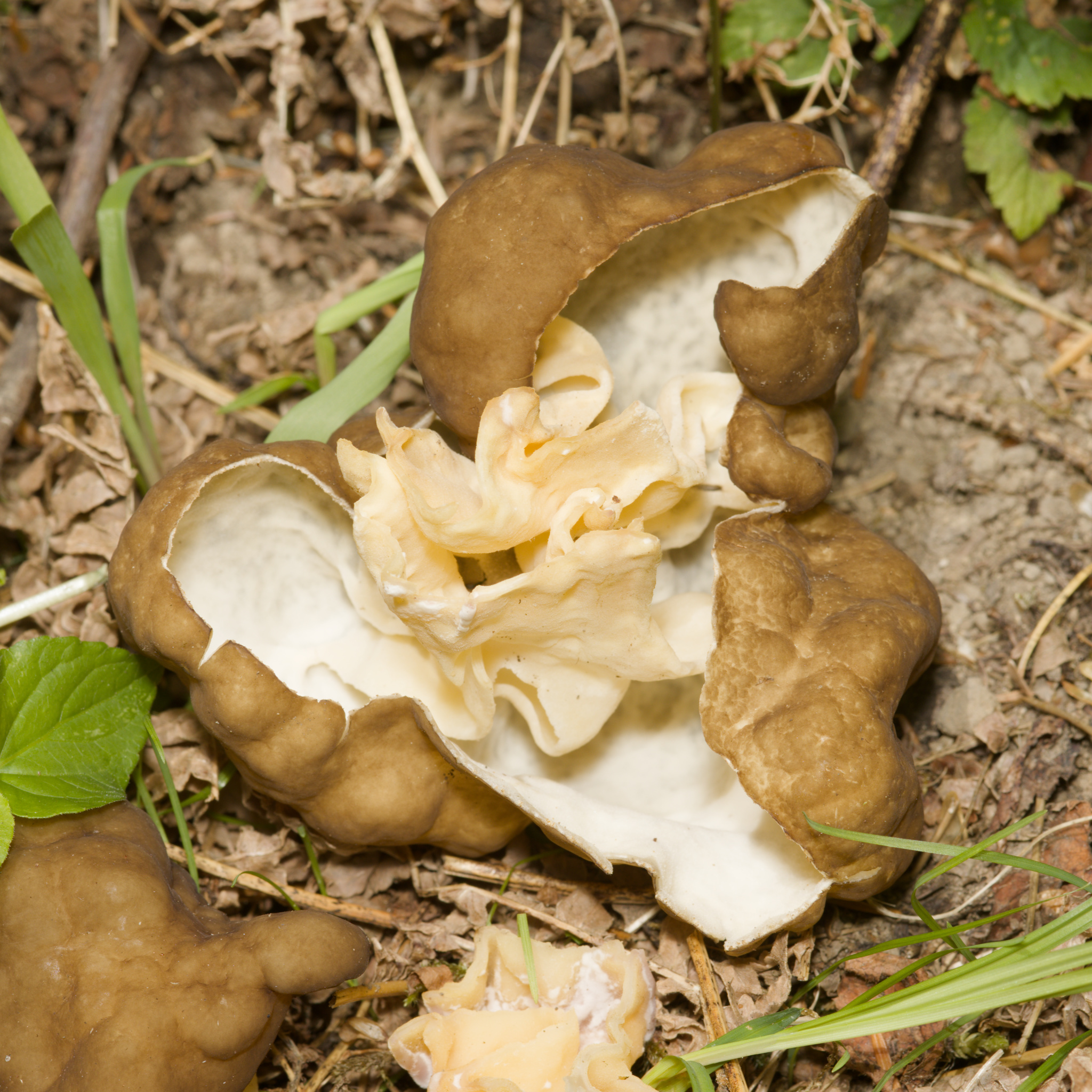
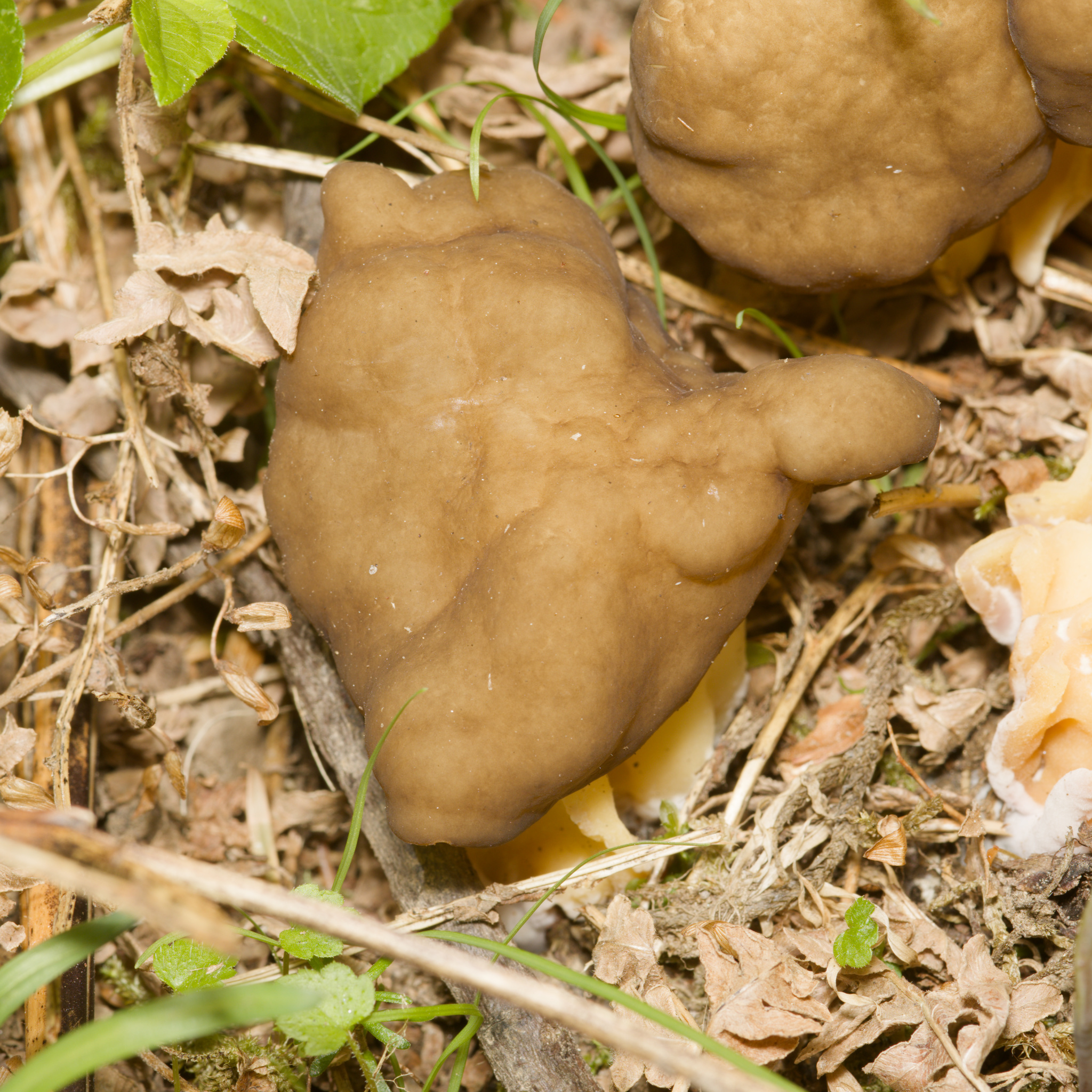
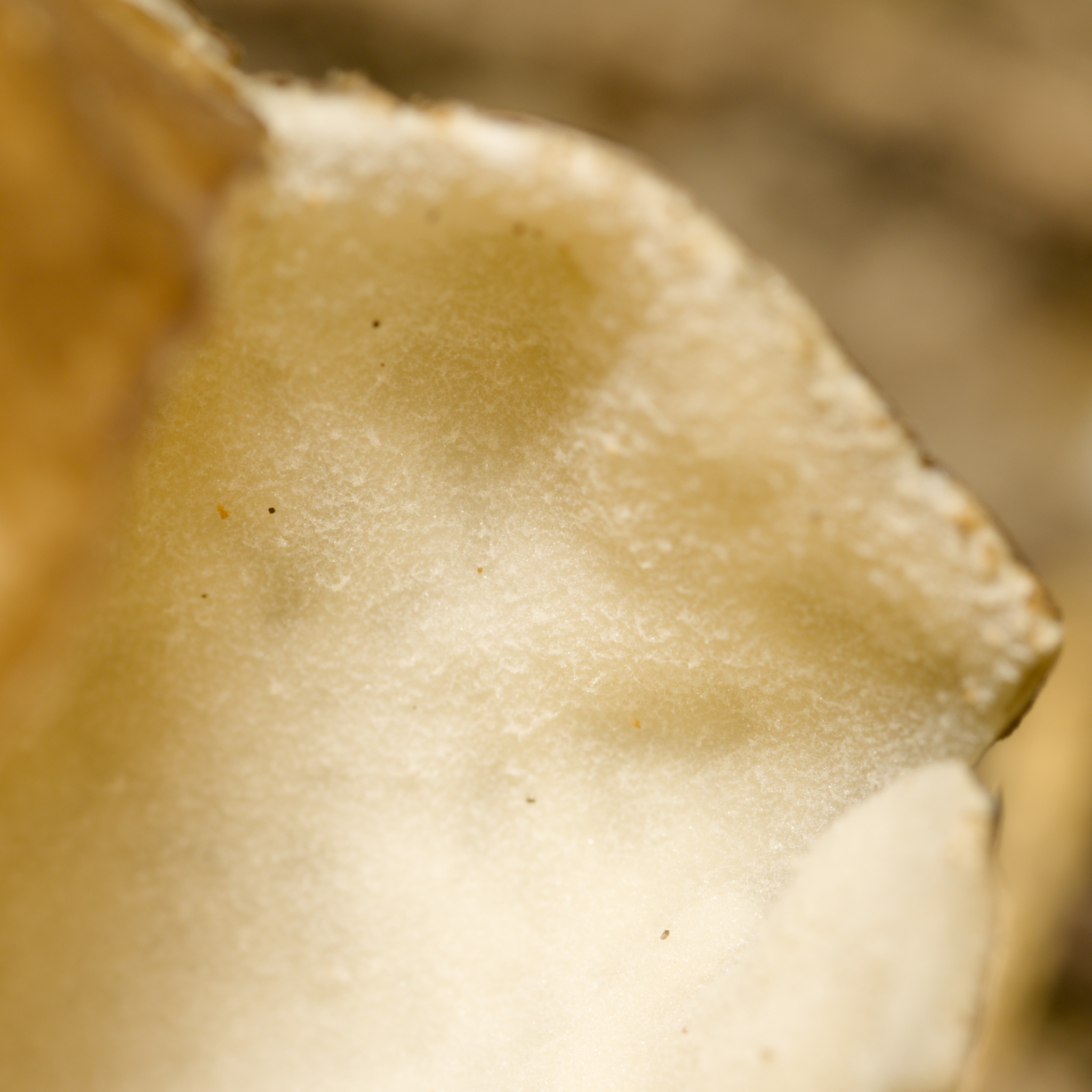
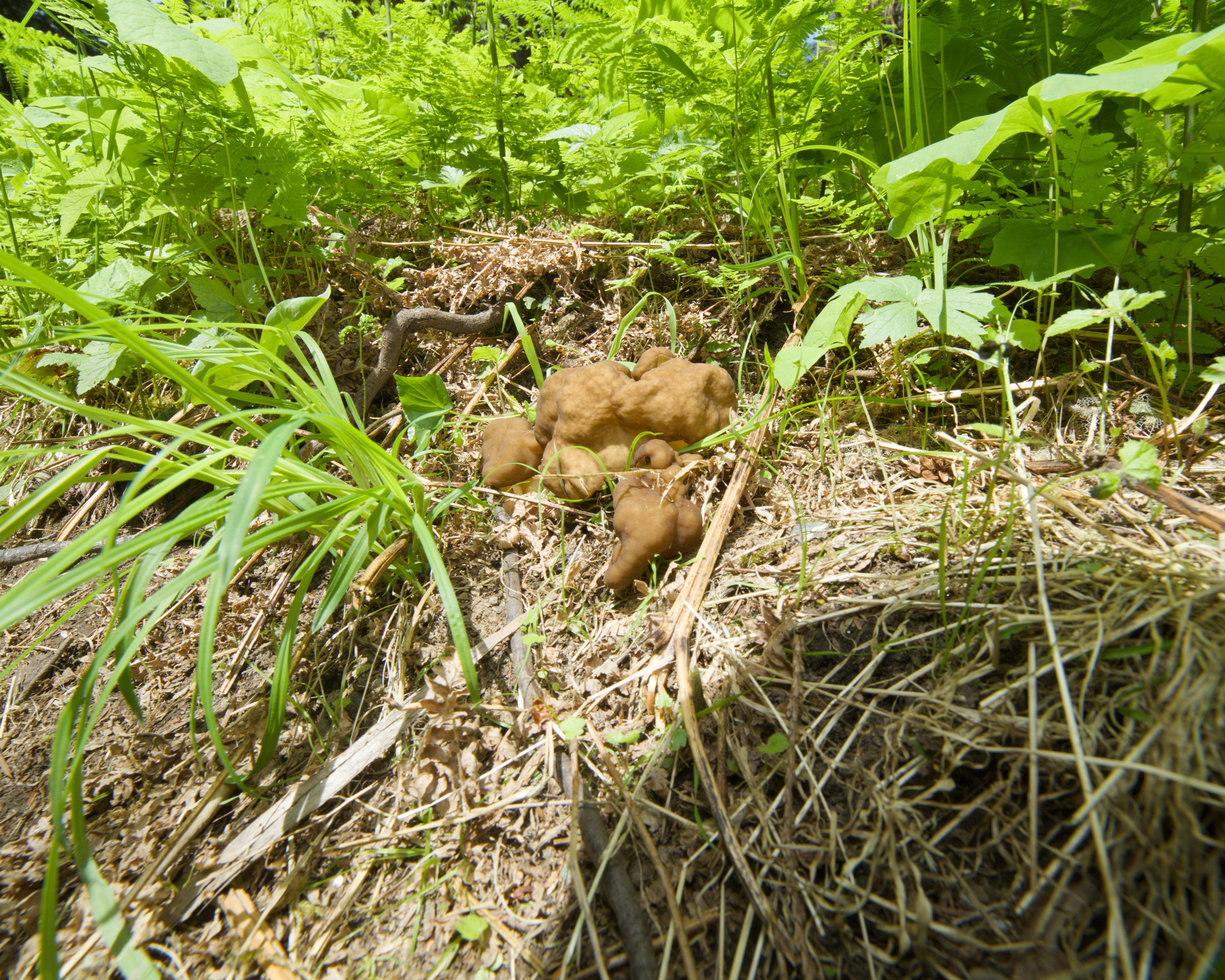
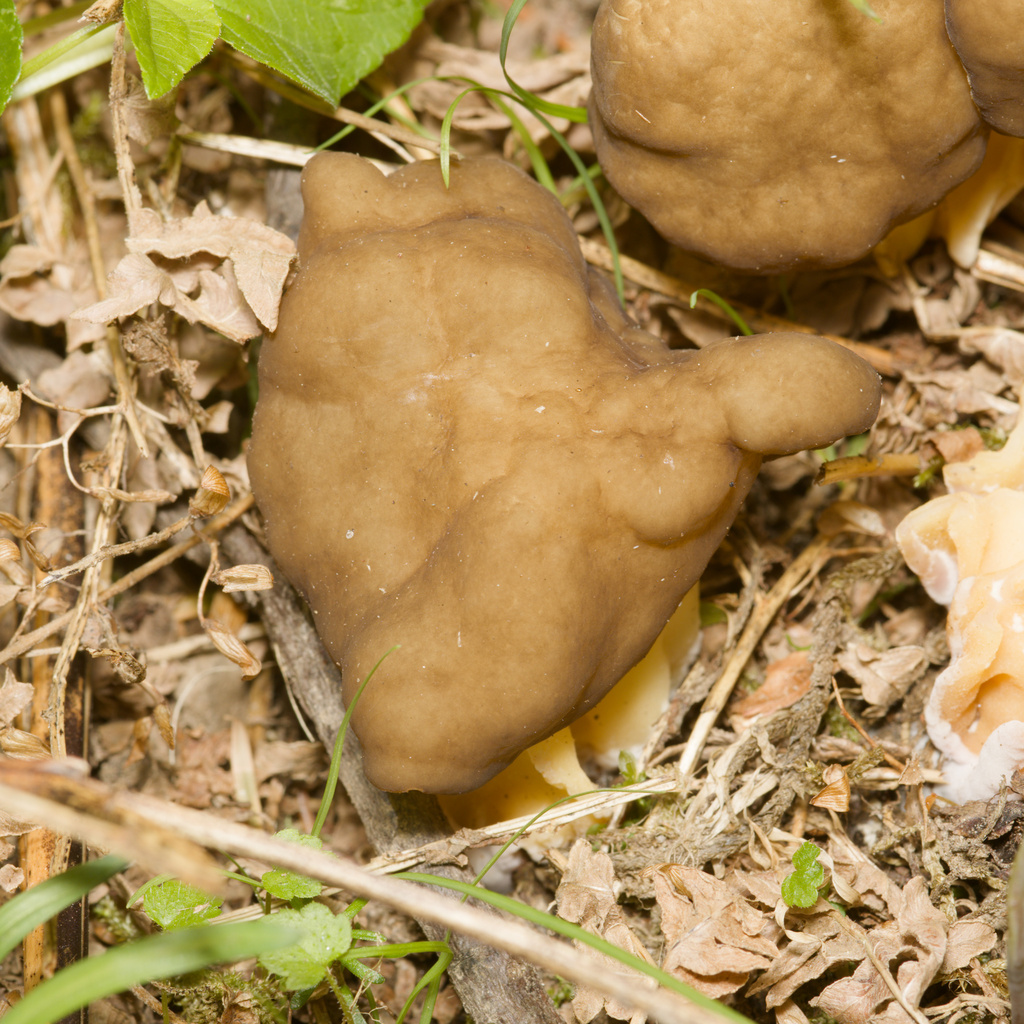
Another “Gyromitra” for the study! Pseudorhizina is an interesting name that has existed for a while as a synonym for Gyromitra, then a genus, then a family, and then a subgenus, and now has been reaffirmed as its own genus within Discinaceae in the most recent splits. Phylogenetic studies in the 1990s through present day, confirm its close relationship with other genera like Hydnotrya and Gyromitra, again also noted in the most recent studies. This species is our West coast native and although probably fairly well documented, still nice to have as part of a more full panel on the family.
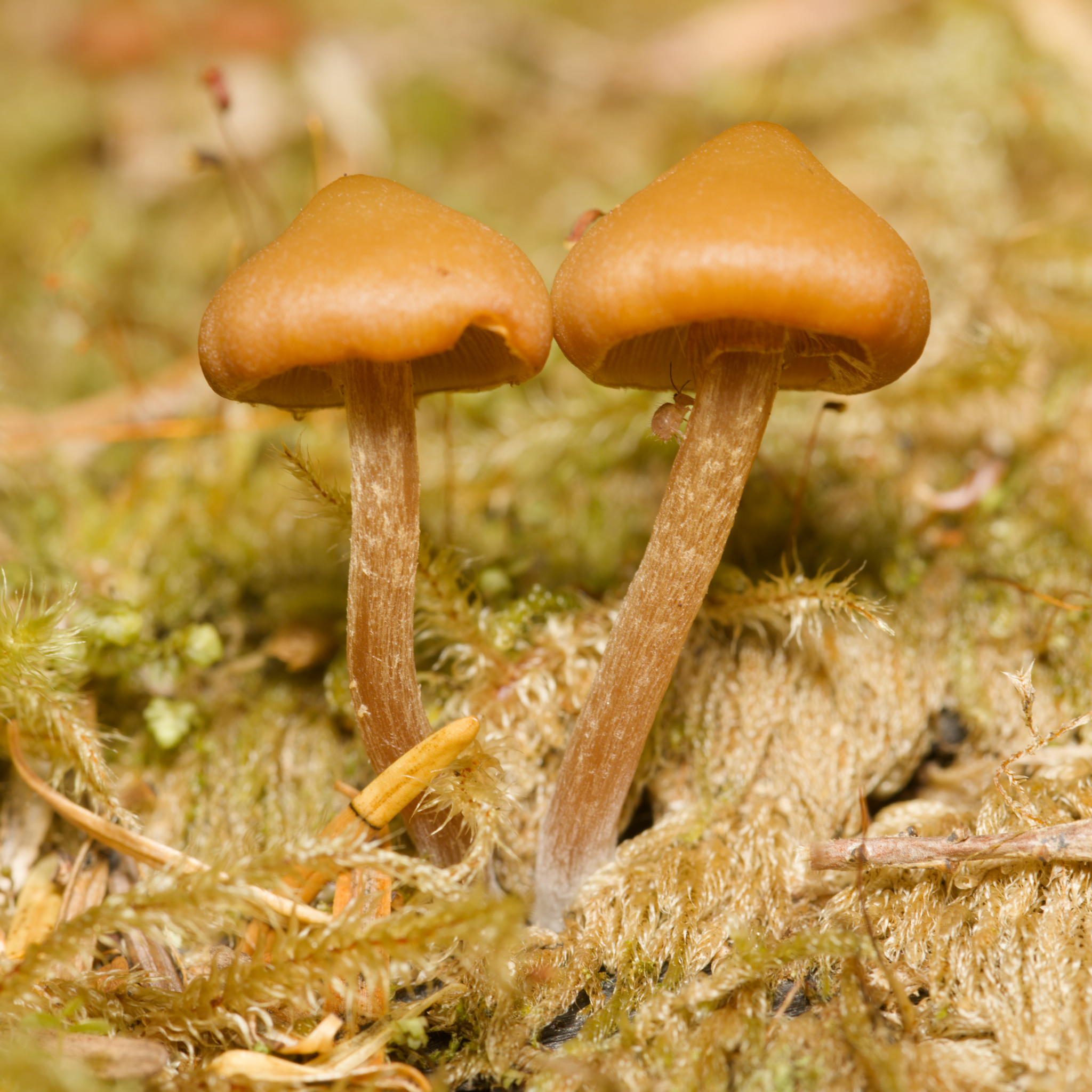
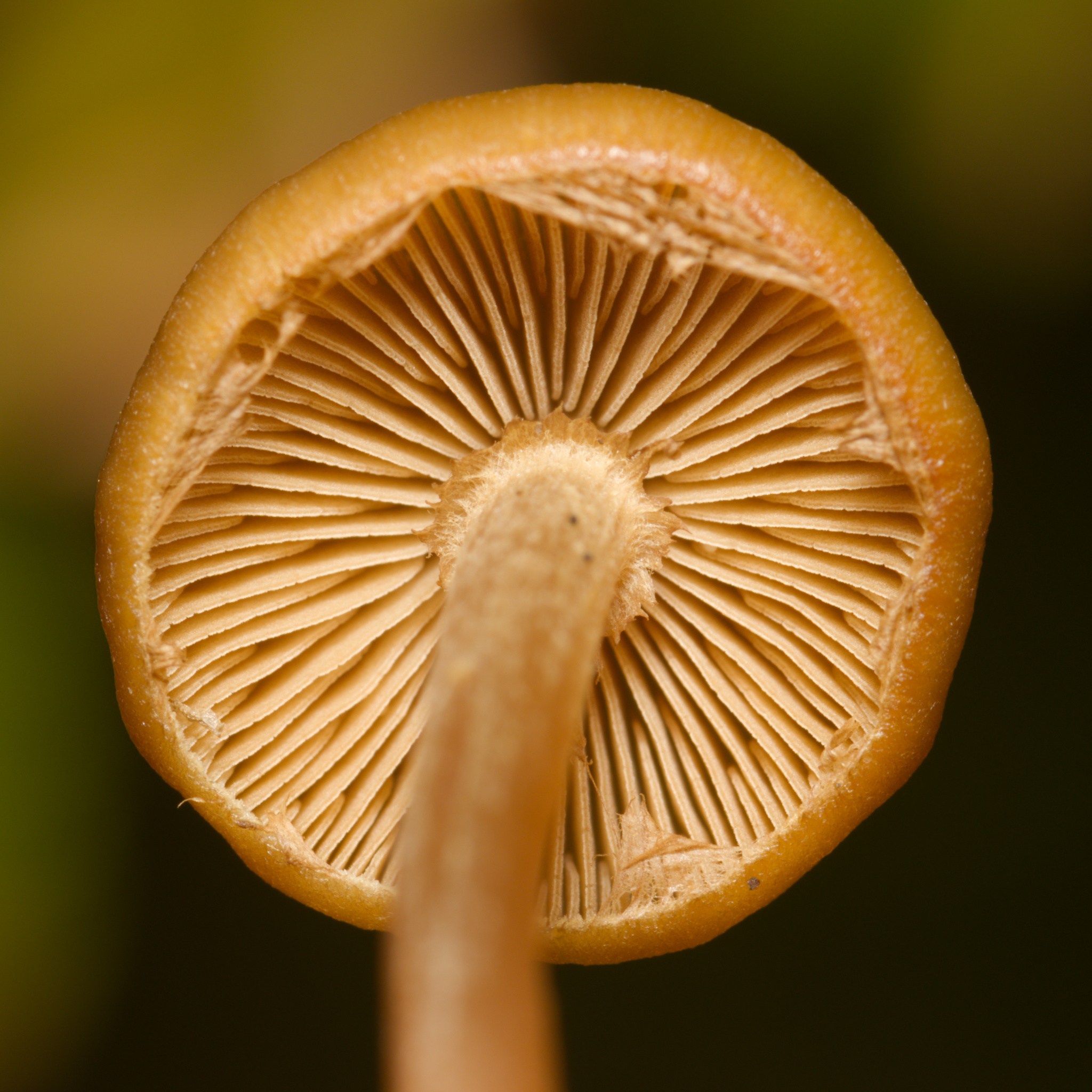
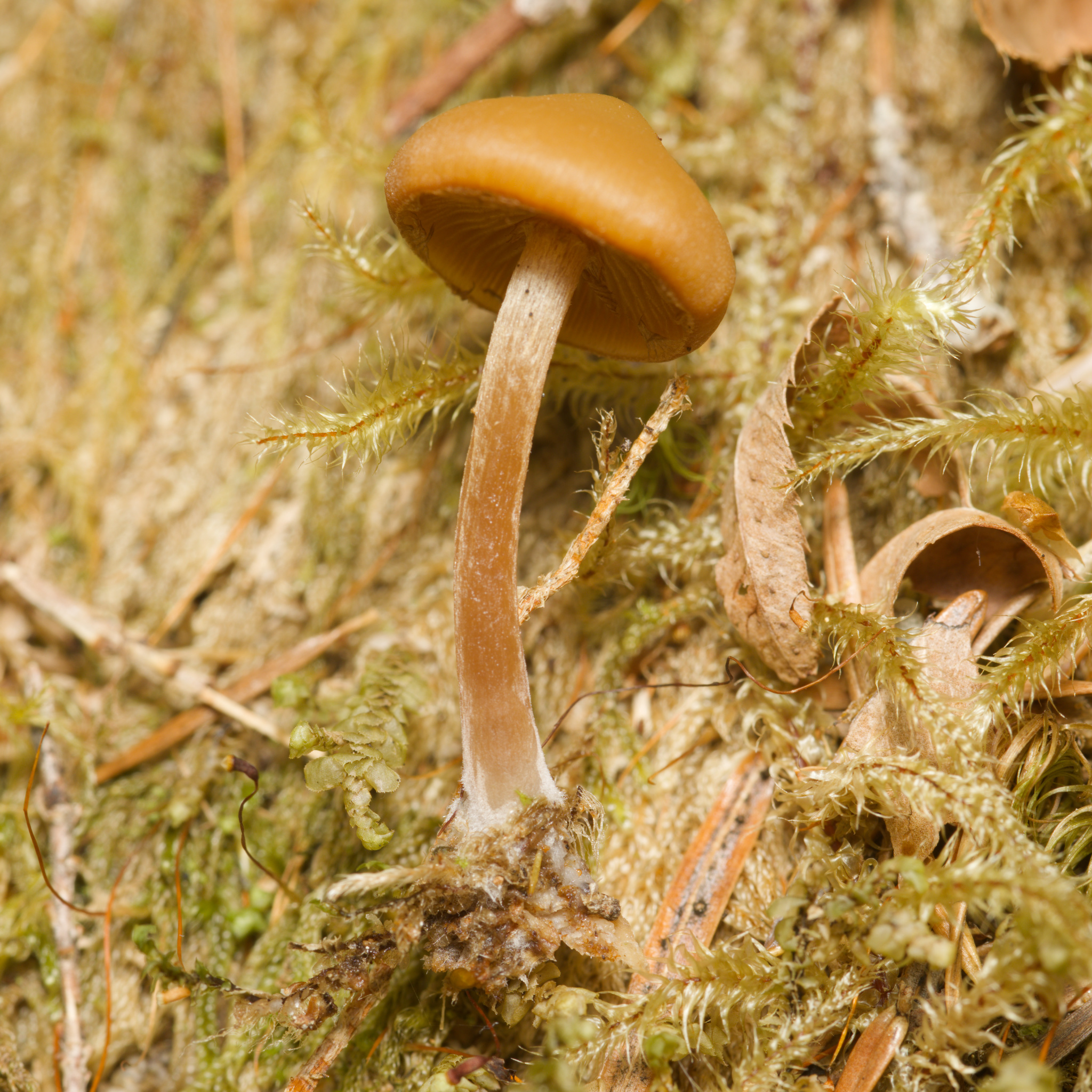
A fairly obvious Galerina, Andrew has given us another valid suggestion here based on his experiences sequencing stuff a bit more South. I would have to accept that ID here and seek the sequence that validates it.
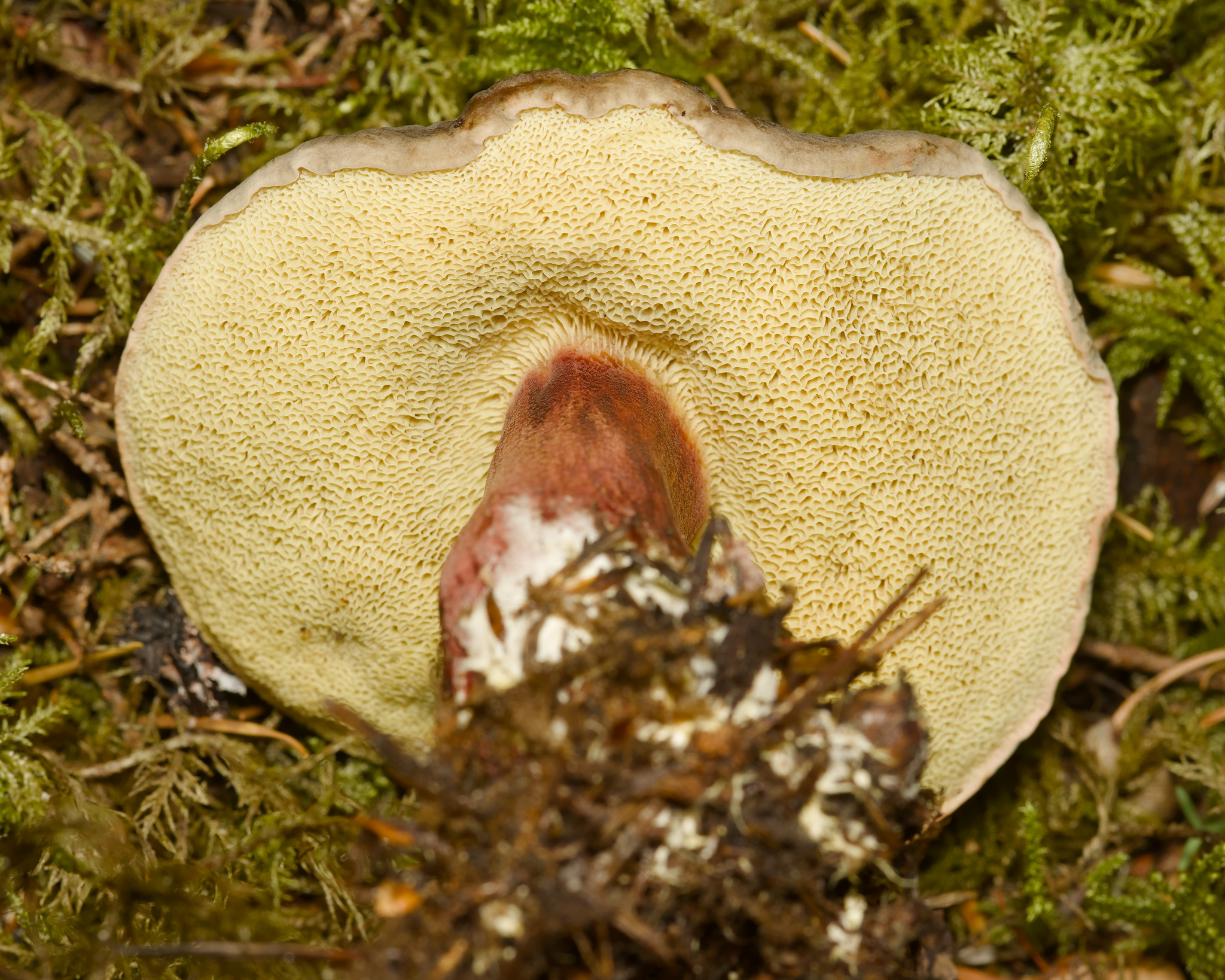
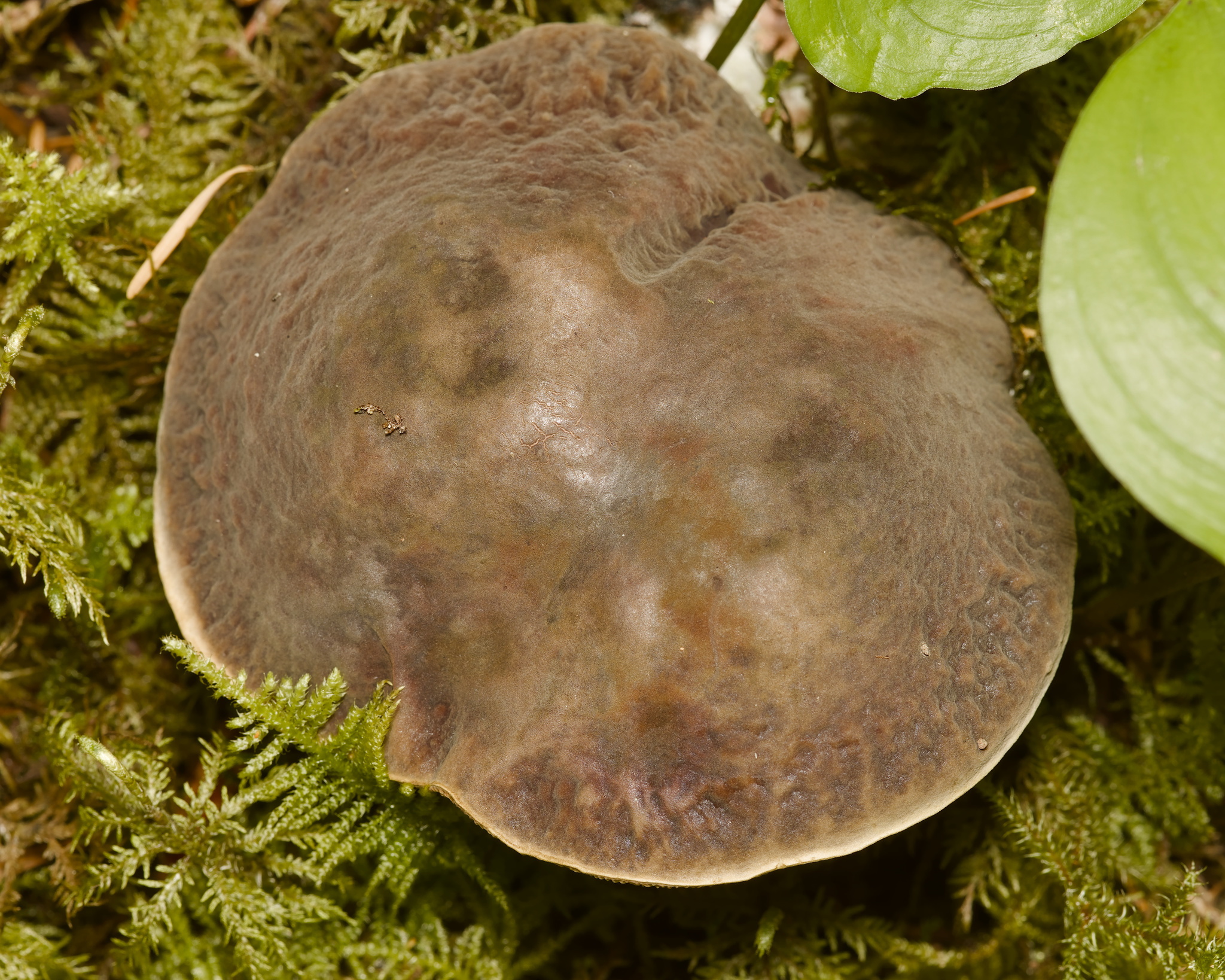
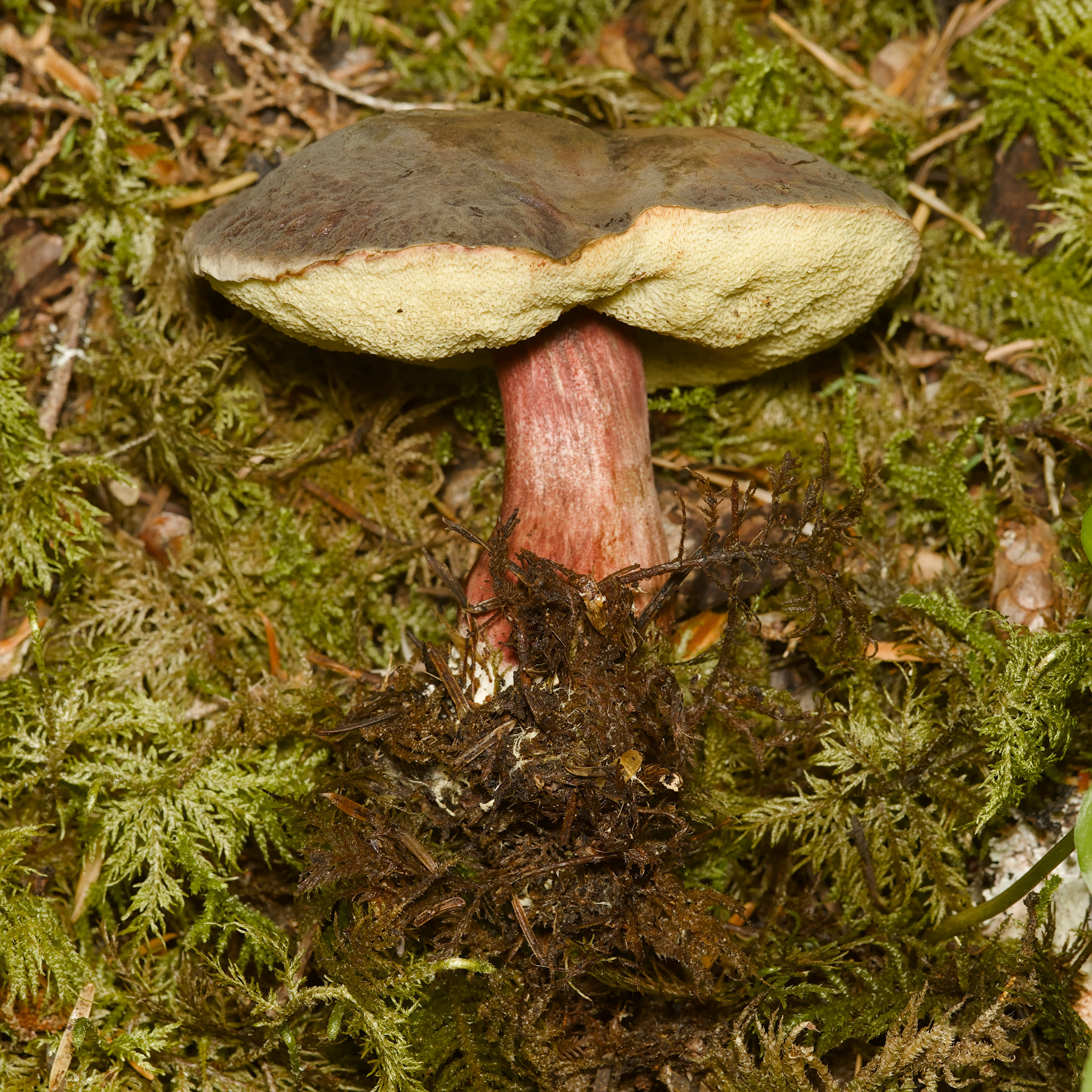
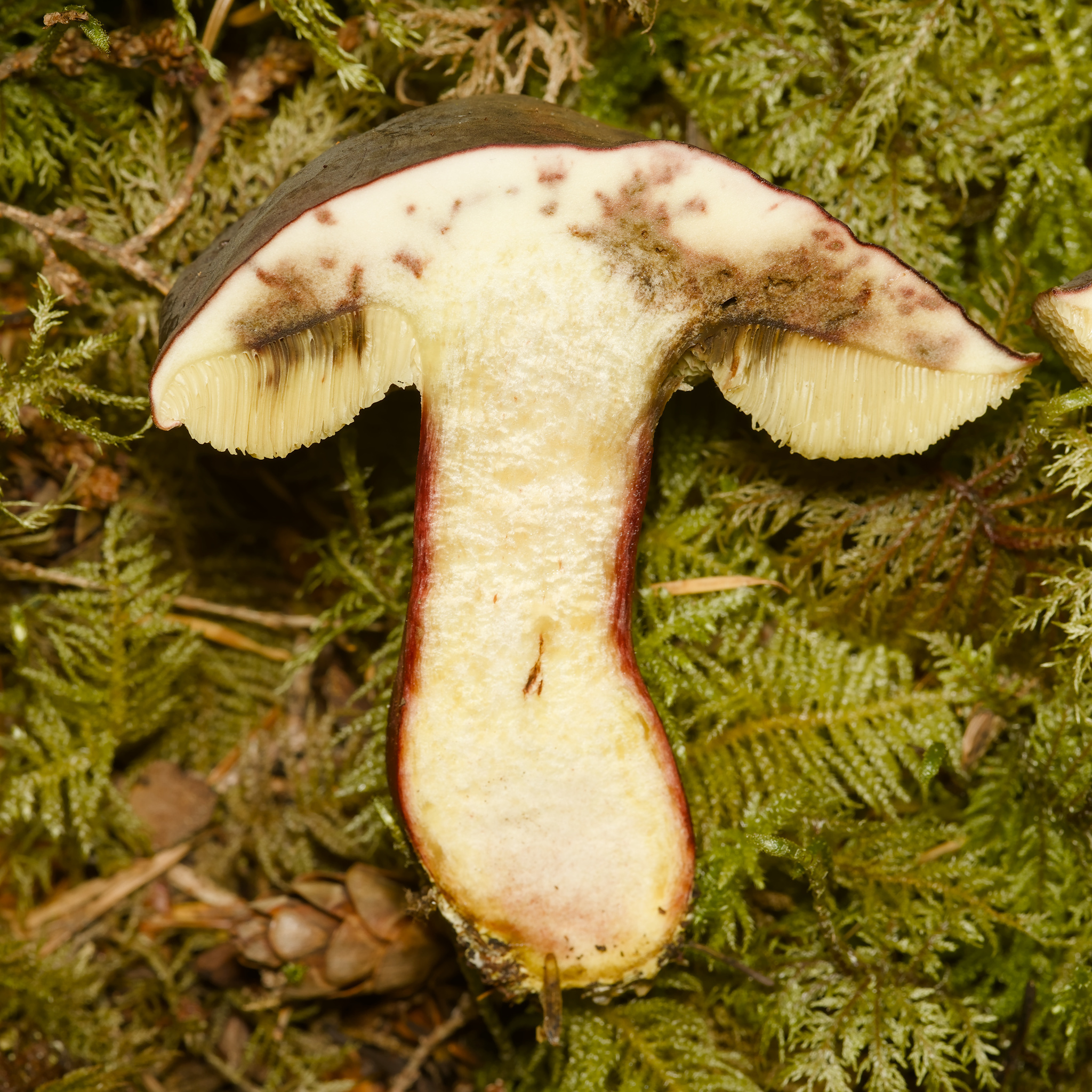
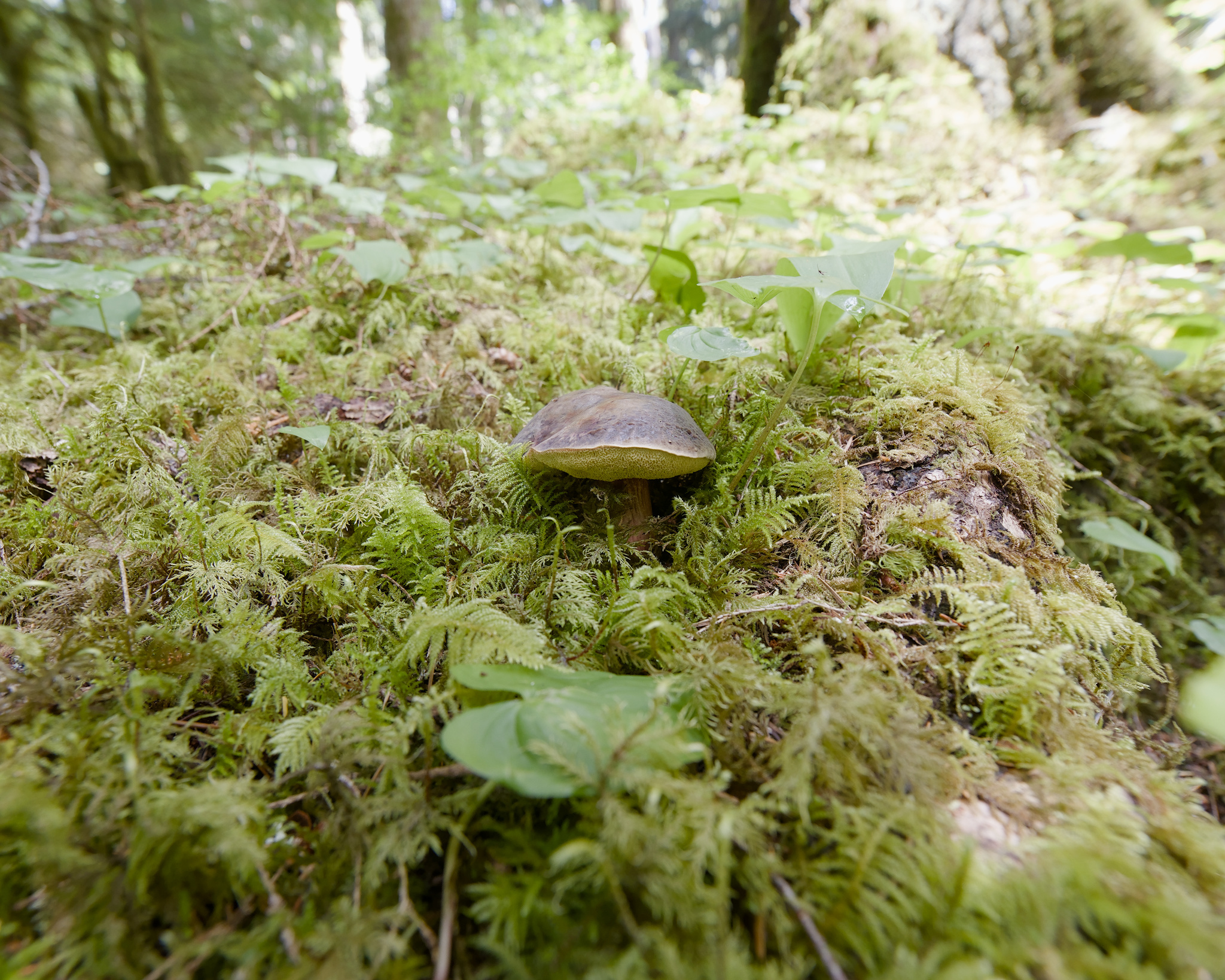
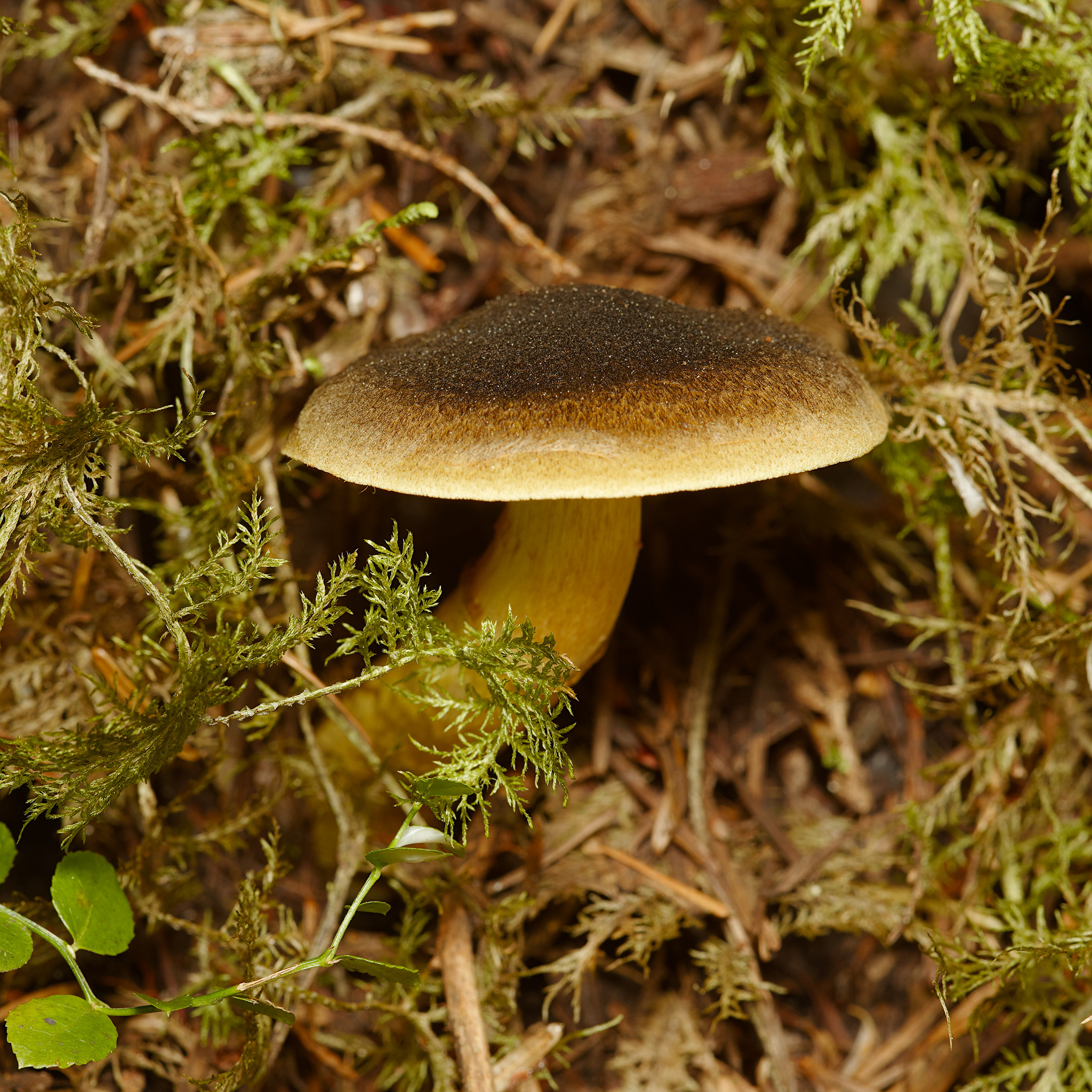
Originally considered Xerocomus here, I’m less of a bolete person myself, however after looking again at the stipe color and cap texture I would have to assume this is probably Xerocmellus. One really interesting feature here, no bluing… Which is typically expected for all genera / species that look like this! *Kim Pharis notes that Siegel and Schwarz document multiple common xerocomoids that sometimes do not stain. Maybe we can at least add some data there.
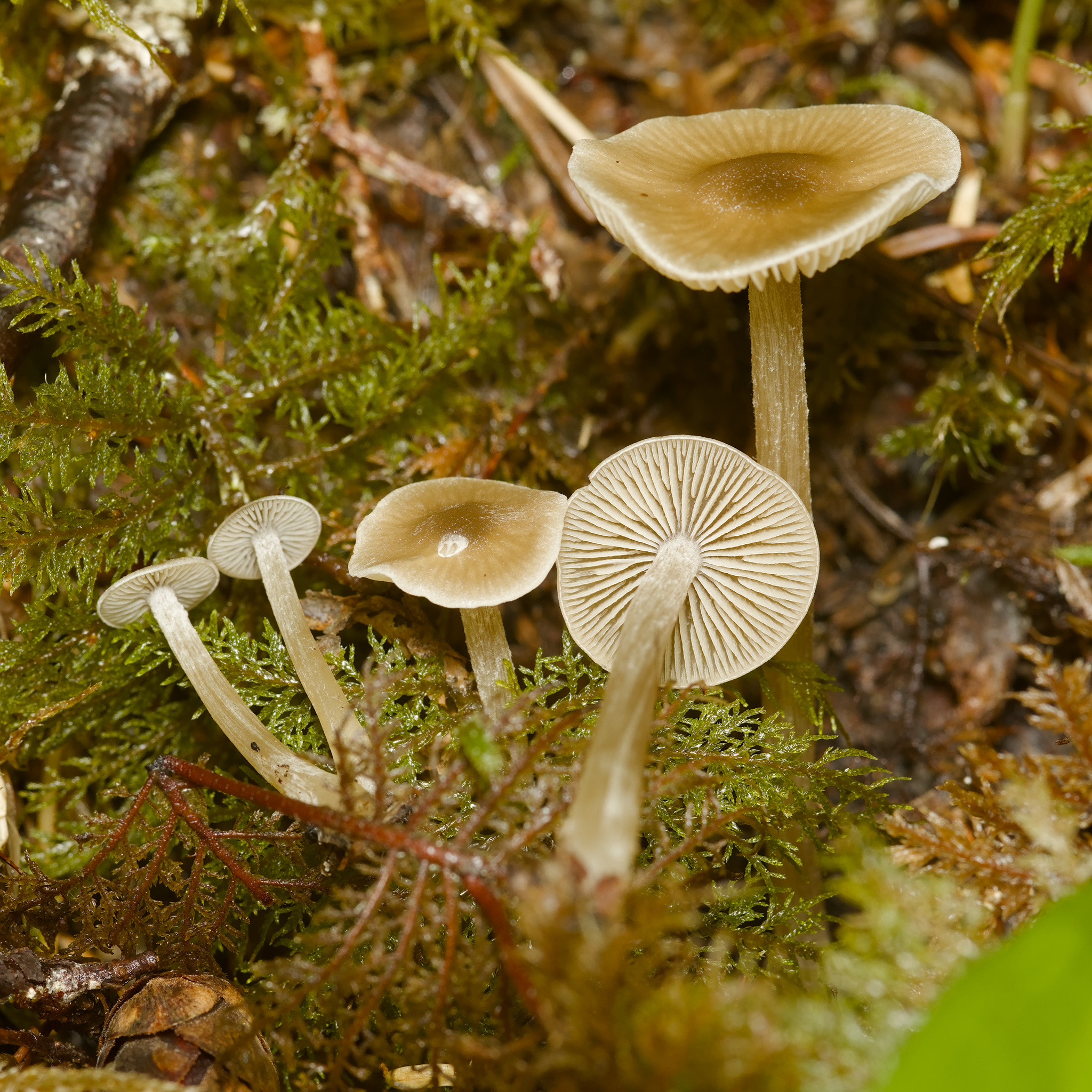
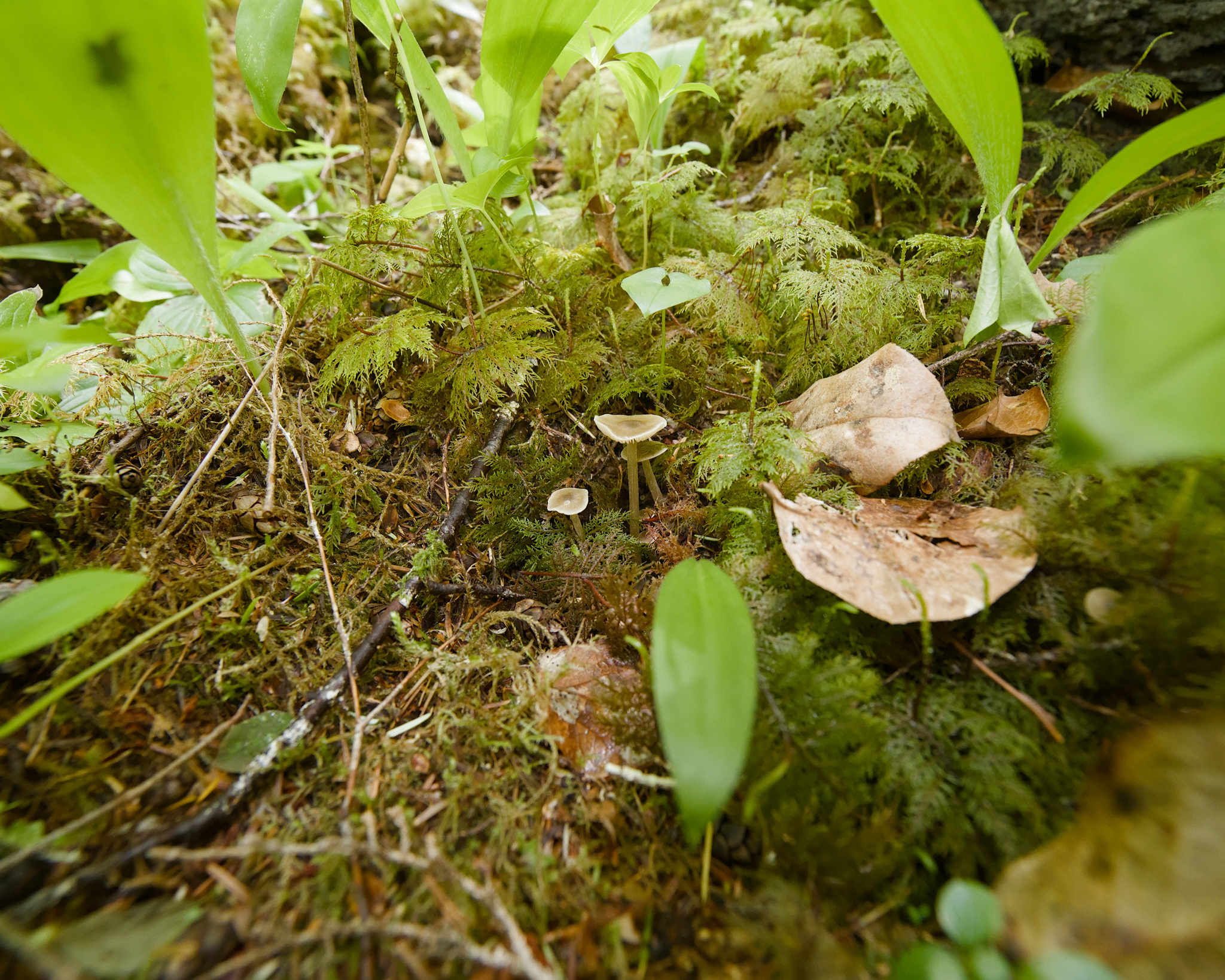
I think that this one is a bit confusing texture wise, but would settle on Entolomataceae with the stipe texture, bit of an umbo on the cap, and of course color. However I would note that the young ones and the cap margins do bear some interesting differences to the spring Entoloma I am more familiar with.
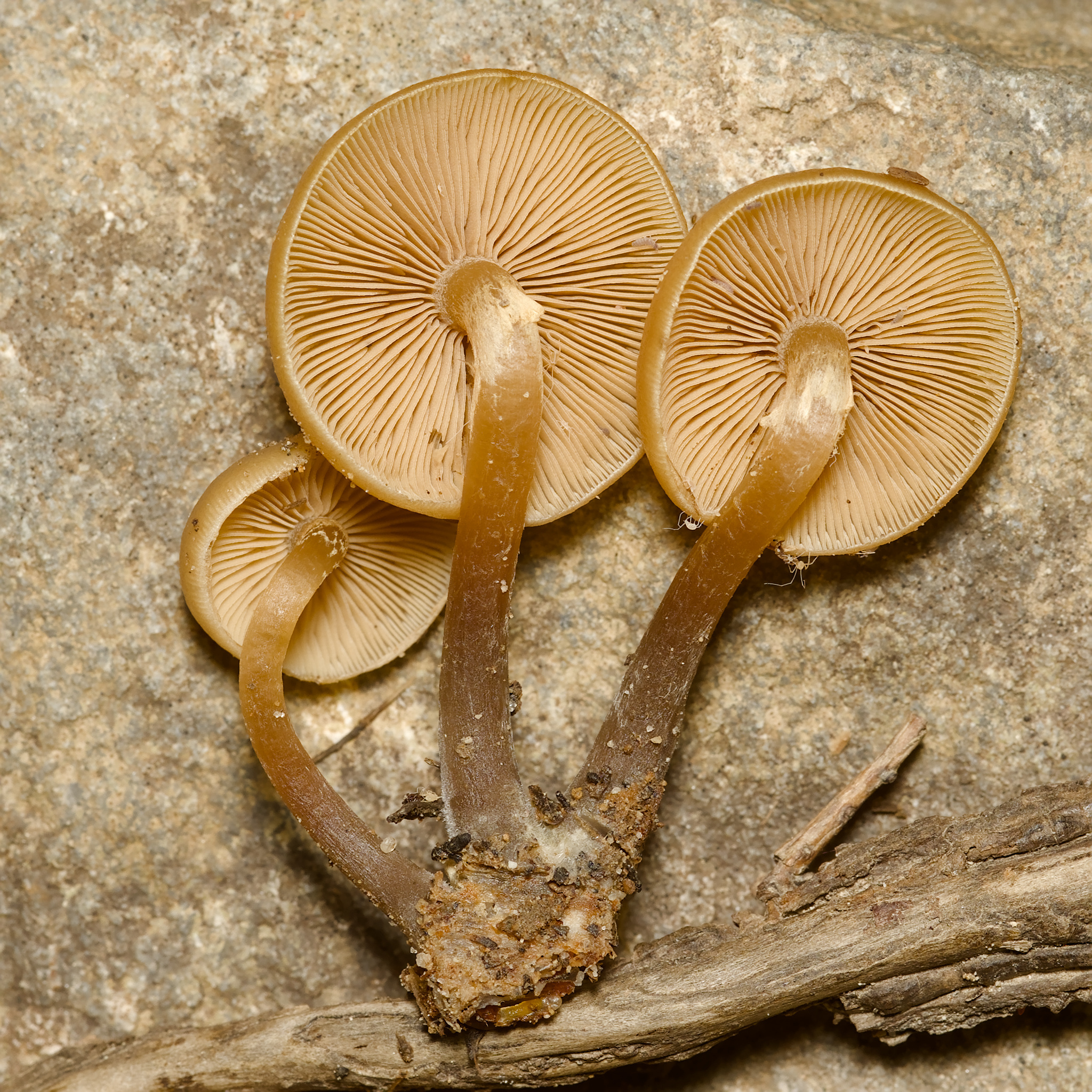
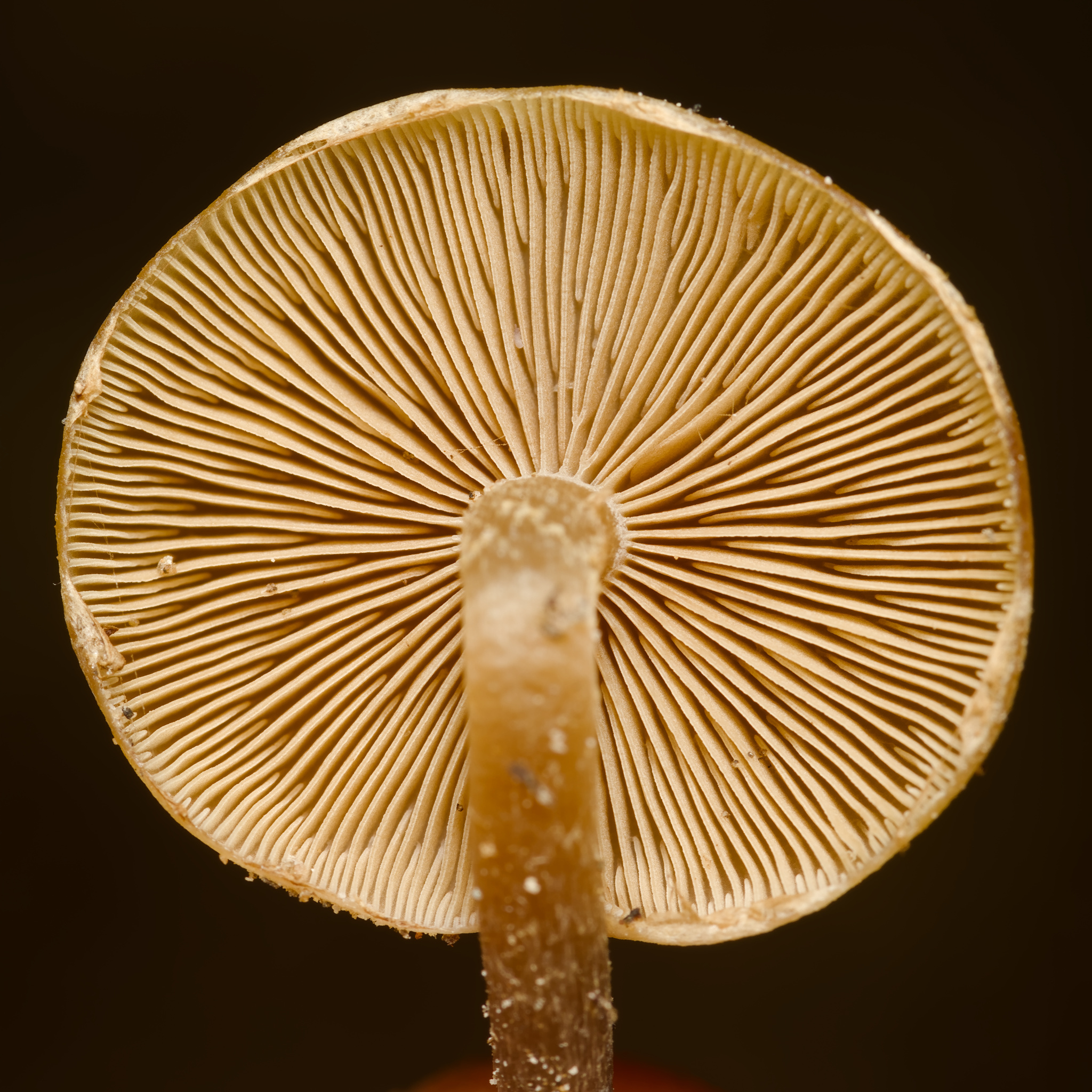
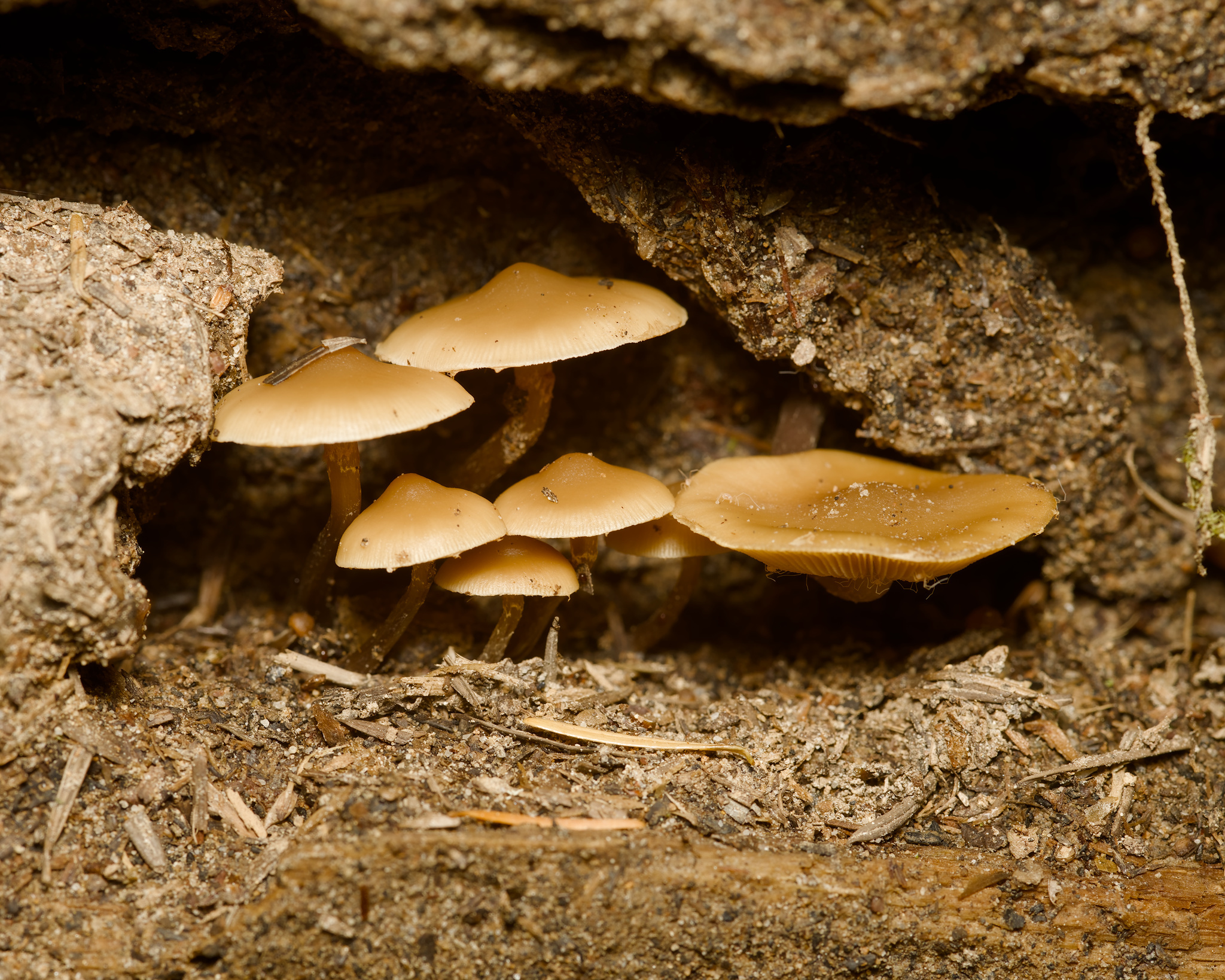
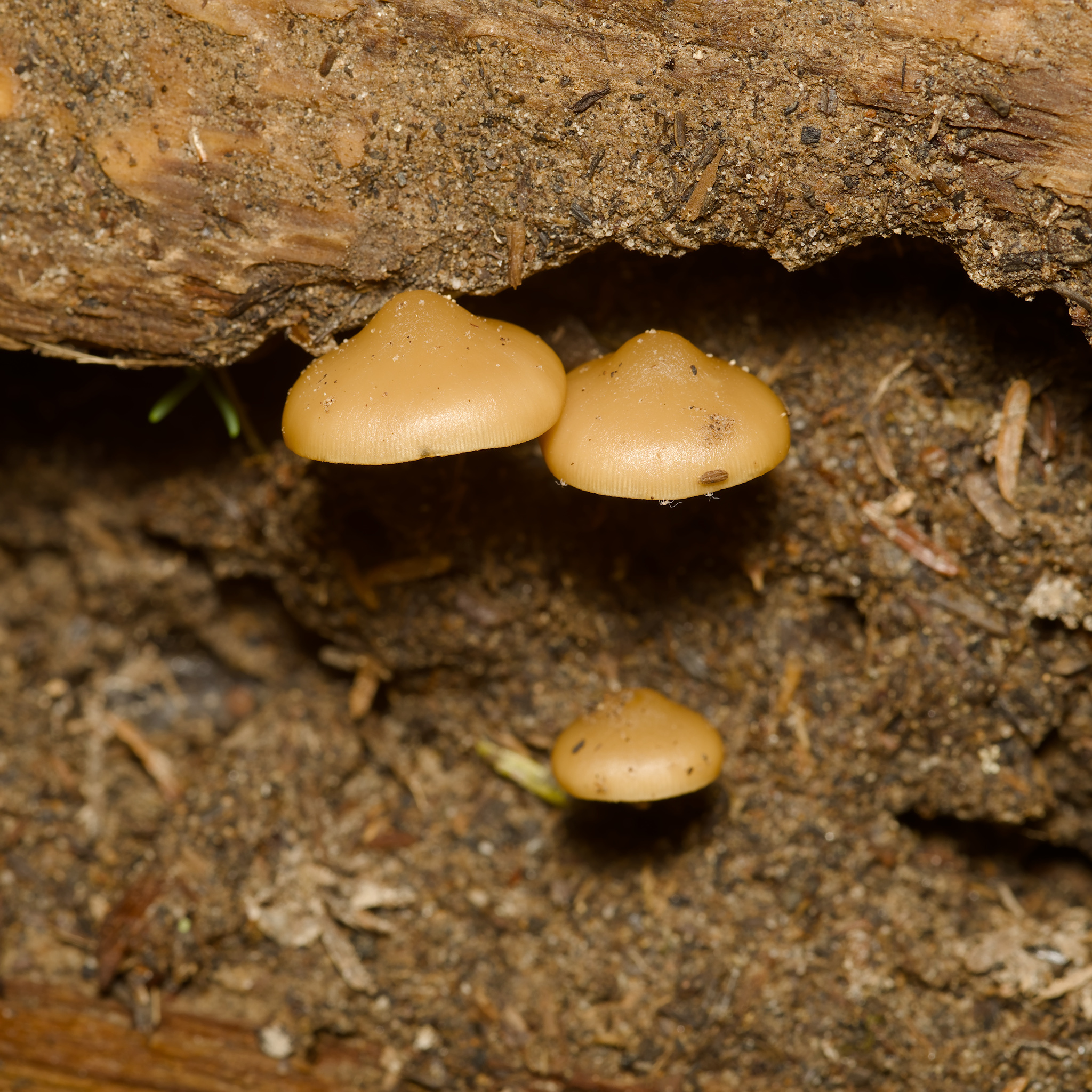
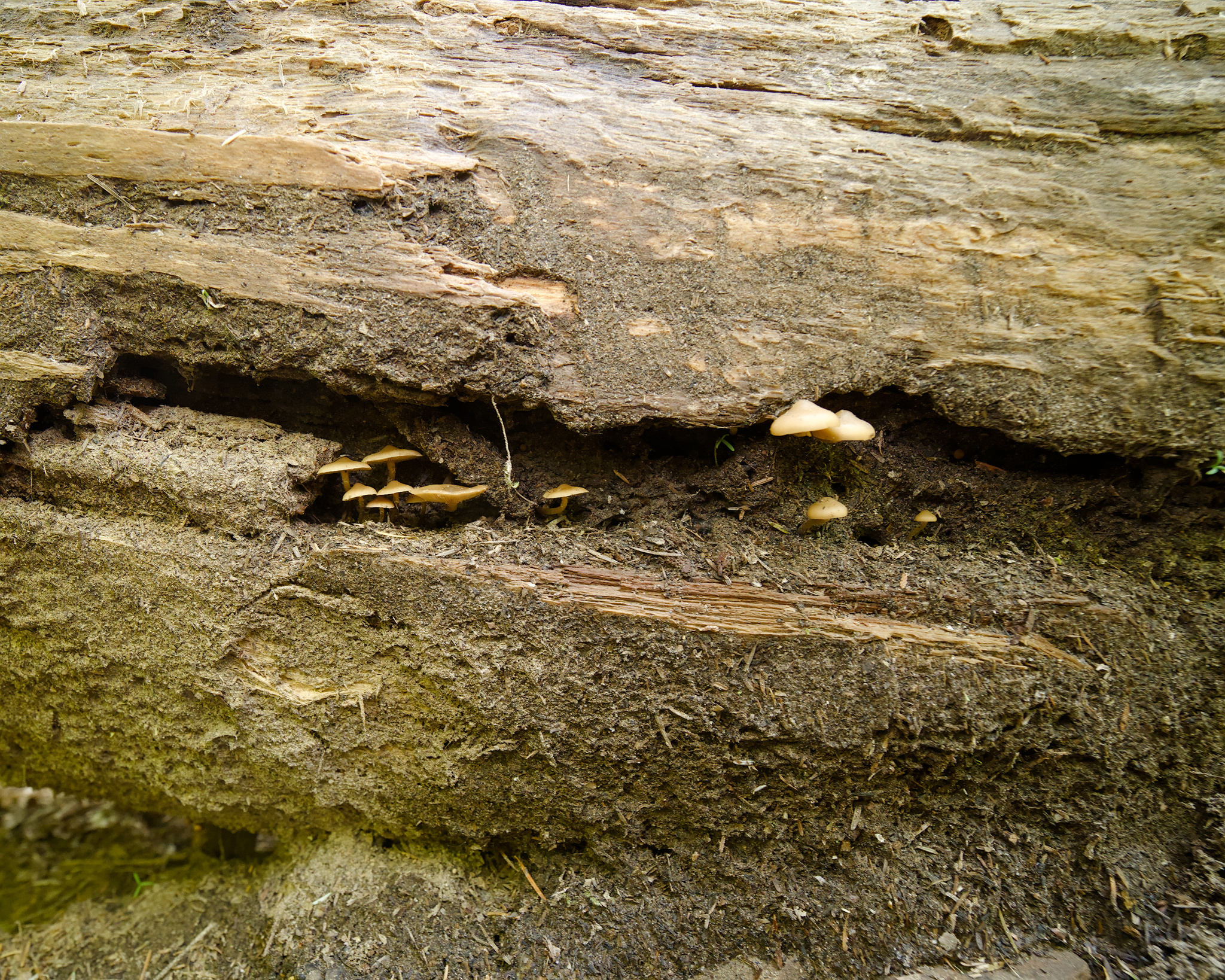
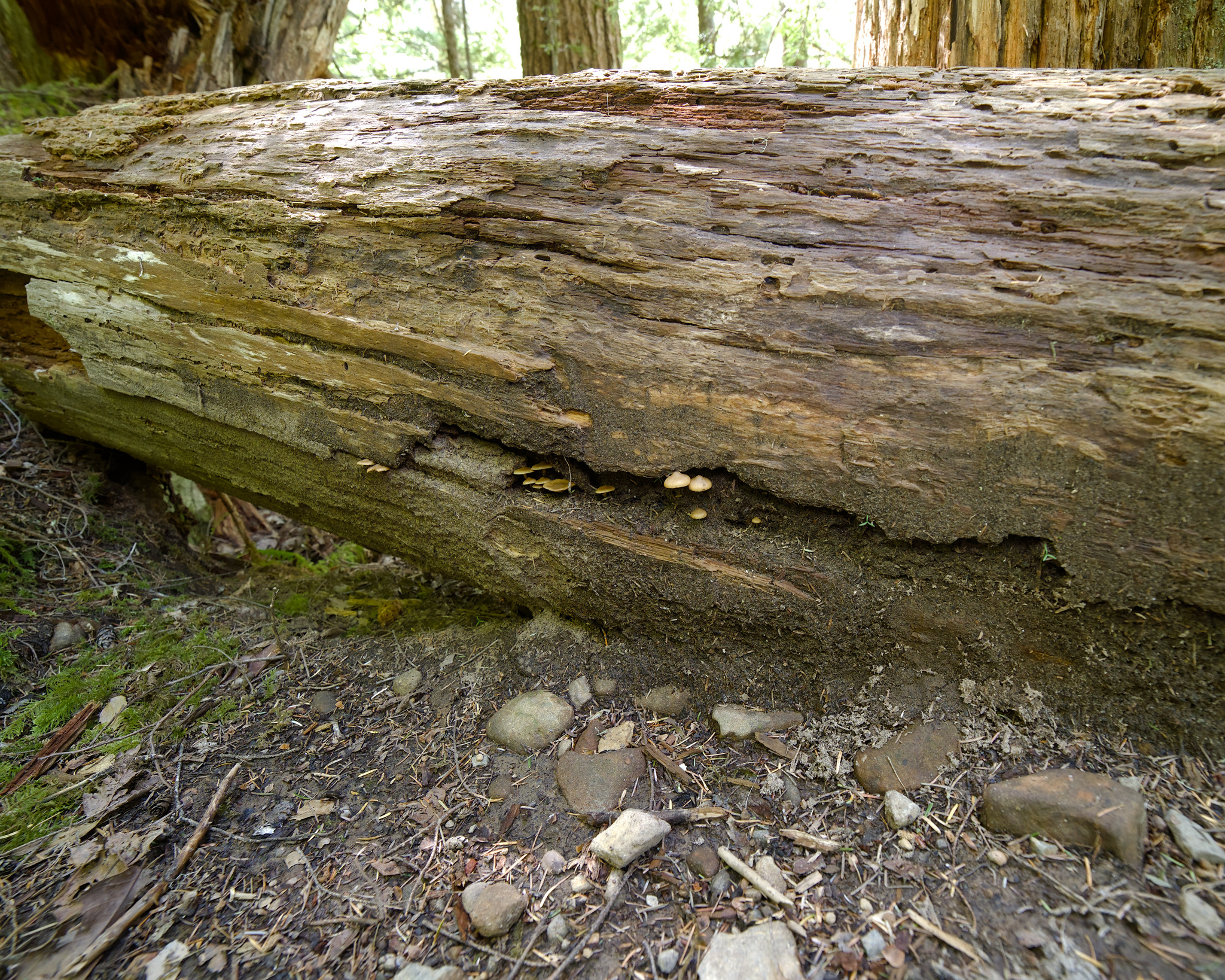
I think this collection probably represents K. lignicola, a species I see less frequently but just about as common as it’s siblings in the genus. A bit smoother, I can certainly see why it gets its common name, “false funeral bell”. Certainly a bit different in texture and a little bit of color also.
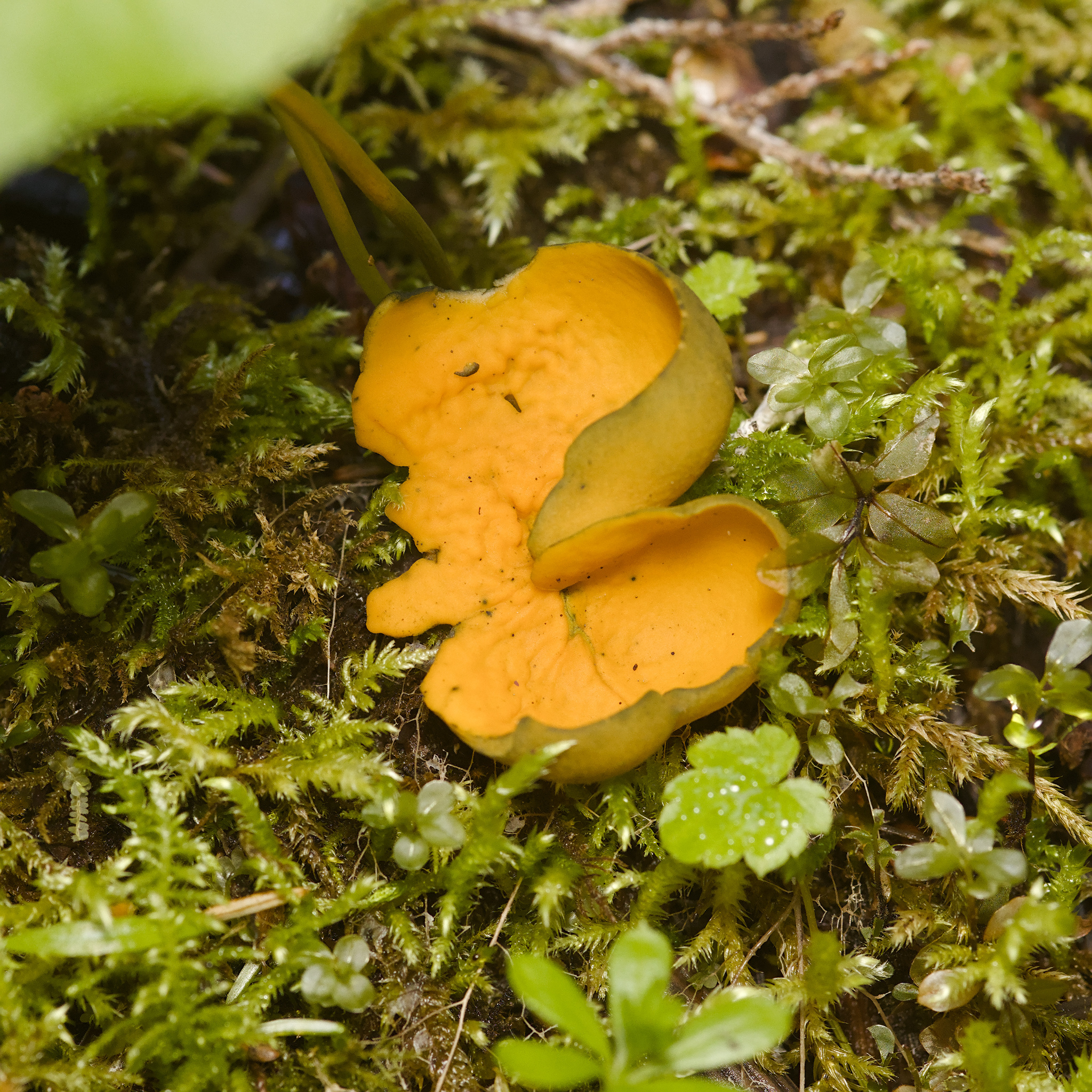
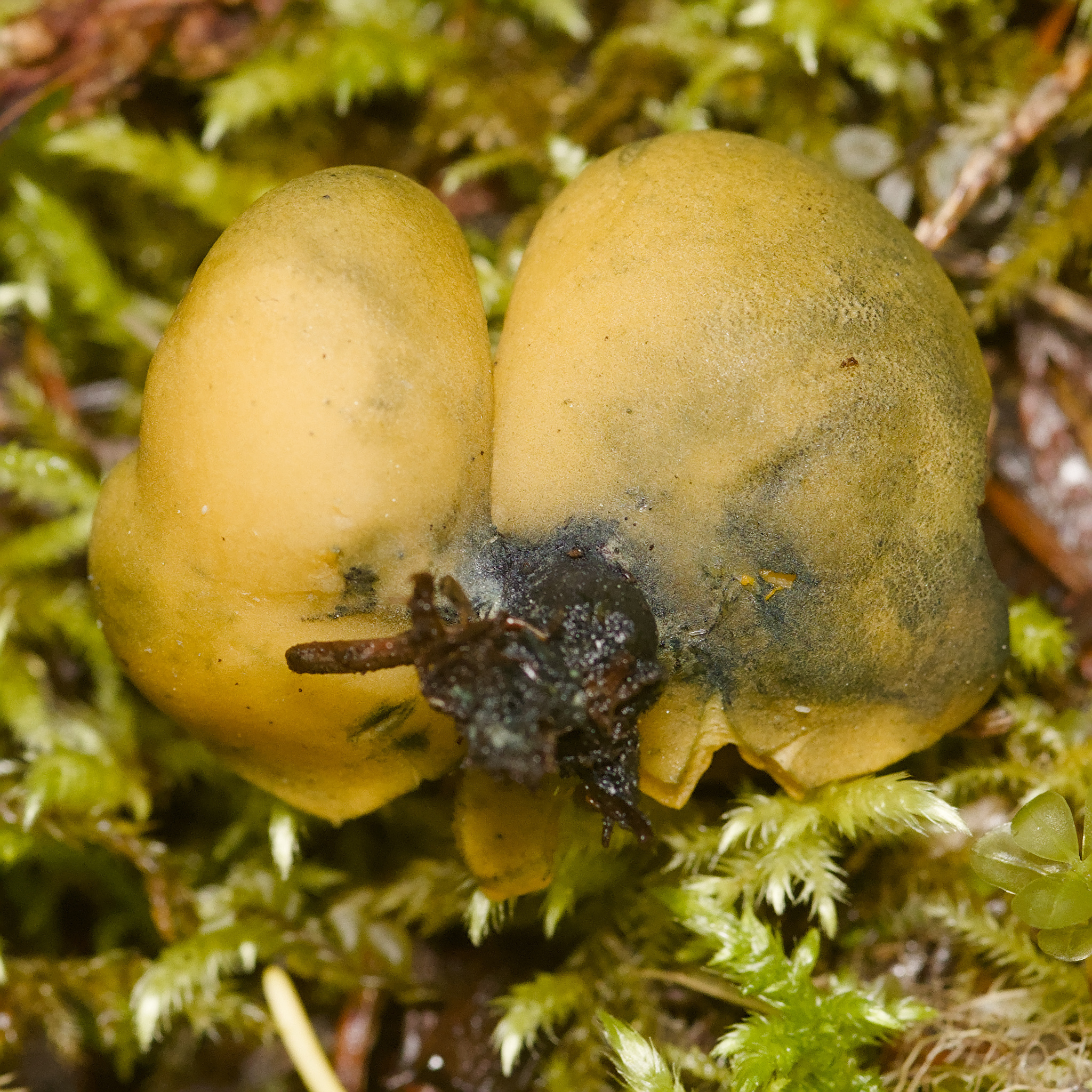
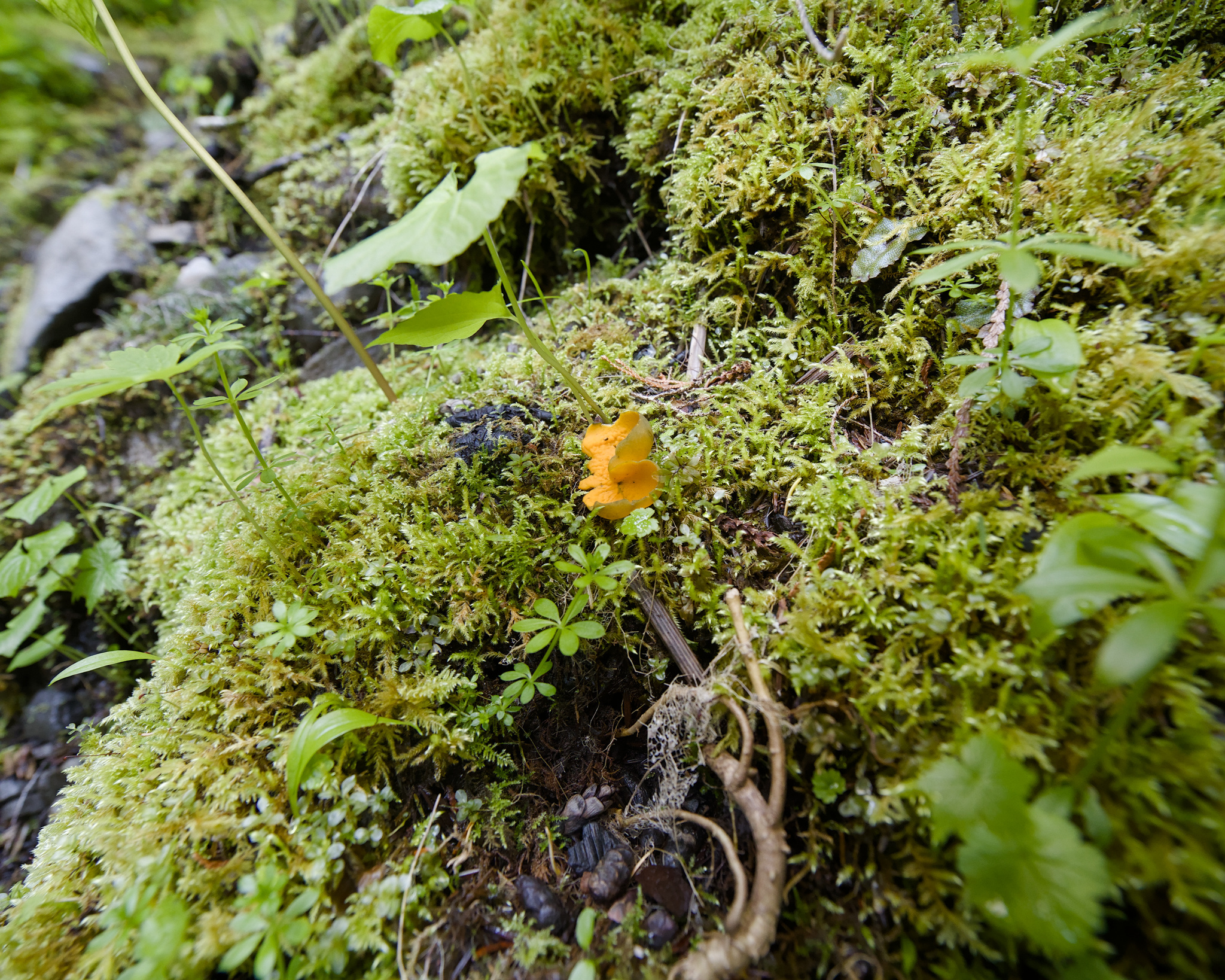
C. fulgens is common, but collected here to aid in our general survey we’ve got some here. It fruits throughout Spring, I often find it in the same areas as other early Spring ascomycetes, most notably I have personally found it twice near Morchella cf. hotsonii. I find some of our WA collections to be a bit more yellow sometimes, and they should also have pretty dense fuzzy and stringy rhizomorphic growth.
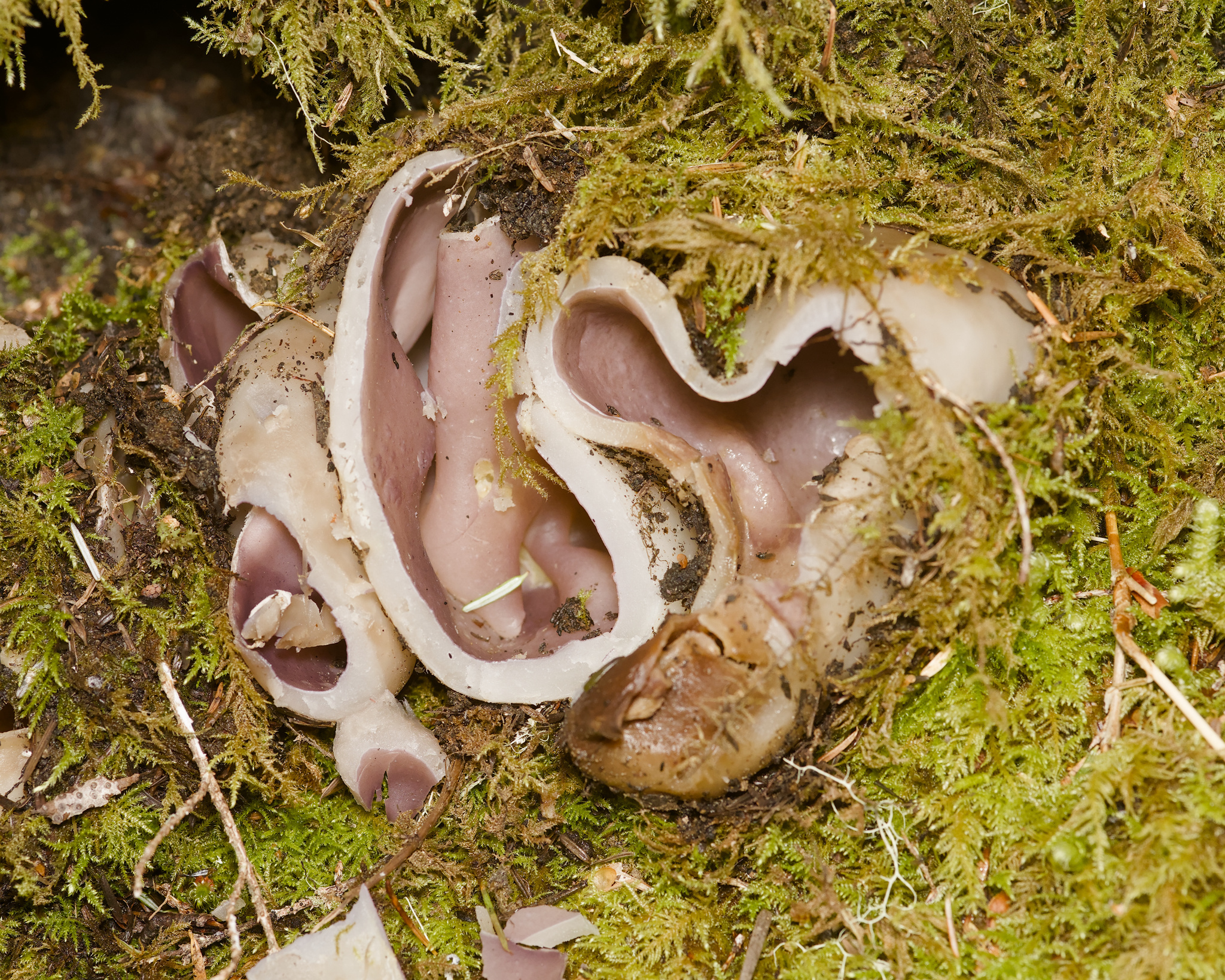
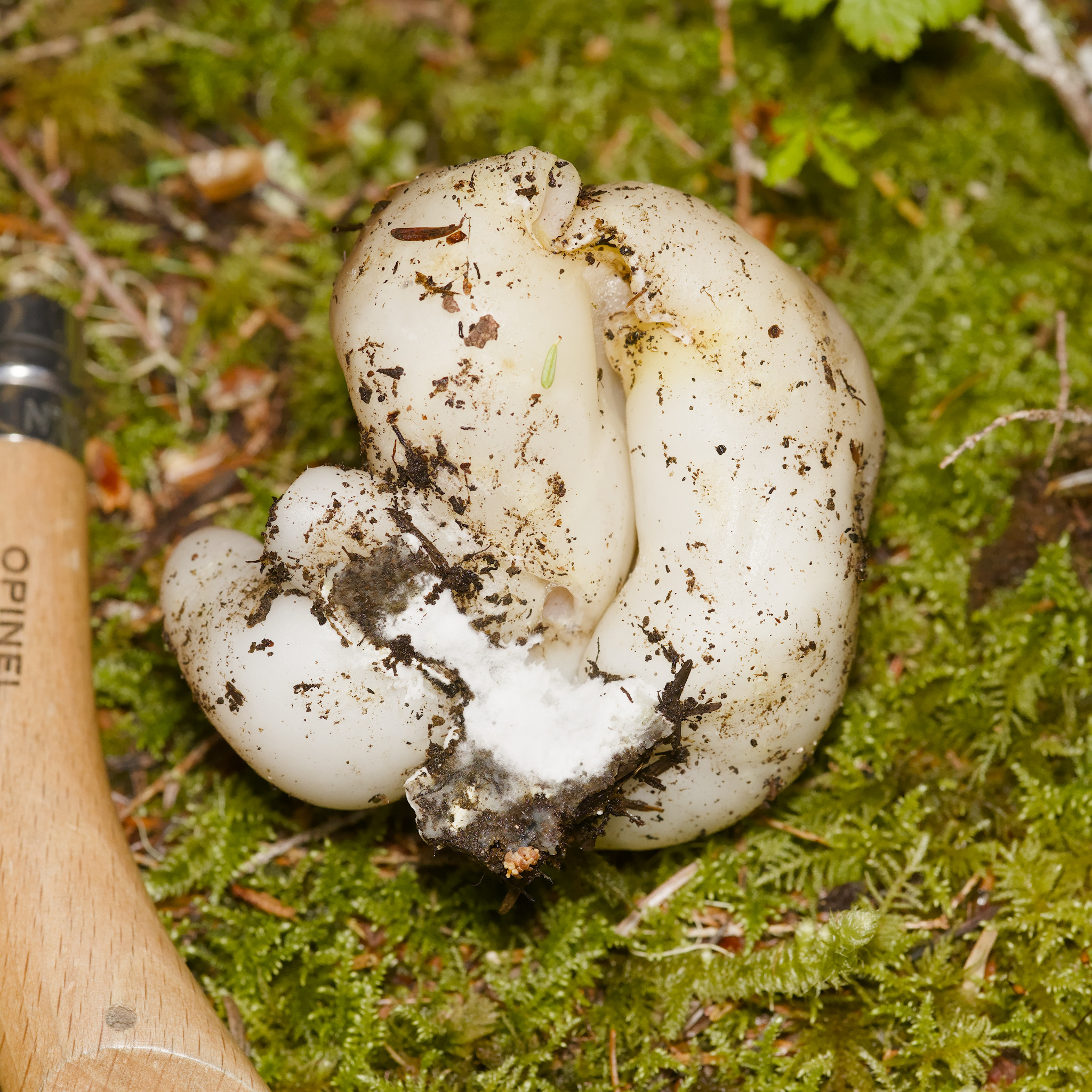
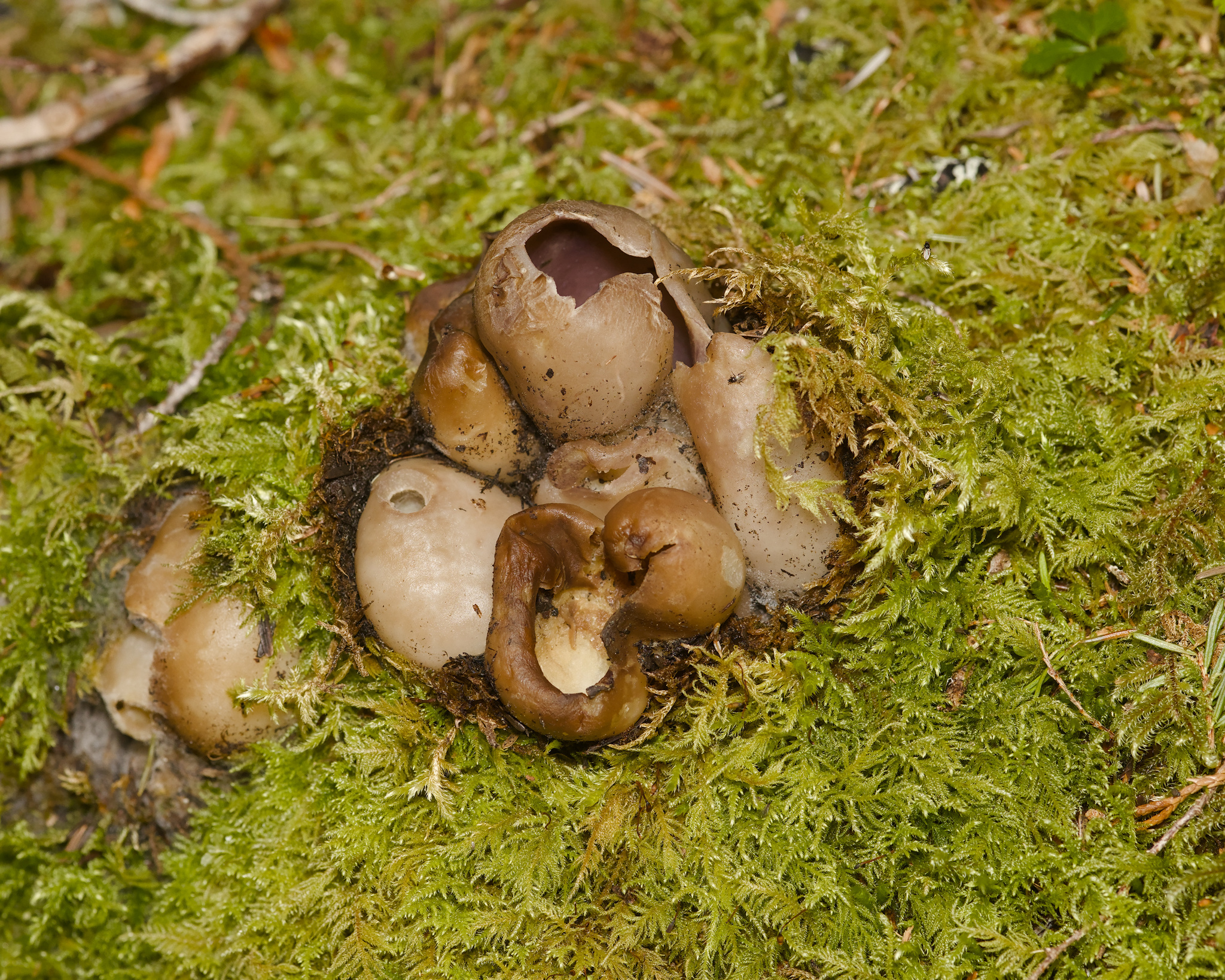
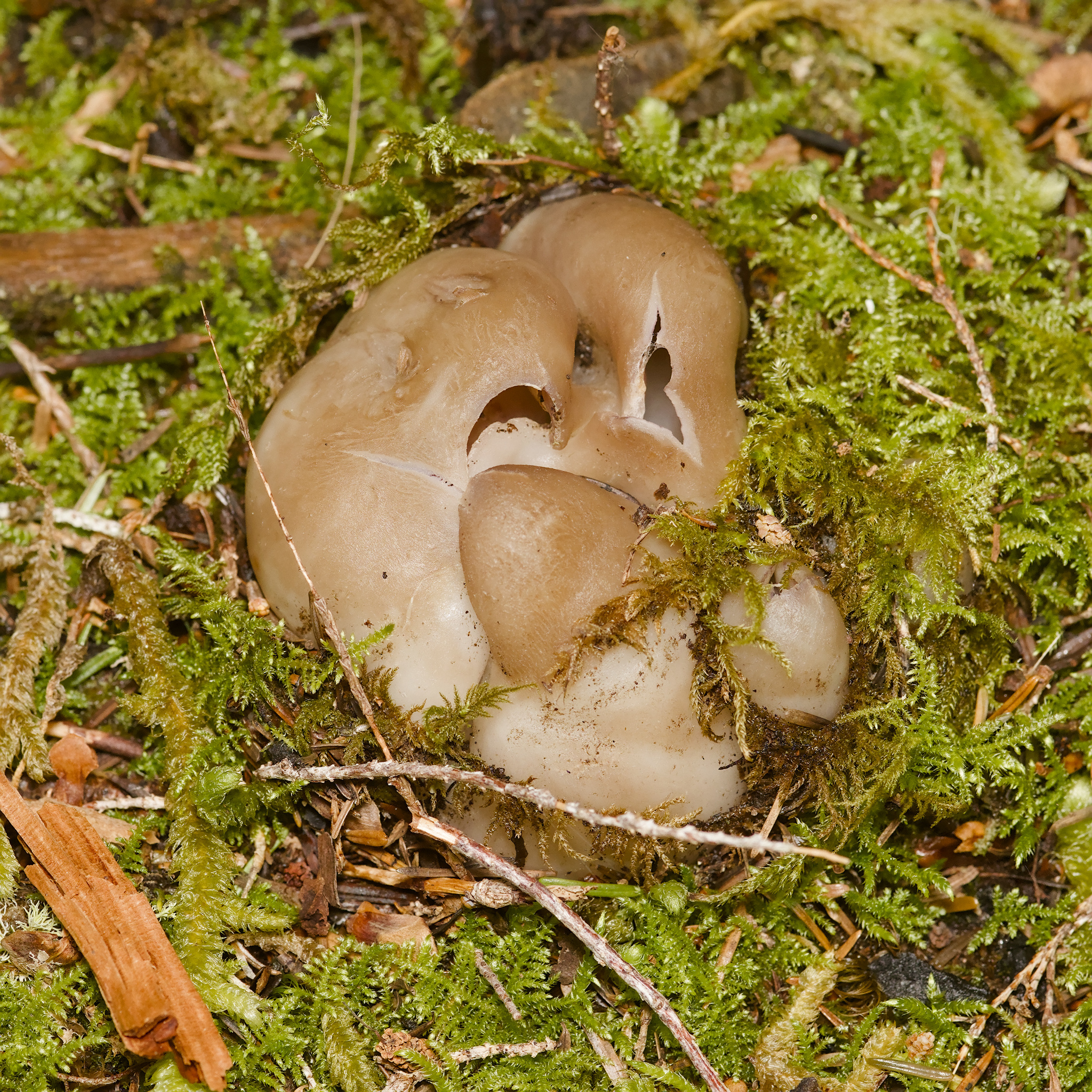
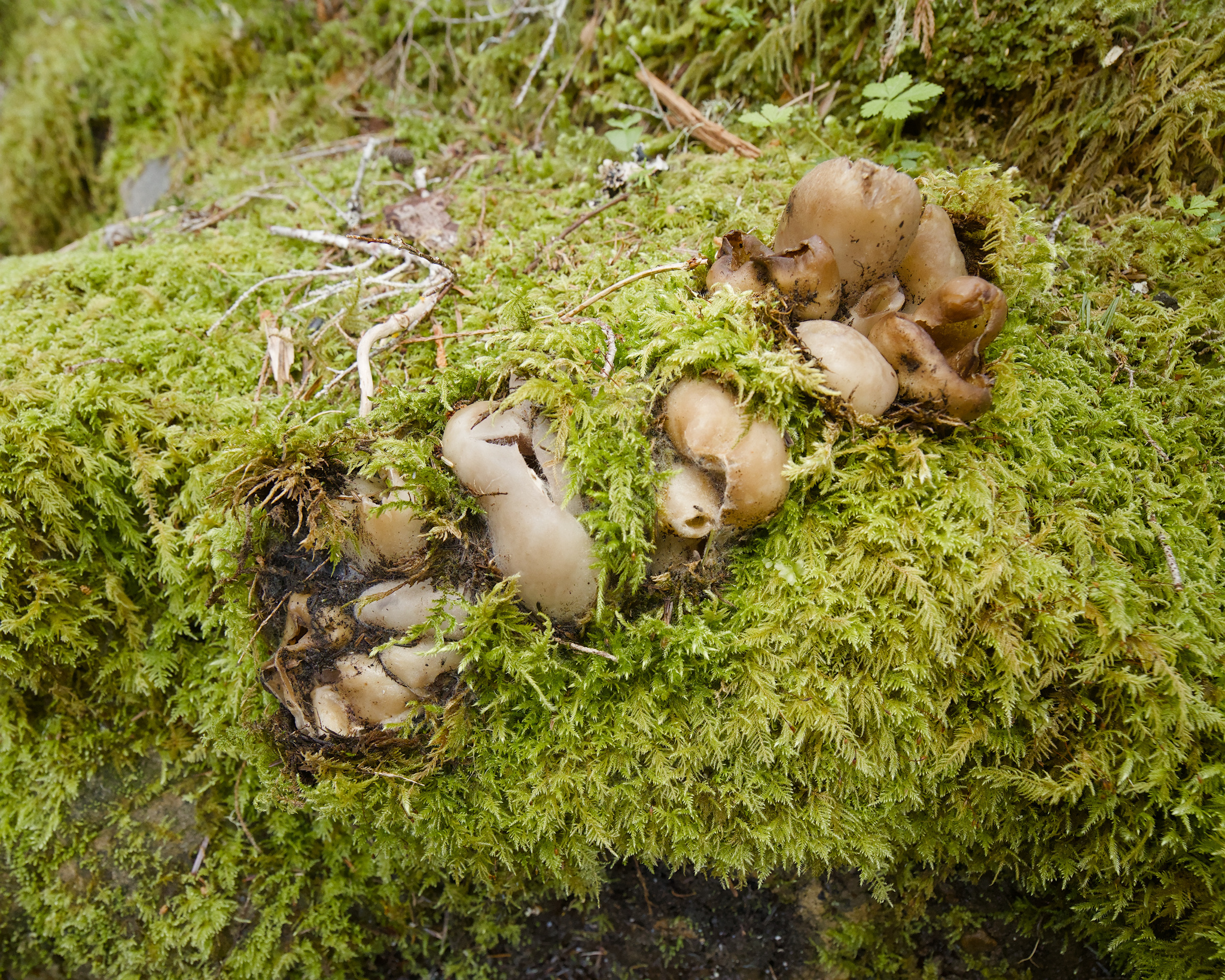
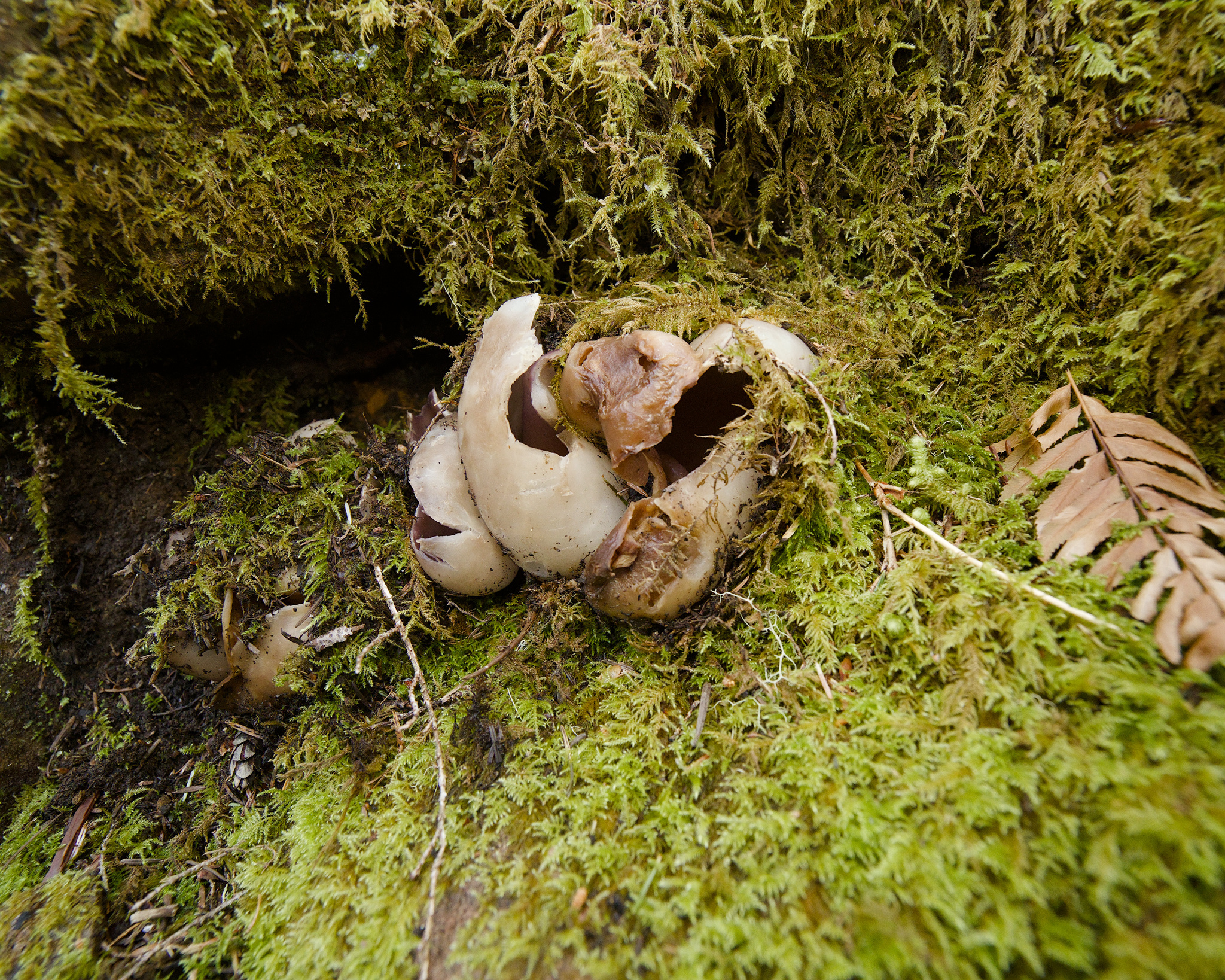
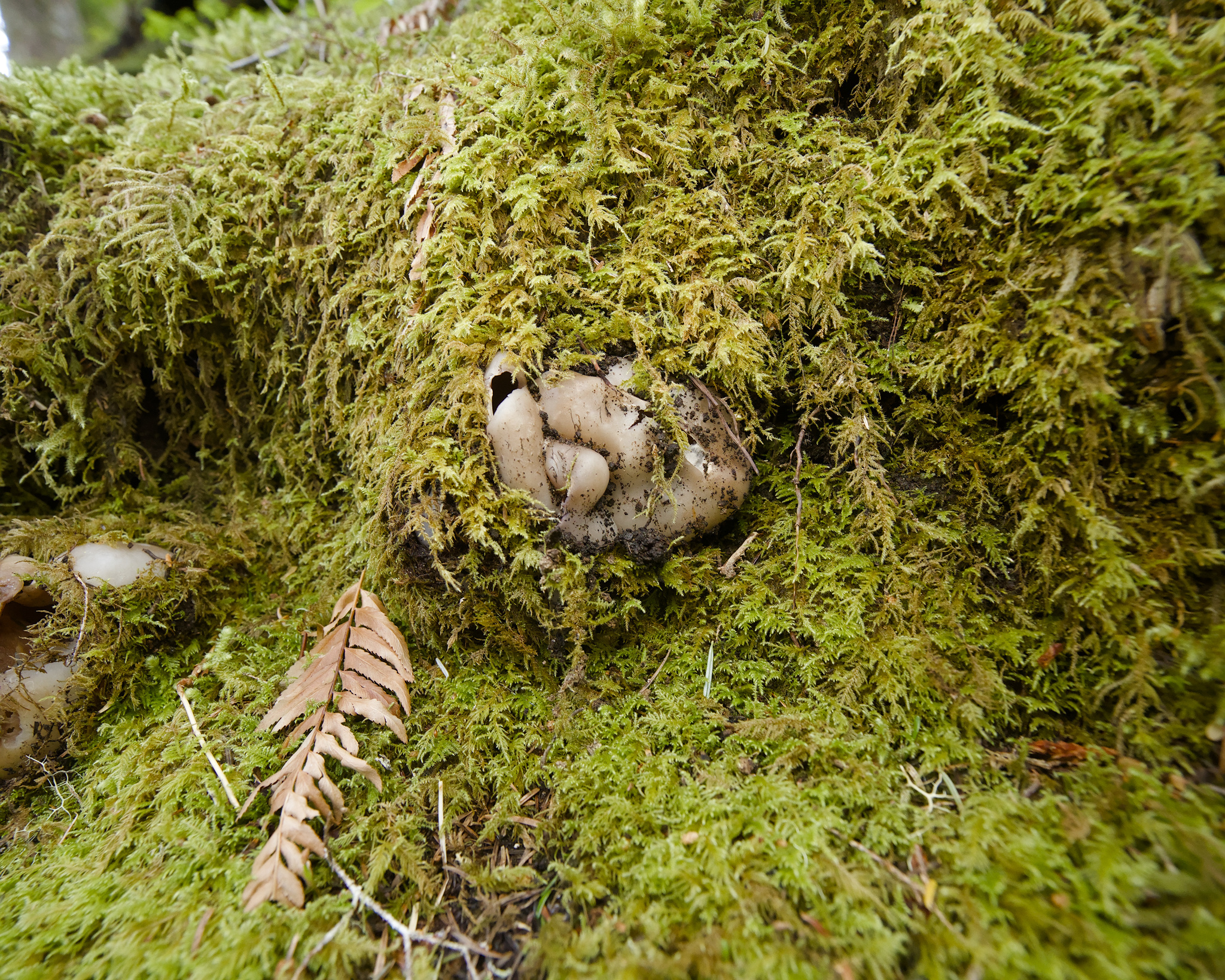
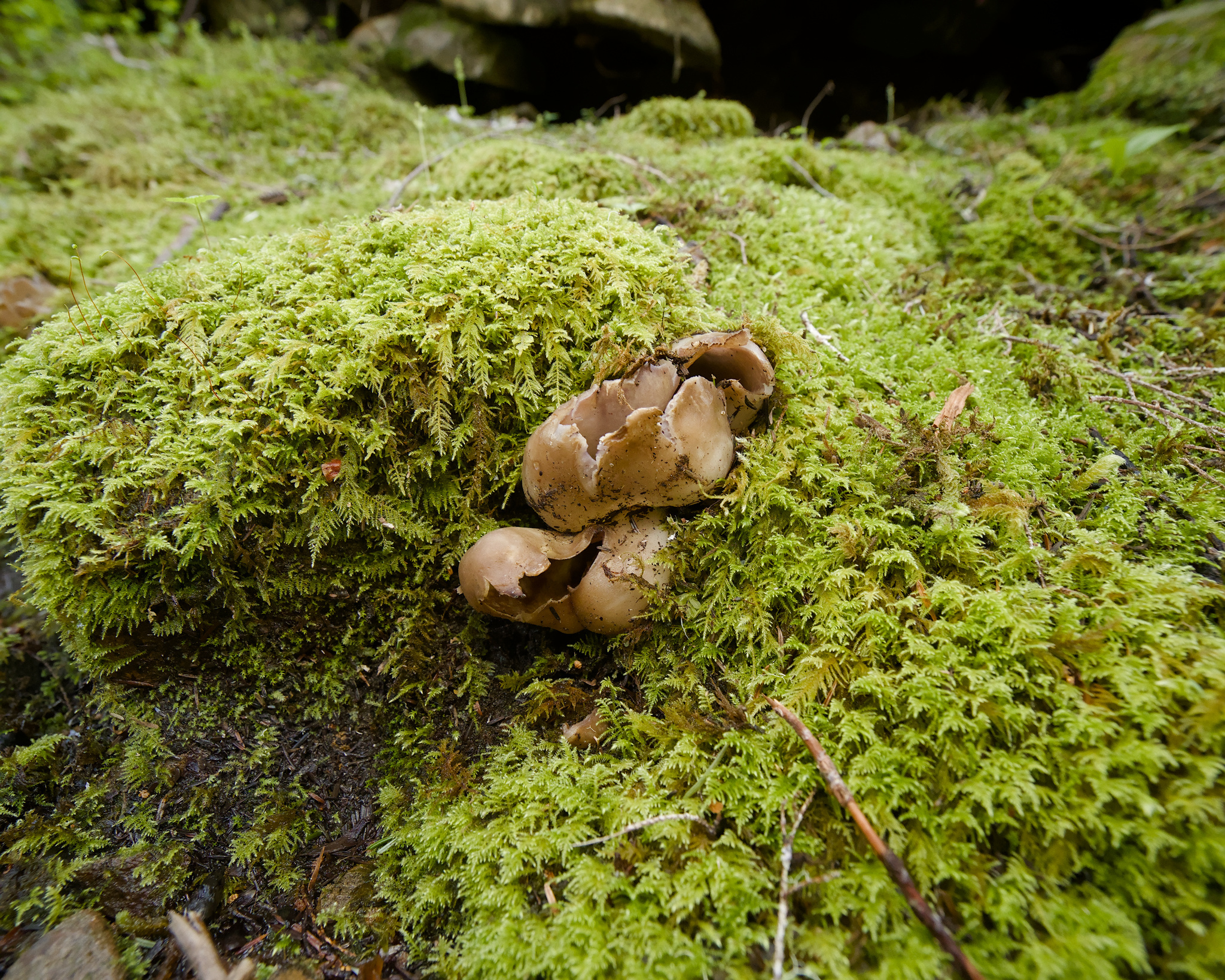
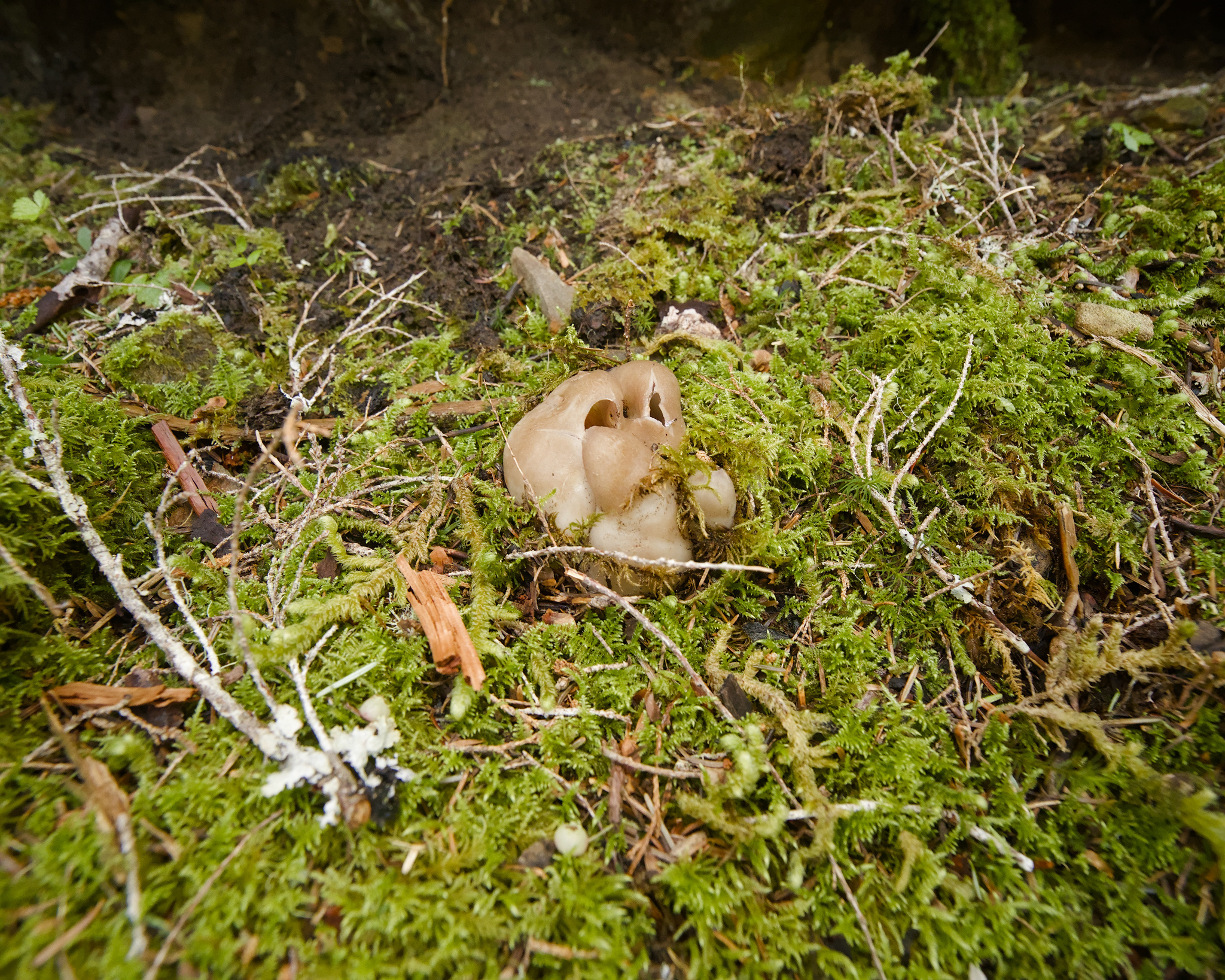
A newer species in the genus, seems to be mislabeled for the most part at the moment on the West coast. I found gregarious fruitings in Shasta, CA on a recent trip, collected some in OR the other day, and Brodie has collected some in the same month as CA, in WA! Glad to have it in both park collections, we probably will not collect again because it is indeed fairly common and clearly widespread here in the West.
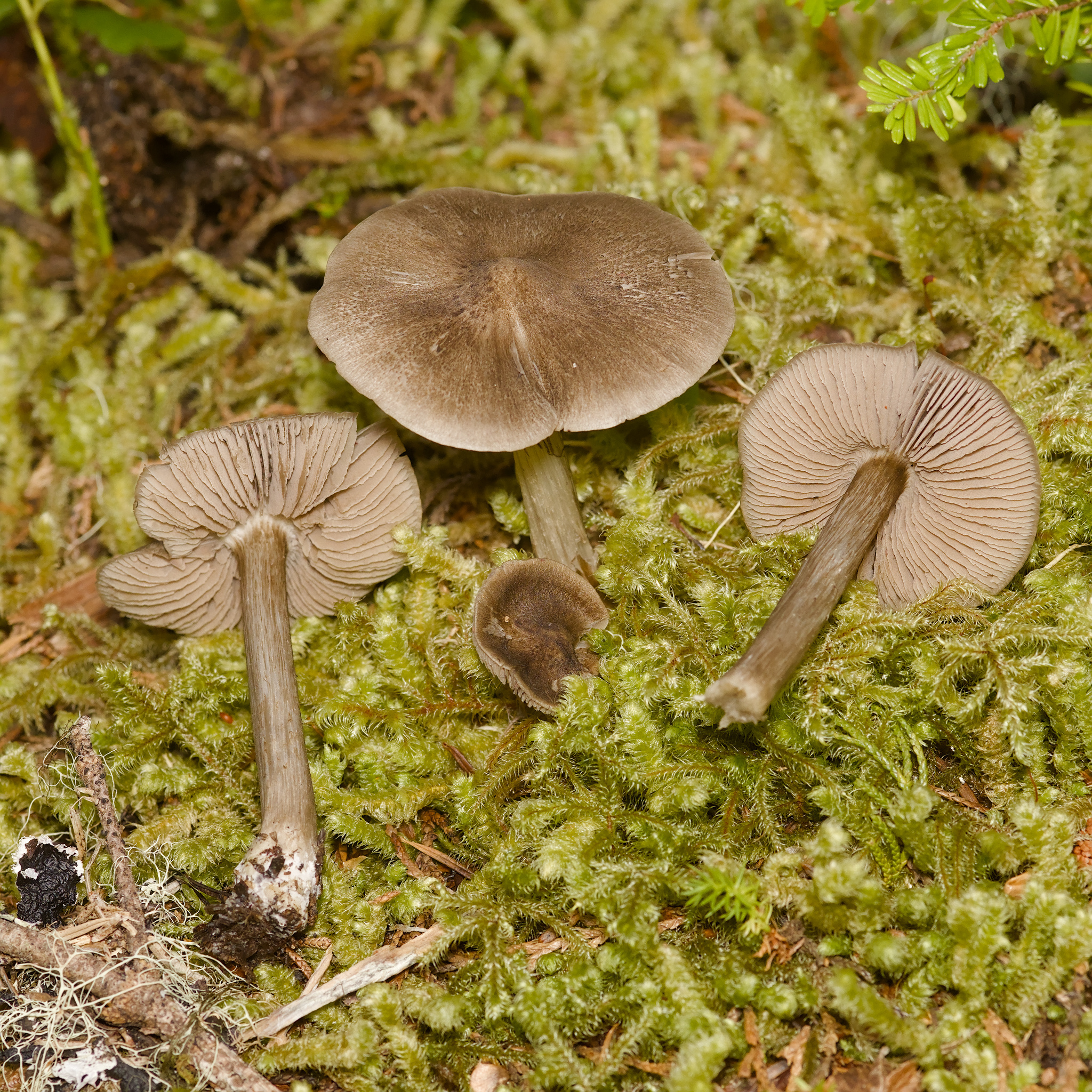
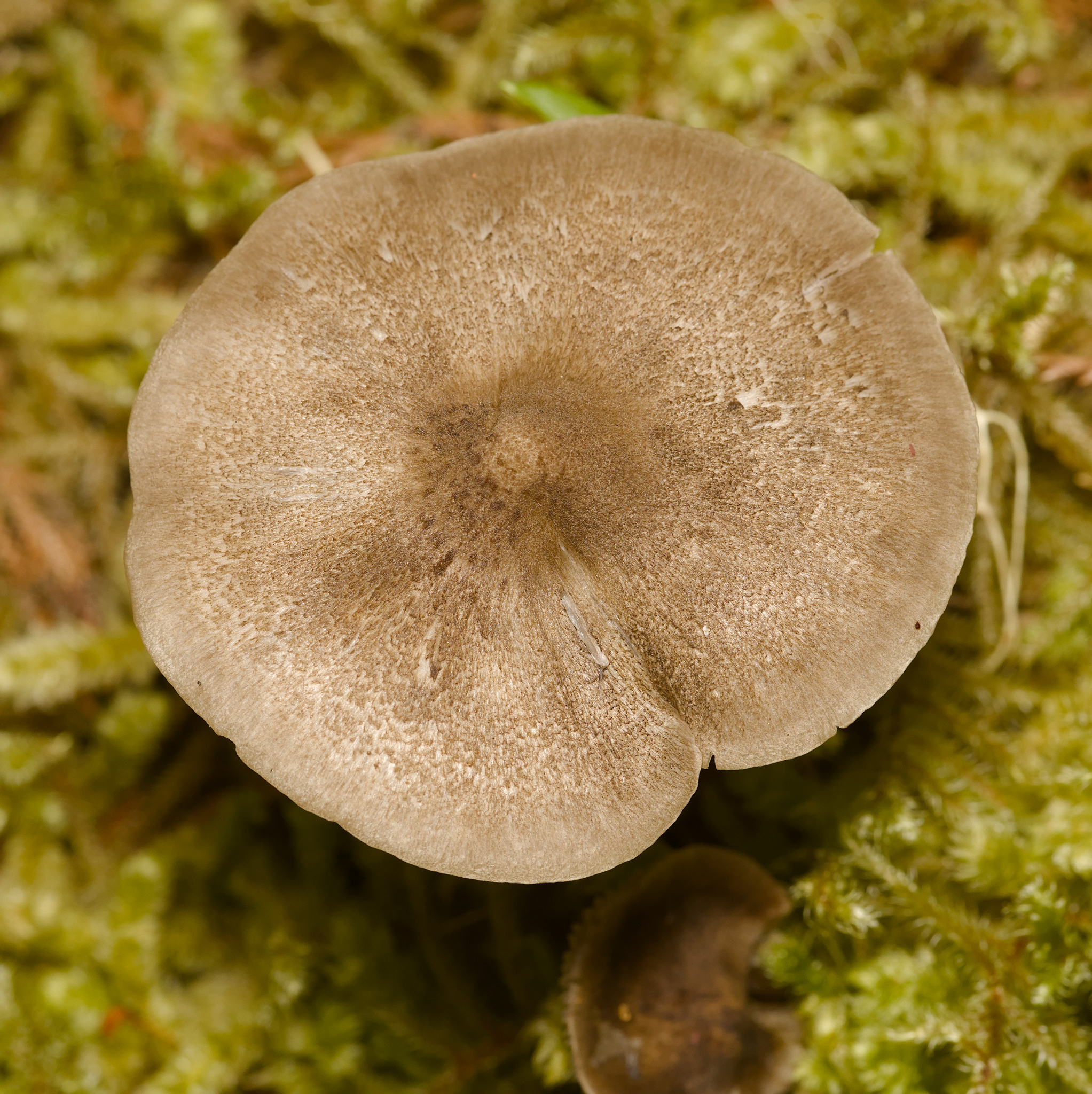
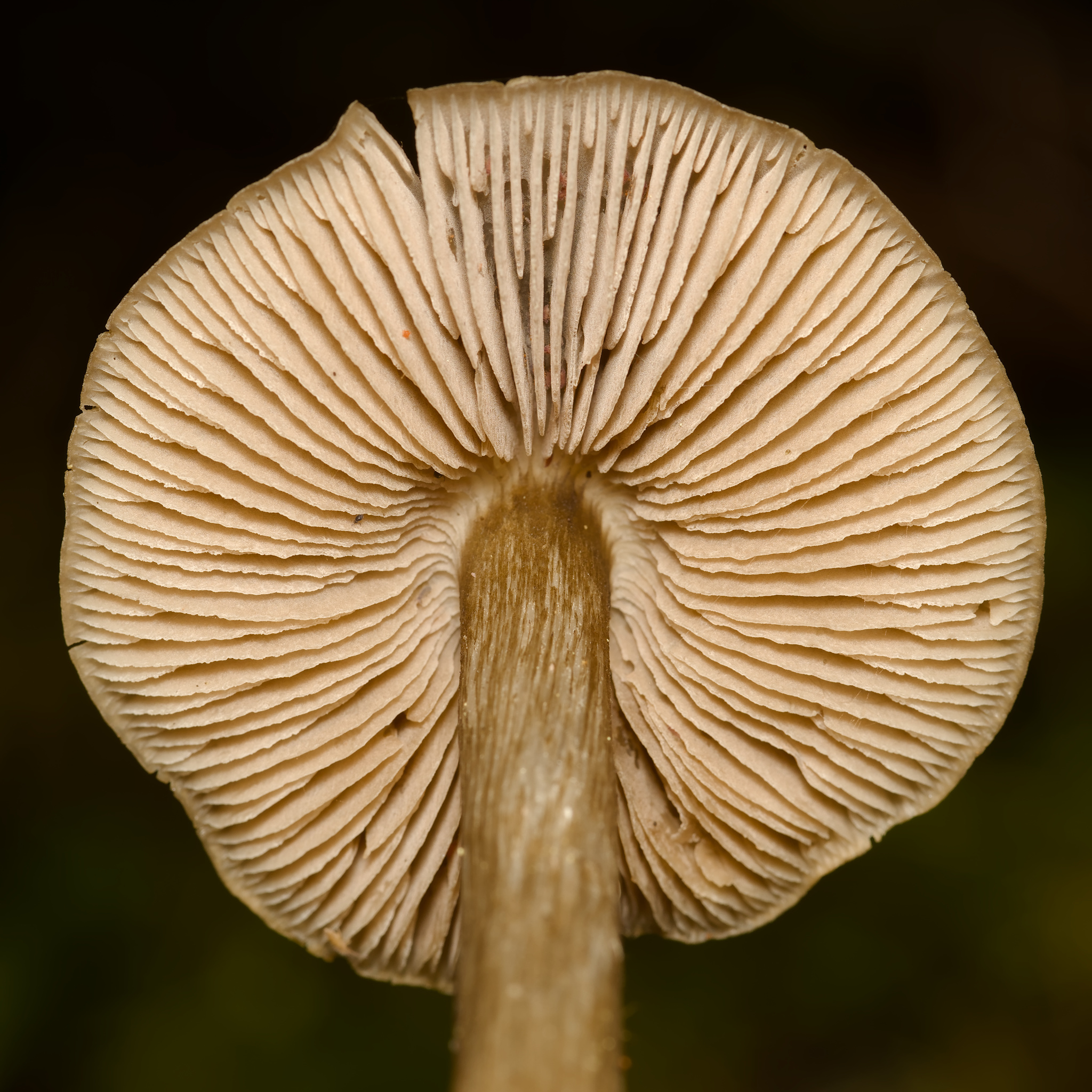
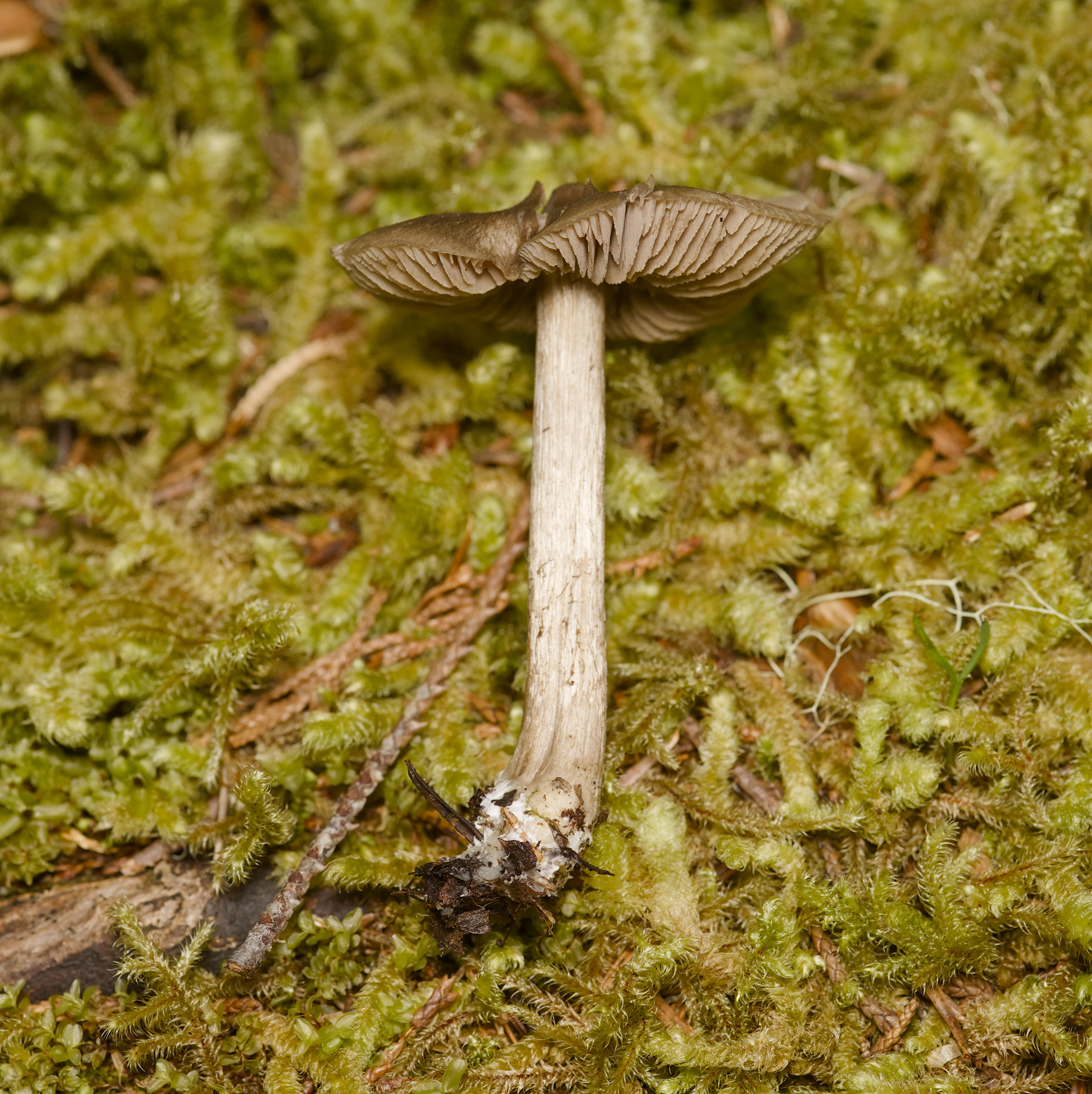
Another Spring Entoloma, this one is probably Nolanea but is definitely different from our prior collections in the genus, or subgenus if you’re European. I say this because of that cap texture. Not necessarily familiar to me, at least on a species level, but certainly Entoloma. It will be nice for me at least, to lock this cap texture in with a name.
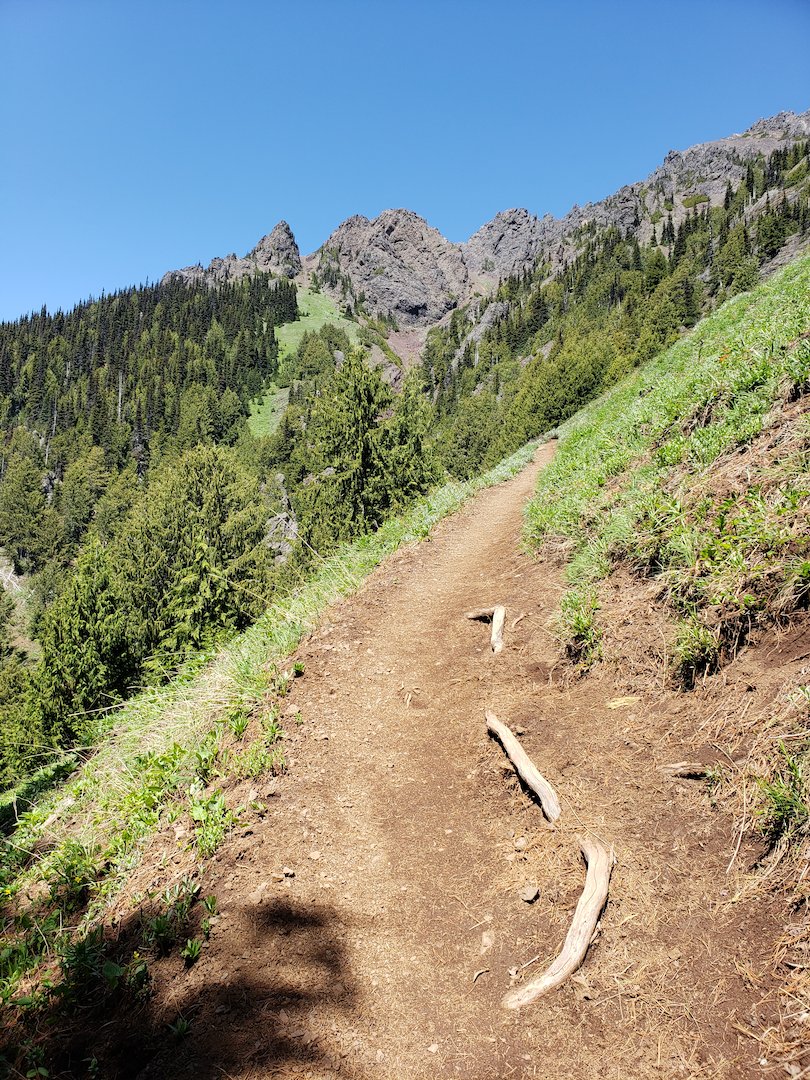
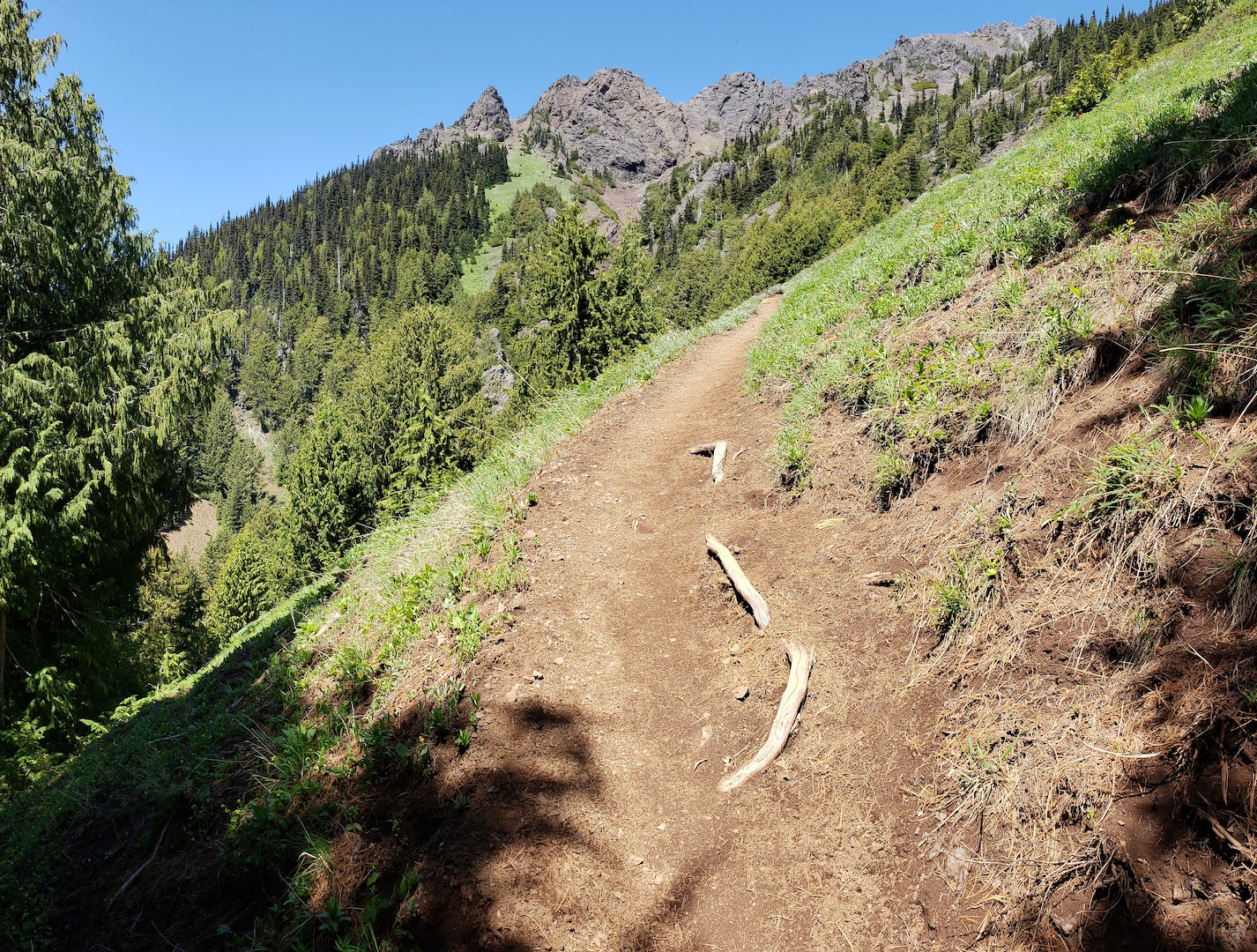
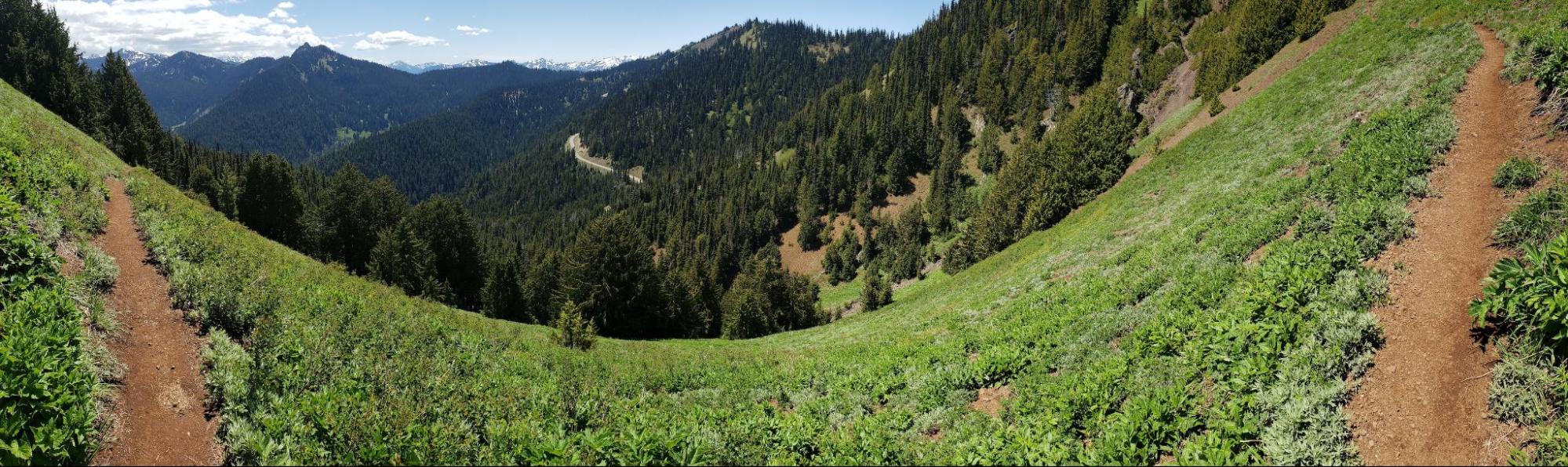
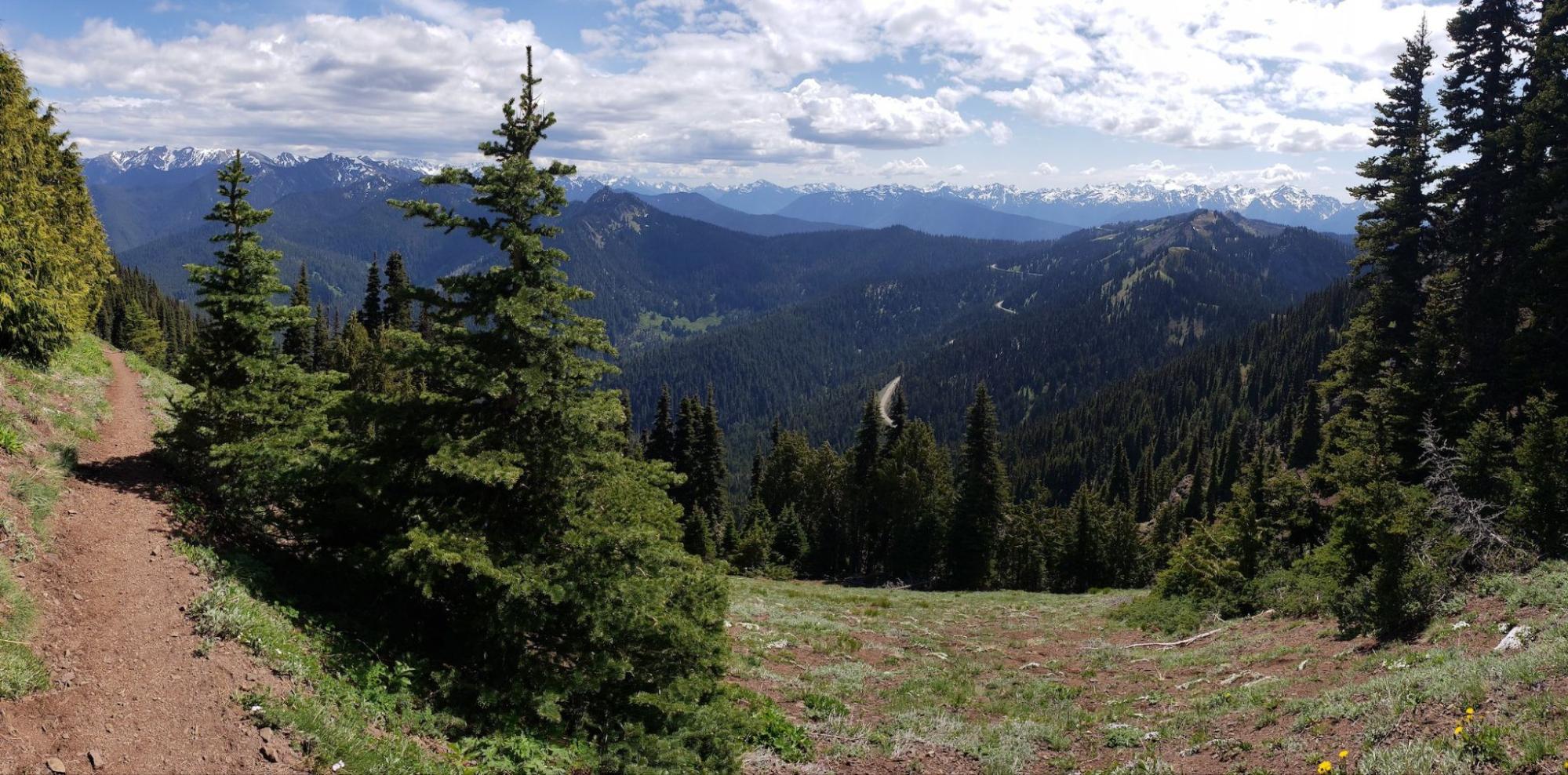
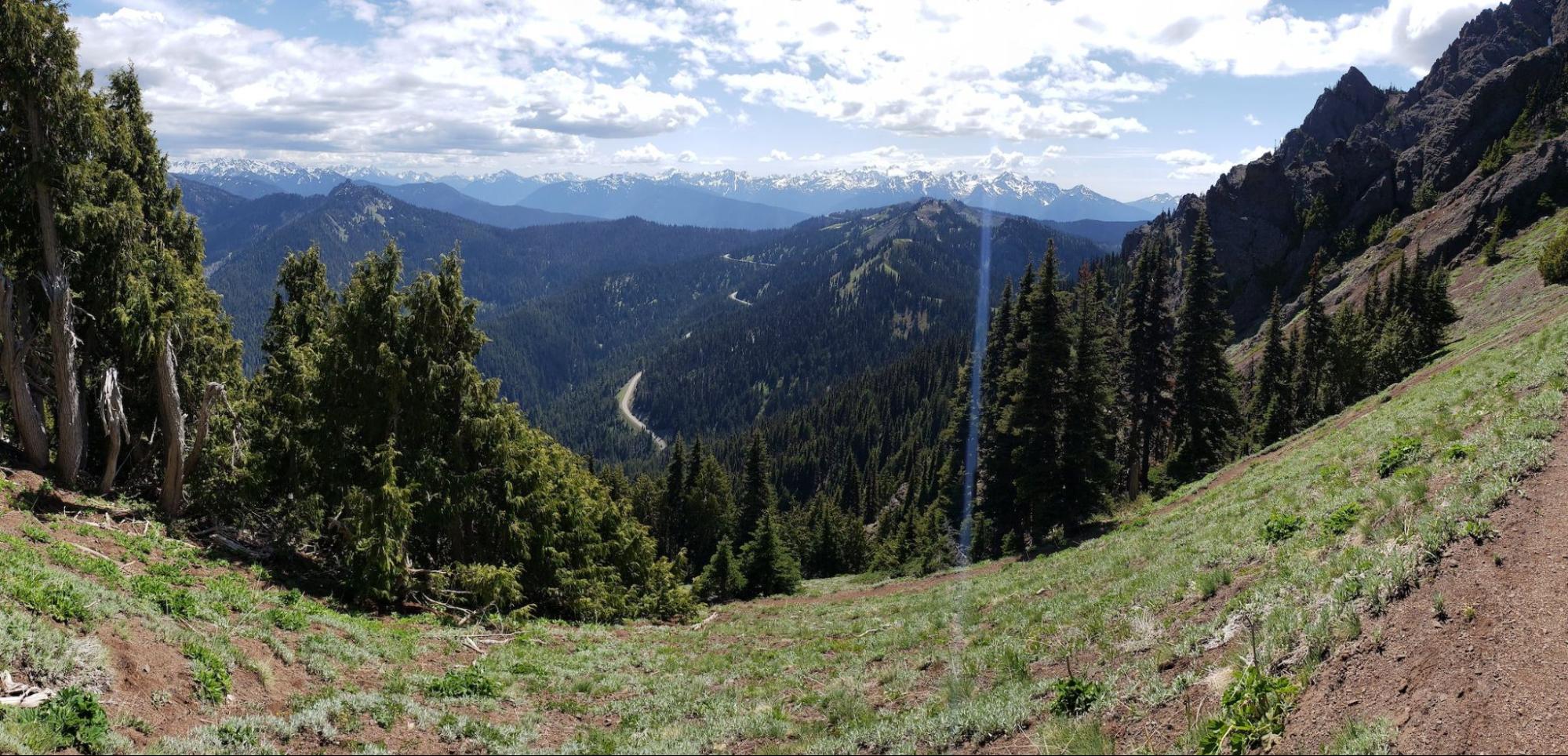
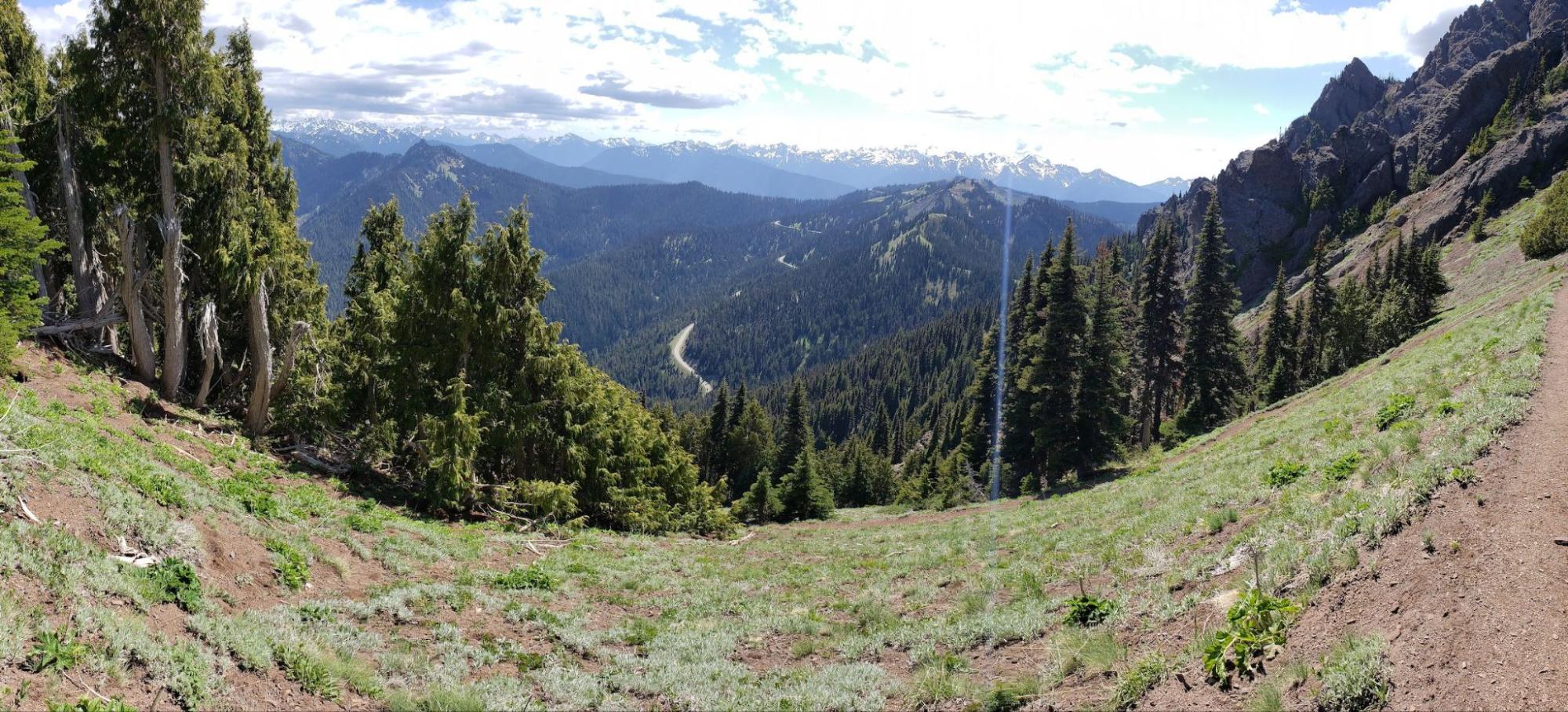
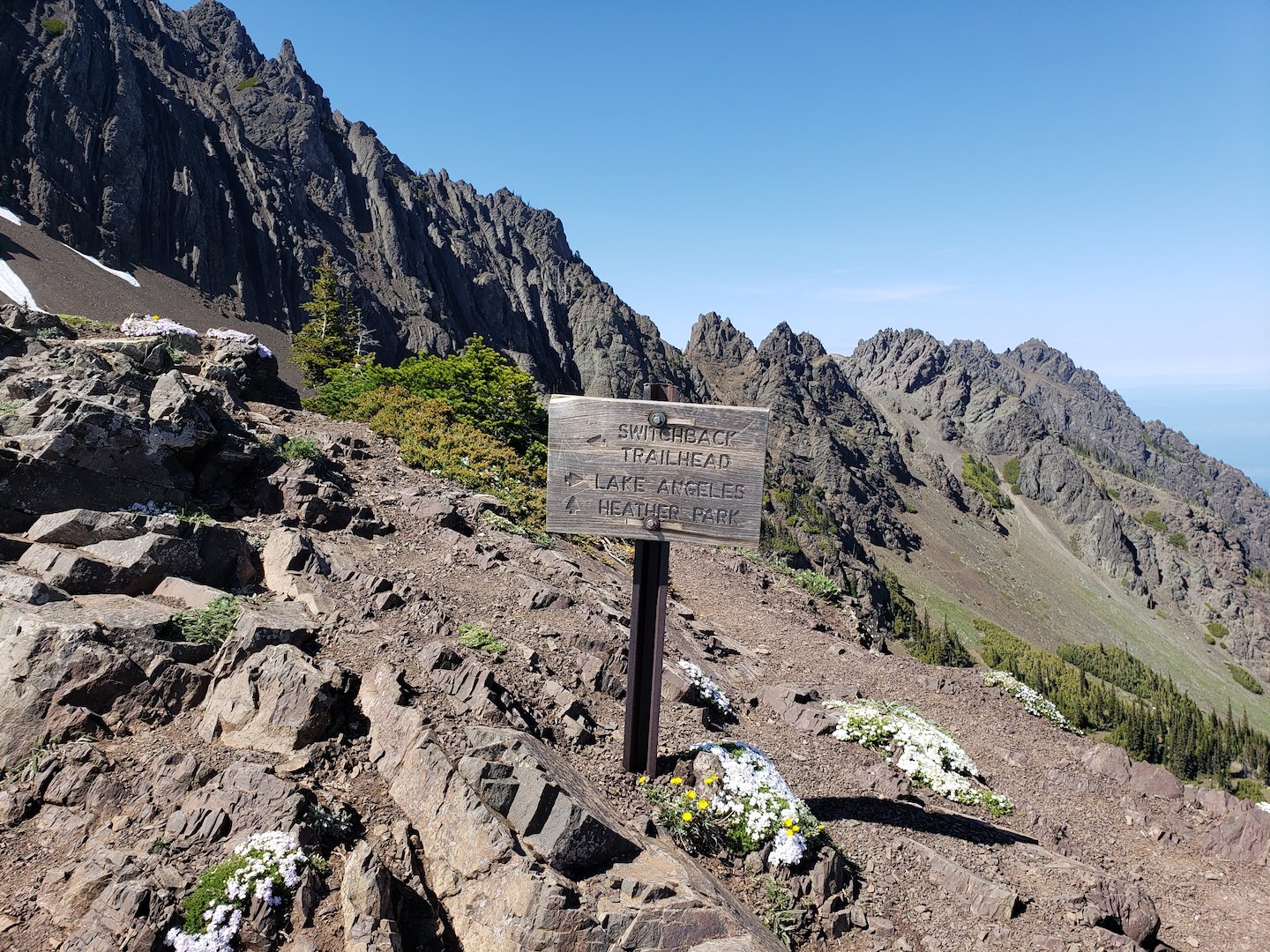
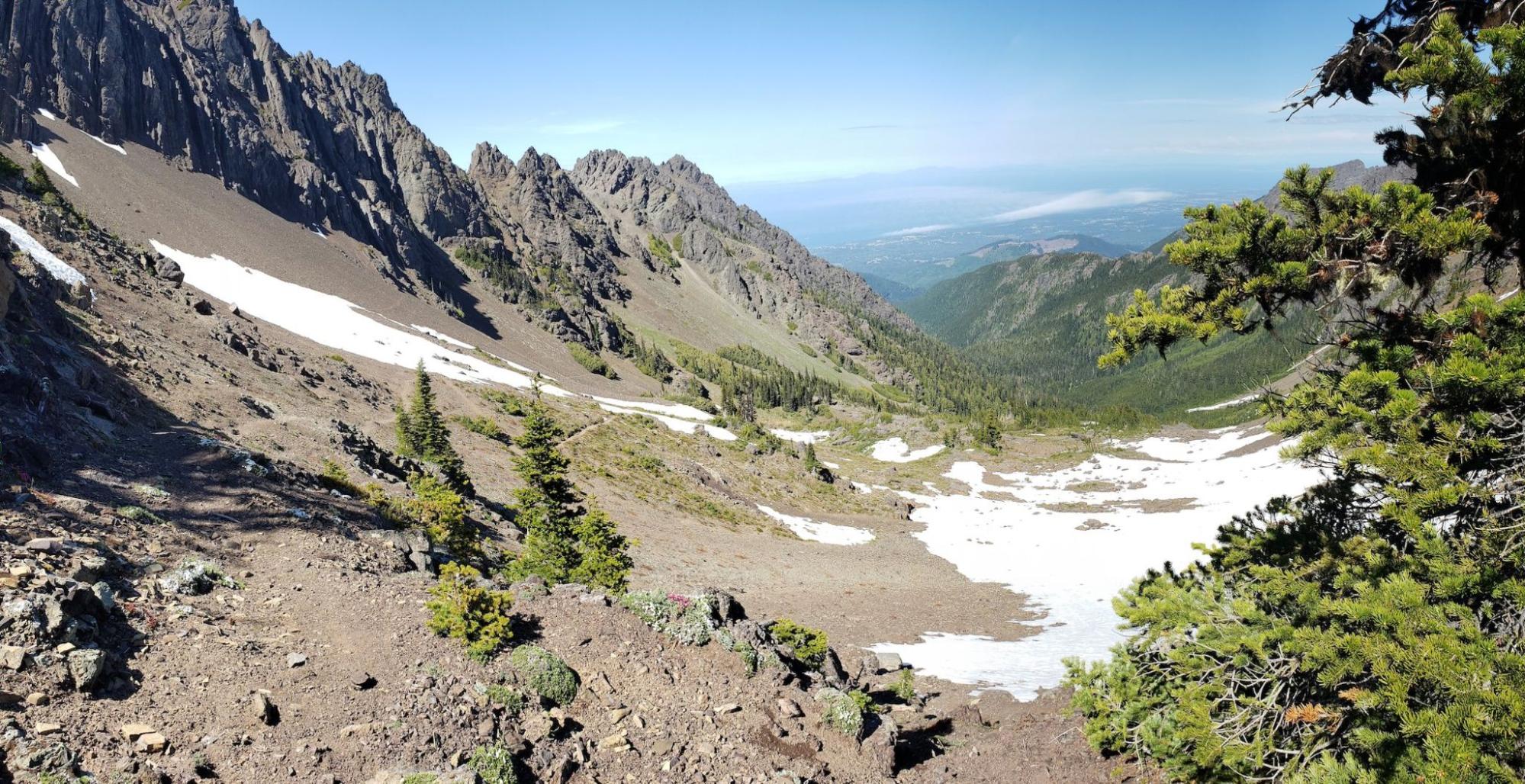
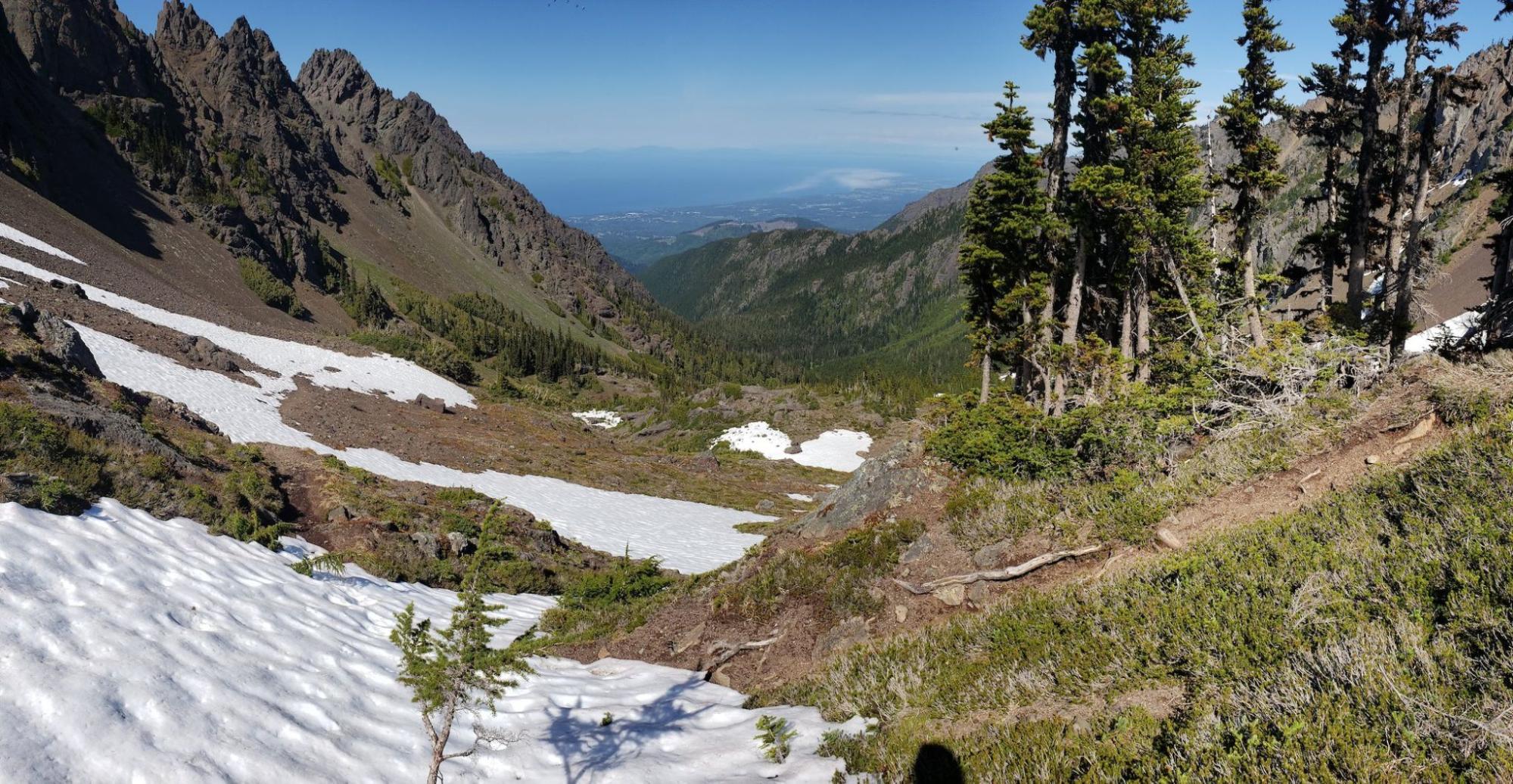
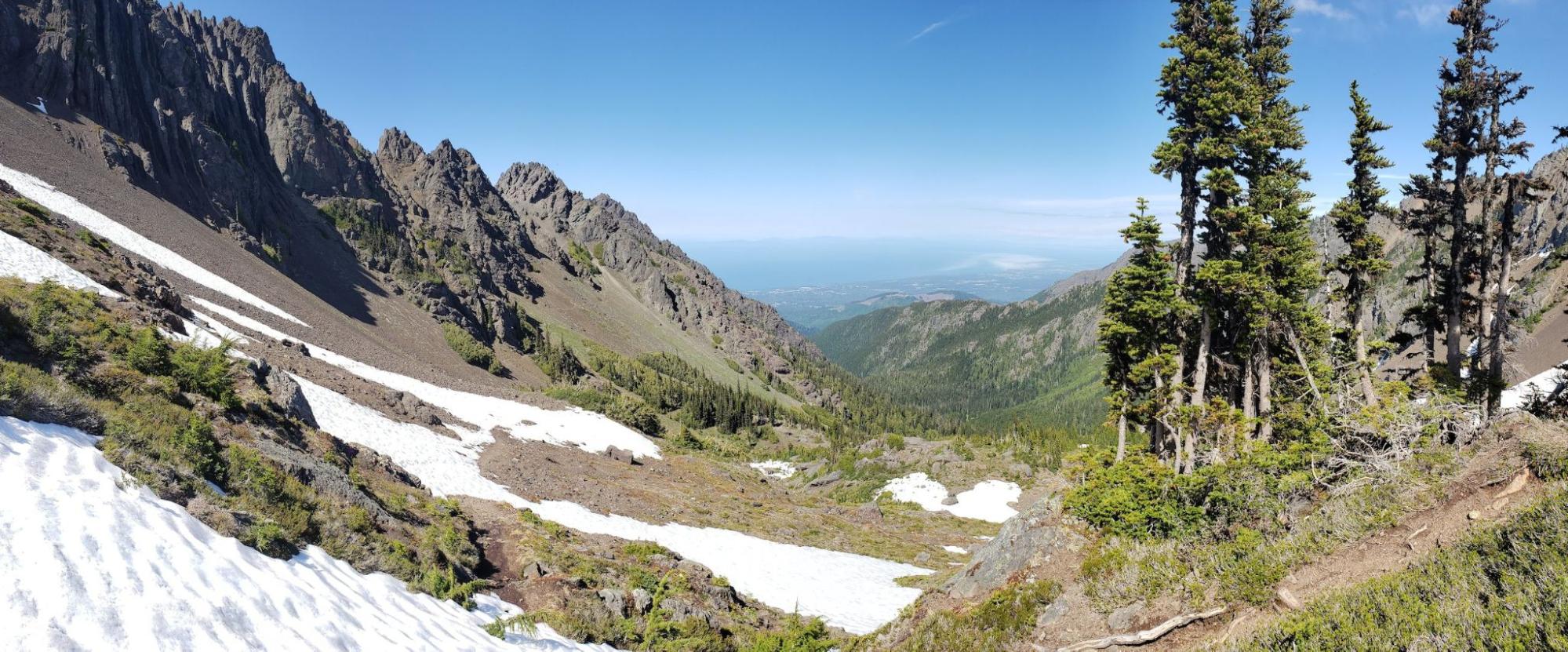
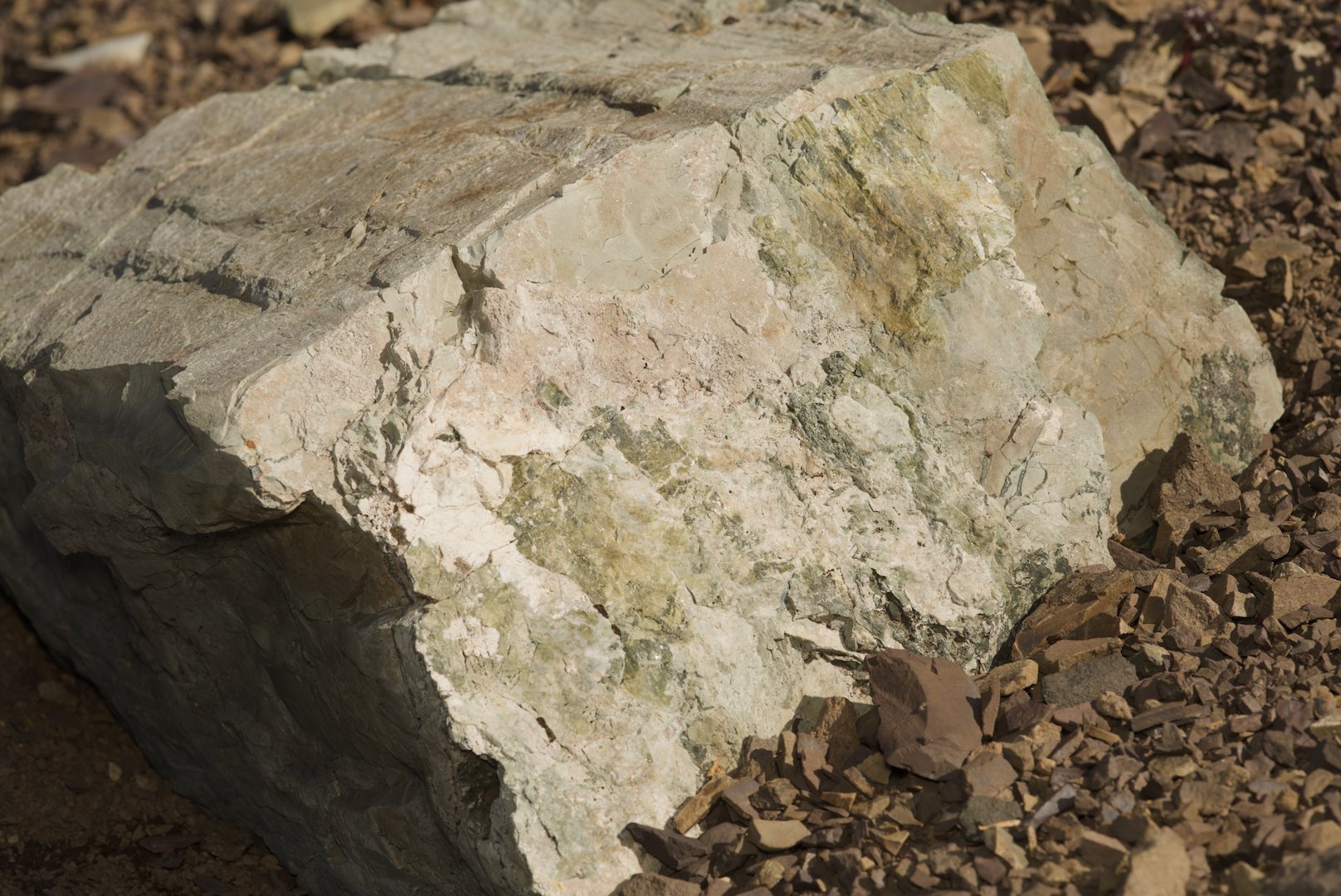
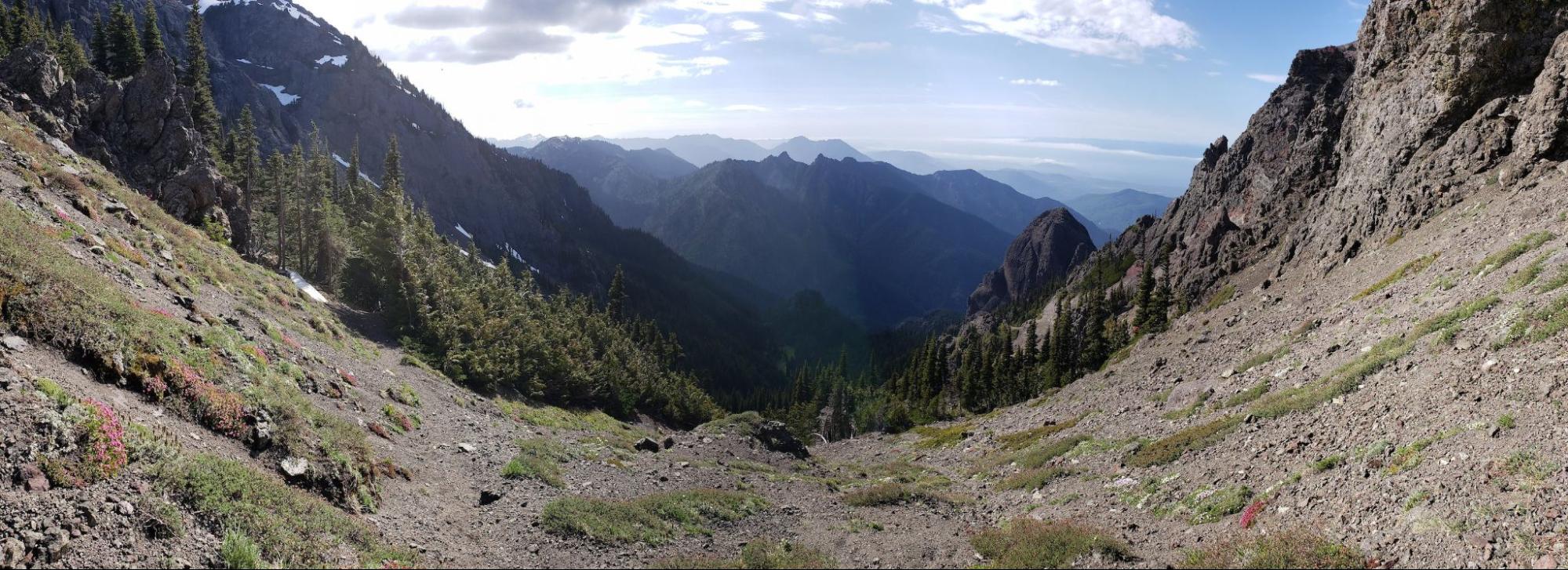
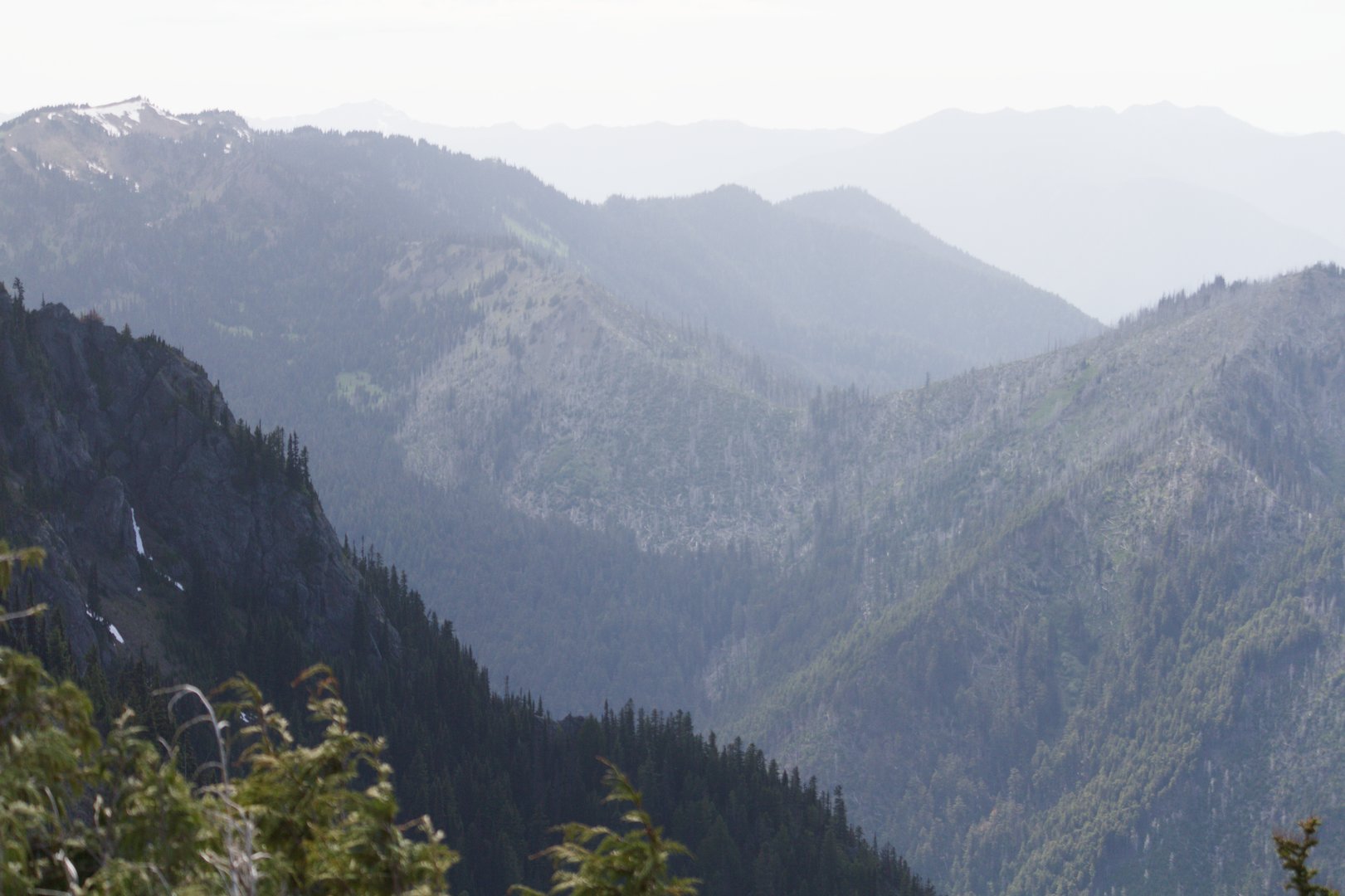
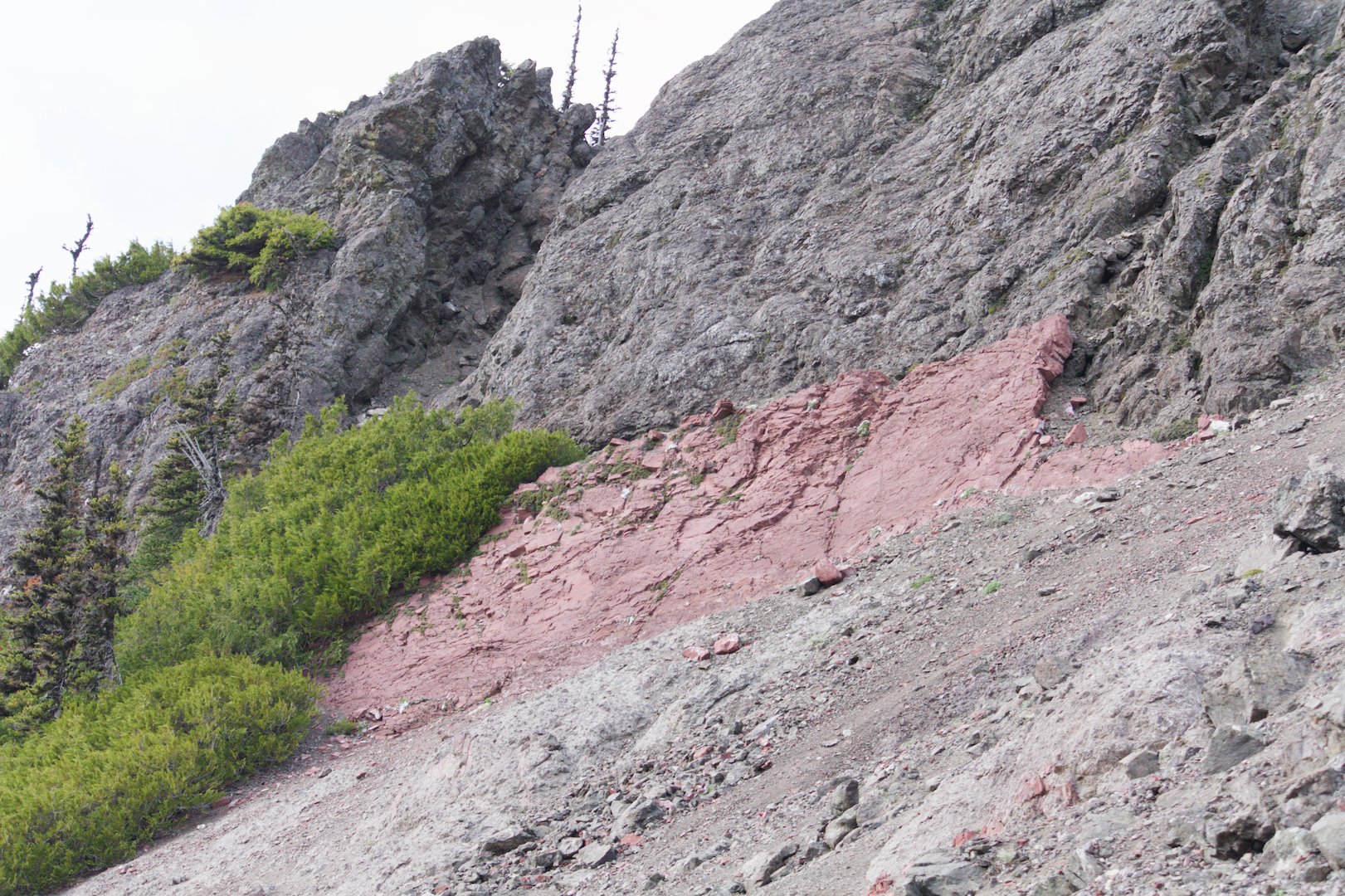
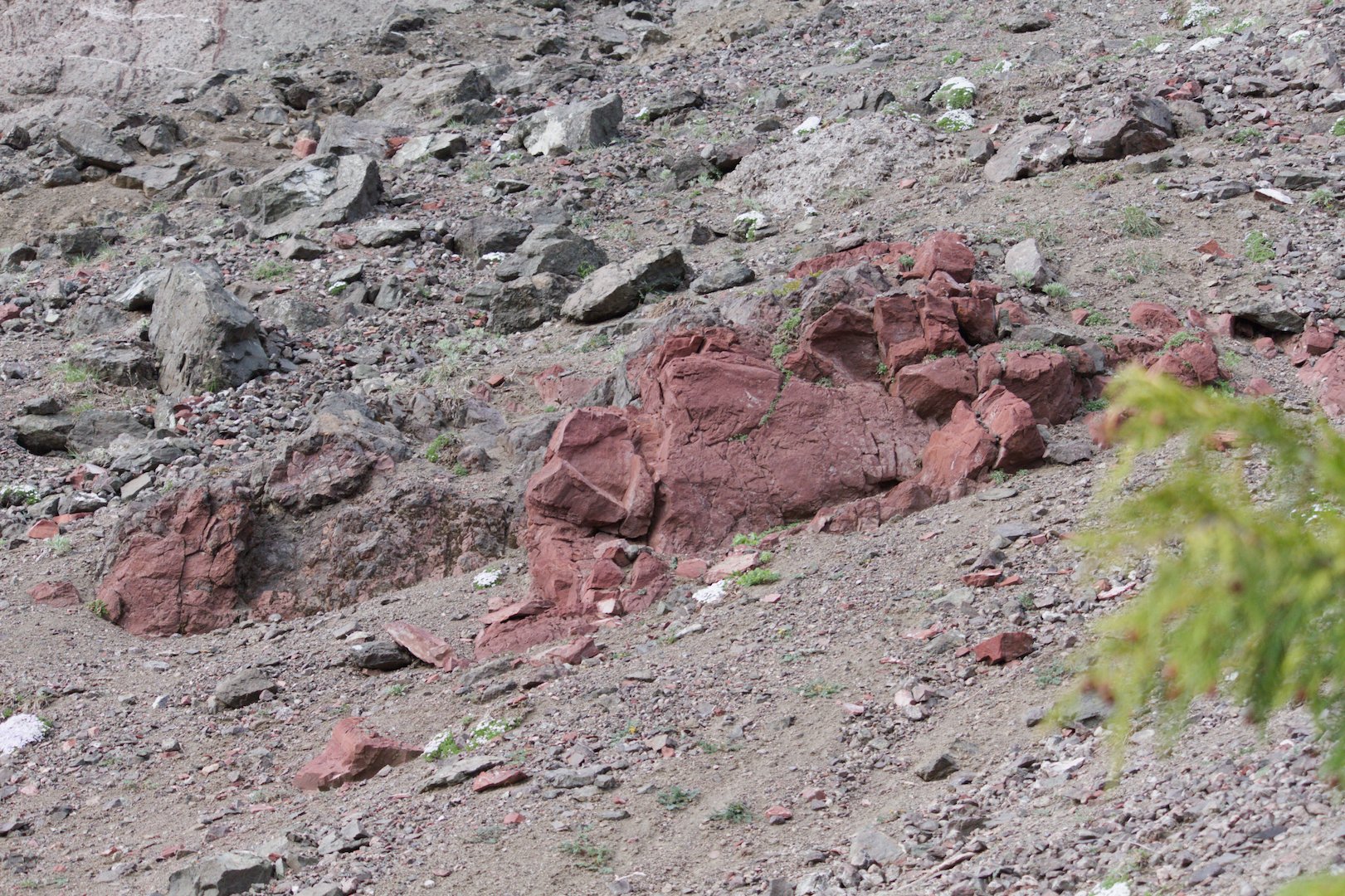
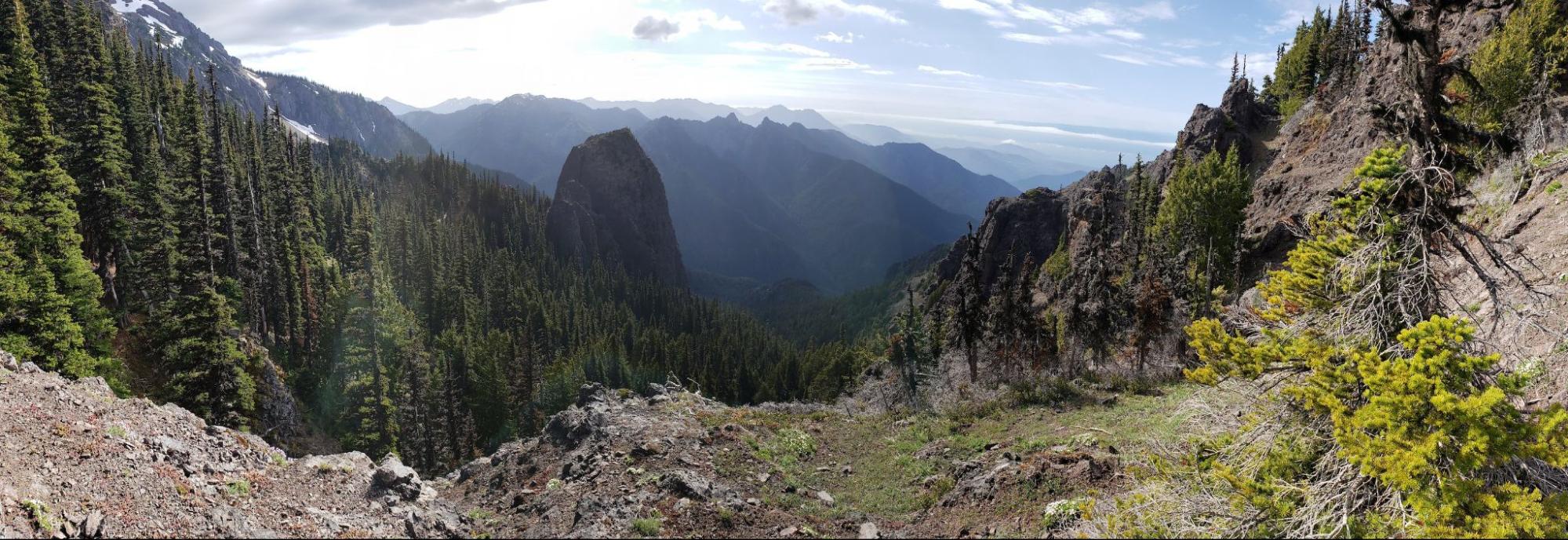
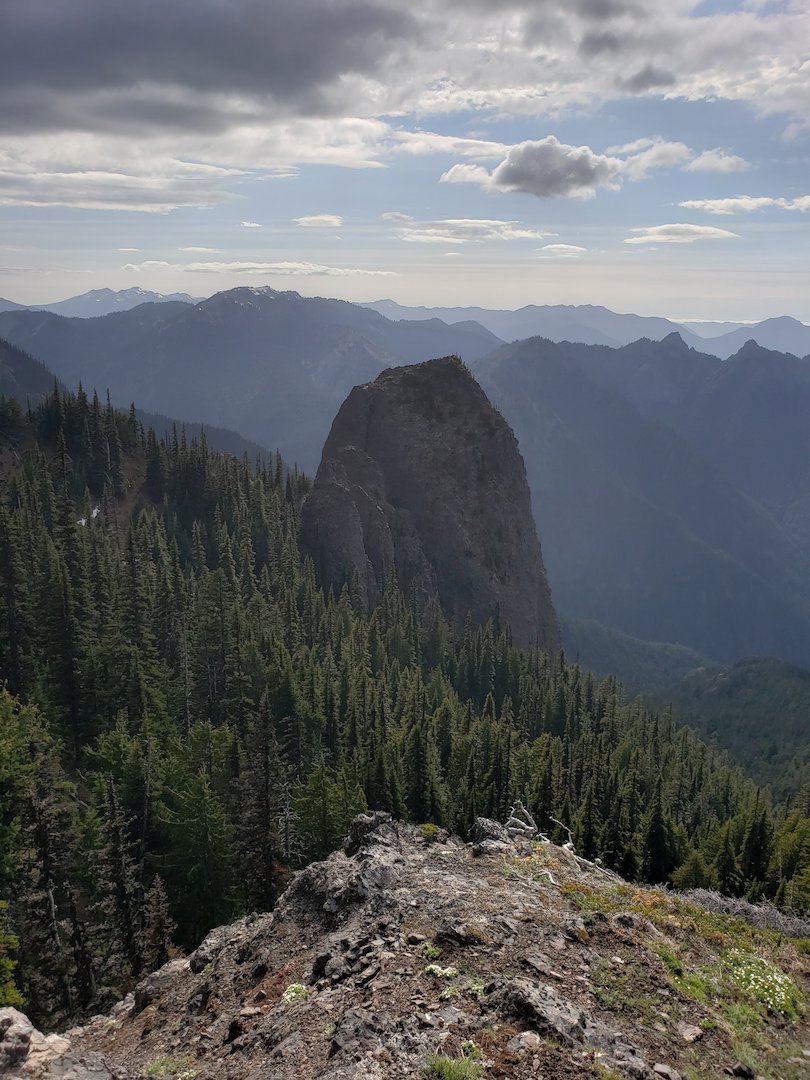
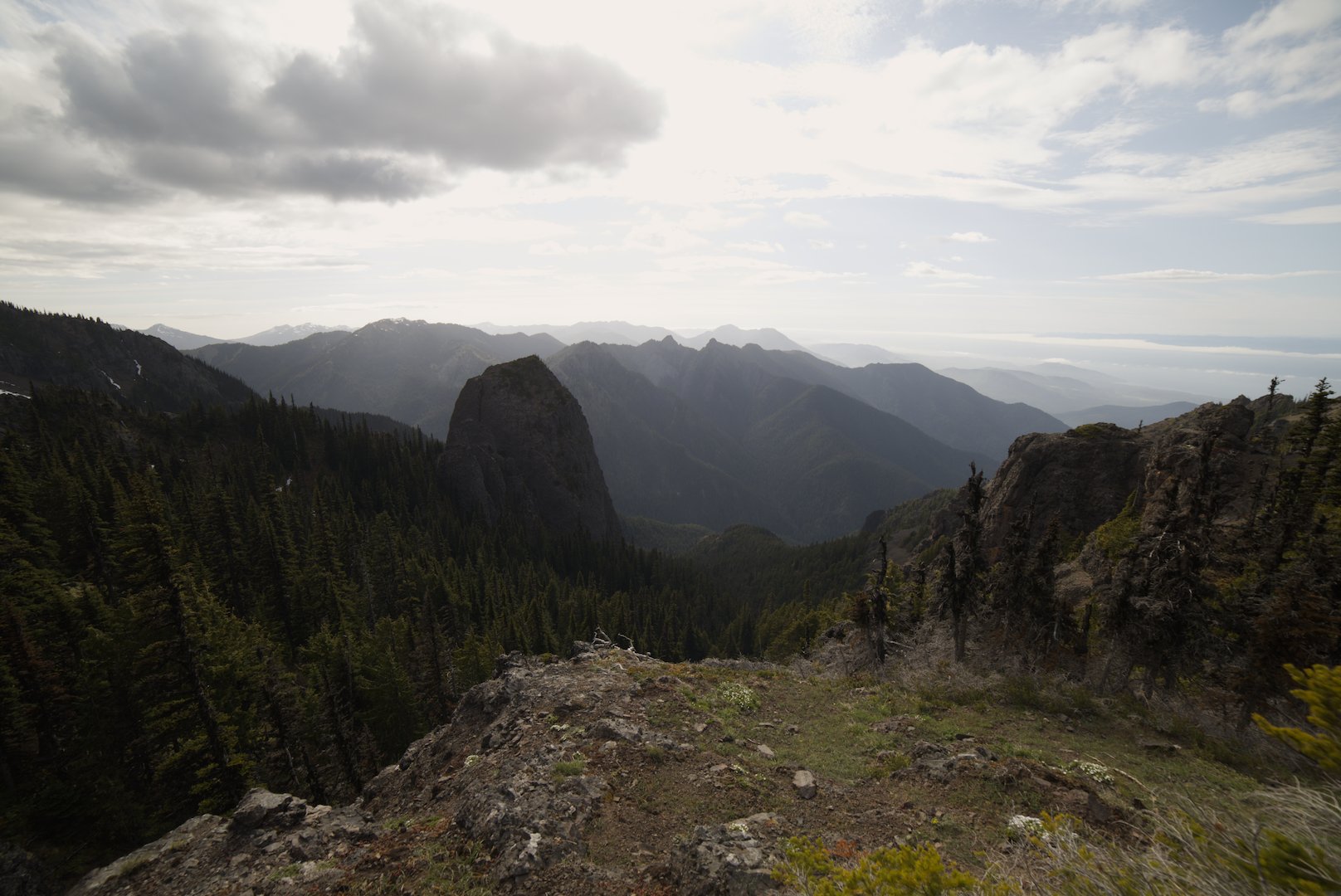
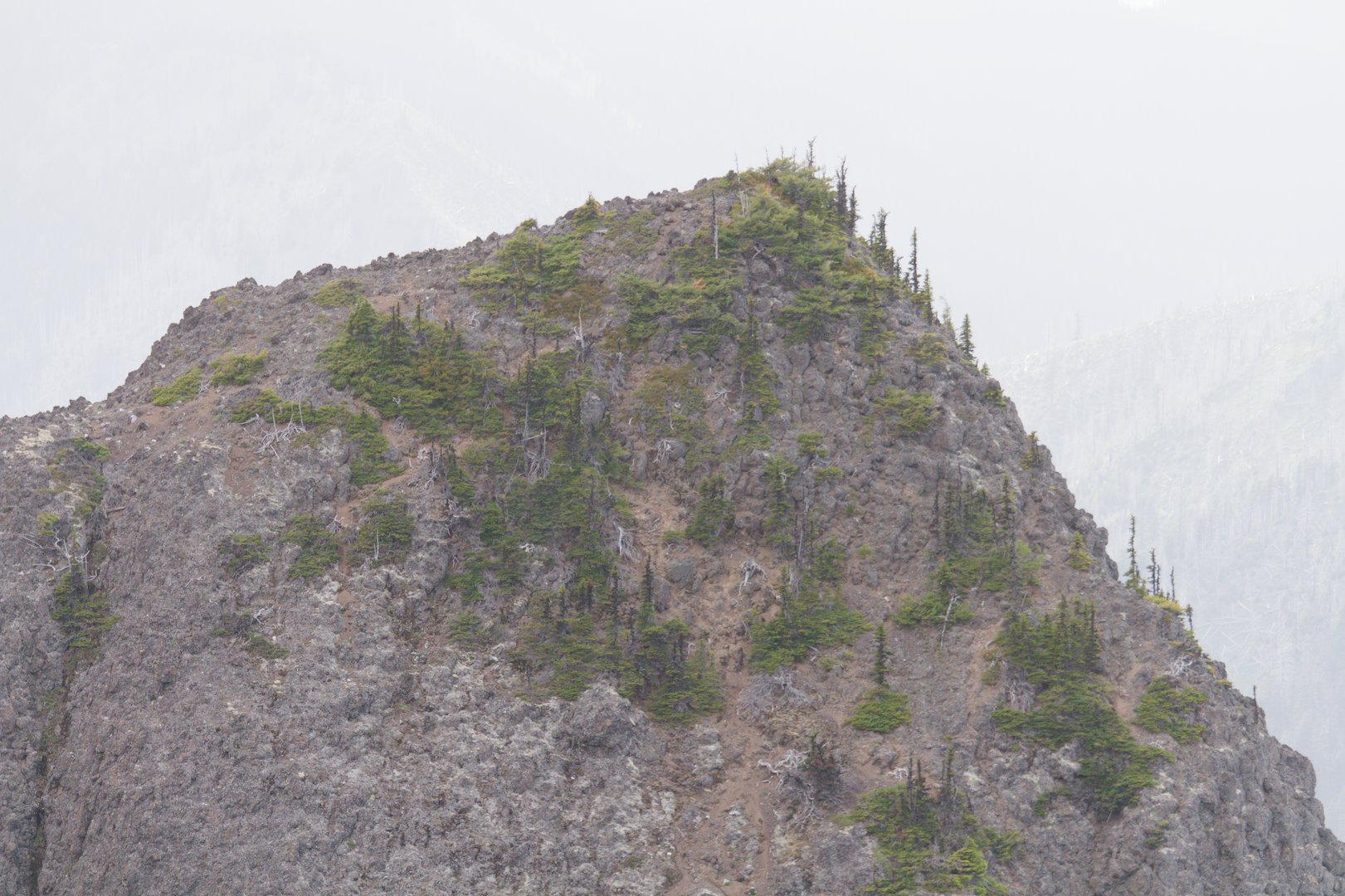
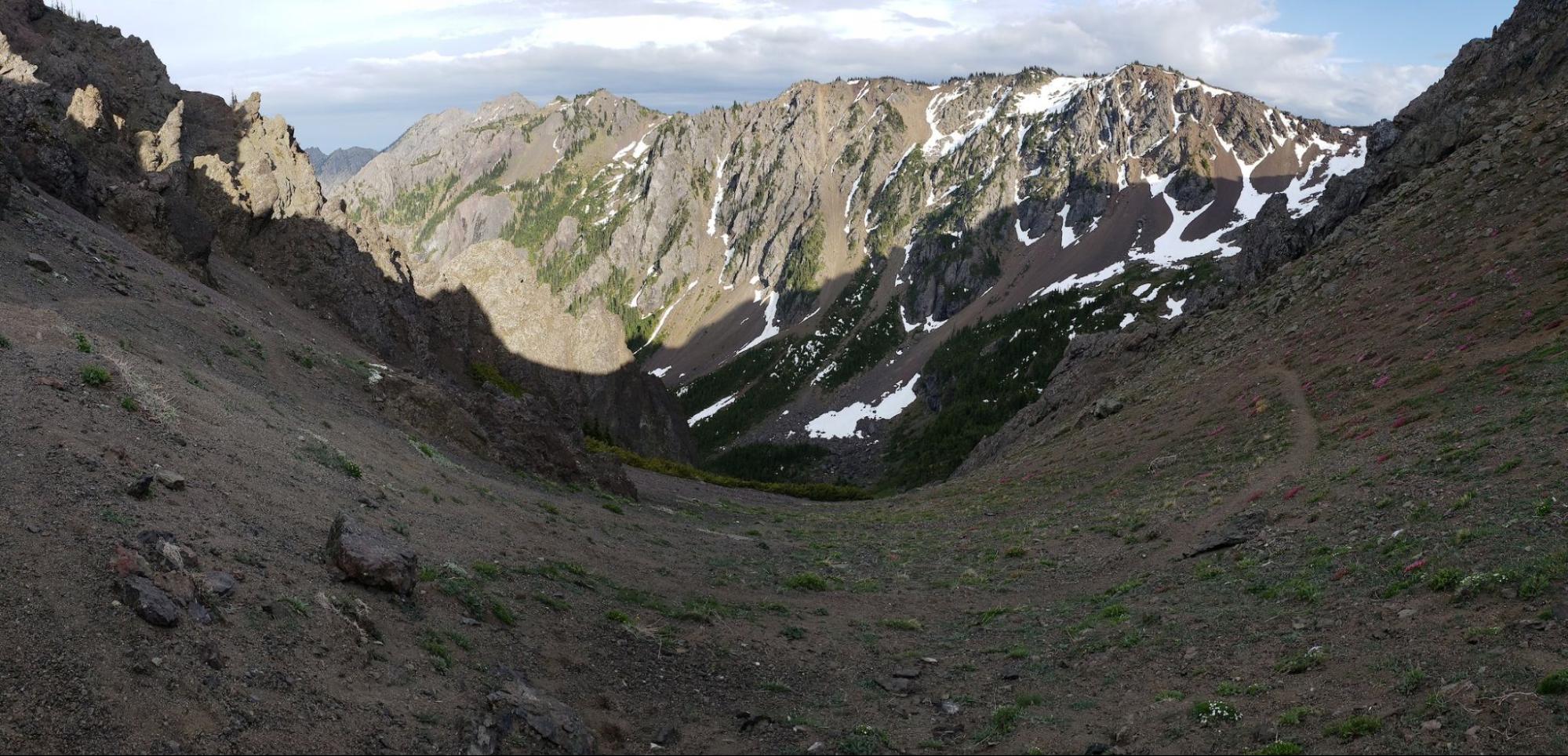
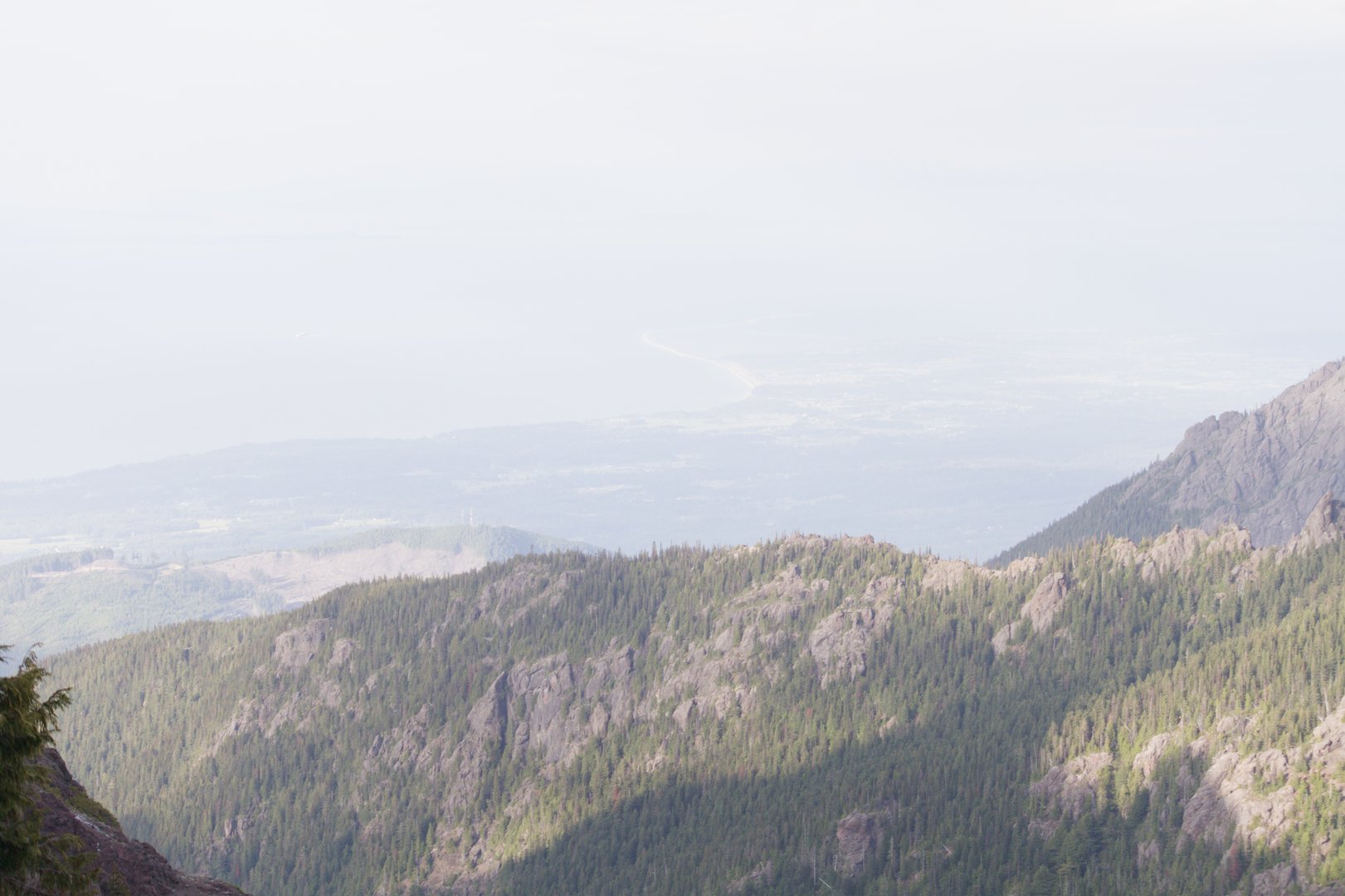
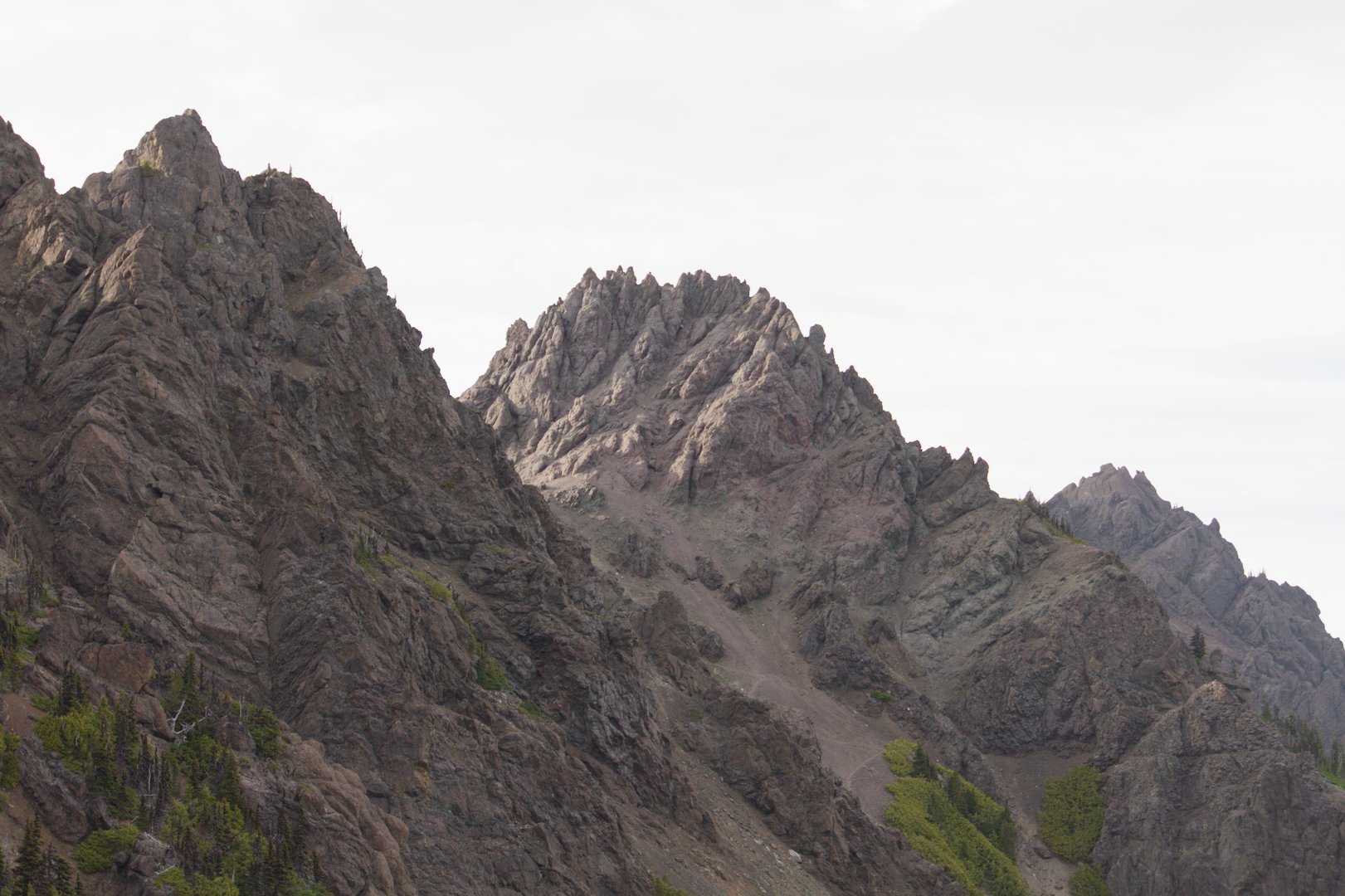
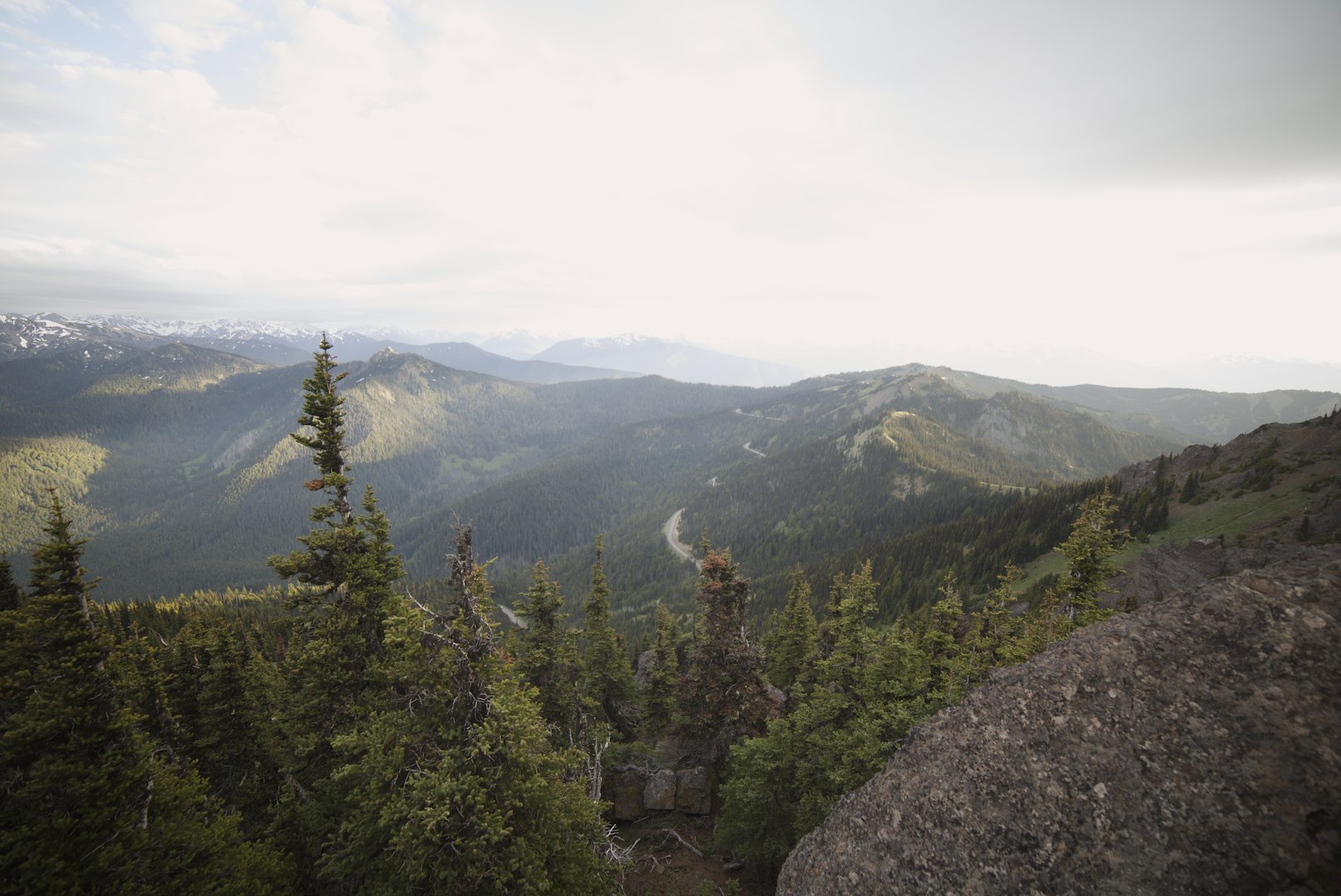
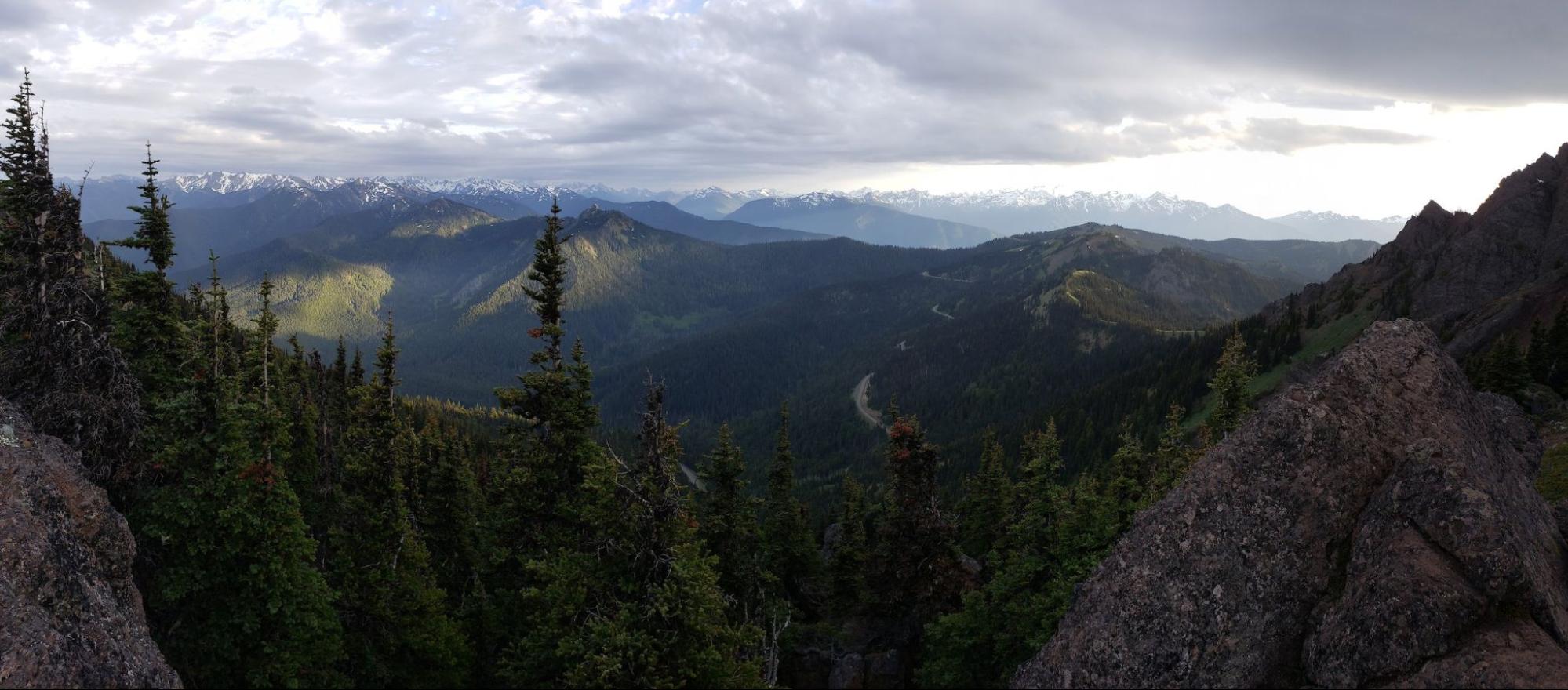
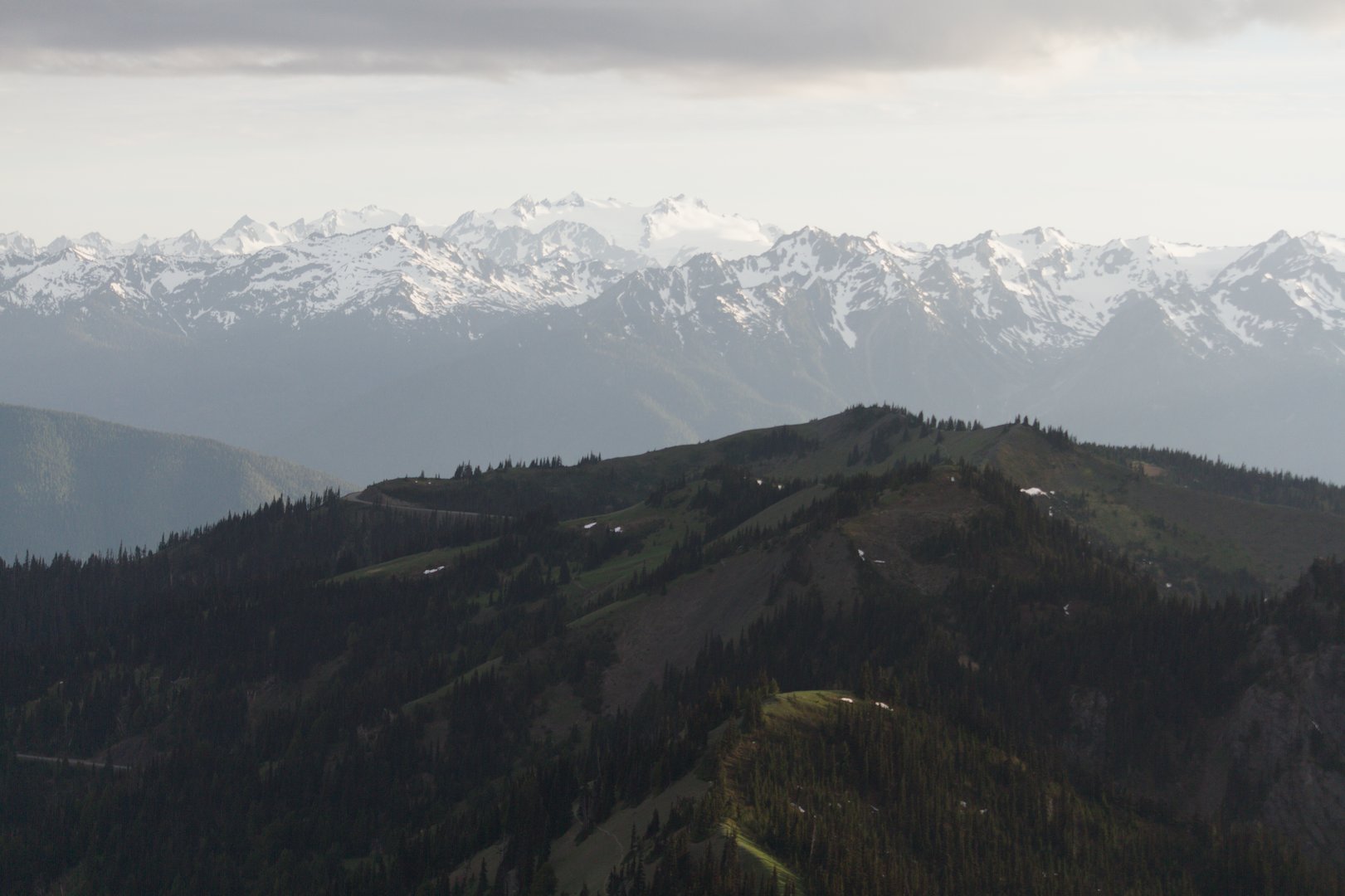
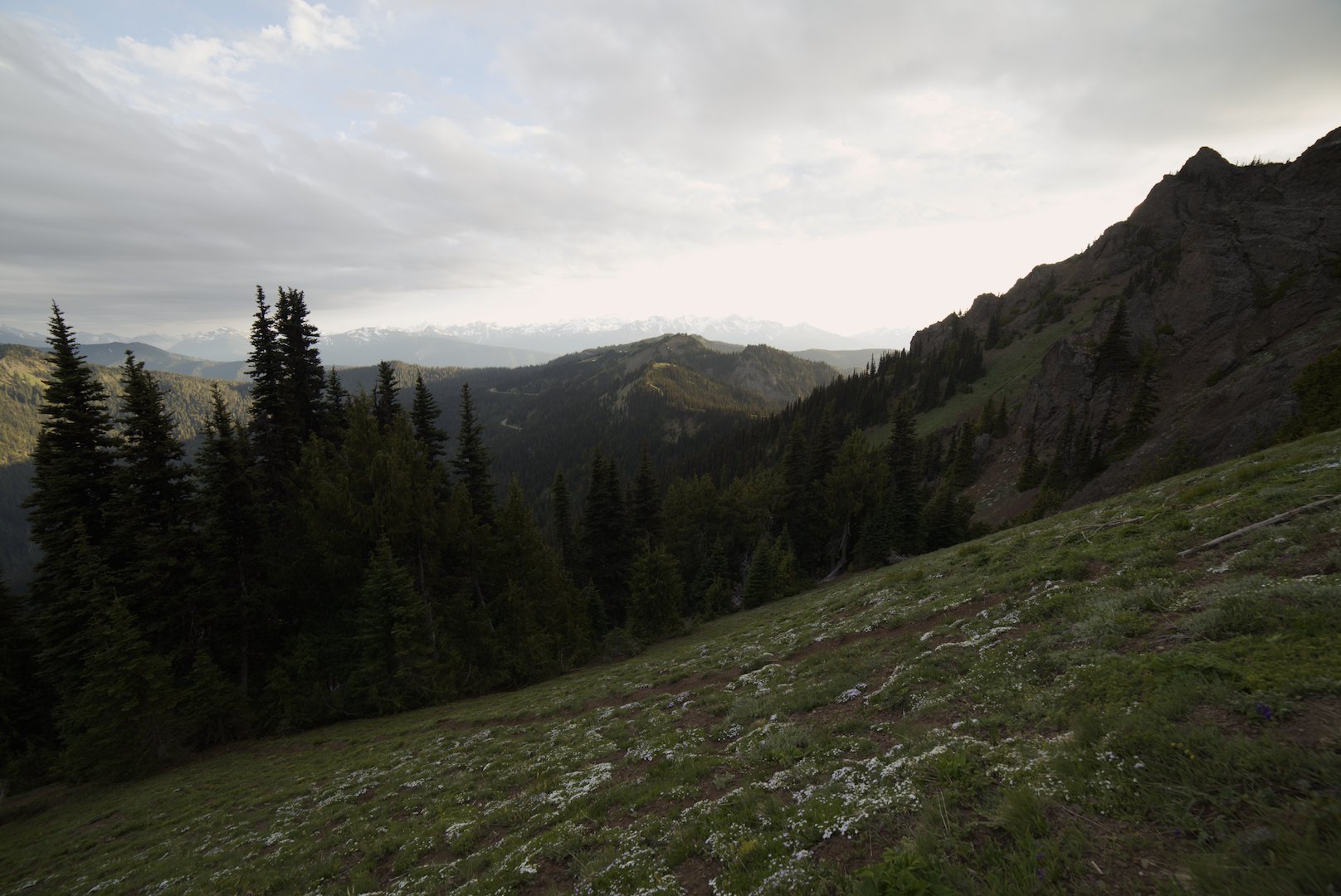
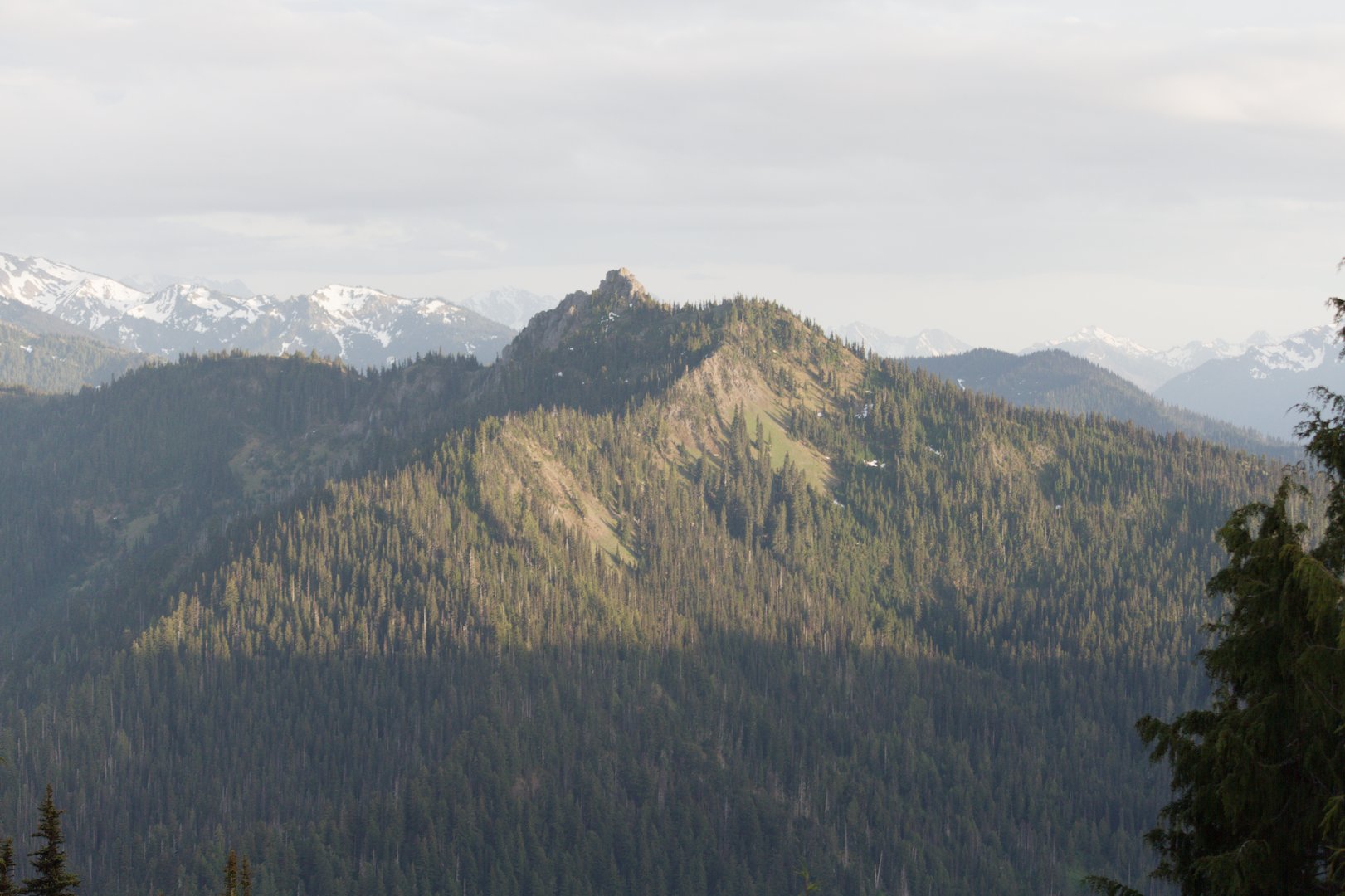
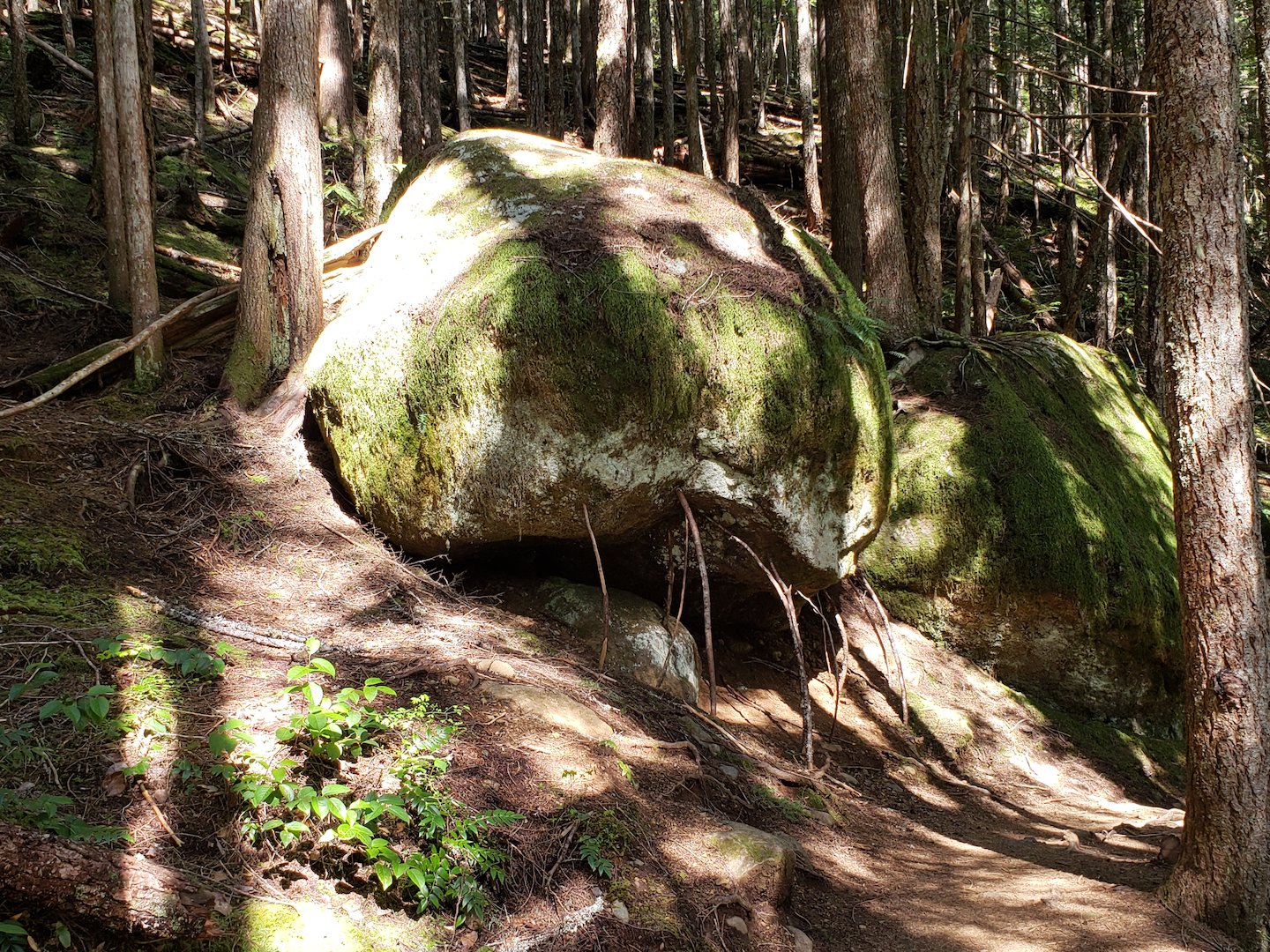
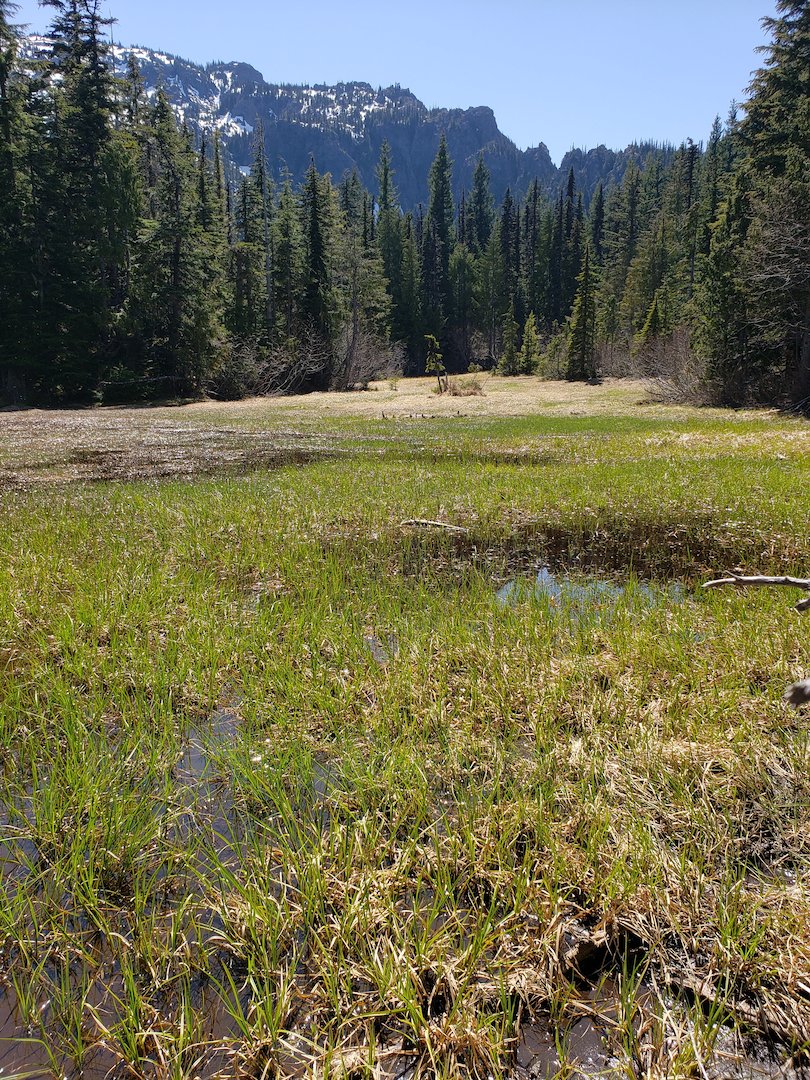
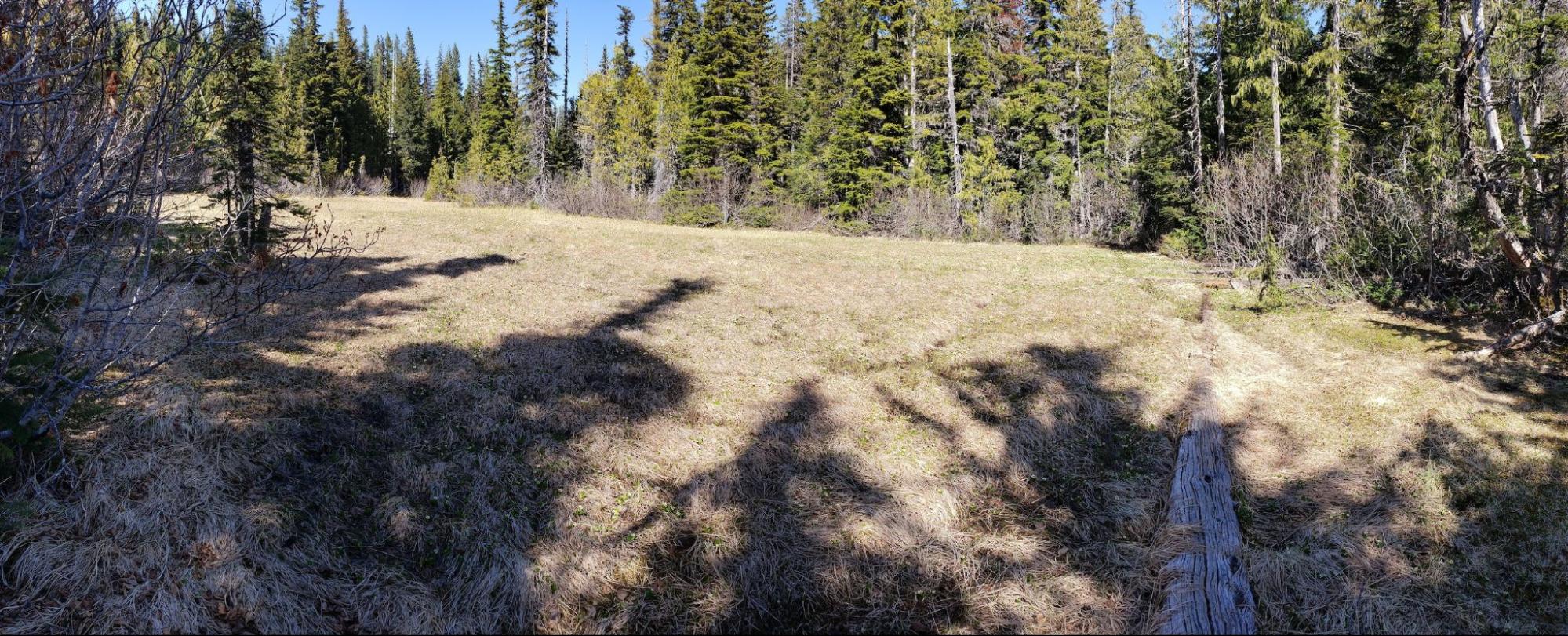
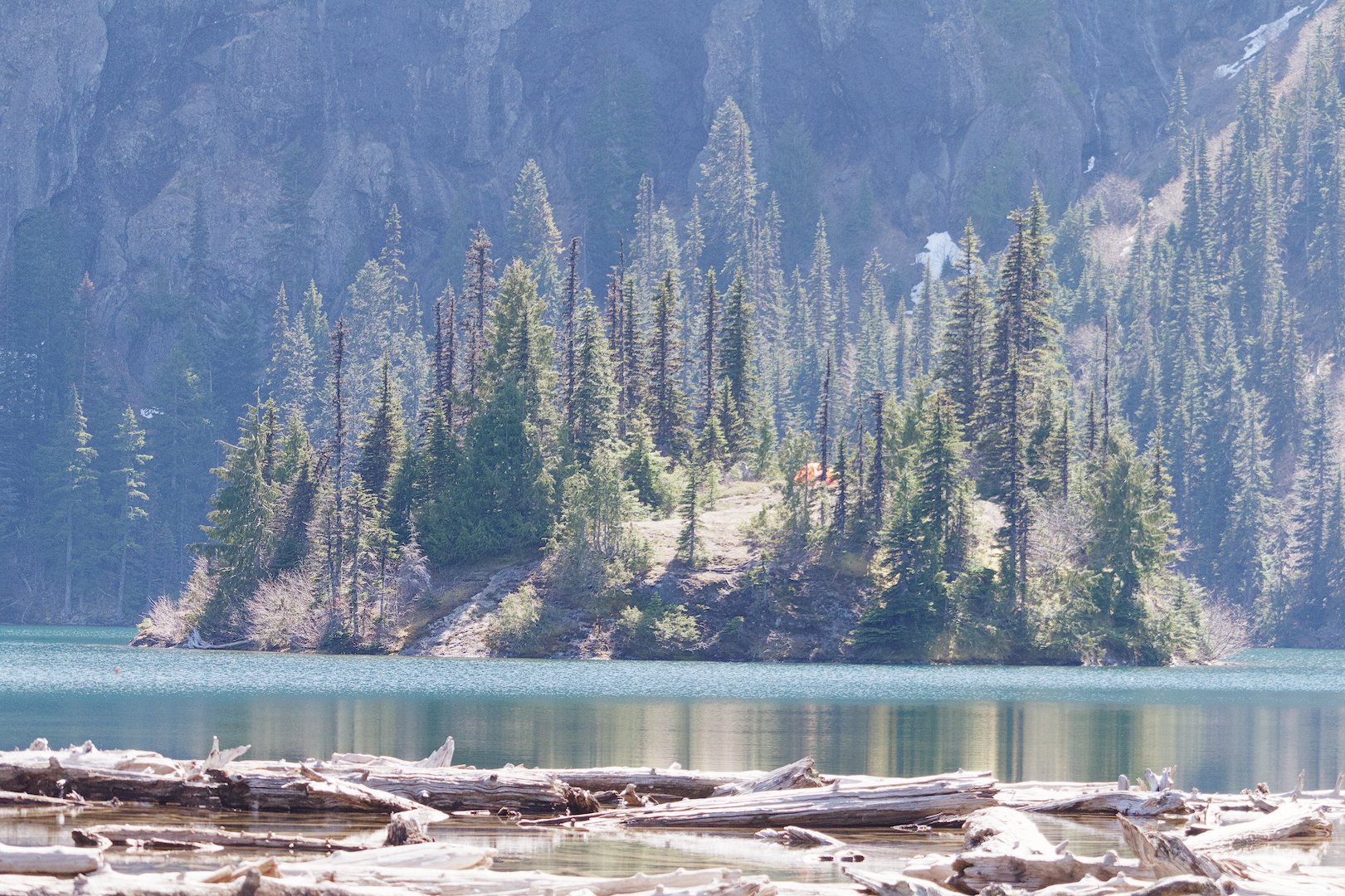
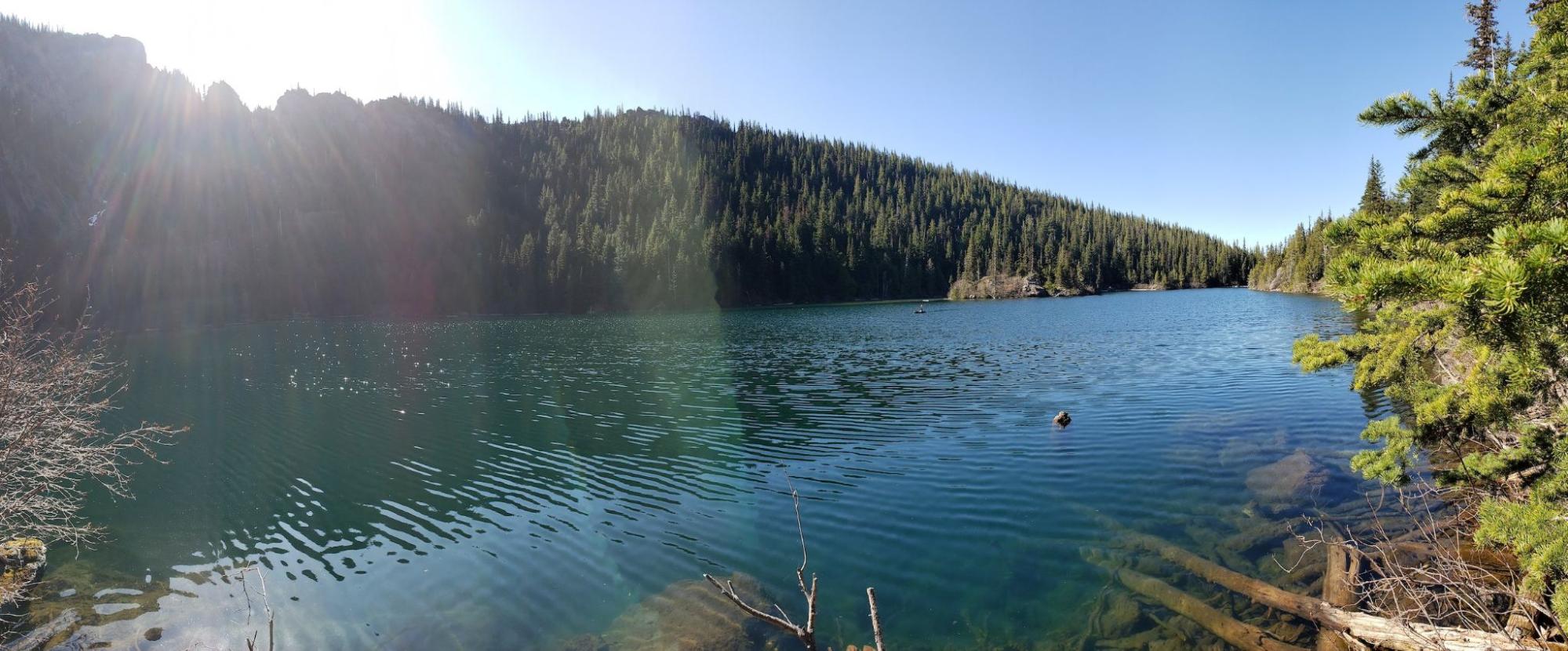
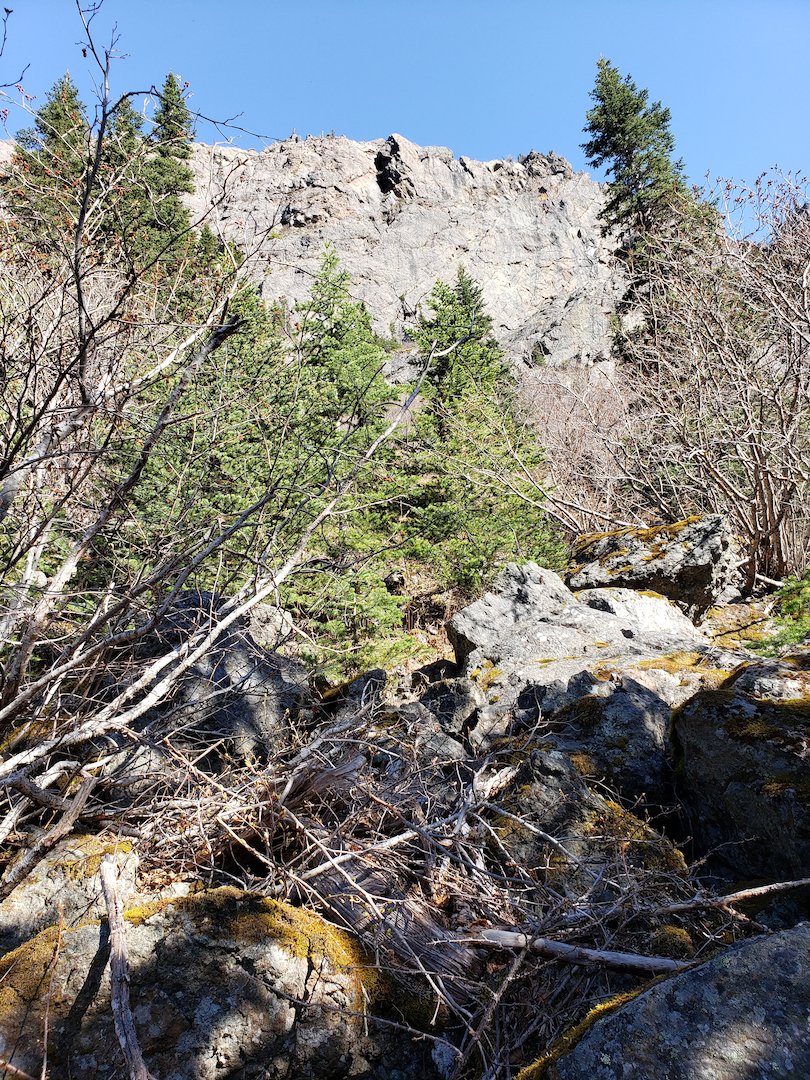
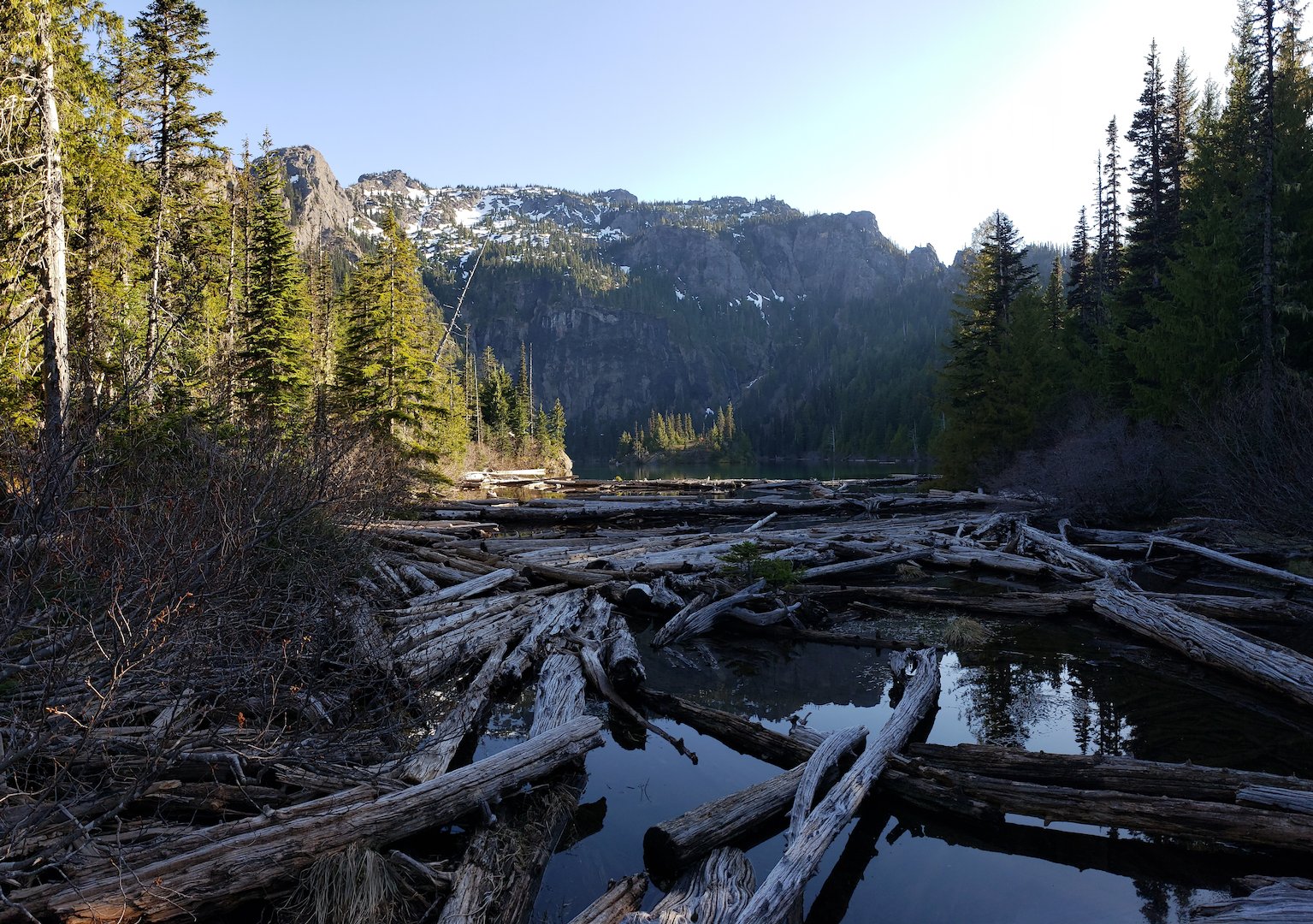
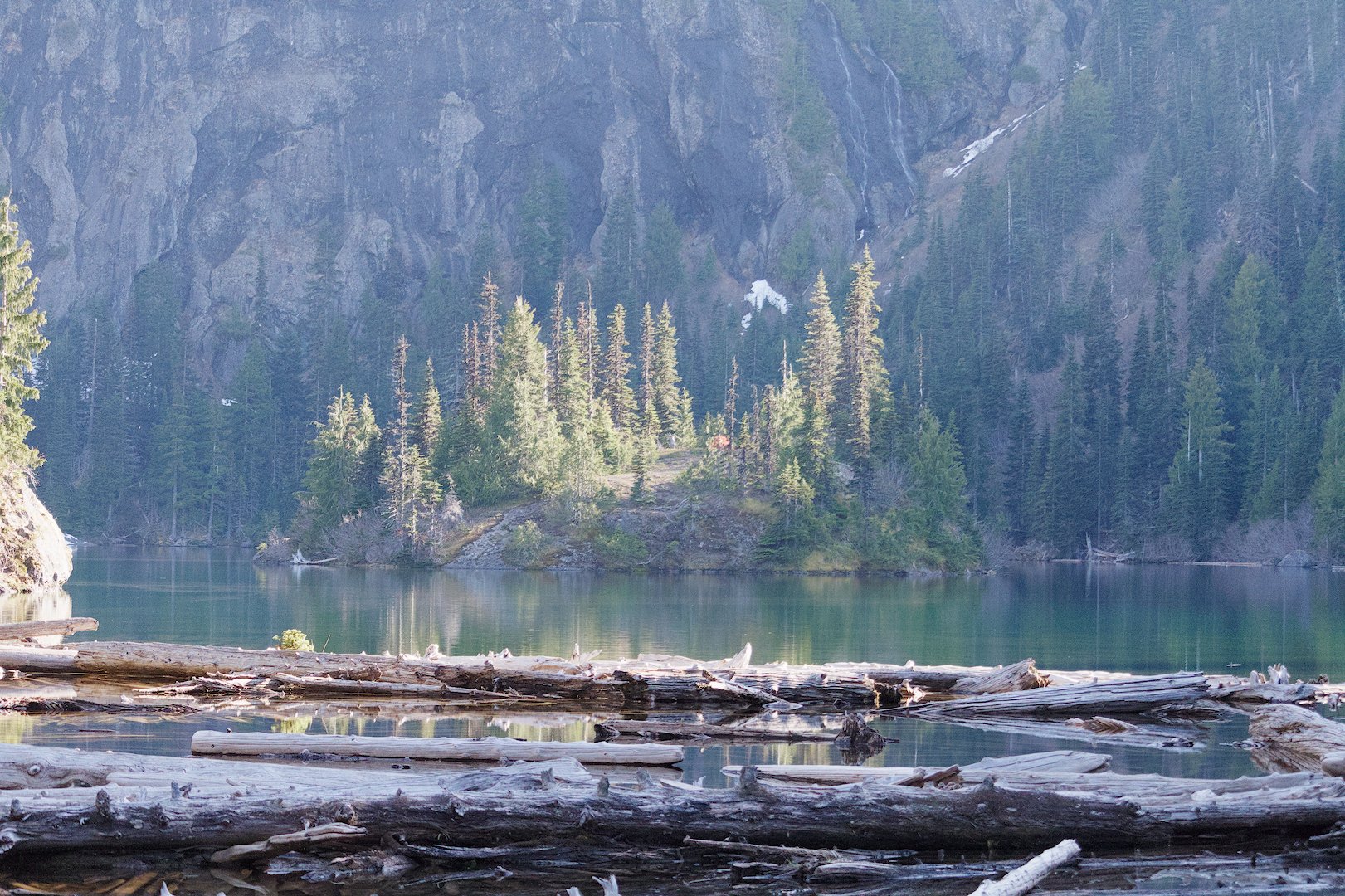
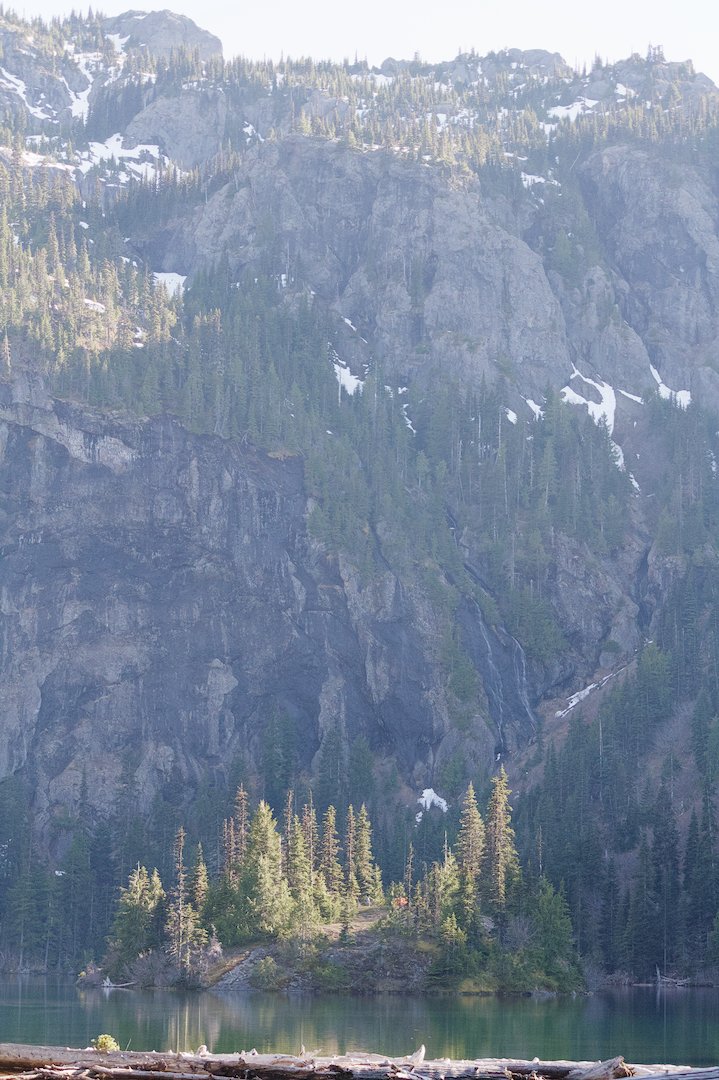
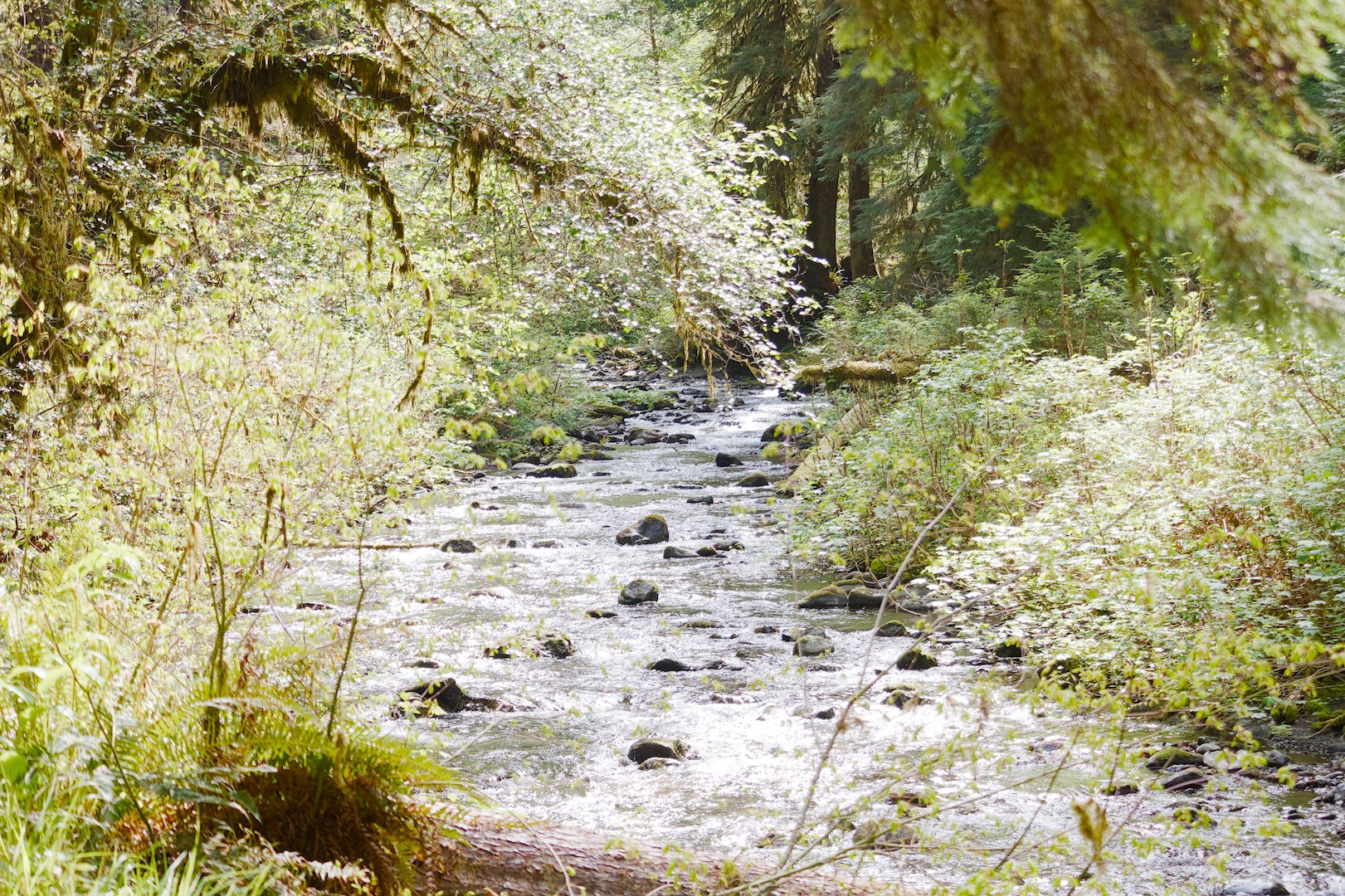
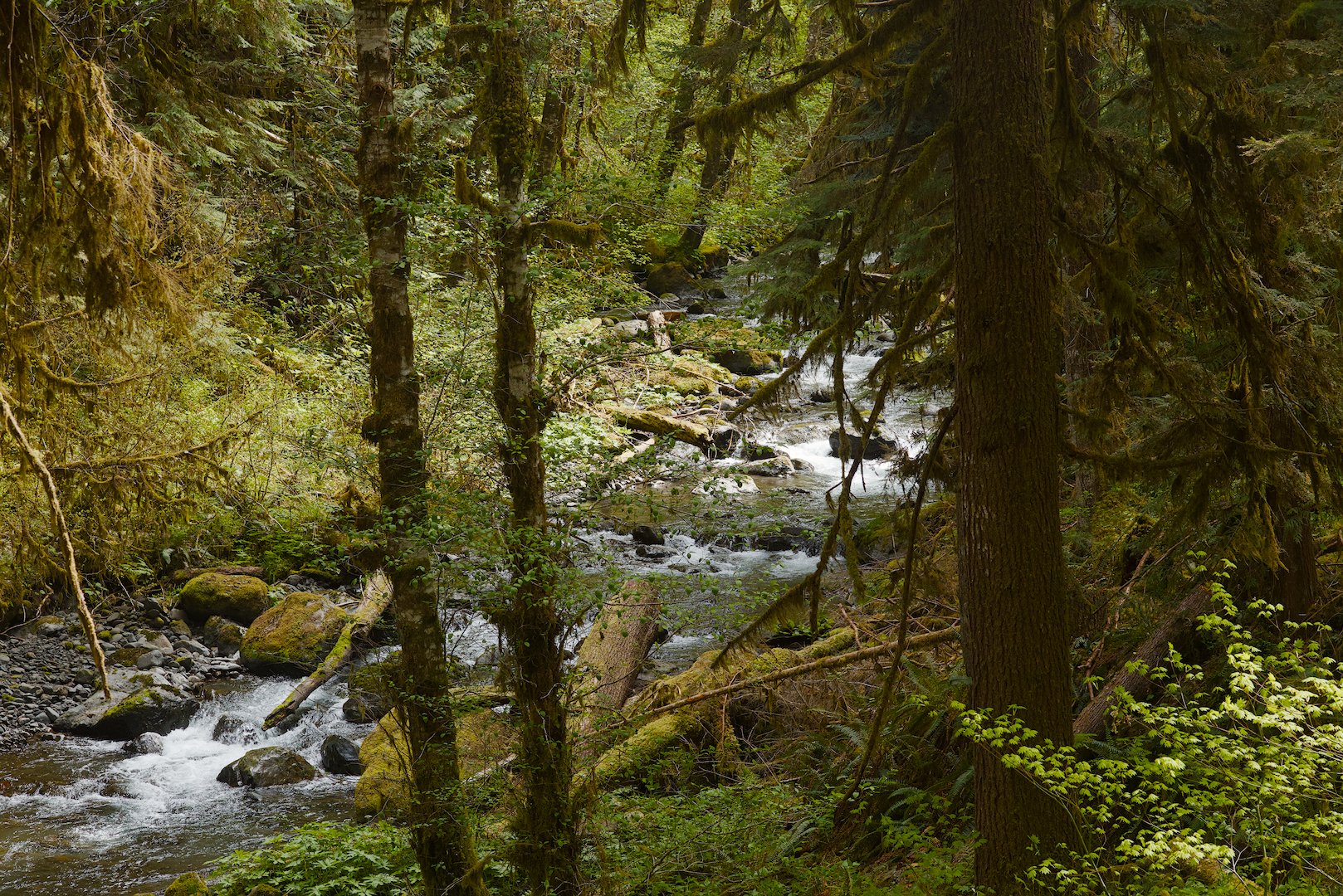
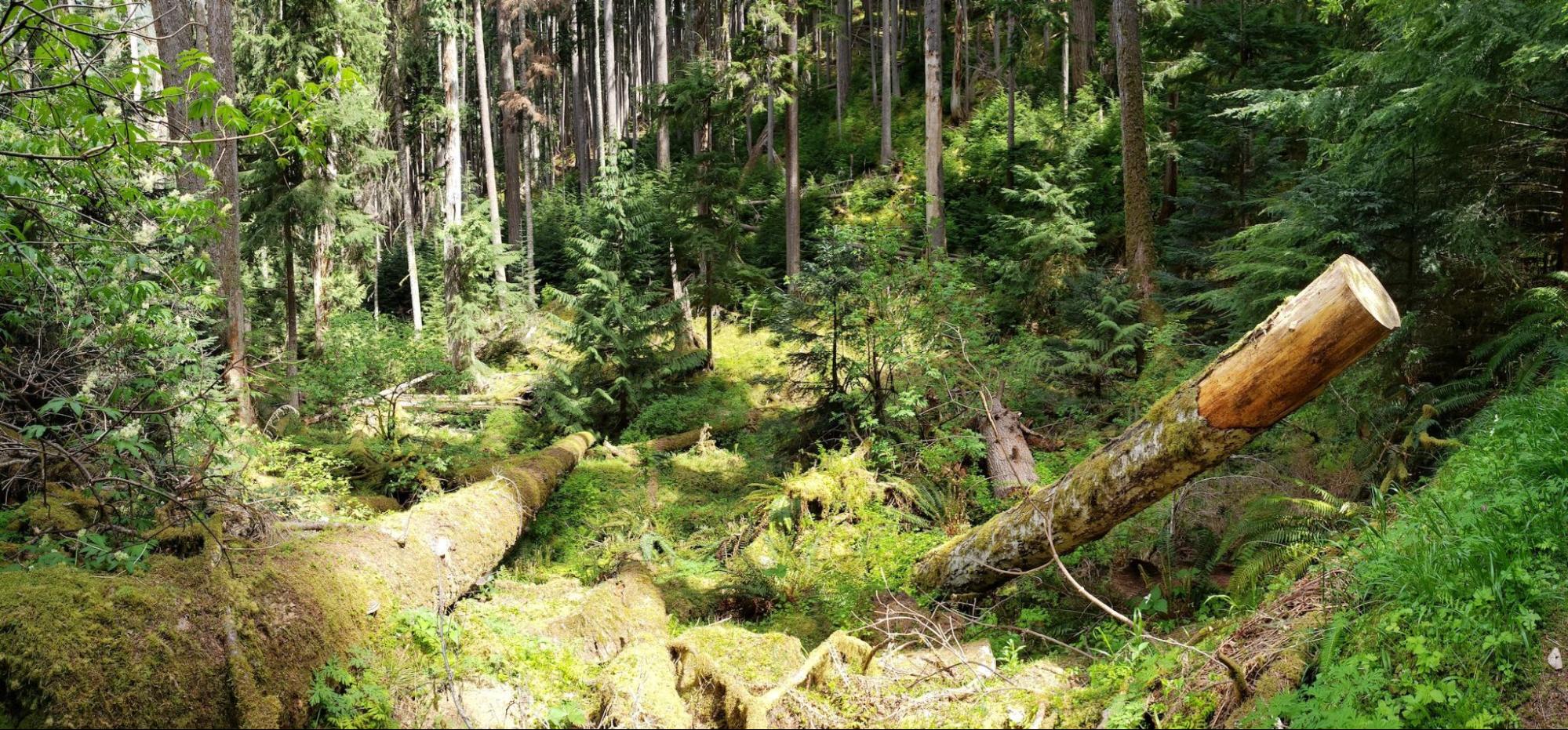
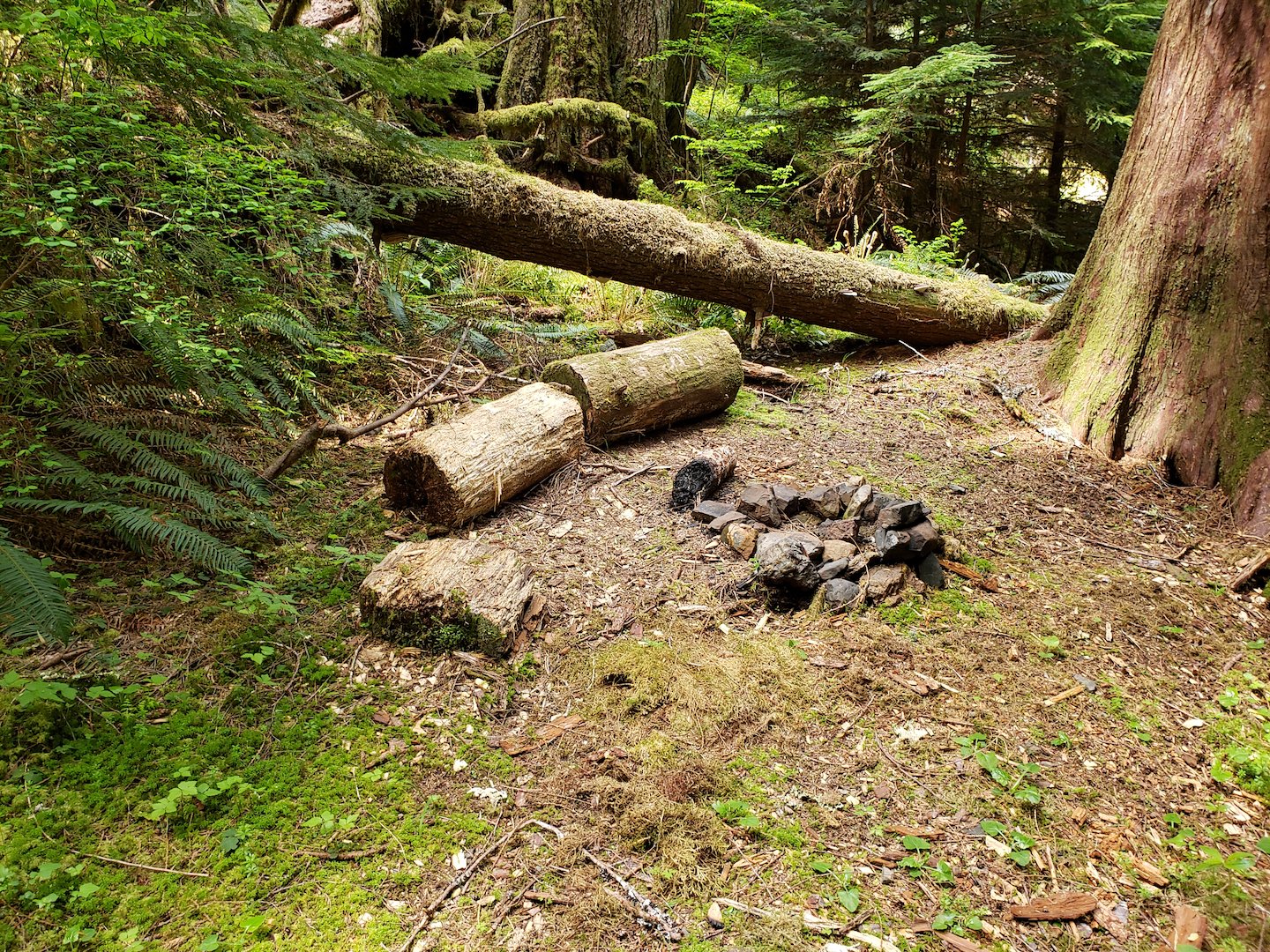
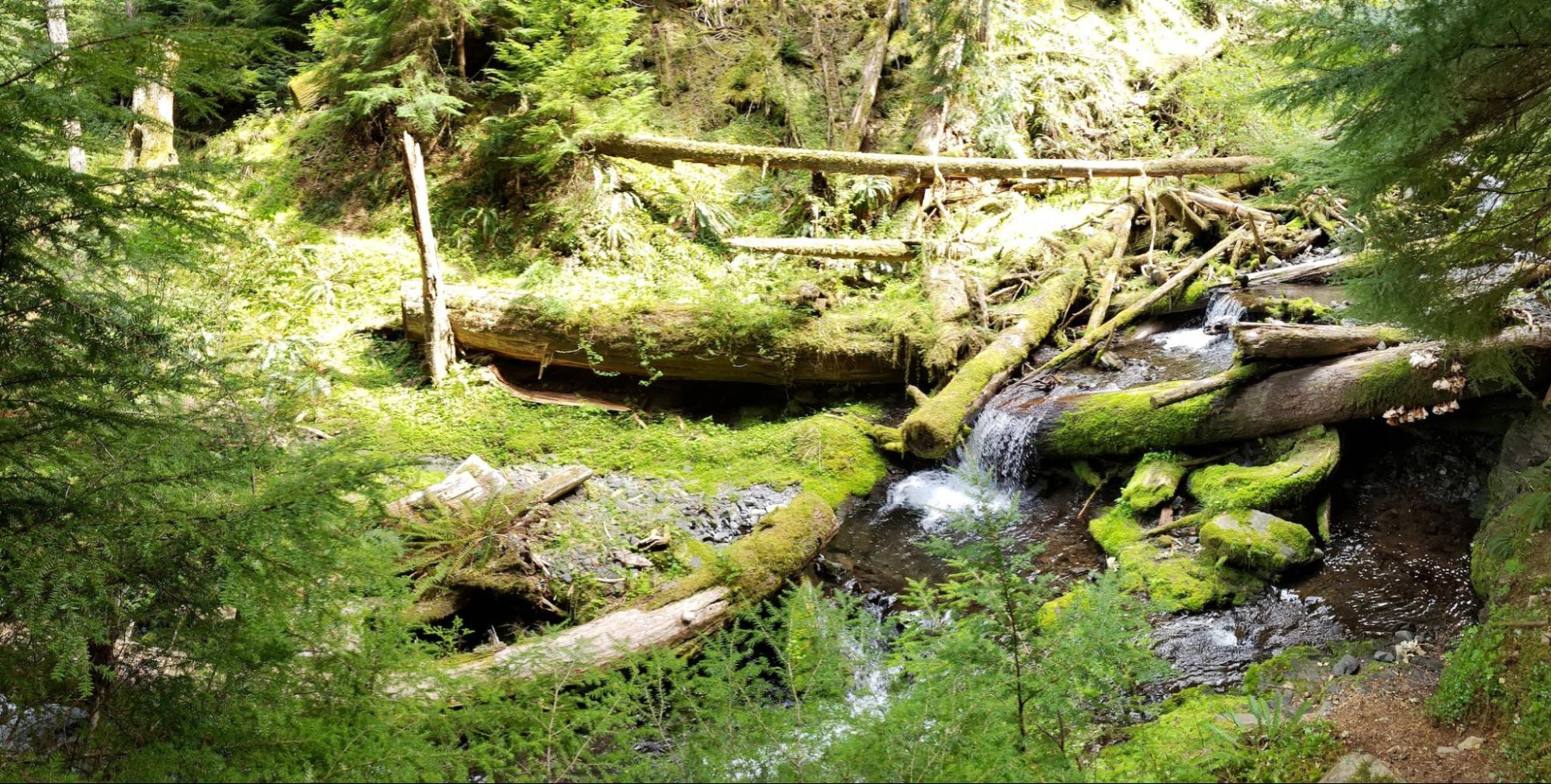
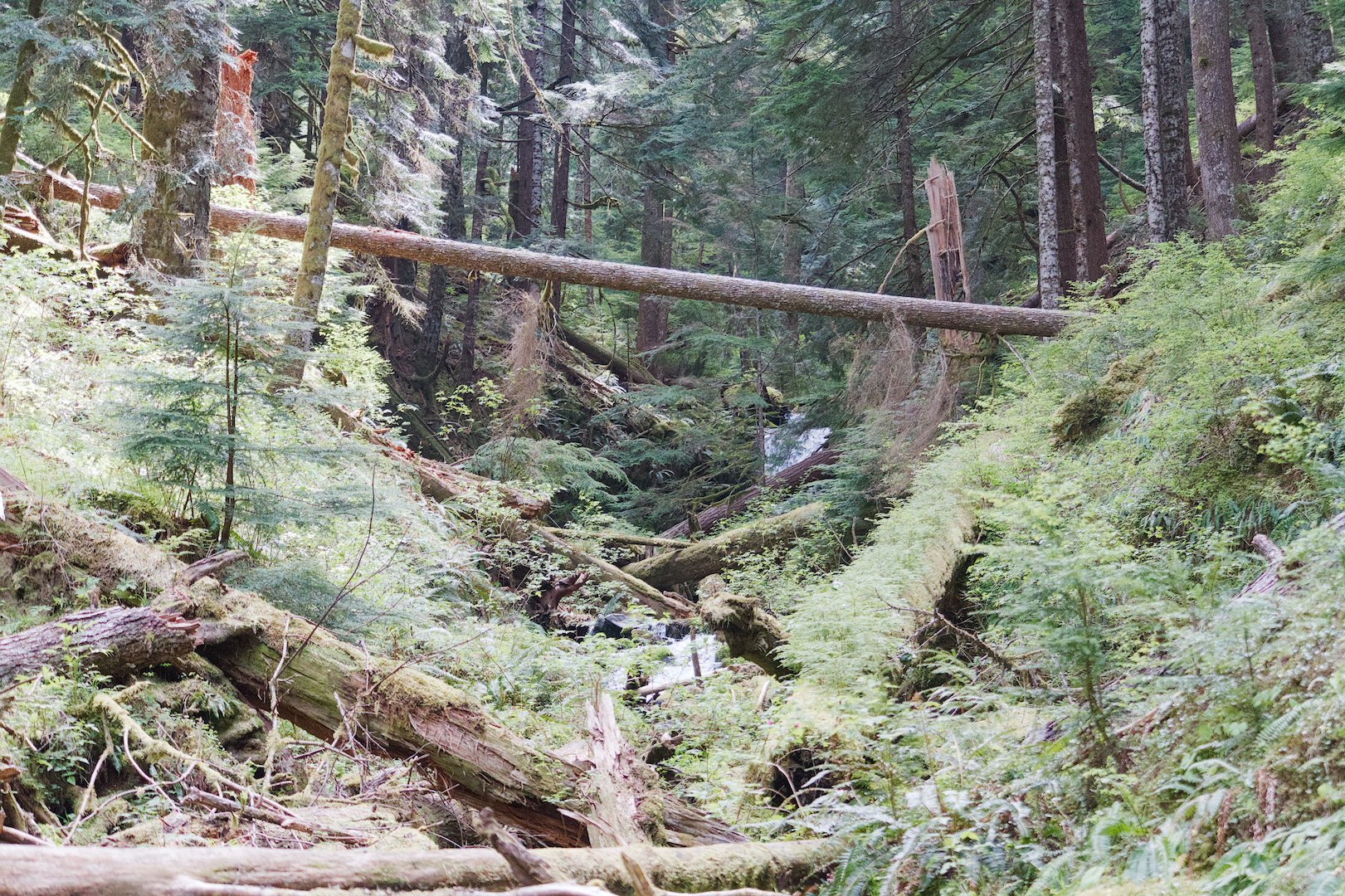
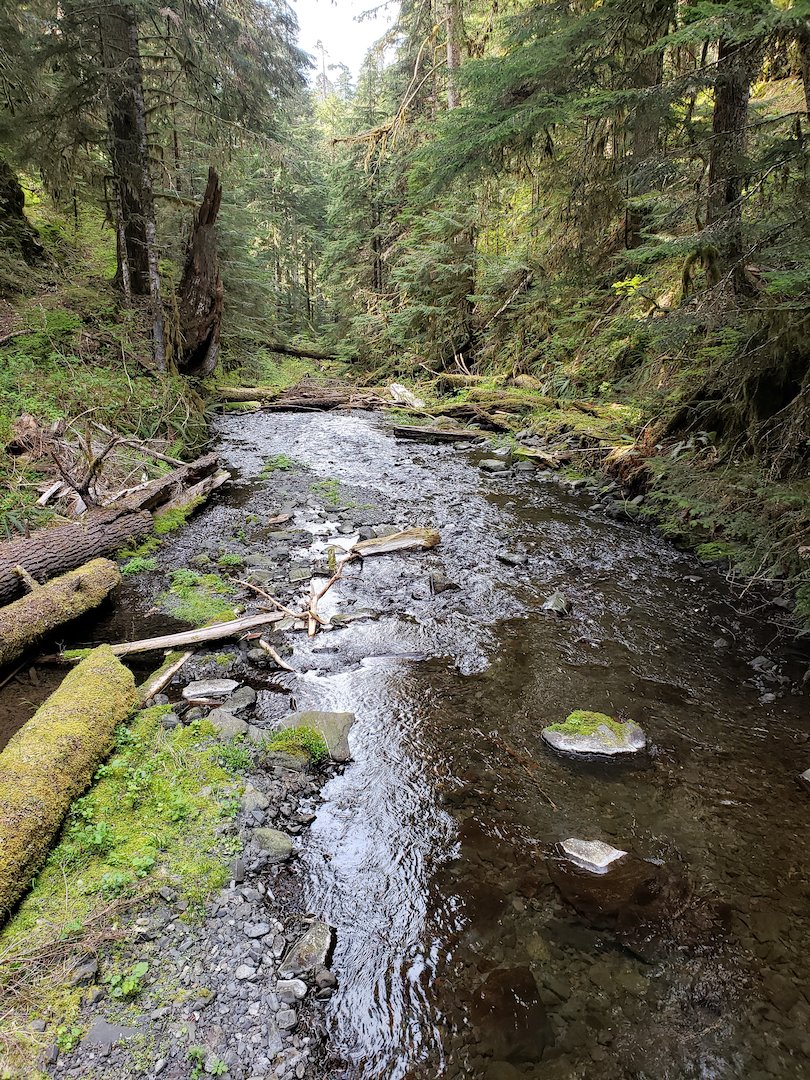
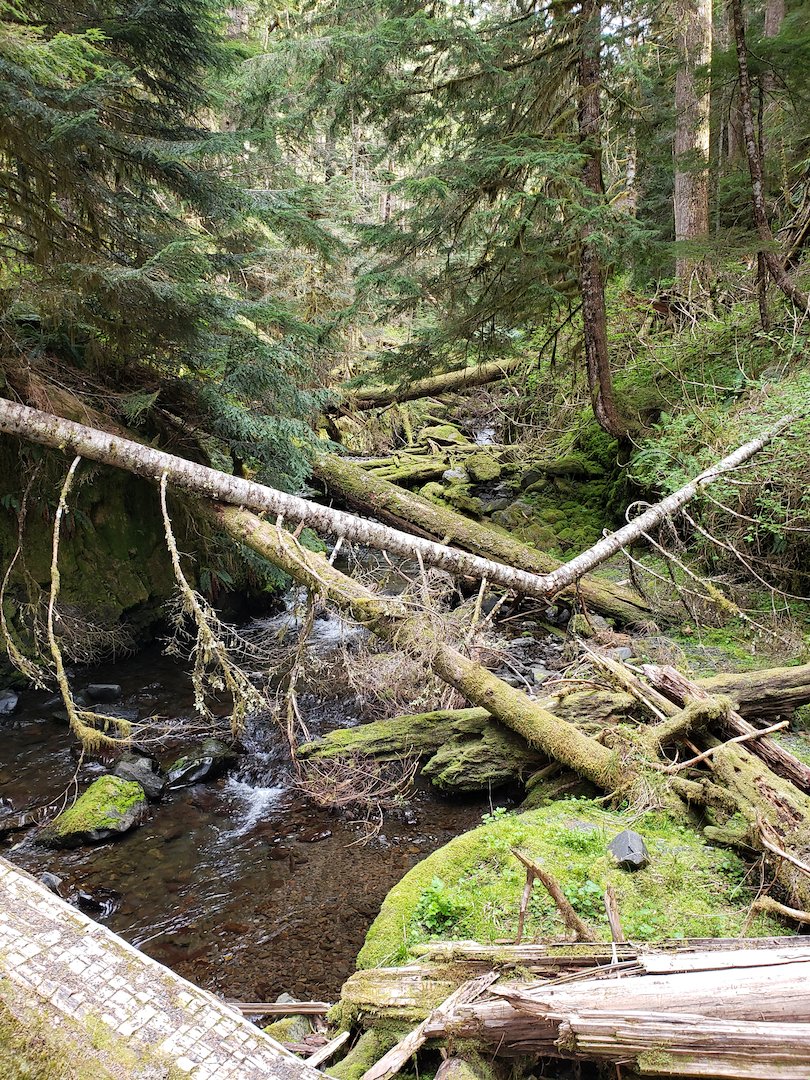
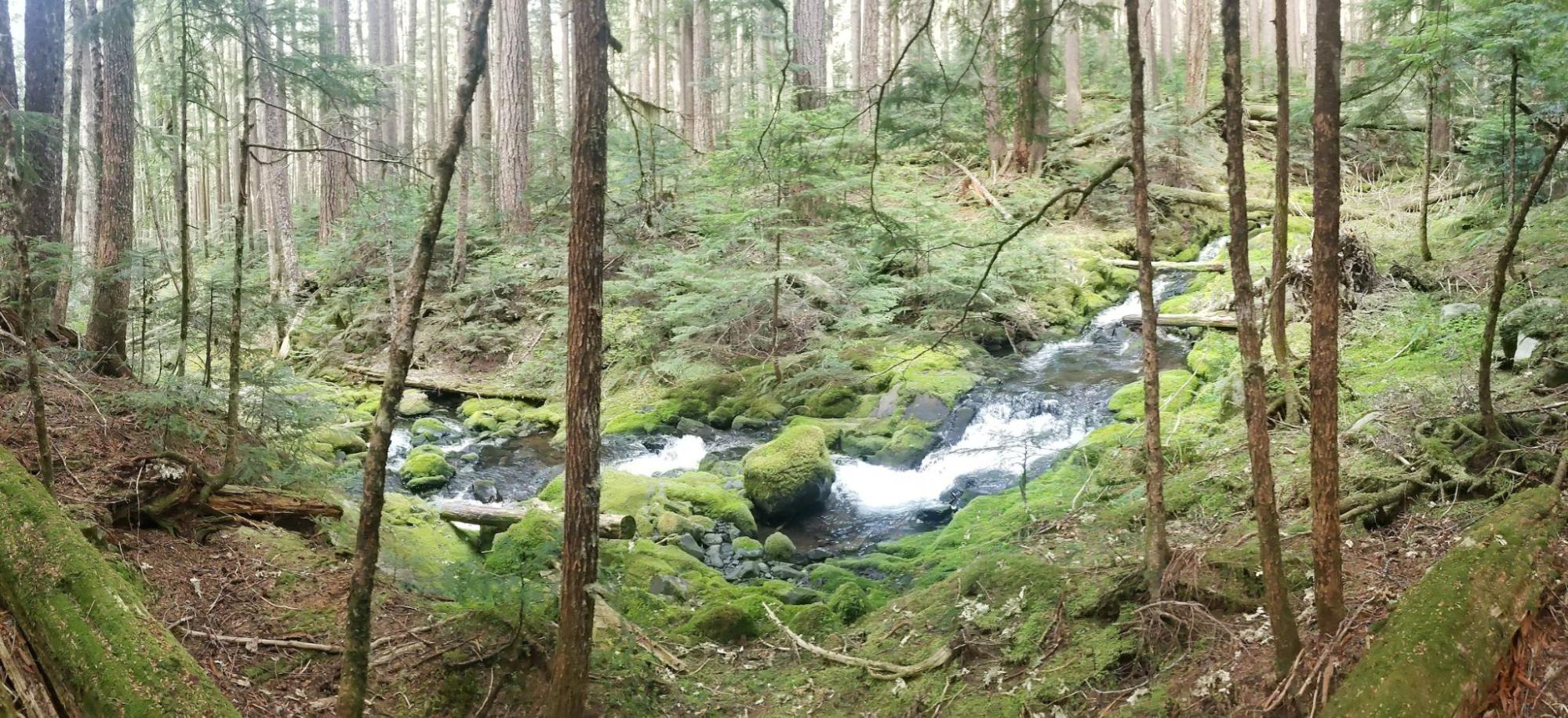
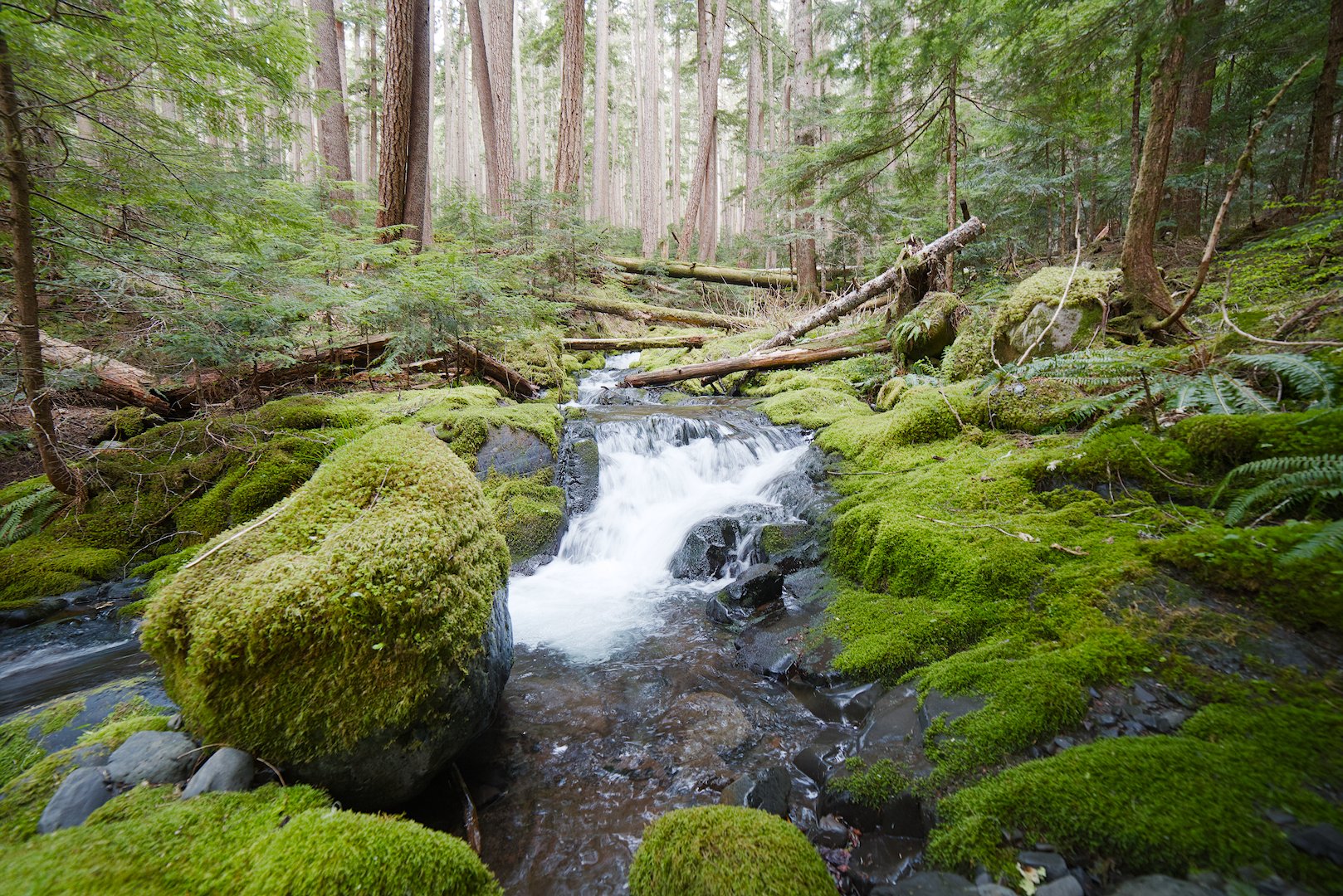
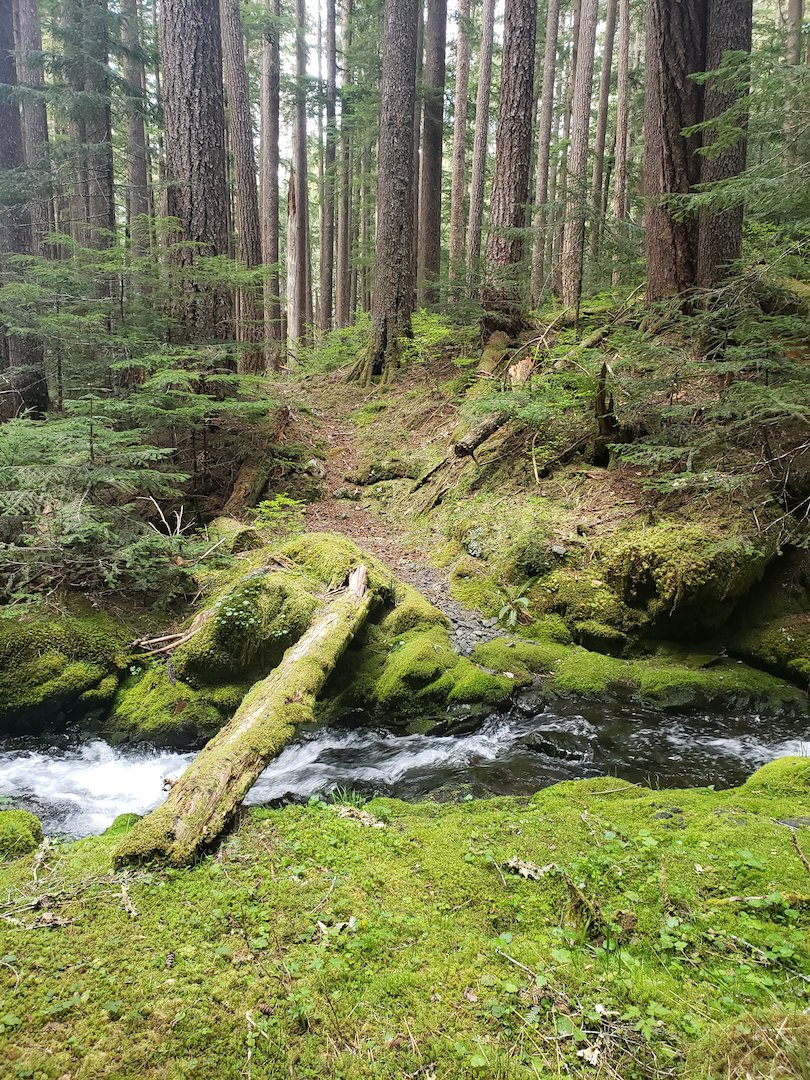
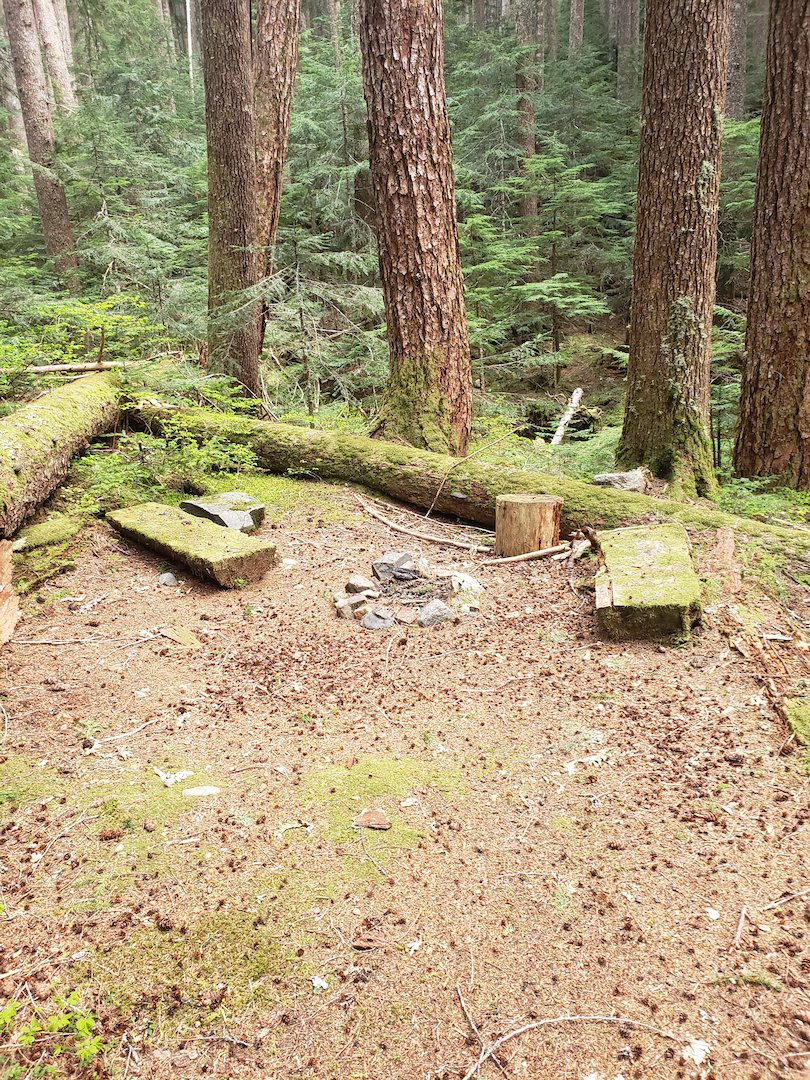
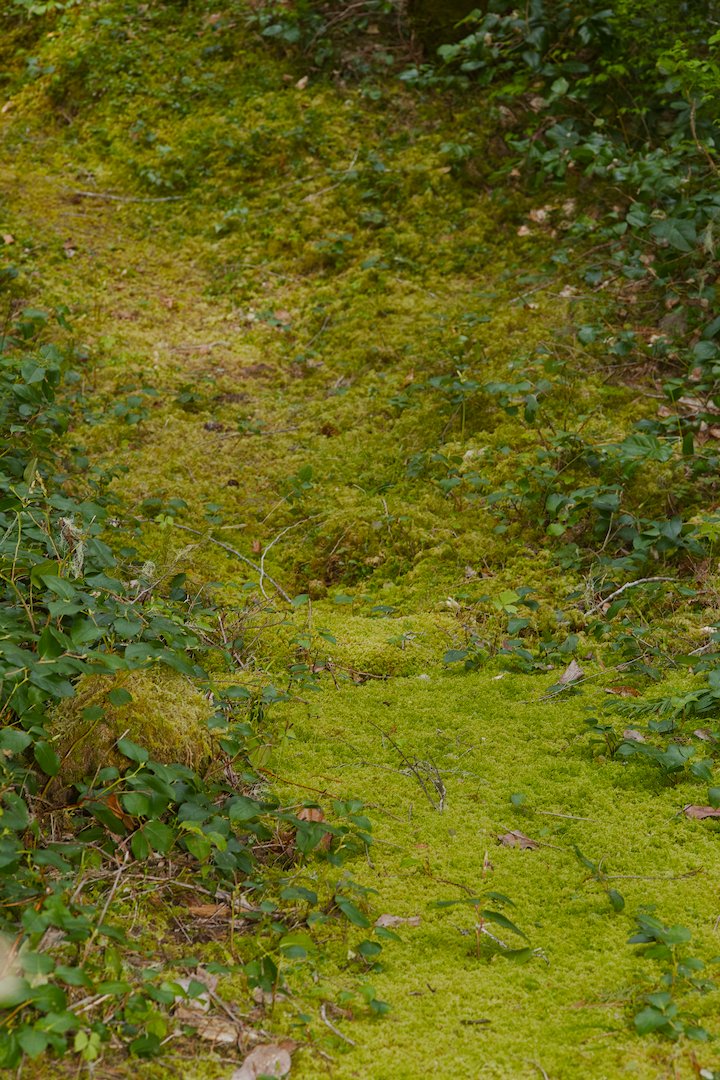
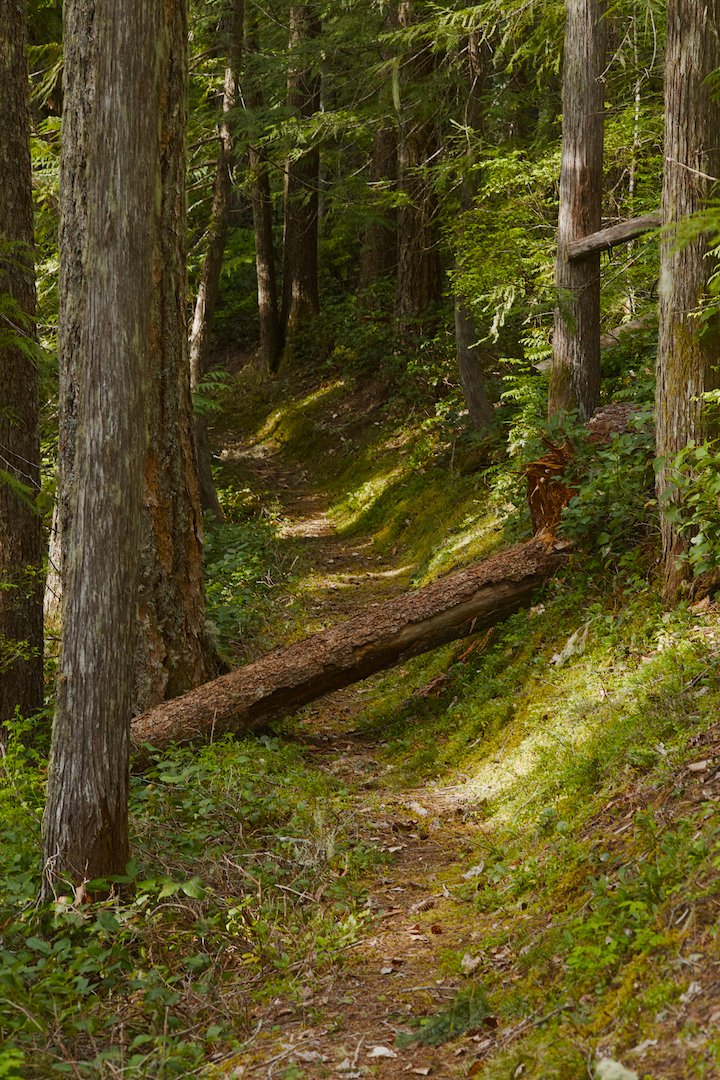
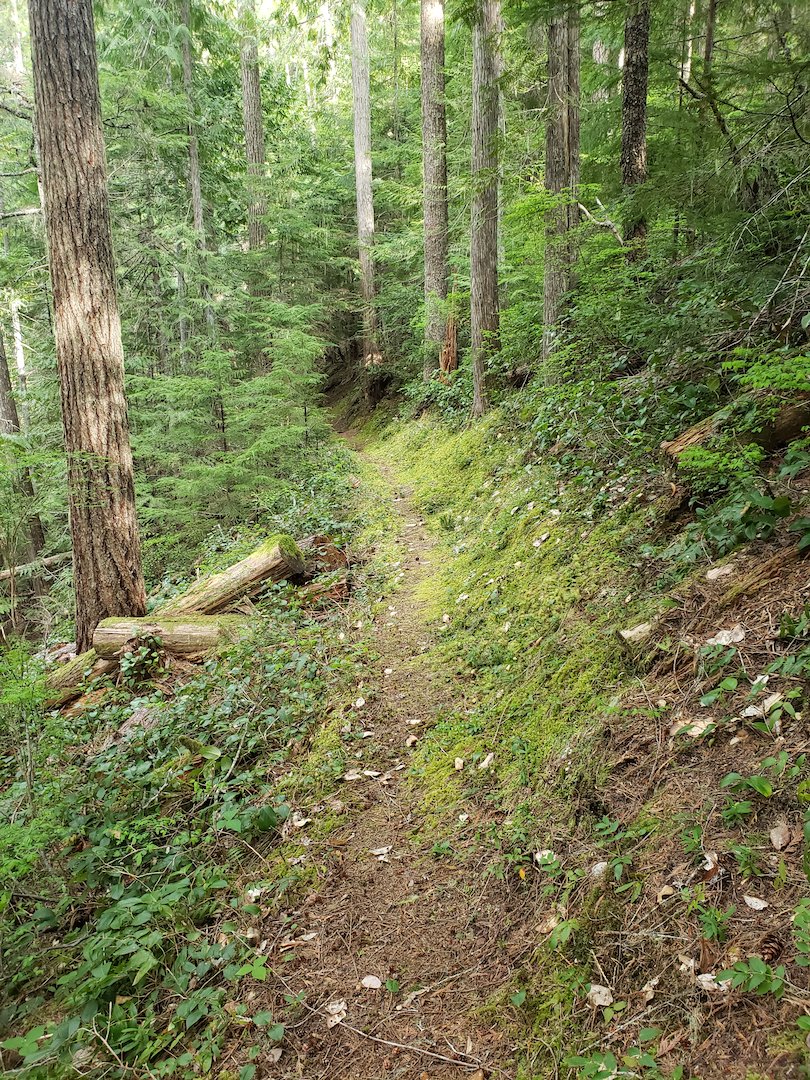
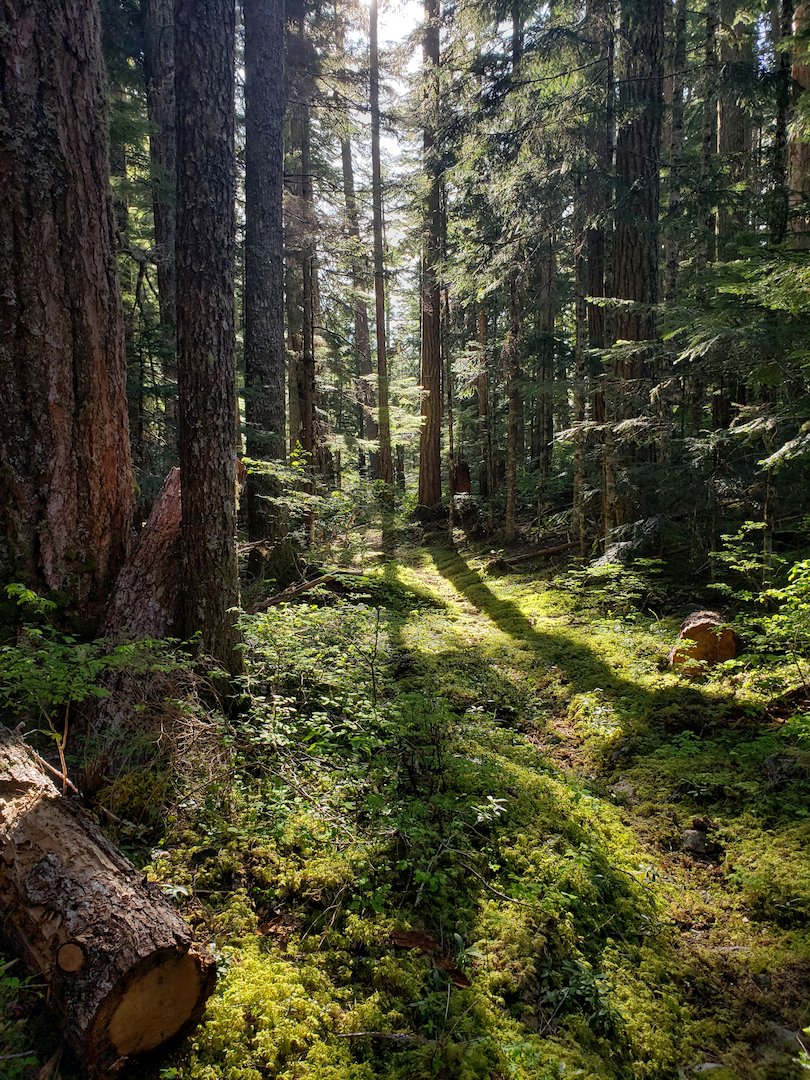
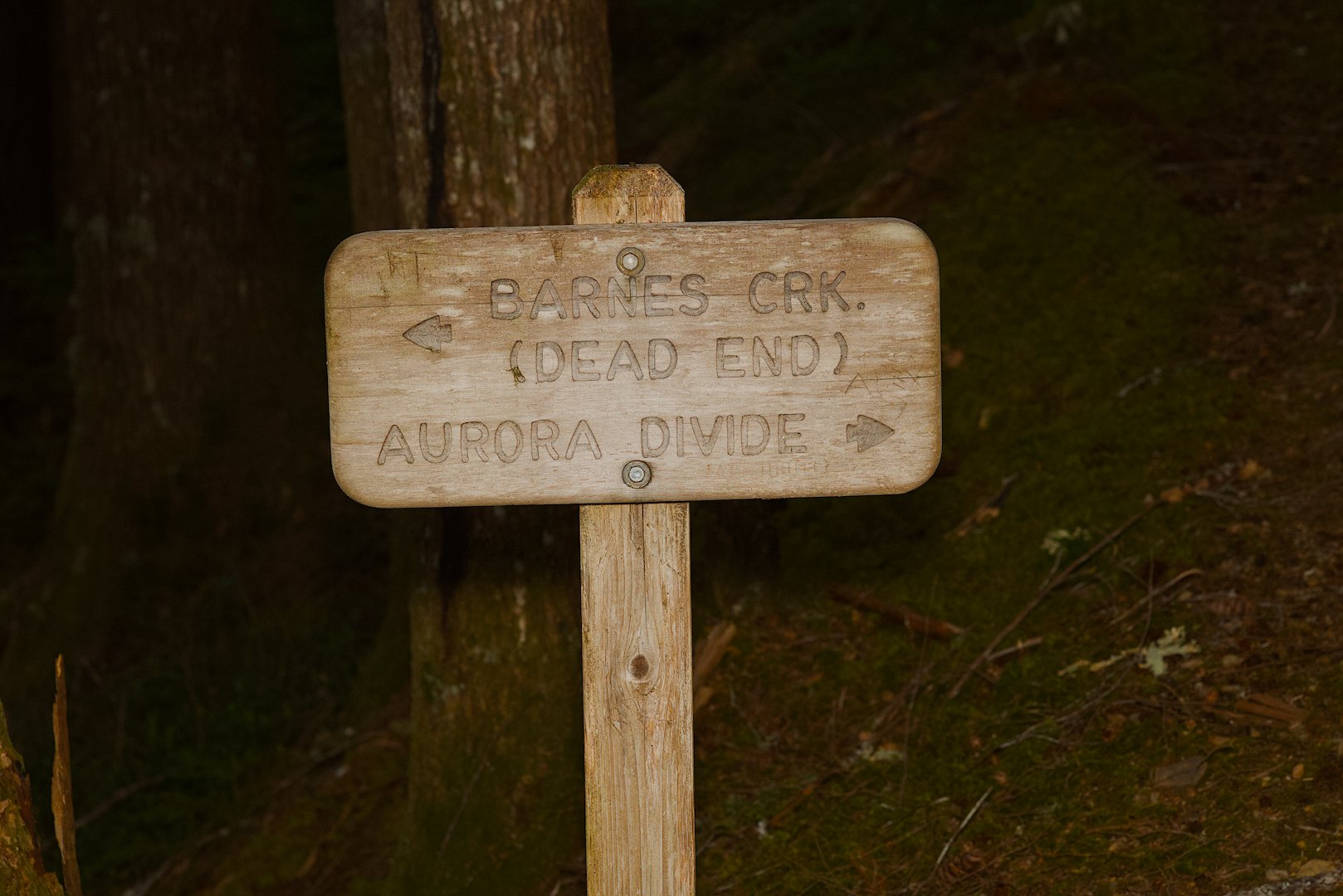
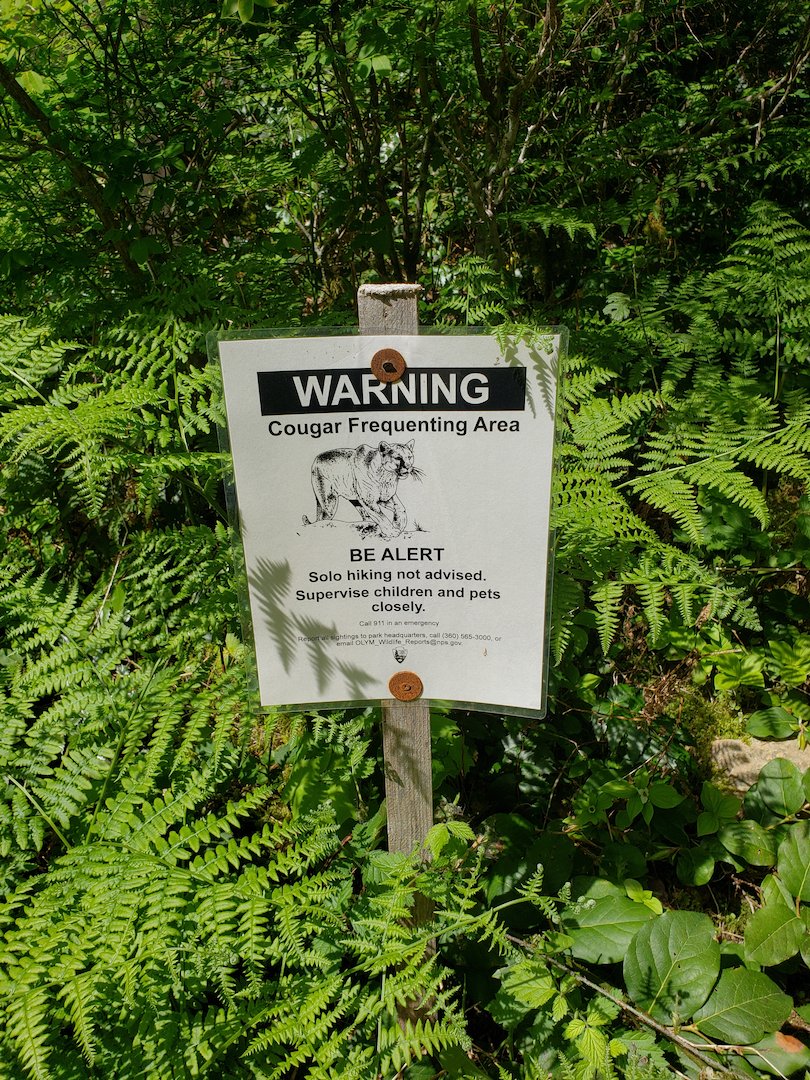
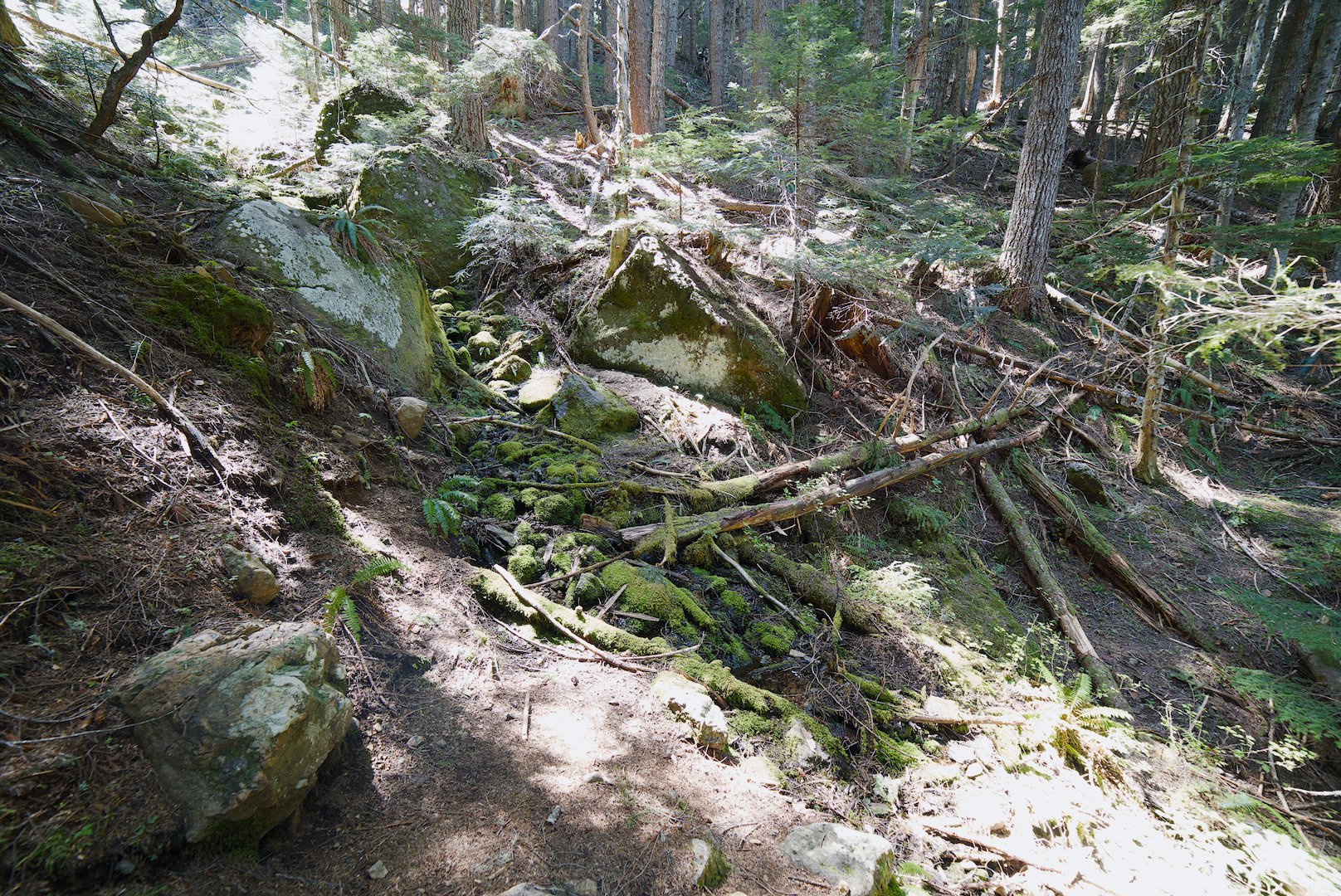
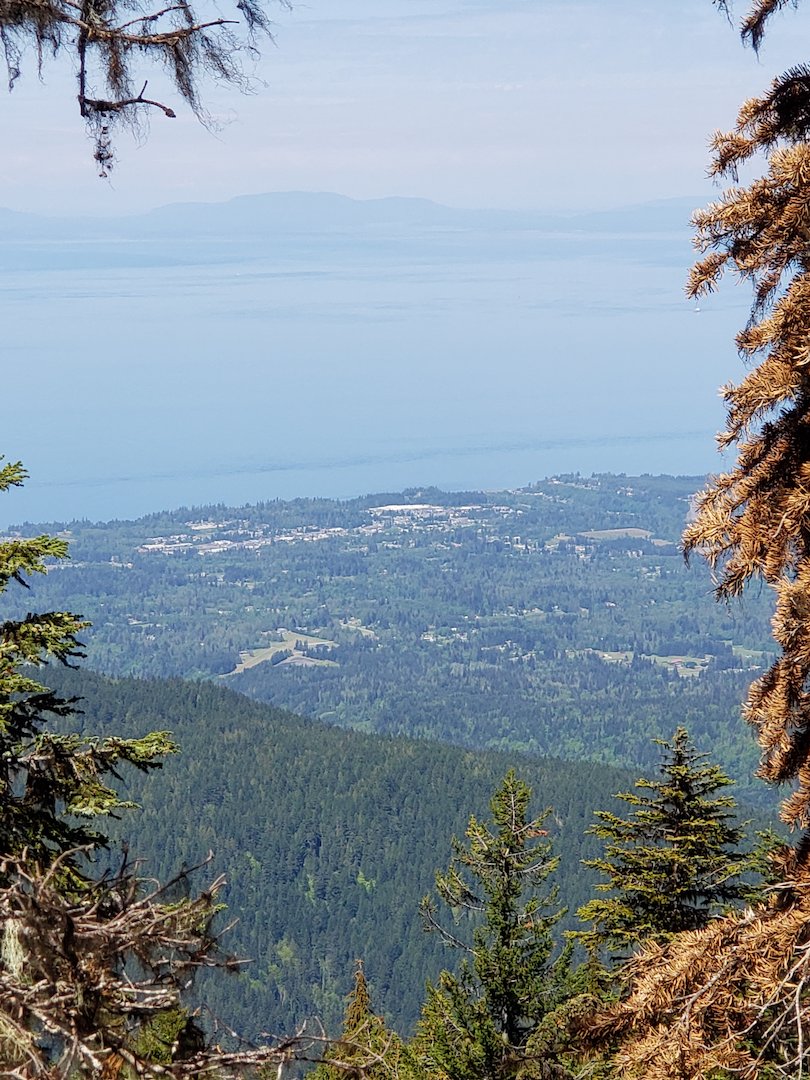
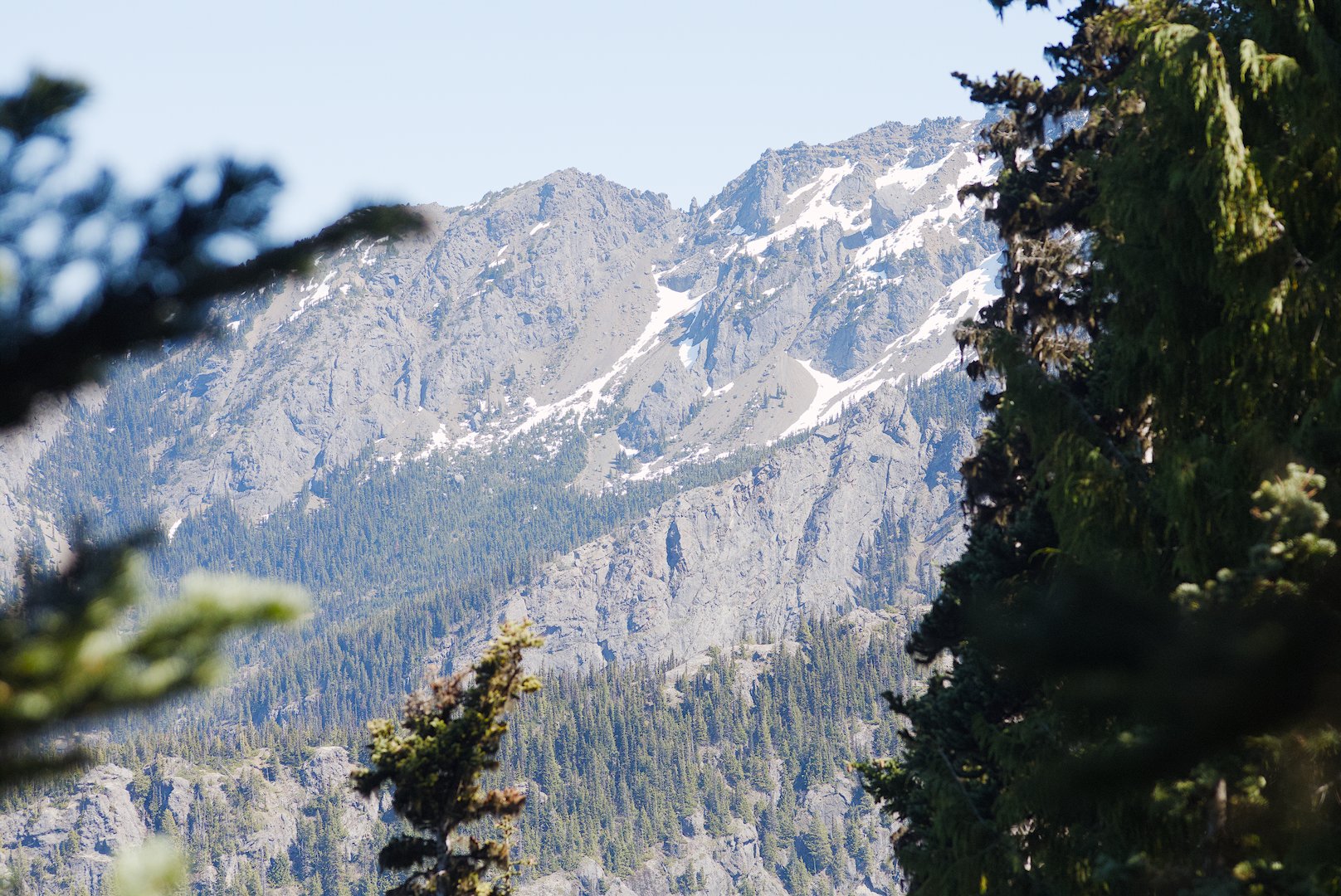
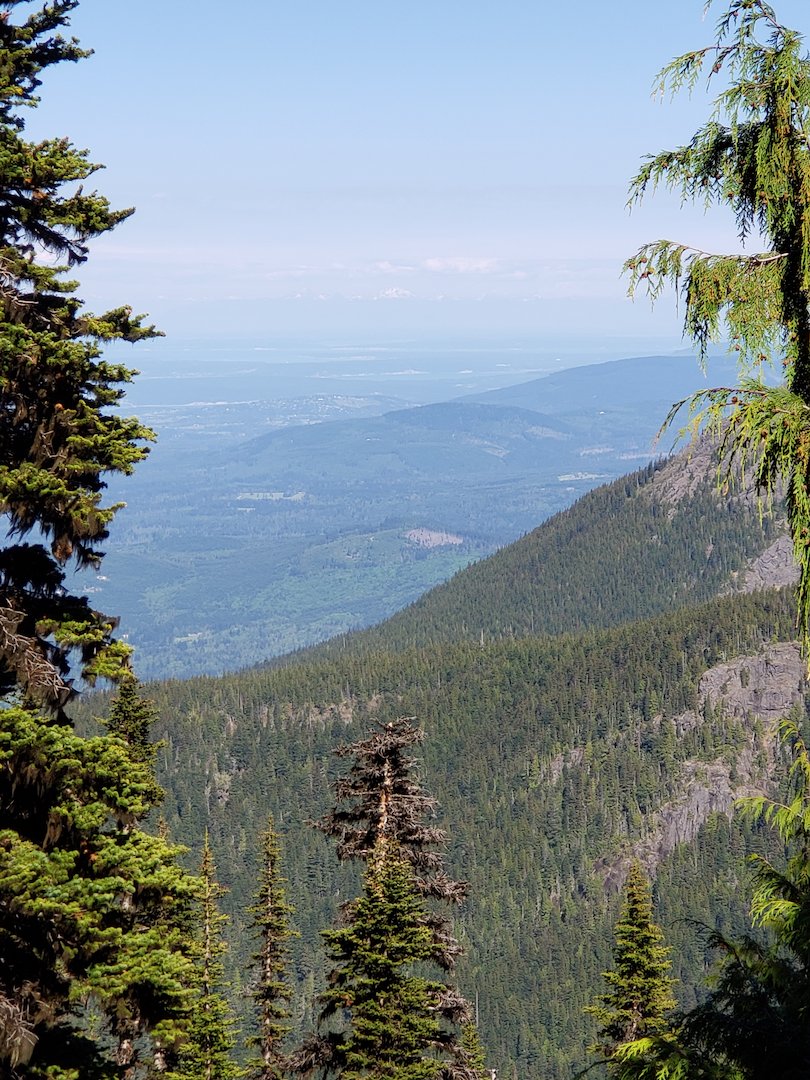
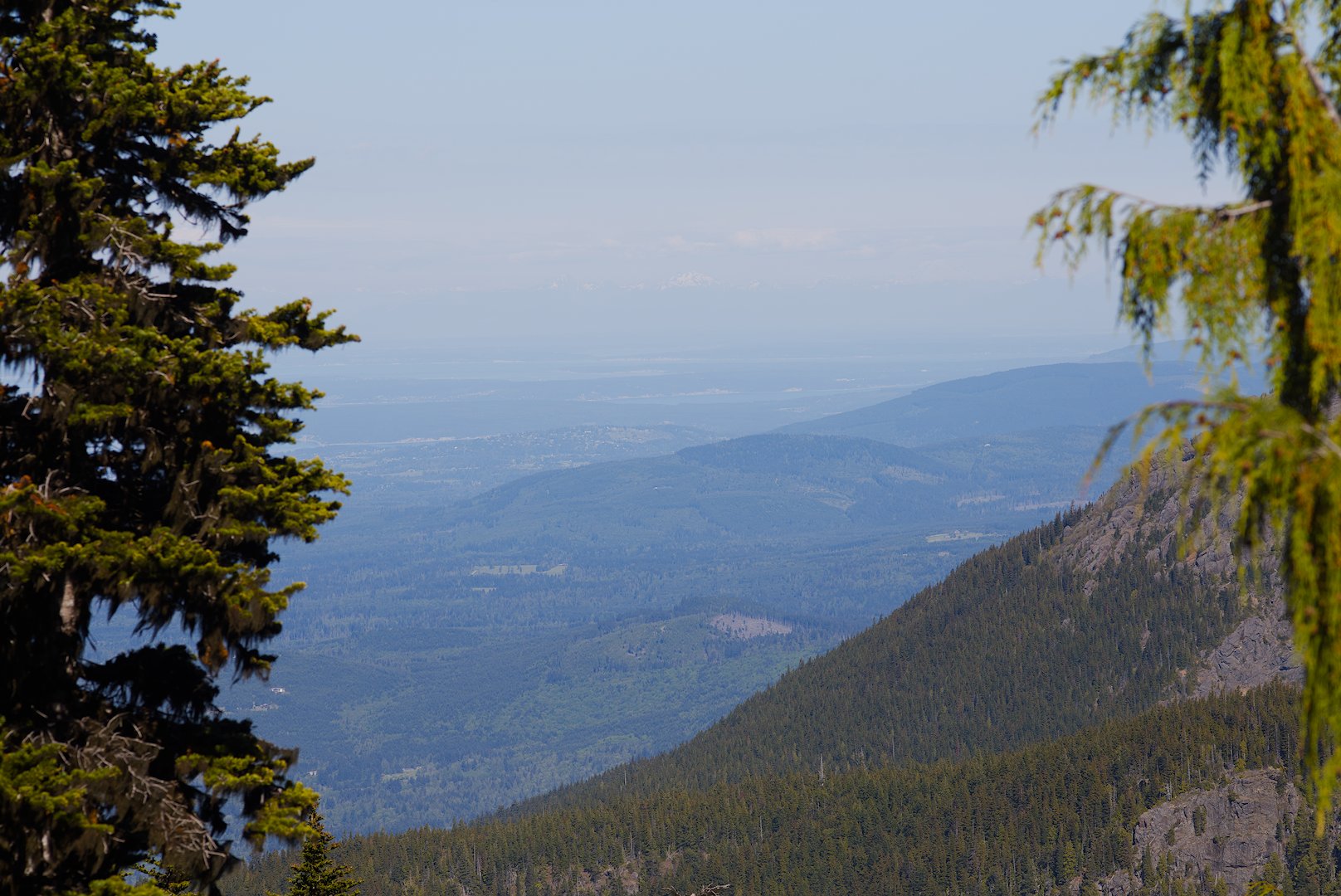
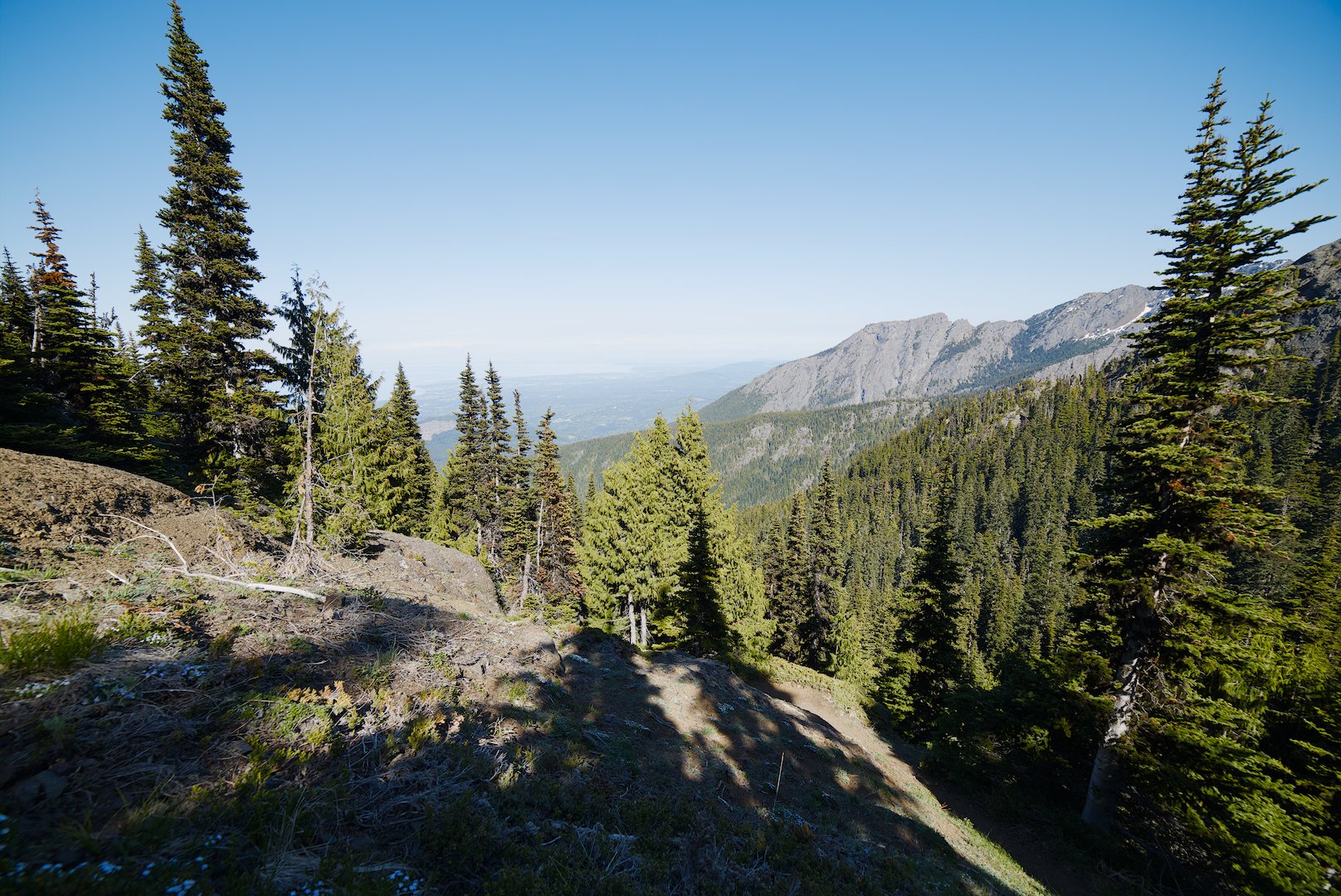
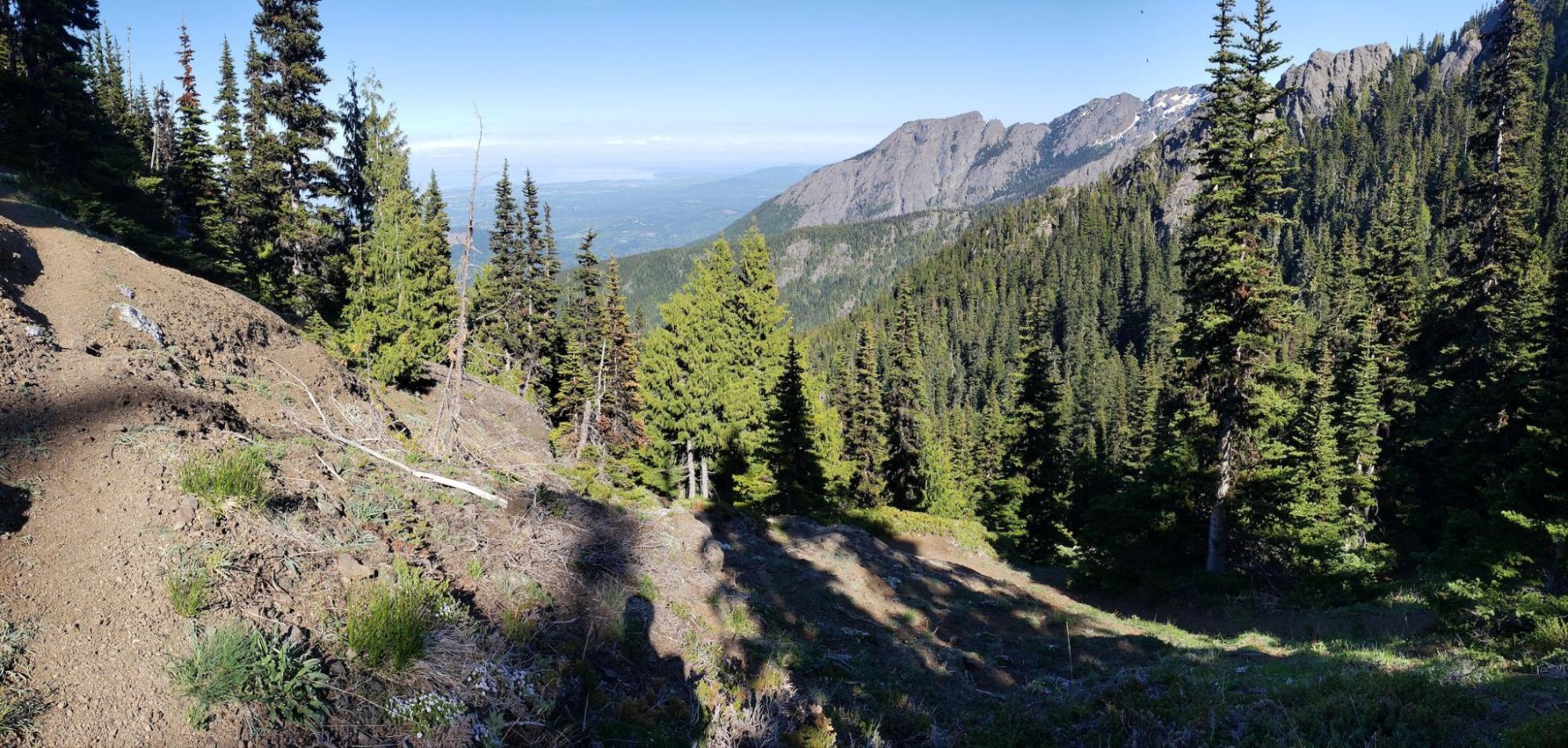
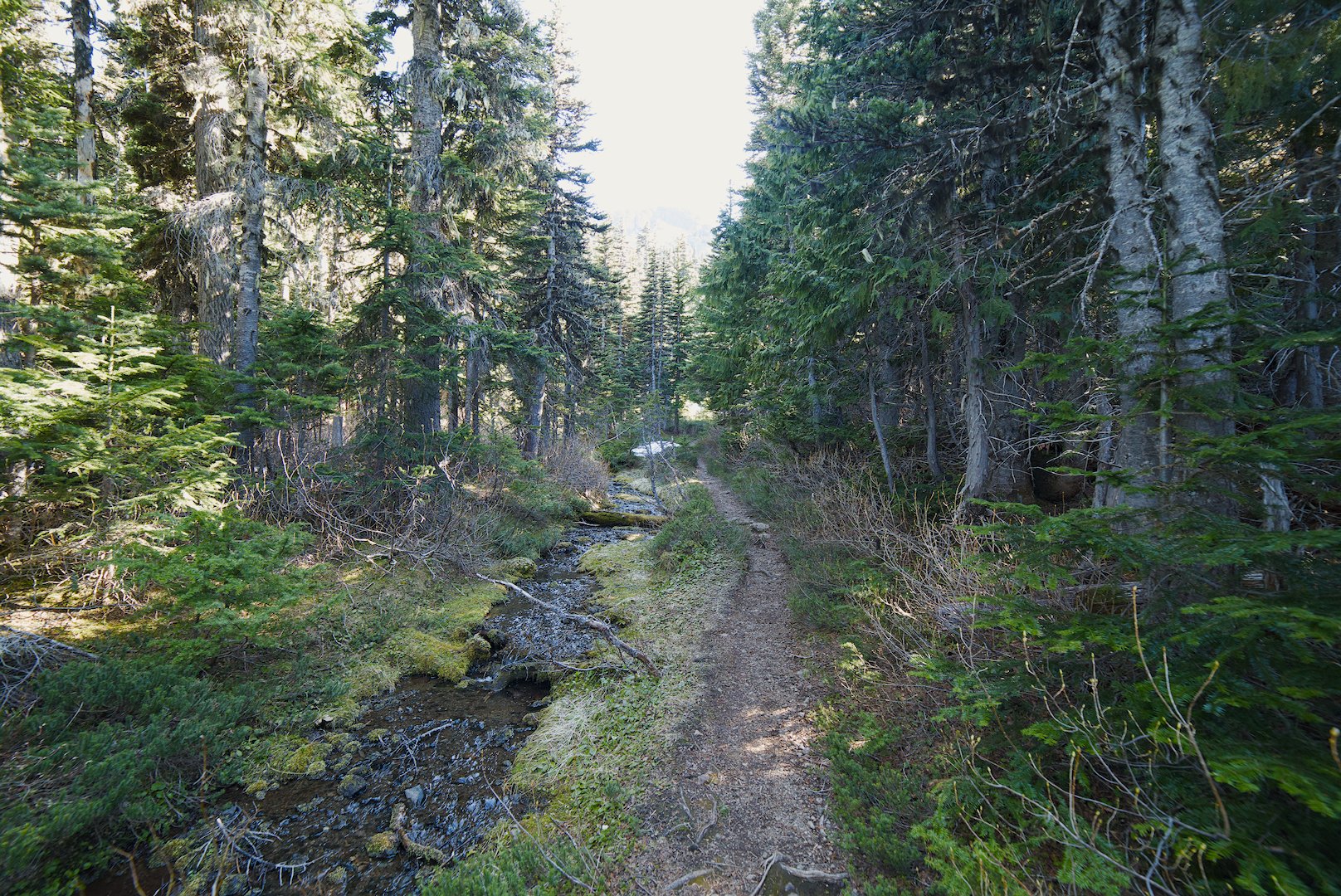
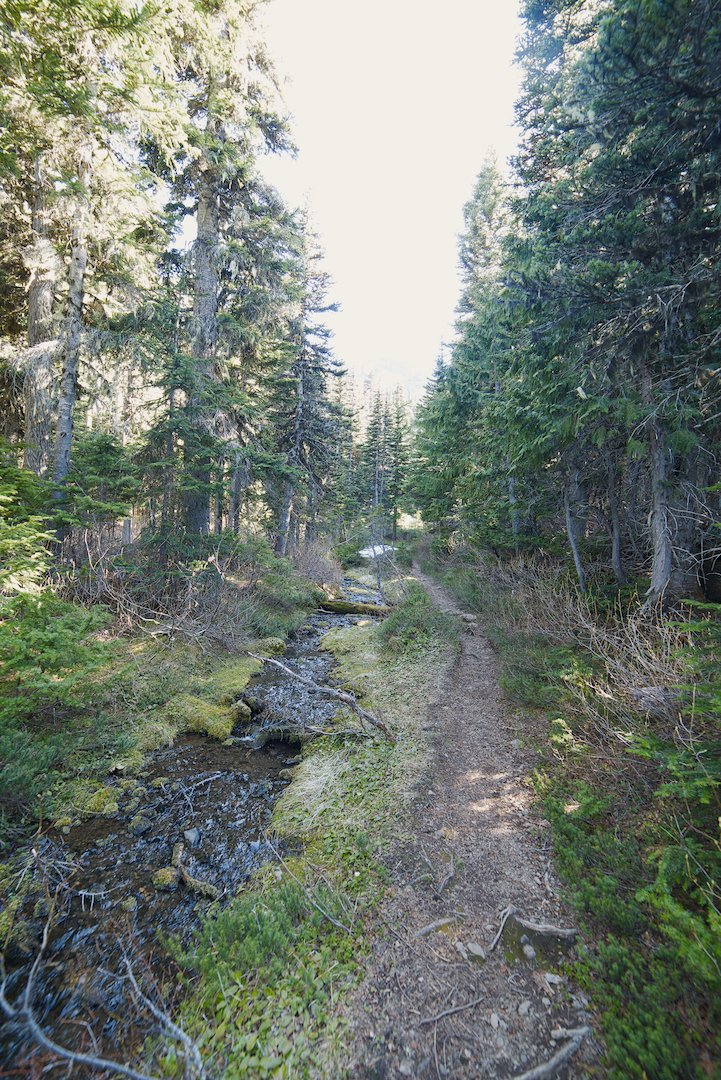
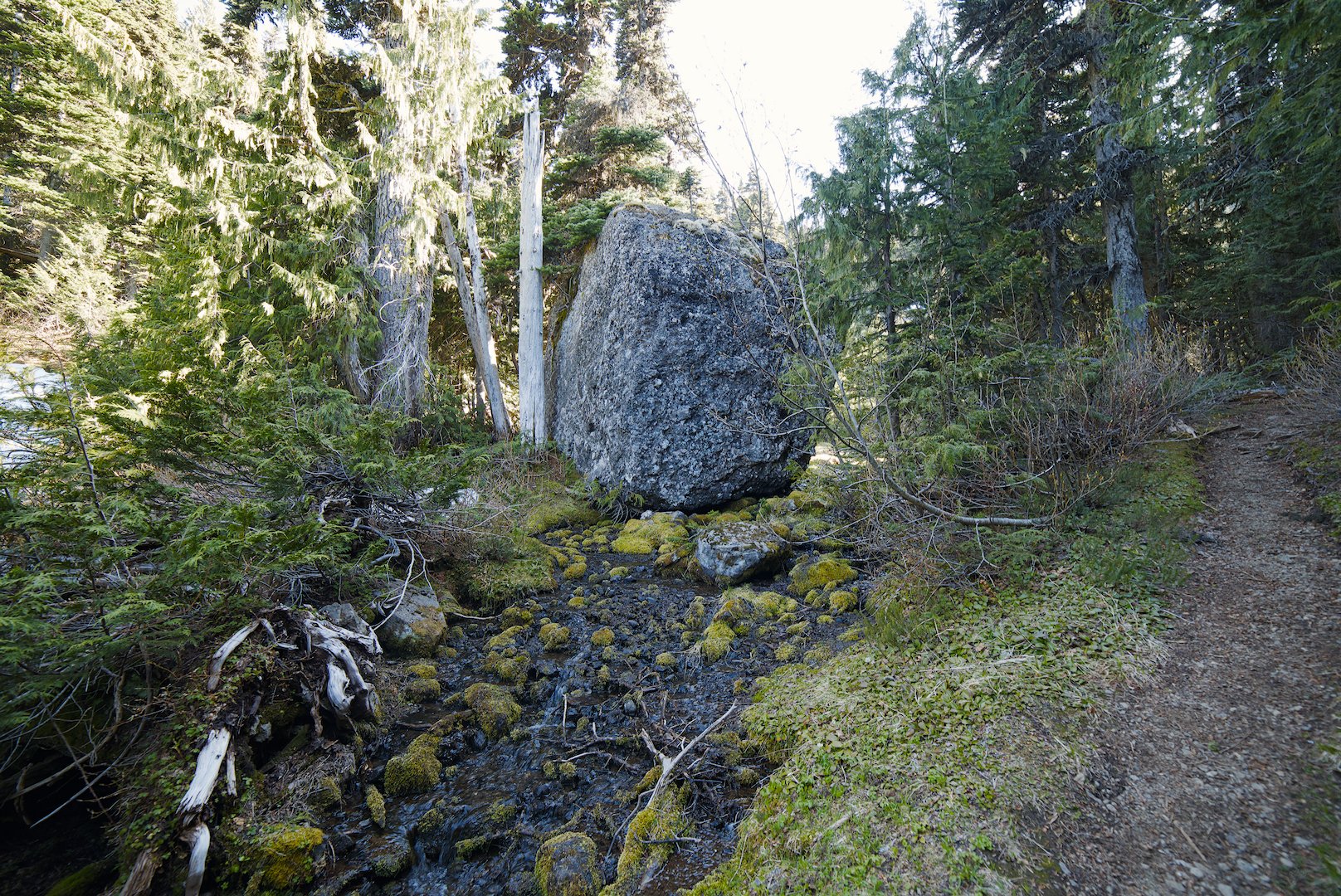
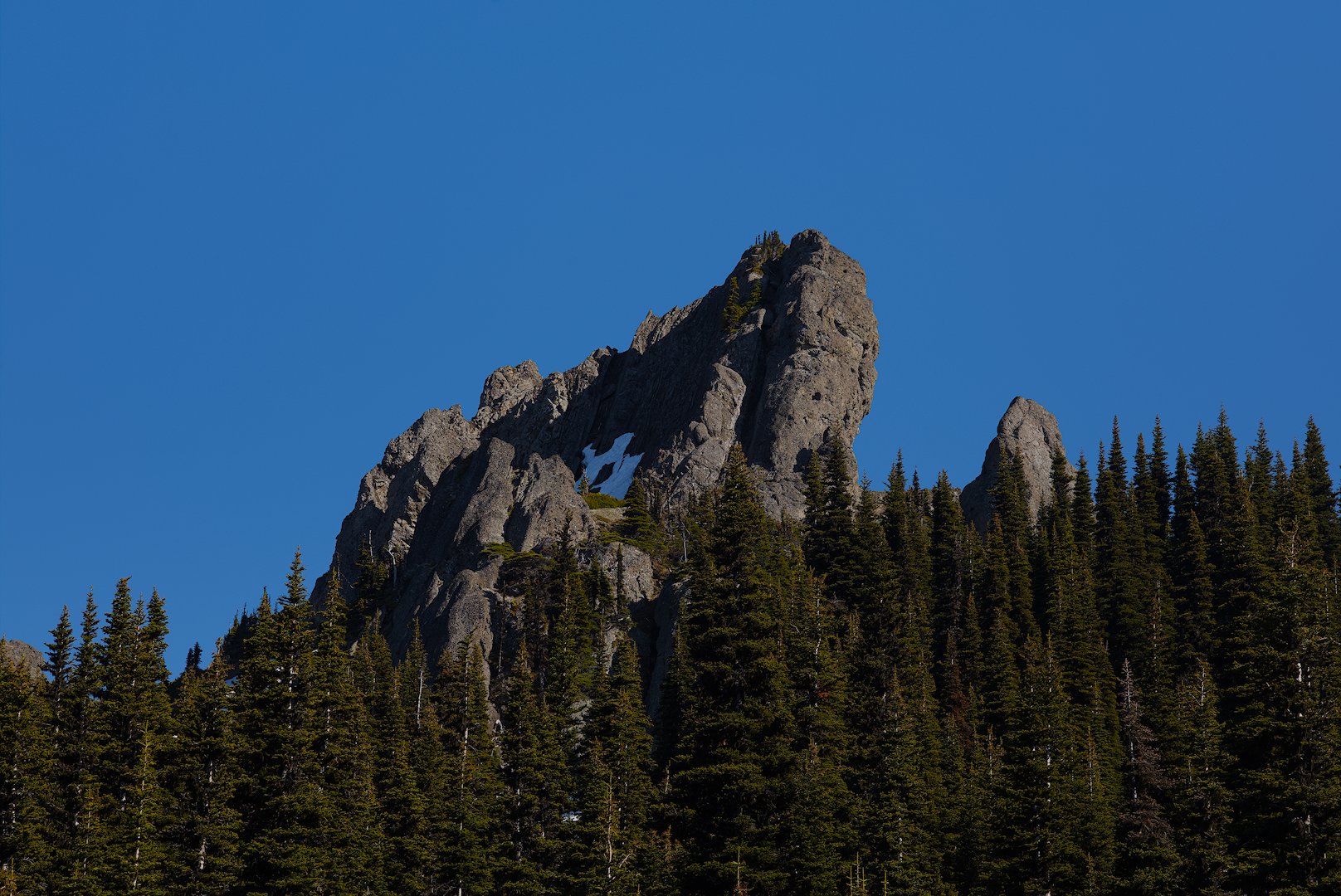
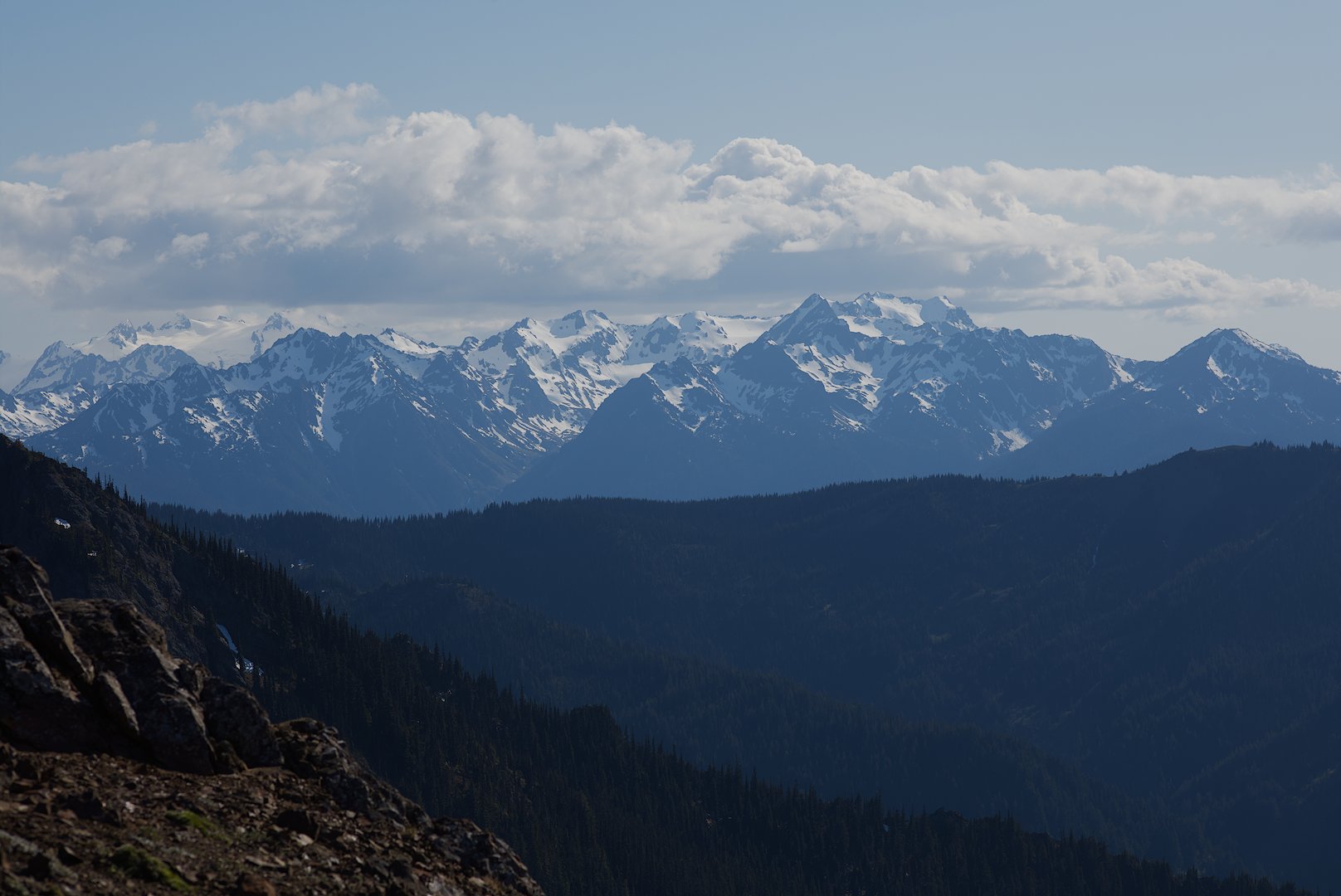
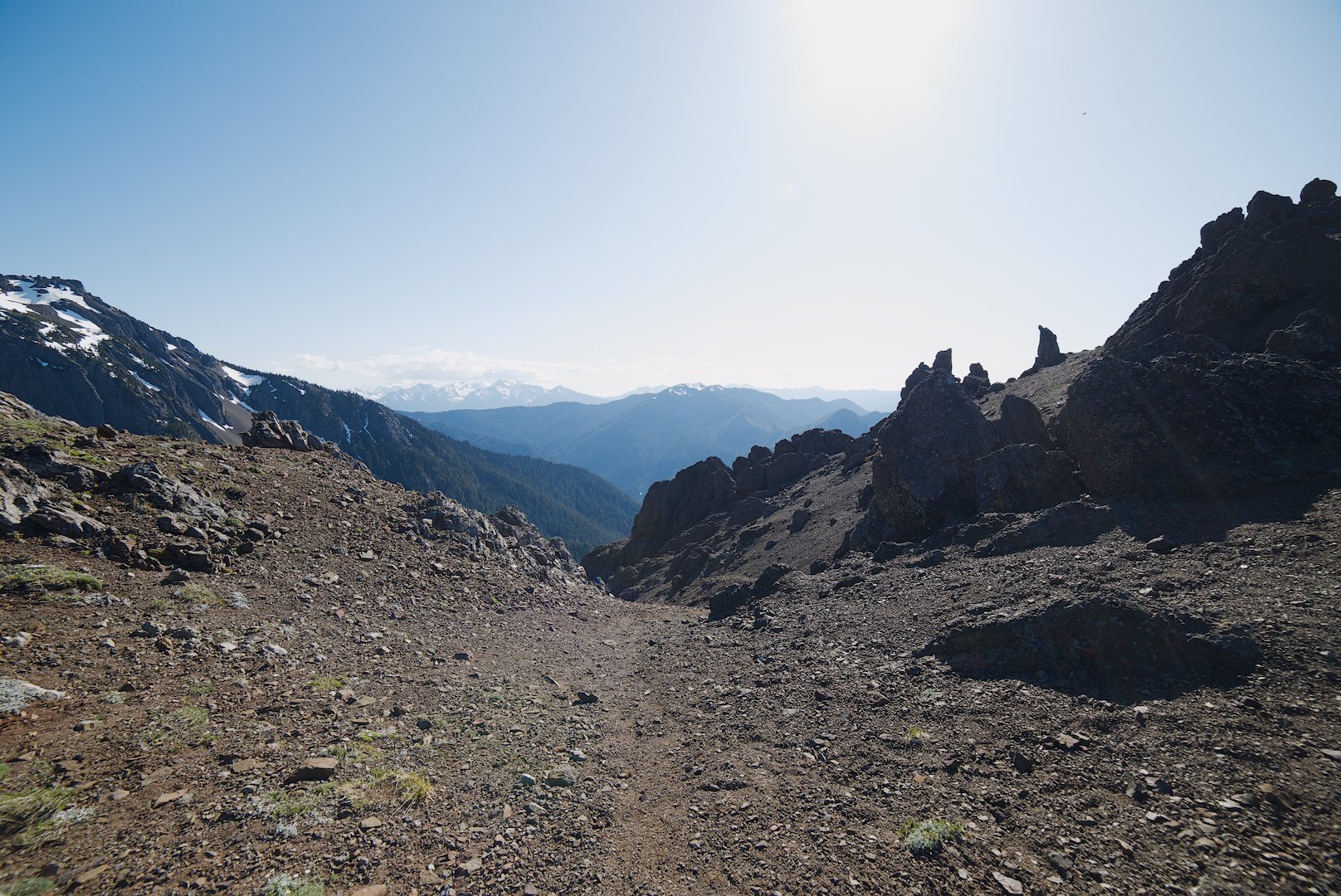
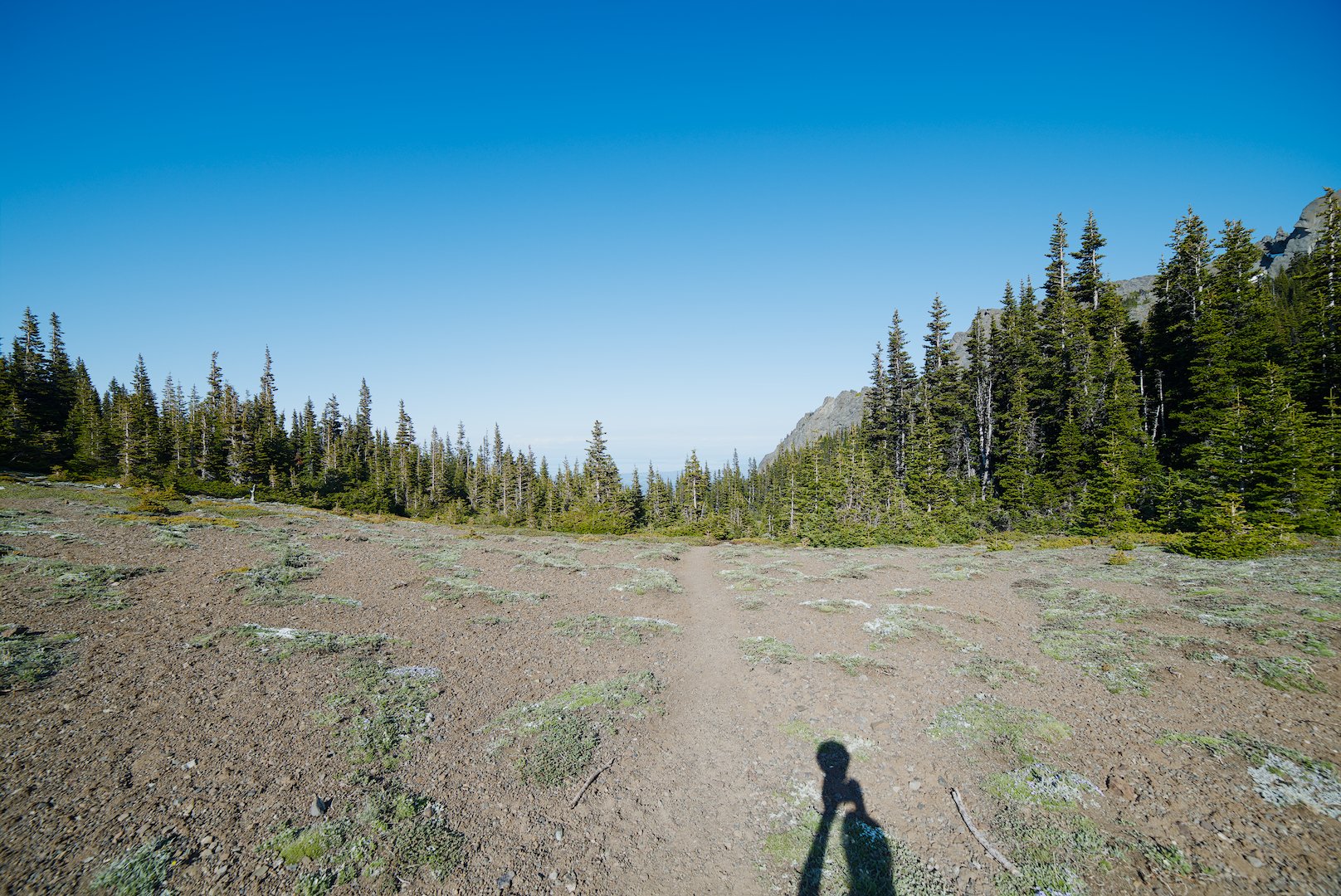
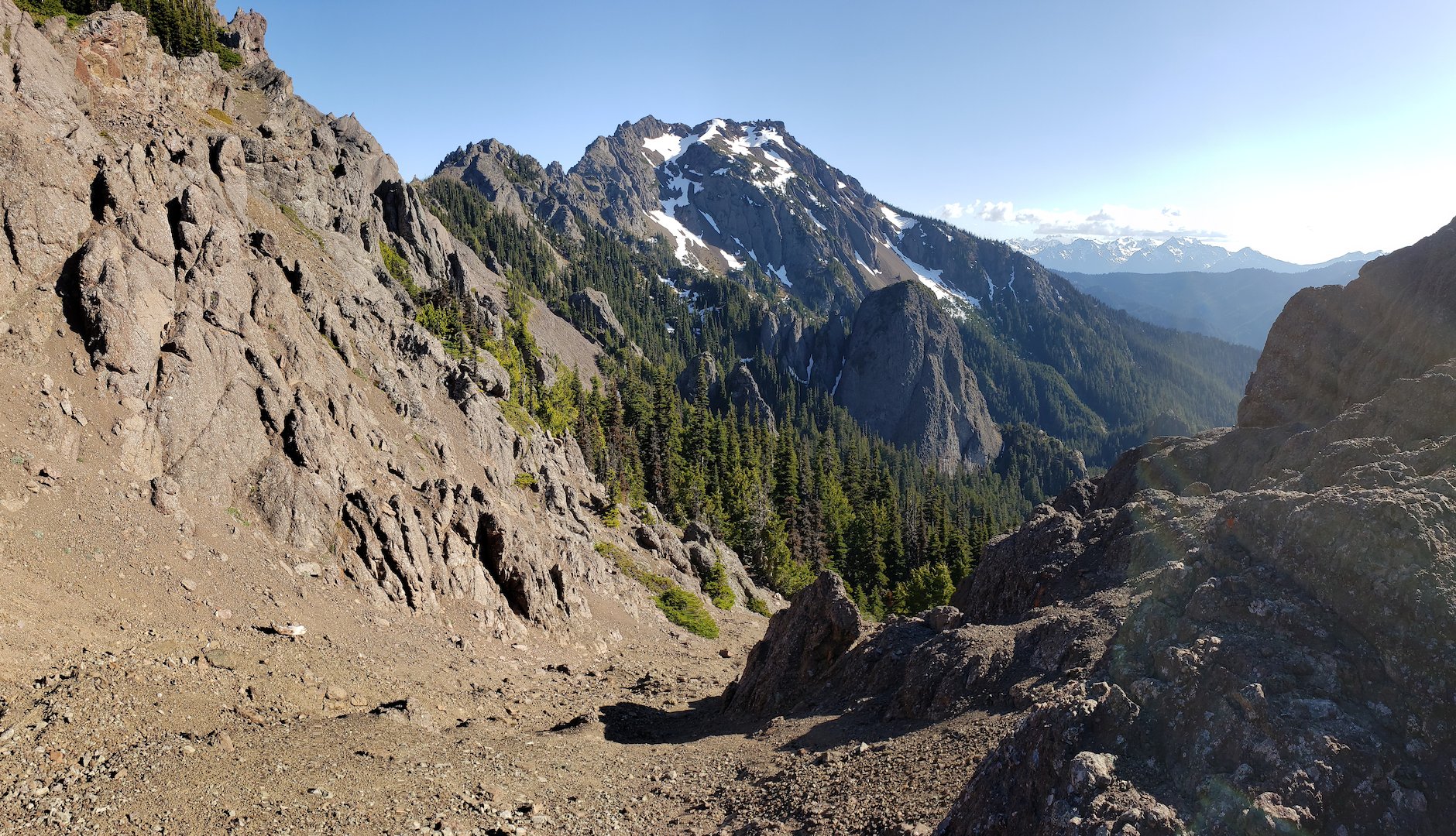
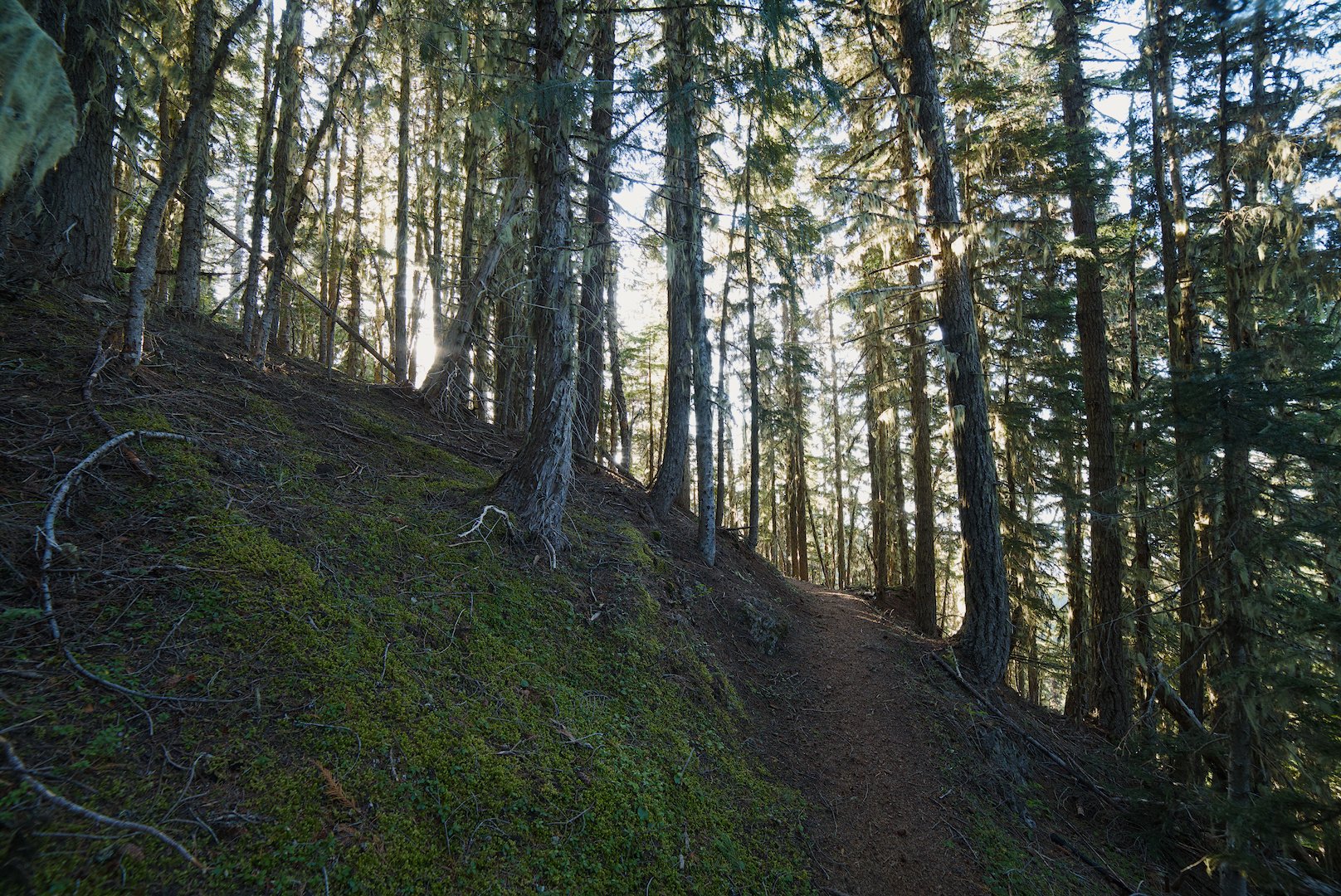
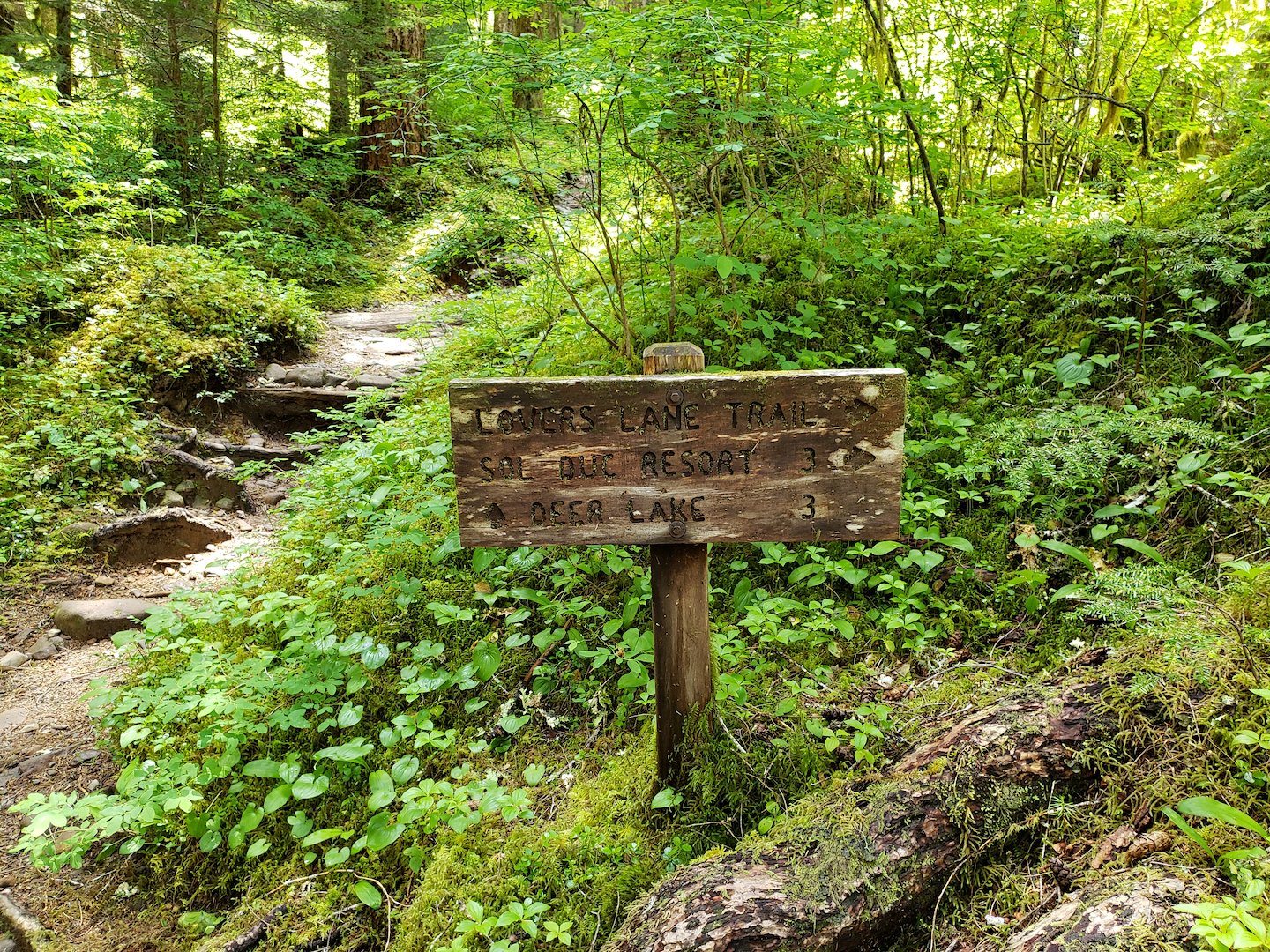
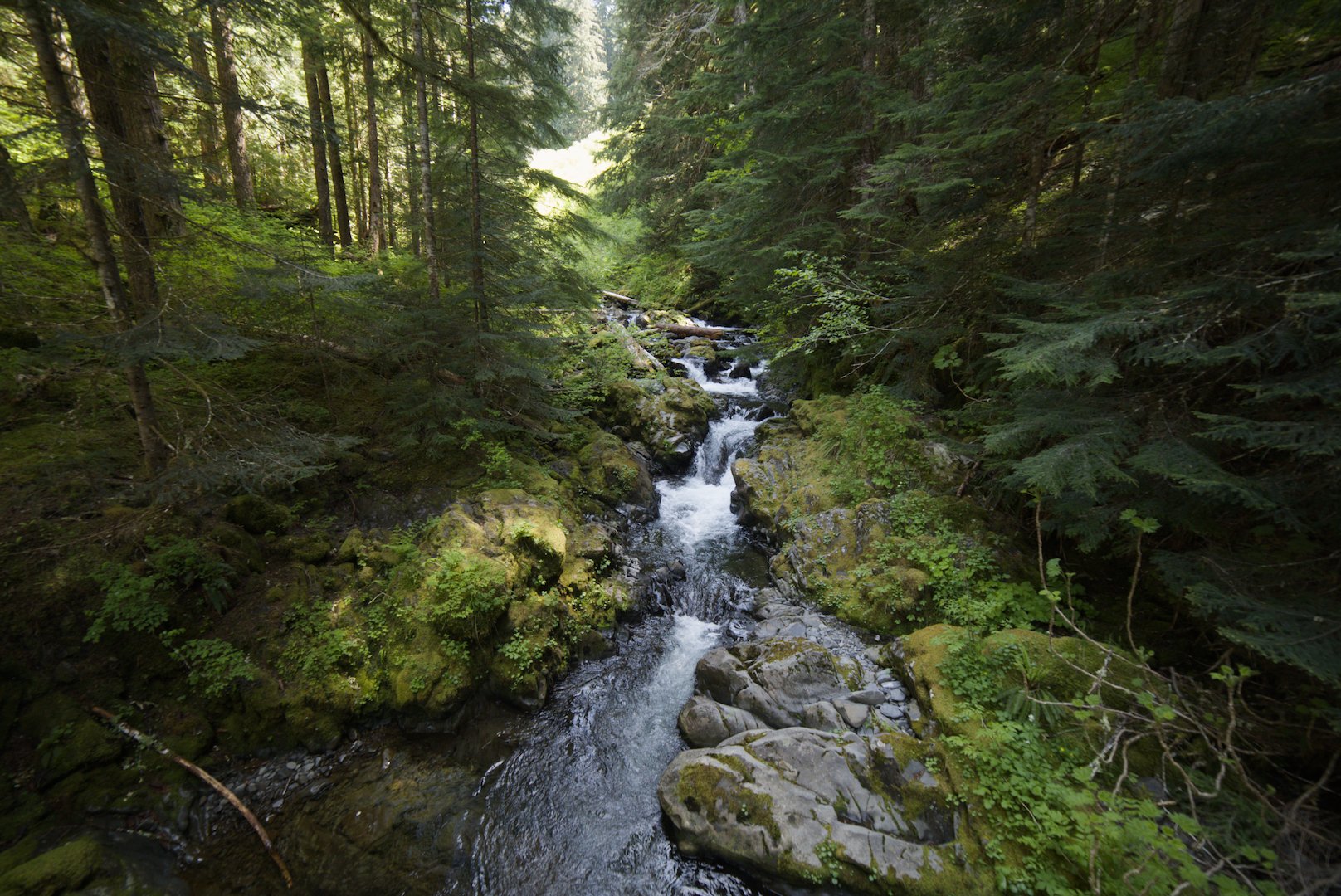
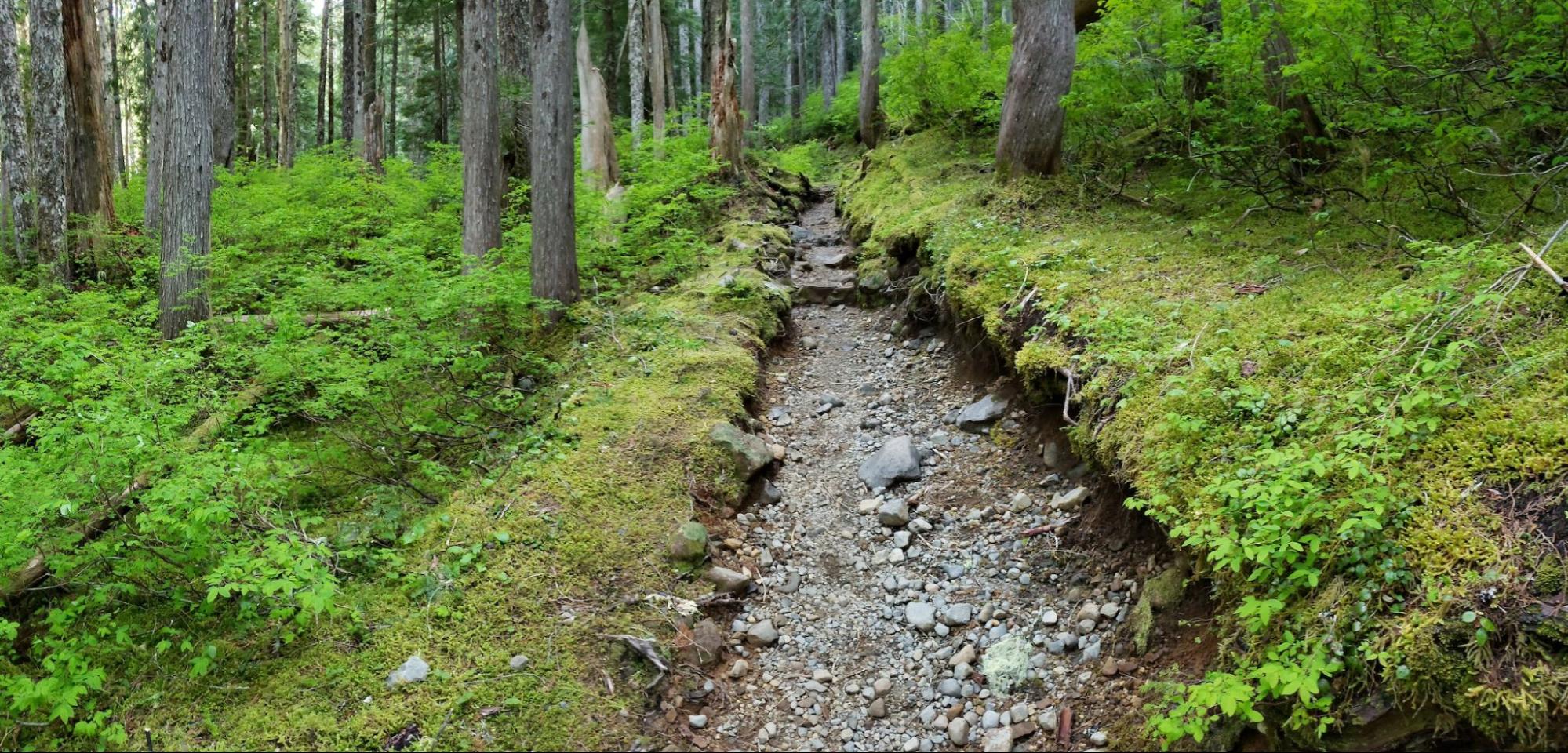
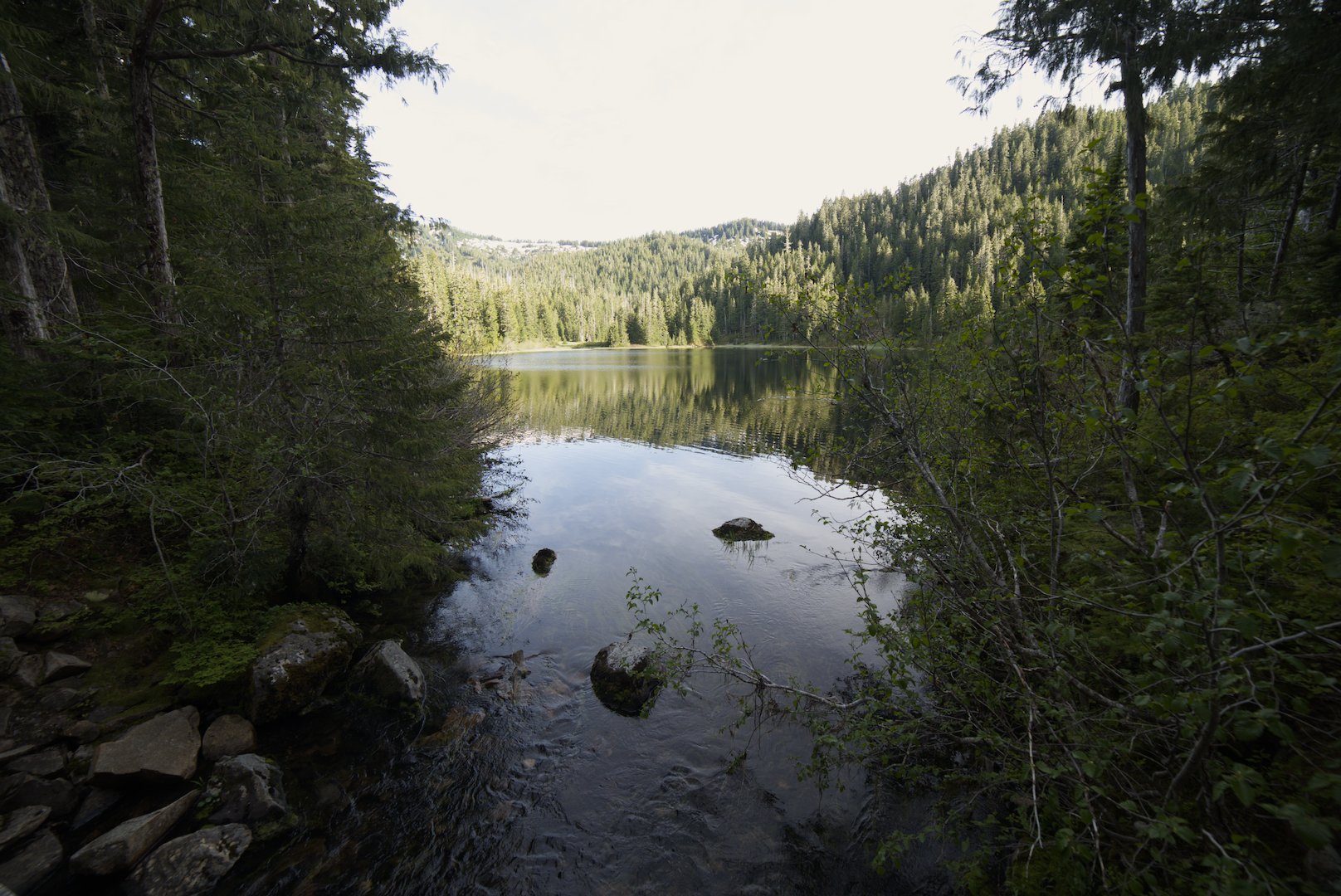
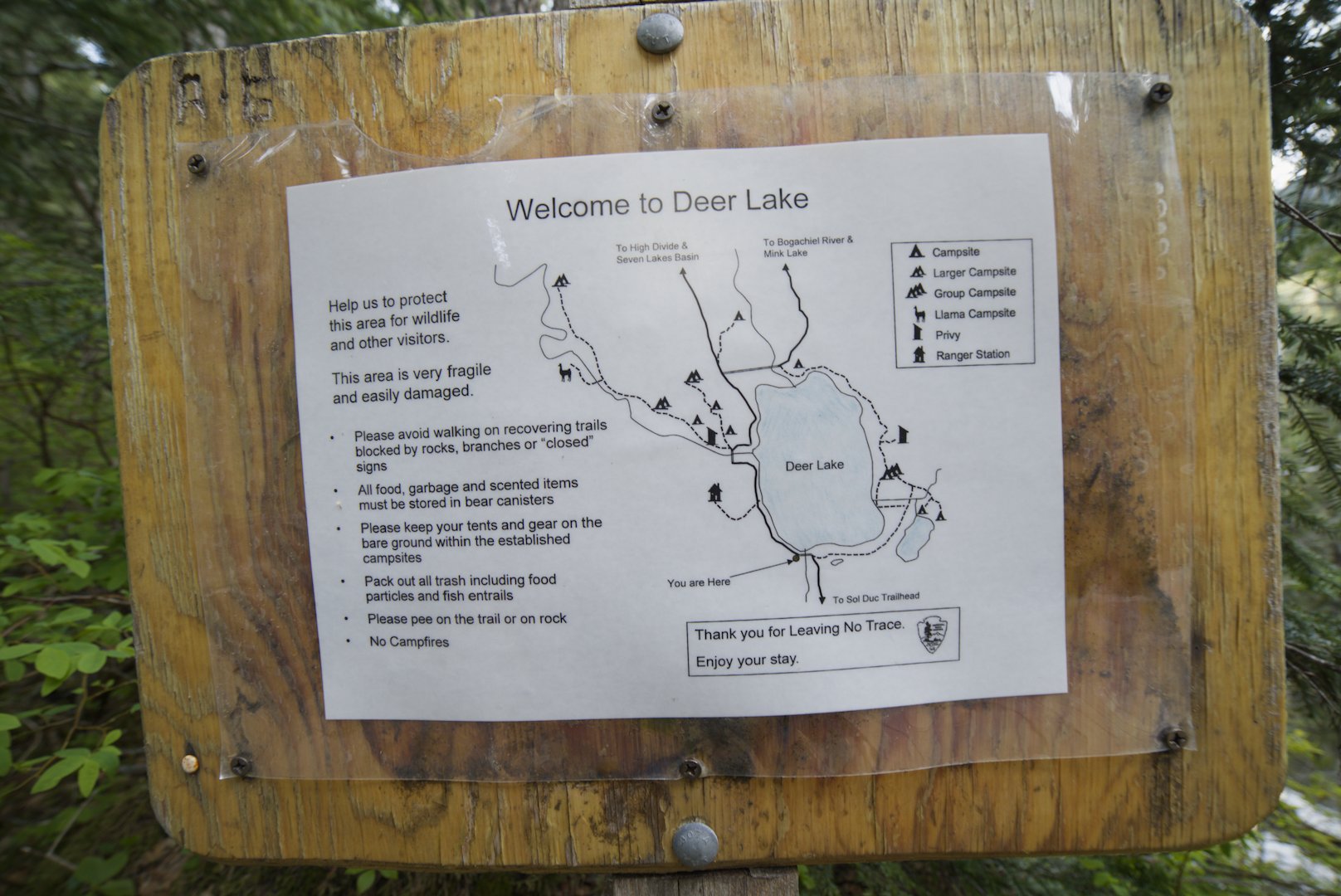
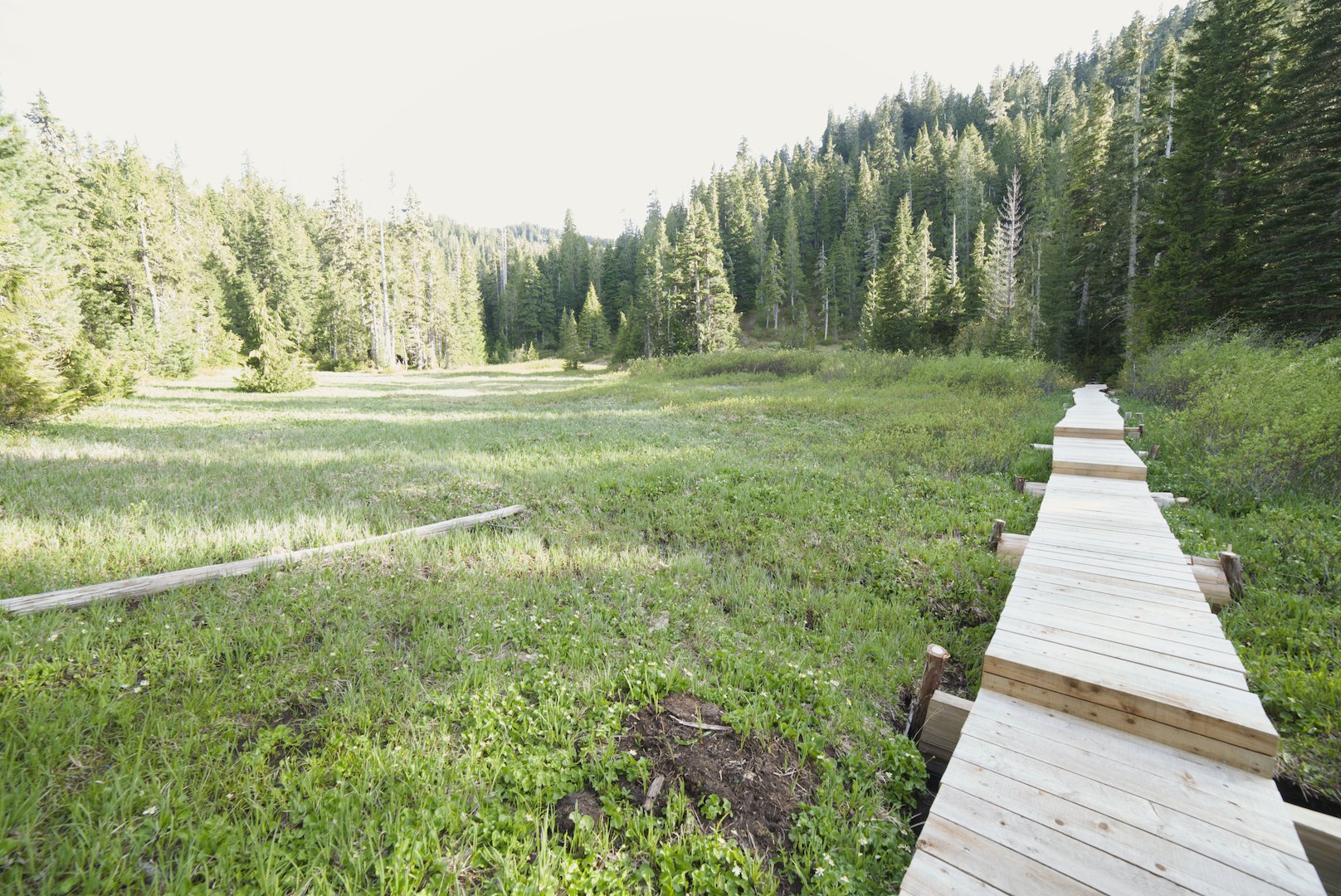
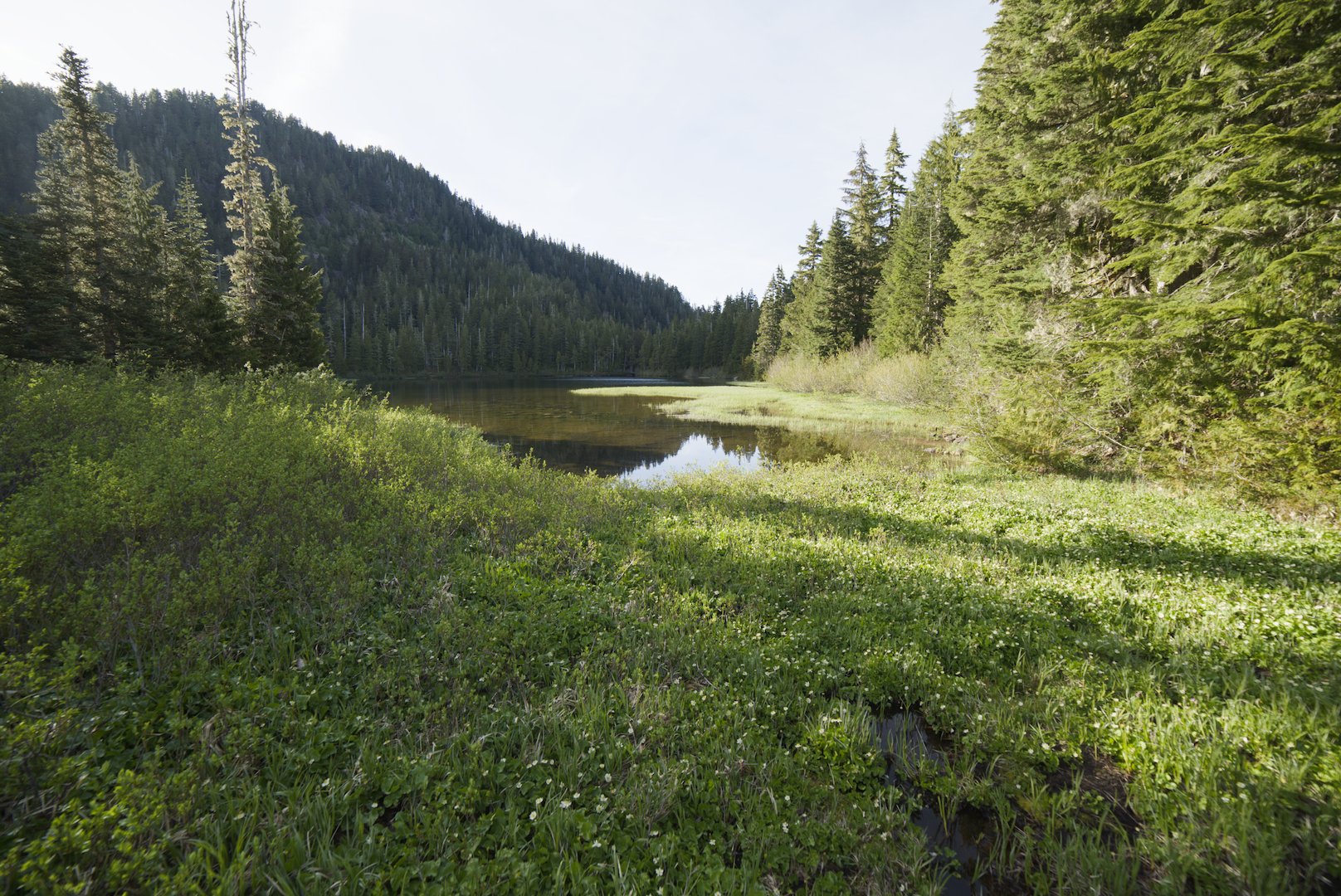
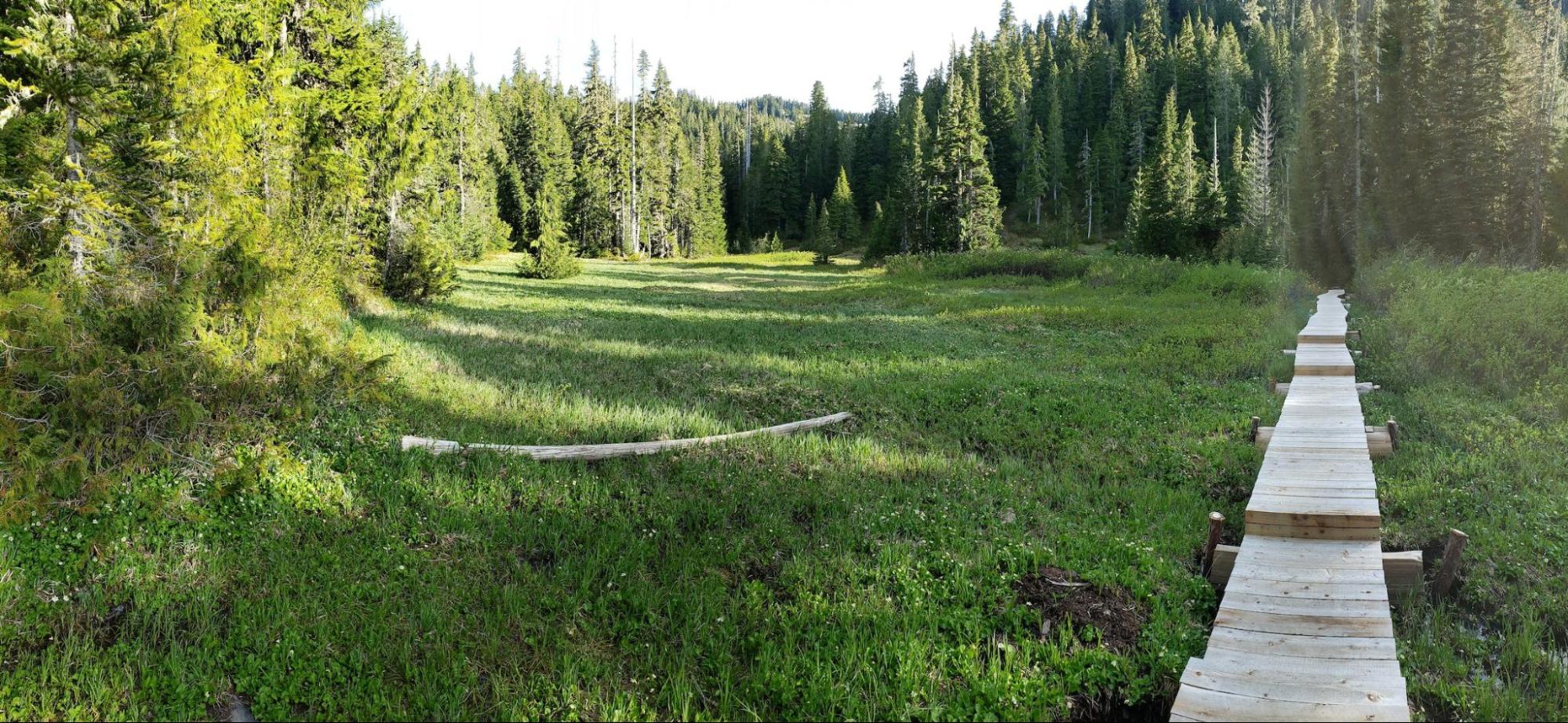
A gruelling hike but gorgeous. It took me 3 hours to do the first mile because of all the flowers, butterflies, bees, and other springtime life I was photographing. Also saw a bear. I am thrilled with seeing some of the views and habitat here, wish I could’ve been present. We will add plans for fall on this route.
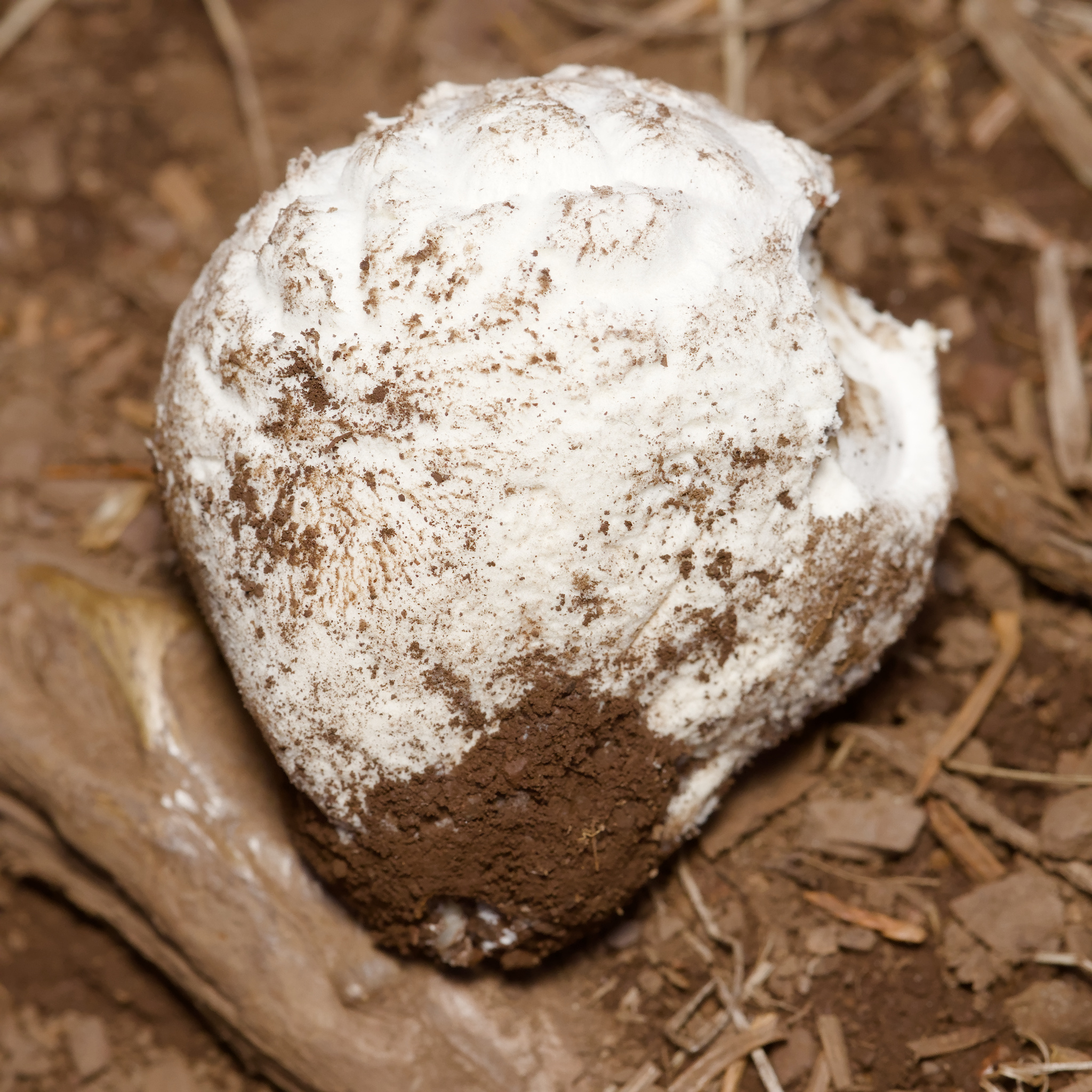
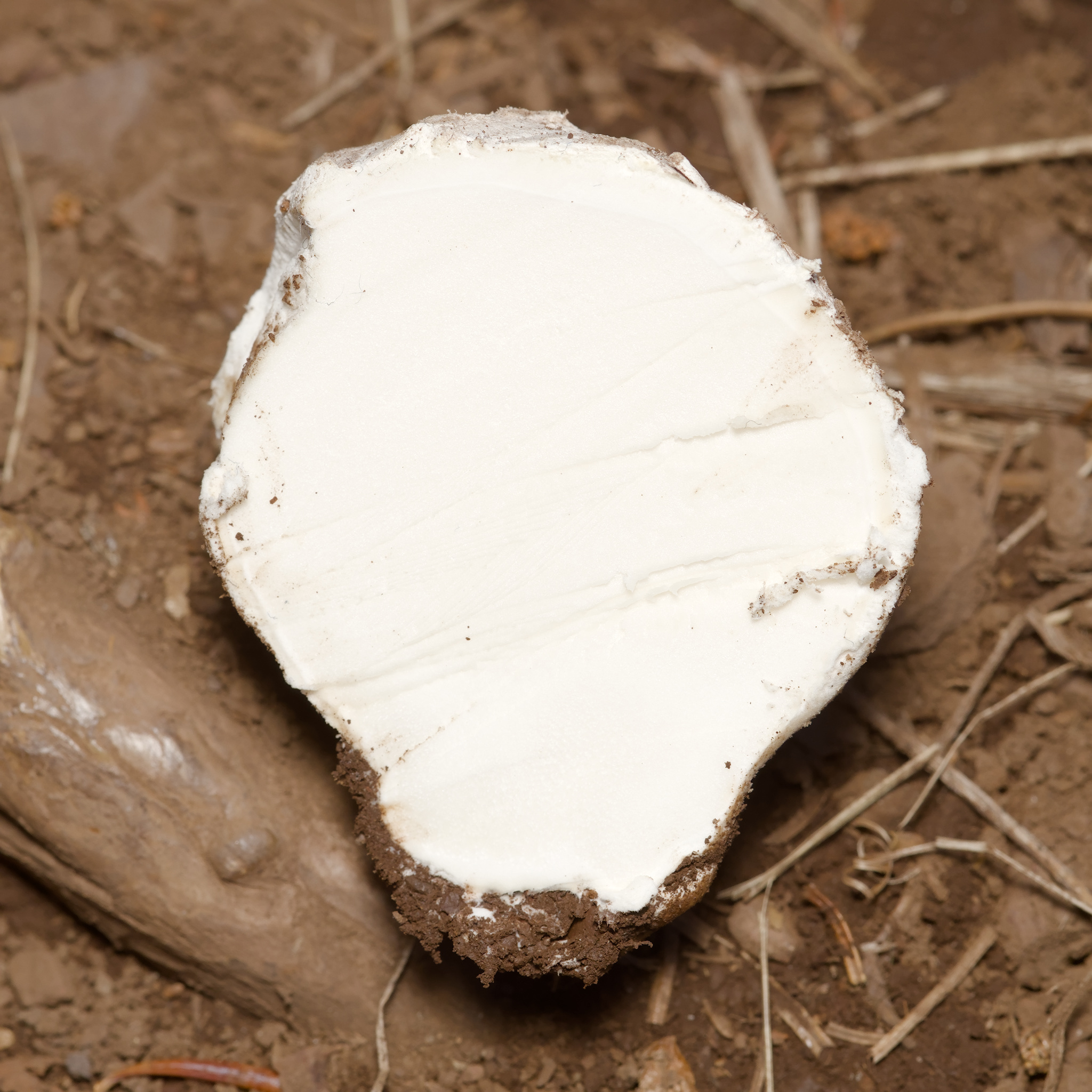
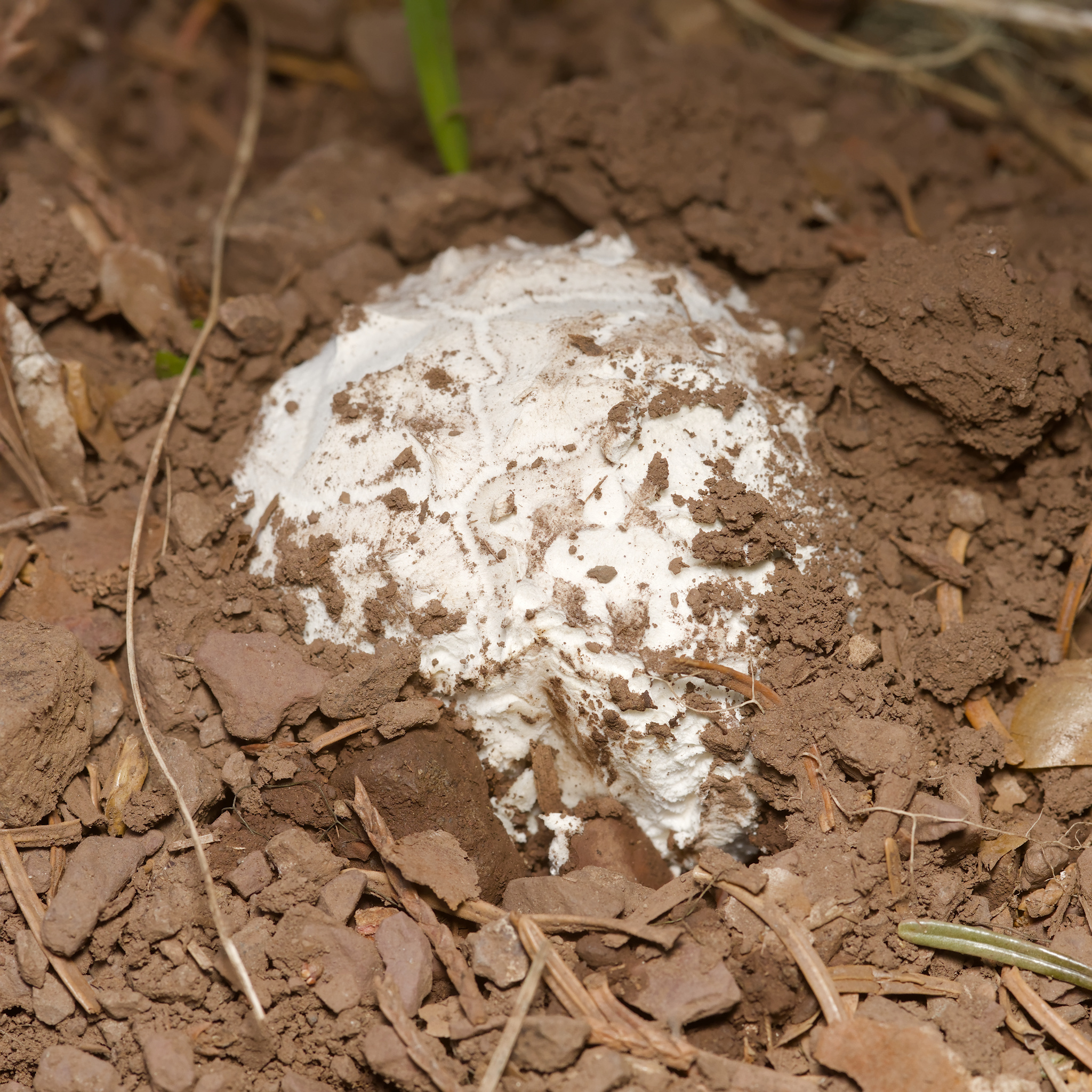
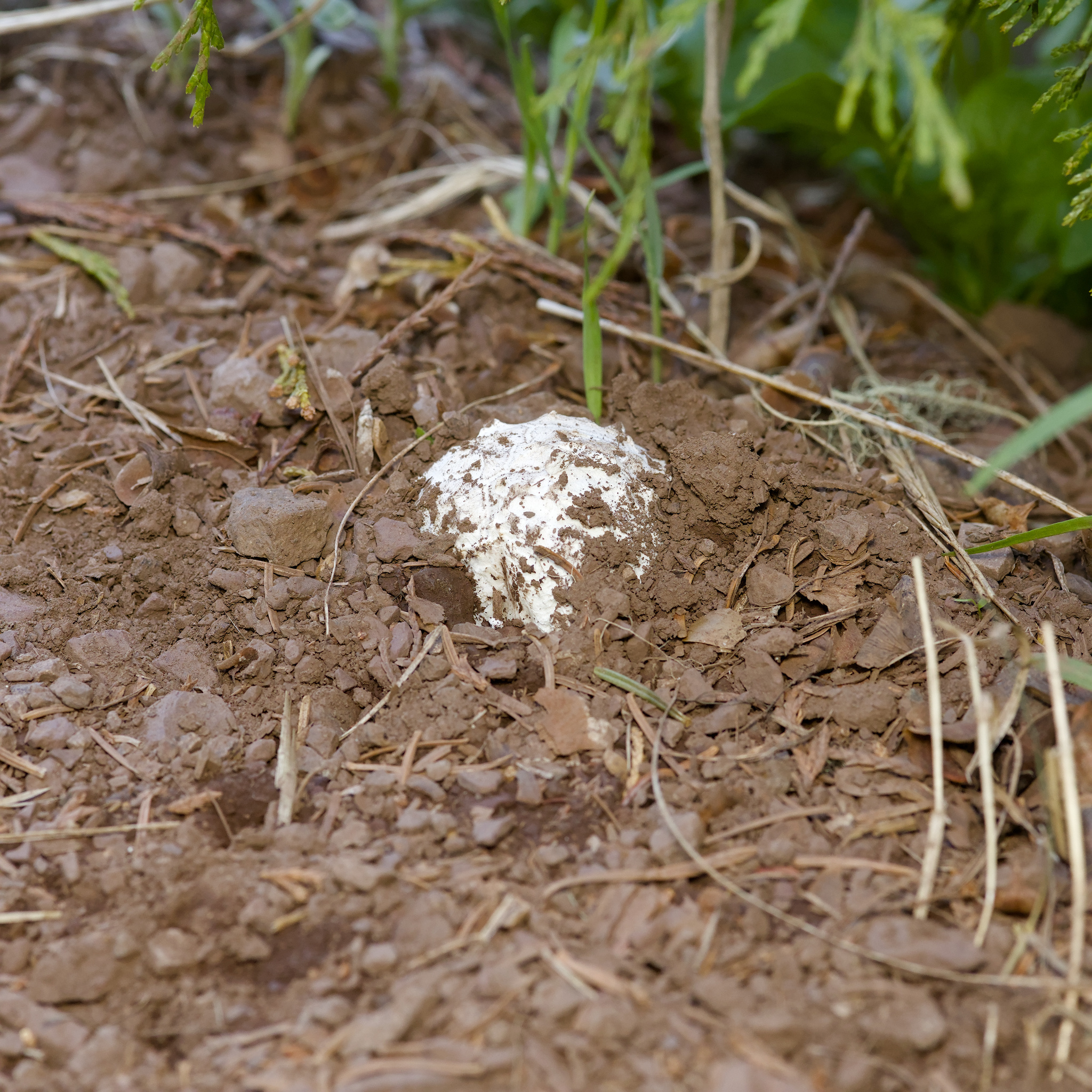
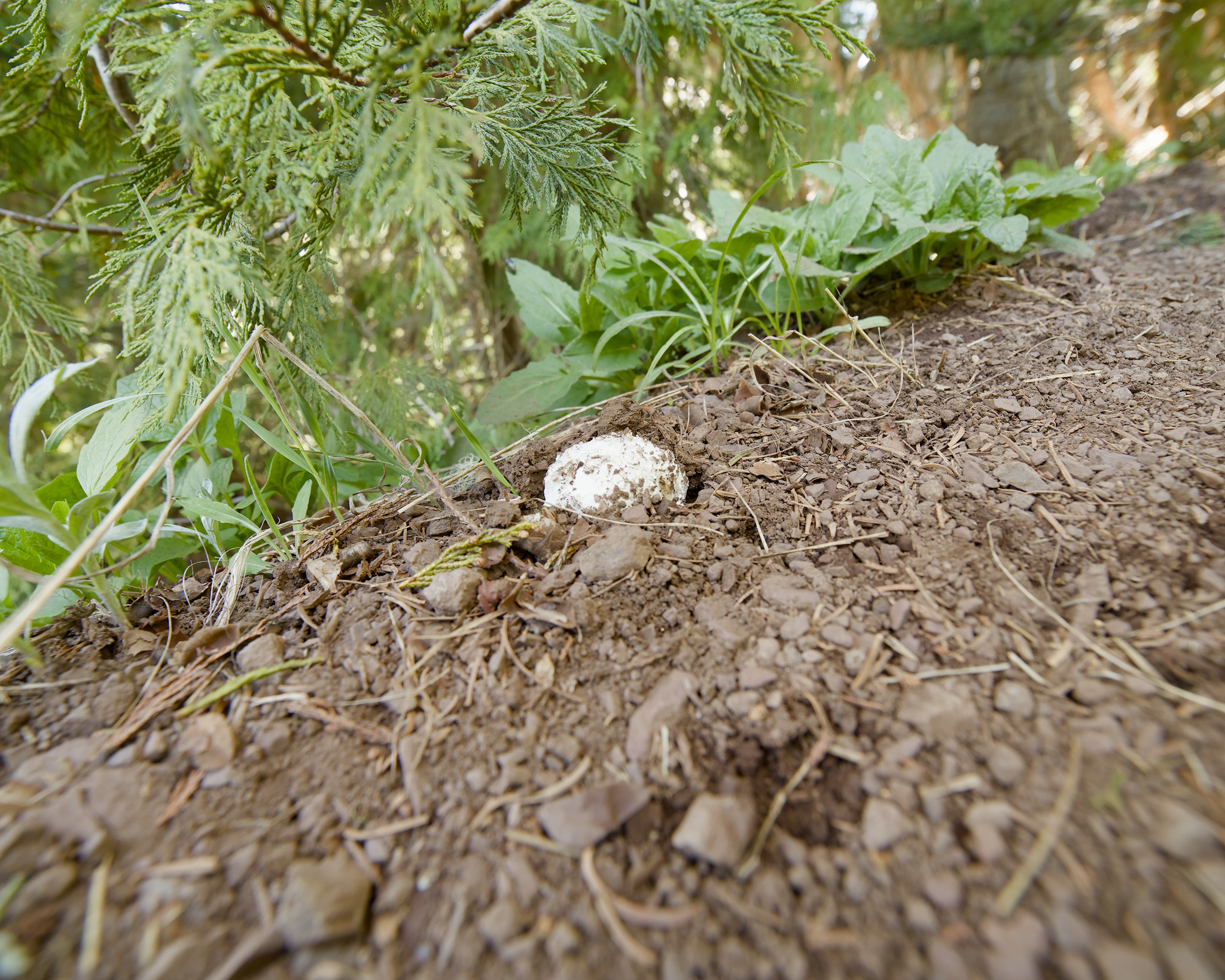
A montoypic genus in the Lycoperdaceae, this species is a slightly lesser known larger white puffball. Comparable to its relatives in Calvatia, being our West coast member of the family that is shaped like this. It is smaller and obviously has the ornamentation suggested in the name, but is equally edible and more similar to that genus in overall morphology than species in Lycoperdon, although all remain as white fleshed puffballs.
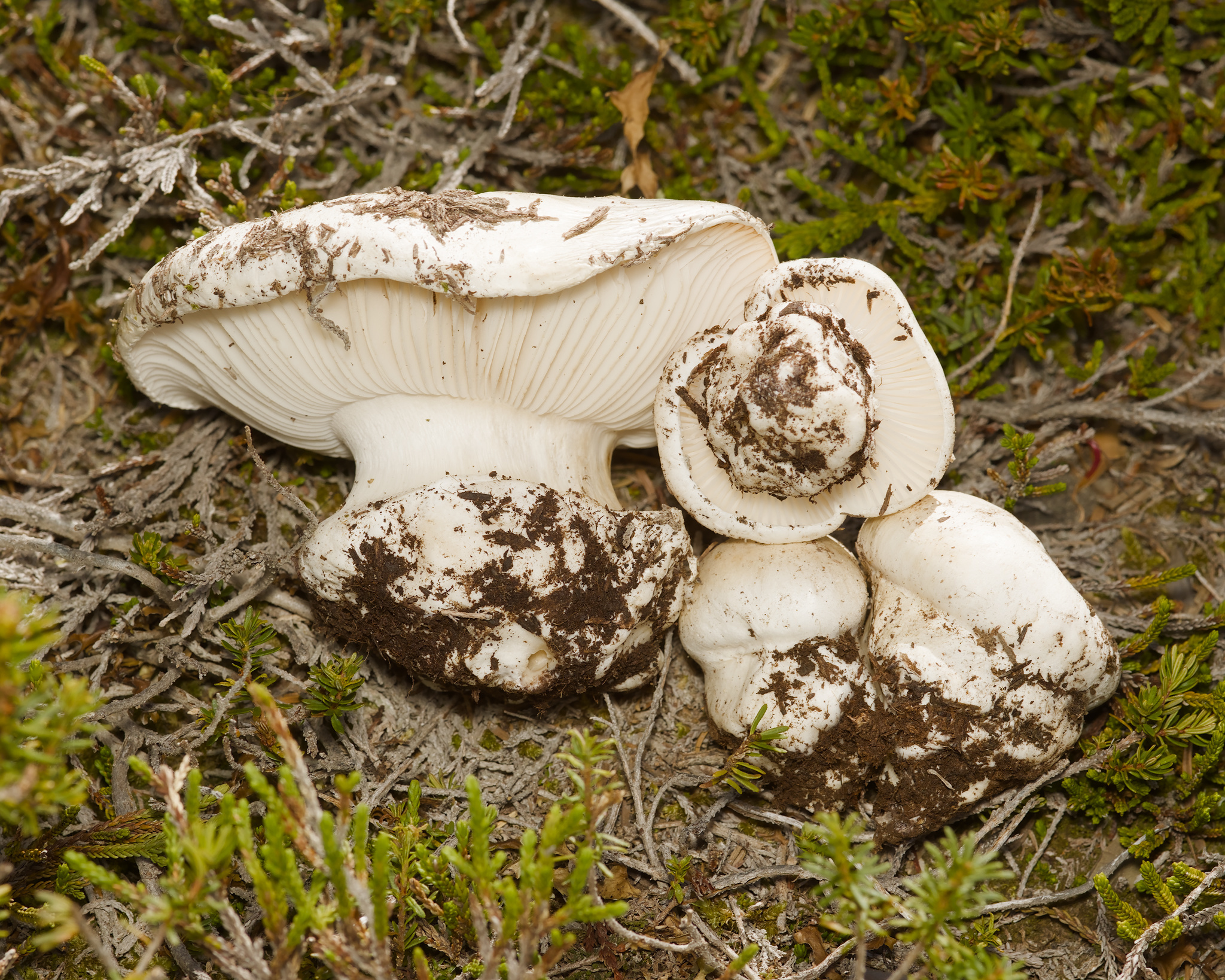
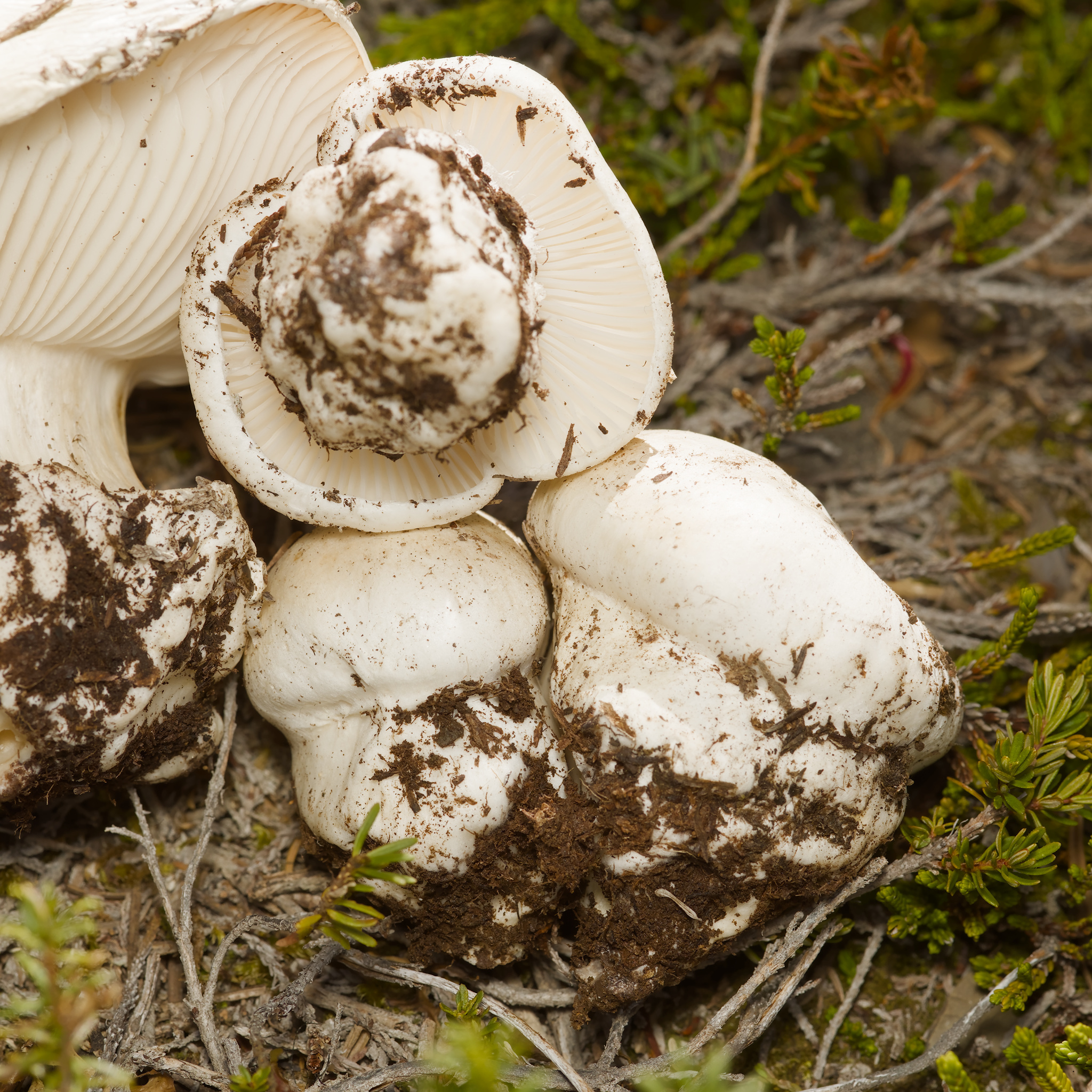
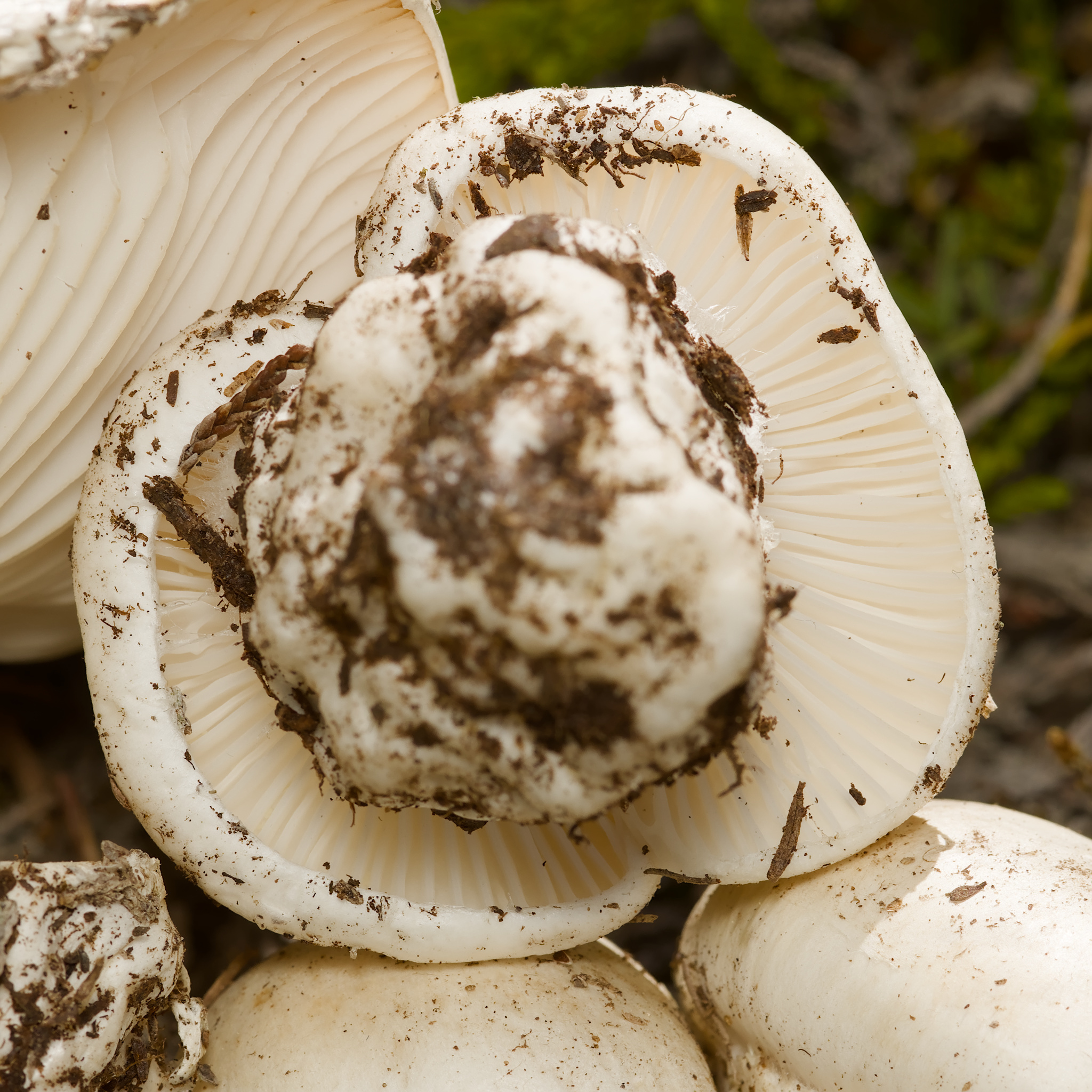
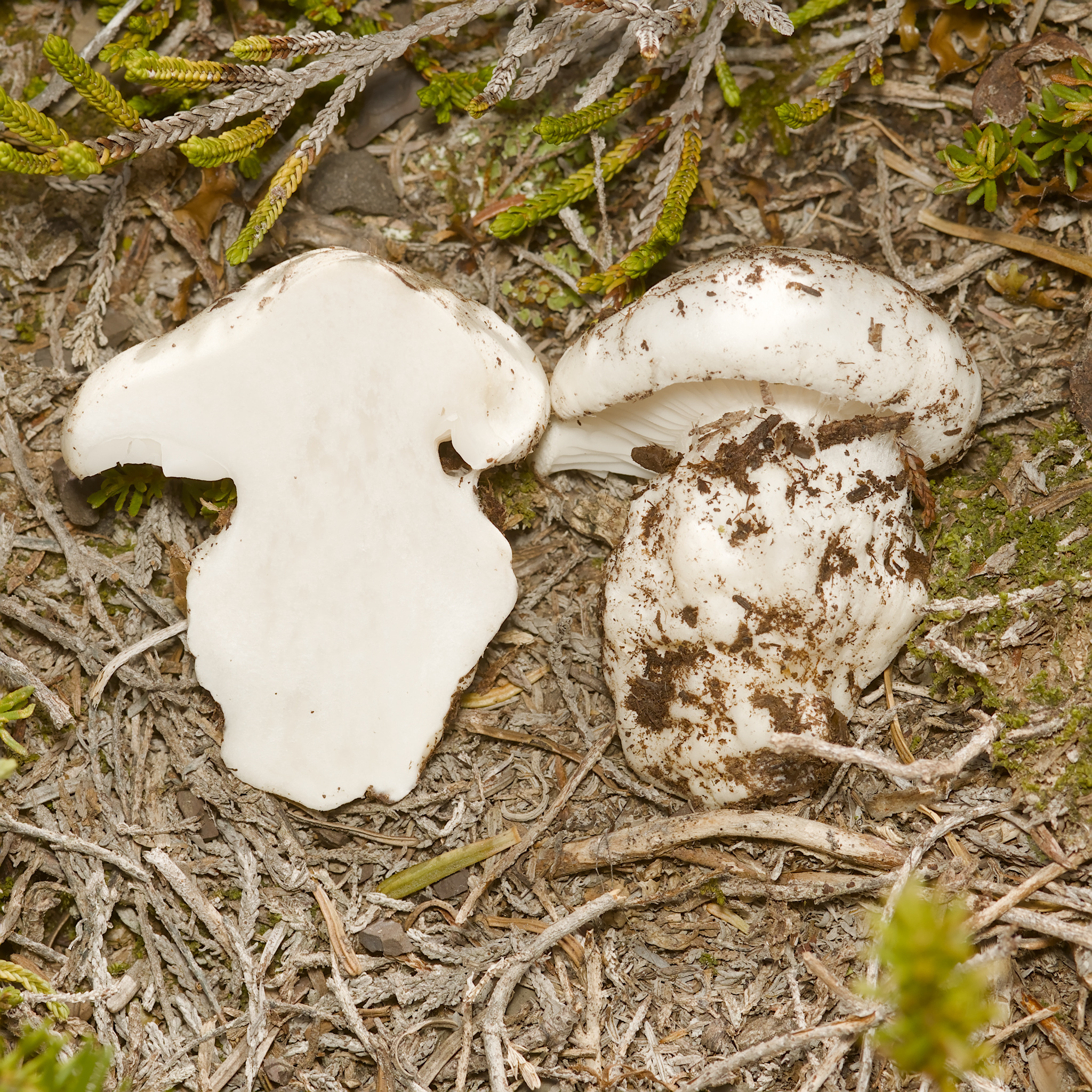
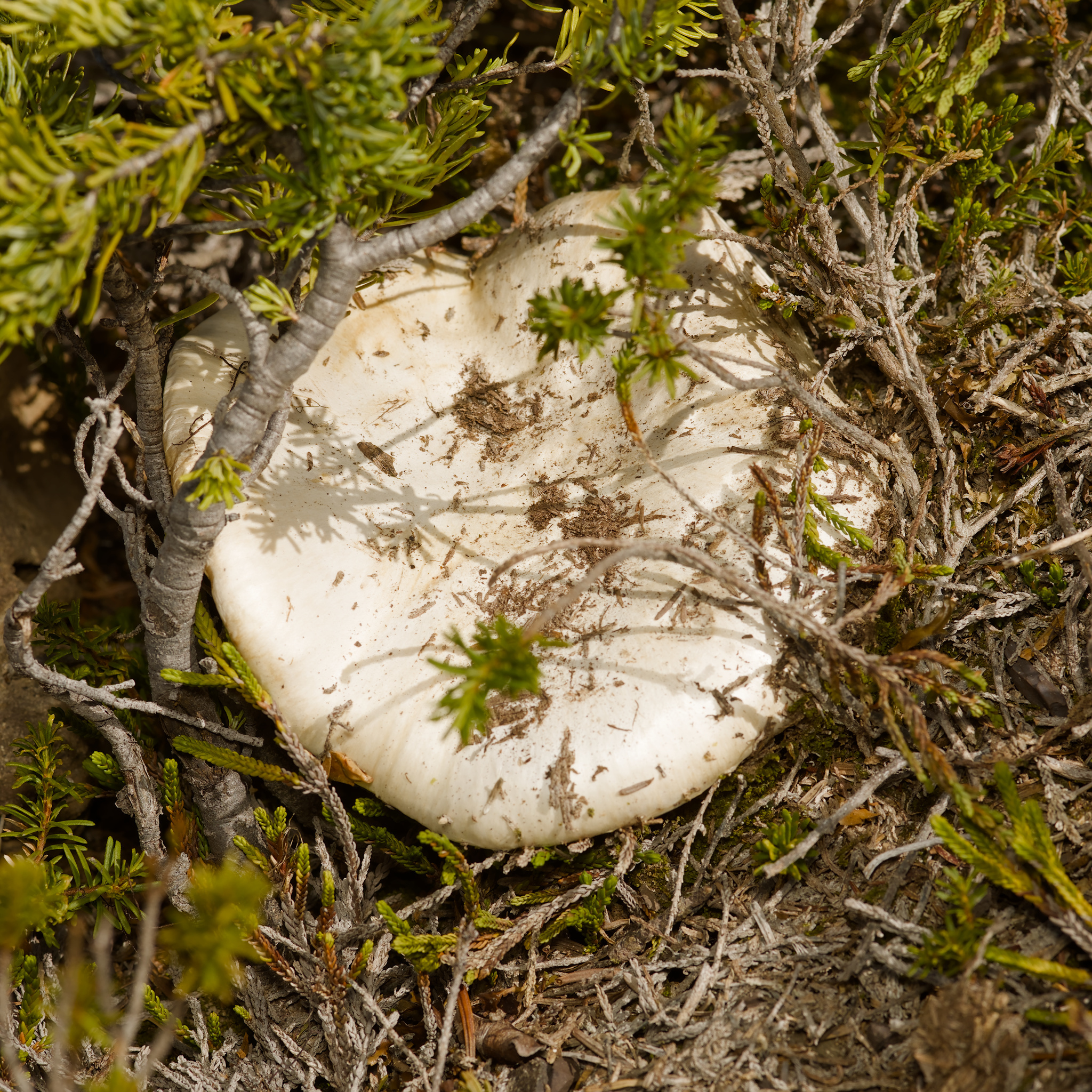
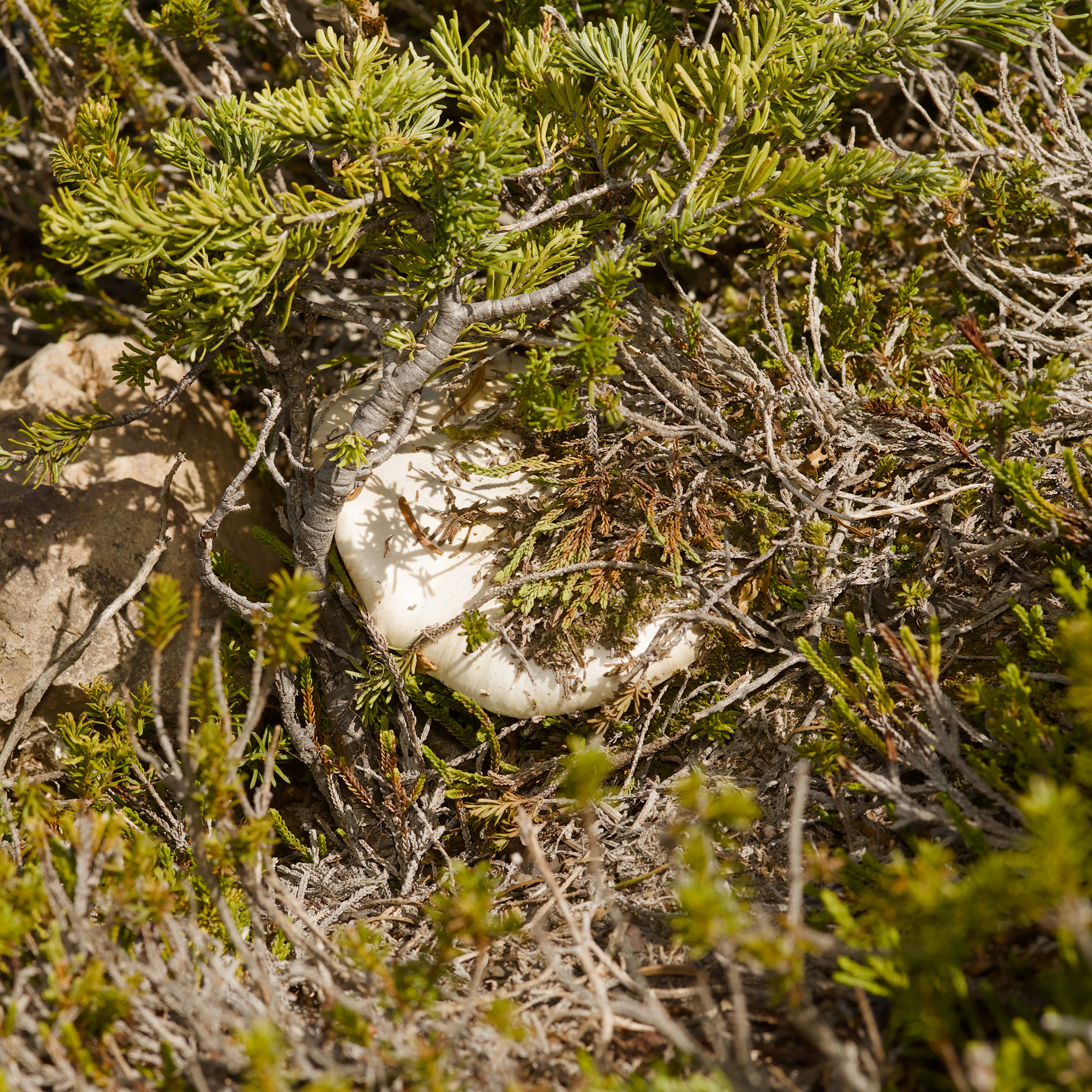
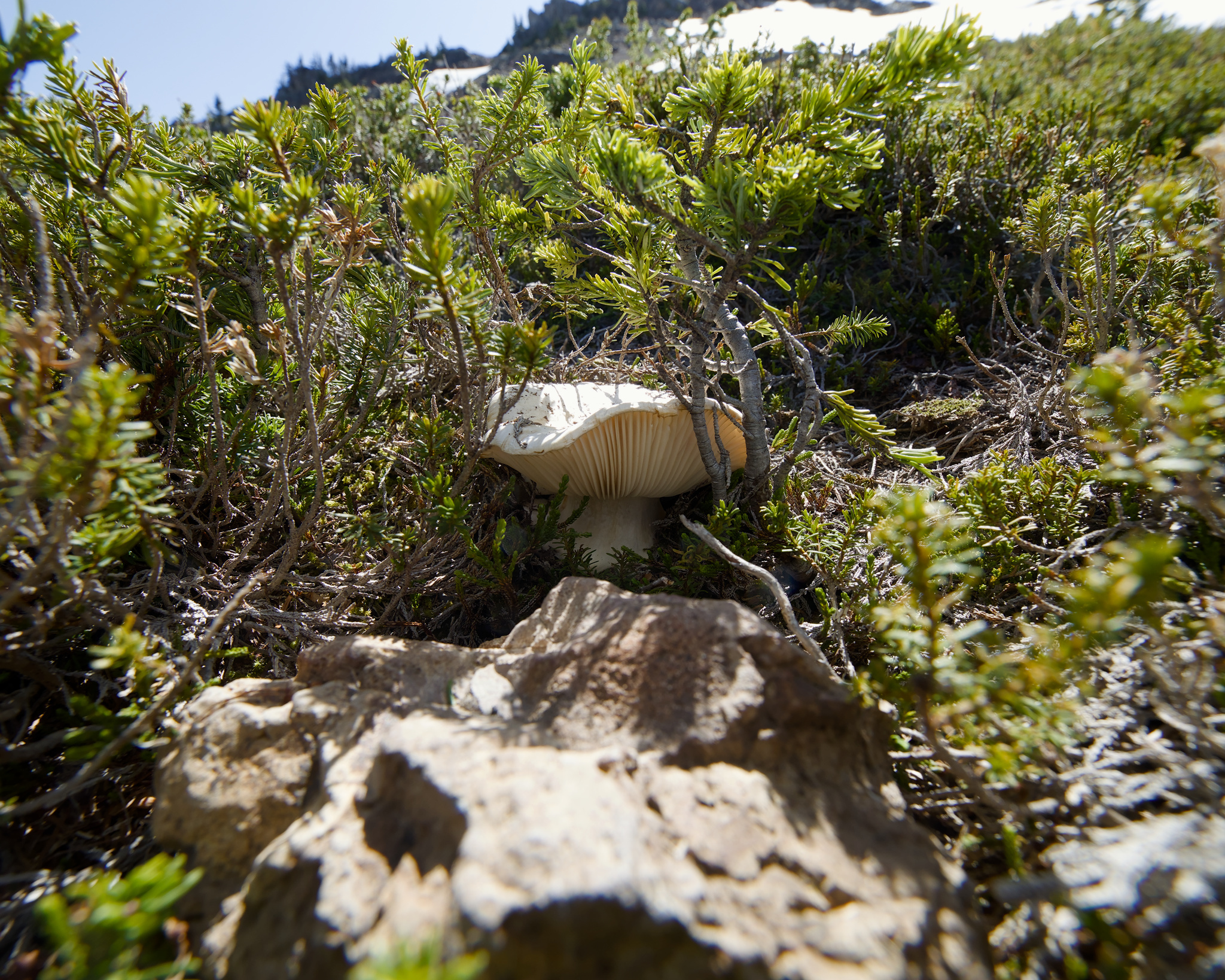
I think this is likely H. subalpinus WA, the spring snowmelt species in the species group. It being Spring and appearing more stocky seems to lead that way but, there’s always a chance at DNA expanding our ideas a bit. Danny Miller notes that while the two known species in the group here are currently morphologically indistinguishable, their sequence varies by more than 10%. A very significant difference and suggesting that more data is needed to ID between the two, or more, that we have.
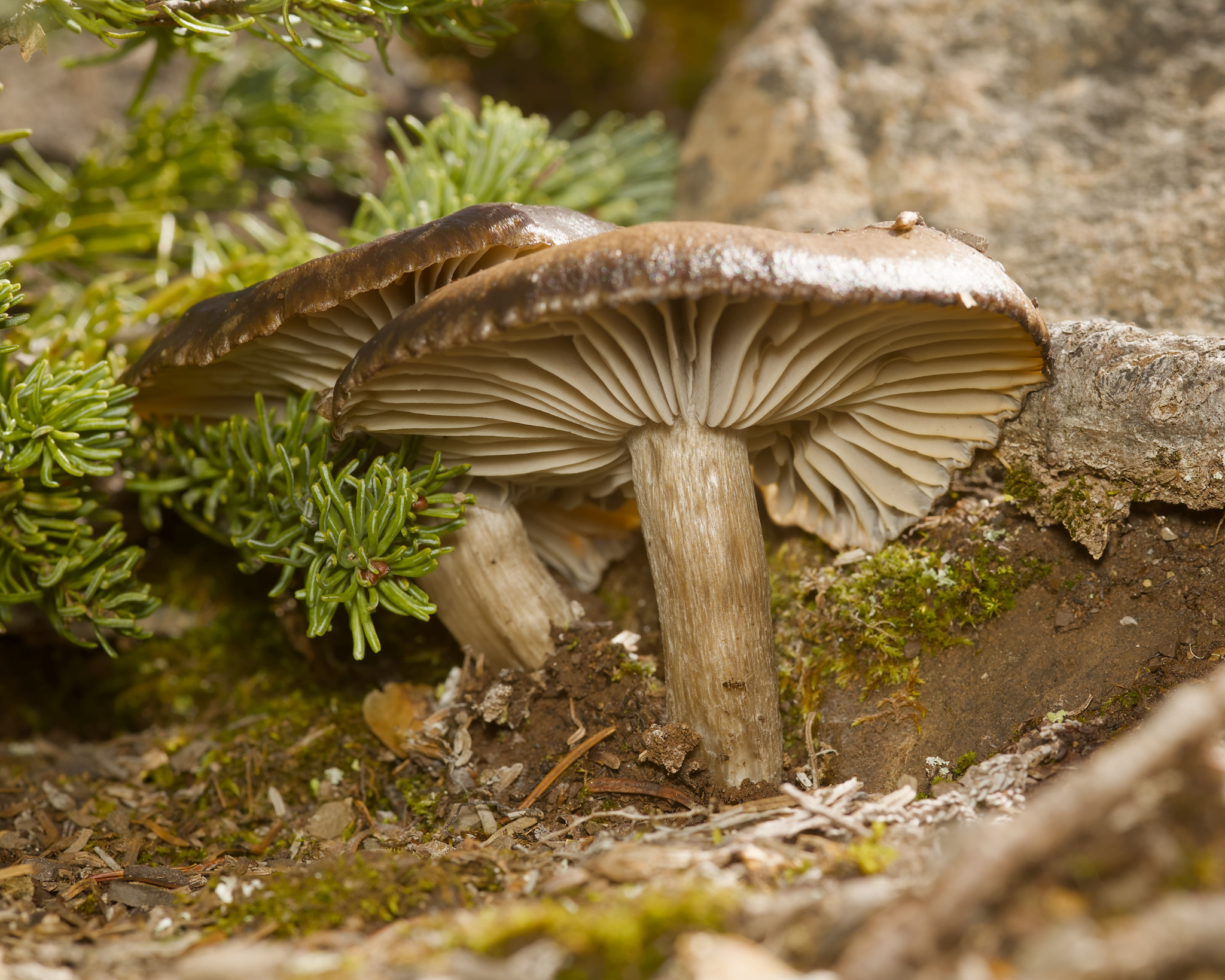
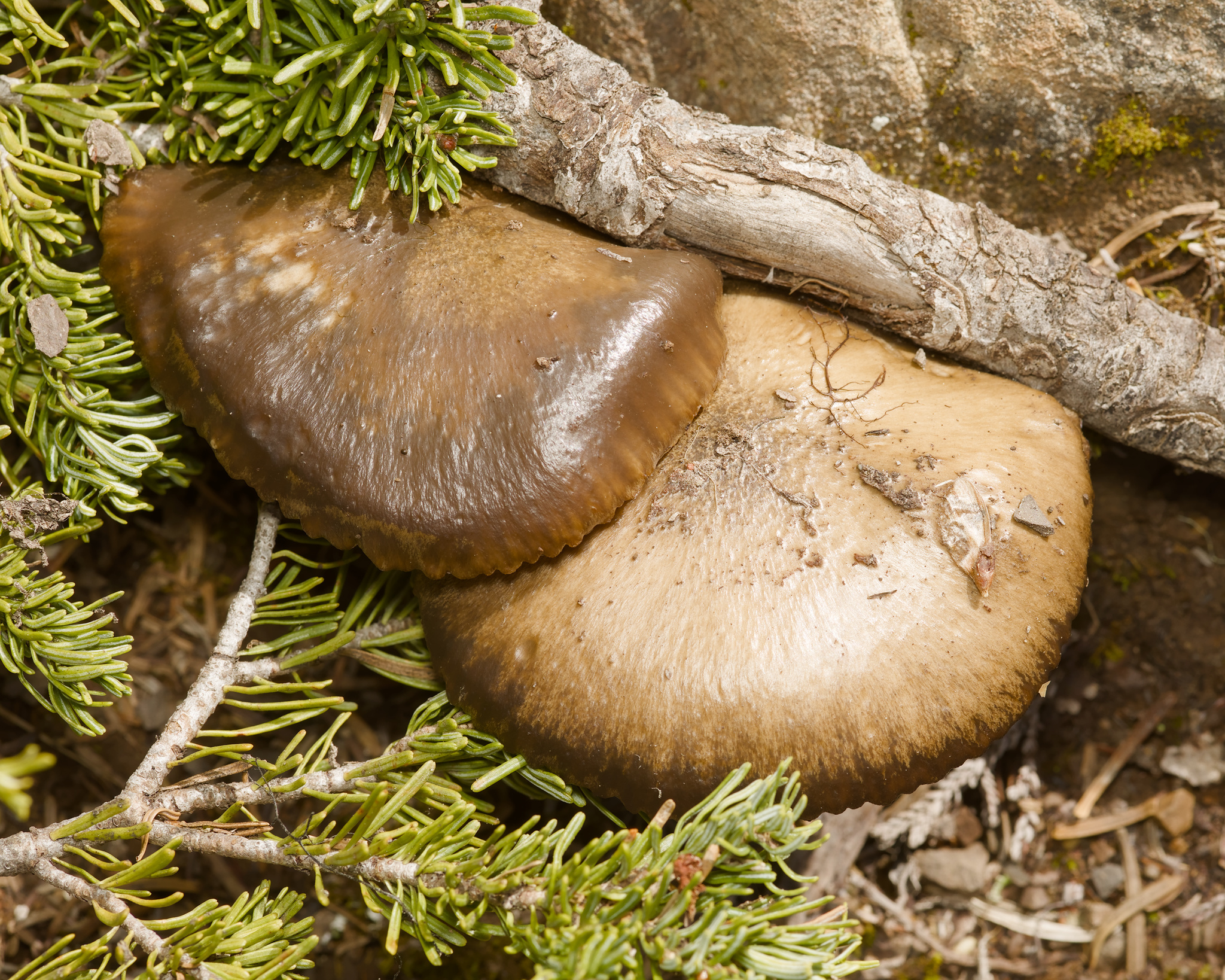
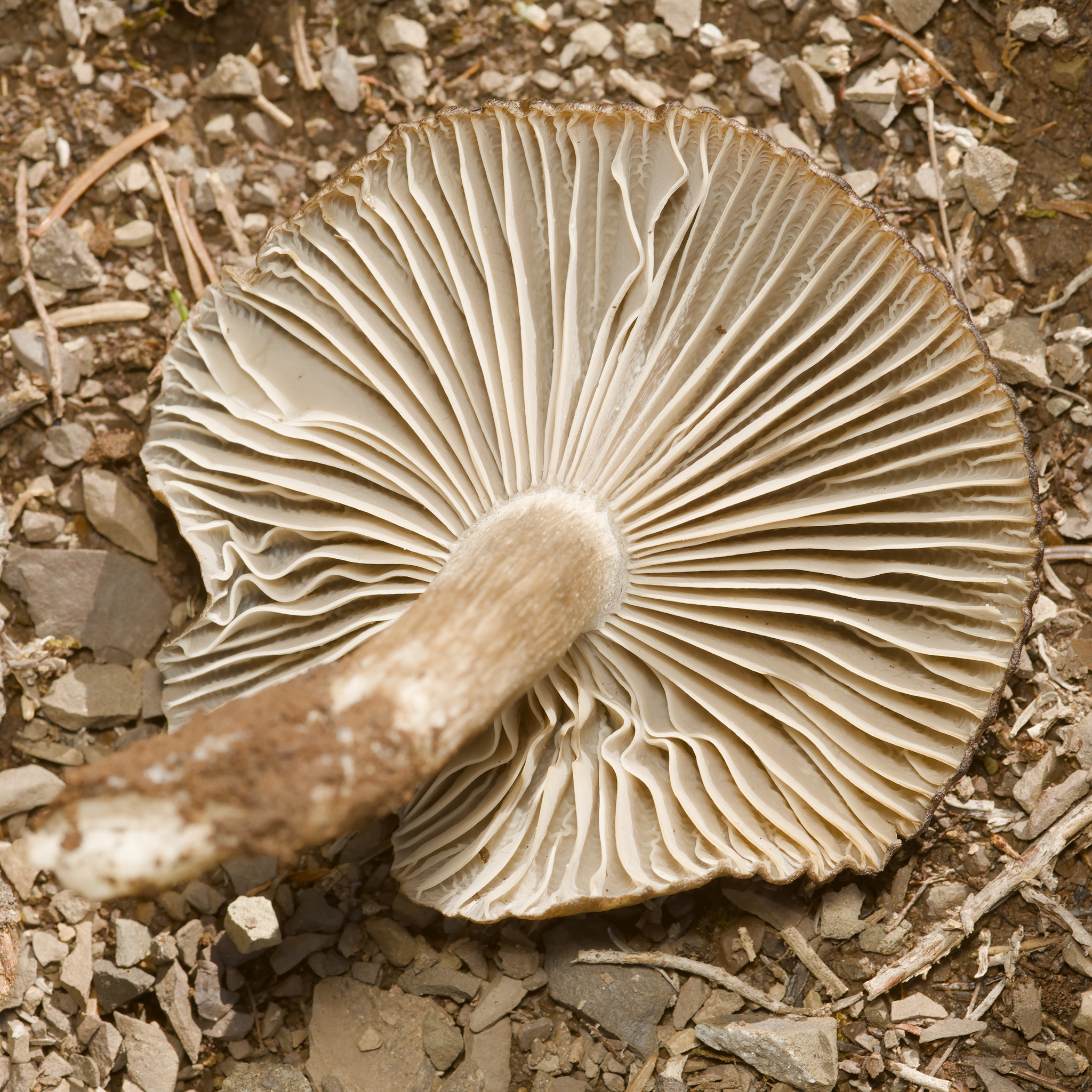
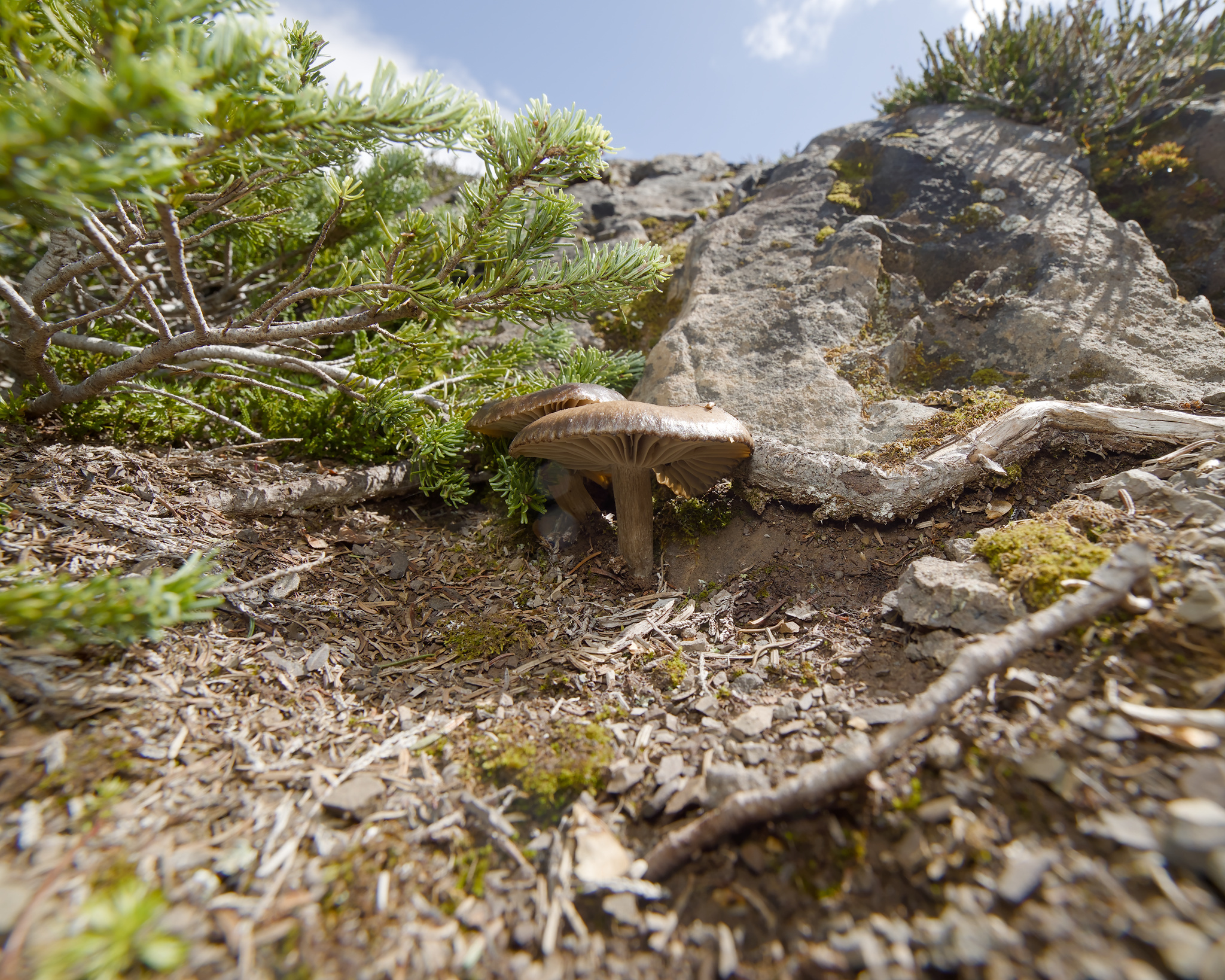
Growing within 15’ of the previous collection of Hygrophorus subalpinus. Andrew says this is H. marzuolus group and I am certainly inclined to agree. Fits the bill for the European morphology, but I find it interesting that Danny notes our species should be lighter and only shares 83% of its DNA. This is certainly brown, and different, so if it is within the genus and that direction, maybe we have something interesting.
Permit information, spreadsheets, material, etc. is available upon request. Happy to talk to almost anyone about mushrooms.