GSM-NONP Progress Report August 2026
Springer B., Burt J.
Robogenesis / intoishun
Olympic National Park
Washington State, USA
*This report will be updated as sequencing data is received. Results will be added along with additional comments. Last updated October 26, 2026.
Hello again!
August was another month of continuing to stabilize our reporting and how we operate the study. We got some good coverage as a pair, with a visit from me at both the beginning and tail end of the month. Last months introduction paragraph included much of the same struggle and issues from this one. Especially being that the whole missing package issue with USPS happened at the end of July, and continued through August.
So there's honestly not much new to report there, on the more personal front. We haven't had much communication with the park about expanding the limits of our permit, as we are still catching up on data collection from the summer! I think once we are fully up to date through the end of the month of writing, October, we will begin to expand our efforts. Along with the effort to narrow our focus, as described previously.
For August, our collection strategy also remained similar, especially with the consideration of making collections together in person at the month's extremities. Continuing with a mix of "newer" things, and general survey items. With a continued, more general focus on establishing seasonal trends and collecting basic information.
Without further ado, here's August in Olympic!
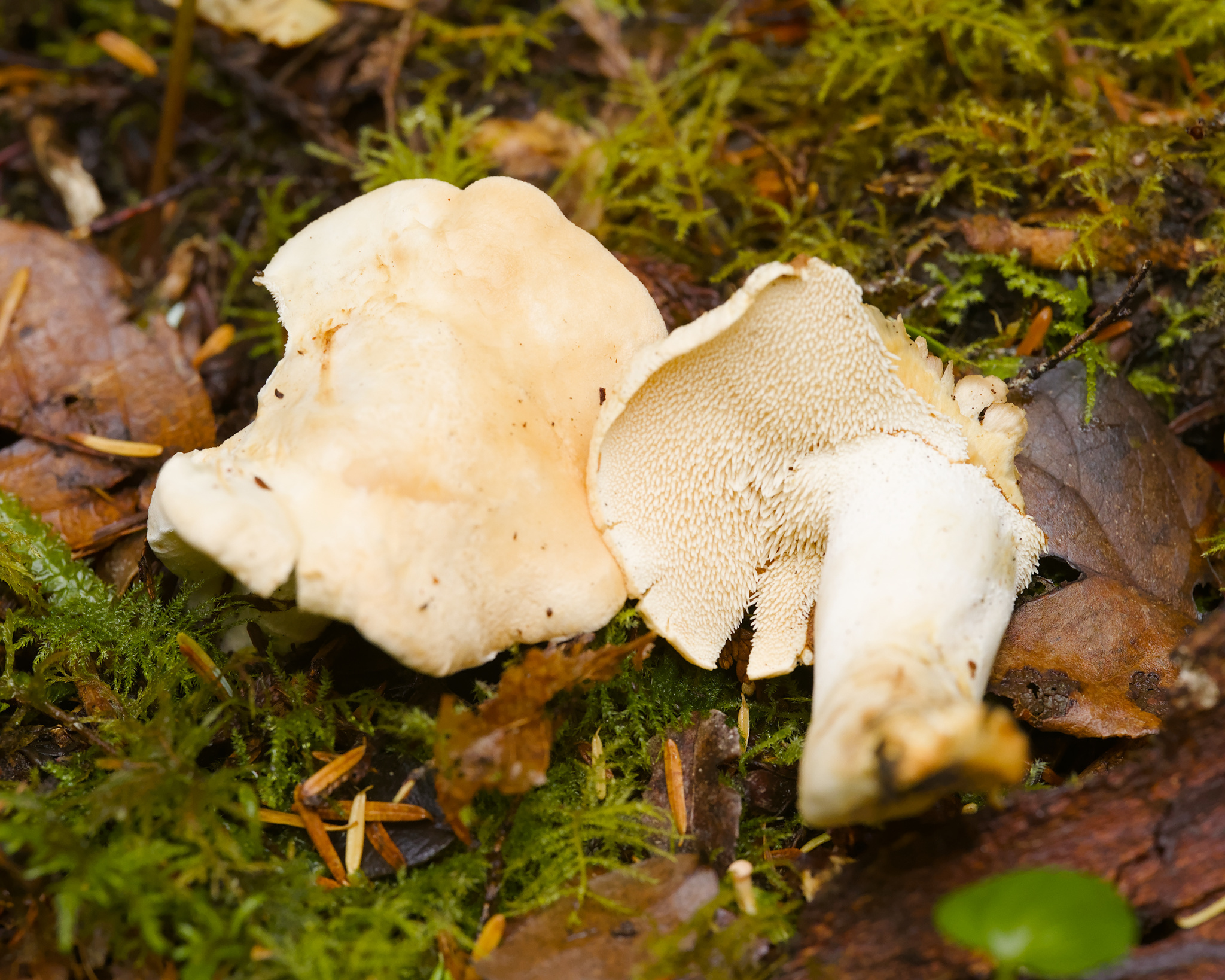
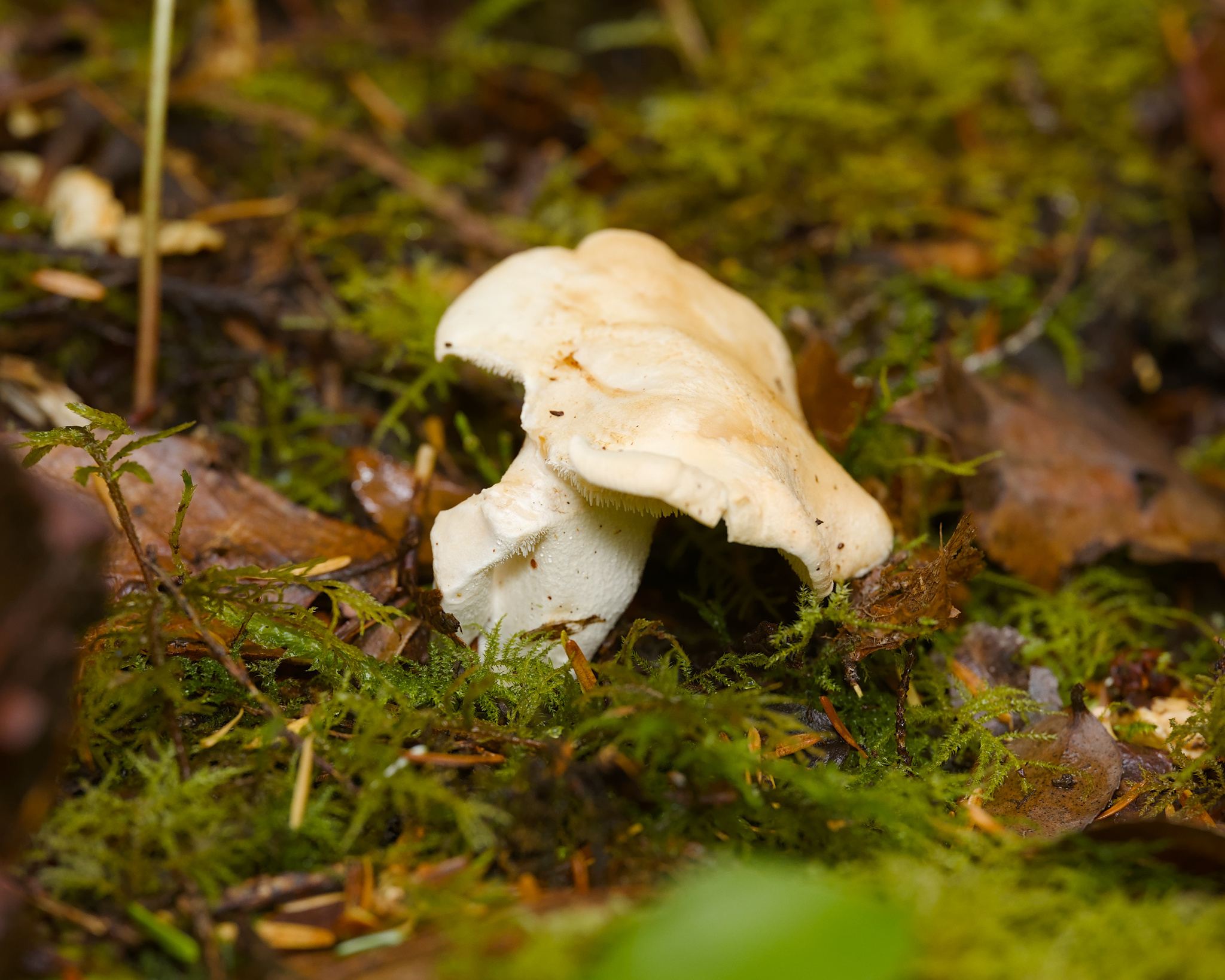
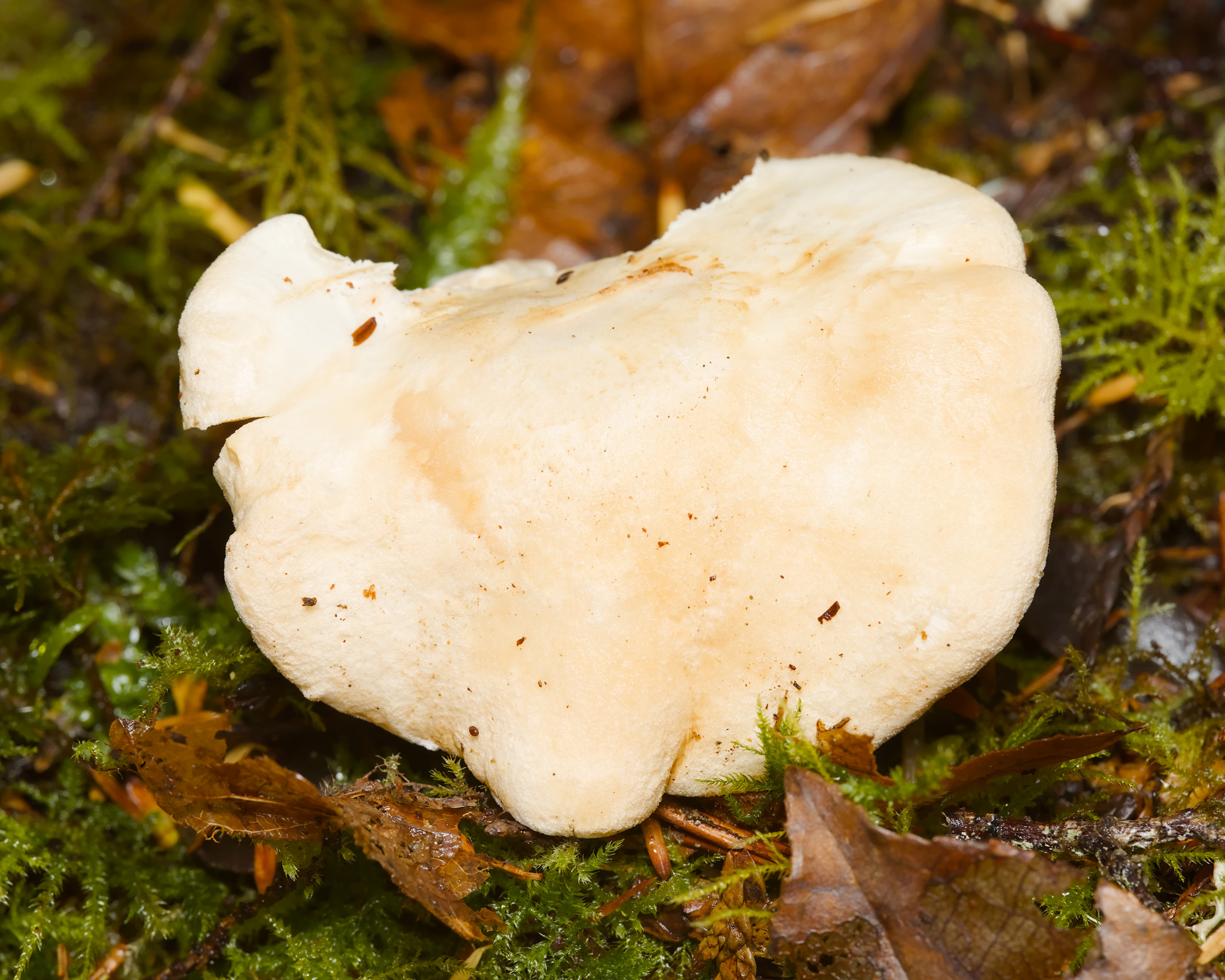
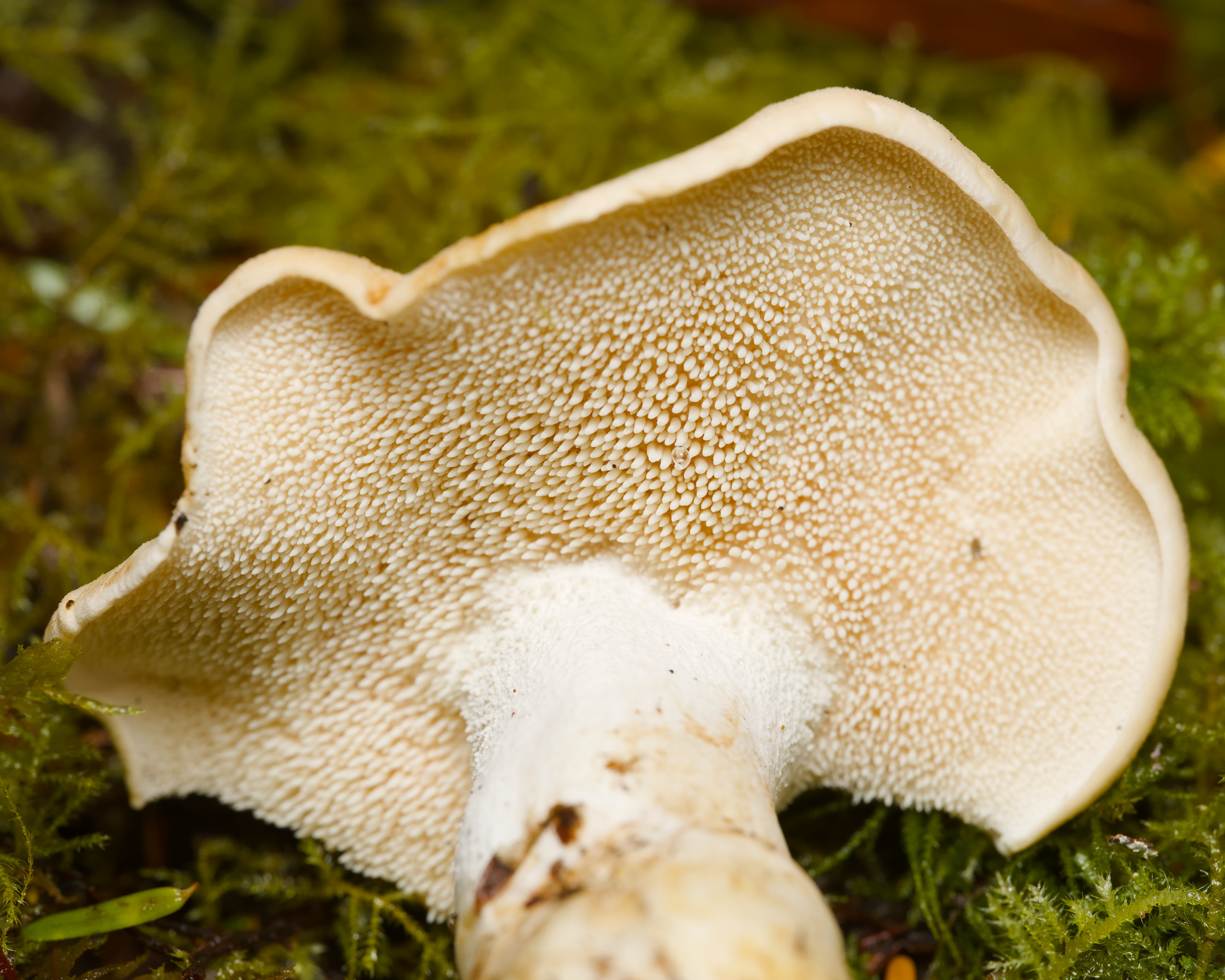
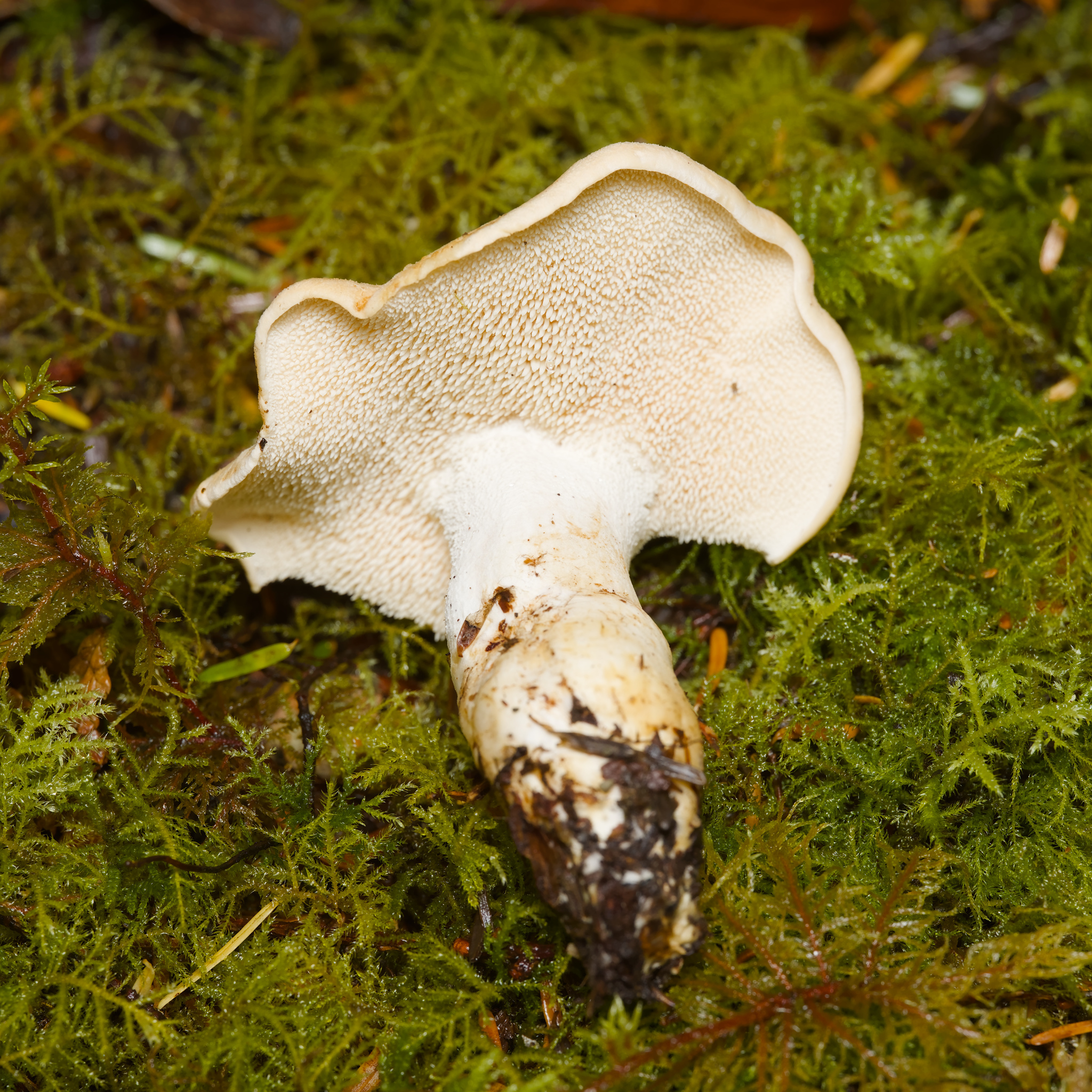
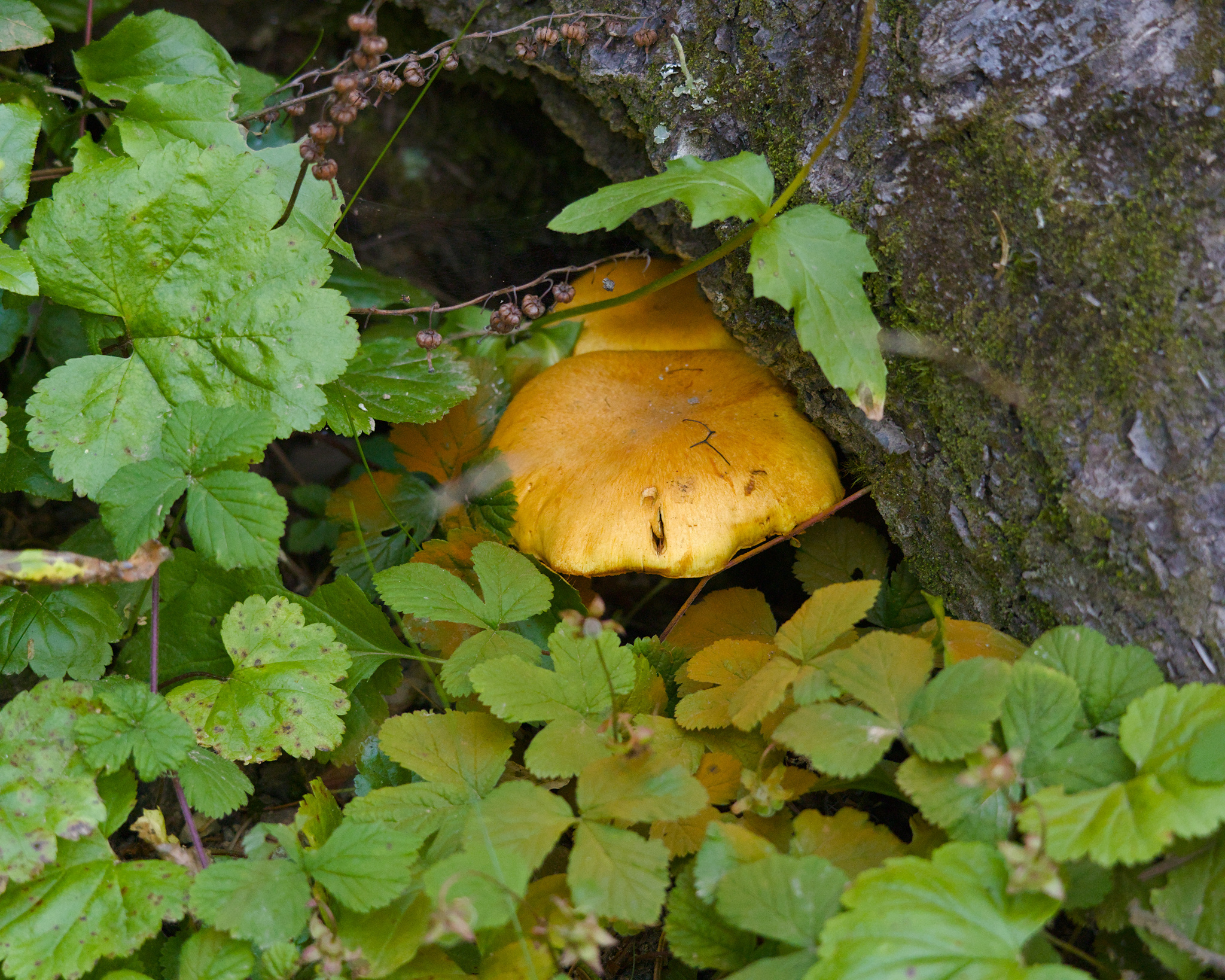
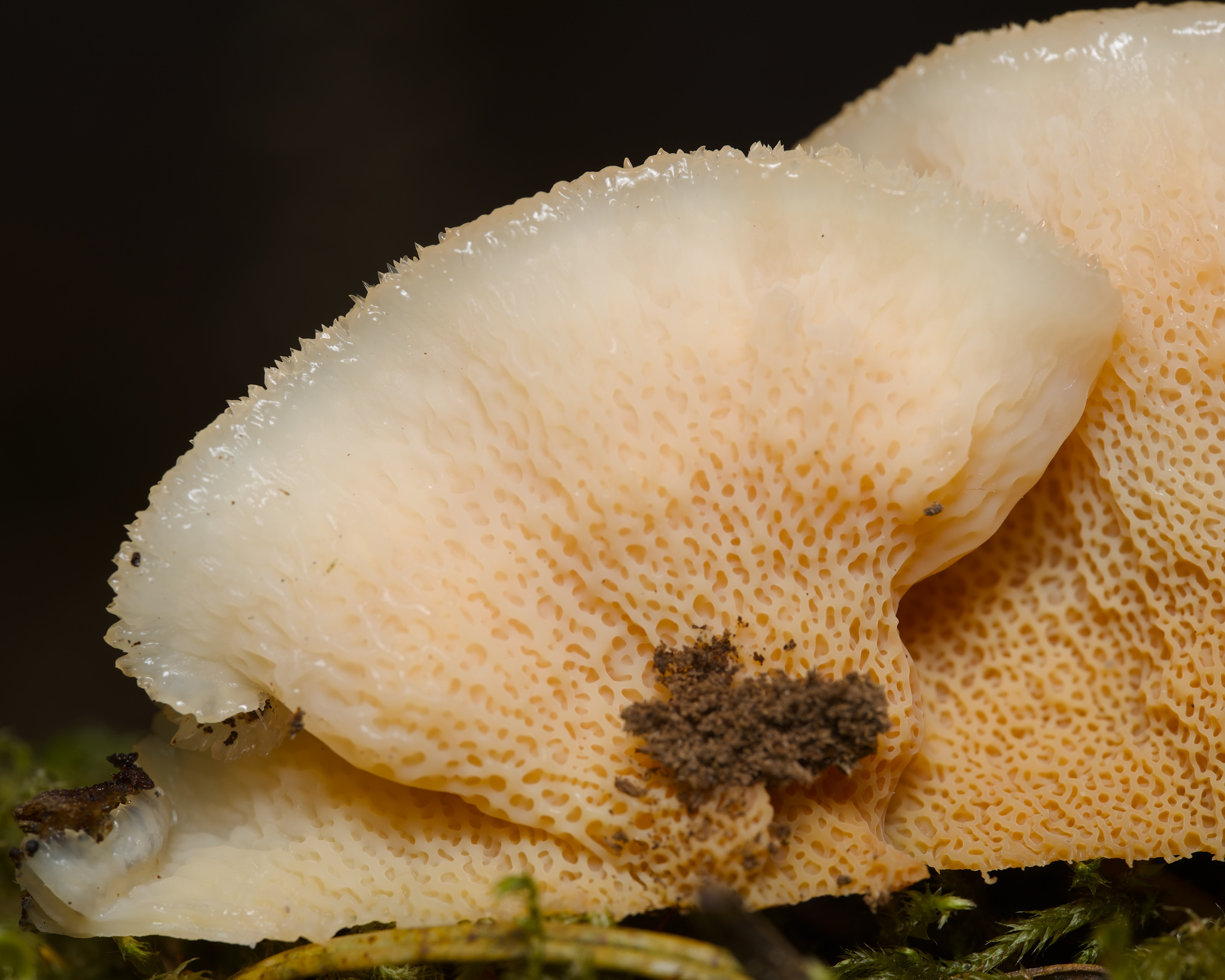
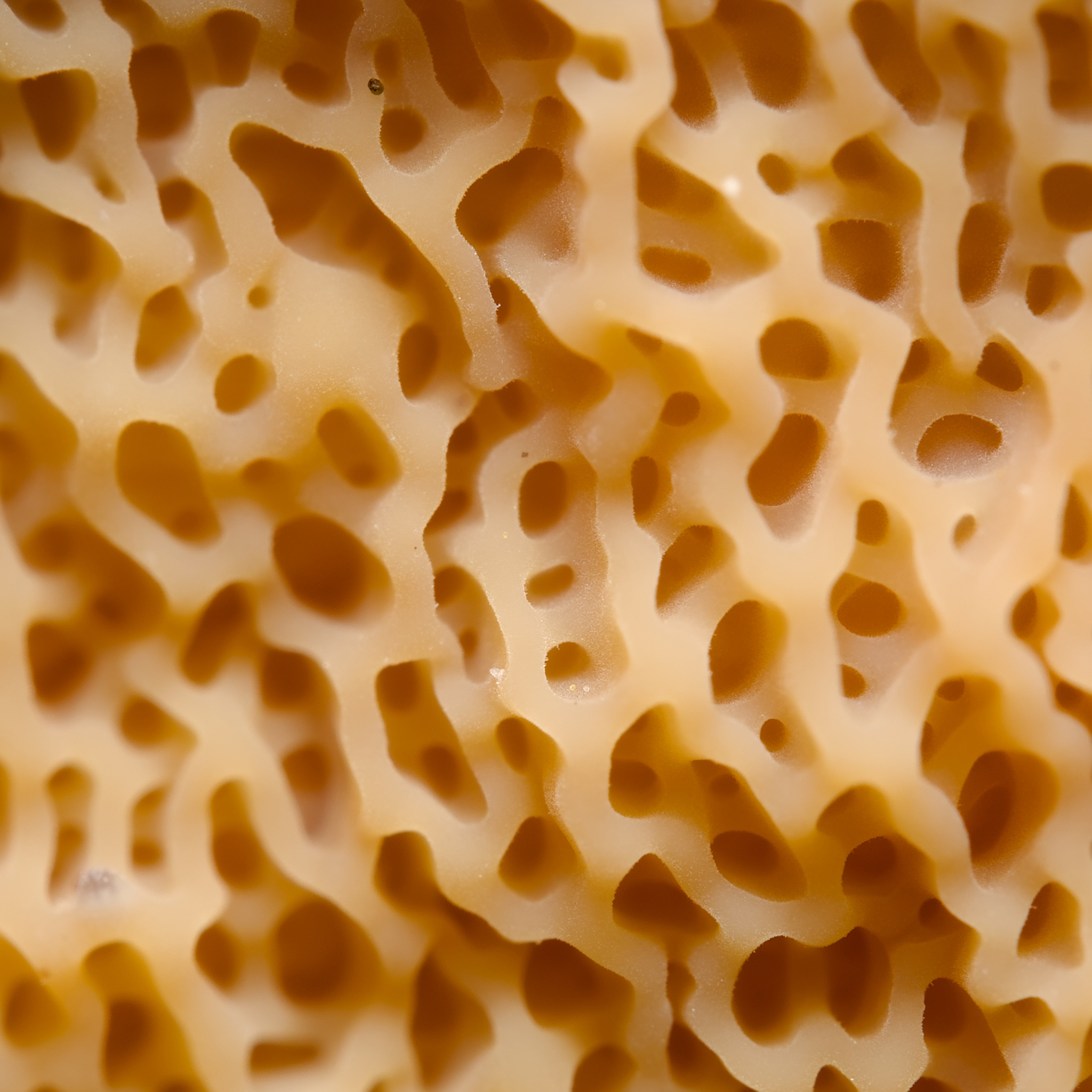
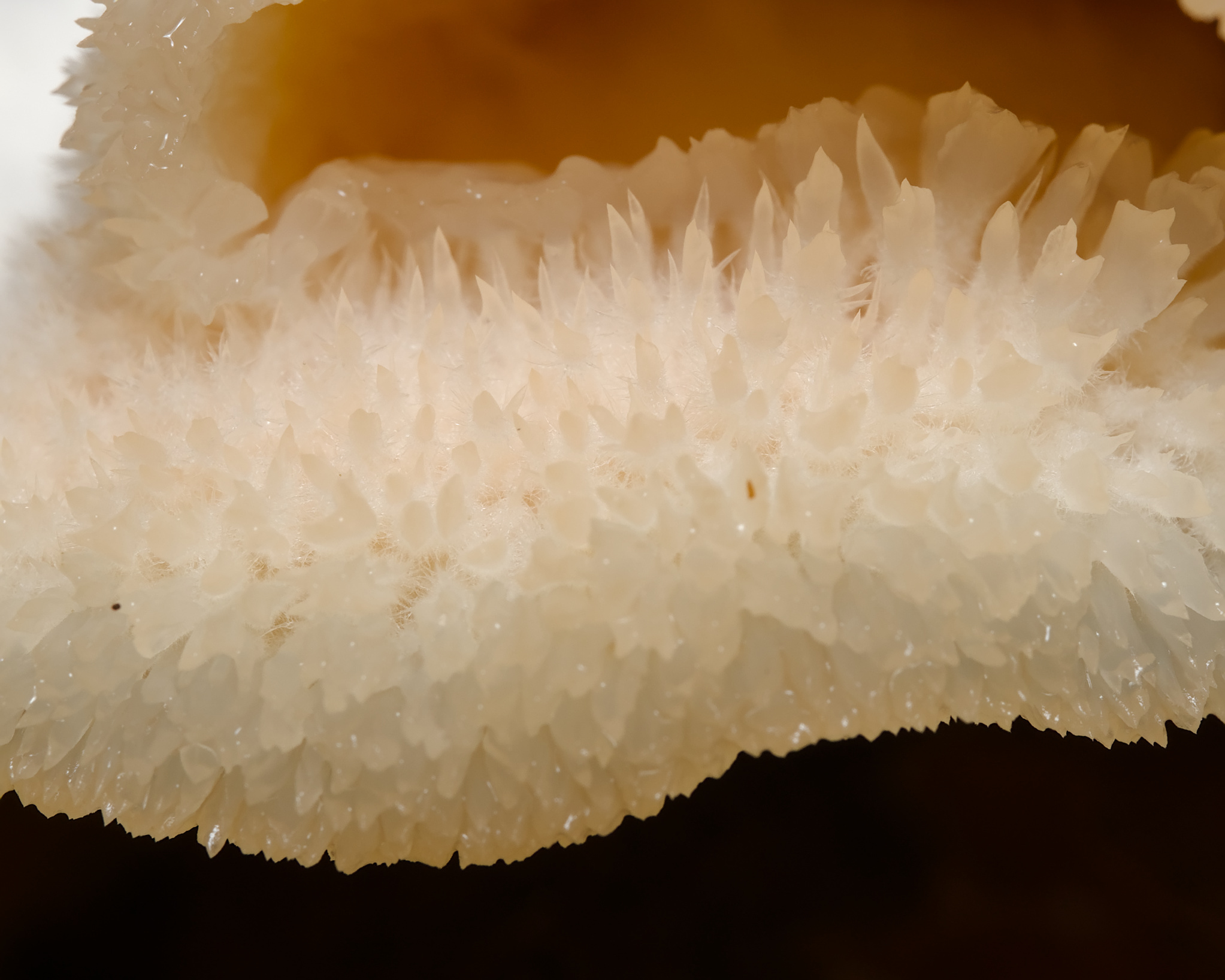
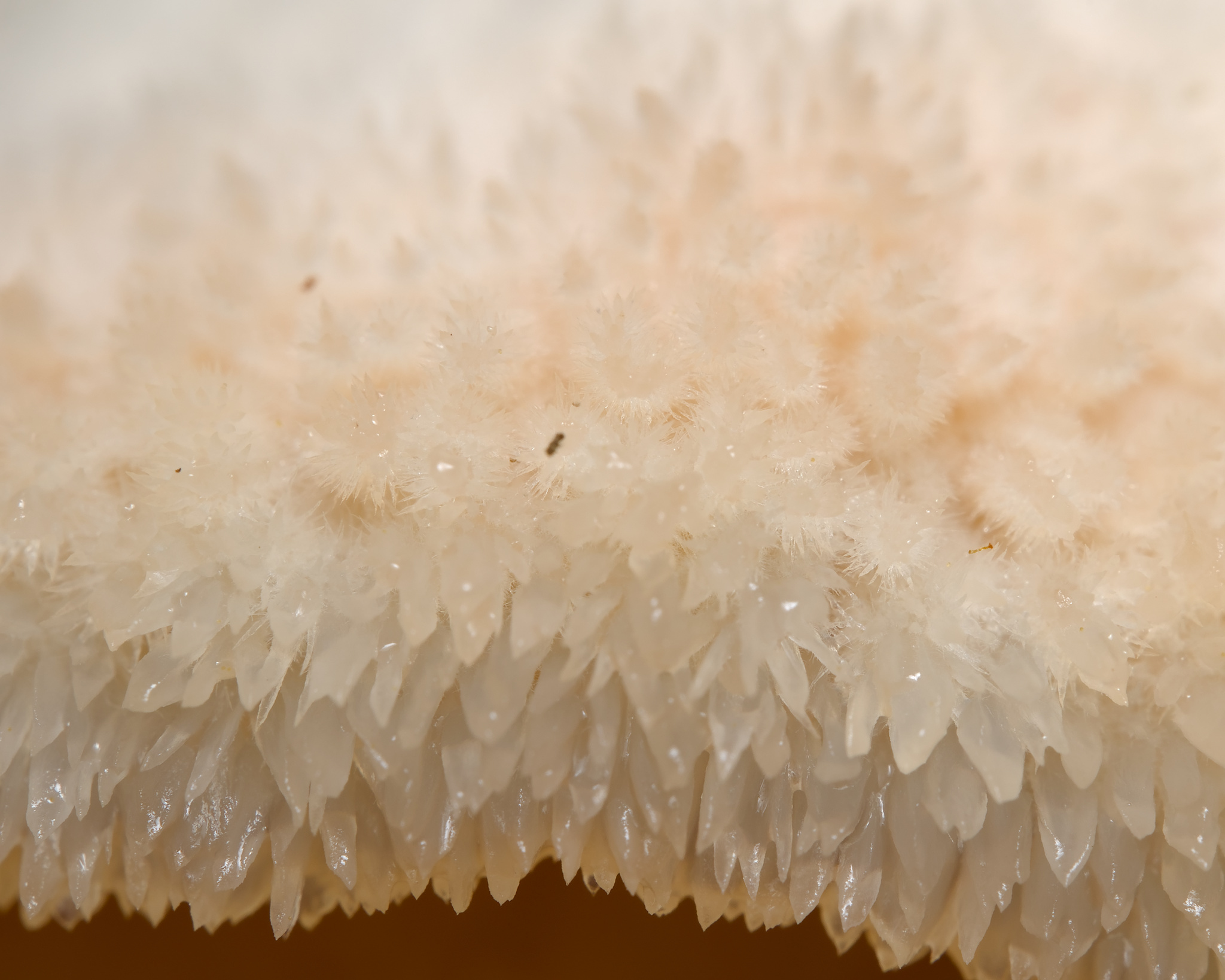
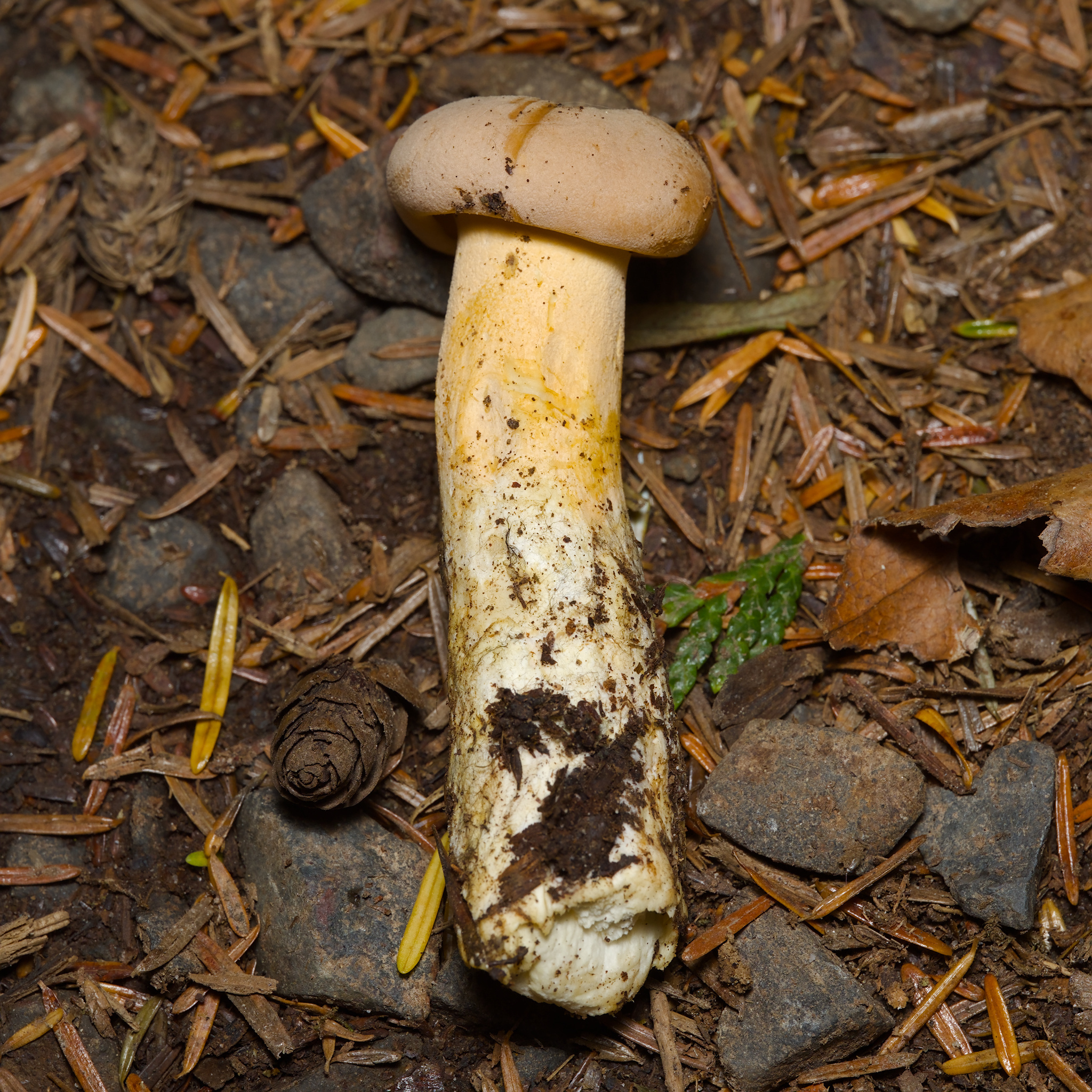
Likely our option for species here, this is our western H. repandum-like species. Nice to eat, but we're also planning on taking a few for survey! I like toothed fungi.
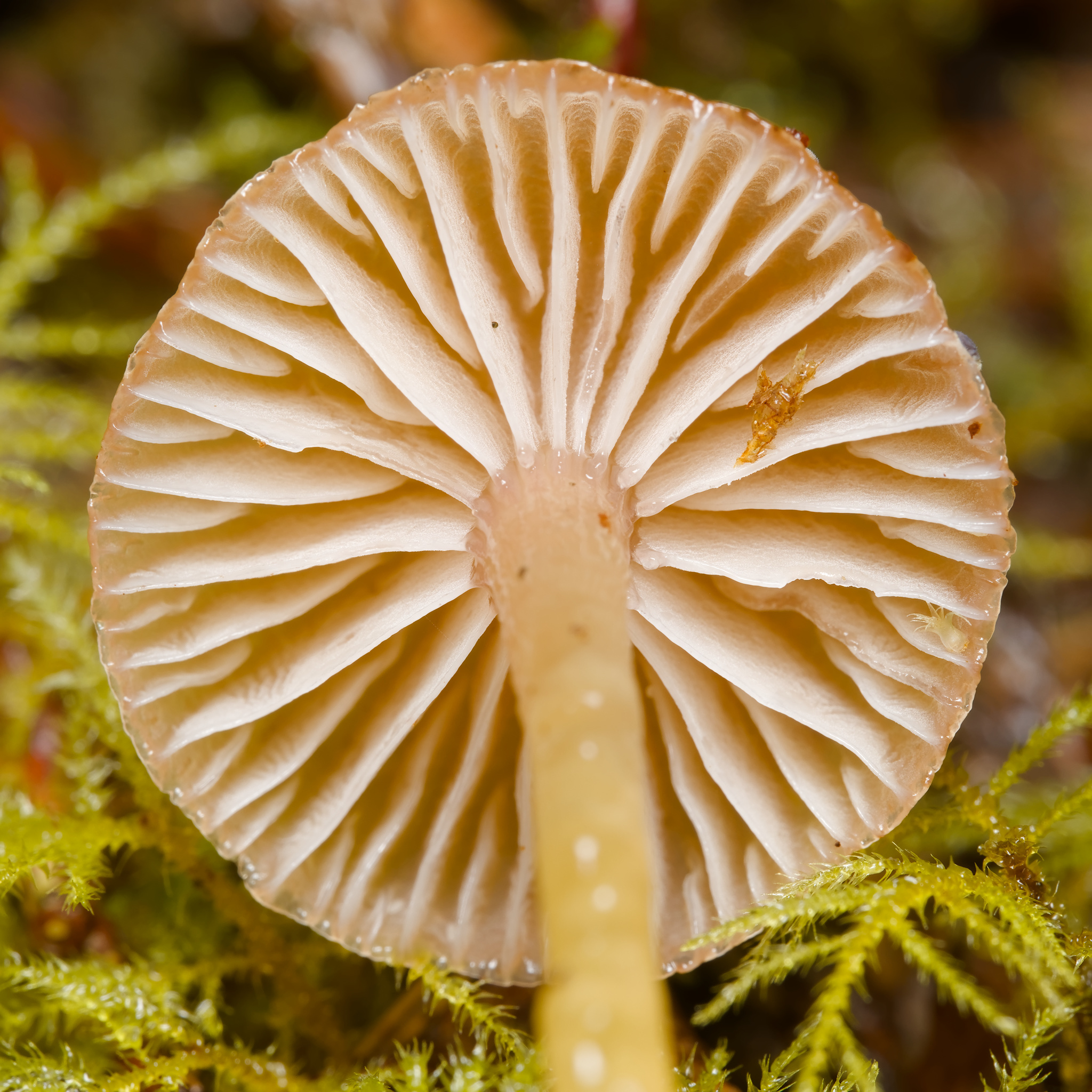
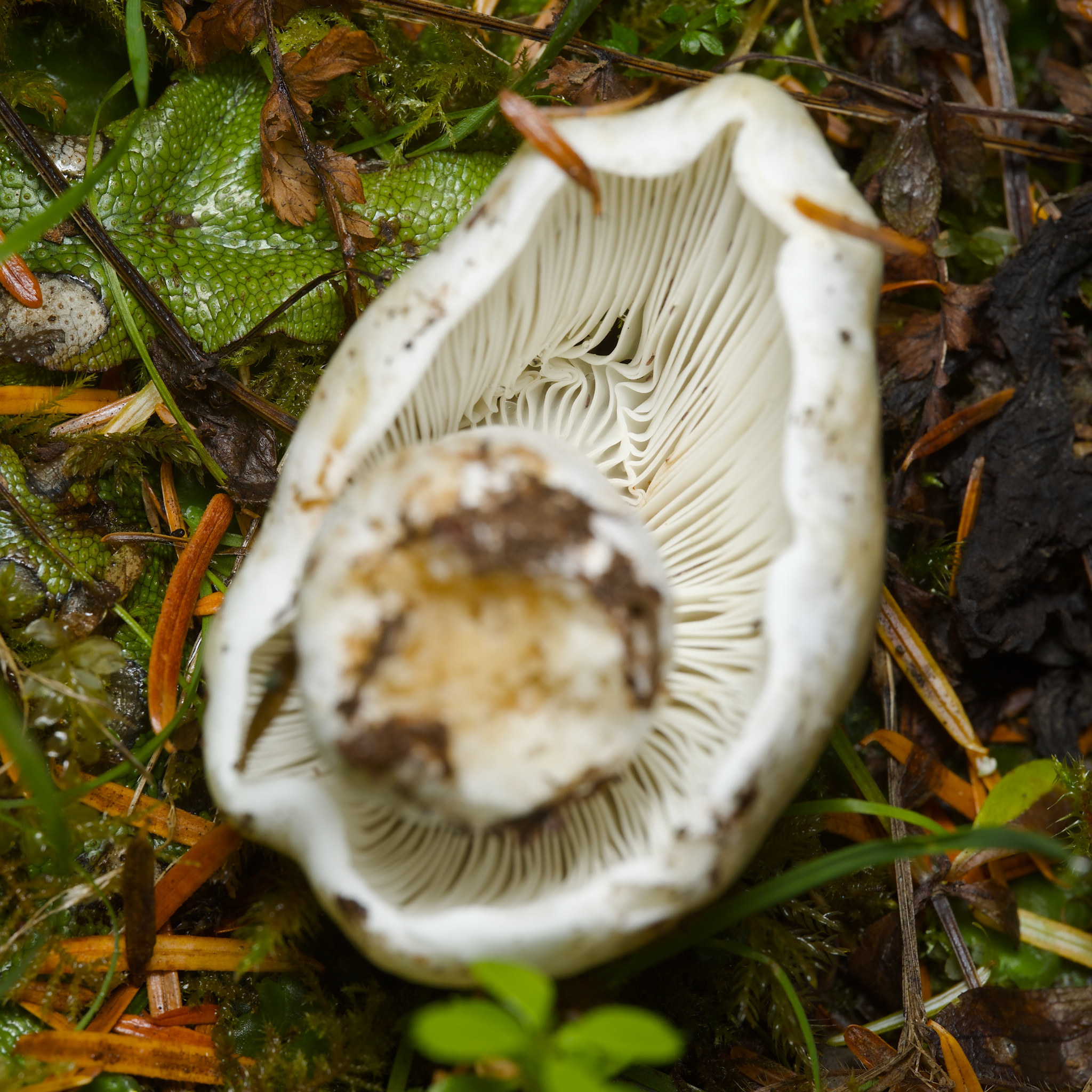
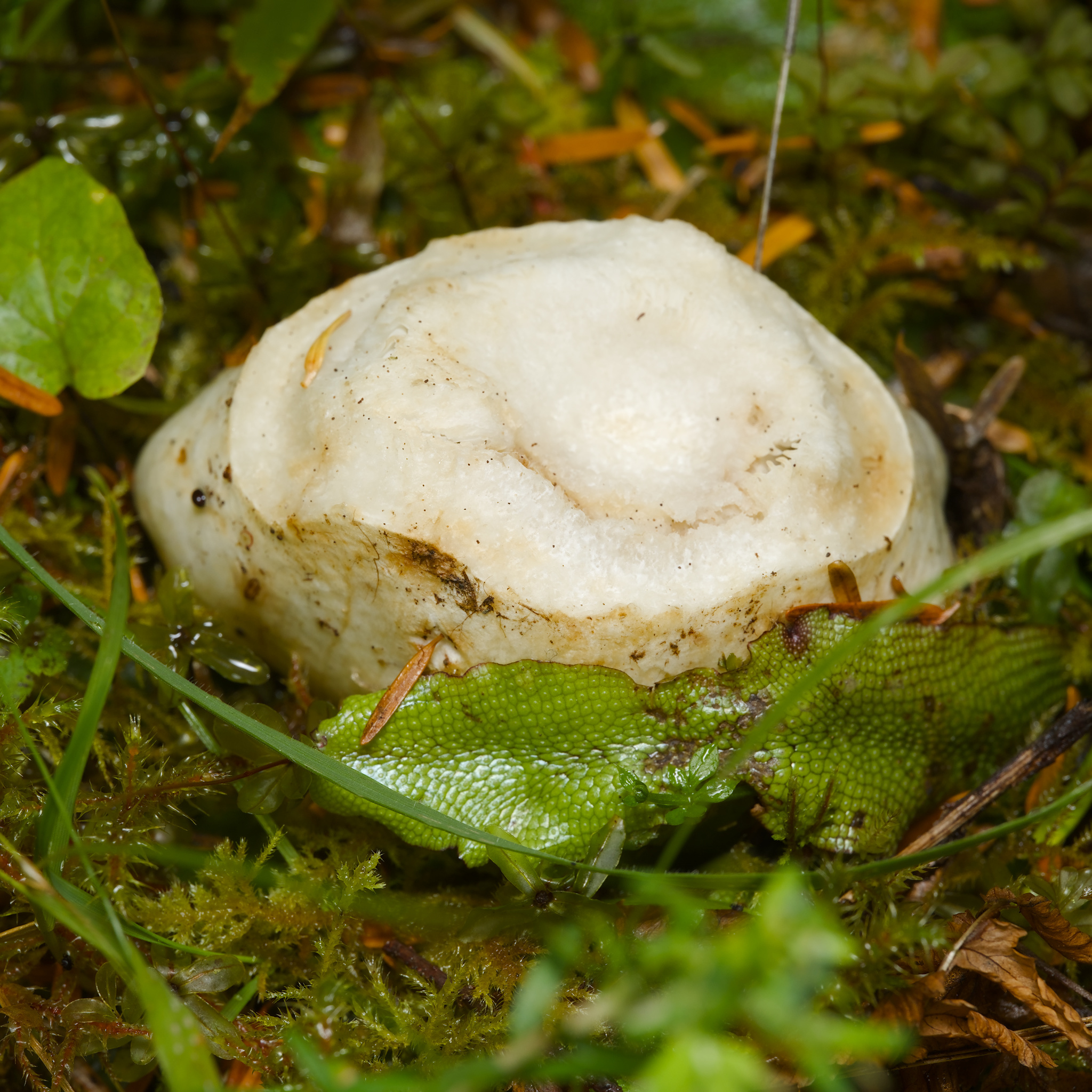
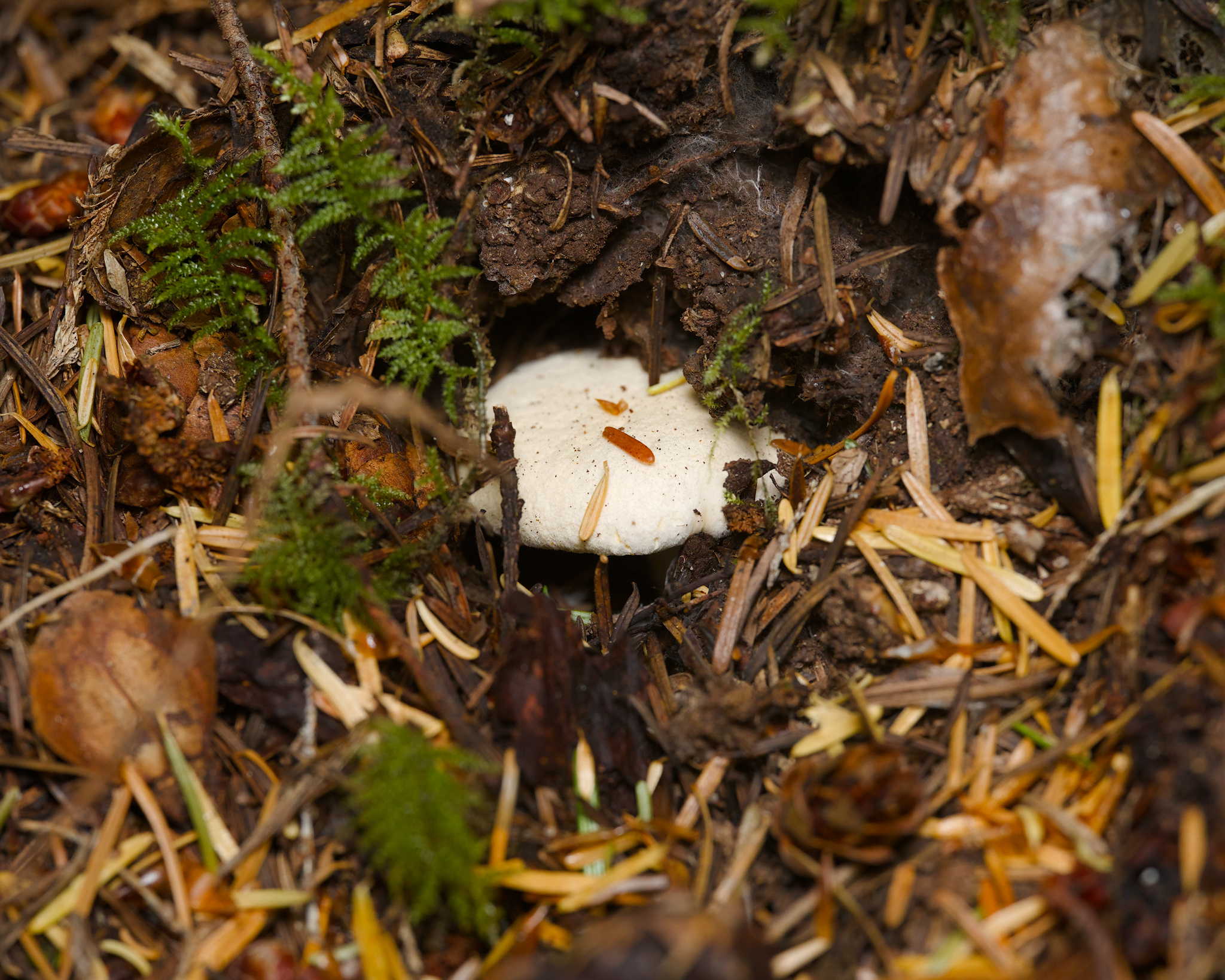
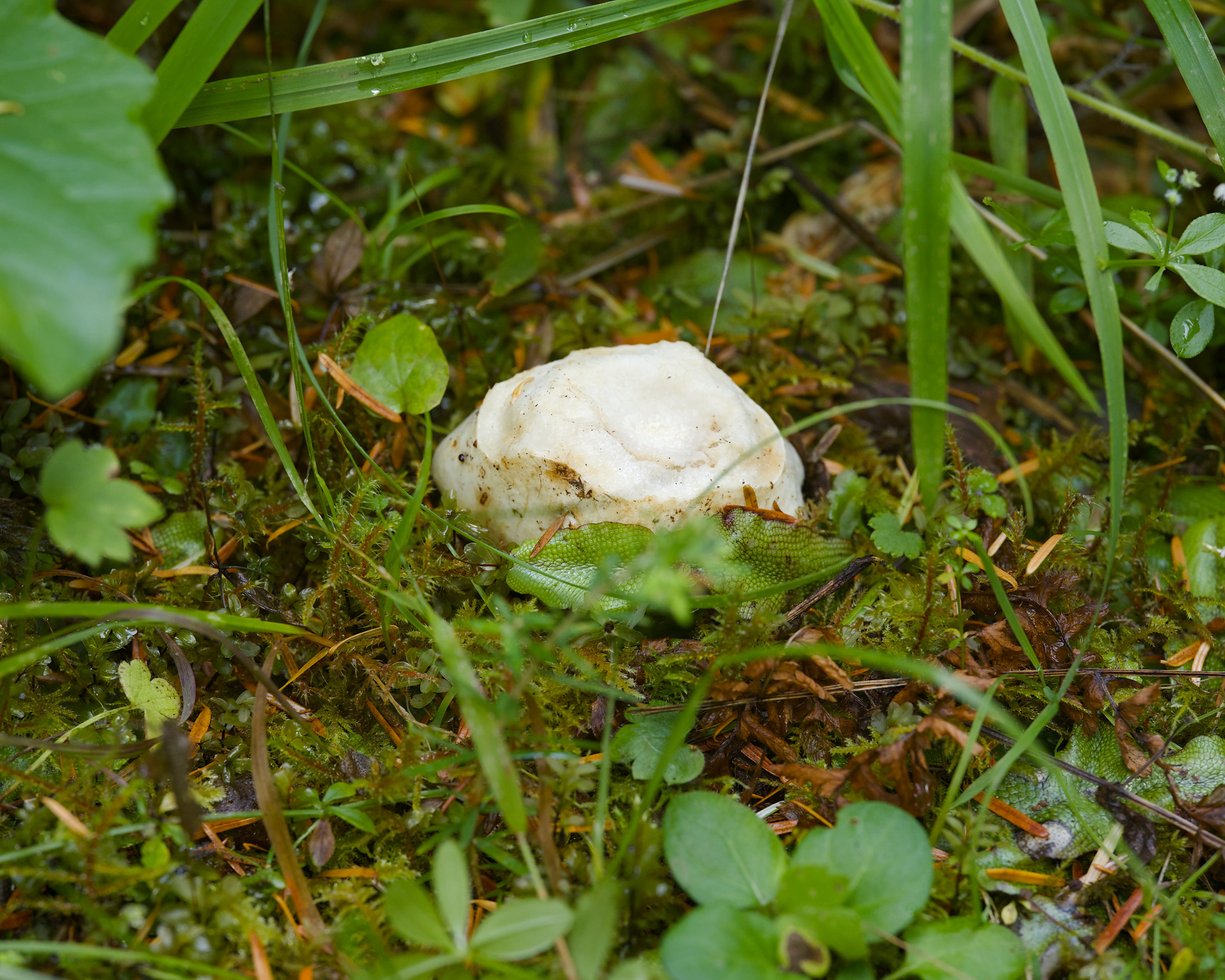
Uh oh, another cool Hygrophoraceae. This one is a doozy, so hold out to the end if you're interested!
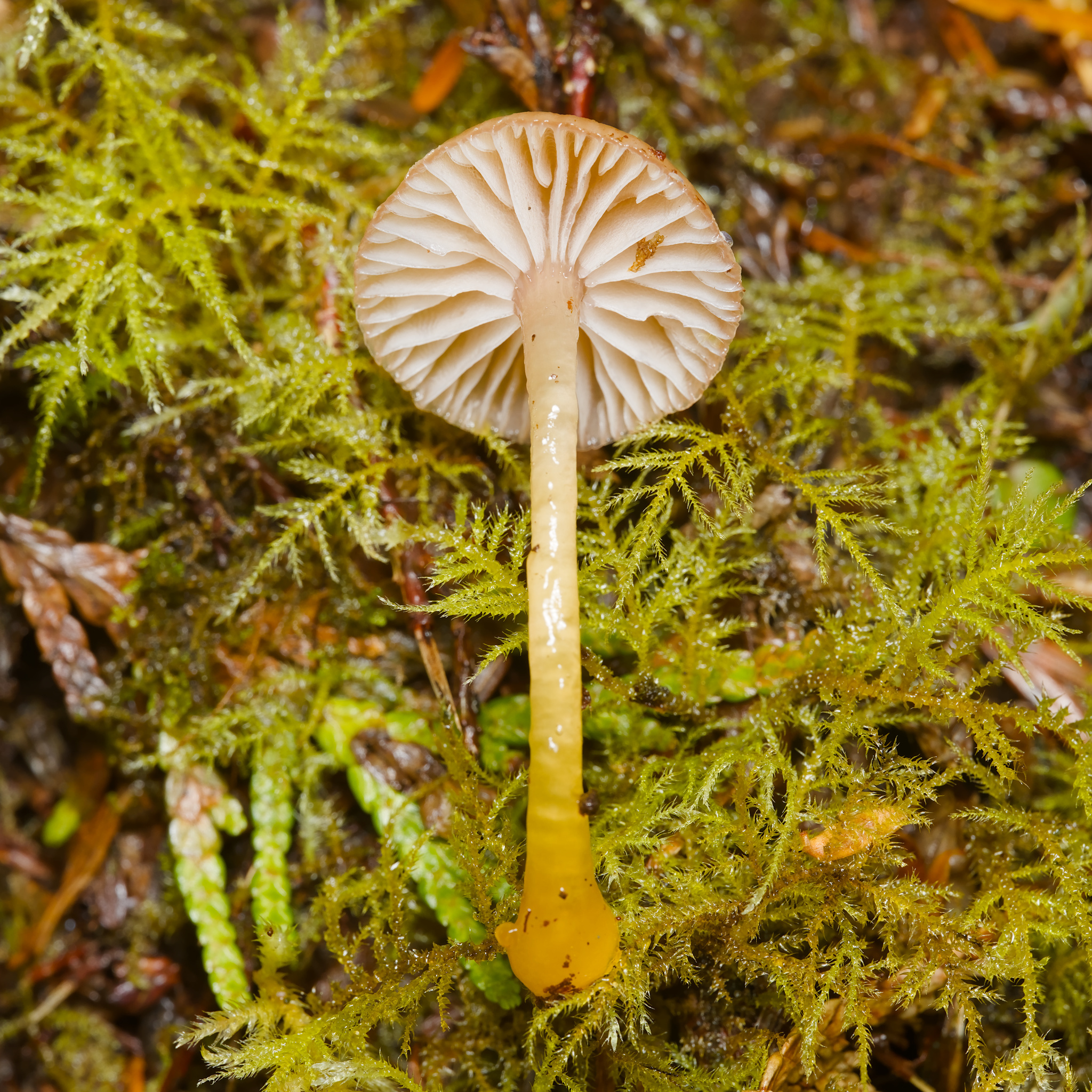
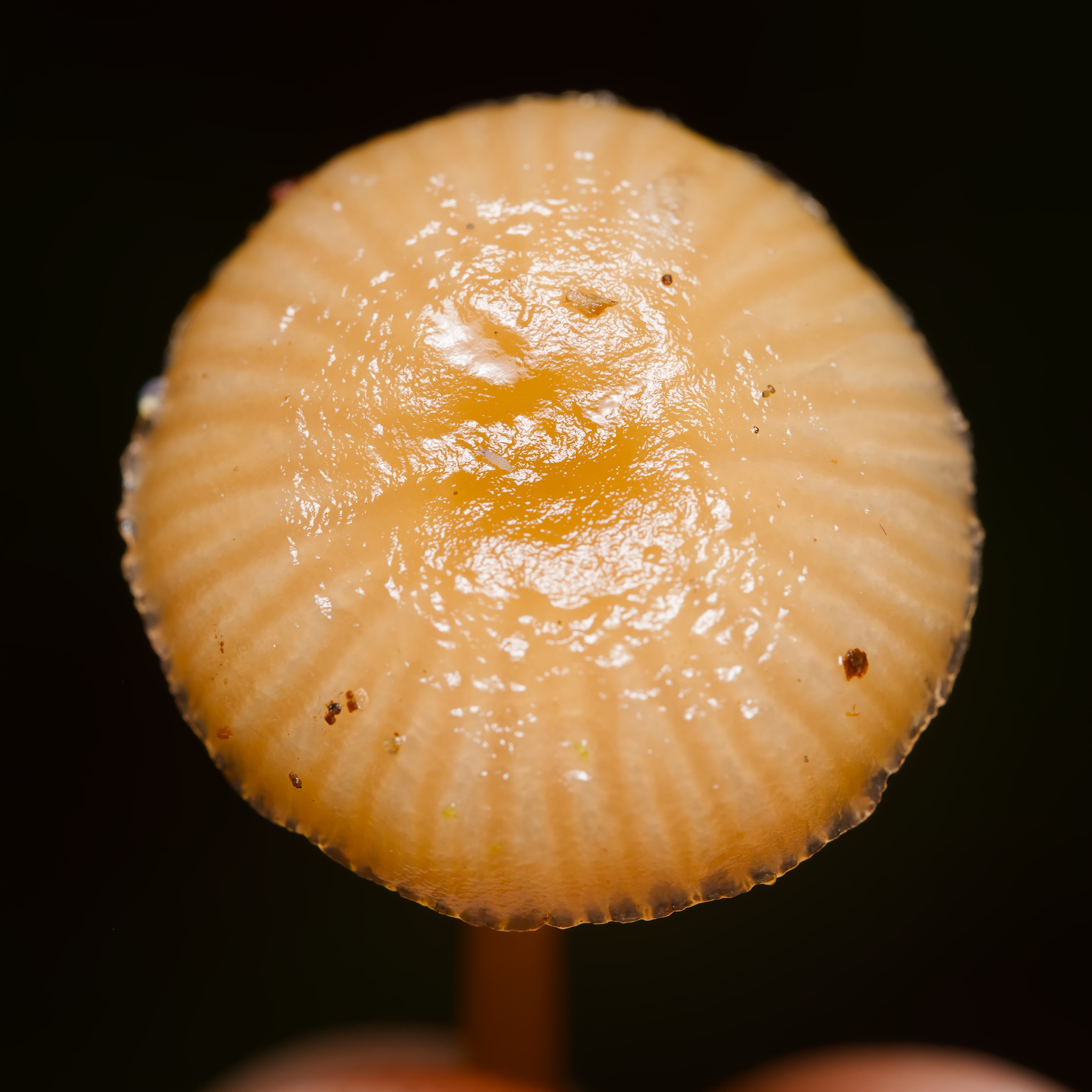
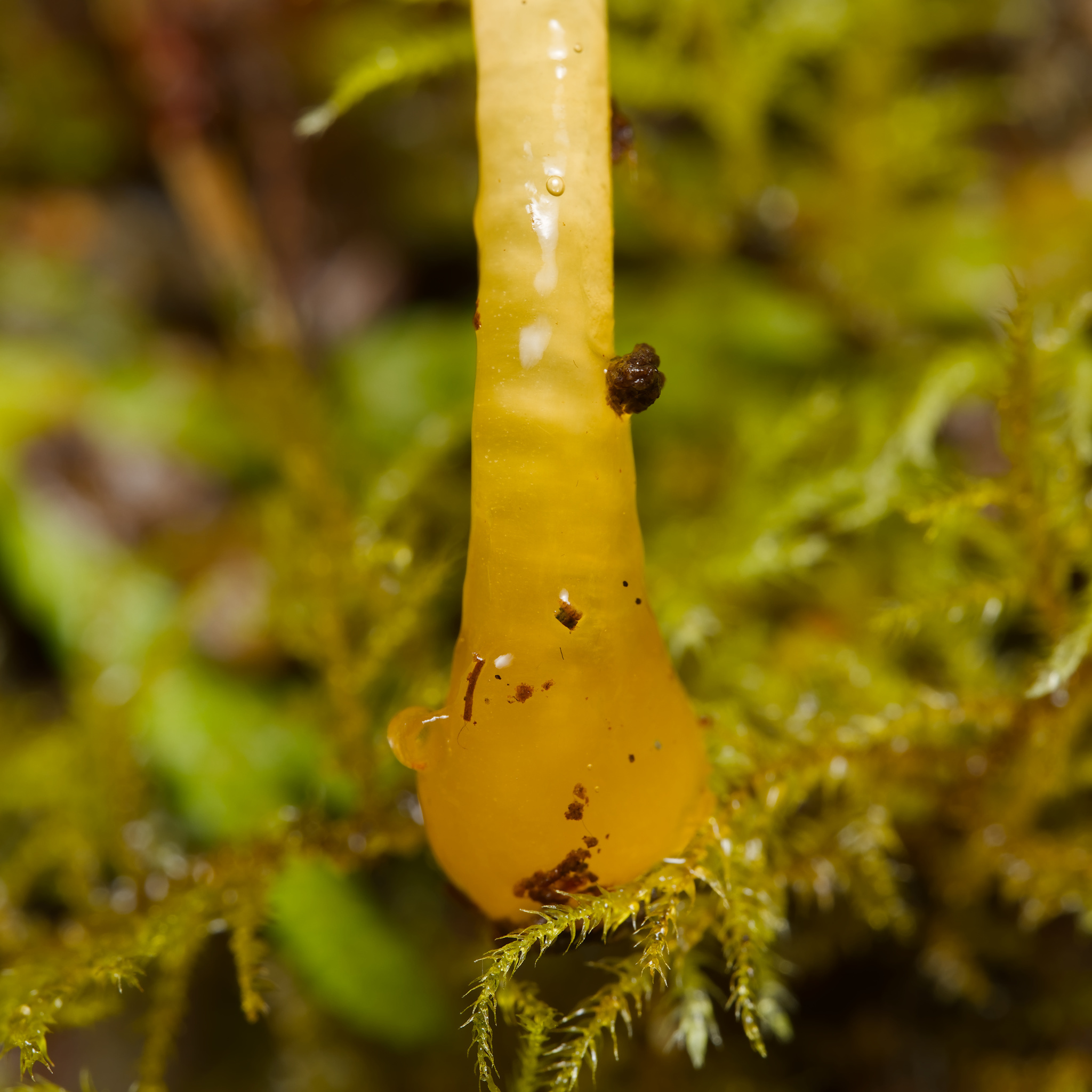
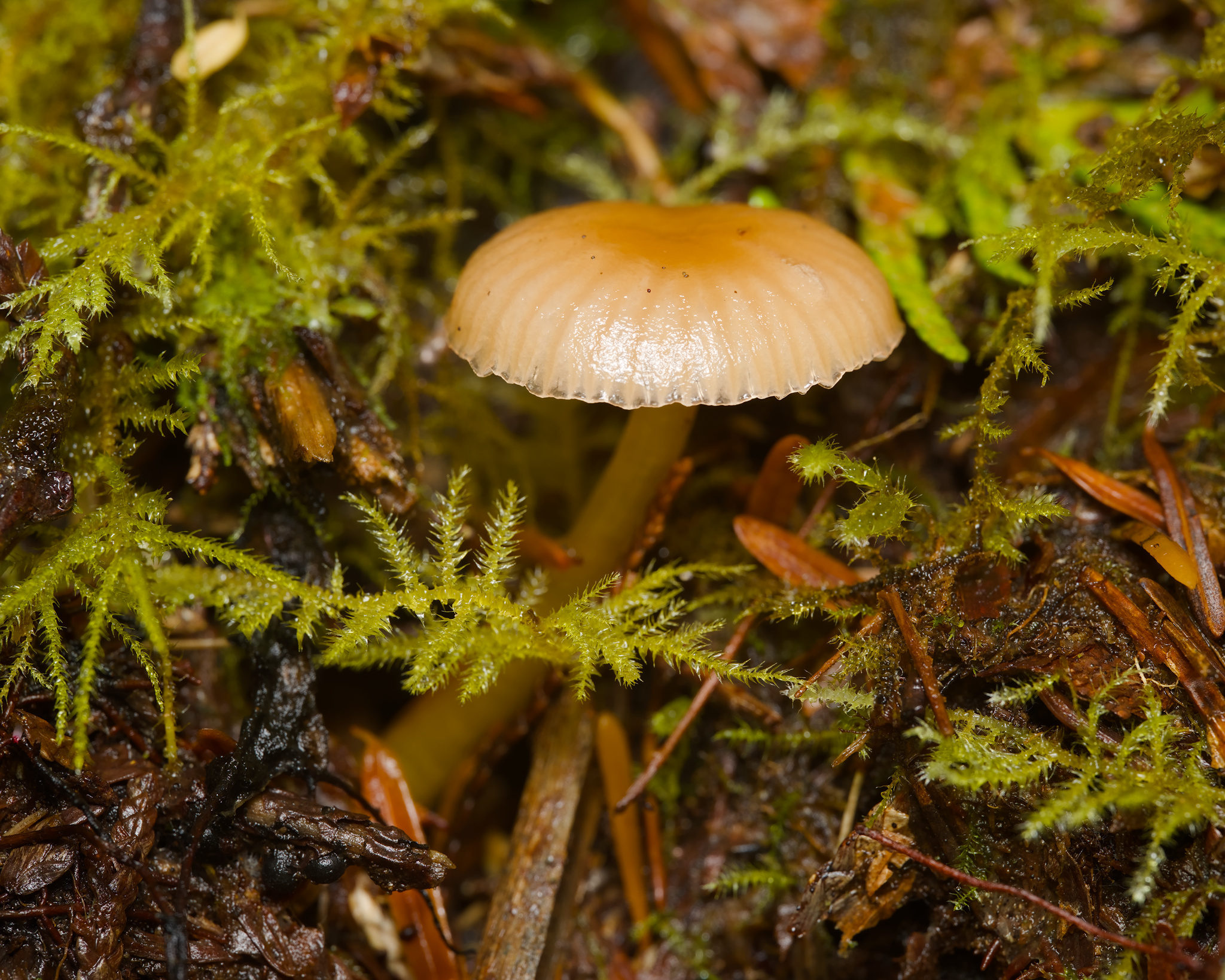
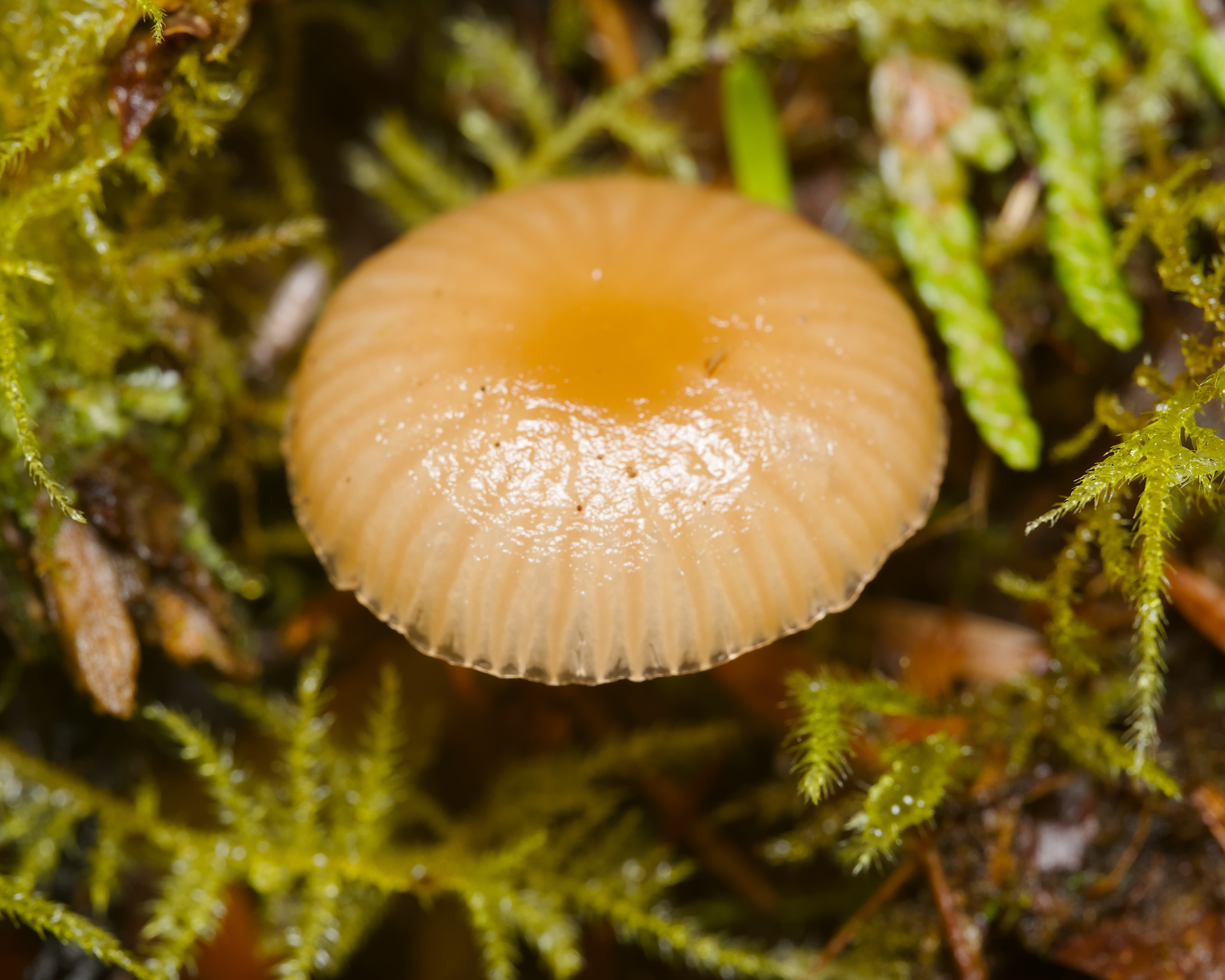
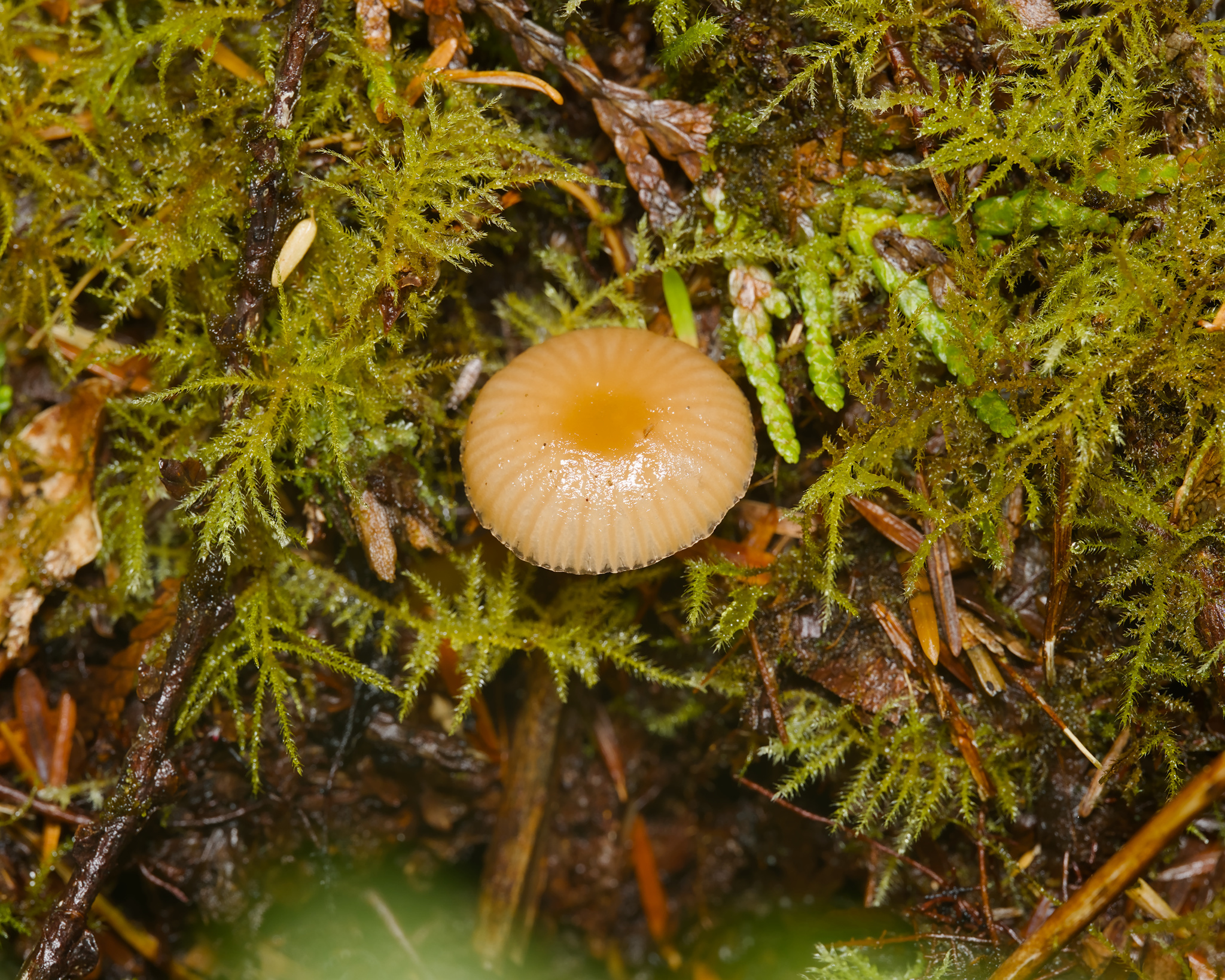
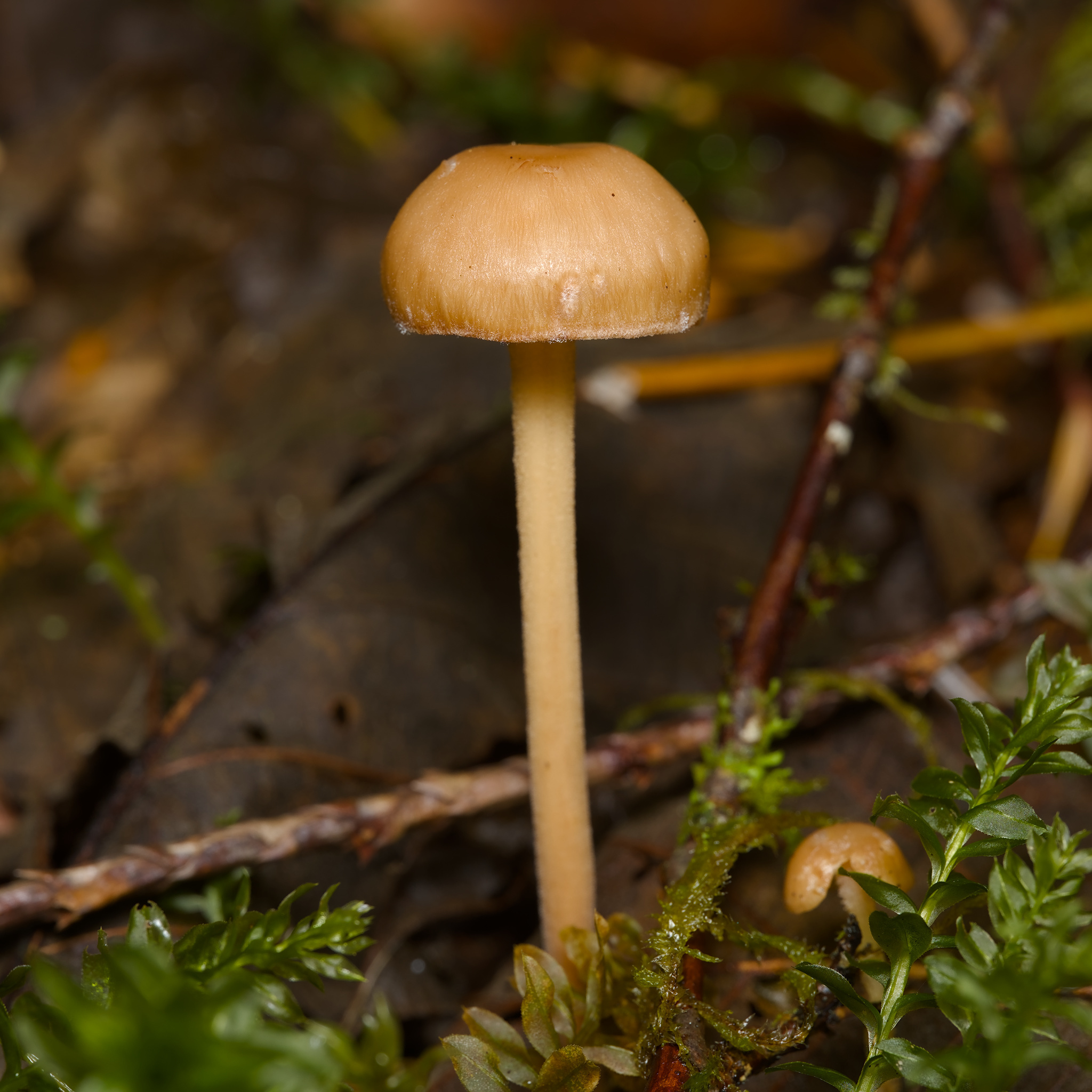
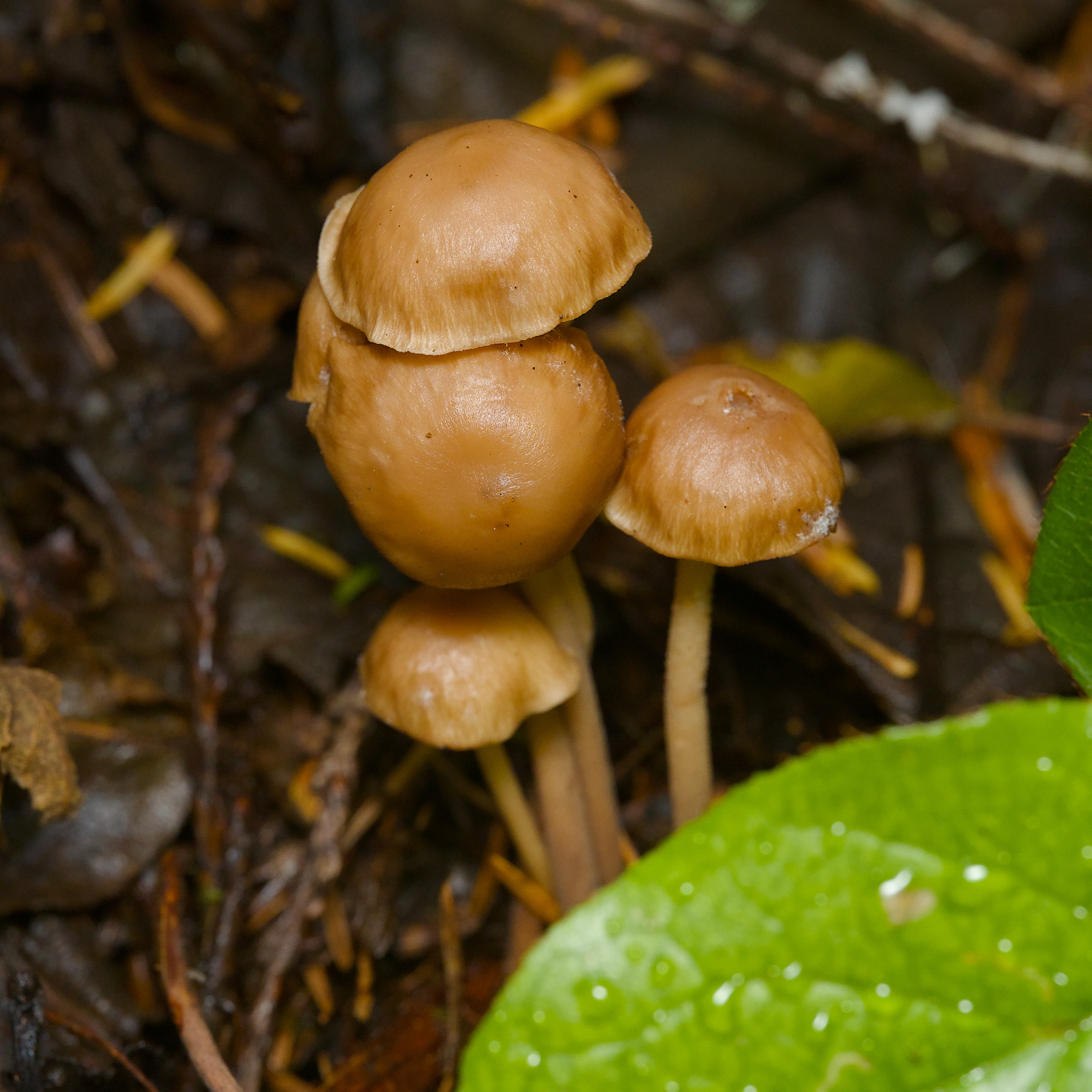
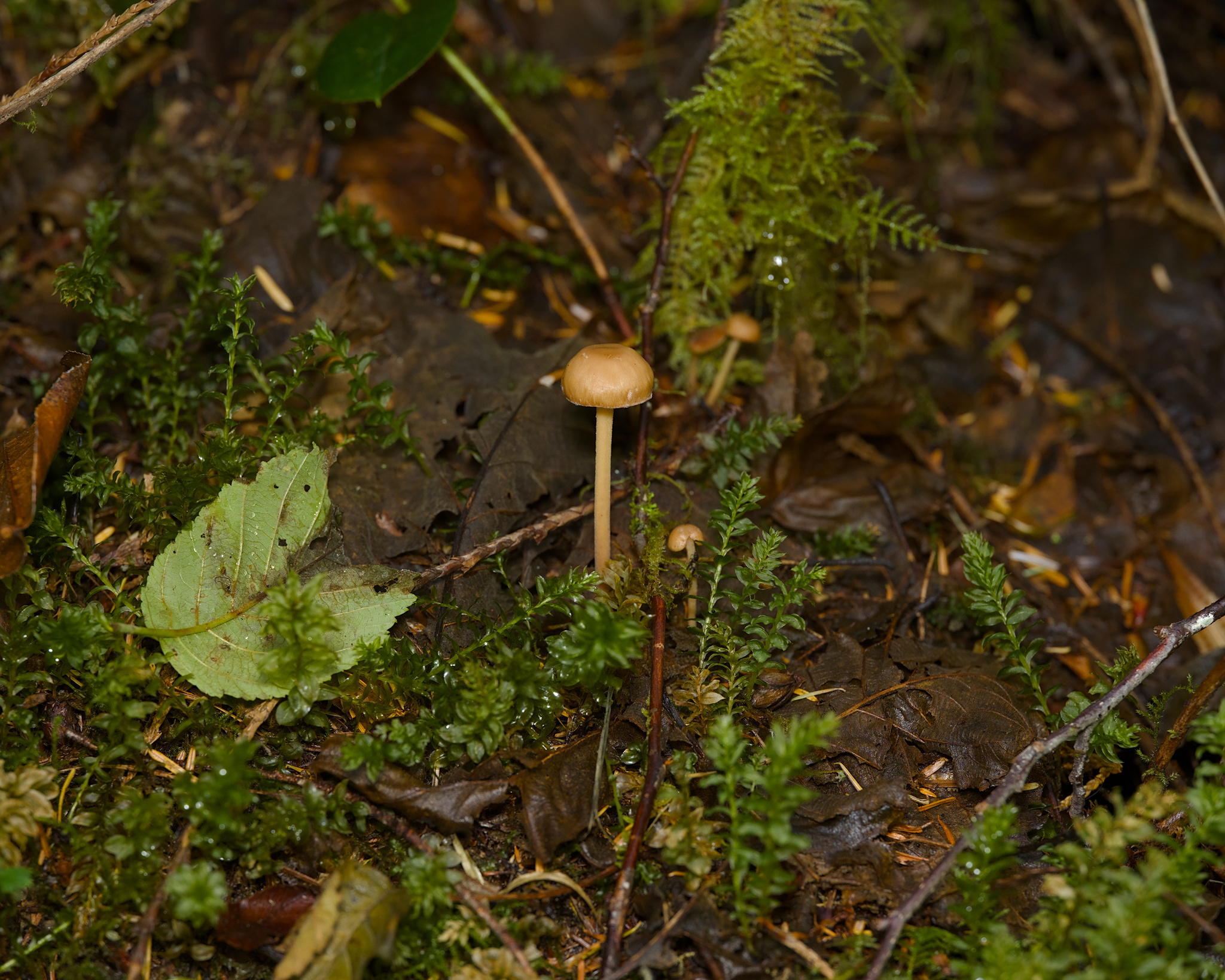
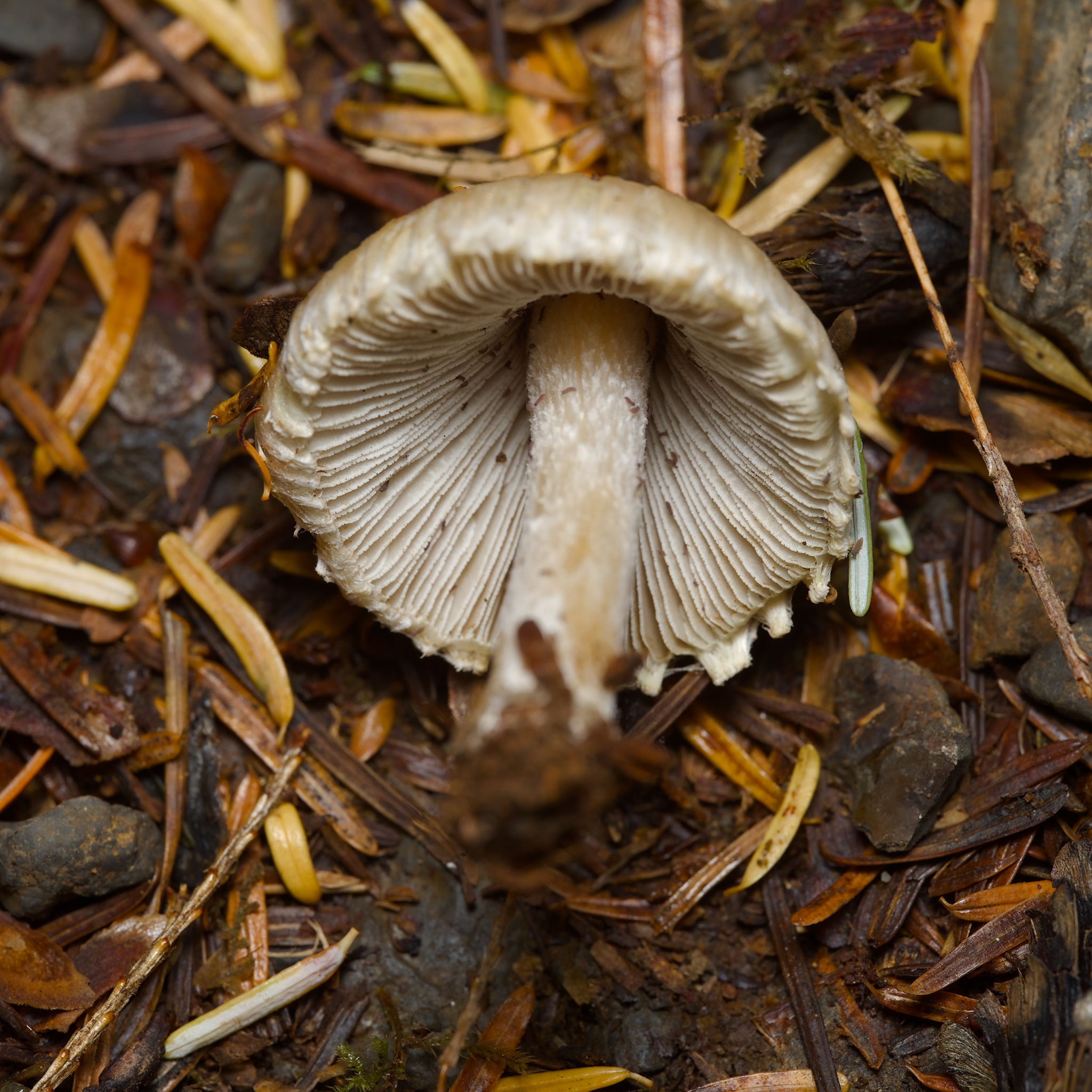
We've continued finding this small Gliophorus species since late July, throughout subsequent visits to the coast. Our collections most closely resemble what Danny Miller is calling Gliophorus sp. 'sciophanus-PNW07', though it's entirely possible they represent an undescribed species, particularly given how poorly resolved this group remains. We're hoping sequencing will provide some clarity, perhaps even an interesting temporary code.
My interest in Hygrophoraceae has led us to collect these several times. We've found them in coastal, autumn-like conditions, often around hemlock, as well as in older-growth, cedar-dominated habitat. These coastal habitats are particularly moss-rich, with Sphagnum especially abundant around Ozette. Our collections have been found among a variety of moss species, and we'll have to sort through exactly which. Although the habitat is Sphagnum-dominated, at least two other moss species are visible in the photographs of this collection alone.
Research suggests some Hygrophoraceae may not be entirely saprotrophic, instead maintaining relationships with living plants that differ from conventional mycorrhizal associations. I don't have any strong opinions or direct experience here, but I would strongly consider the possibility of a more complex association with mosses. A relationship with living trees also seems worth considering. That's a bit of a bold suggestion, but there's growing evidence that this family contains species with poorly understood relationships with living plants.
This is part of why we've made multiple collections of this particular species.
Upon some searching, I've found several published studies suggesting these relationships may be more widespread than previously understood. Of particular interest is Seitzman et al. (2011), Conservation of biotrophy in Hygrophoraceae inferred from combined stable isotope and phylogenetic analyses (Mycologia, 103(2), 280–290).
That study directly included Gliophorus laetus, finding nitrogen isotope signatures with some resemblance to ectomycorrhizal fungi, while carbon isotope signatures differed from both conventional ectomycorrhizal fungi and saprotrophs. These results suggest an unusual nutritional relationship, though they don't establish a particular plant association or demonstrate nutrient exchange.
Other studies have found evidence of relationships with living plants, including root colonization by members of Hygrophoraceae. However, direct investigation of this particular species group remains fairly limited. The published work includes relatively few G. laetus collections, including one from a moss-rich Massachusetts habitat, but none from our particular region.
Interestingly, Danny Miller's regional sequencing work has already helped distinguish several provisional taxa within the G. laetus group, including Gliophorus sp. 'laetus-PNW05', 'laetus-PNW06', and 'sciophanus-PNW07'. However, that work appears primarily focused on taxonomy, and I haven't found comparable research investigating their relationships with plants.
So, at the time of writing, these ecological relationships appear rather understudied, particularly within the G. laetus group in coastal PNW habitats. It would be interesting to investigate this species group genetically, and also take a closer look at it's ecology.
I'd love to find regional Hygrophoraceae researchers who might be interested in investigating this further. There's clearly already interest in the taxonomy of these species, and I am at least vaguely aware of some people studying the more complex relationships with plants, present in the family. More to come!
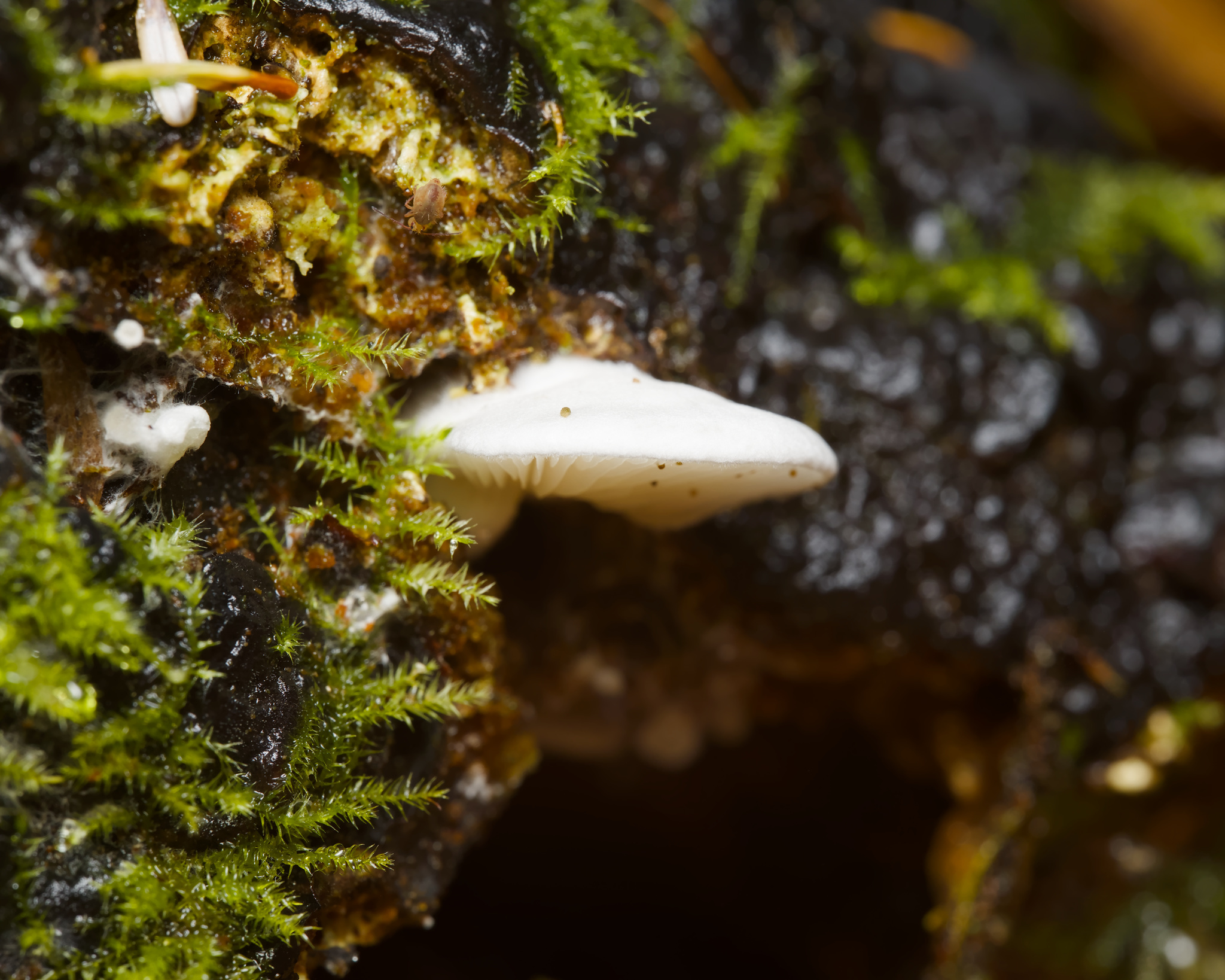
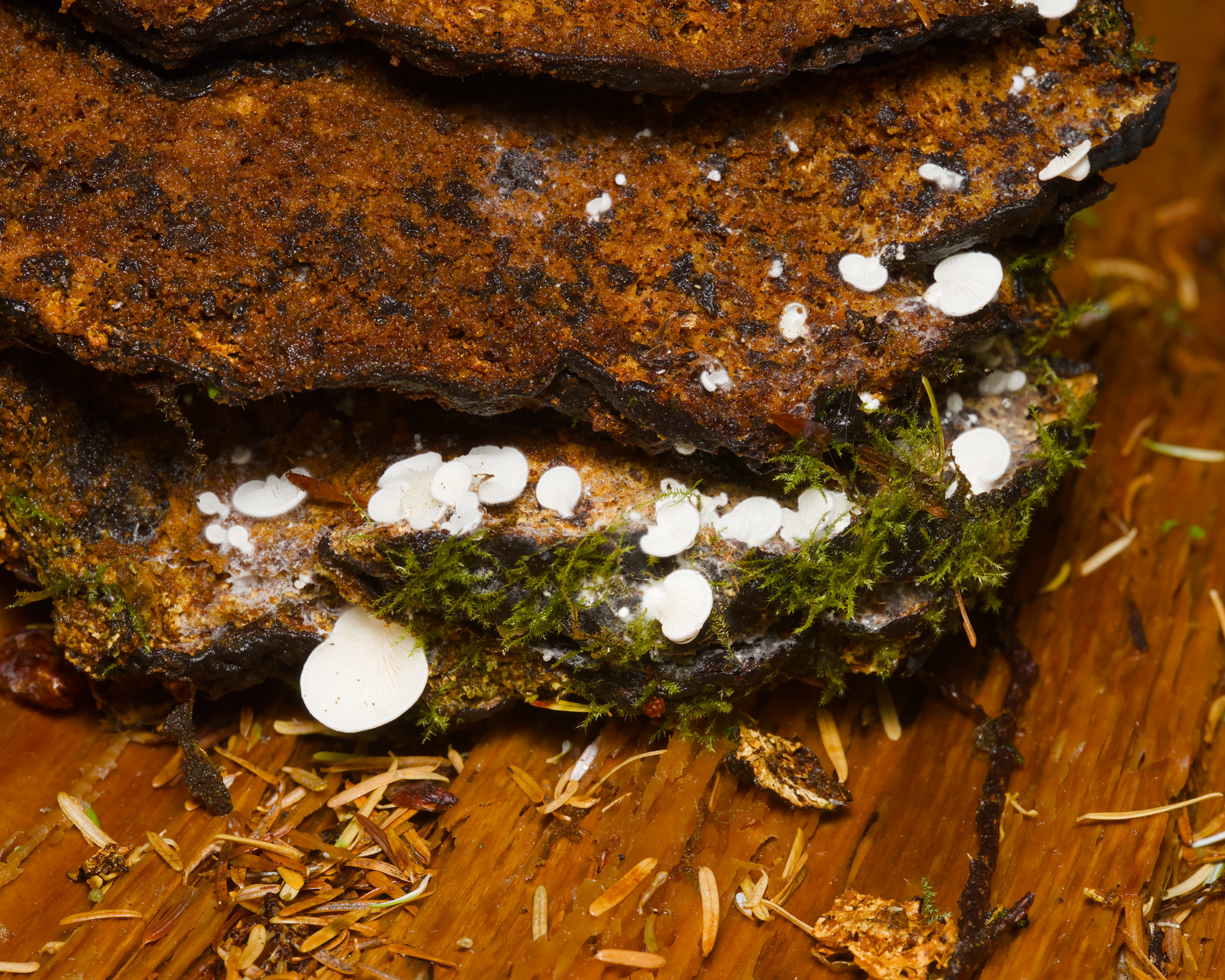
Overall morphology and especially substrate here, would suggest this genus is correct. I don't have much experience with Claudopus but this species is probably common here. Cute little oddball entolomatoids.
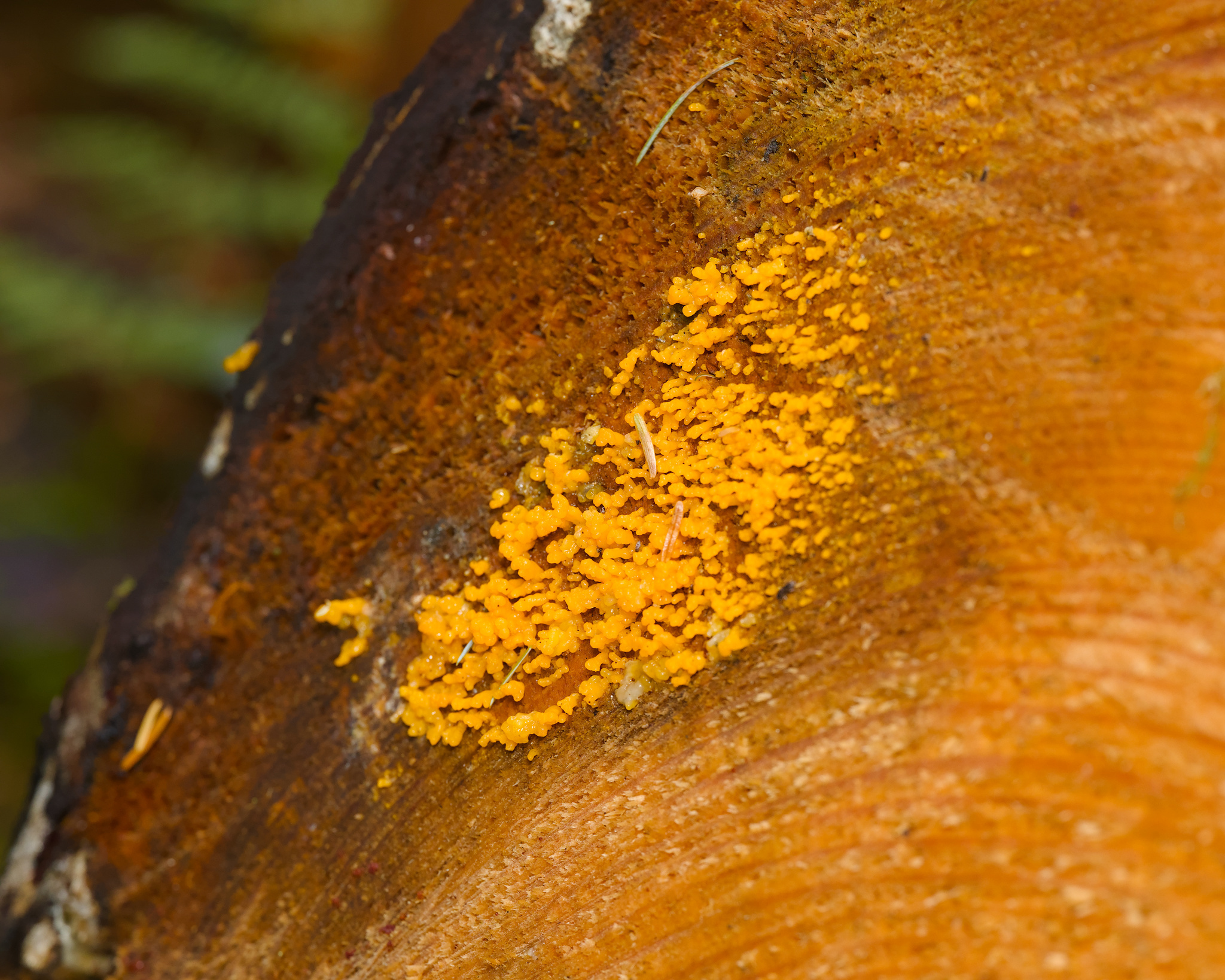
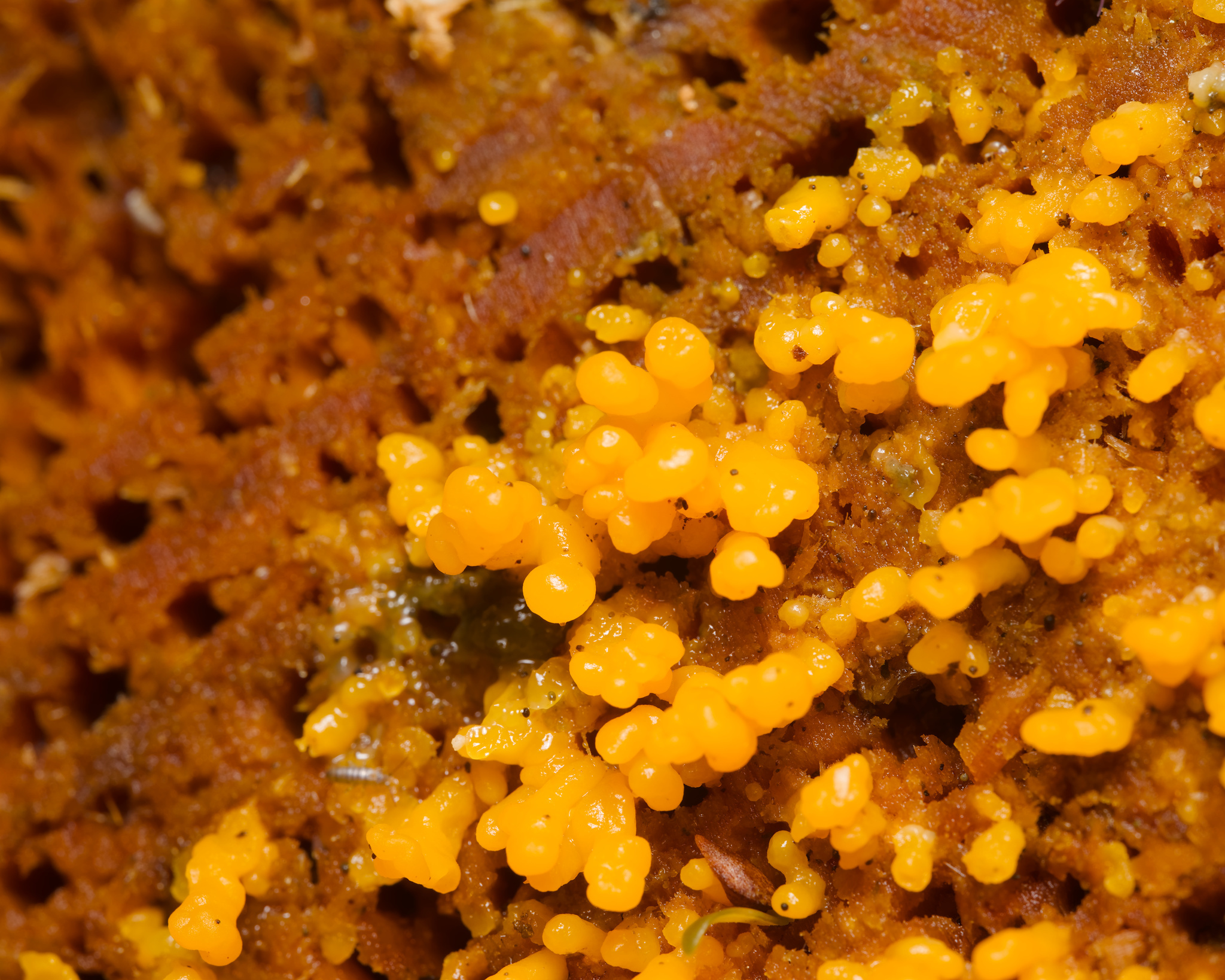
This funky, possibly stunted Dacrymycete is probably just Dacrymyces in my opinion. However we both thought it was interesting enough to scrape some off to double check. We've observed two different Dacrymycete genera growing together before also.
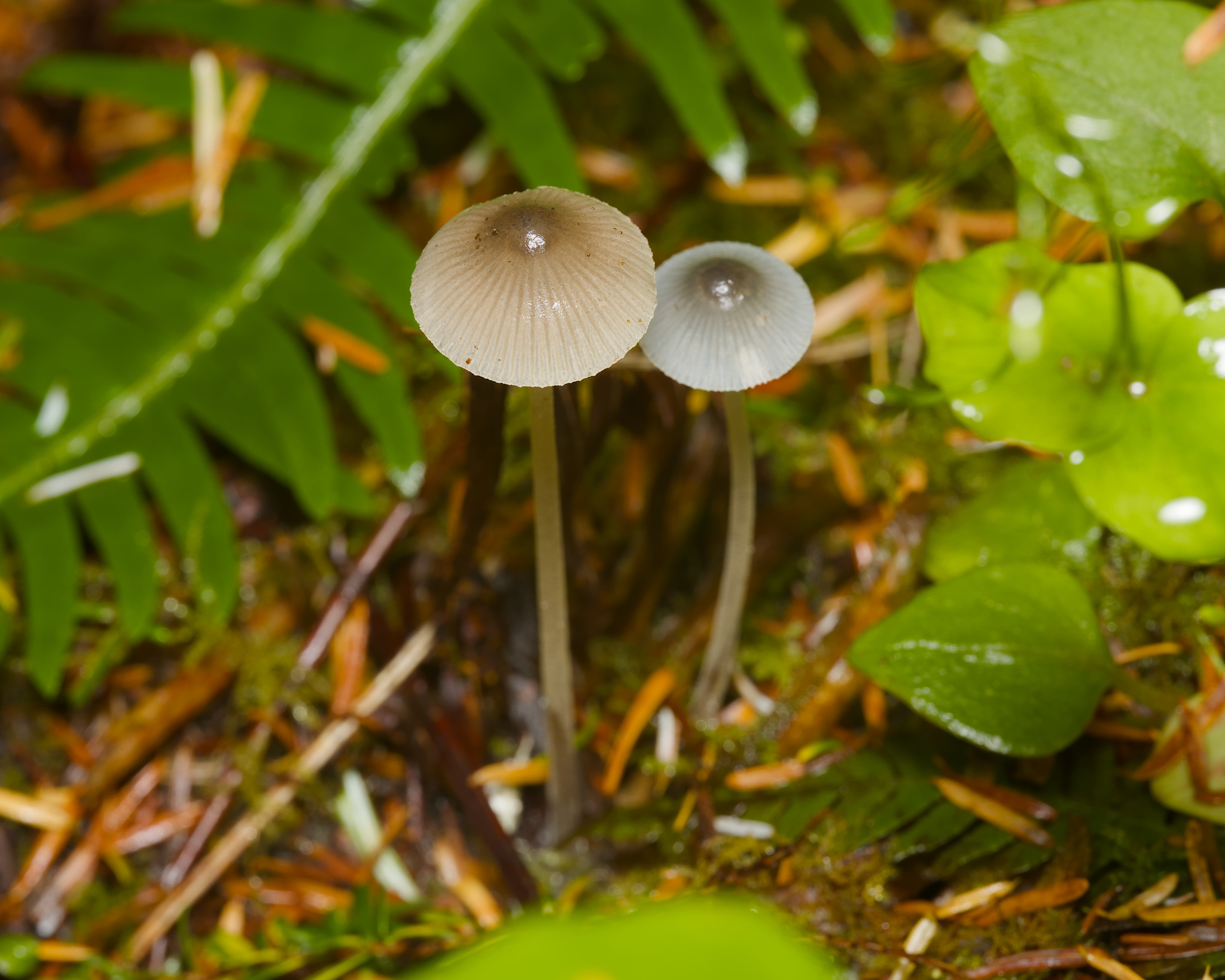
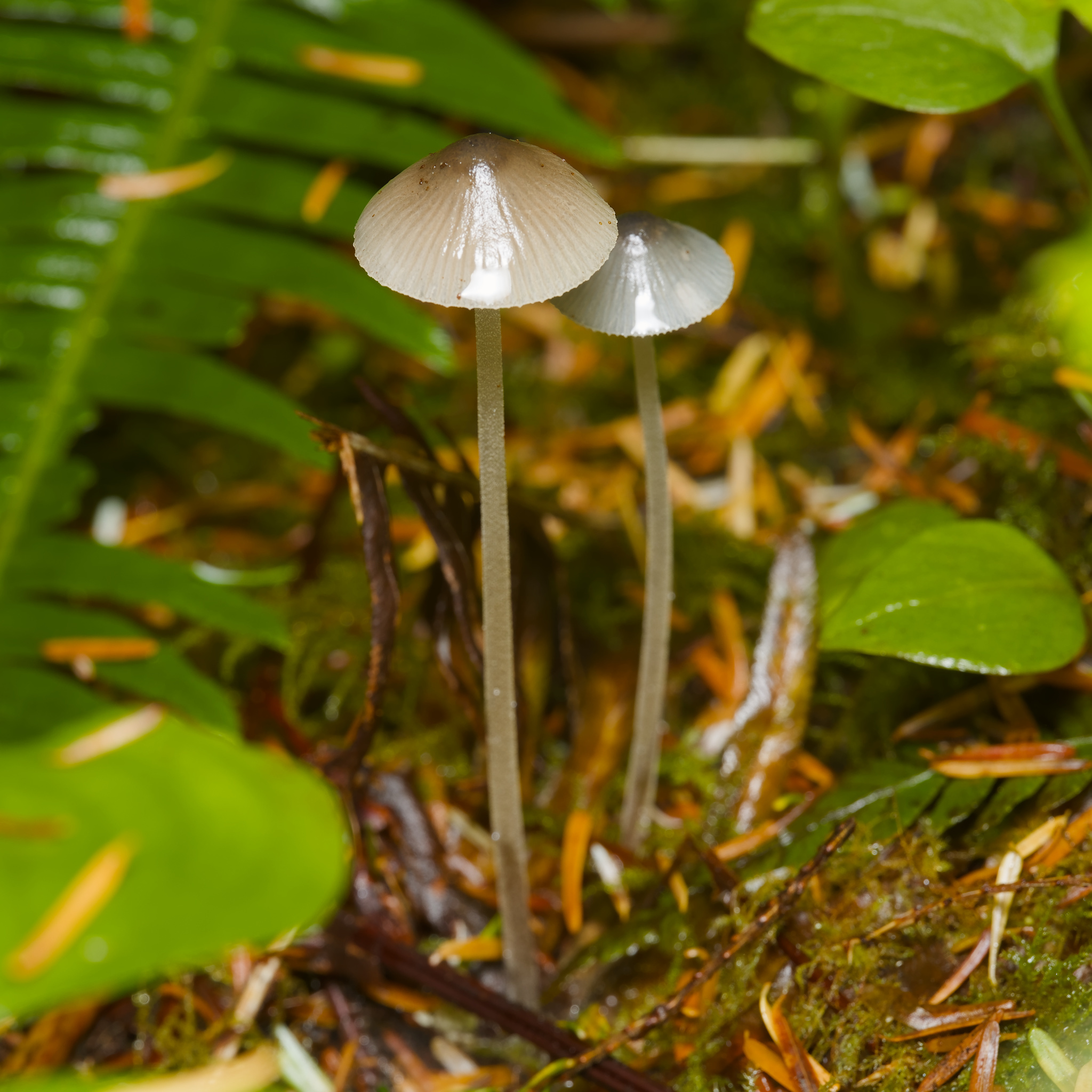
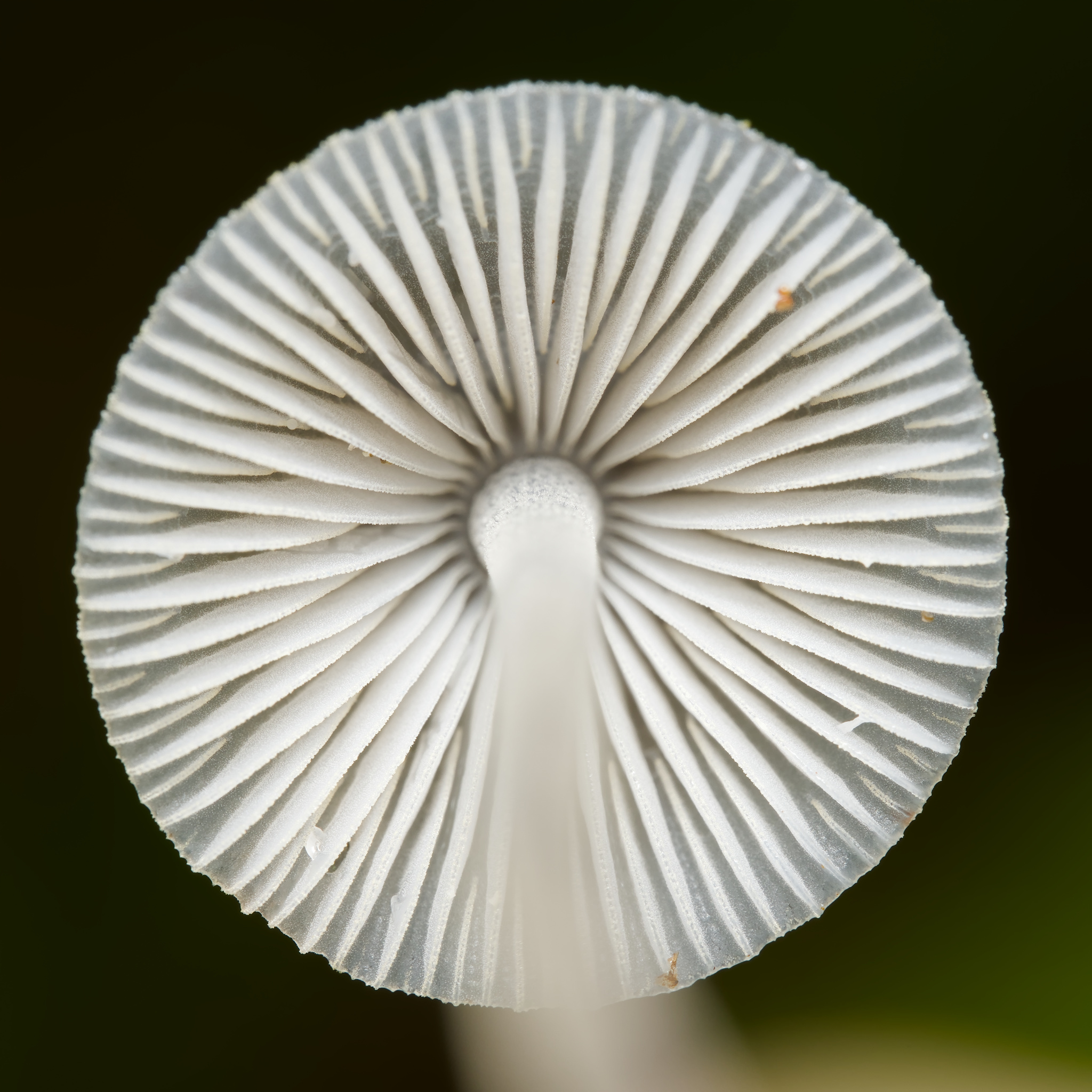
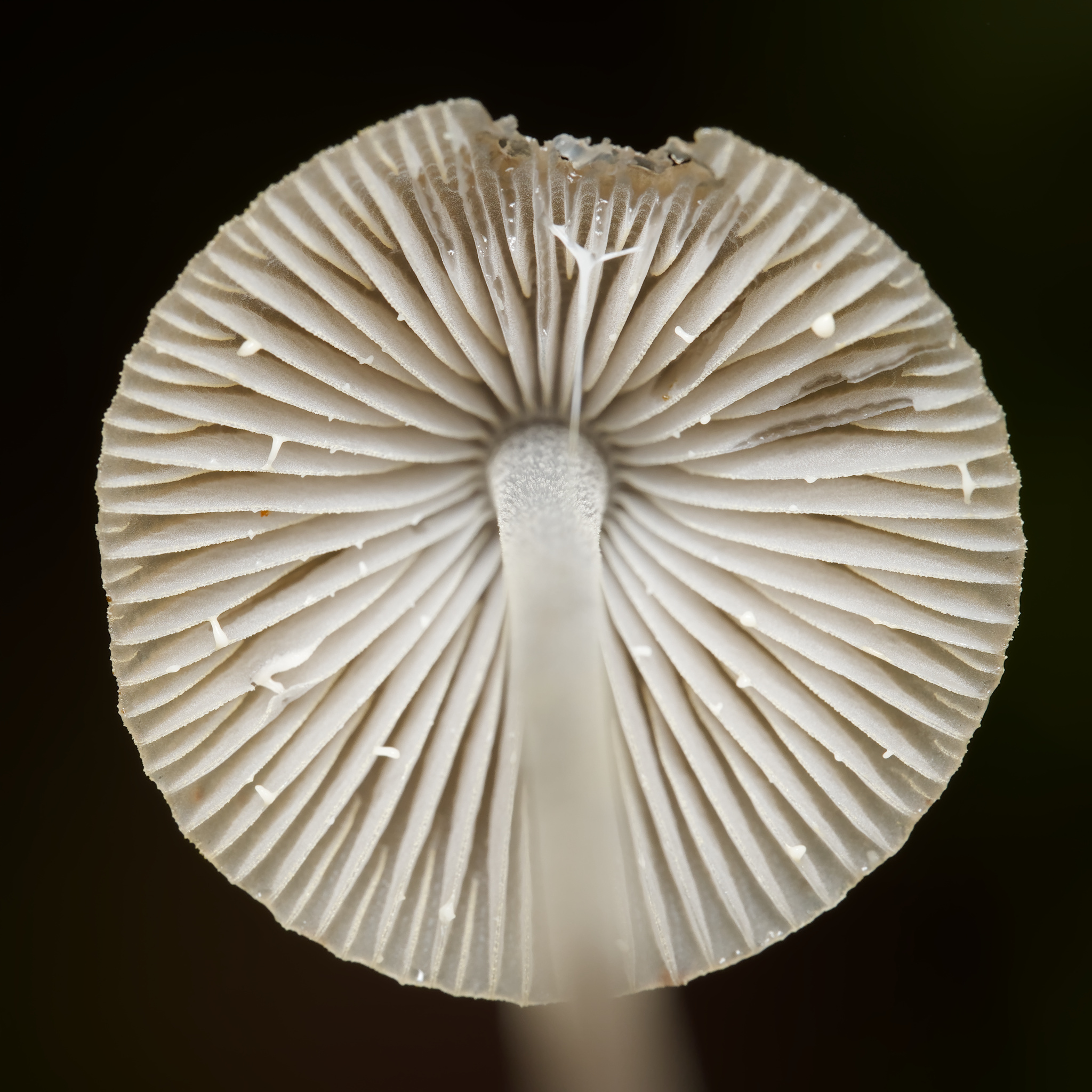
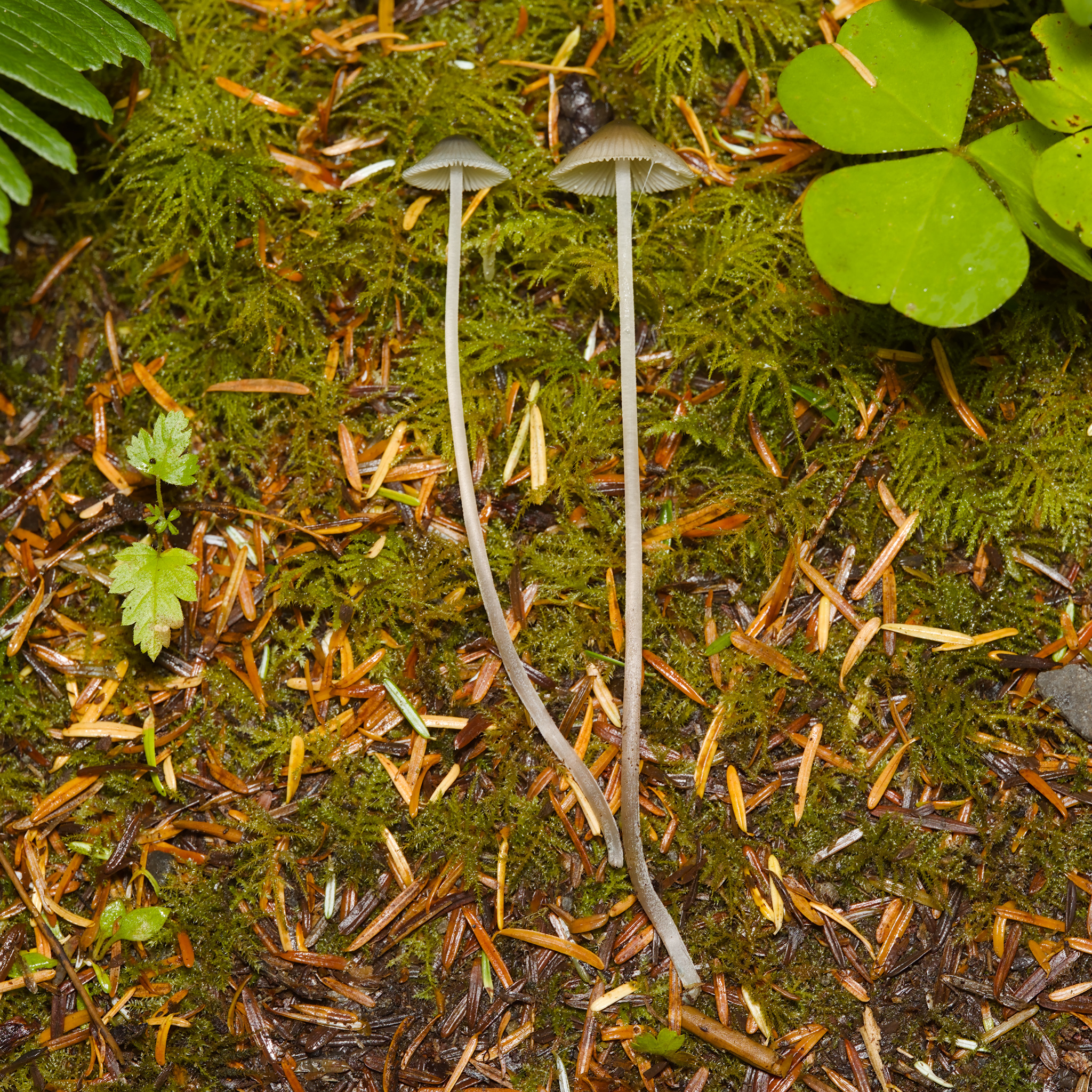
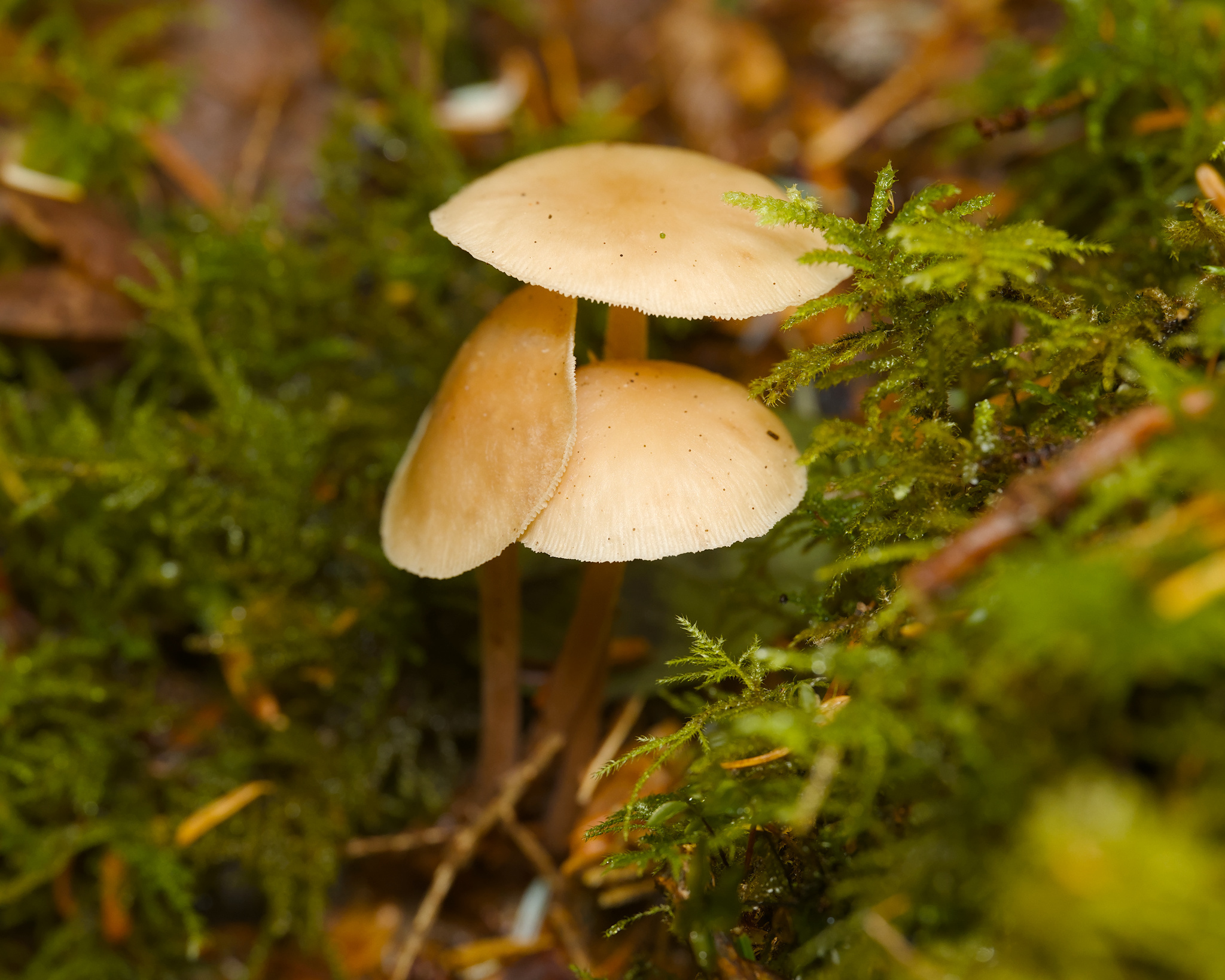
I've been affectionately calling this lovely little Mycena pair the "two toned Mycena". It probably has a name already but I thought the contrast between the two fruits was very nice here. Don't have a species guess myself but the color may also lend a suggestion there. Happy to continue to survey different species in this genus as I'm sure there's plenty of less understood species. Along with many common ones we'd probably like to cover.
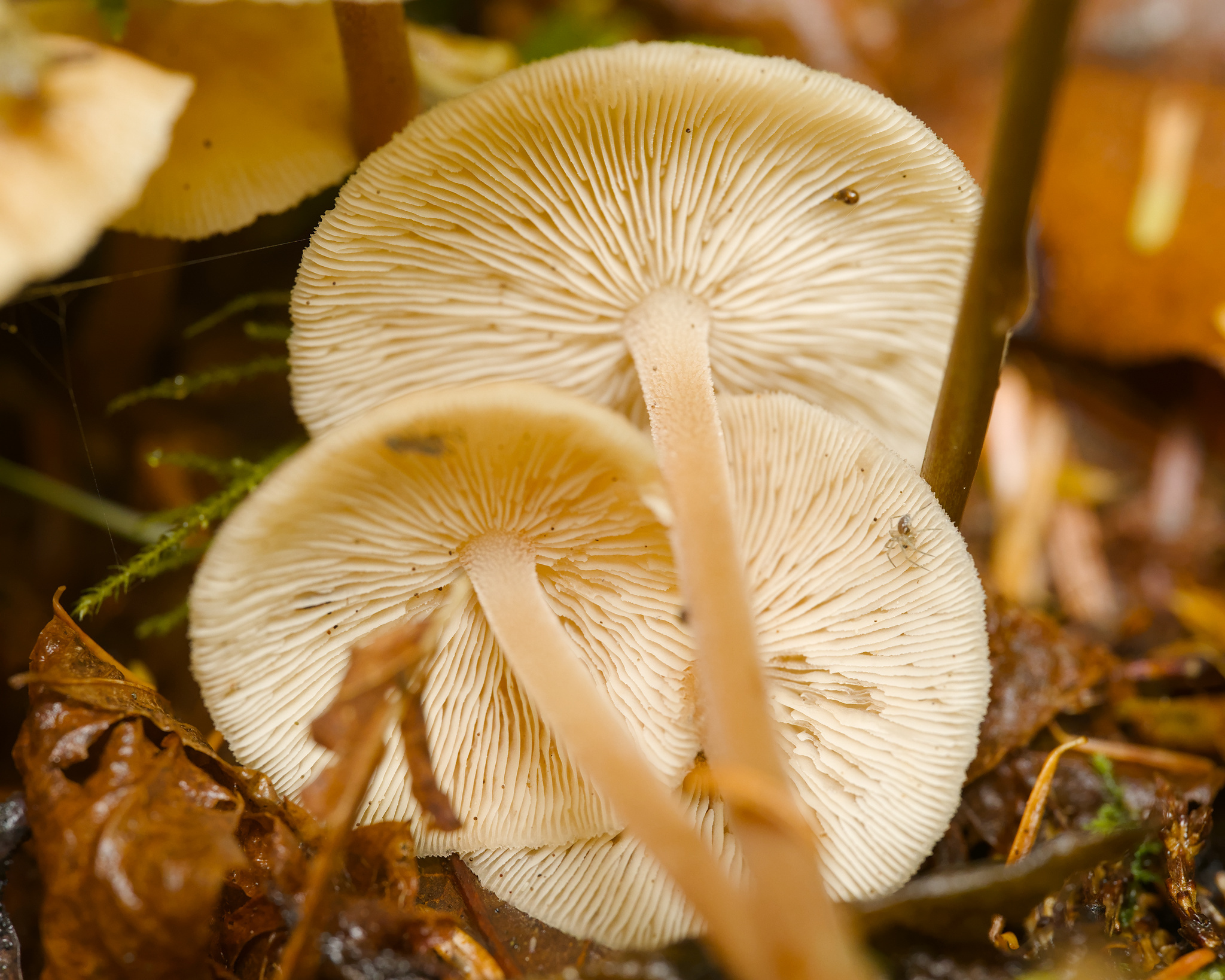
Something towards Gymnopus, maybe Collybiopsis. I think certainly this family. Probably not of much significant interest but I do enjoy this family so it's yet another one that's simply a good survey opportunity.
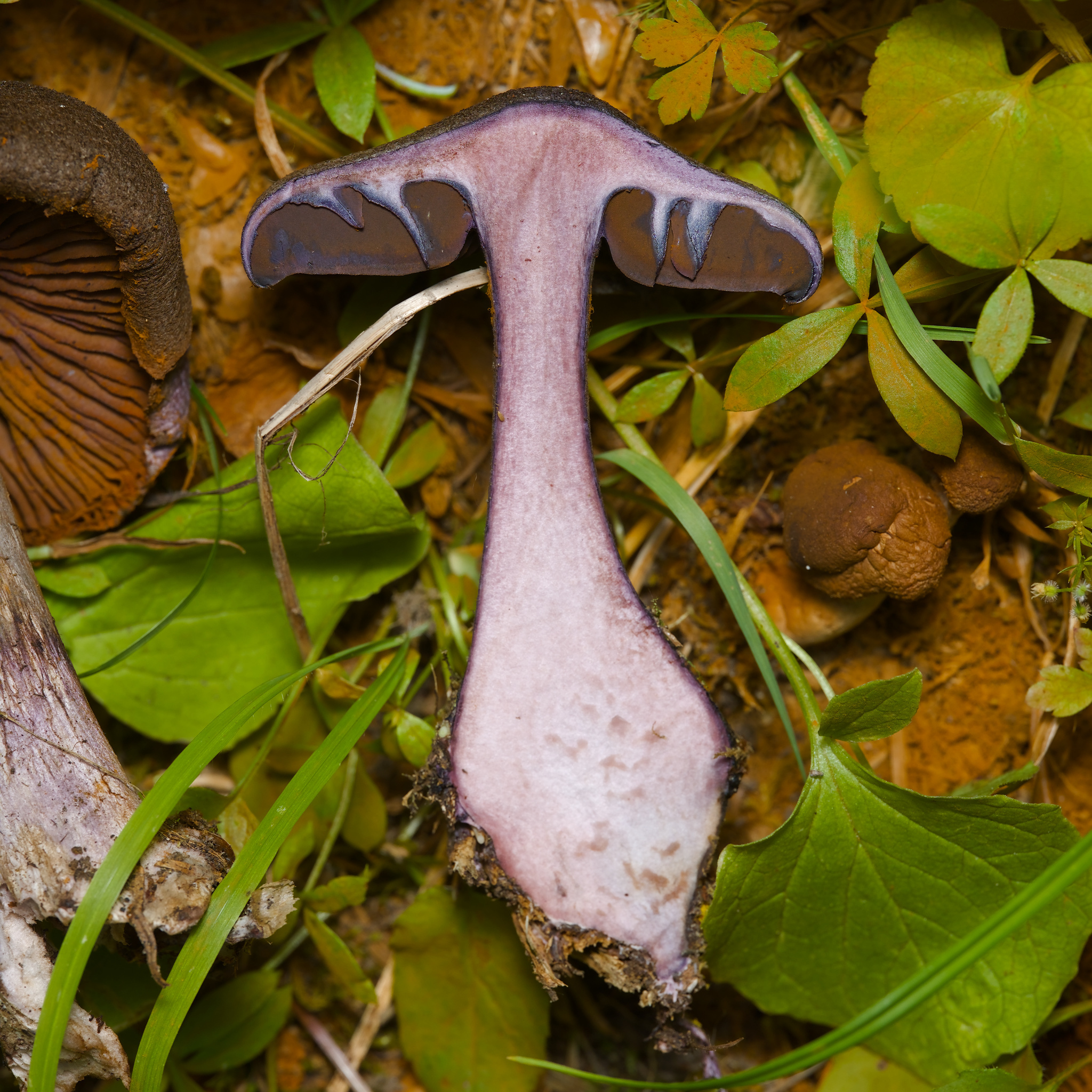
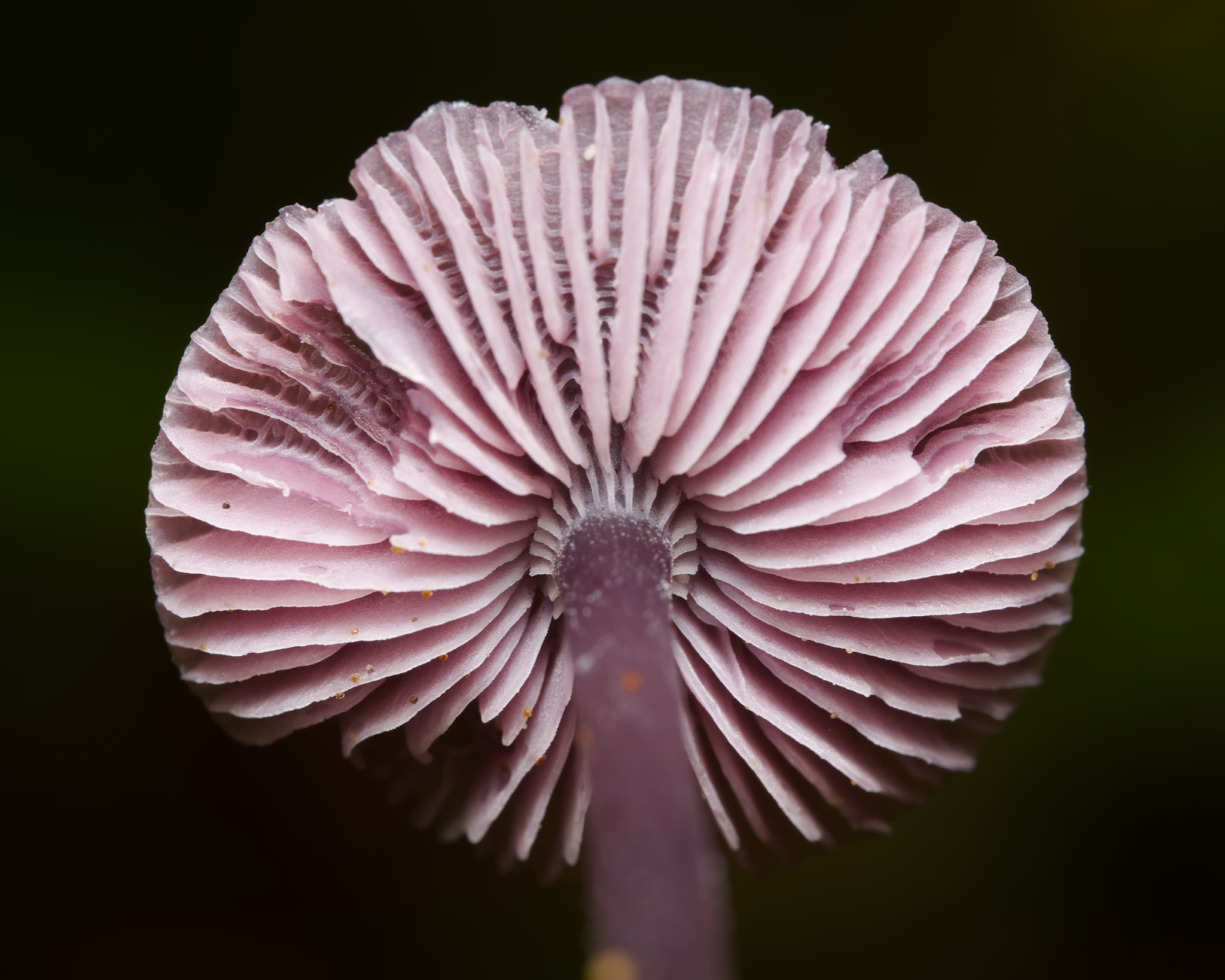
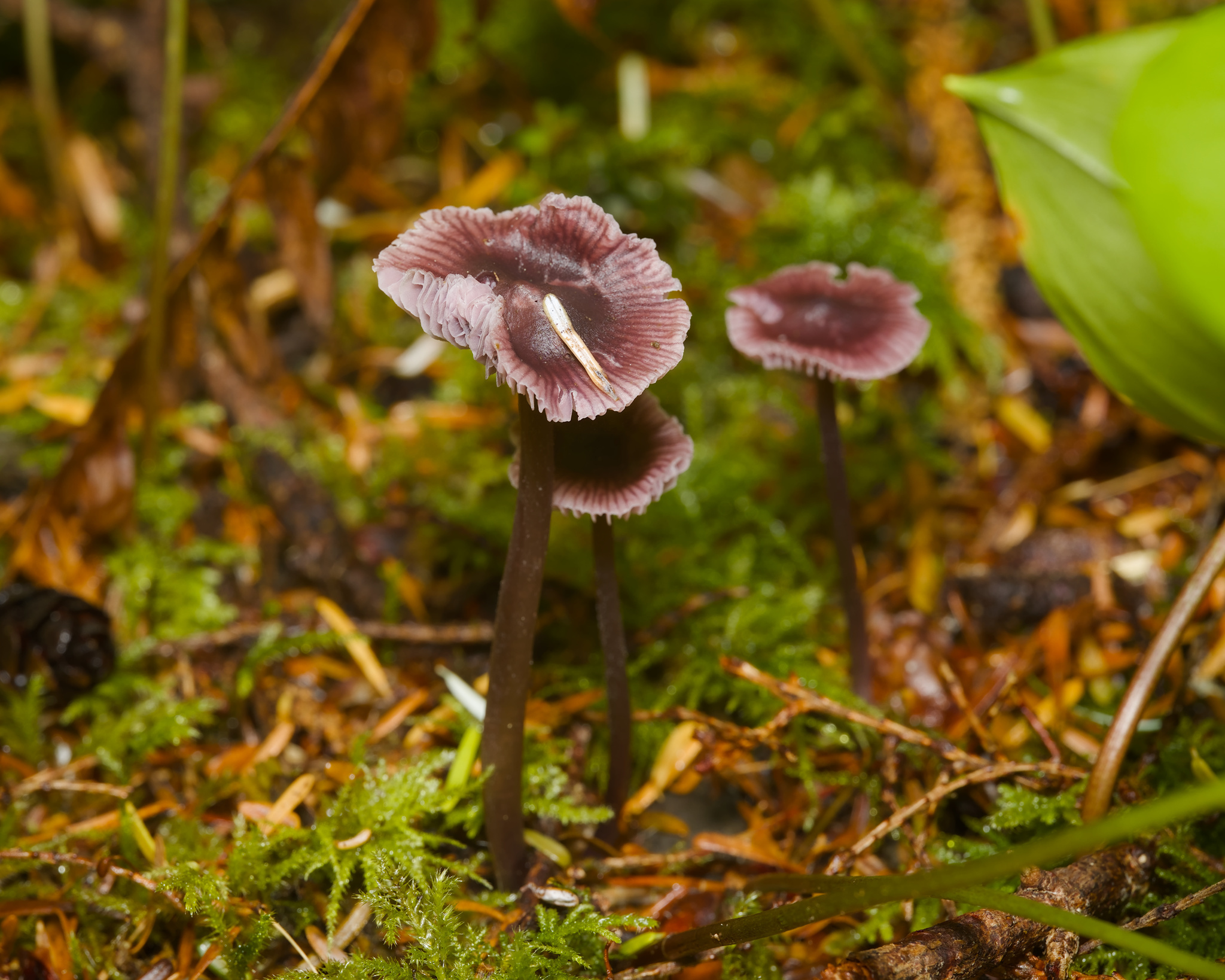
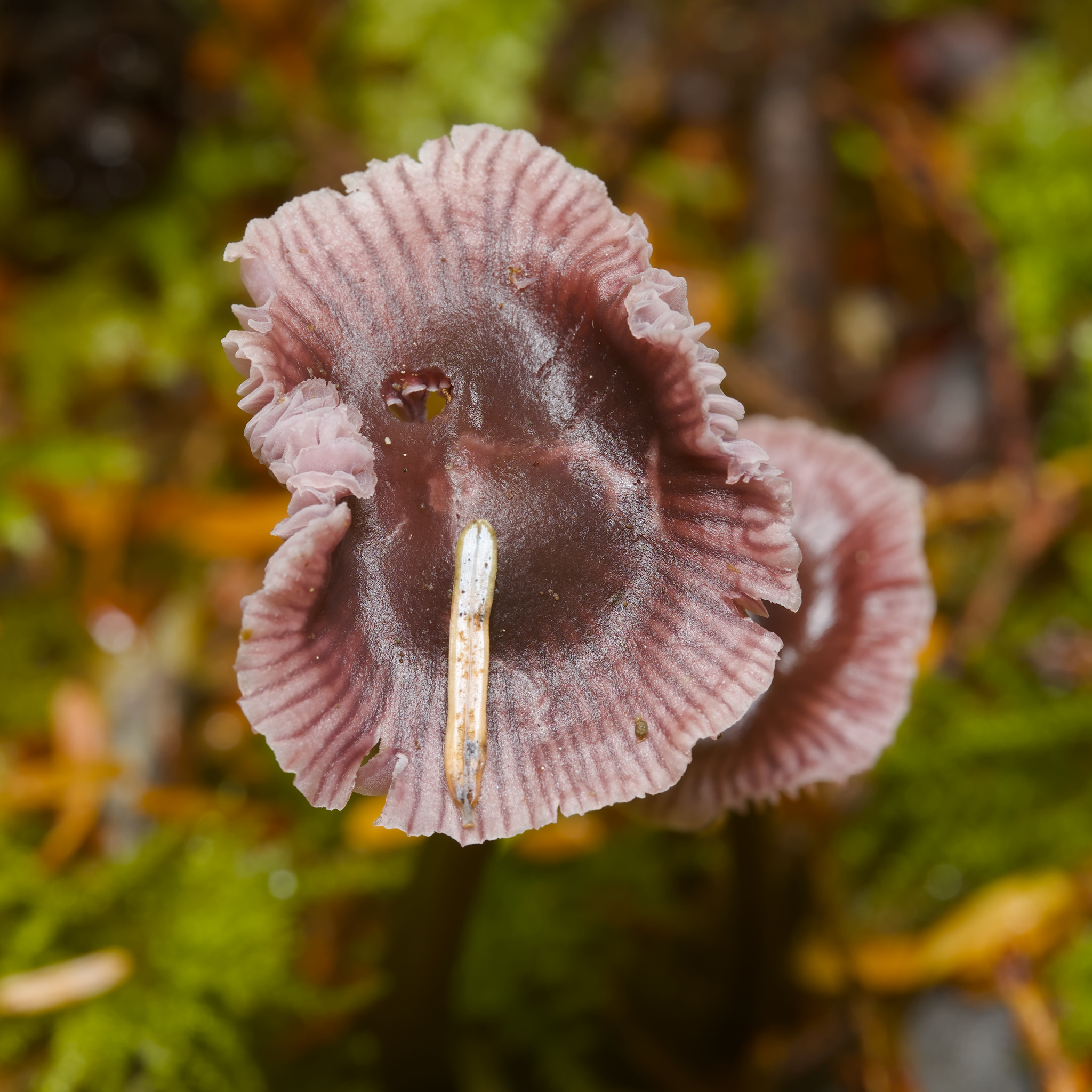
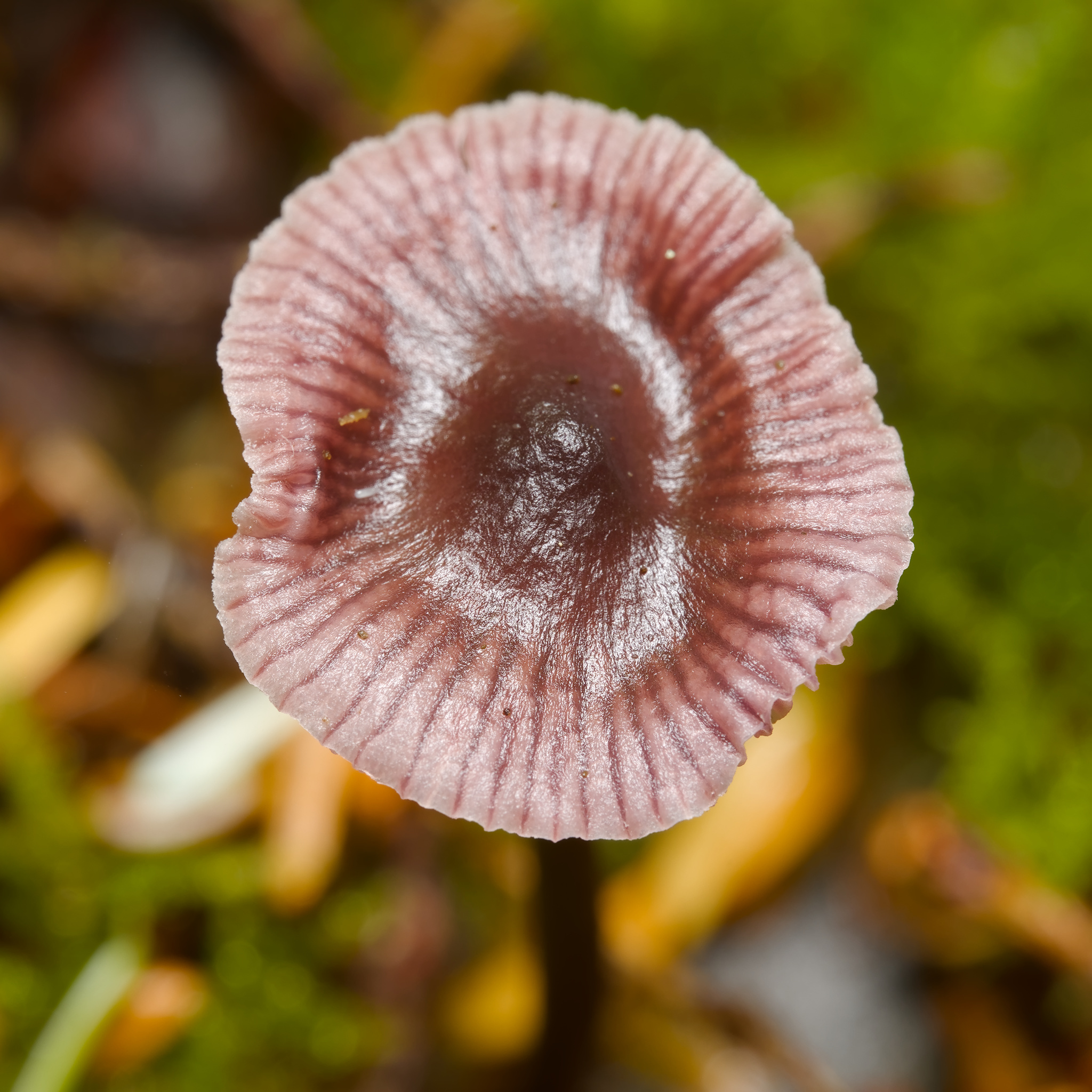
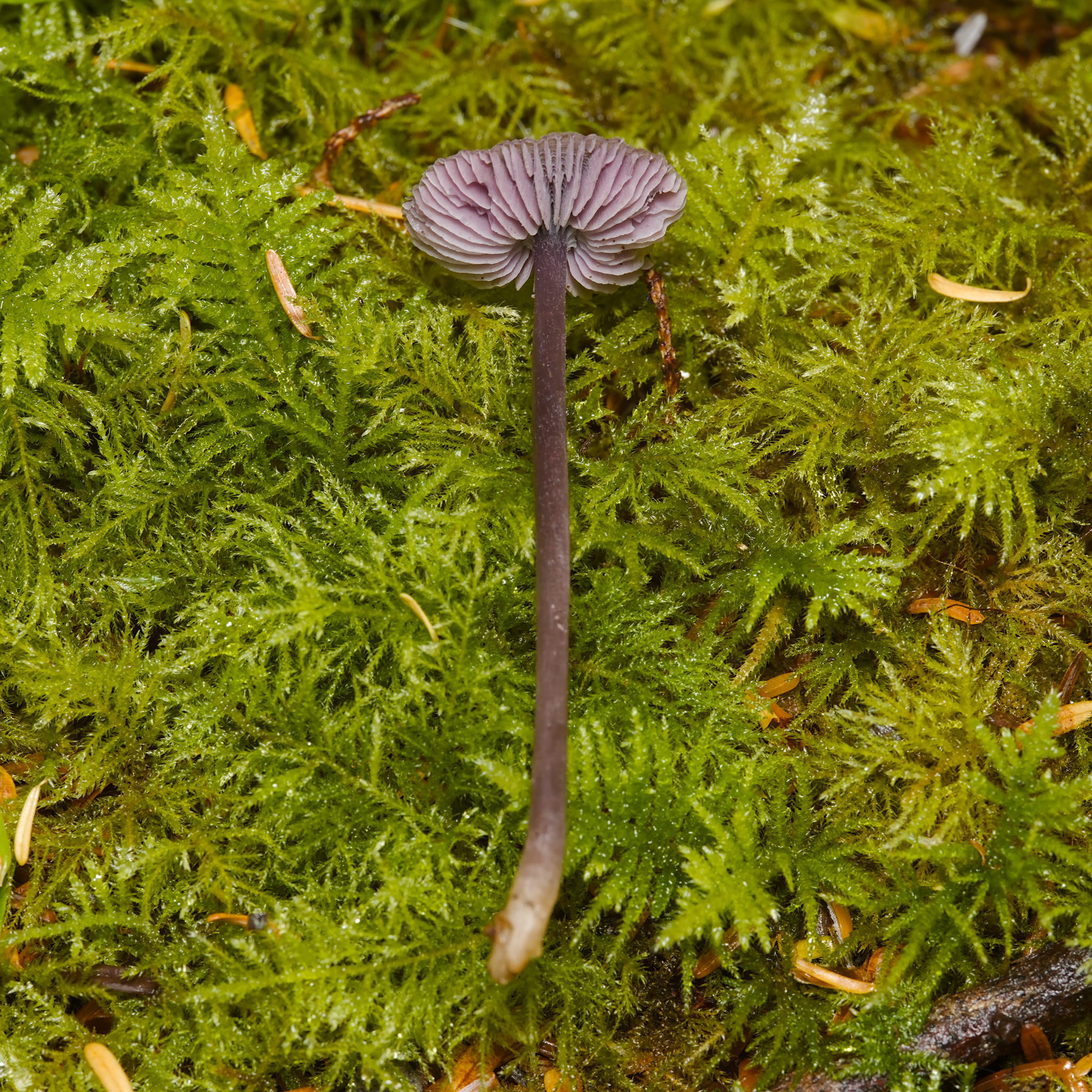
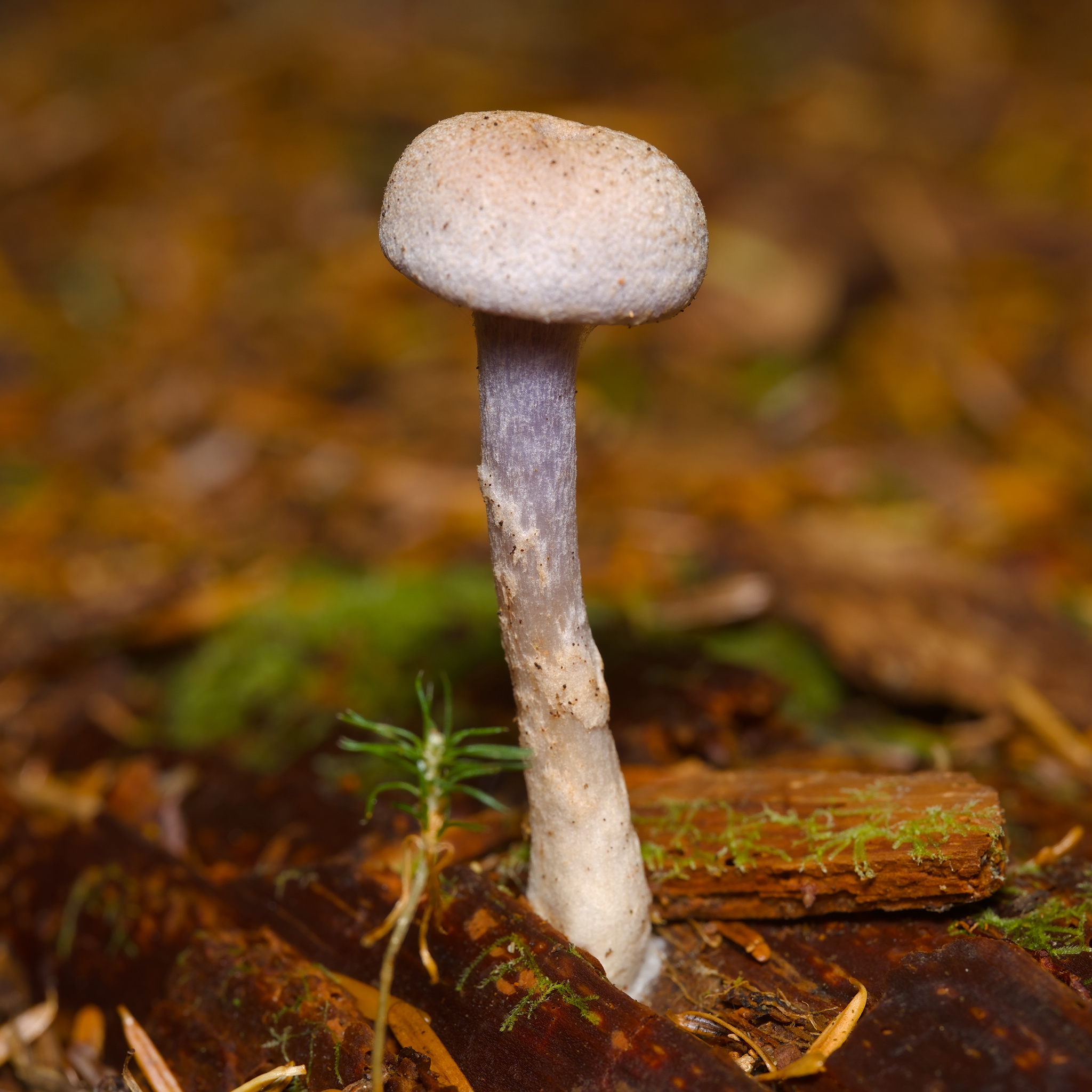
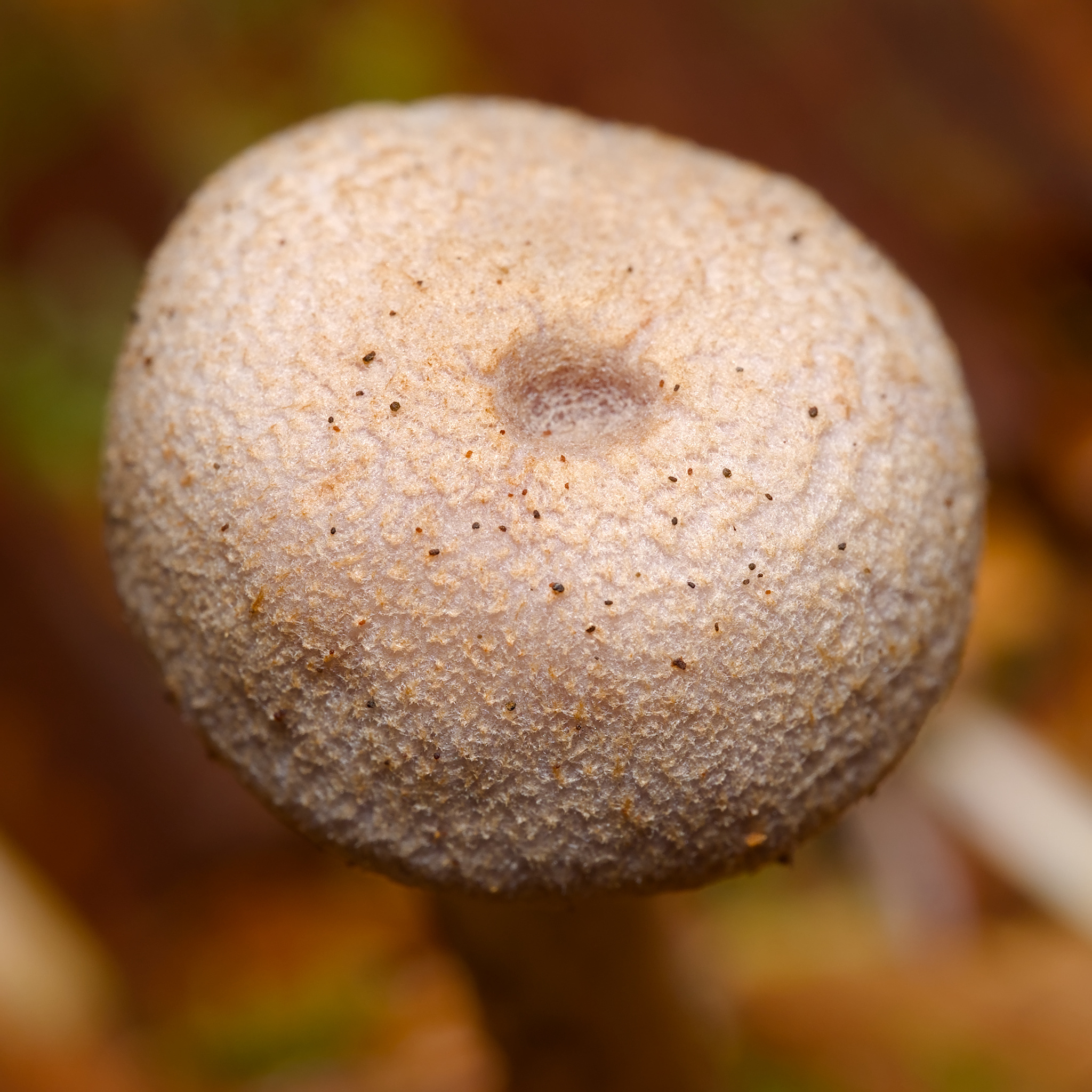
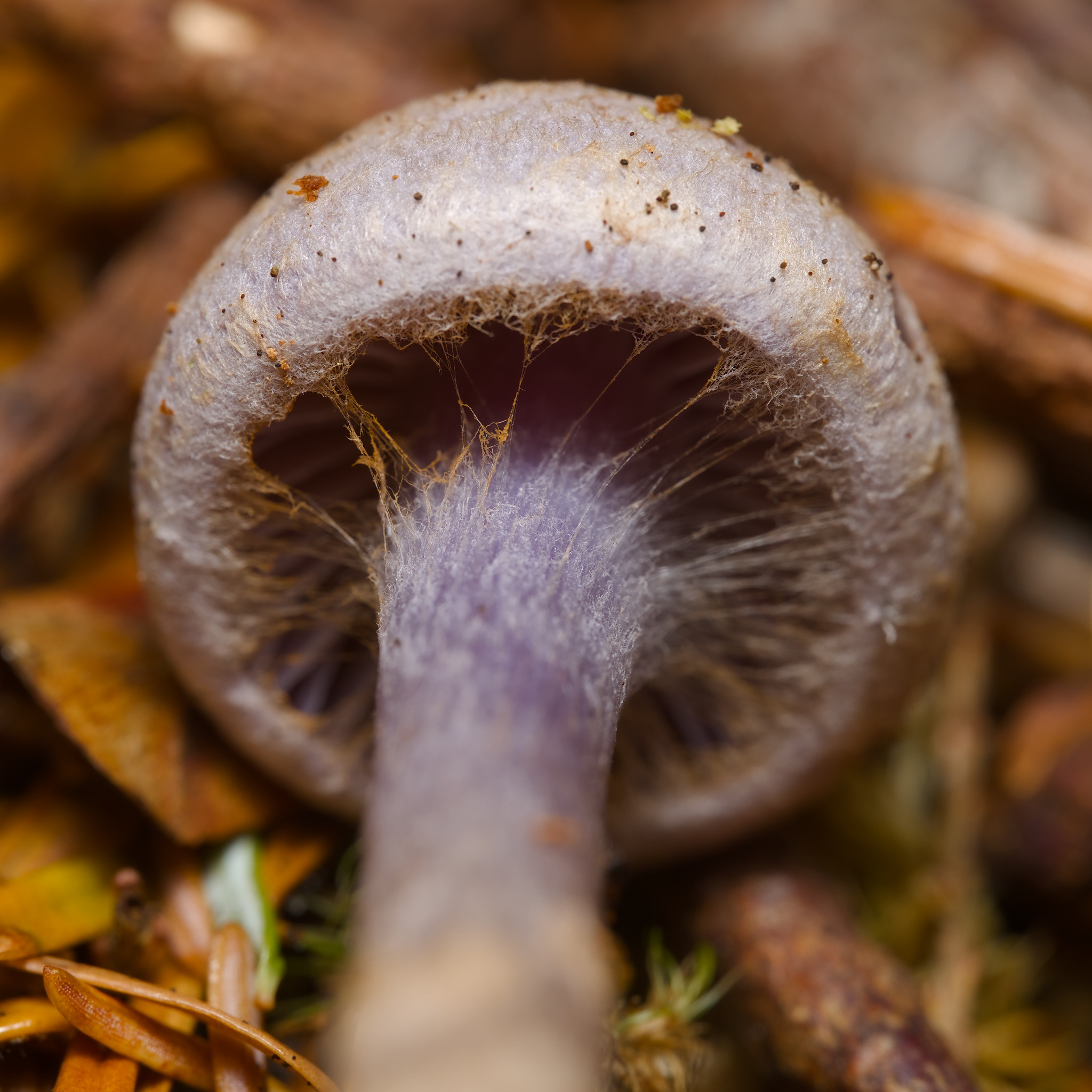
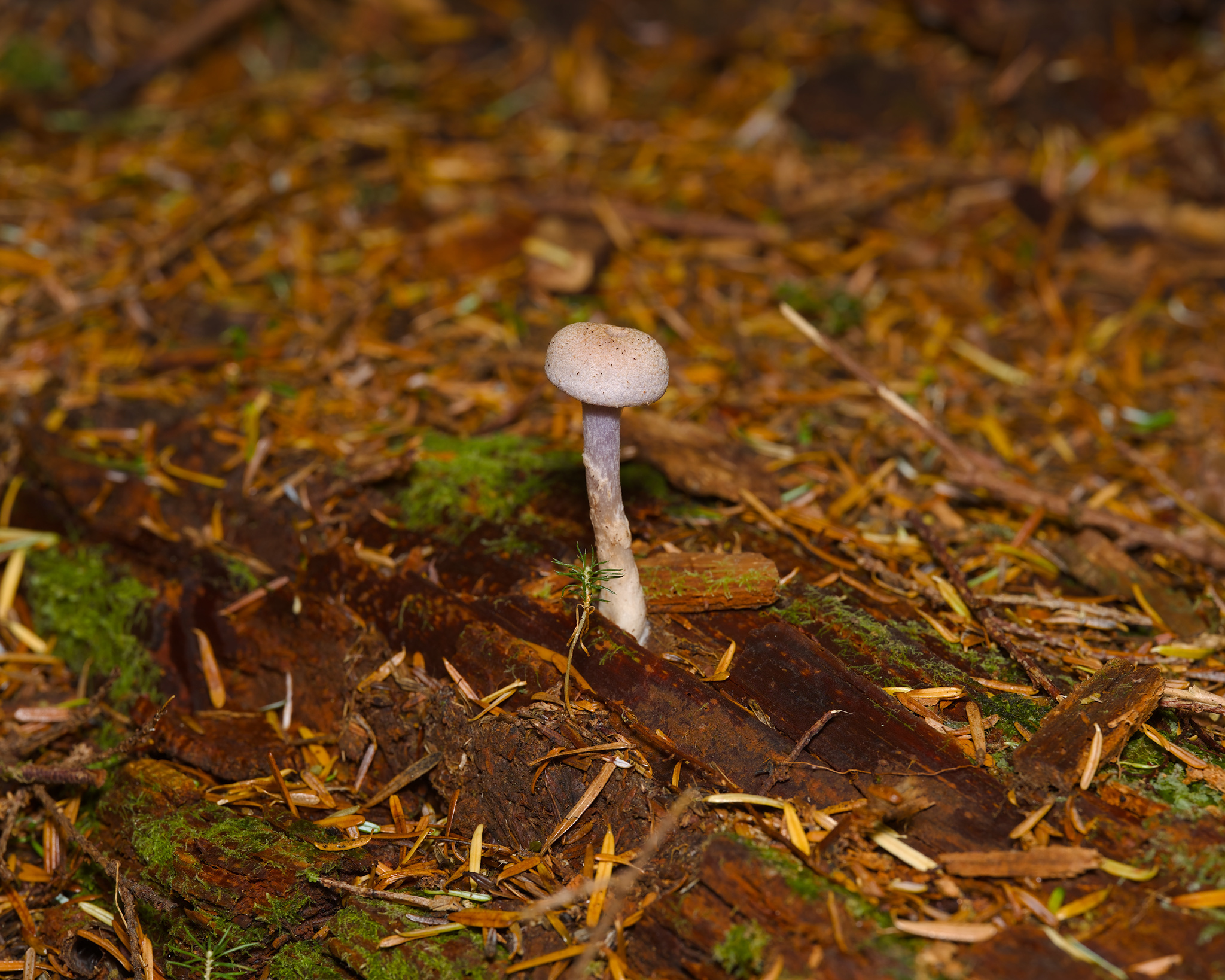
Super purple Mycena! Very nice color here. As usual I think Brodie does a great job with photos but these were even more spectacular in person.
We're going to assume this is another, different member of Purae / Prunulus. Certainly a very purple mycenoid. Has anastomosing gills.
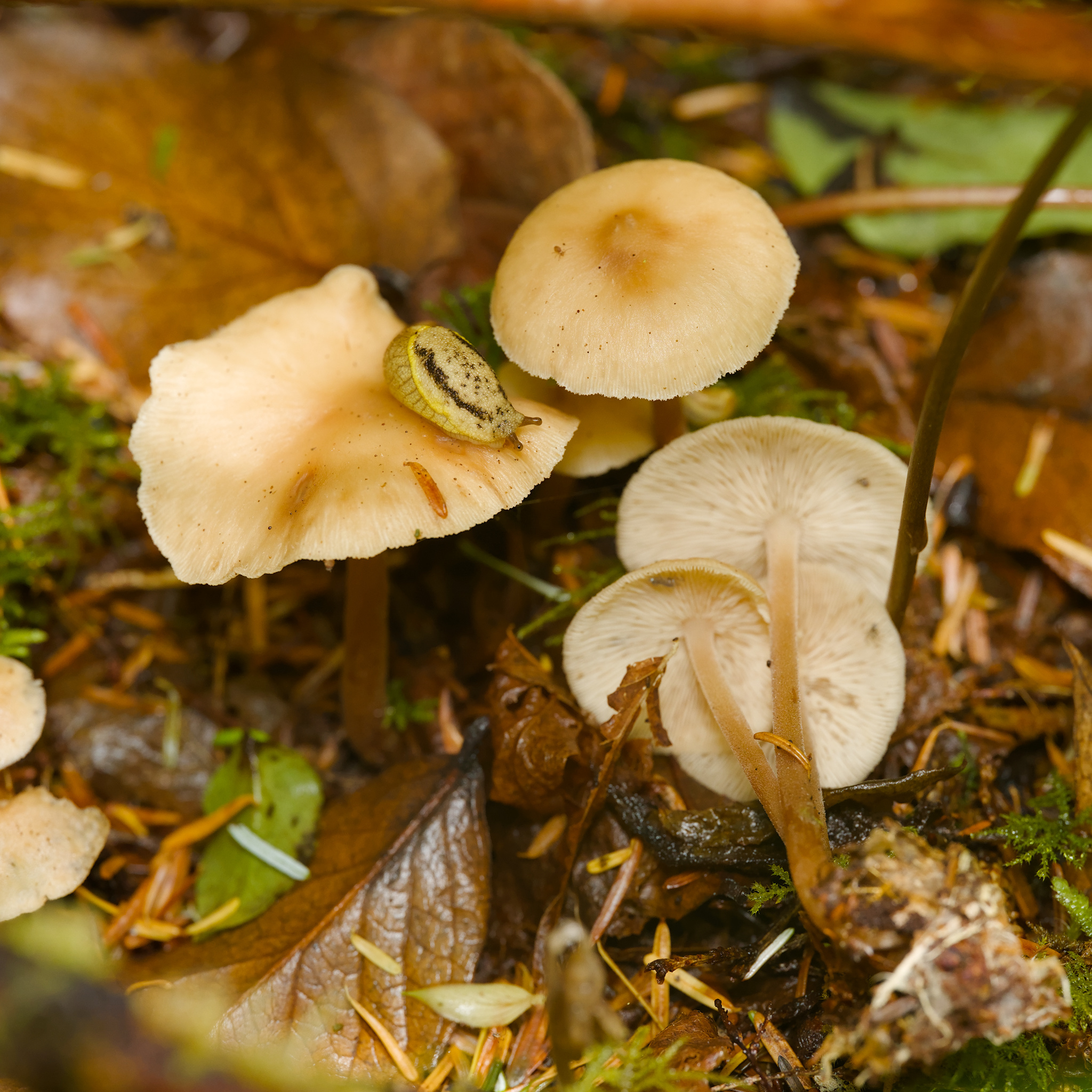
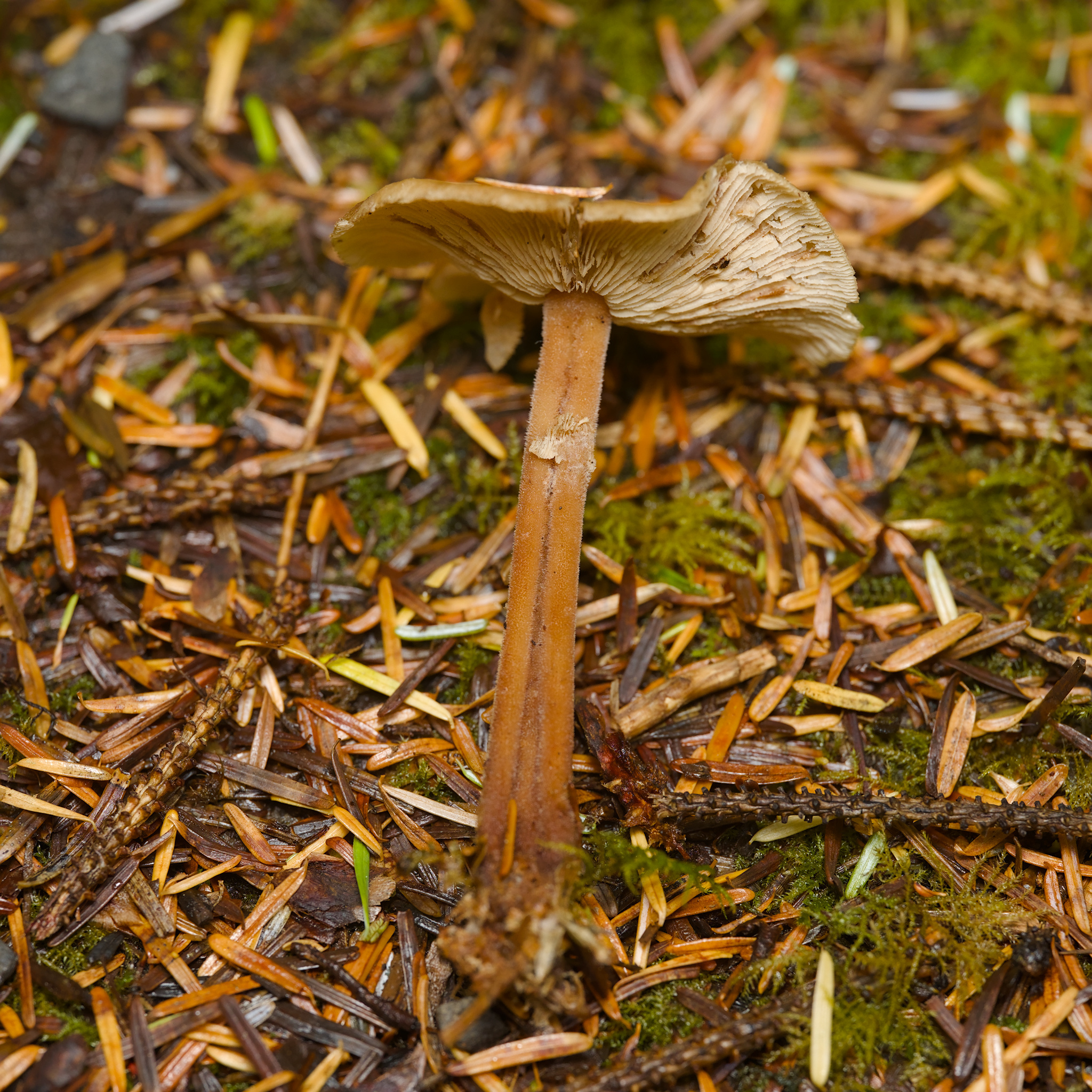
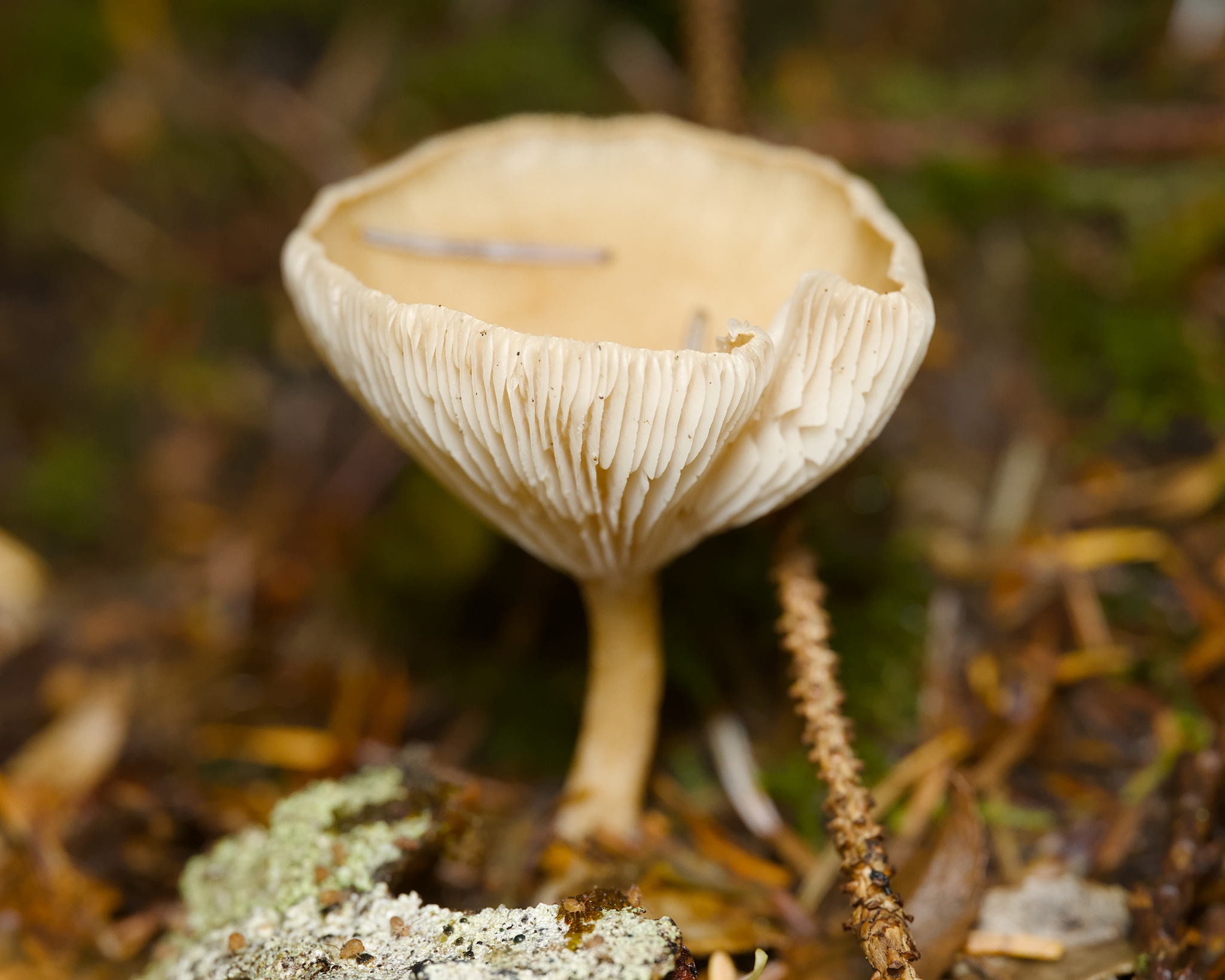
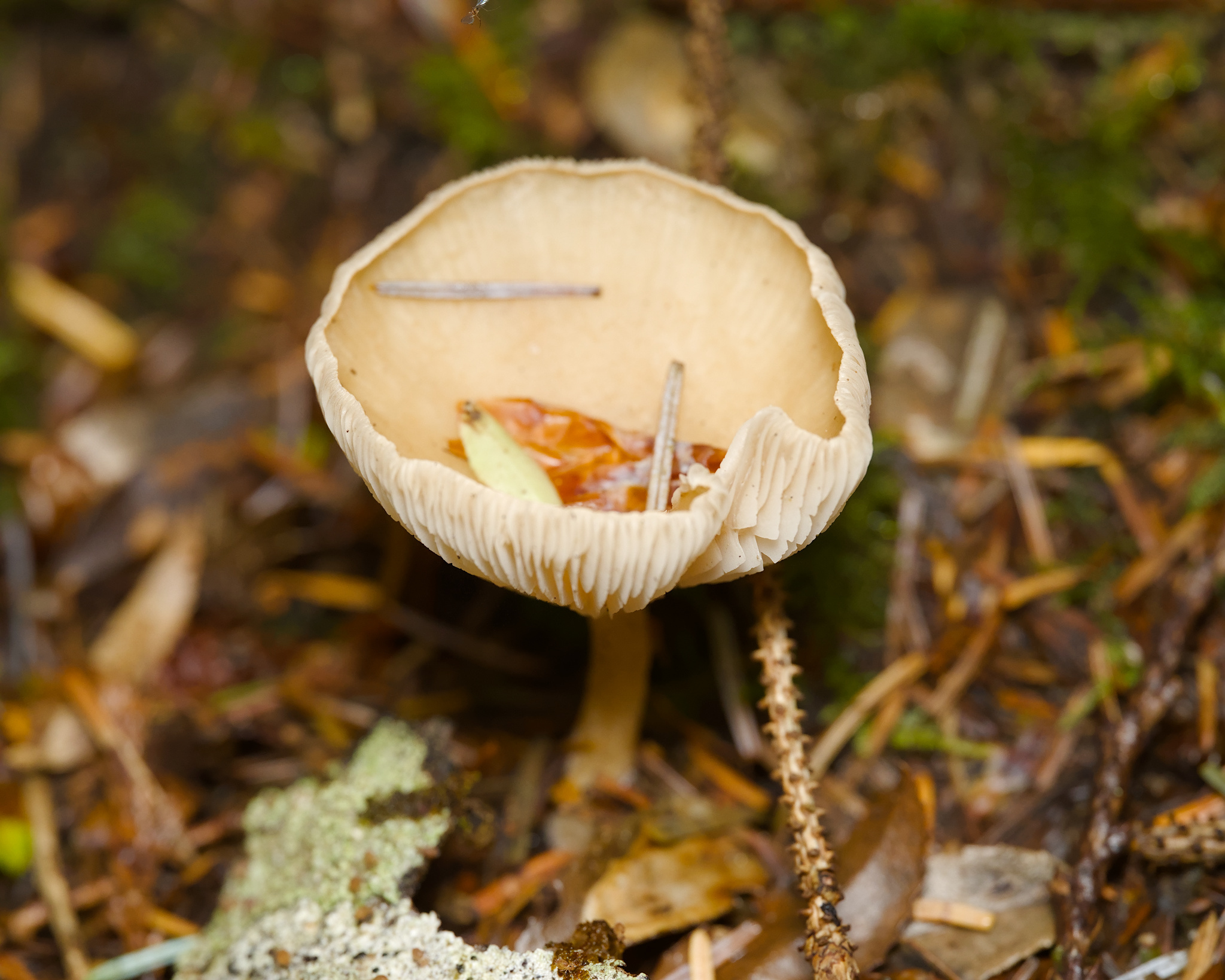
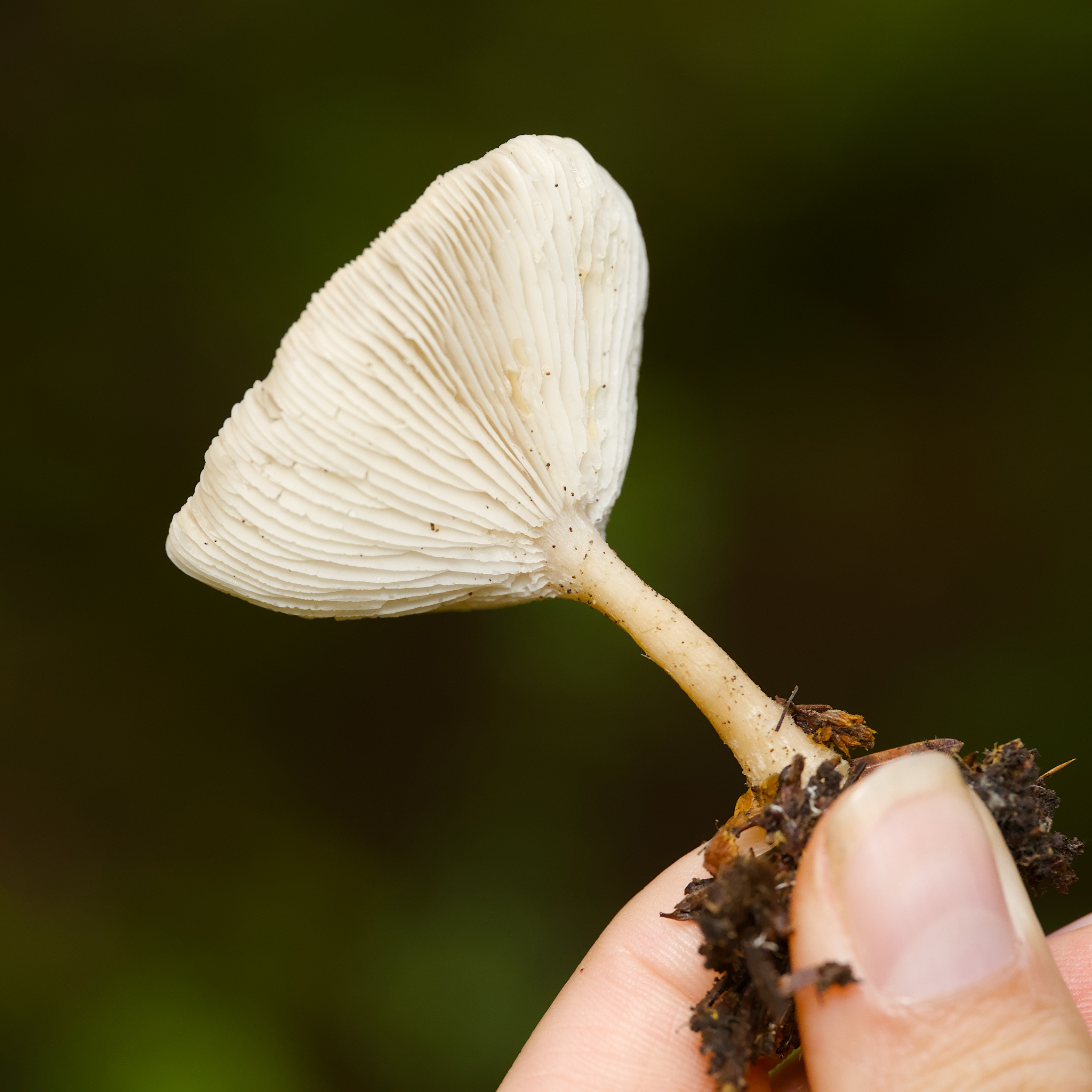
I think we're assuming this is something like Infundibulicybe. Some sort of funnel-ish, clitocyboid, collybioid, omphalinoid deal. Although I usually associate the latter word with different stuff.
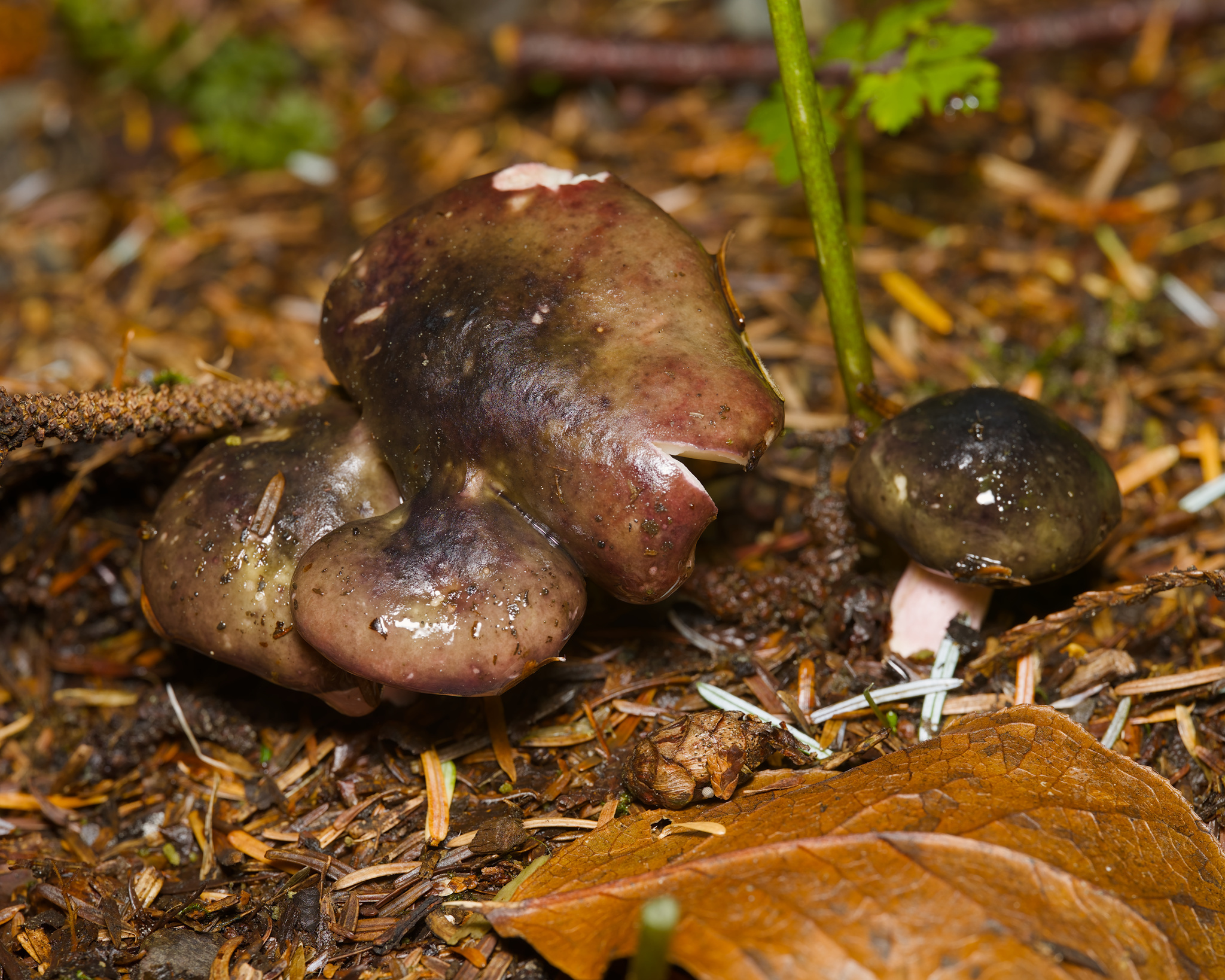
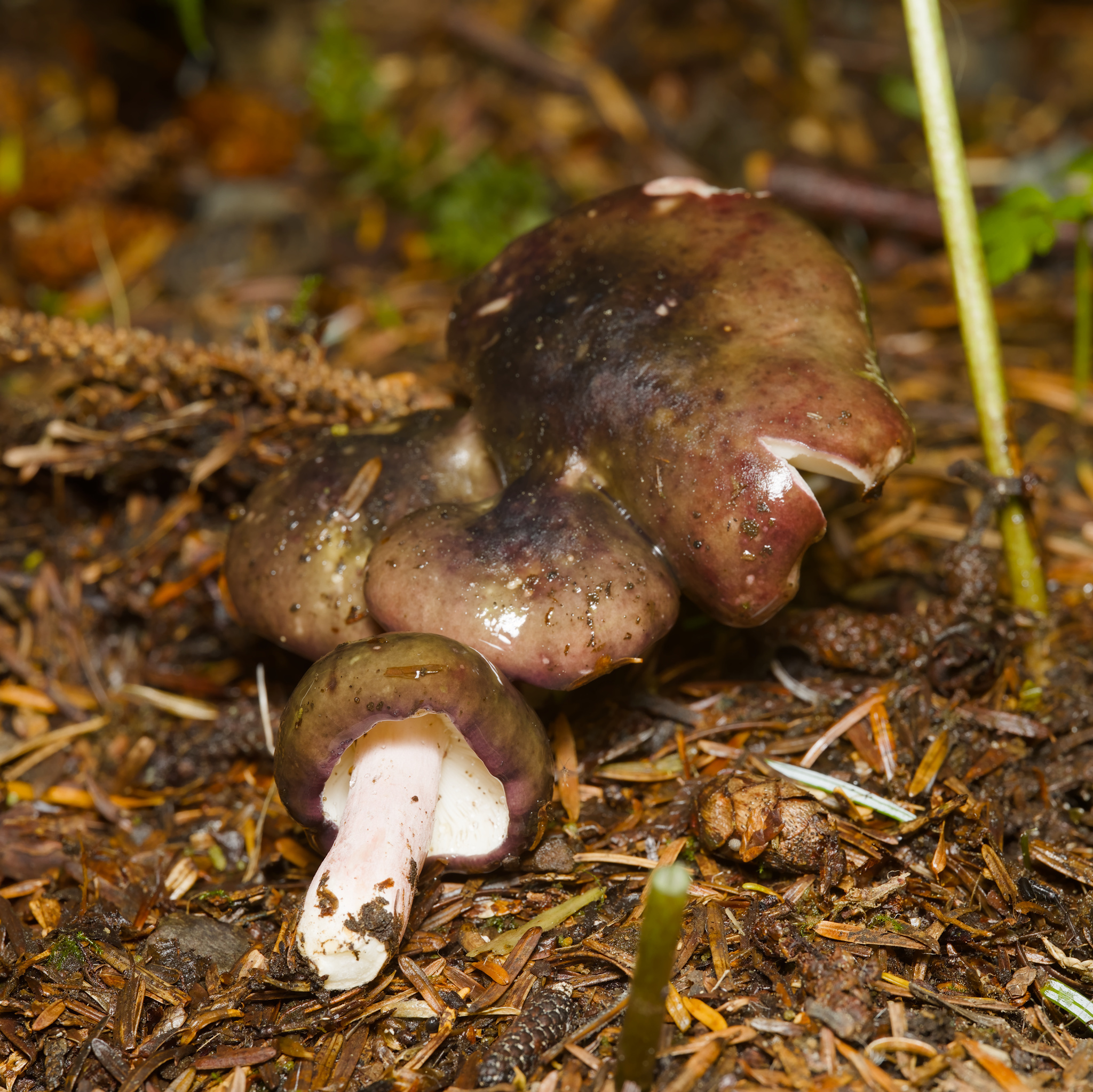
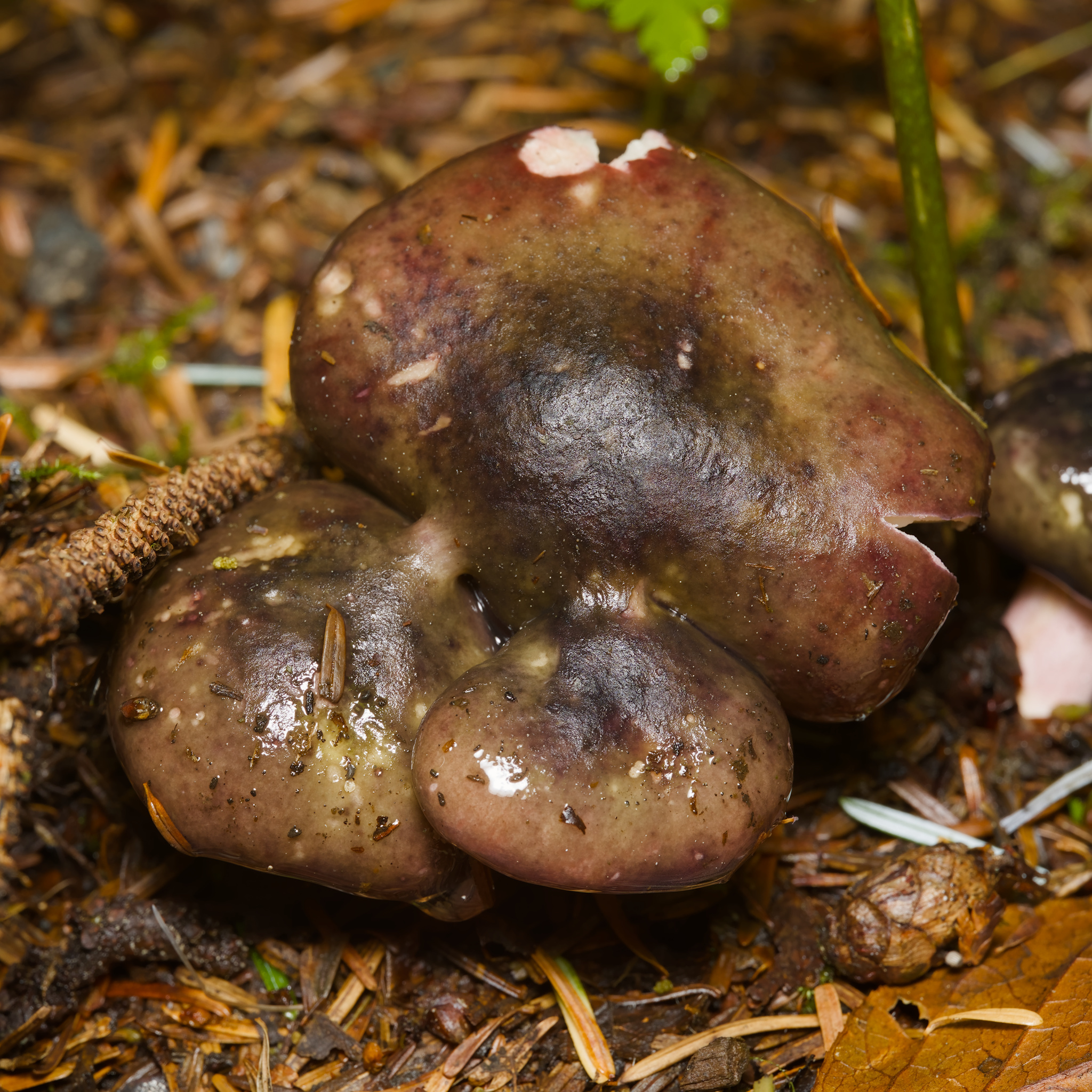
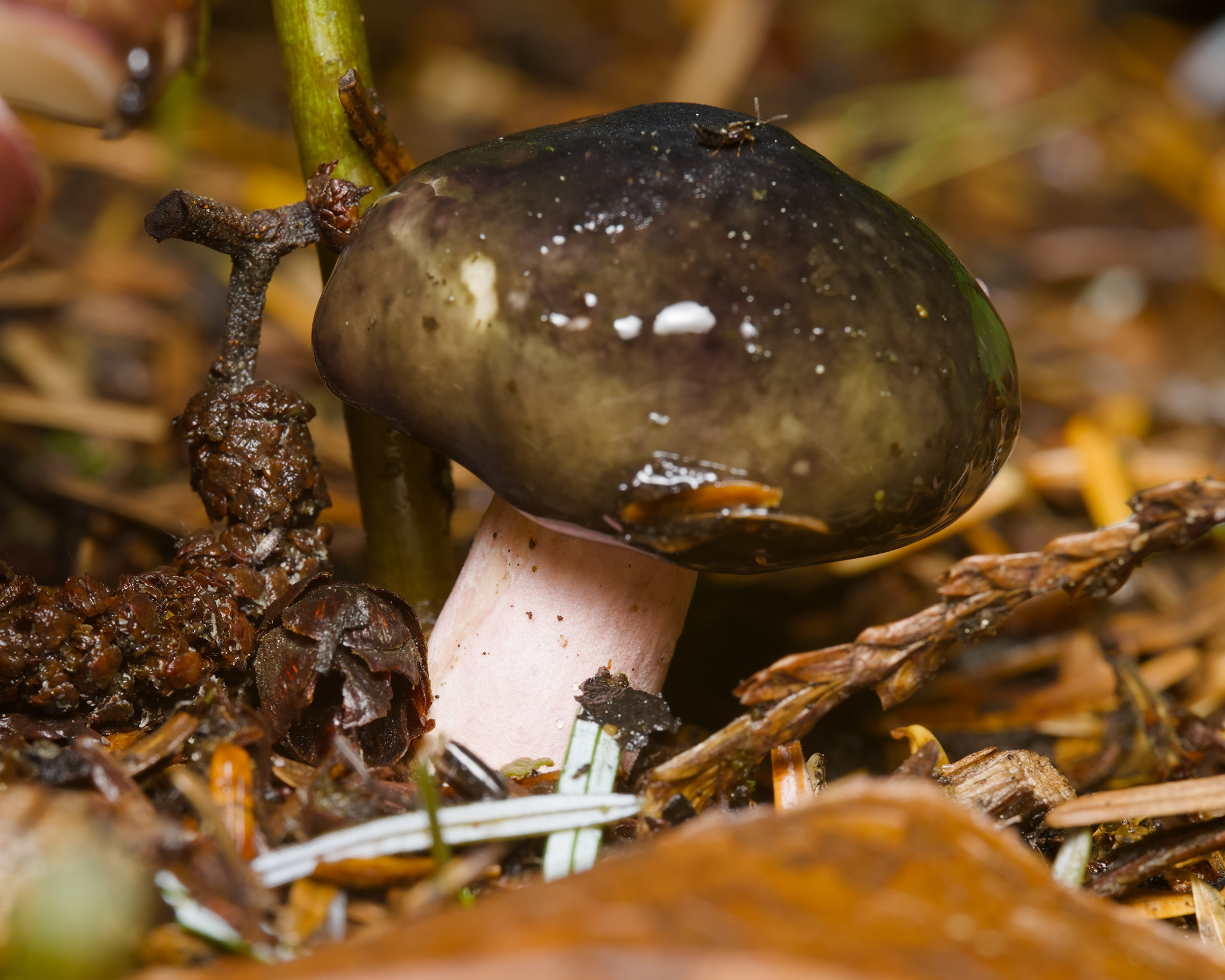
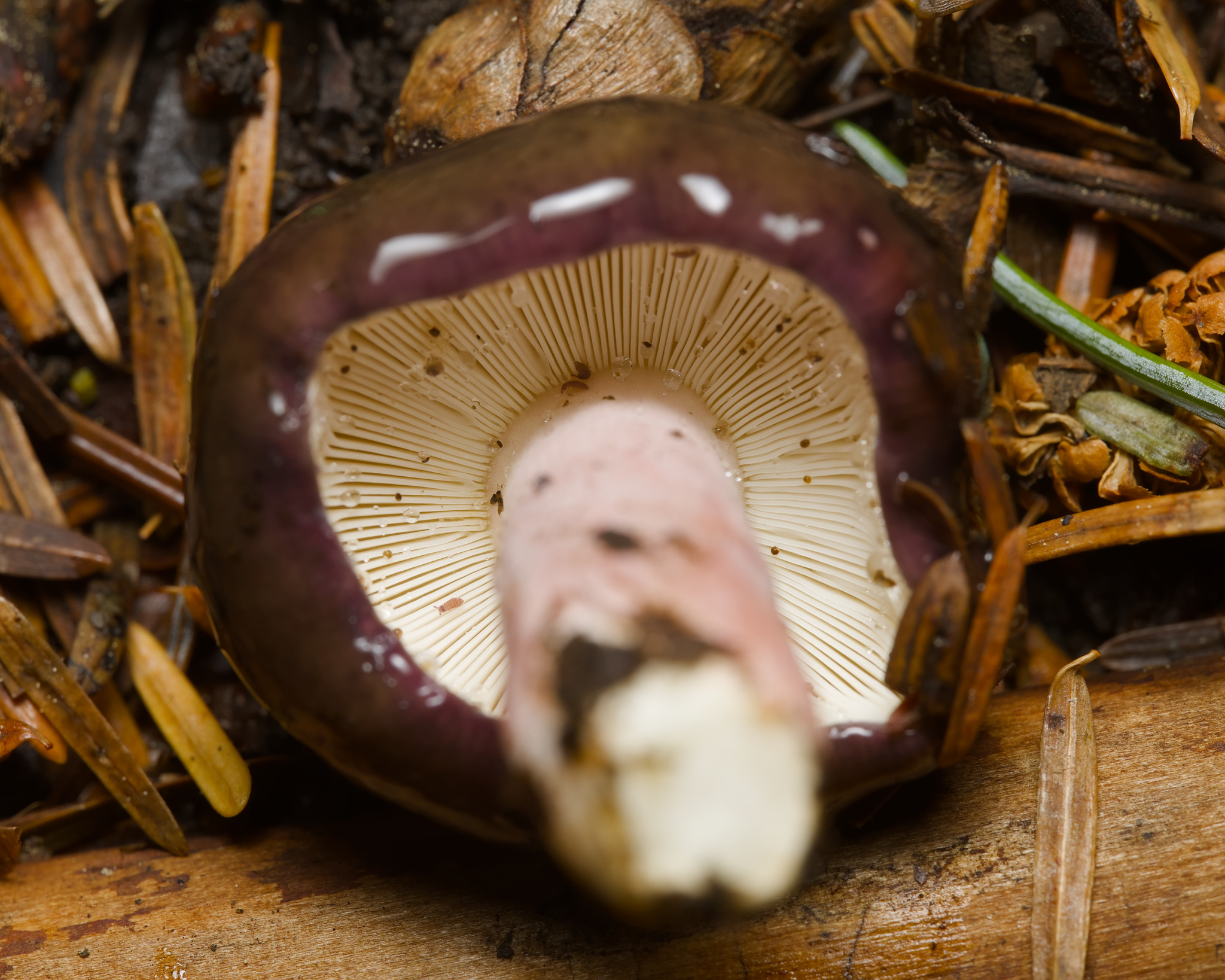
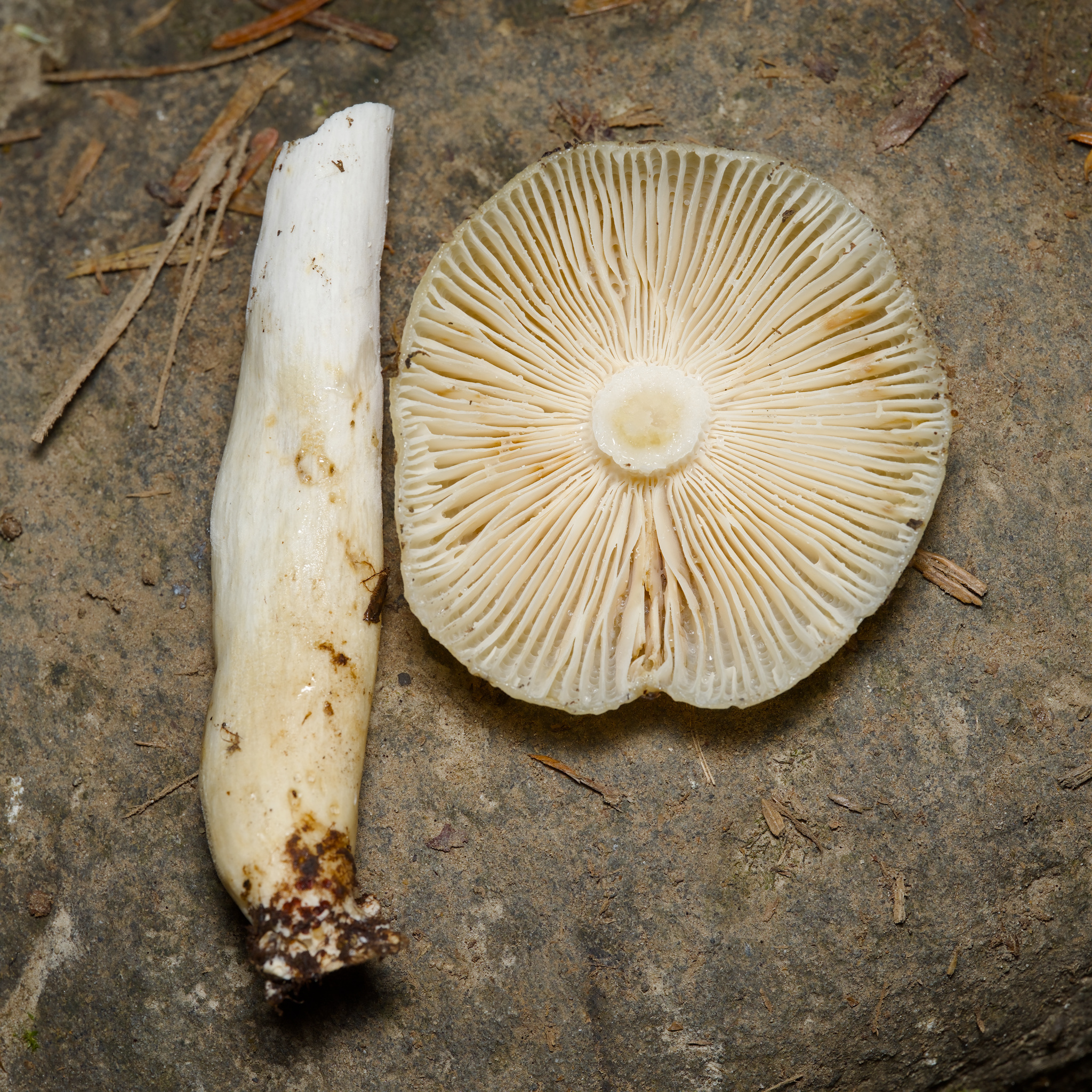
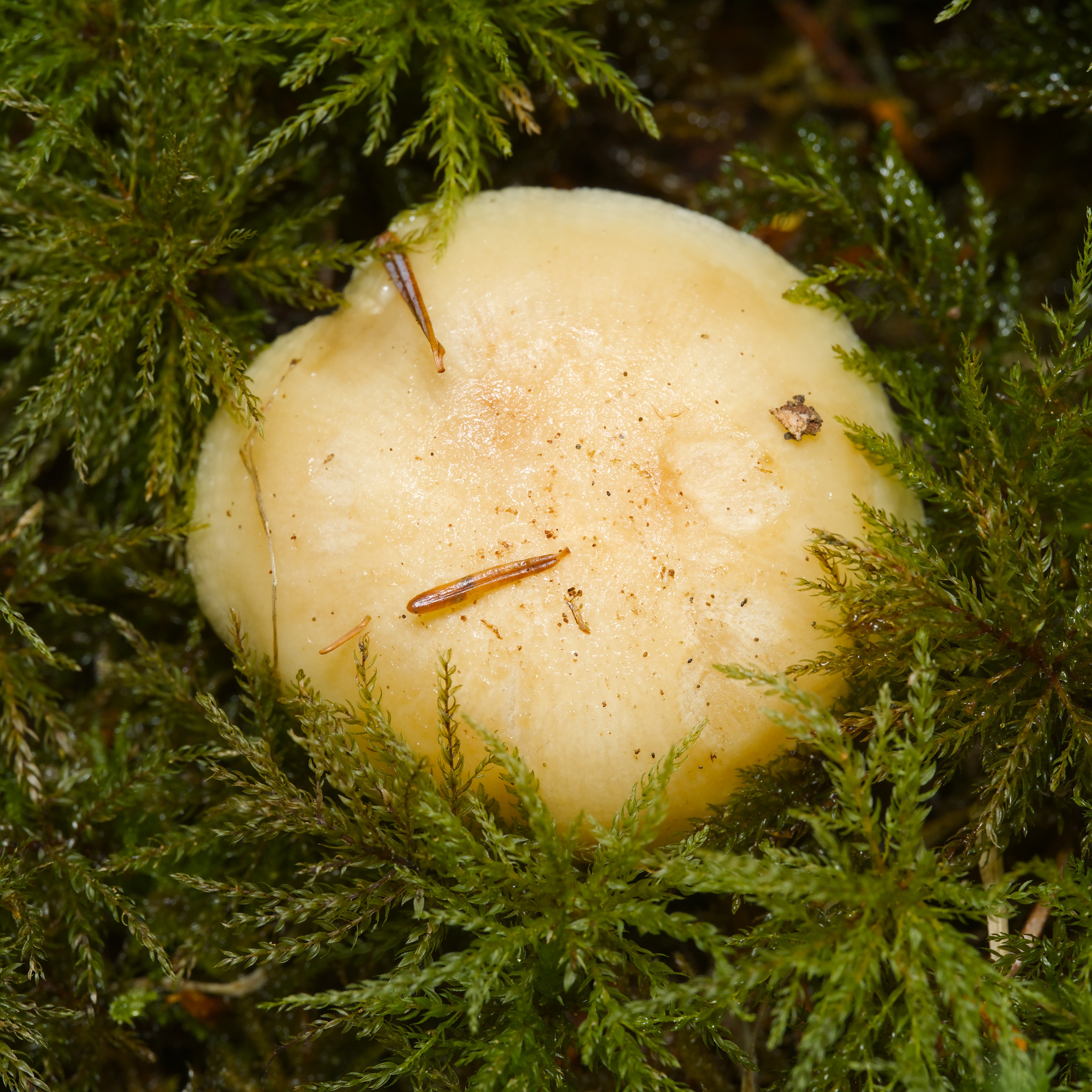
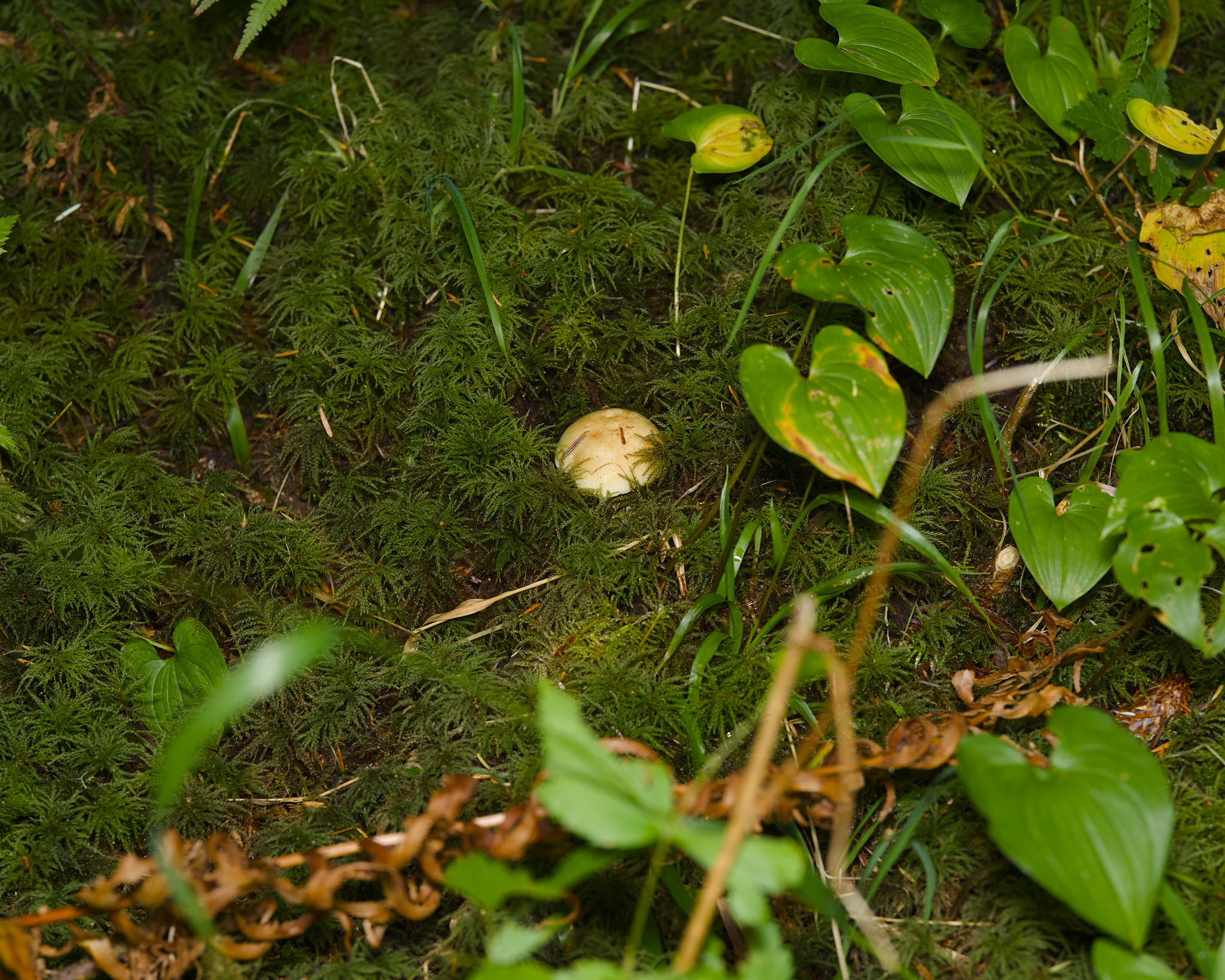
Some interesting, fairly dark Russula with a blushing stipe. I'm not huge into the genus but this appears different to the few we've surveyed already so, on the list it goes!
We may try to key some of these out a little with morphology and microscopy, but ultimately the genus is not a top priority for either of us.
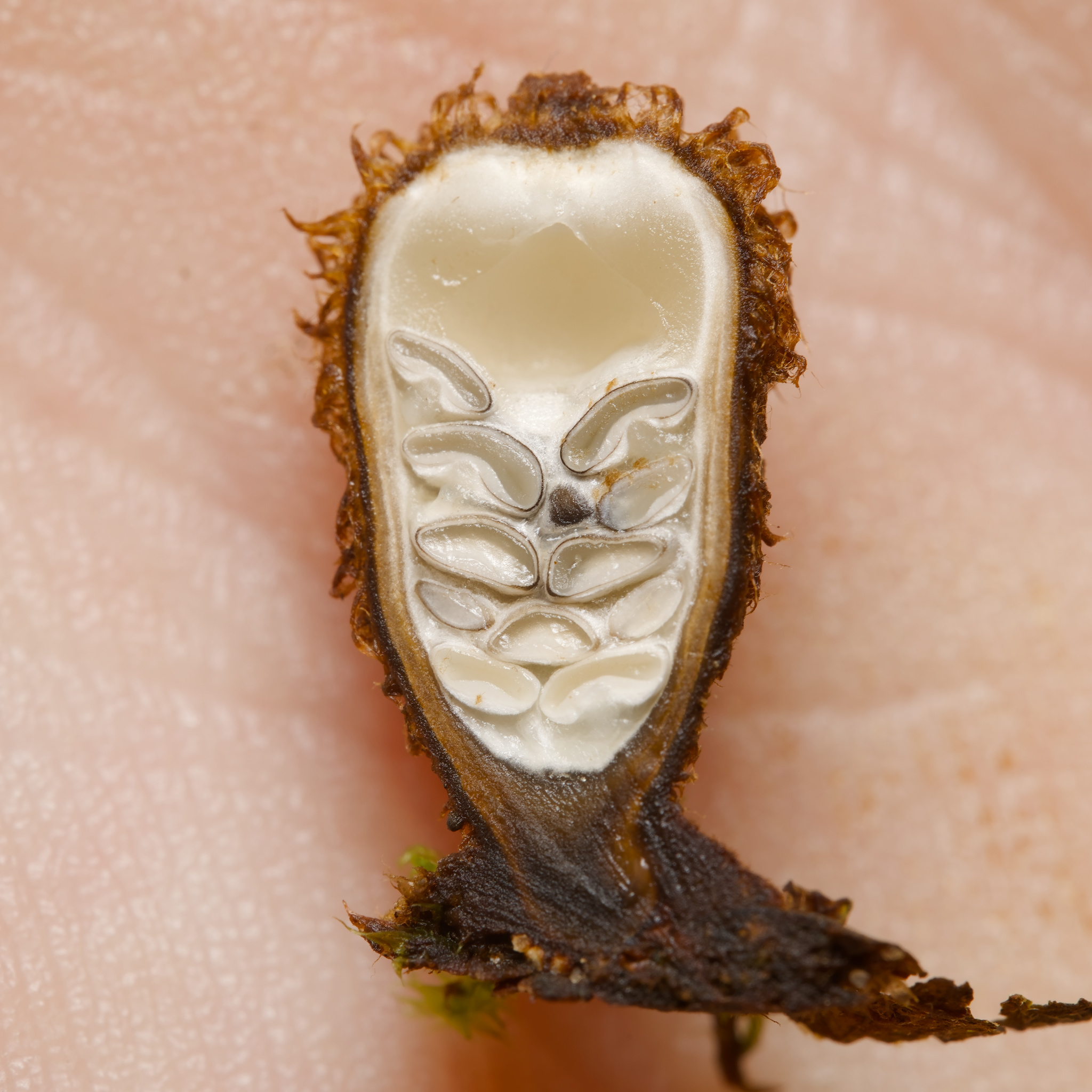
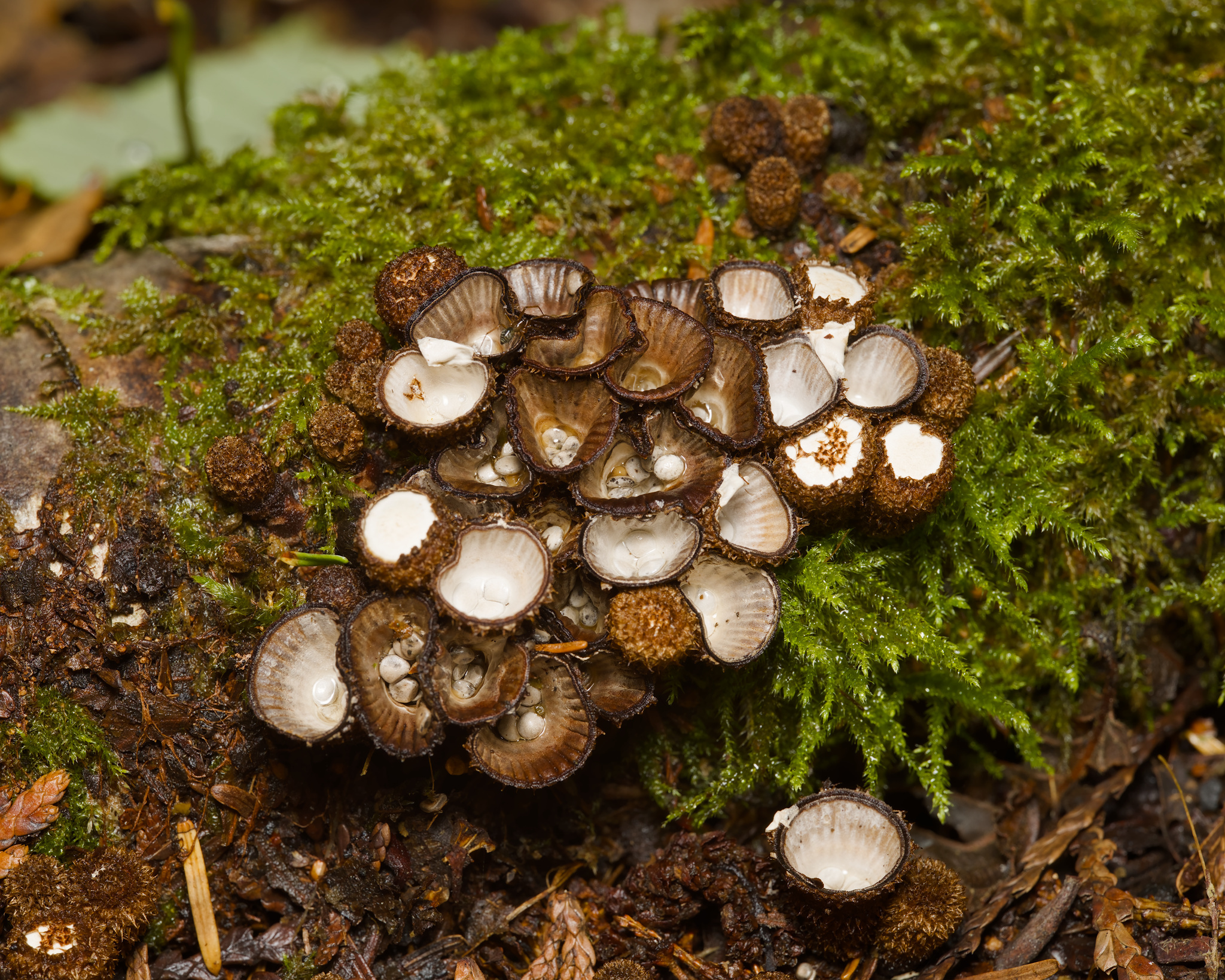
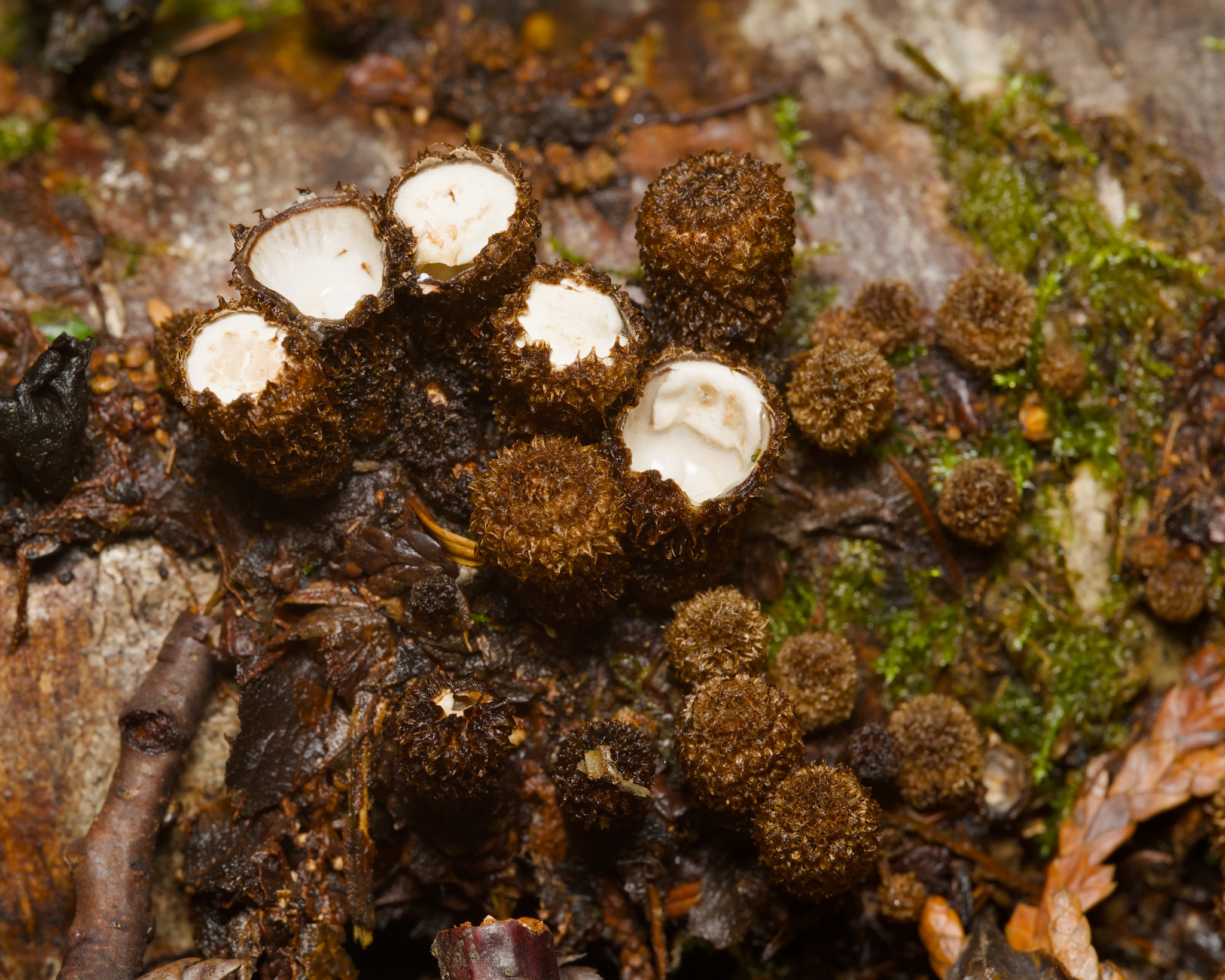
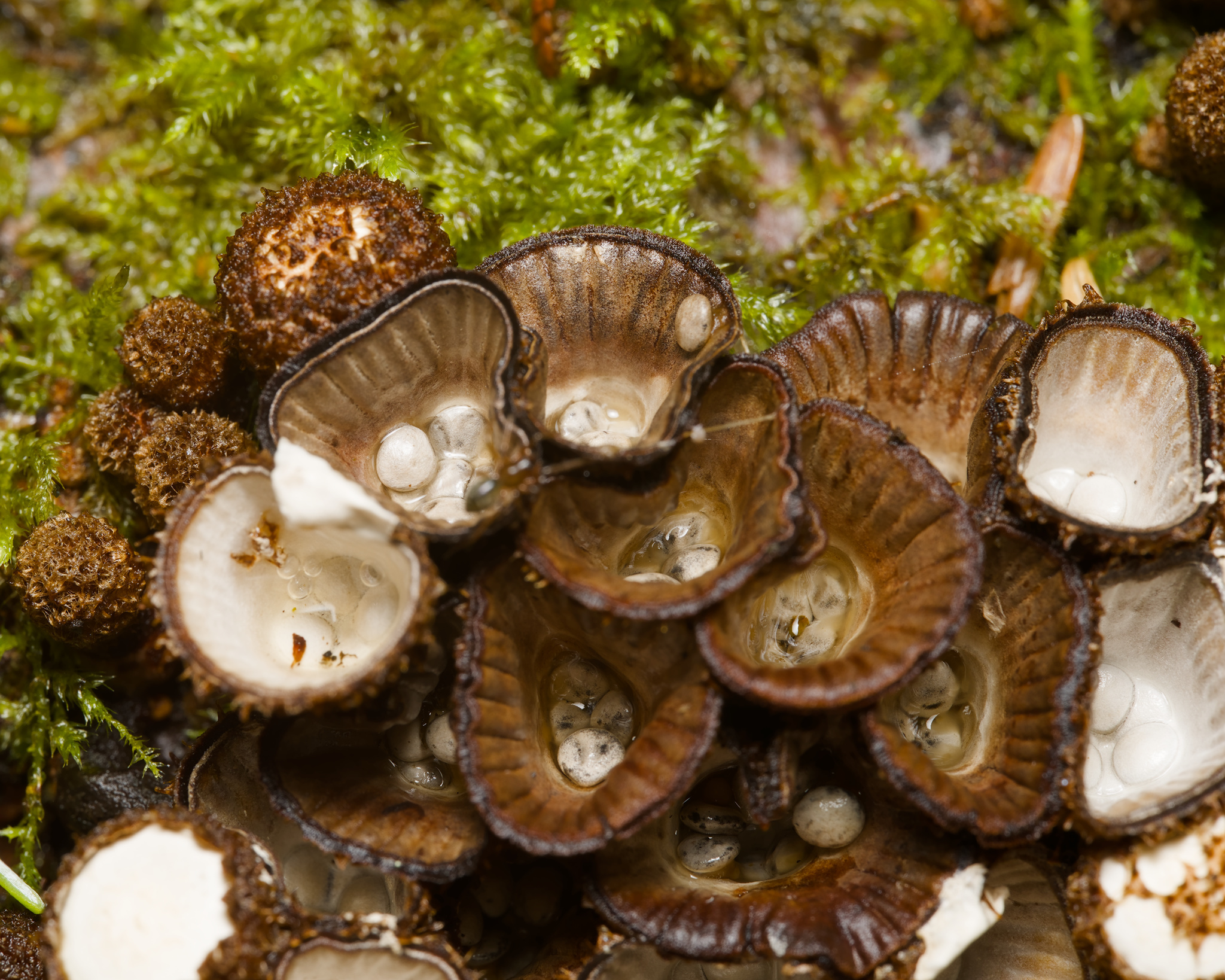
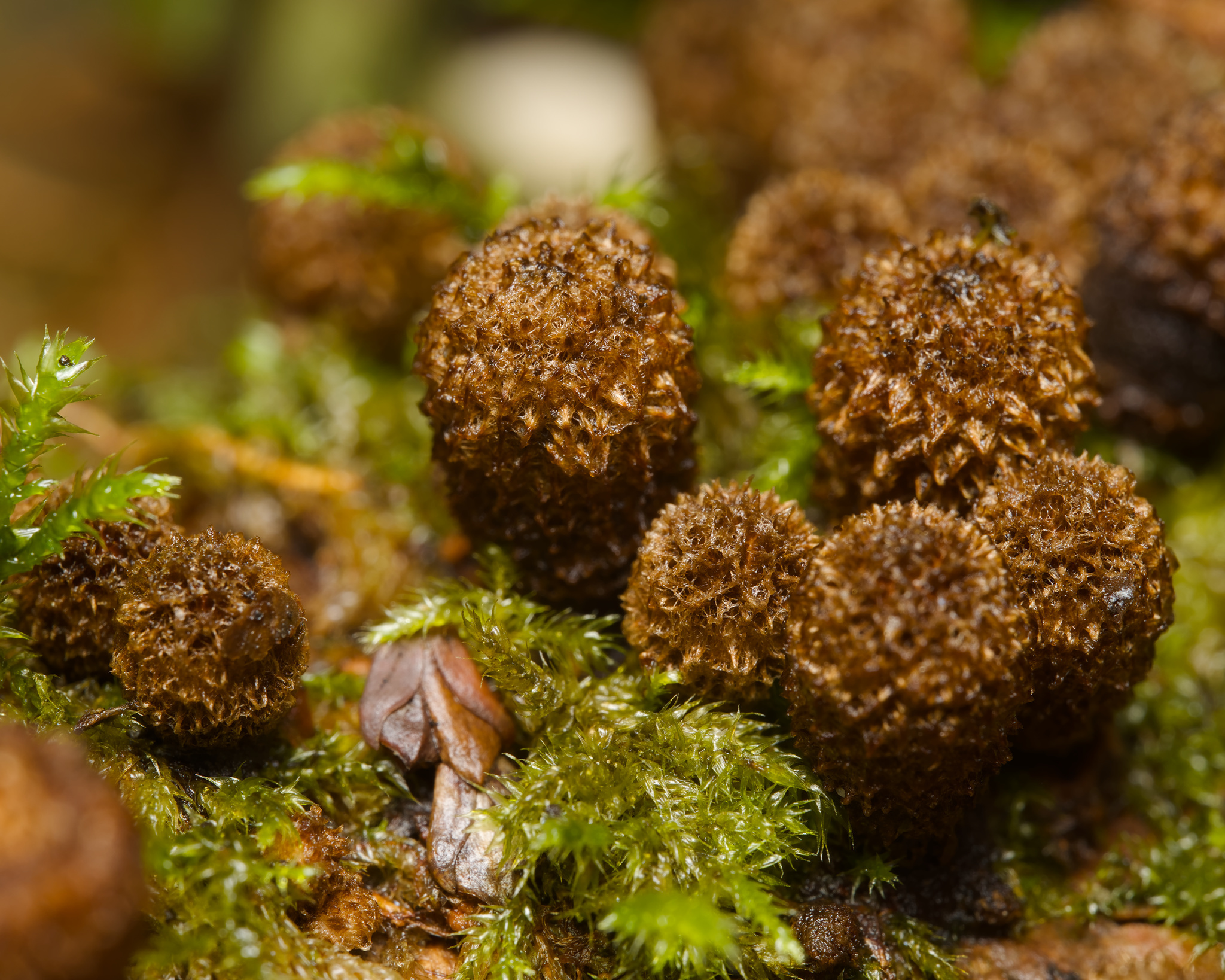
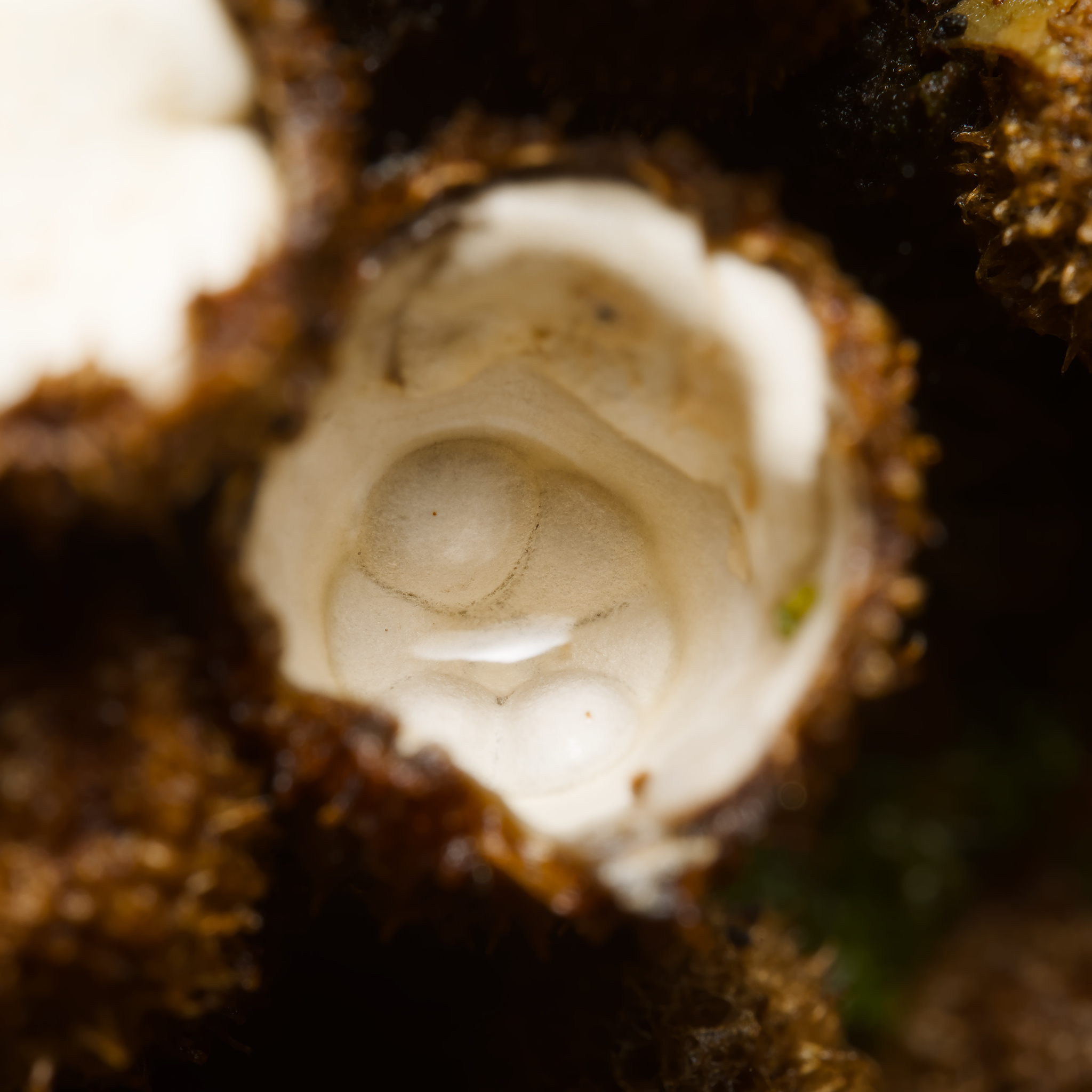
Part of the Striatum supergroup of sorts, this is a fun observation. I have been participating in a mild interest in Nidulariaceae for a while now but have never sequenced one. After making a friend on Reddit who seems completely obsessed with this family, I have been convinced to further my interest here a bit. I'm told this group of Cyathus might be especially interesting for this person, so I figured it may benefit our survey to collect on any different Cyathus we see. Along with other more obscure species in the family of course. We may take one of each of the common Nidula for general survey. I have been keeping more of an eye out for different species and the genus featured here specifically!
I would be fairly sure this is C. violaceus, or at least that direction. Brodie thinks this particular group looks a bit odd, less than typical of the examples we see here, so we'll take it for survey either way. Different or not, from existing collections.
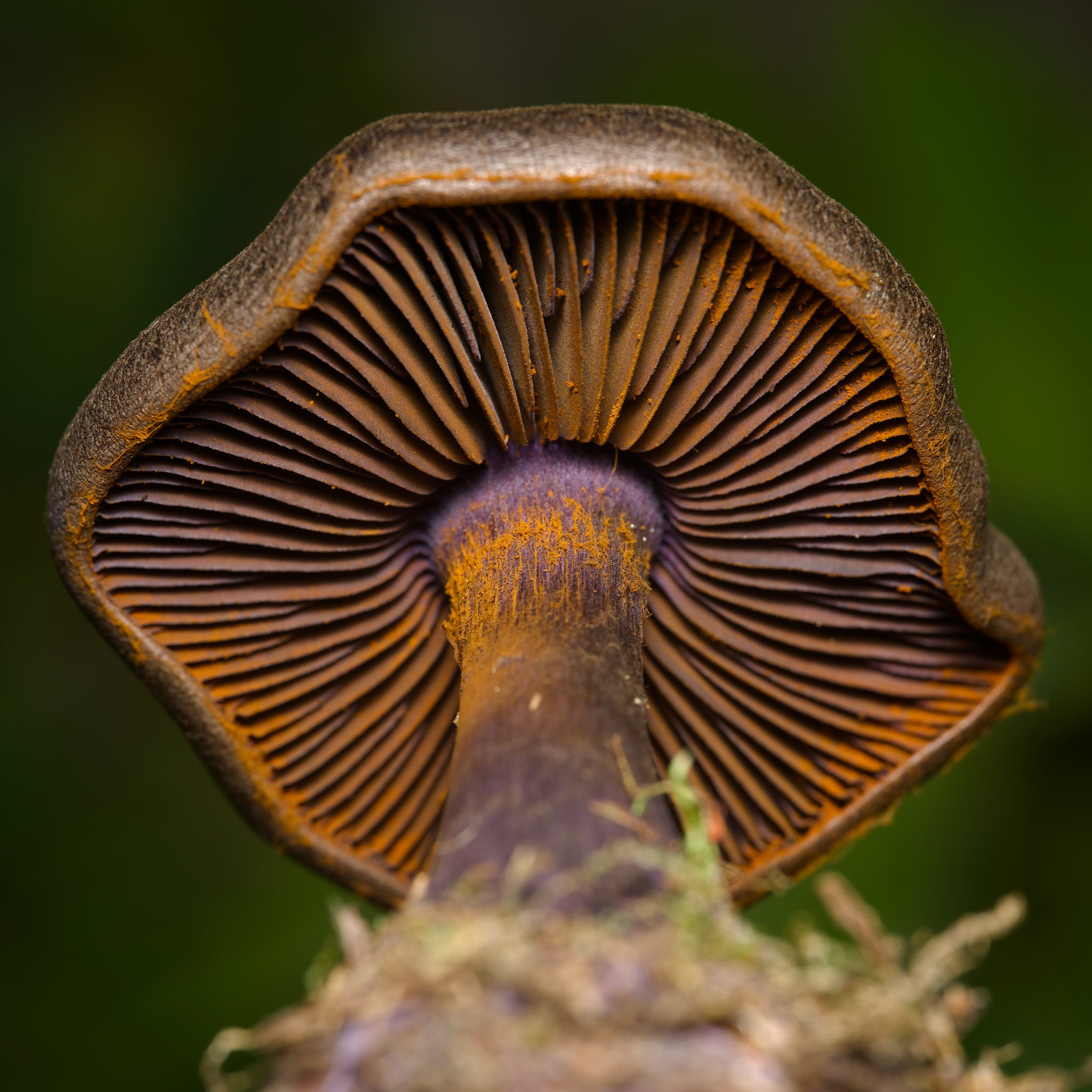
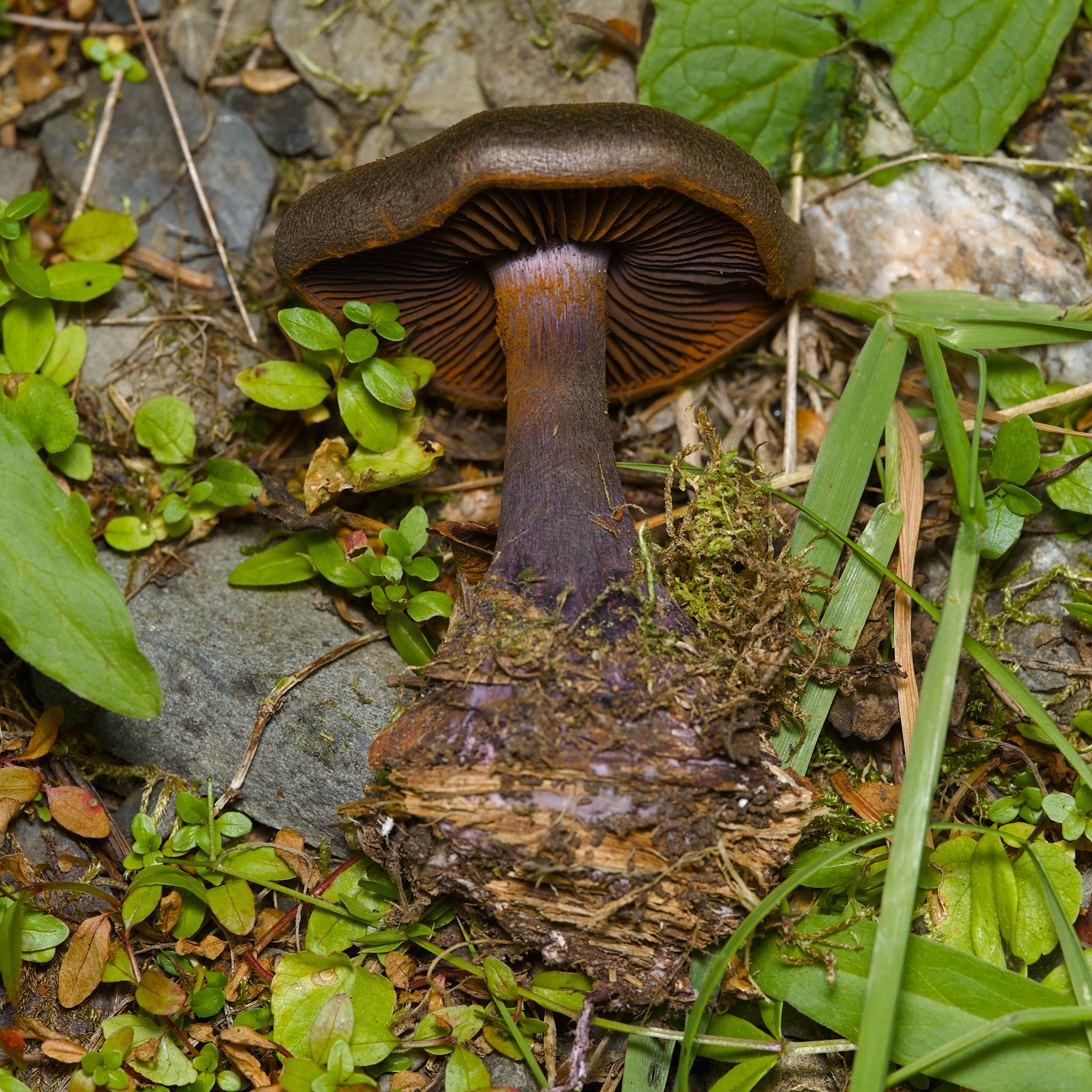
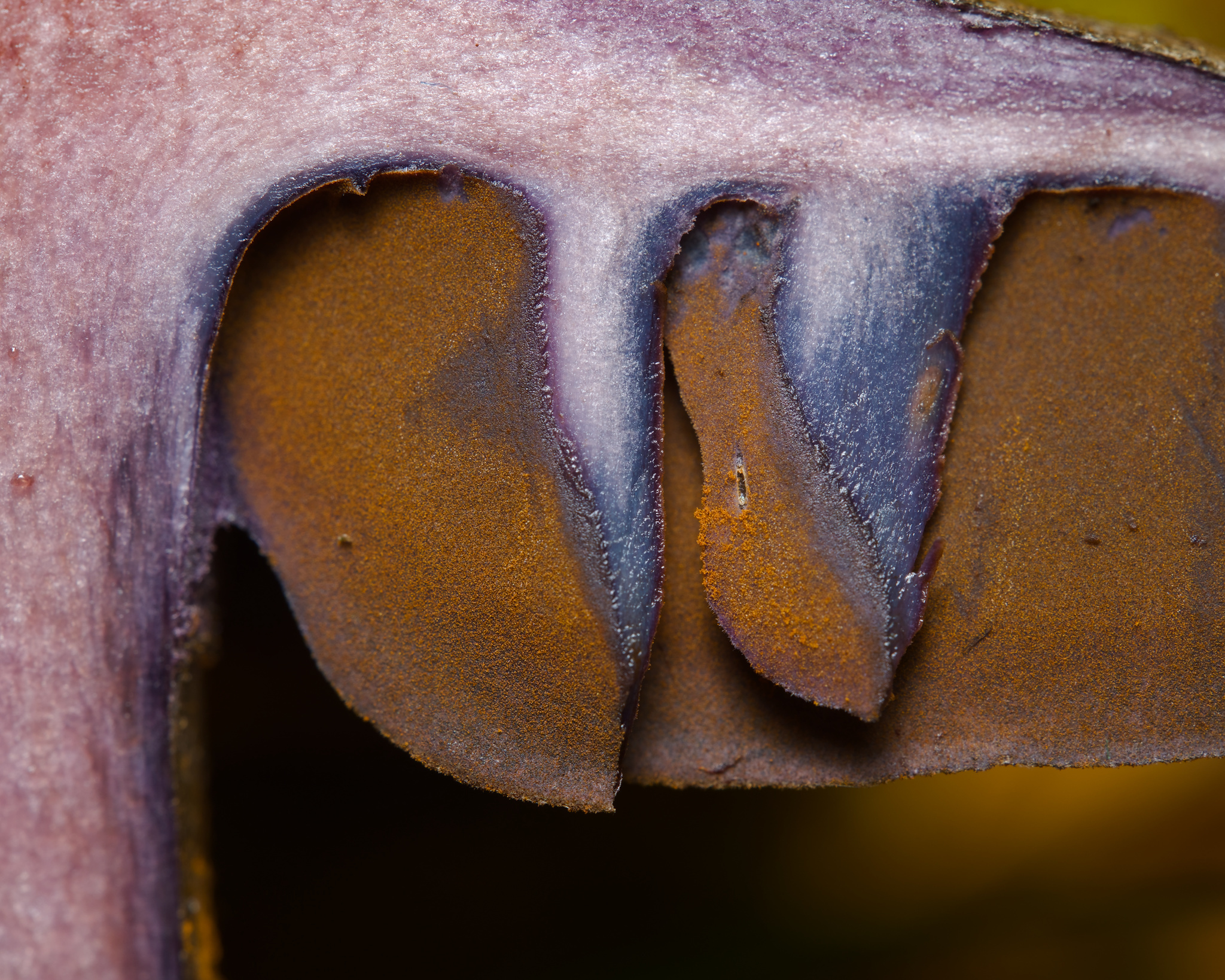
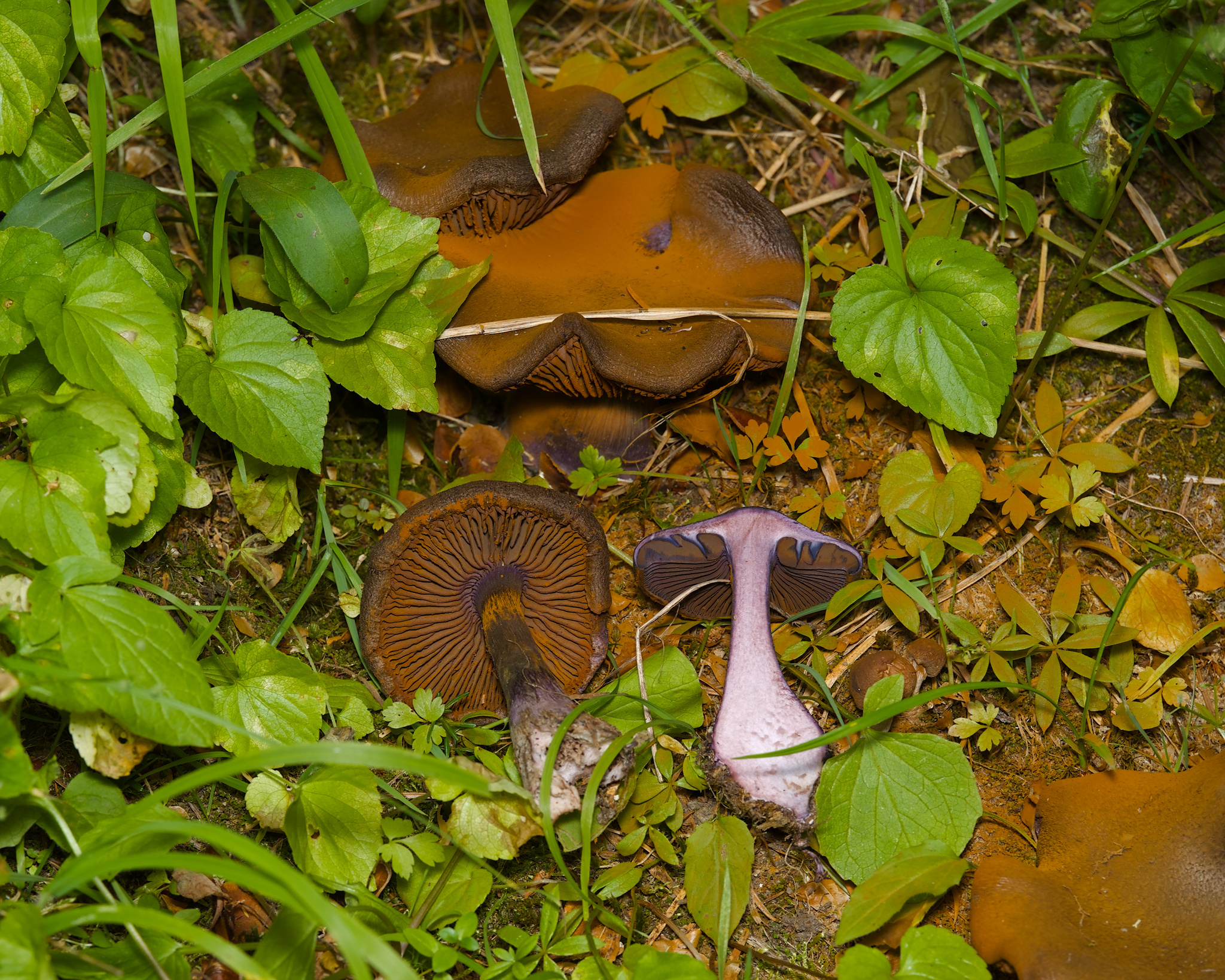
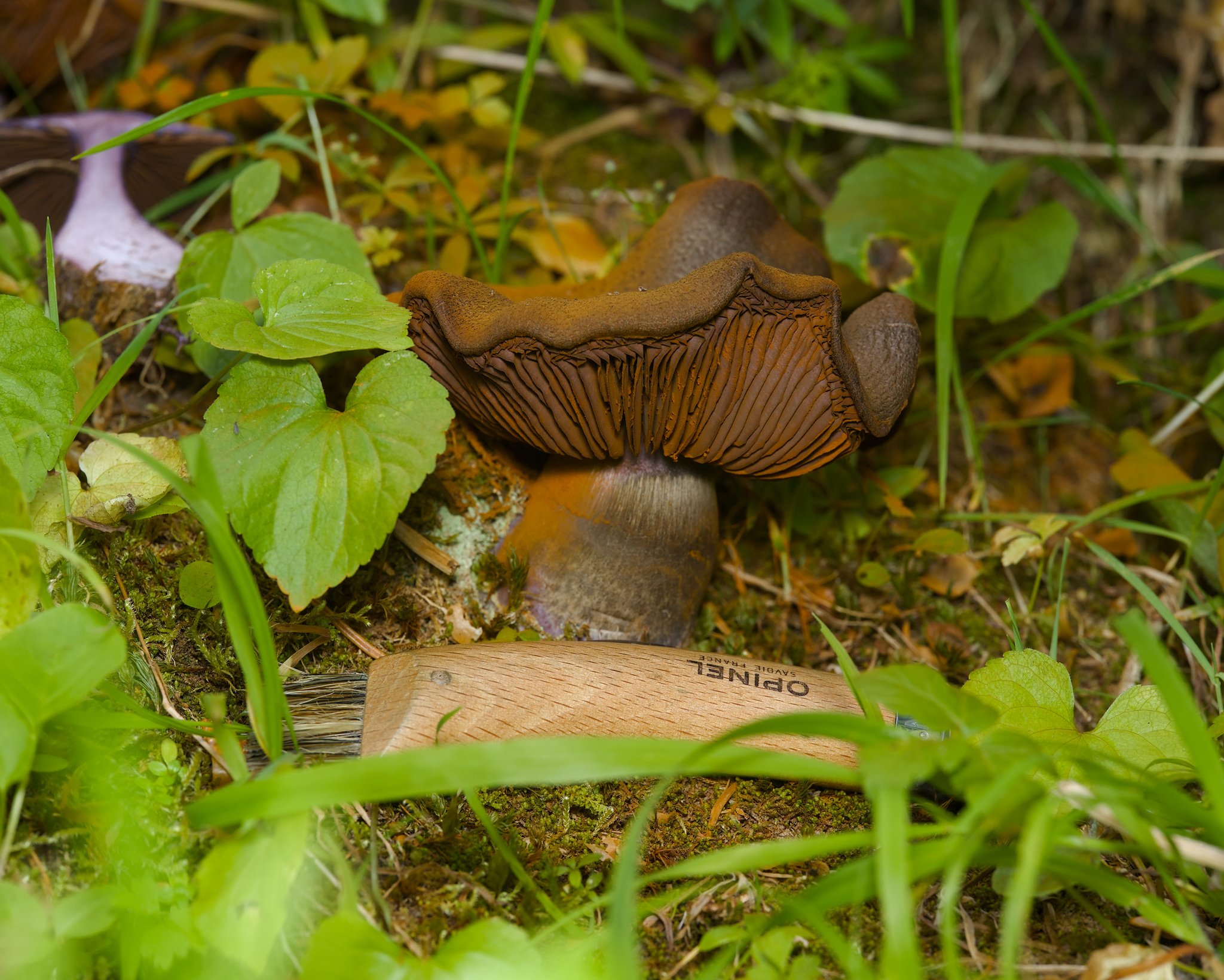
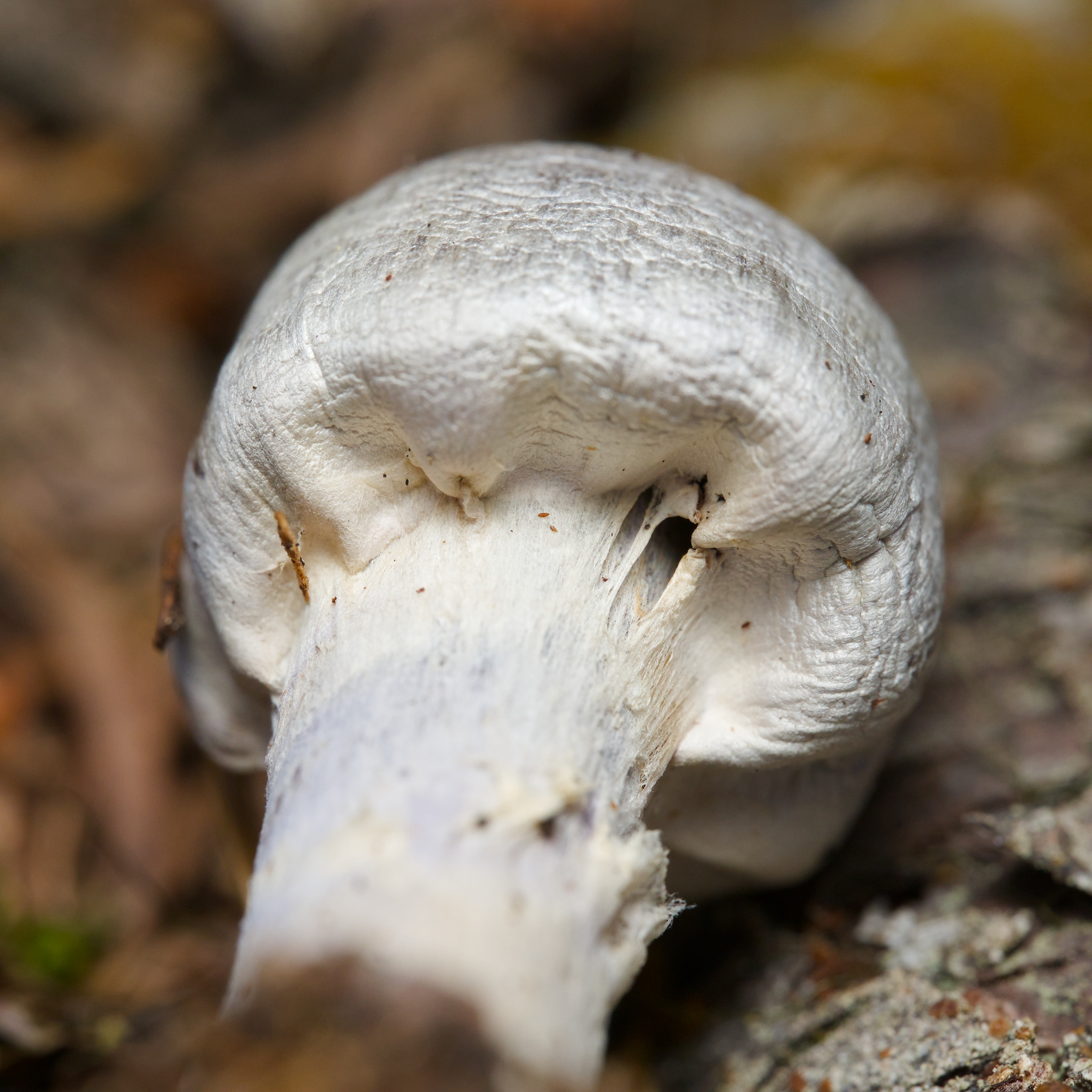
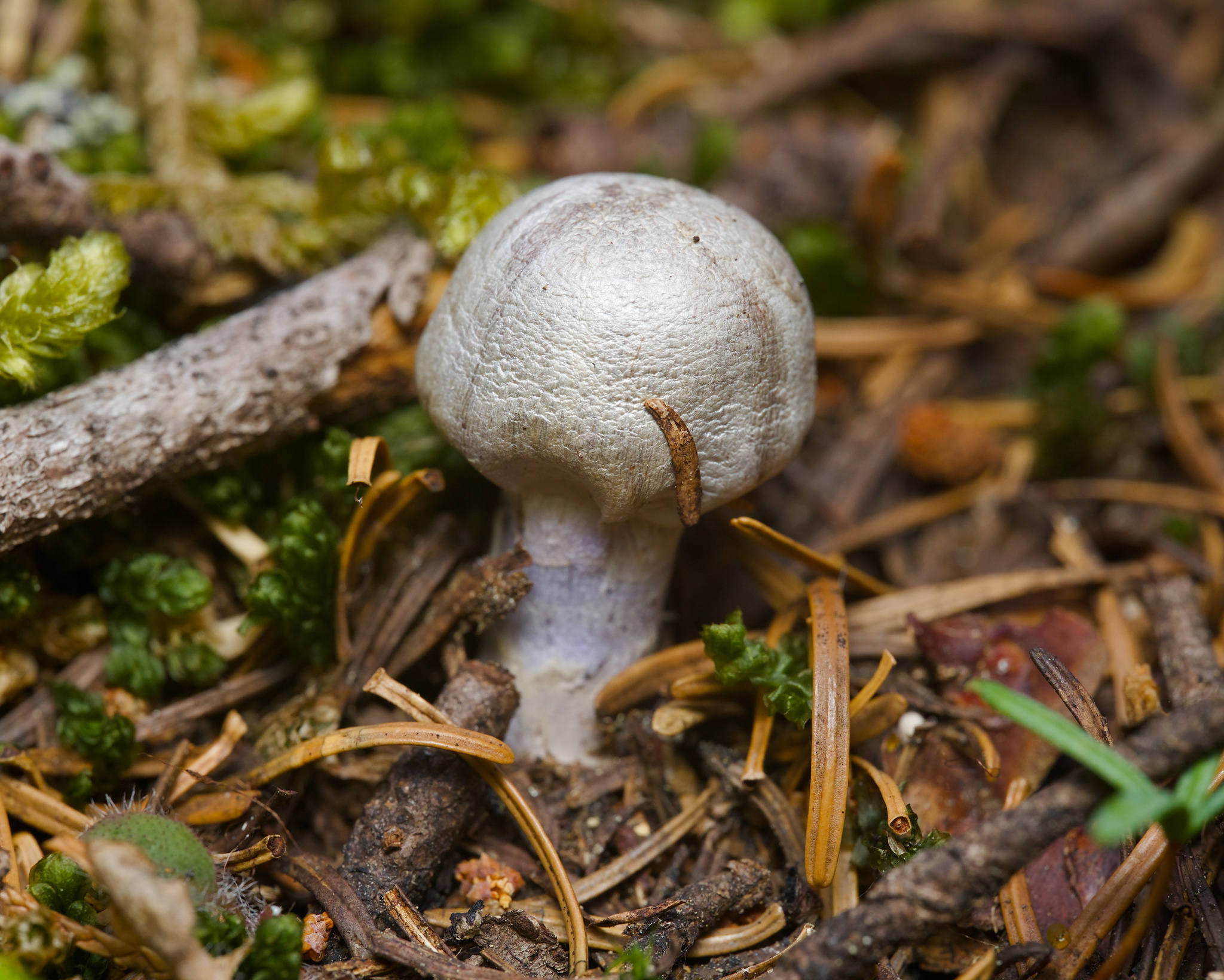
Not going to pretend I know what this Cort is. It looked a bit different in texture and overall morphology from other small purple corts we were finding in this location. We decided to keep one of each, assuming this is again something else. Maybe something a bit stunted and dry.
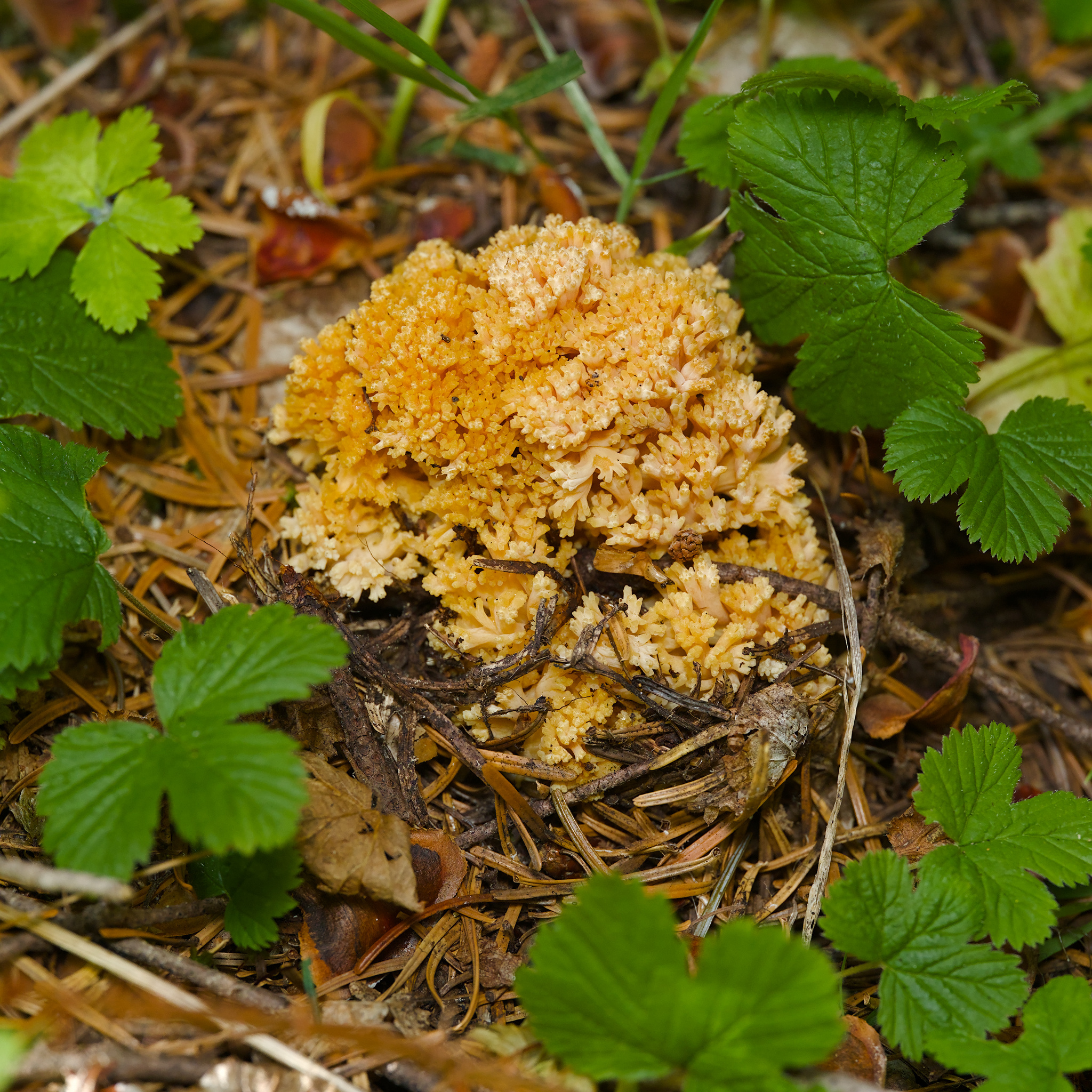
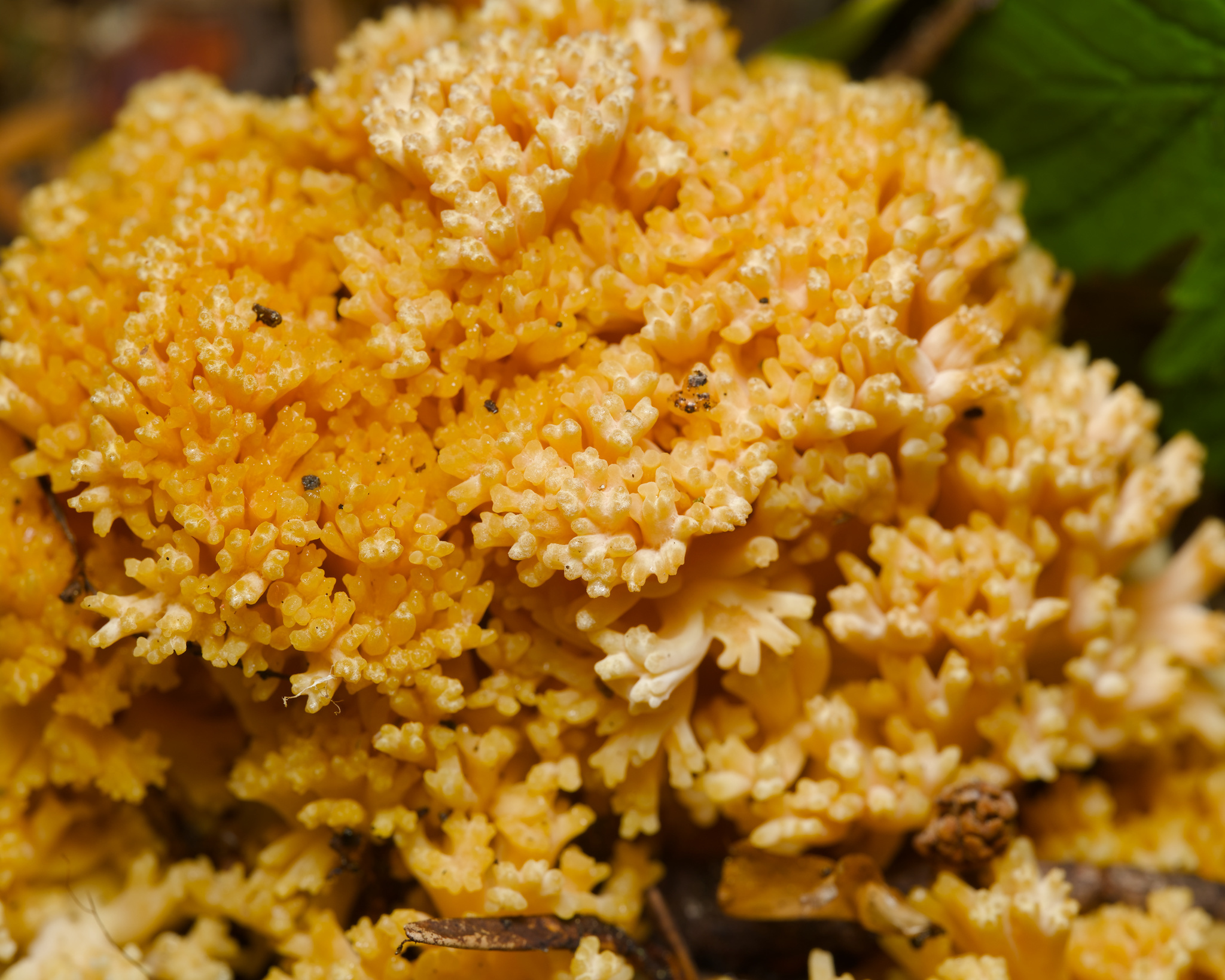
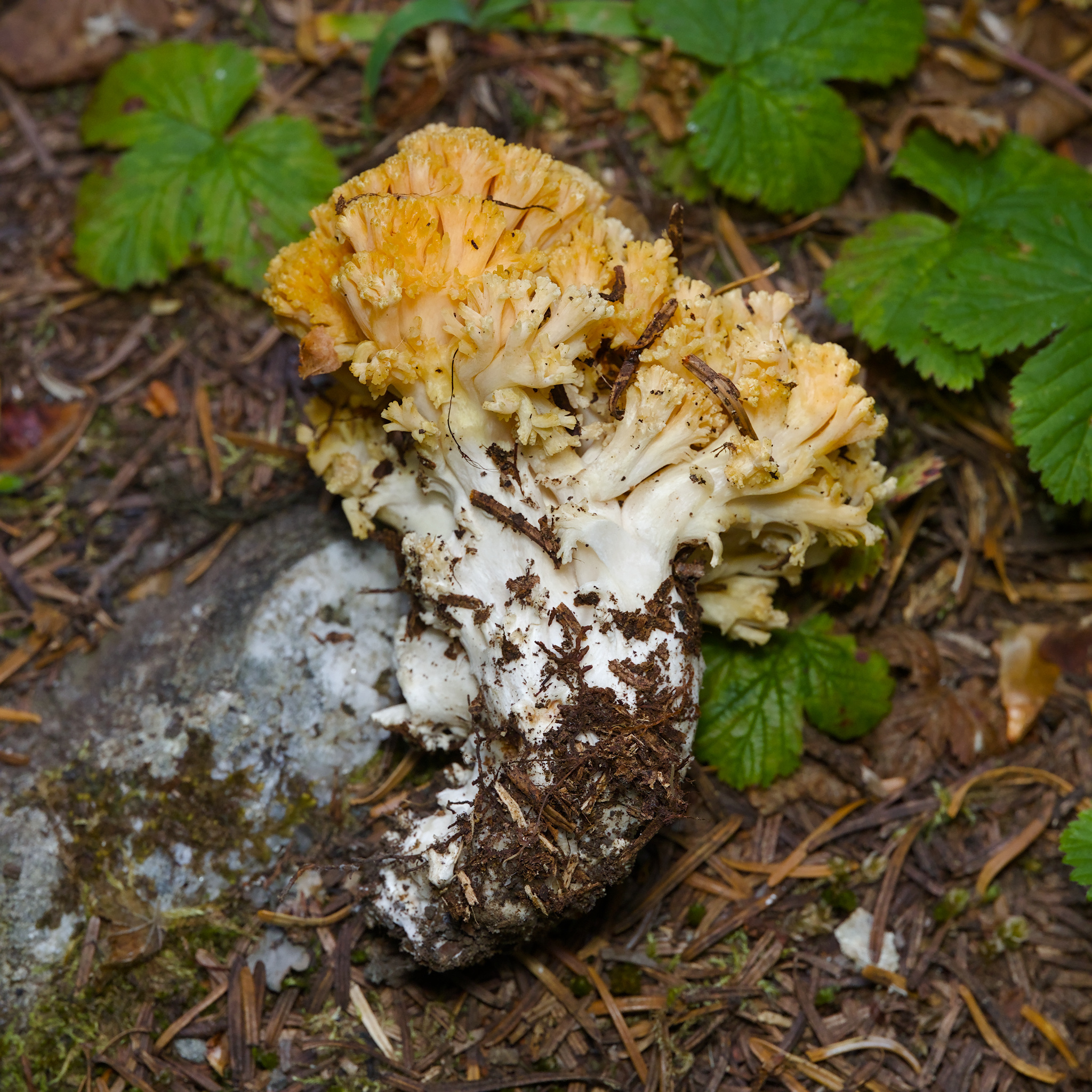
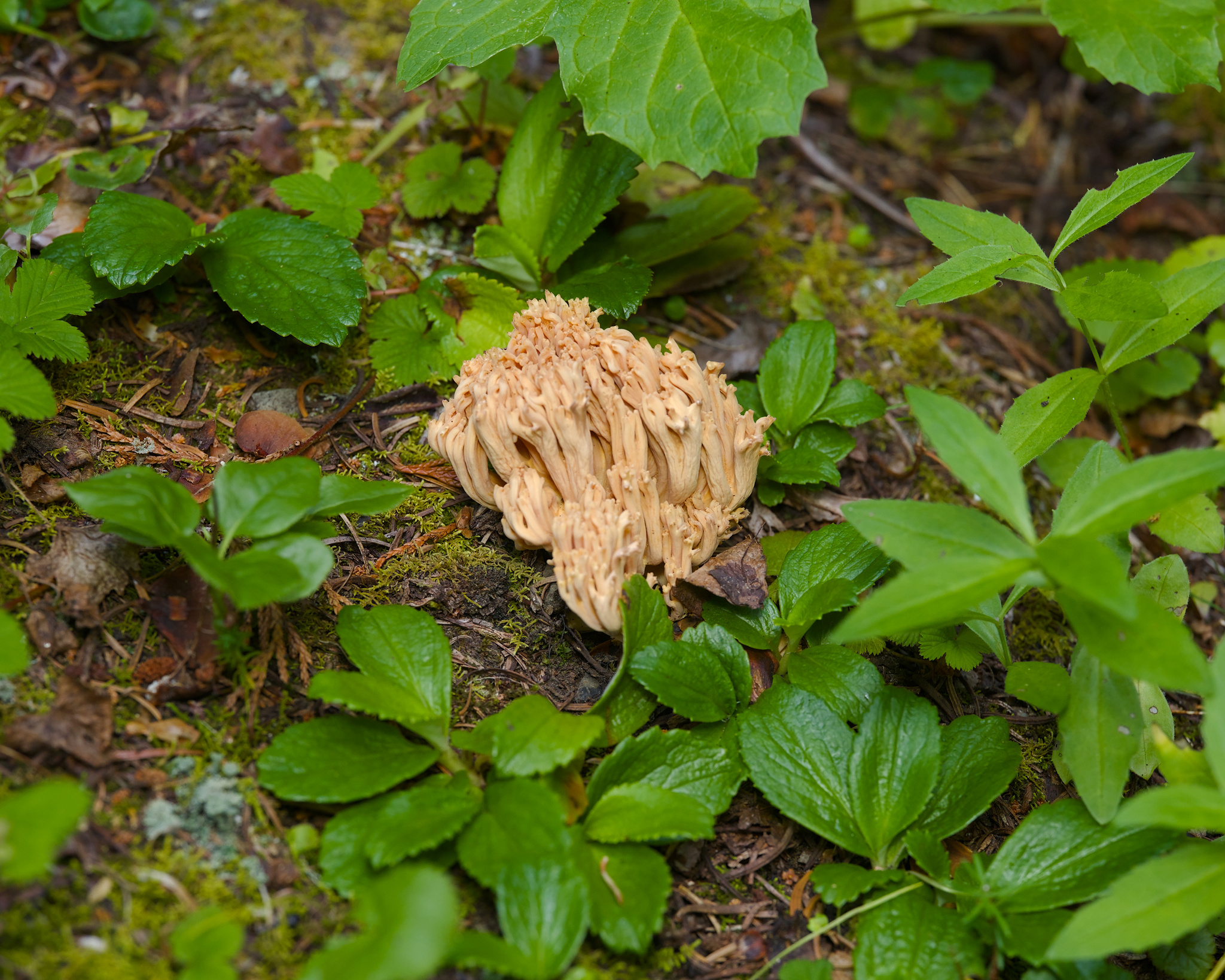
Another beautiful Ramaria. Perhaps subgenus Laeticolora here, despite being a bit stout. As we start to collect this genus more often I'm realizing how frequently we find older Ramaria compared to younger specimens, throughout the year. Just a personal note. I've always loved corals but it seems that we have not yet hit a consistent fresh fruiting season with them, at least at this point in the survey. I can confirm as I'm writing this, we do have a few more handsome collections incoming!
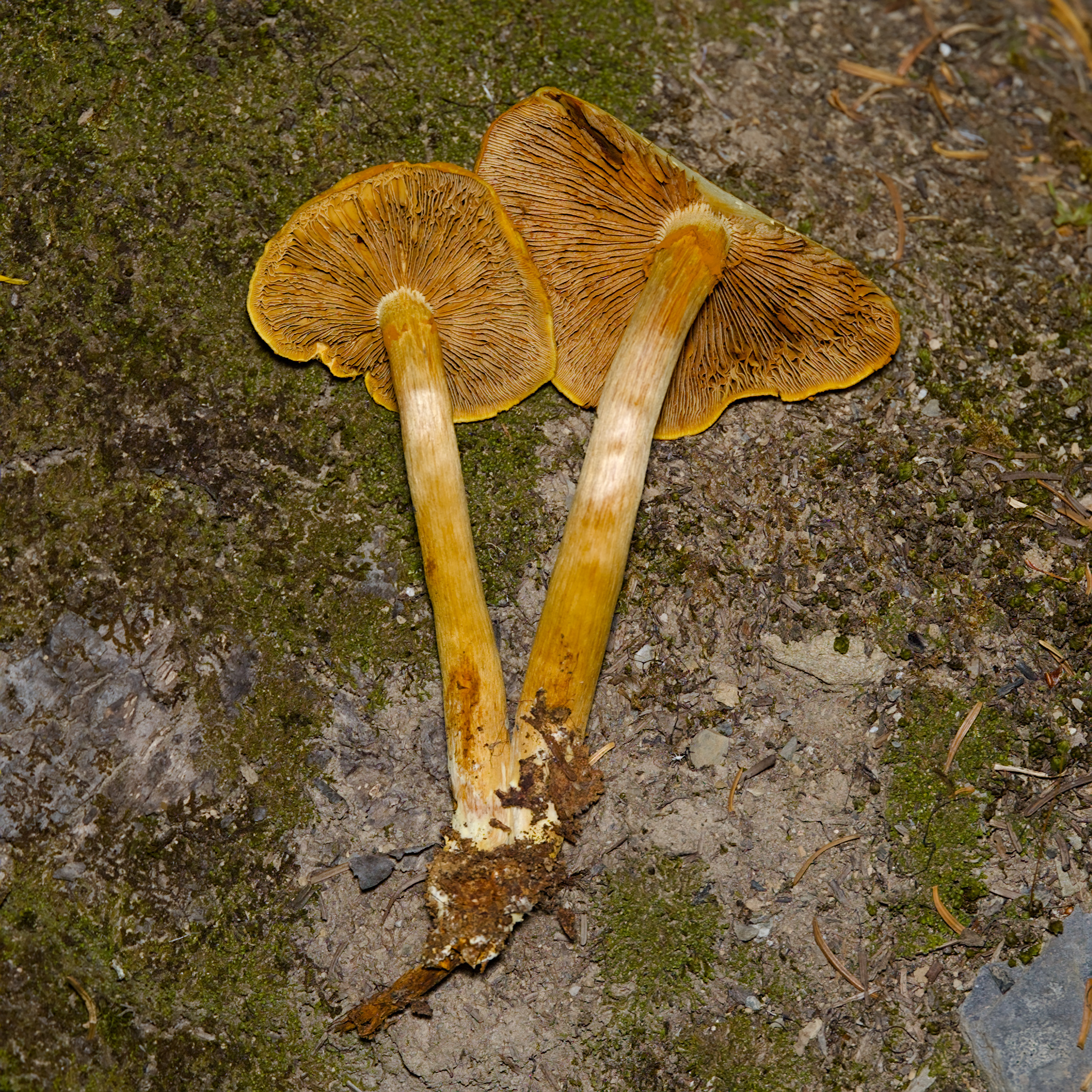
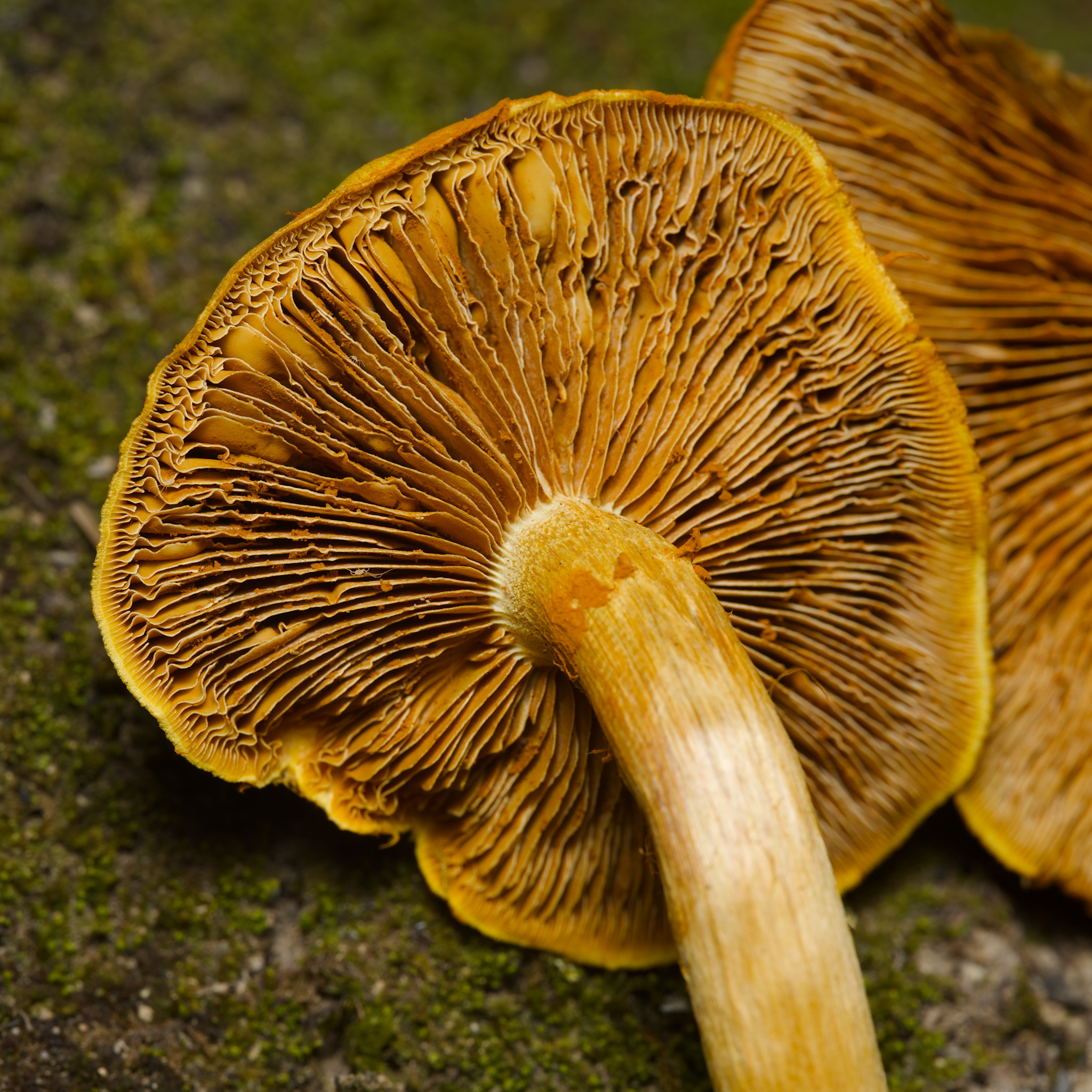
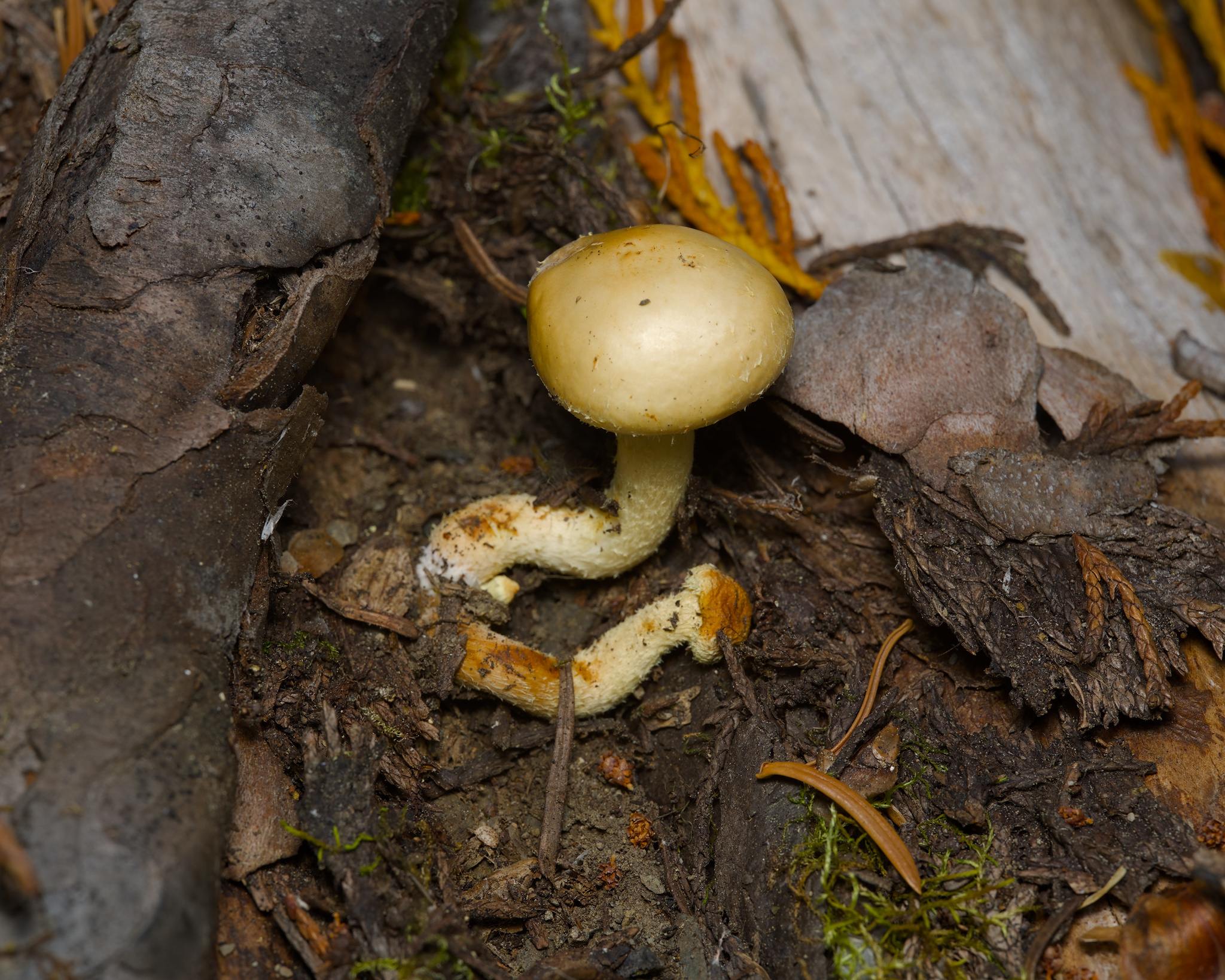
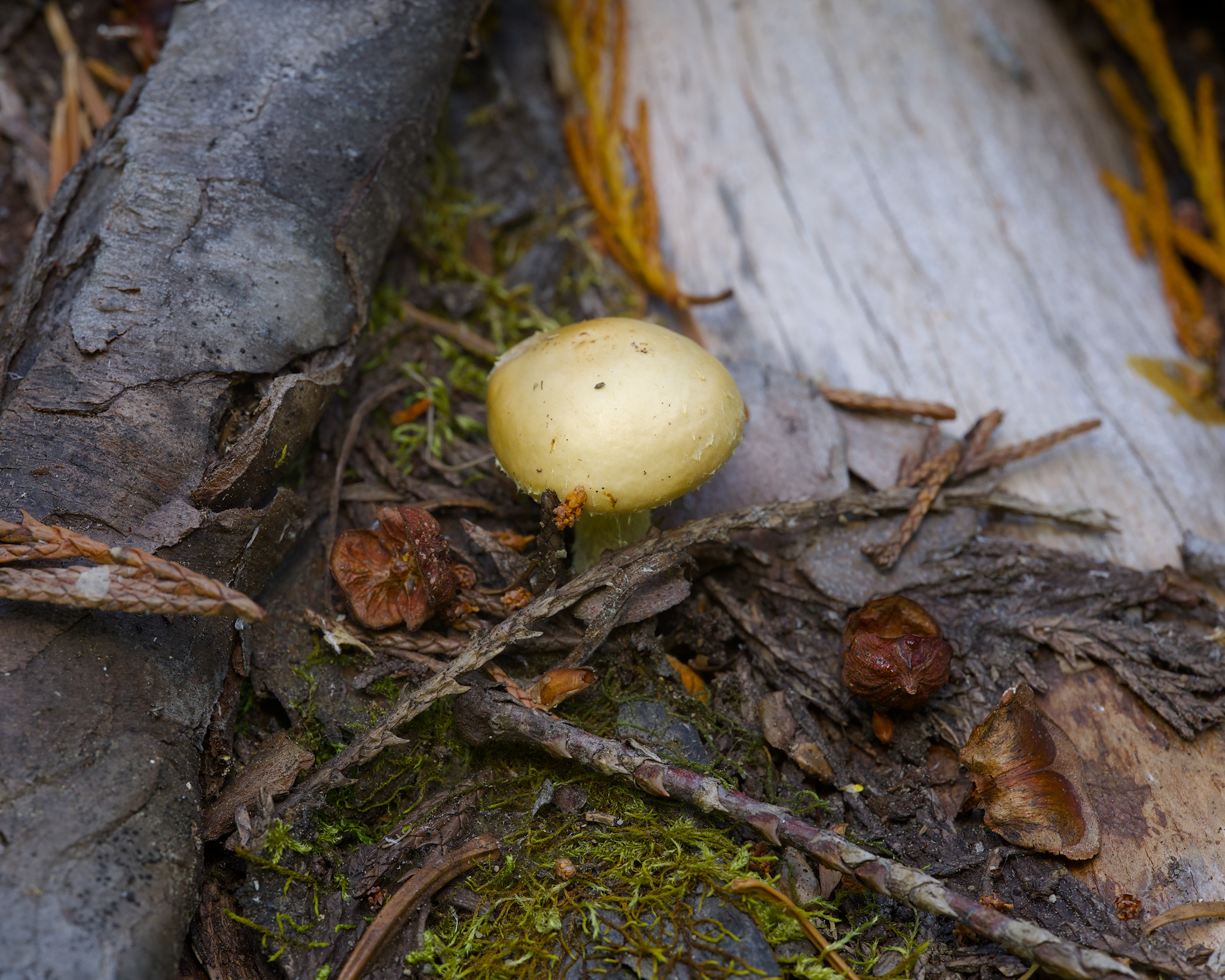
I think I'm hedging my bets on Gymnopilus here, ruling out pholiotoid options based on textures and color mostly. Was not present for this collection so I didn't get a hands on vibe here, will rely on Brodie to confirm this direction and get to work.
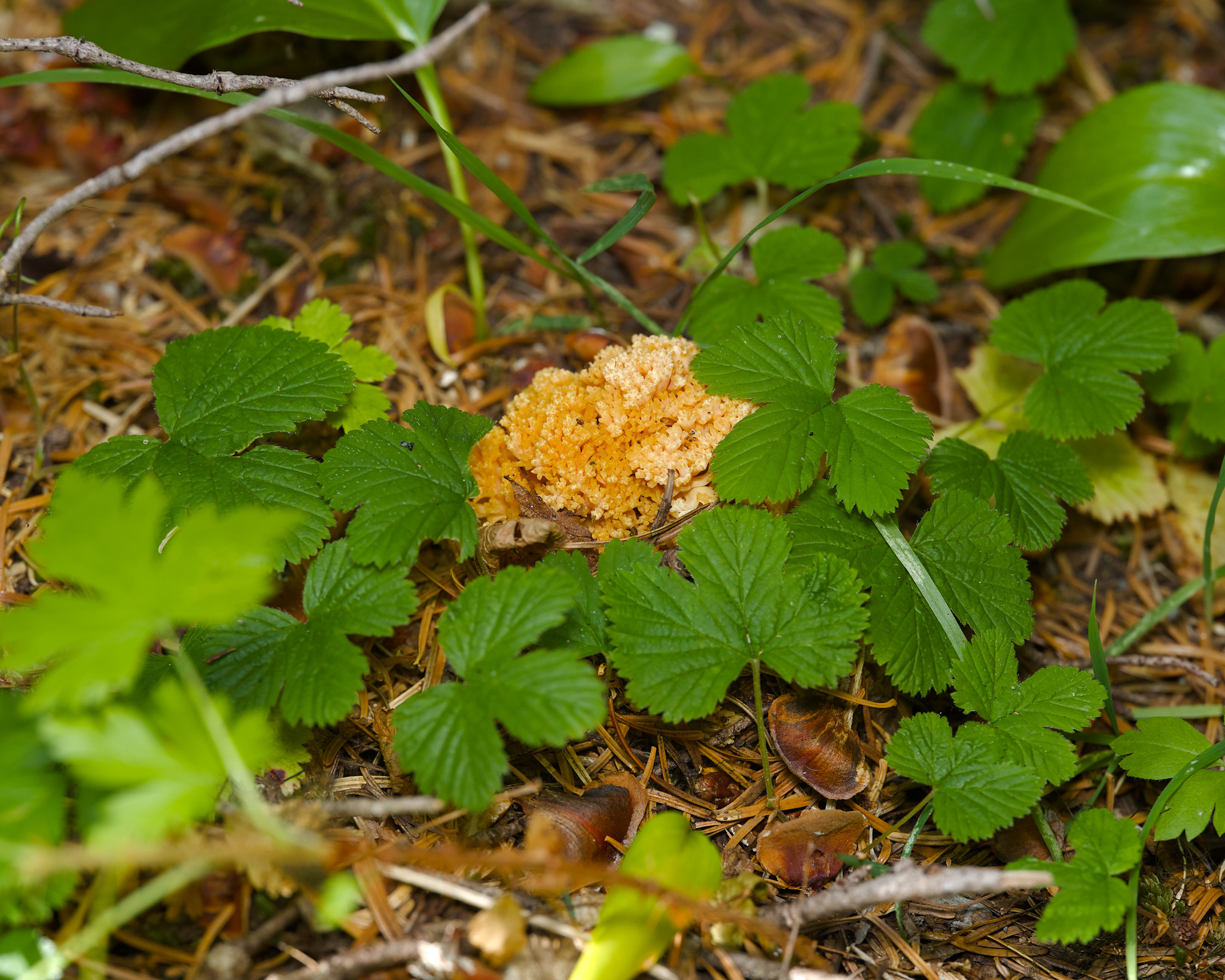
One of the pale, peachy-toned Laeticolora here. Would bet this was not gelatinous. I plan on doing some microscopy for all these Ramaria collections, we will also bring doing KOH for each collection after I bring some to Brodie. For now we will rely on a sampling of sequences and incoming micro to start working out some goals for the genus.
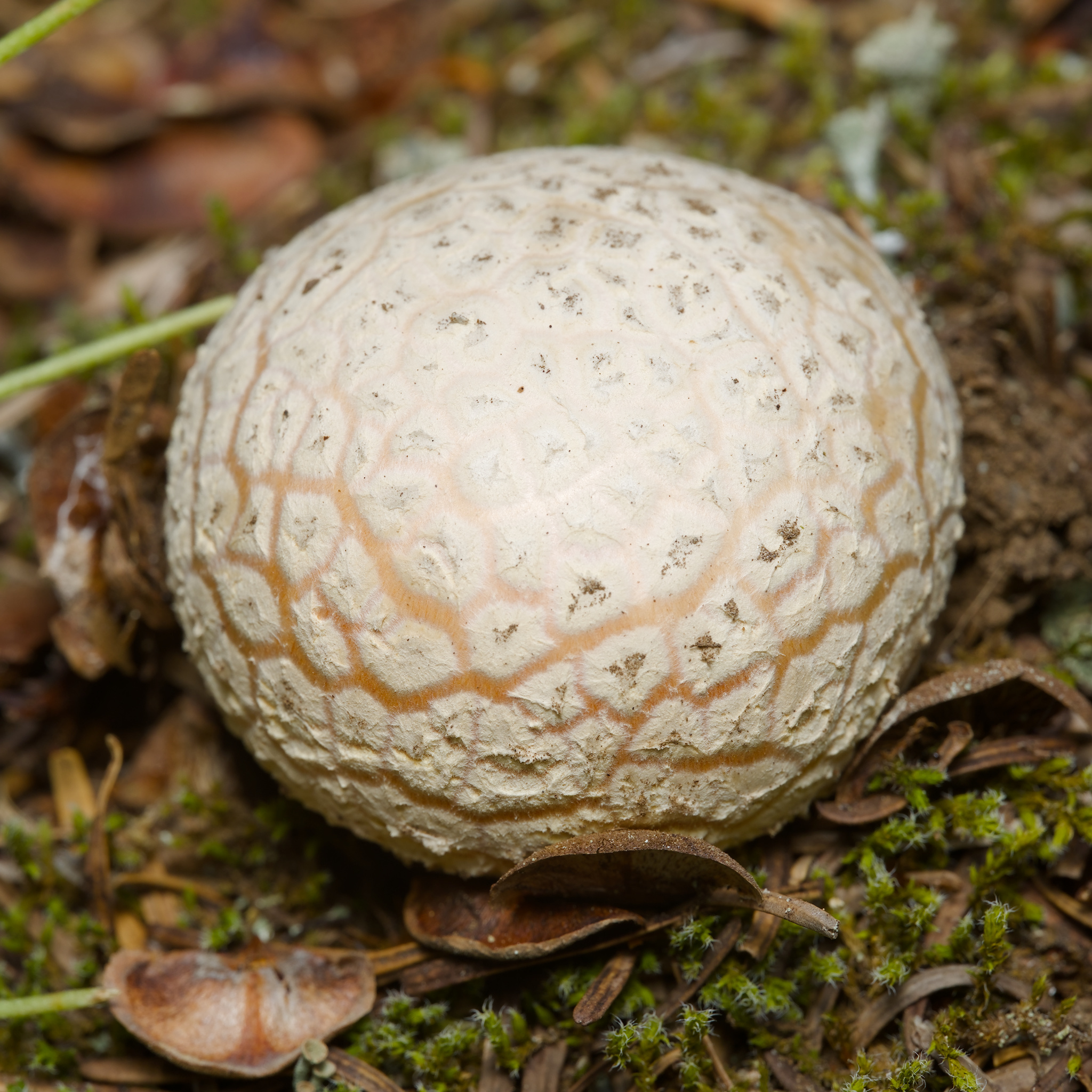
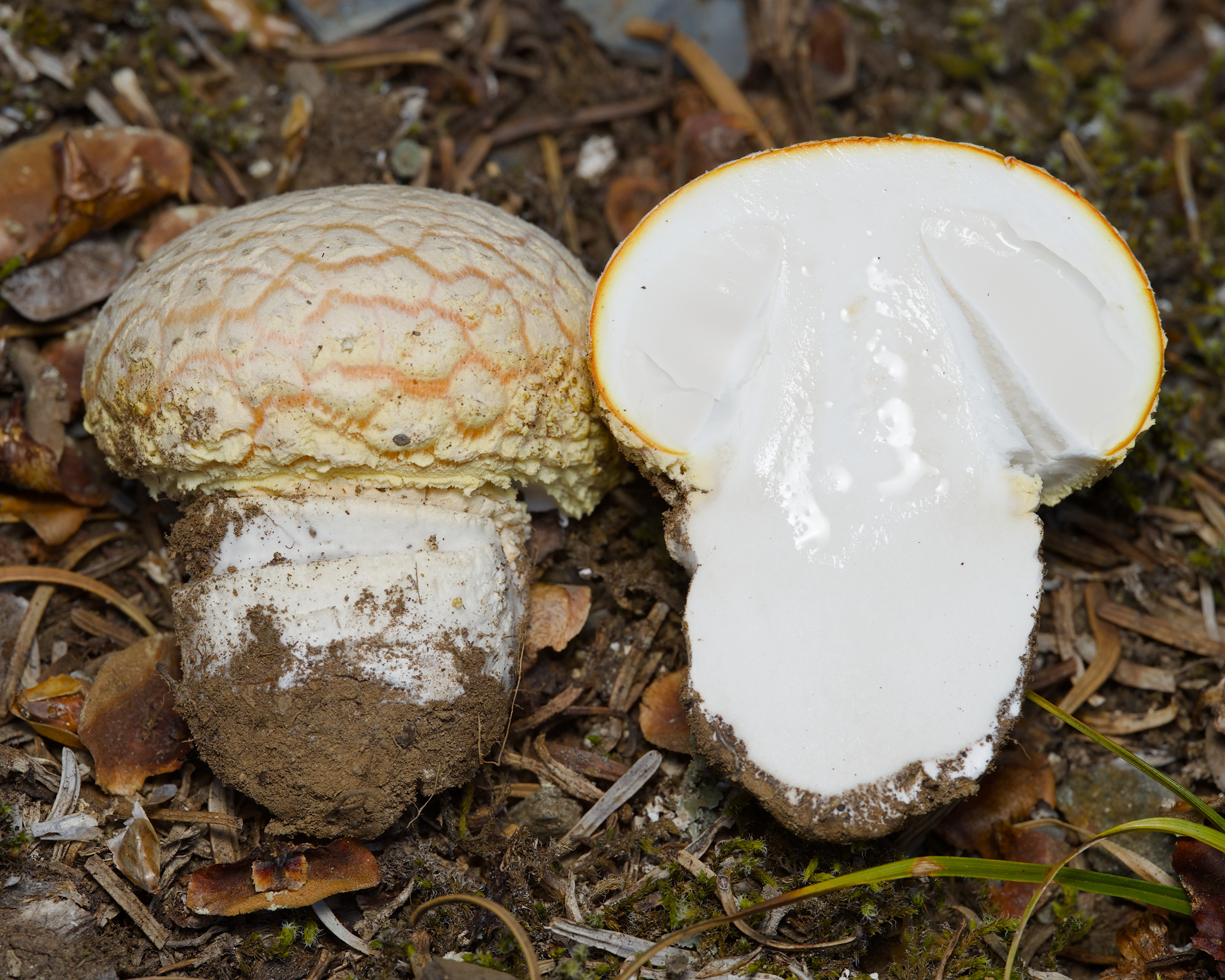
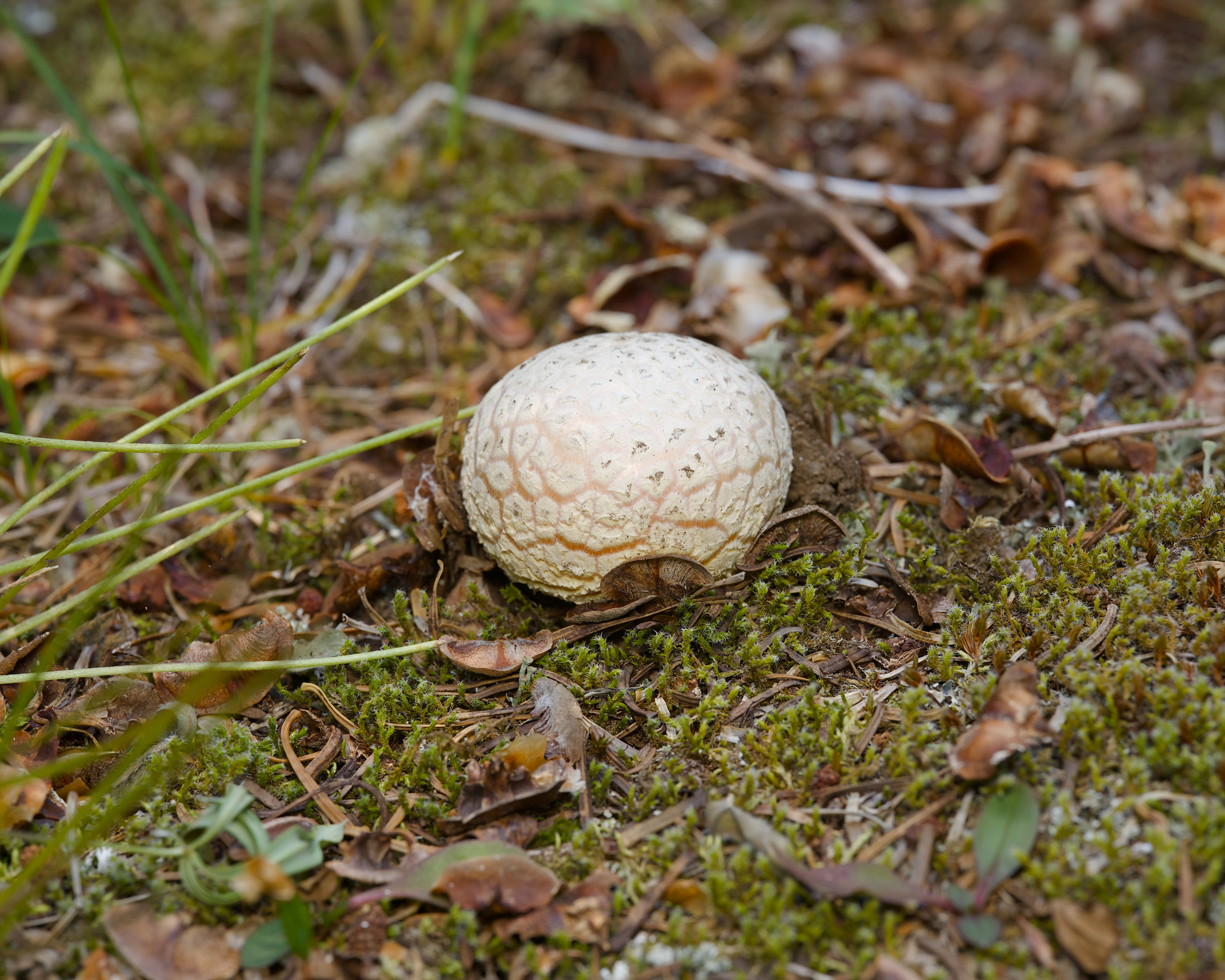
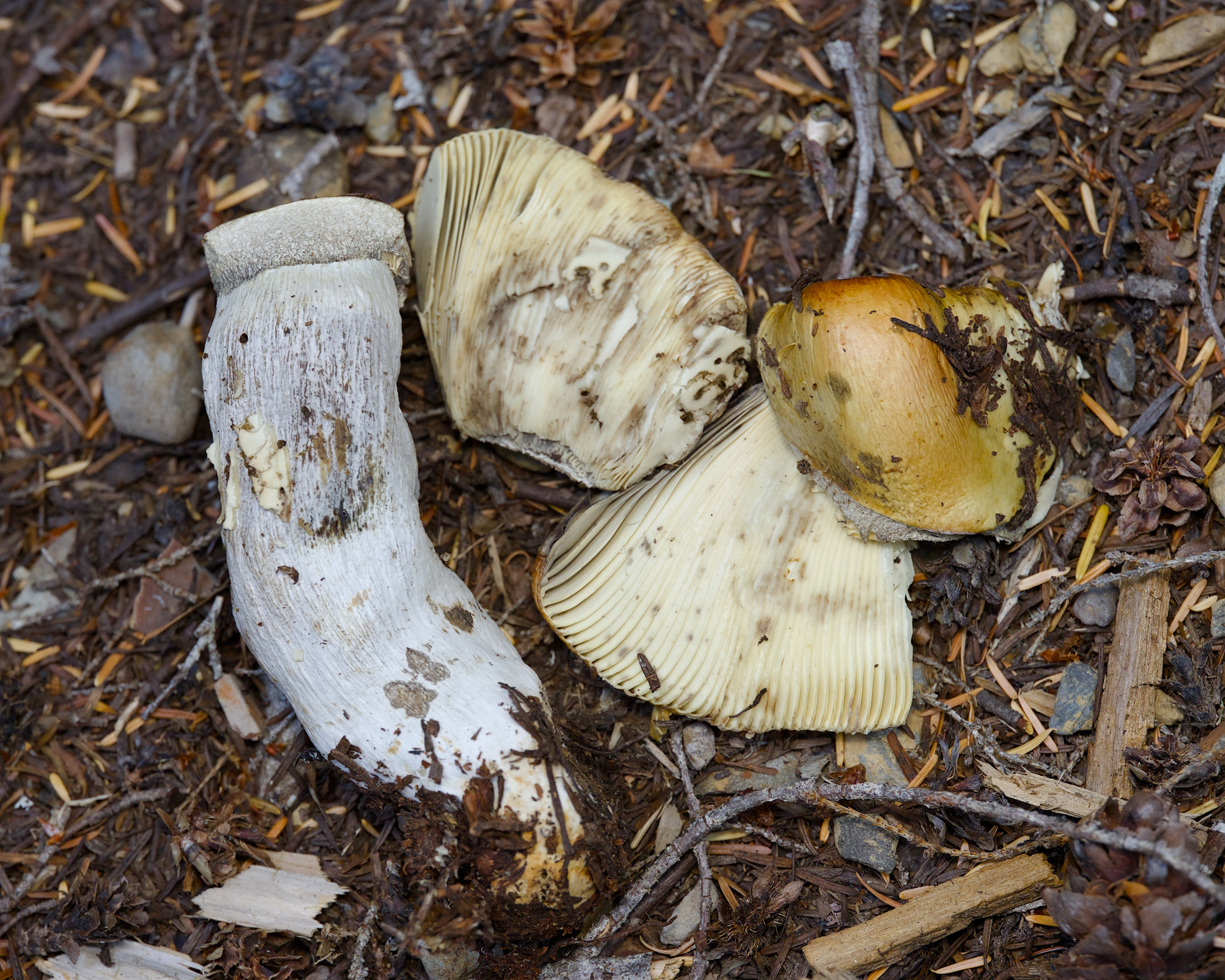
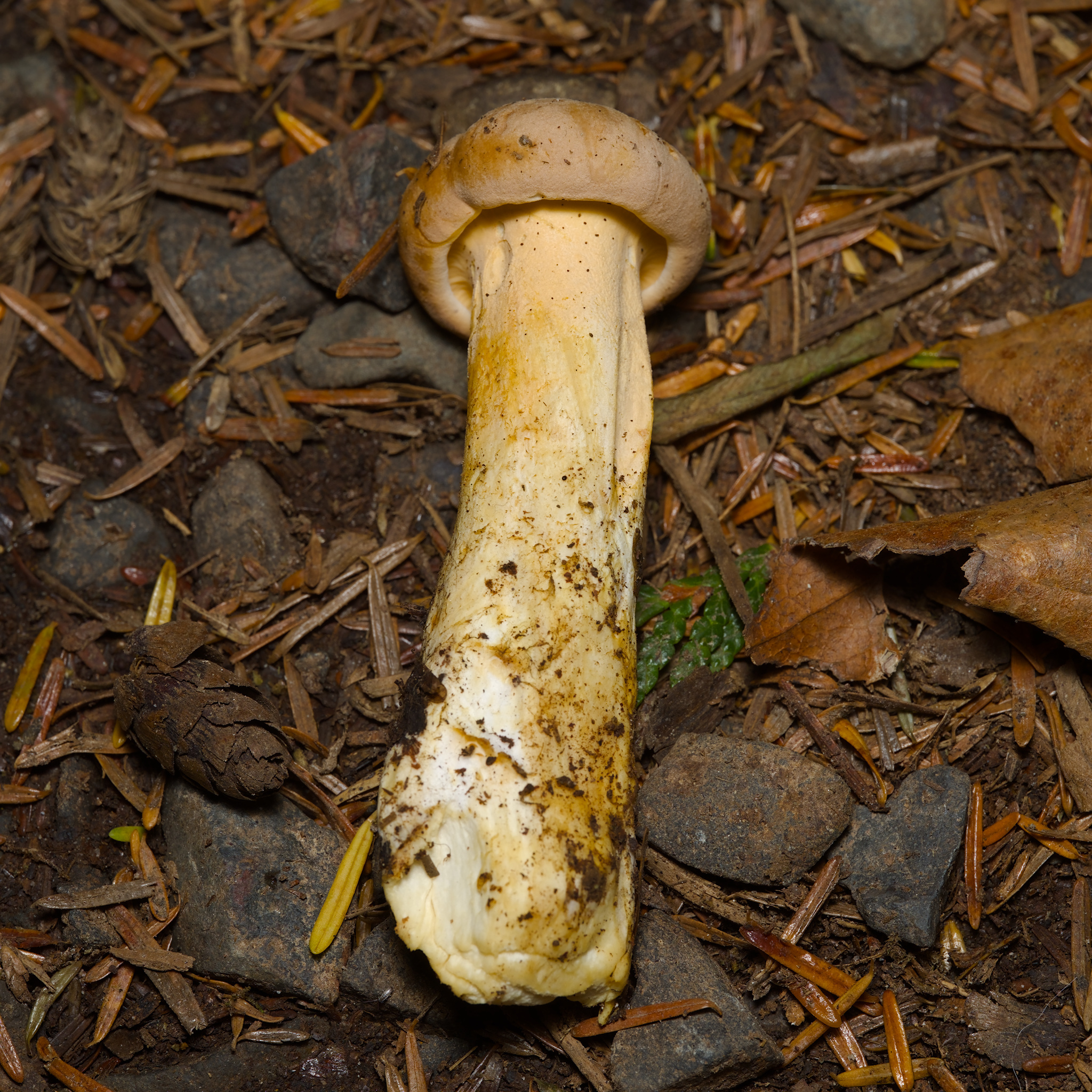
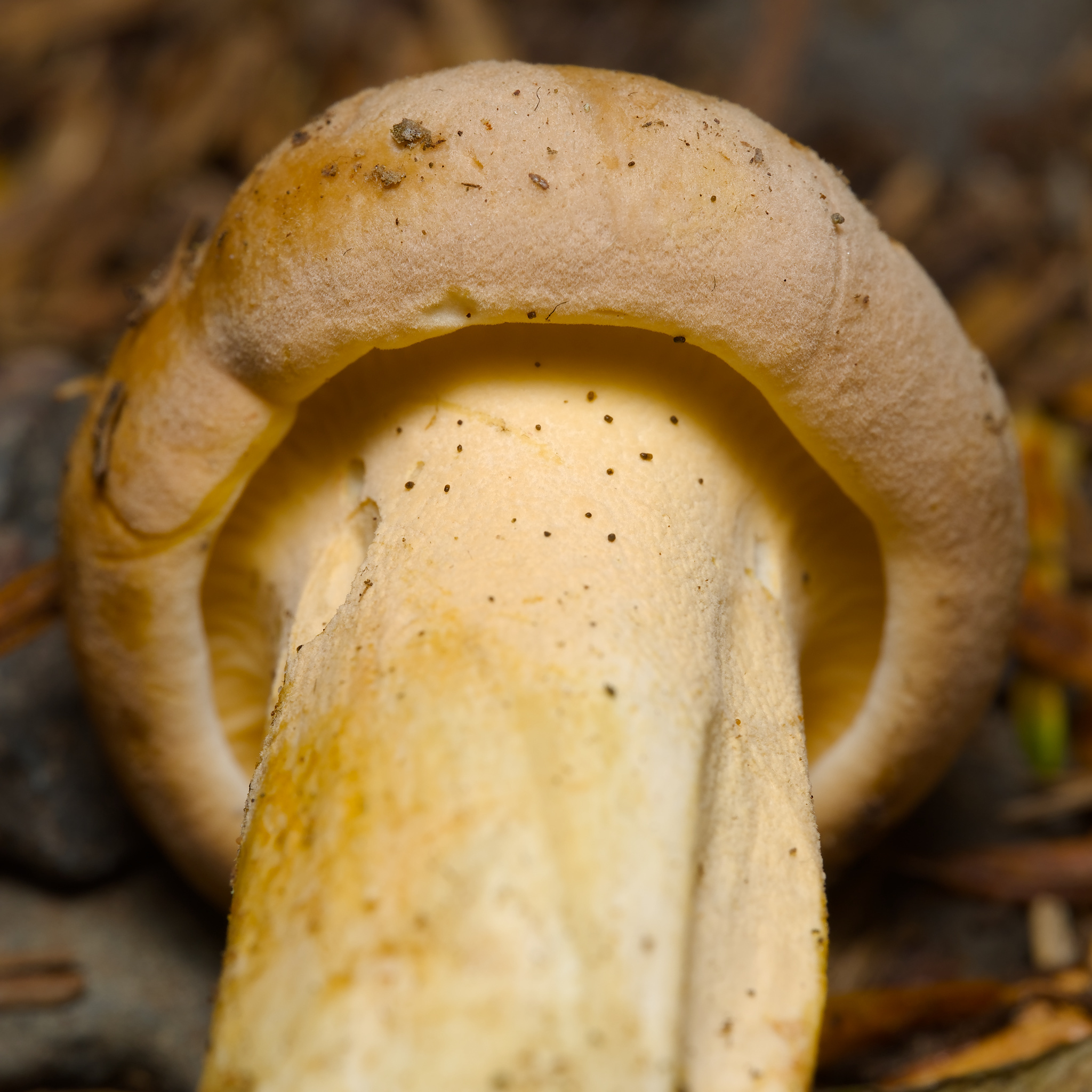
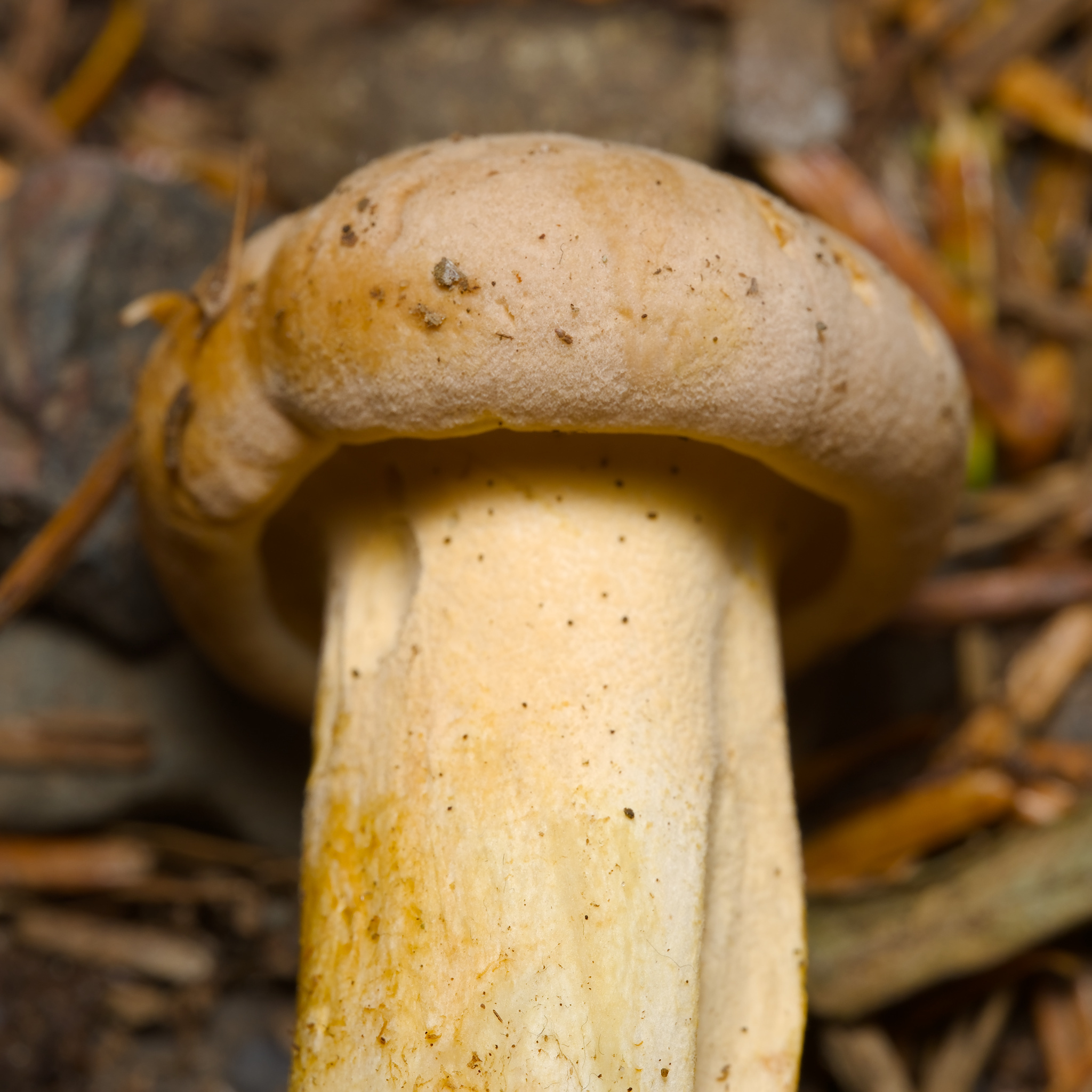
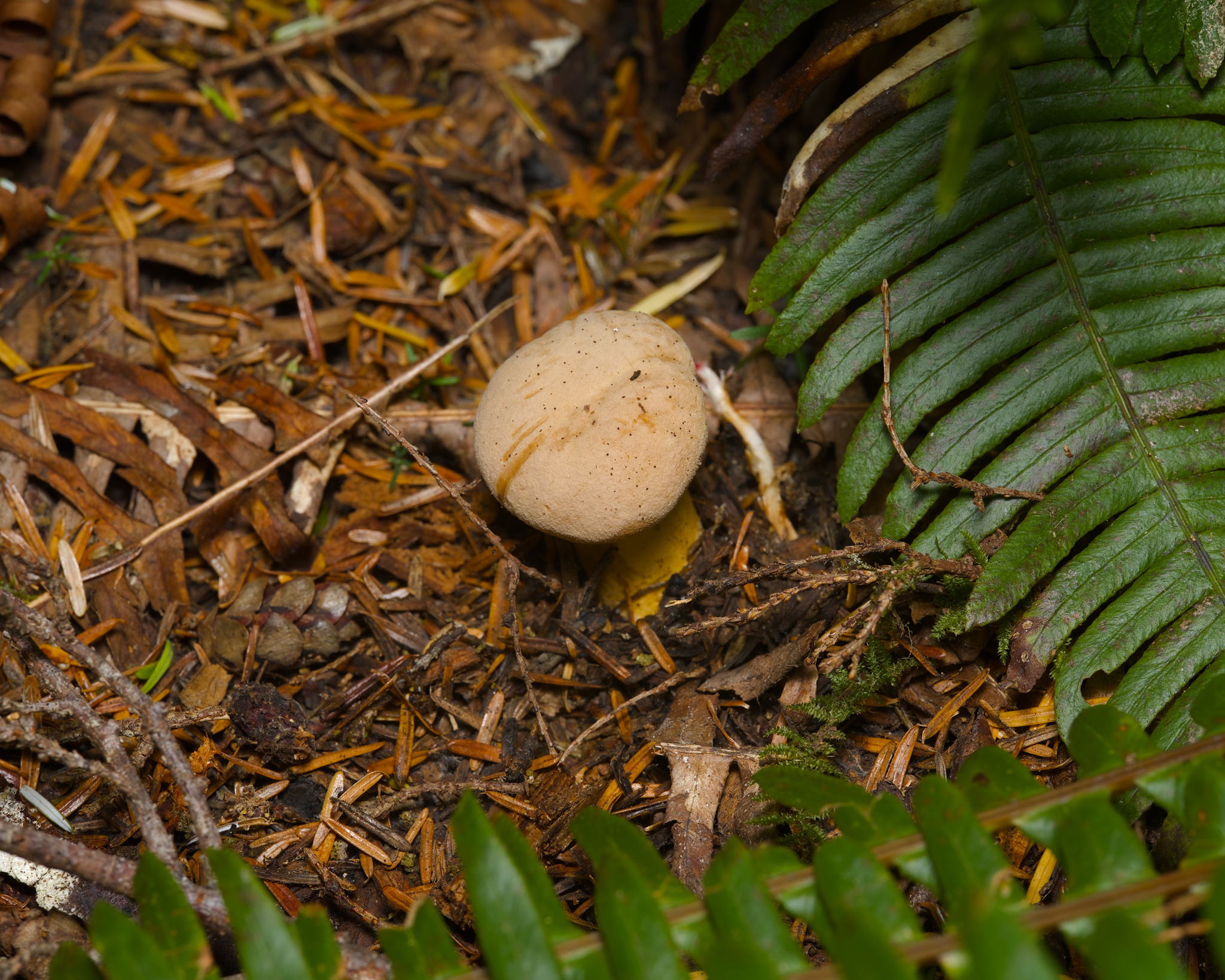
I think probably a muscarioid with the bit of color under all that warty texture. We shall see. Happy to survey some younger members of the genus.
Perhaps some sort of tricholomatoid deal. I don't think either of us got a perfect read on this, when discussing we were happy to settle on Tricholoma or similar.
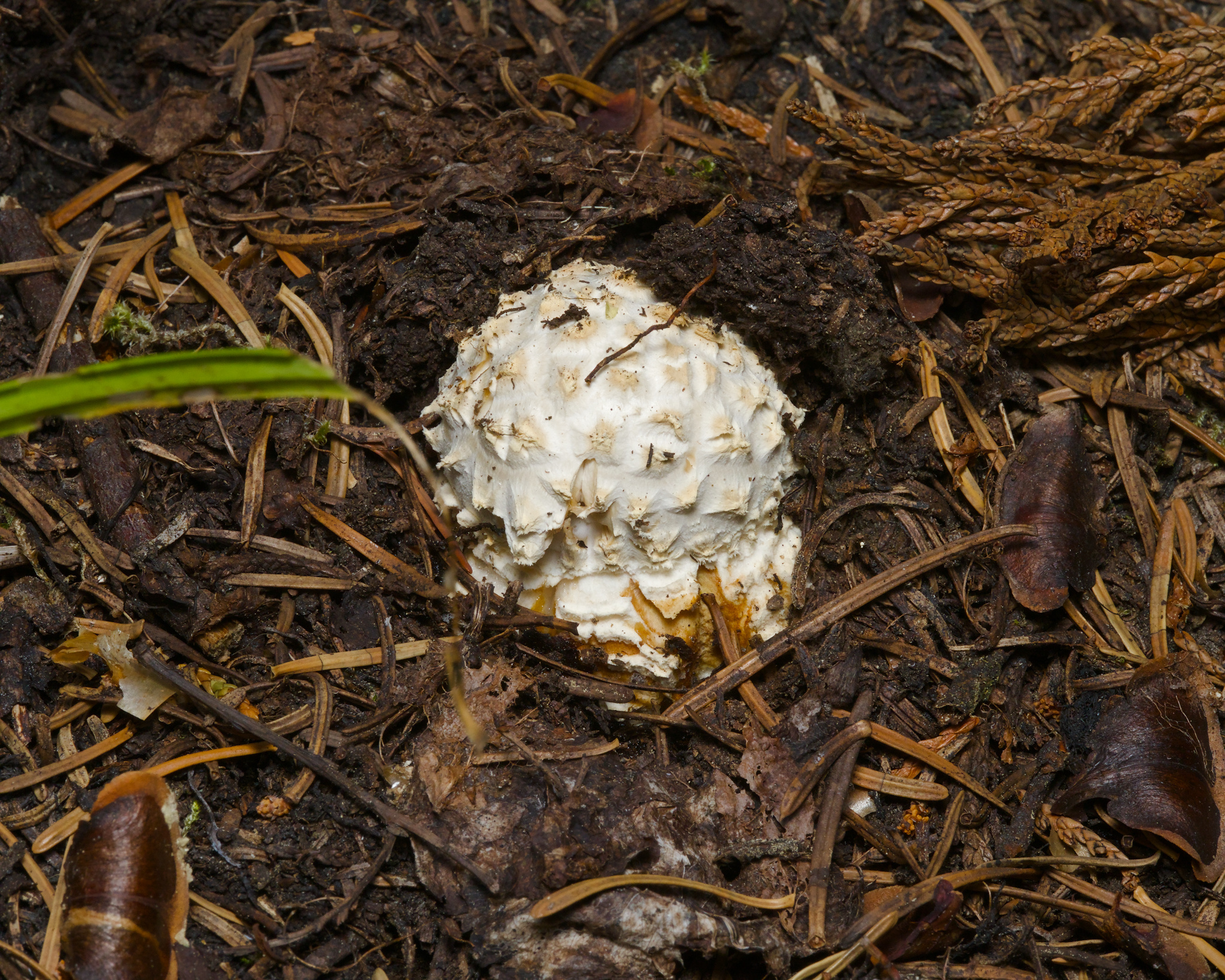
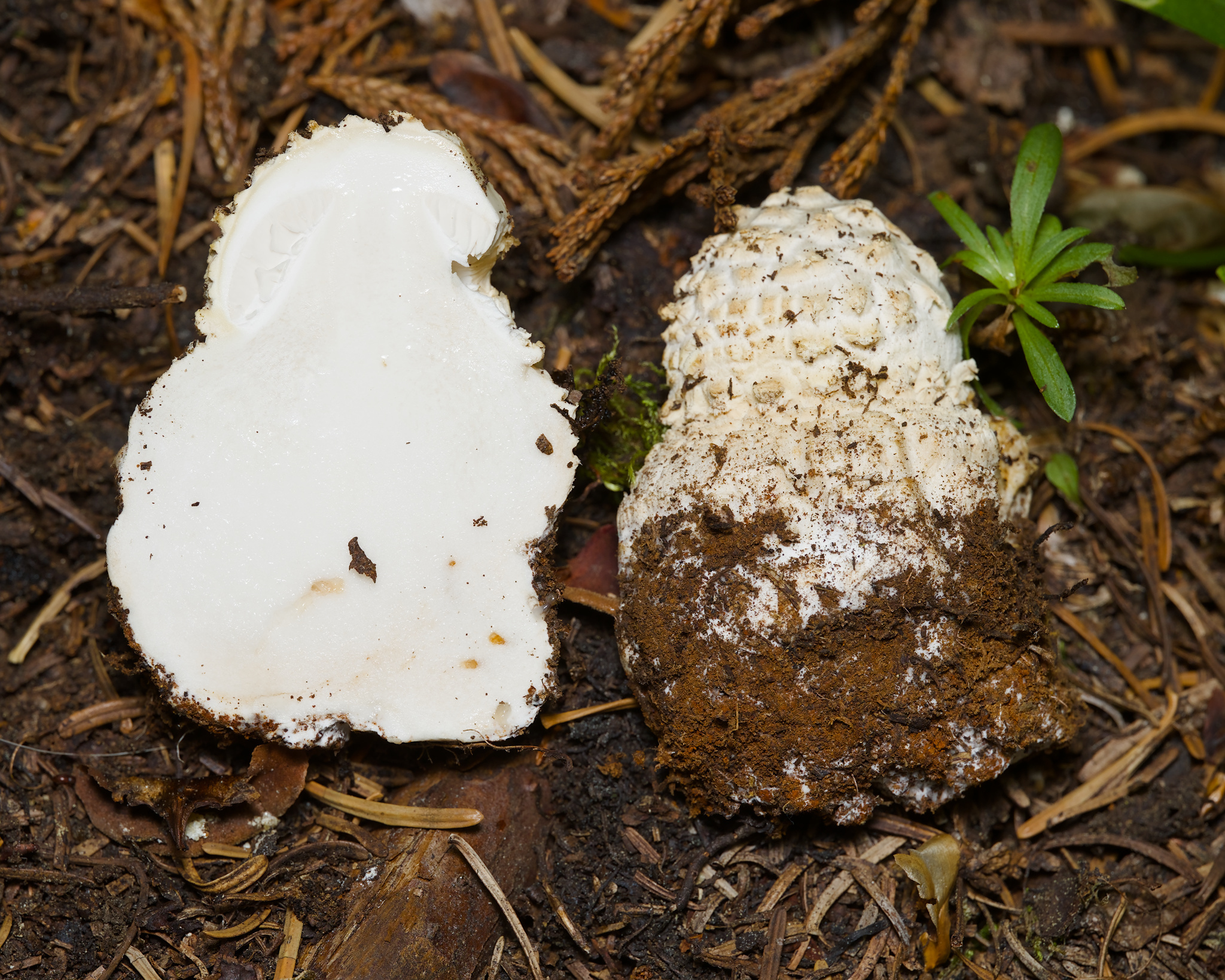
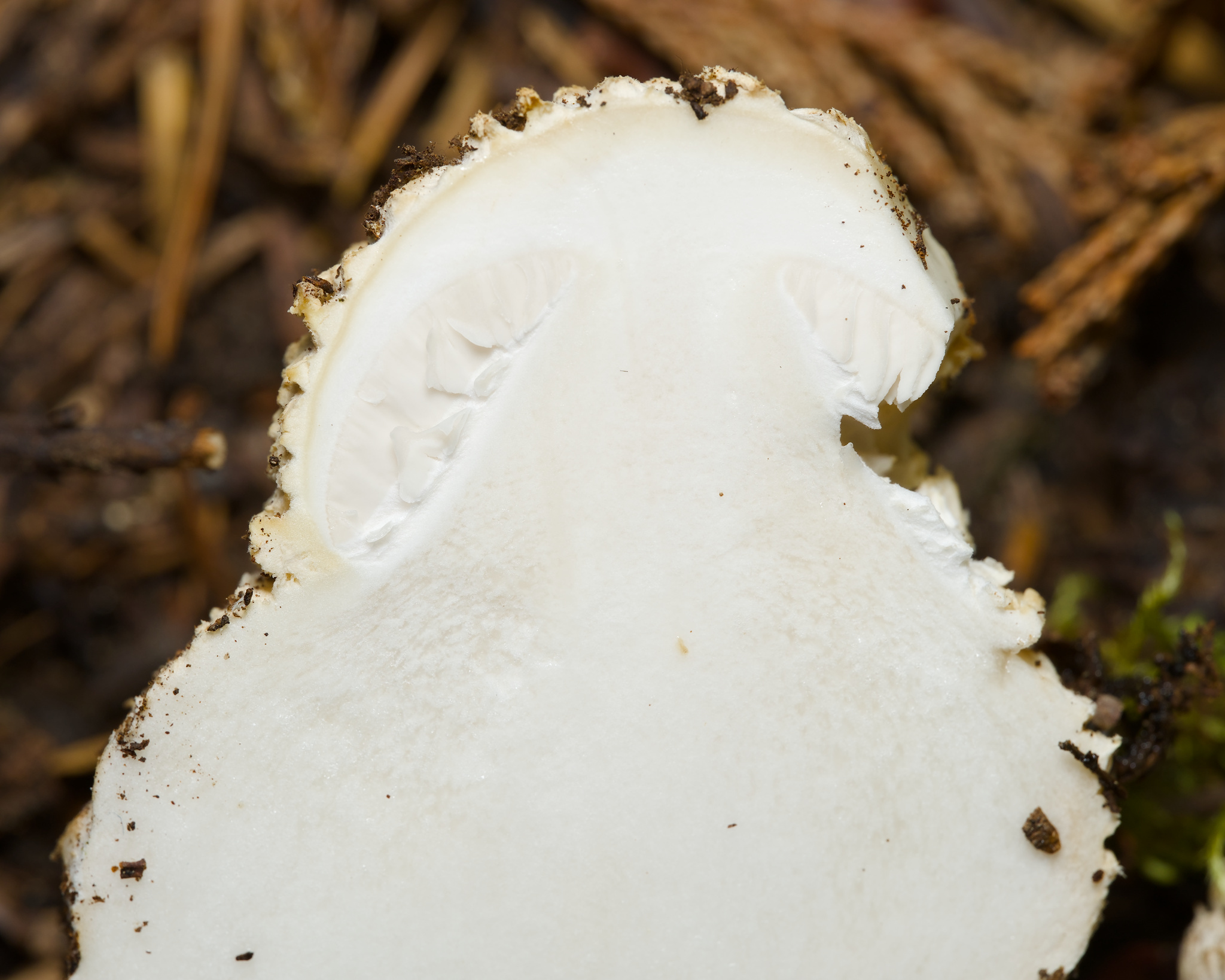
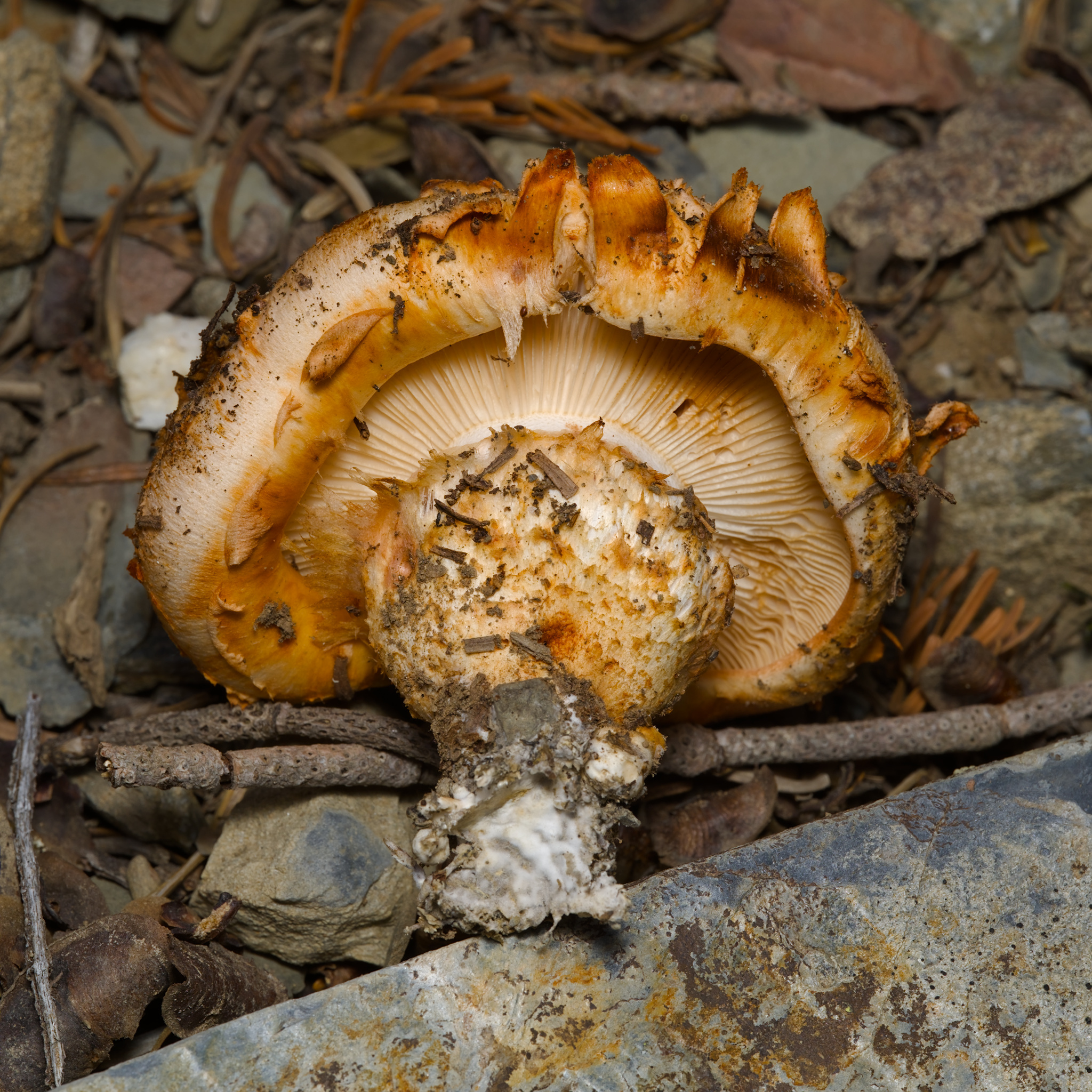
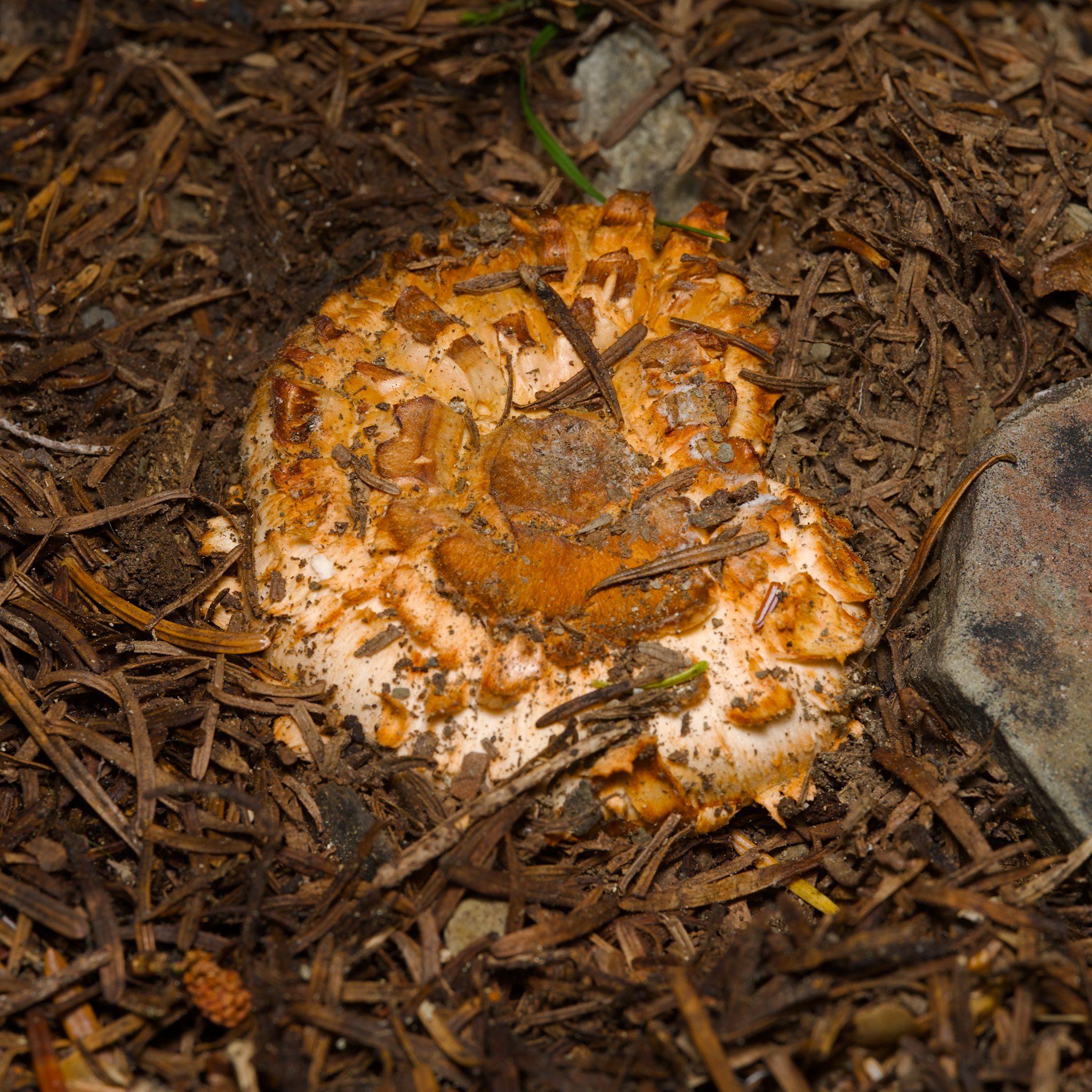
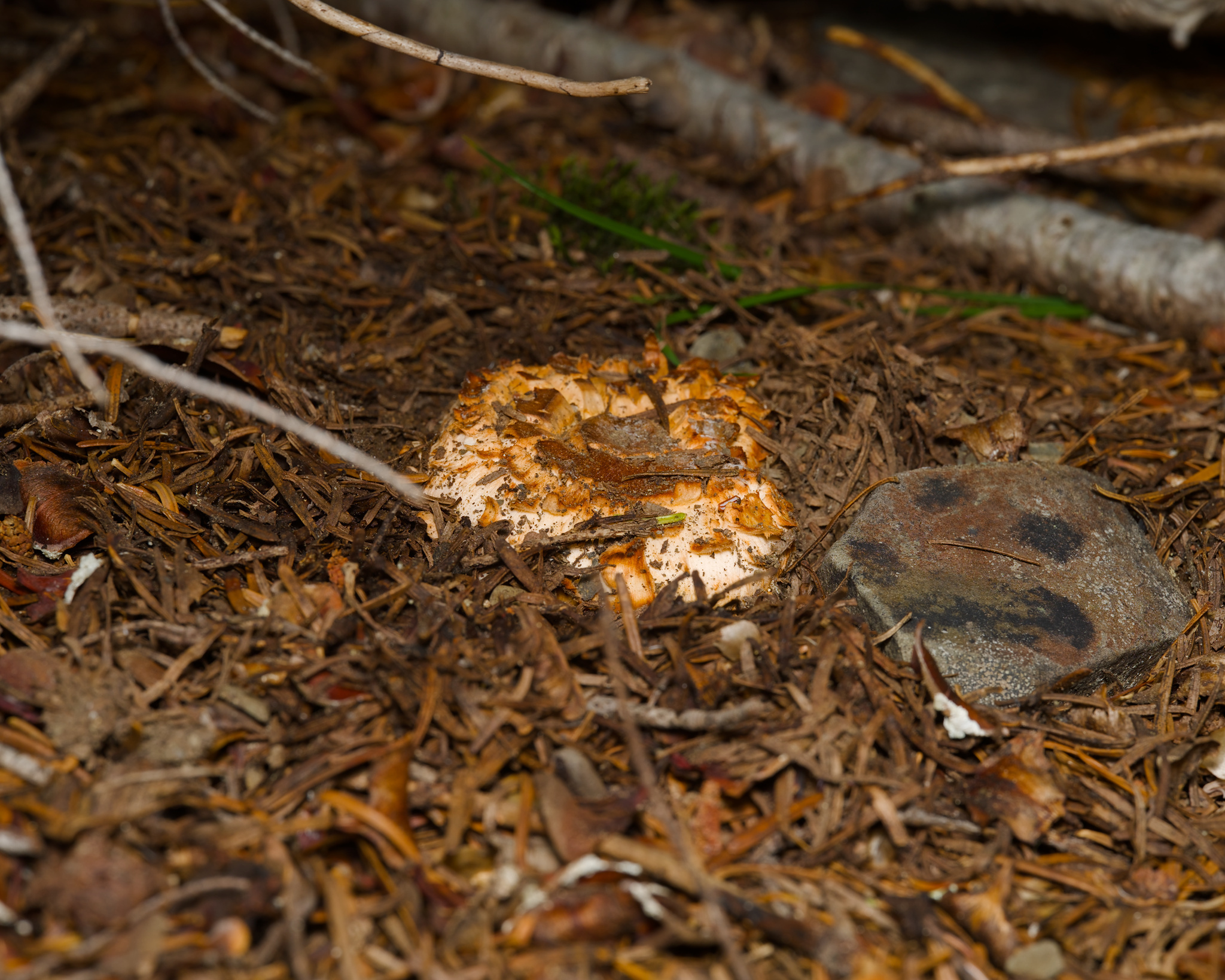
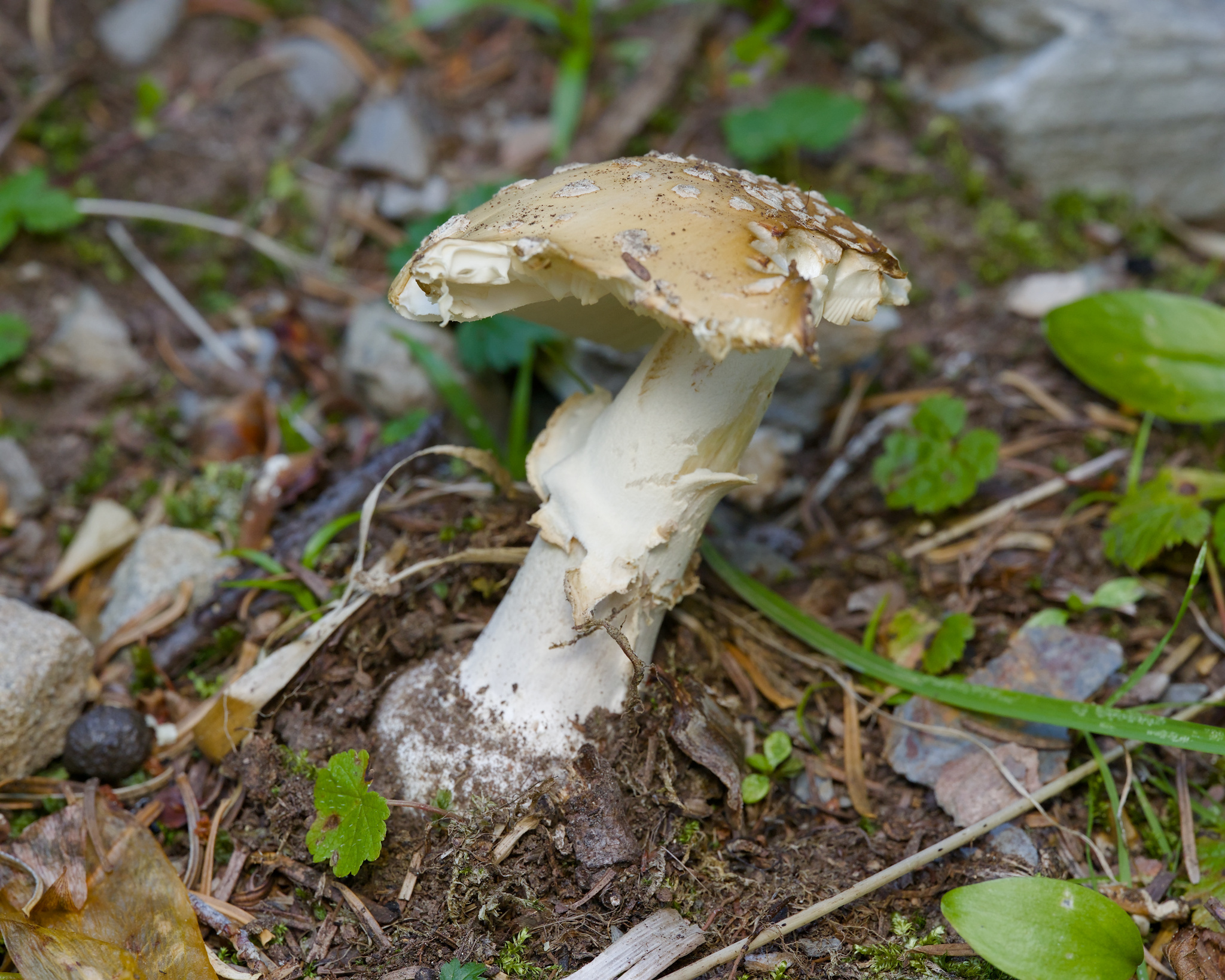
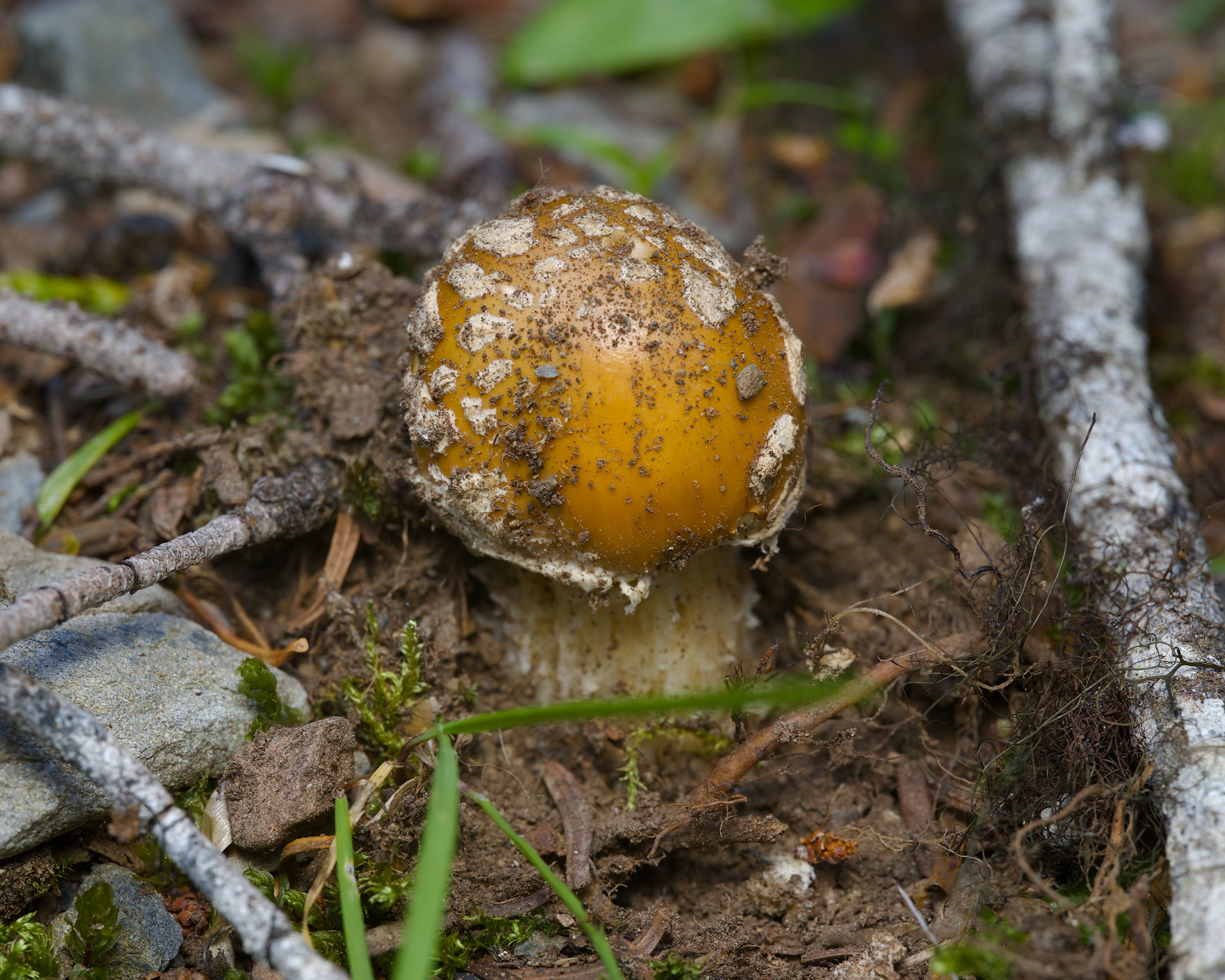
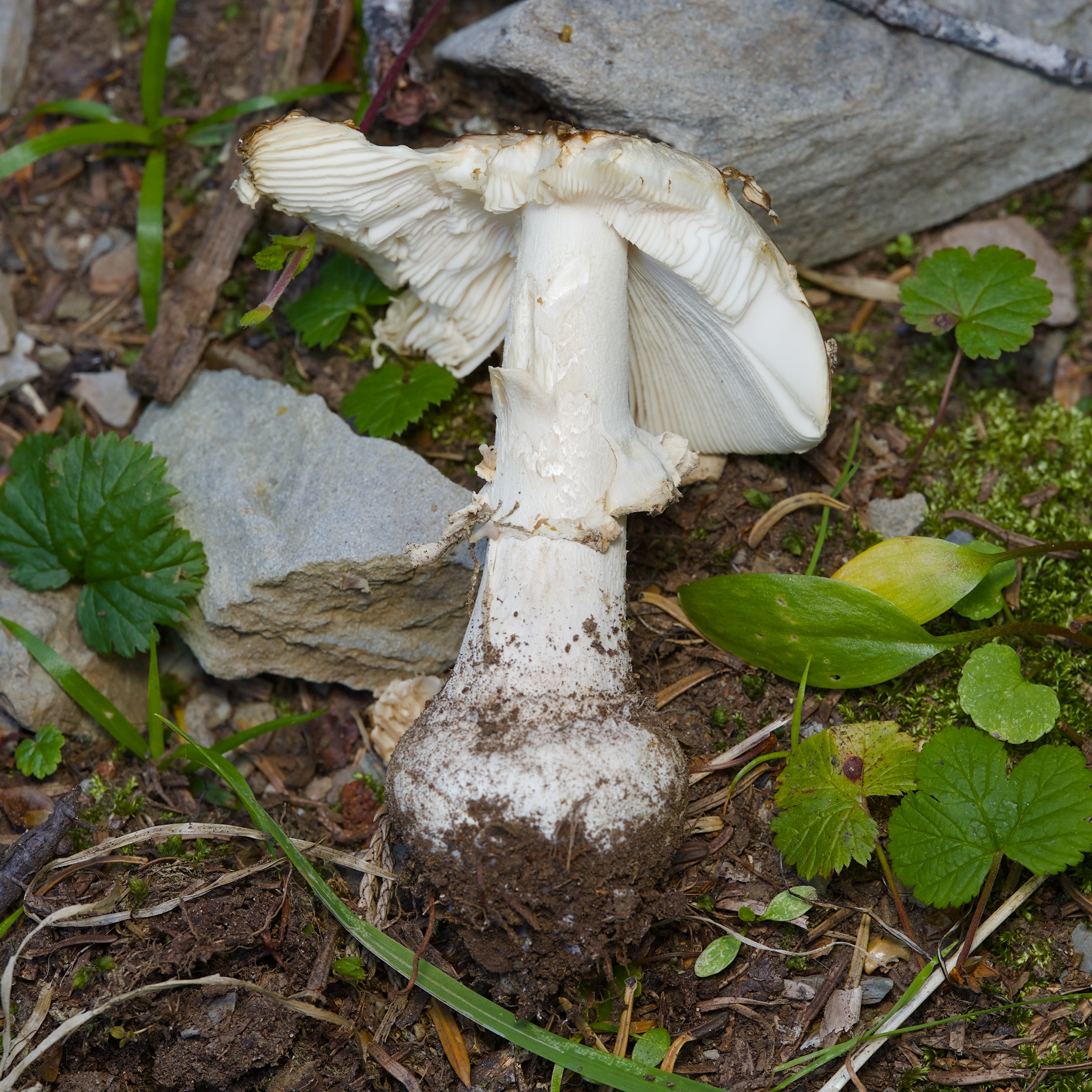
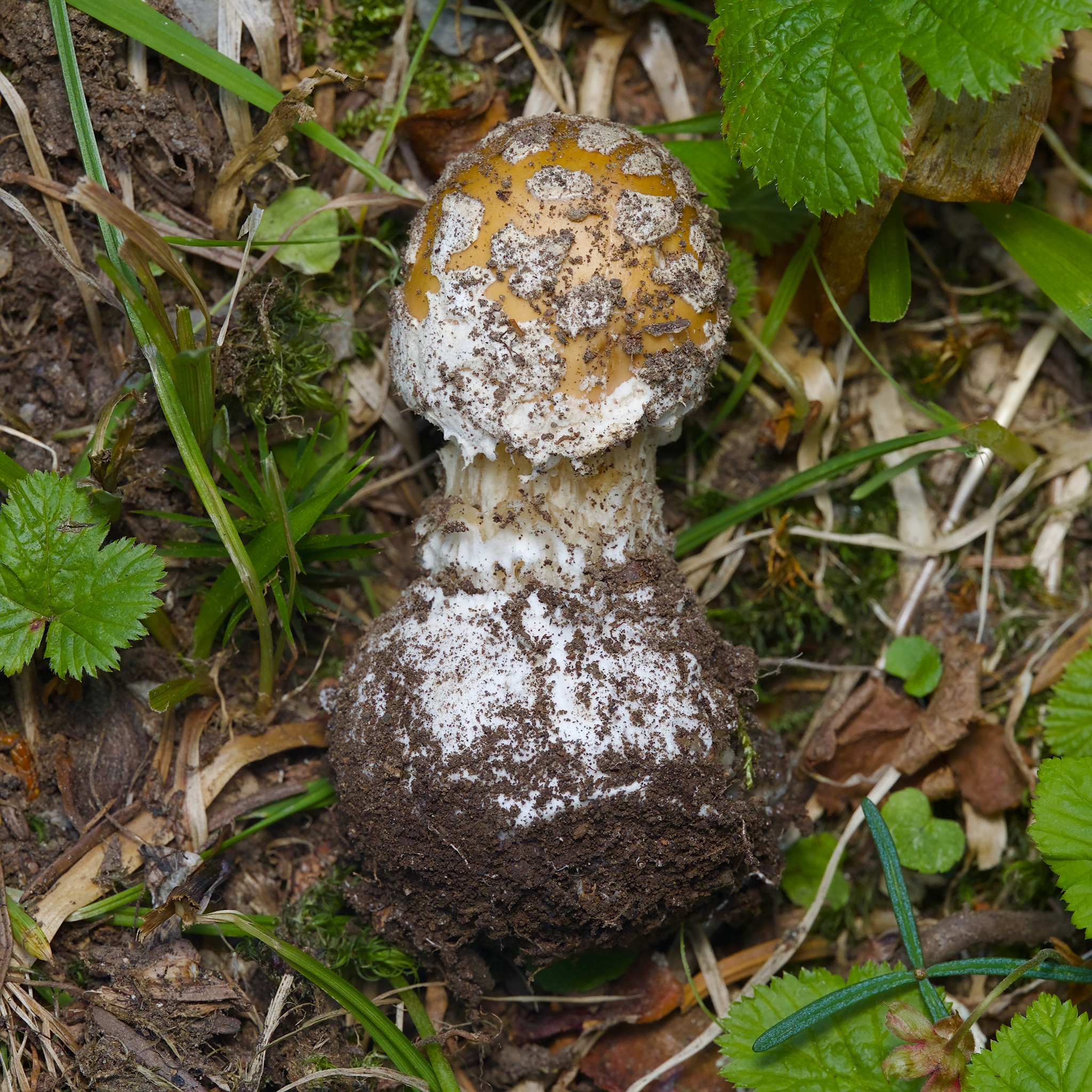
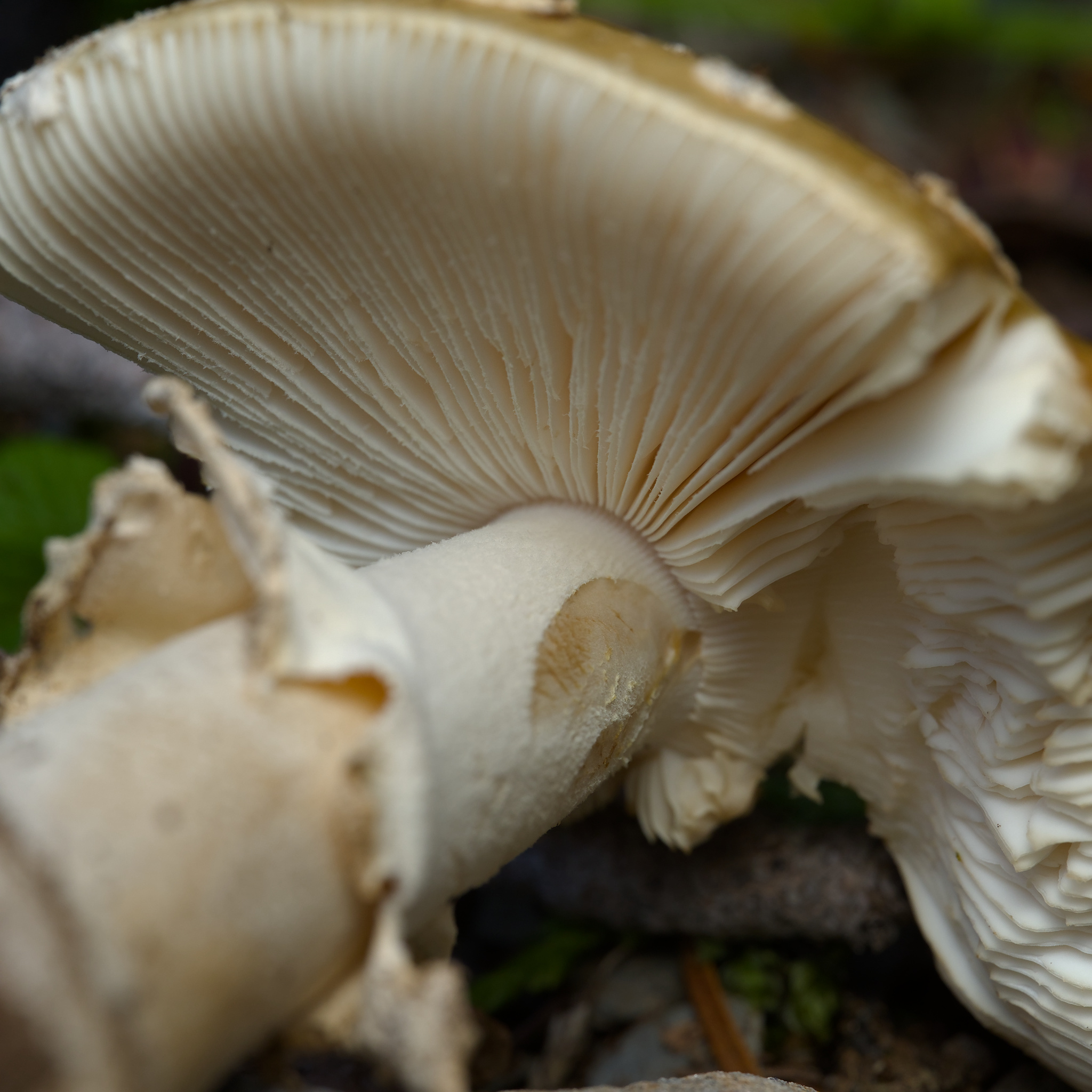
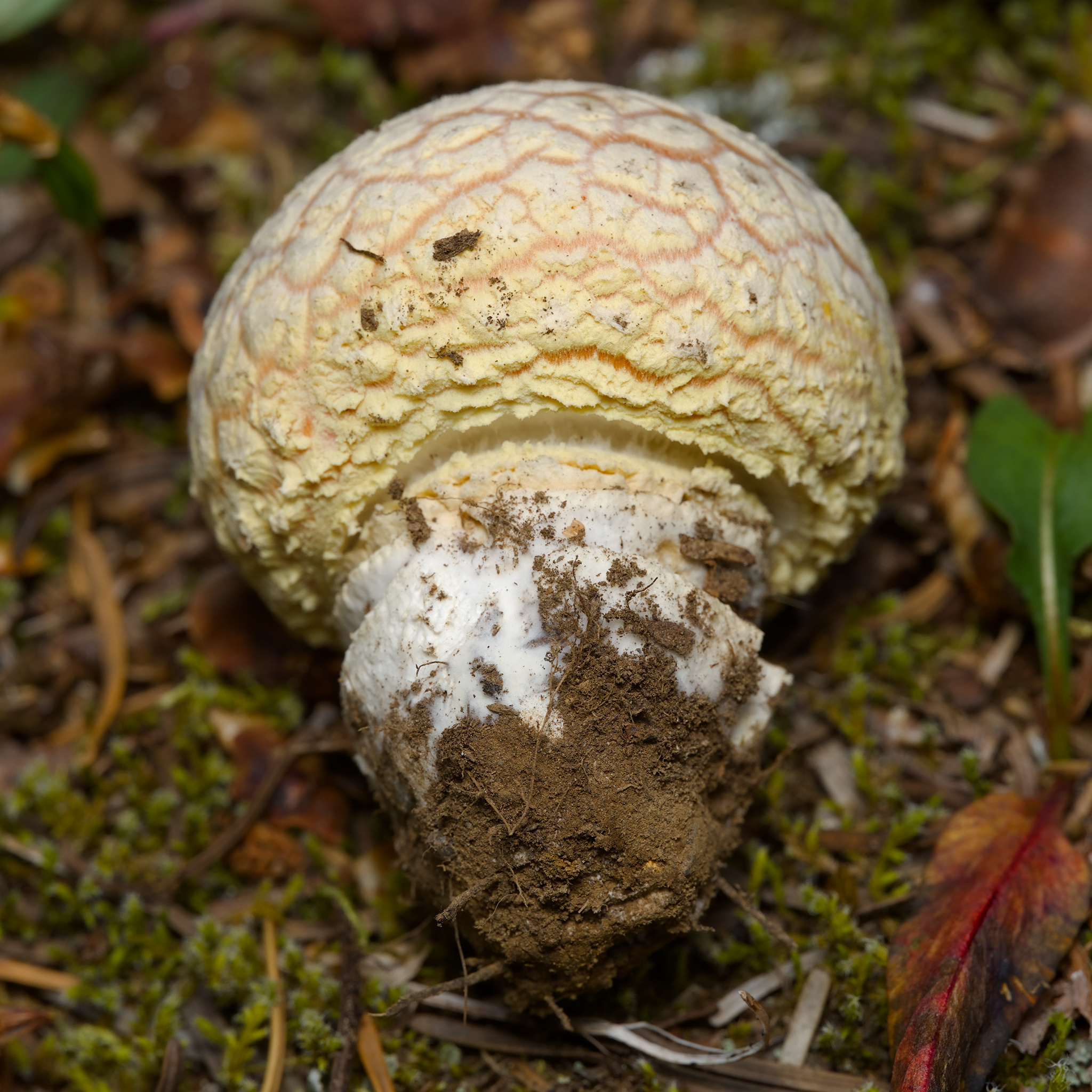
A bit pale but I'm currently assuming this collection is A. pantherinoides. Will confirm with Amanita team for opinions.
Amanita team confirms.*
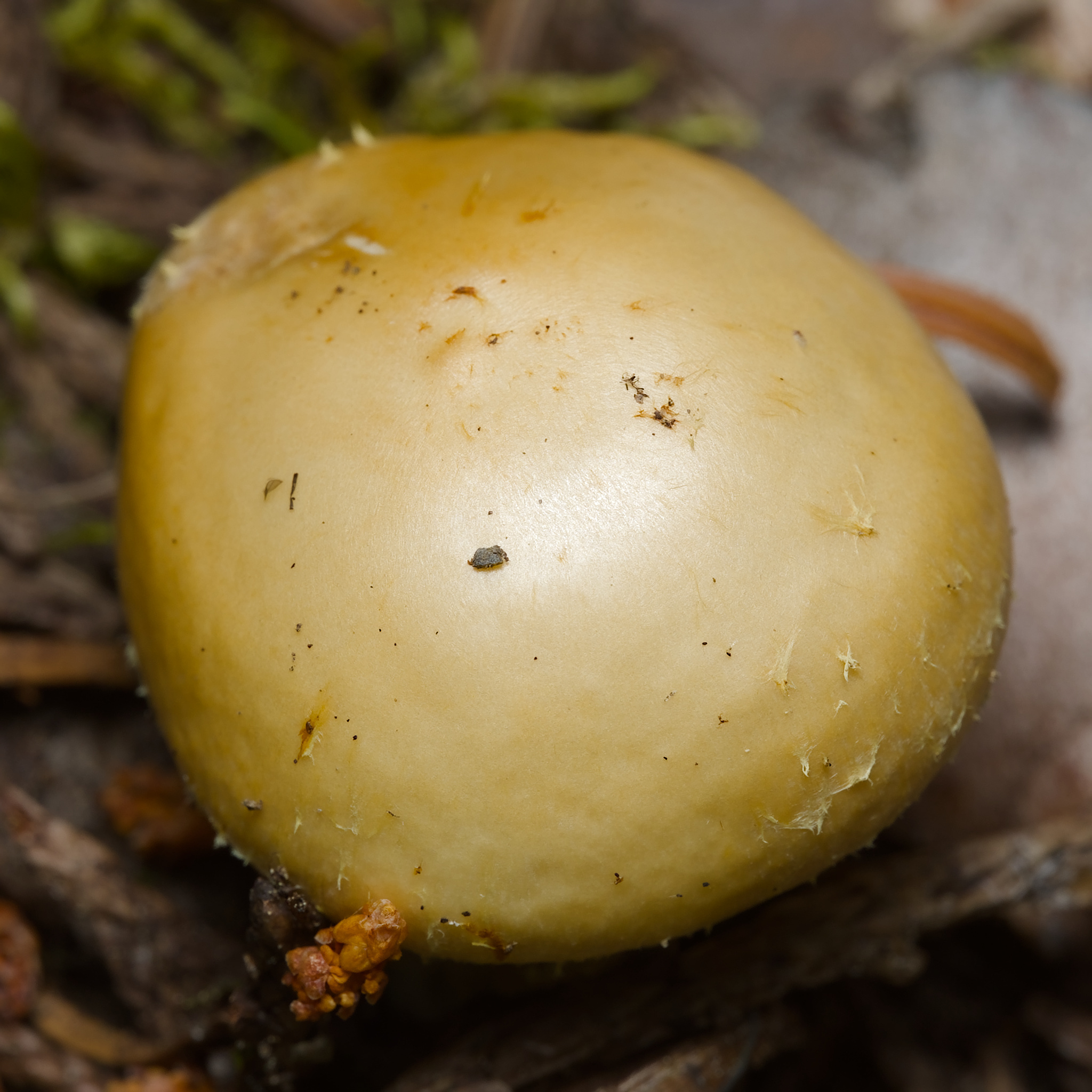
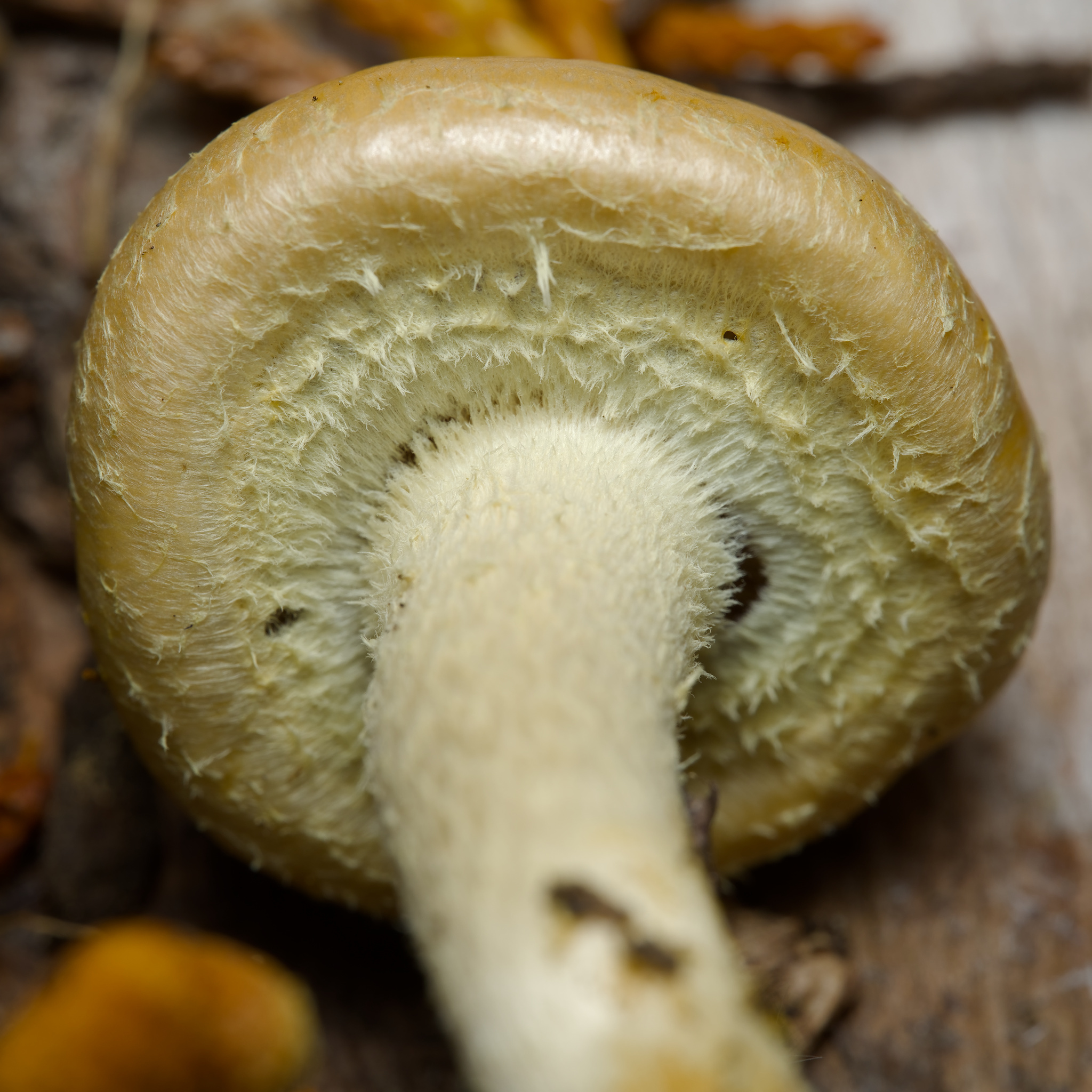
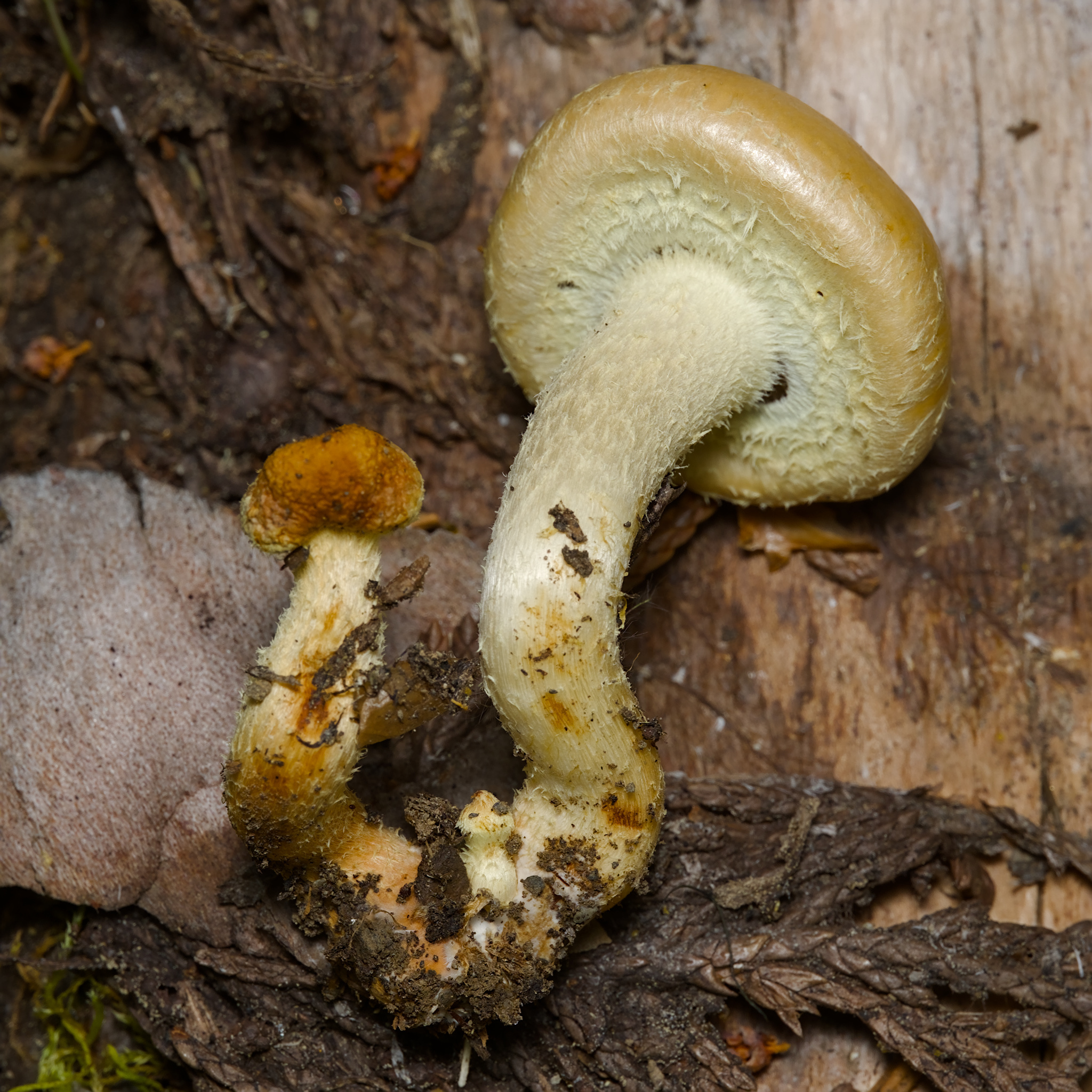
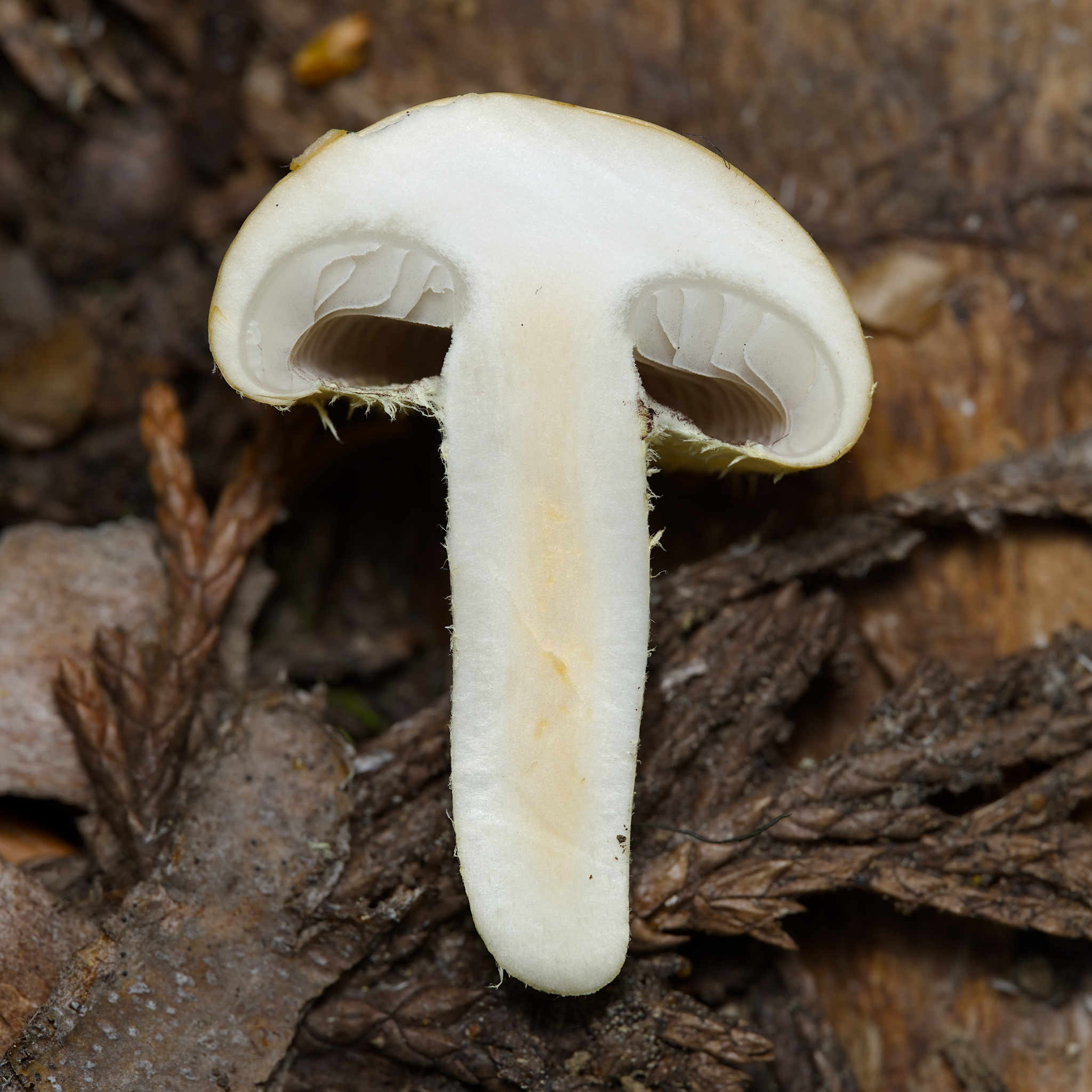
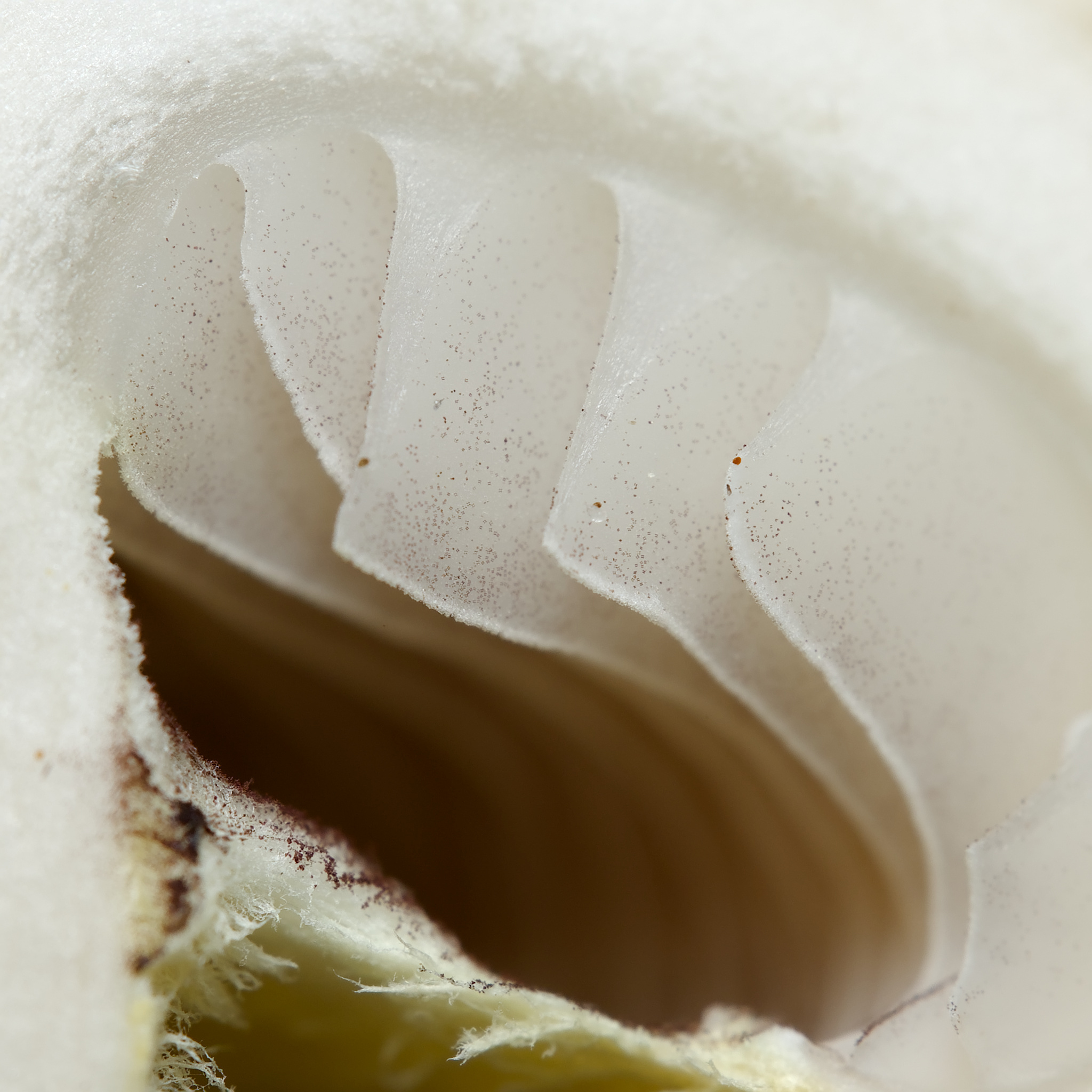
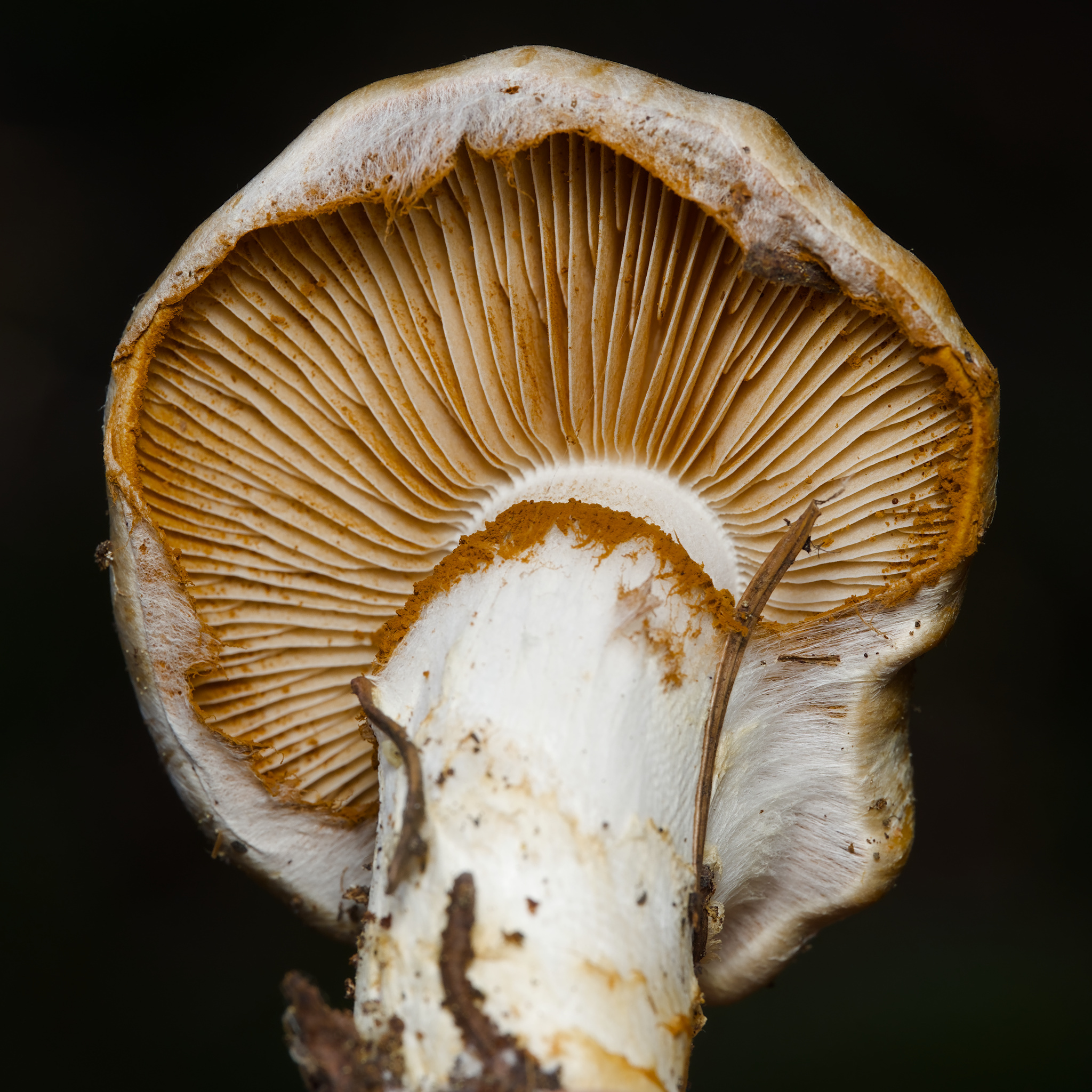
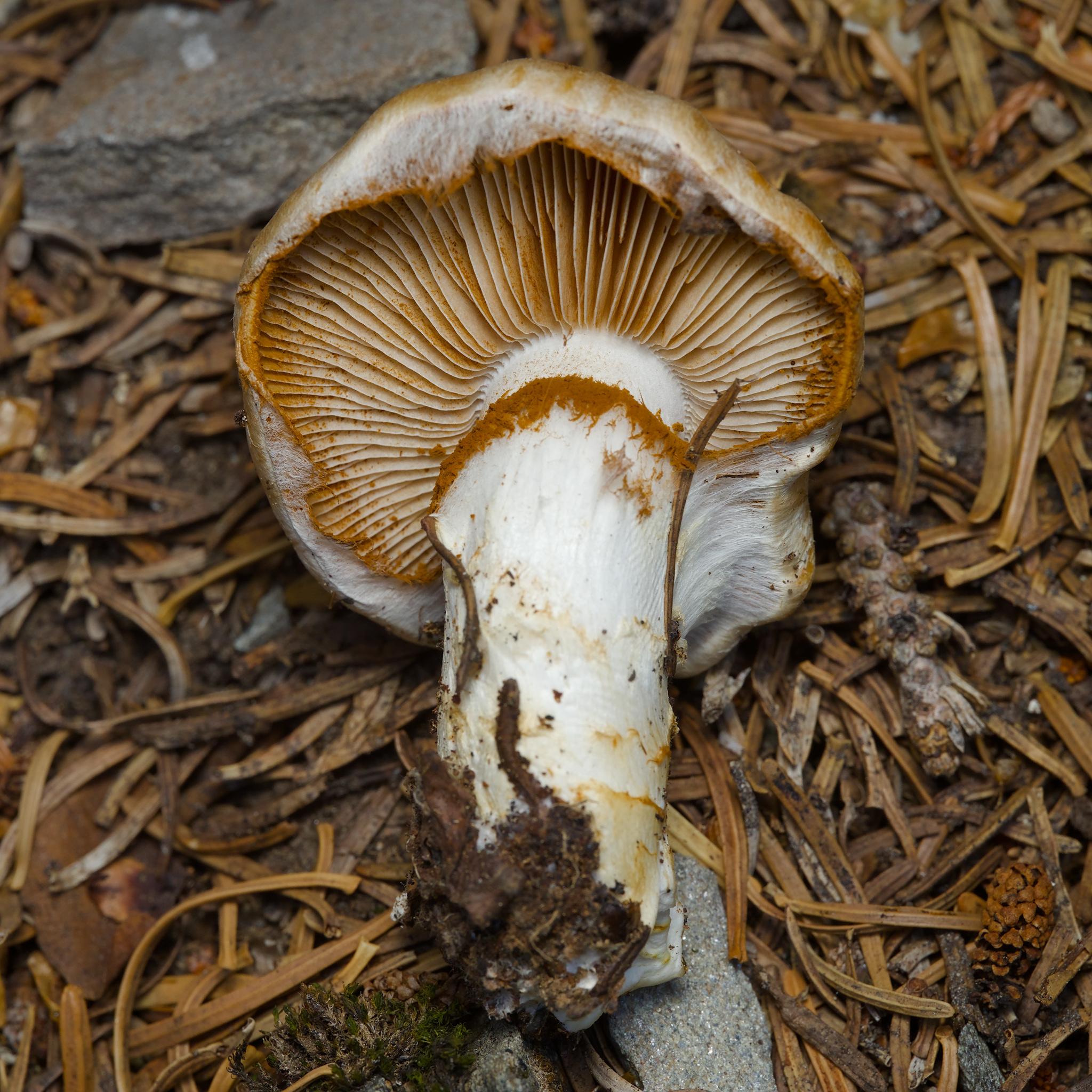
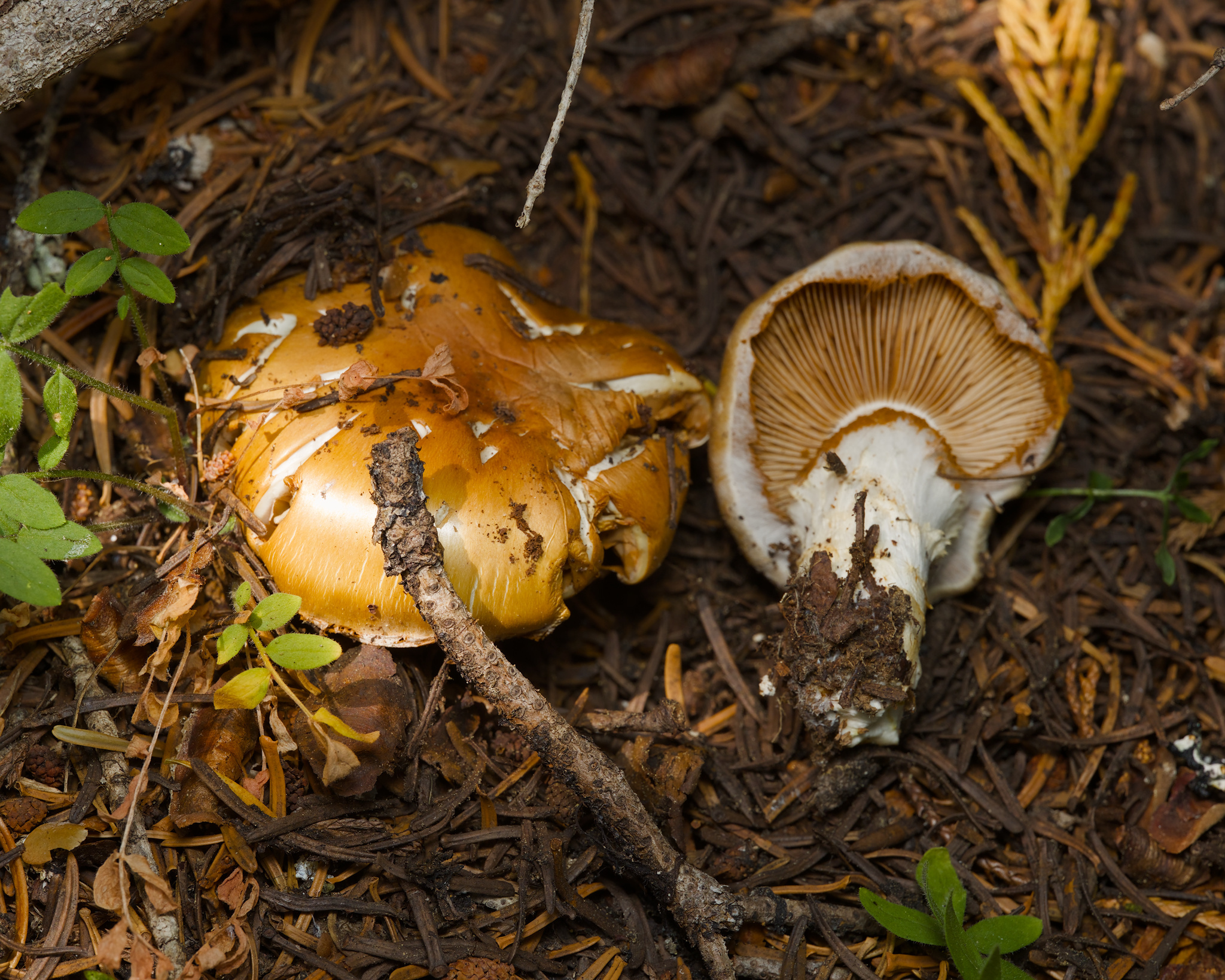
We've agreed this is probably the classic H. fasciculare but it's a bit atypical, and we haven't collected that species for survey yet, so we decided to go for it here. We shall see if we can confirm with micro first, awaiting sequence.
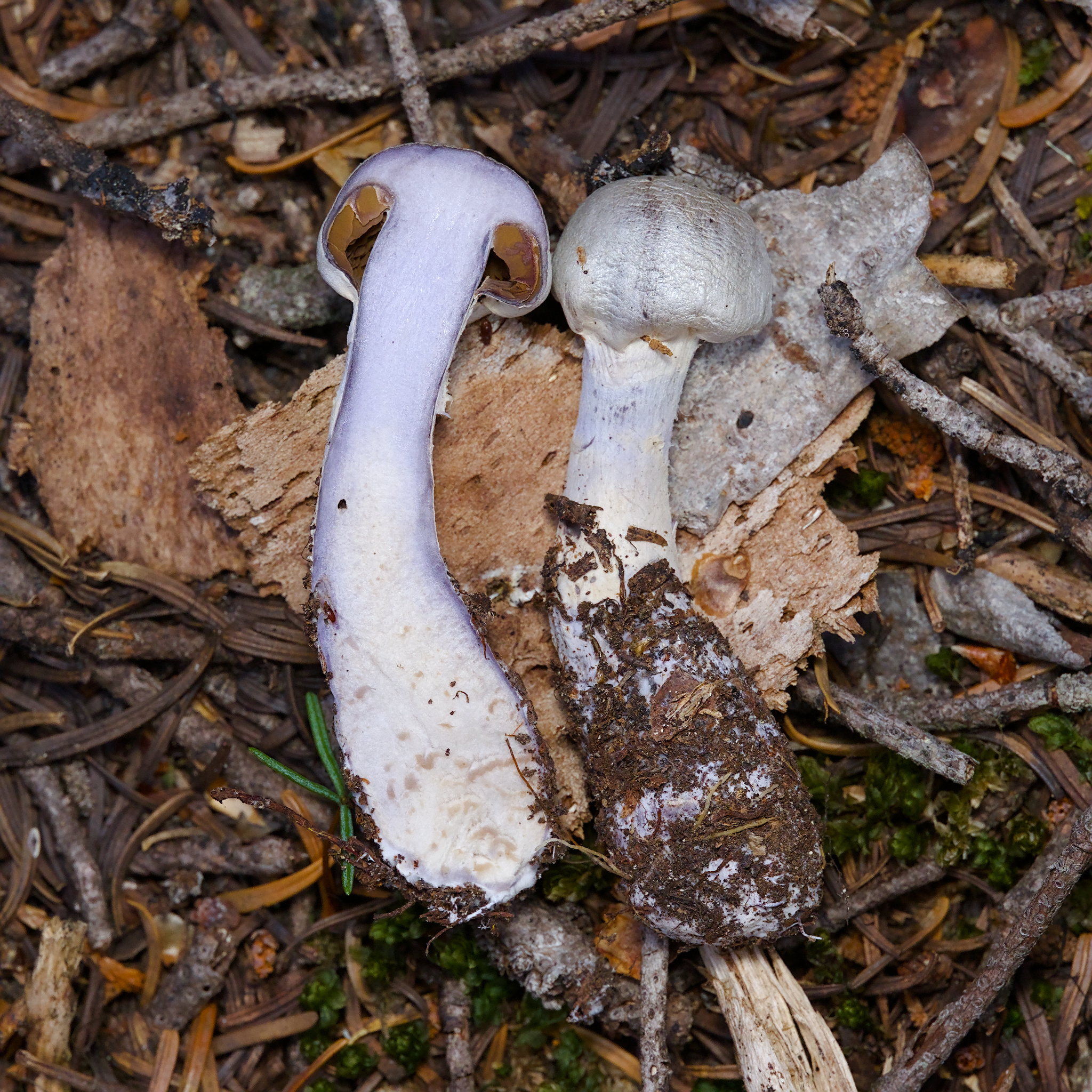
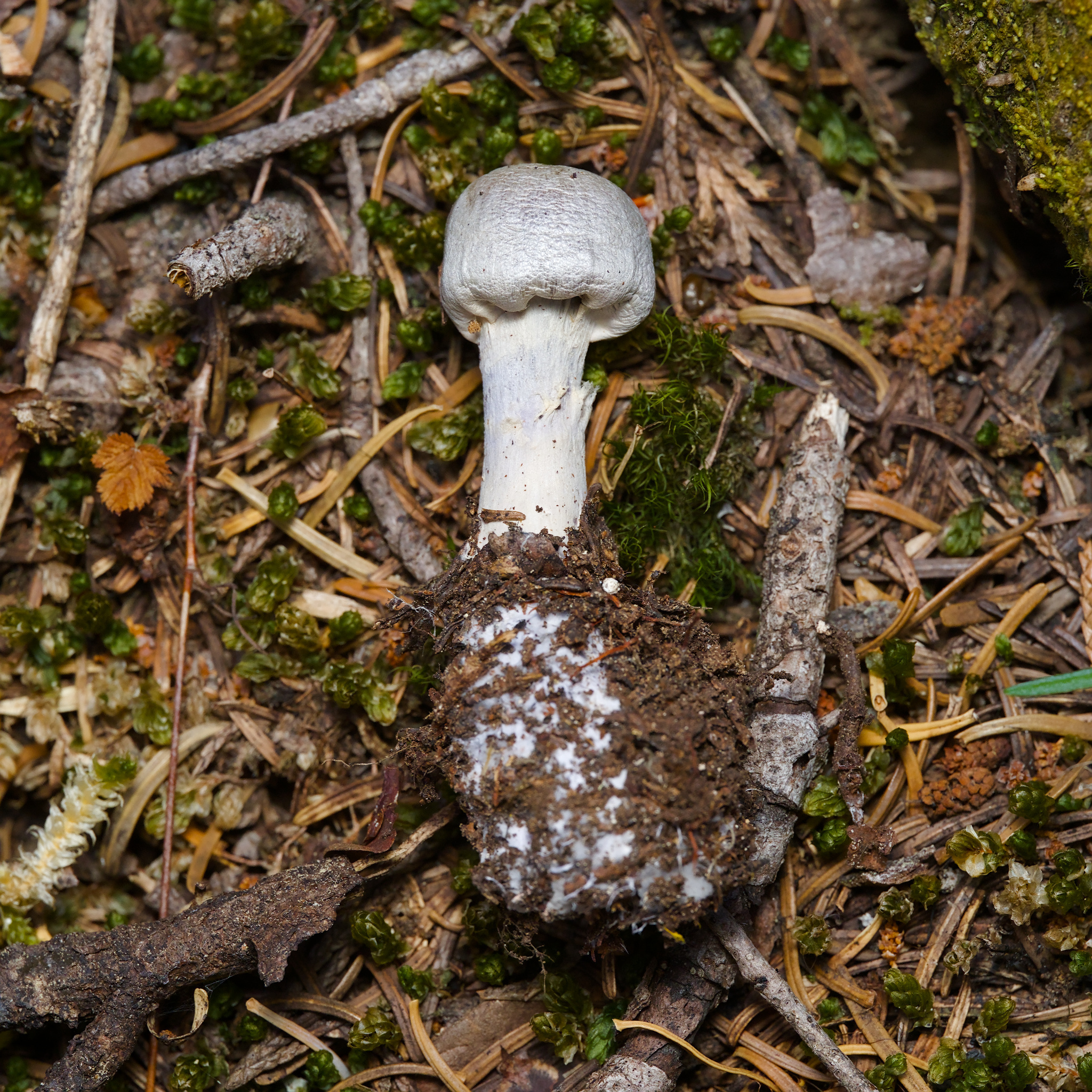
Another Cortinarius that I'm not going to pretend to know more accurately. Our Cort pros in my friend group are currently unavailable so I may leave this with an assumption to "type" if we can even get there. I would note we have seen a lot of this species and similar at the end of summer, definitely a few different groups. This one might be a bit dry. I think Cortinariaceae are another group where we will more gradually narrow down some interest. It is said that spring species are more easy to pin, which seems fairly true, except we have tried to focus on habitat that typically presents out of season conditions. So this is more of an end of summer Cort, while some of our other incoming collections from around the same time are from much more wet, fall-like habitat. Just something to think about.
One of our muscarioid species. I'm not going to get involved with the name argument, it's just a baby. All jokes aside, we will likely make a few collections in the genus, including some of the red-orange ones, and then move on completely. We may continue to attempt collections on lesser known members of the genus but that's about it.
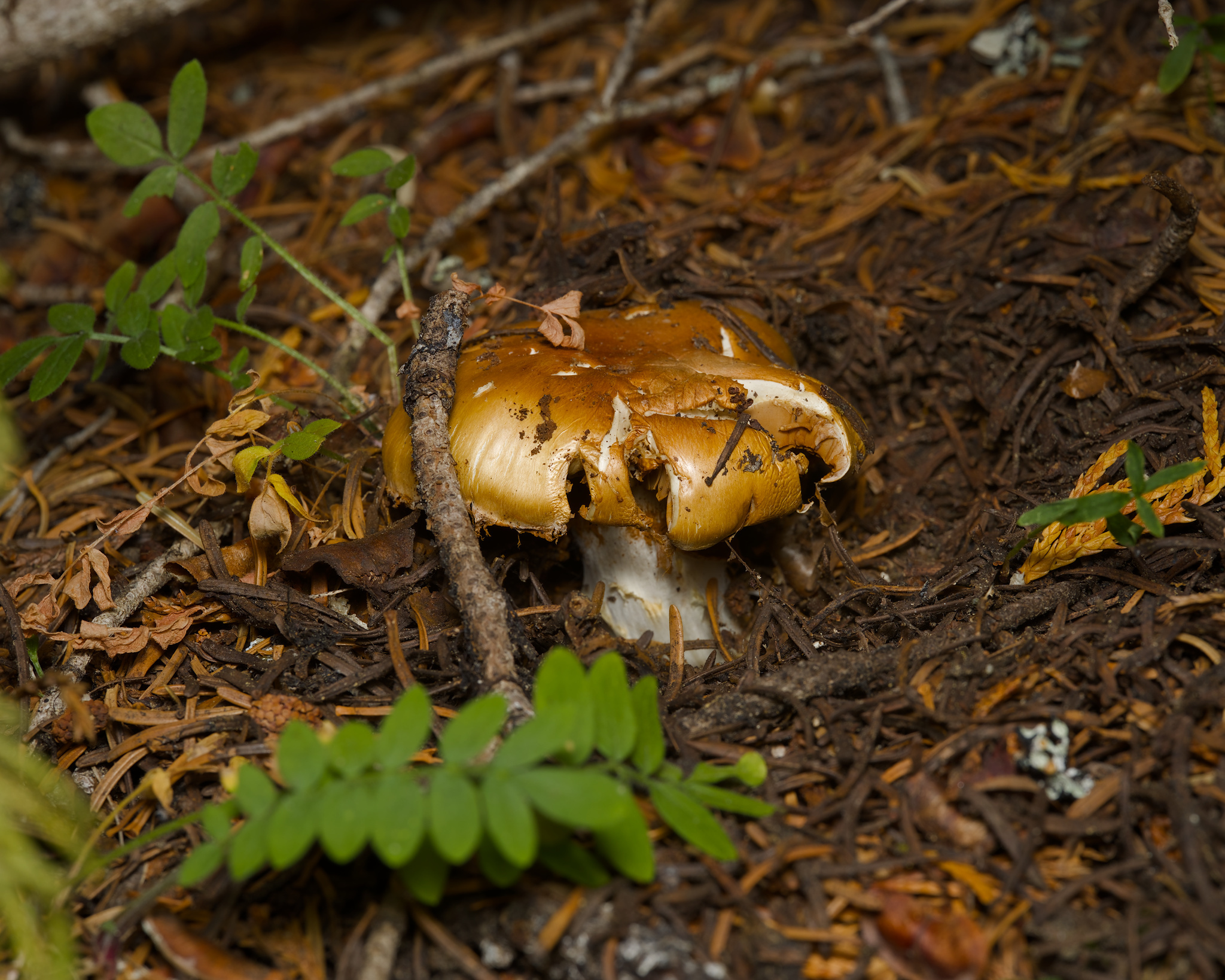
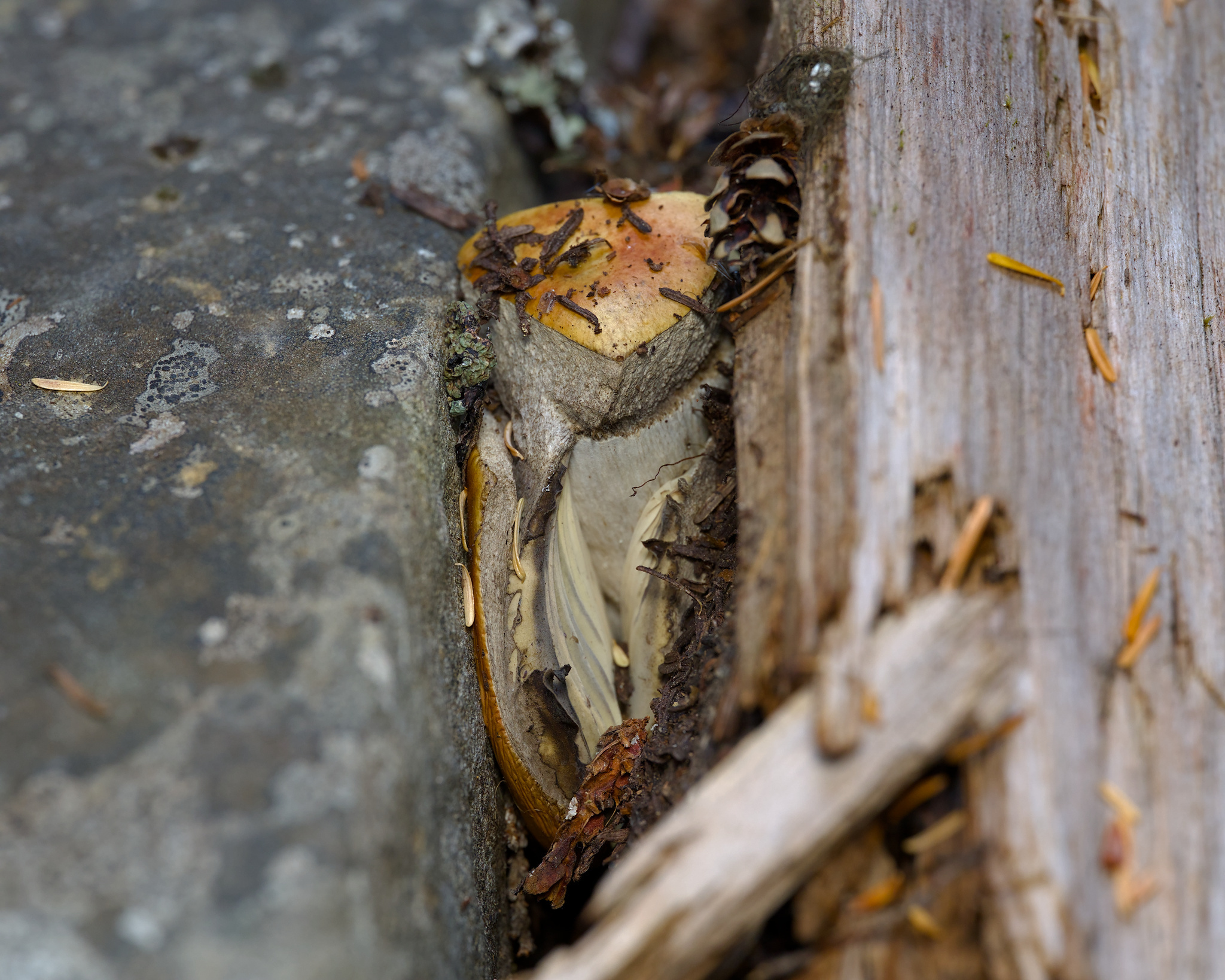
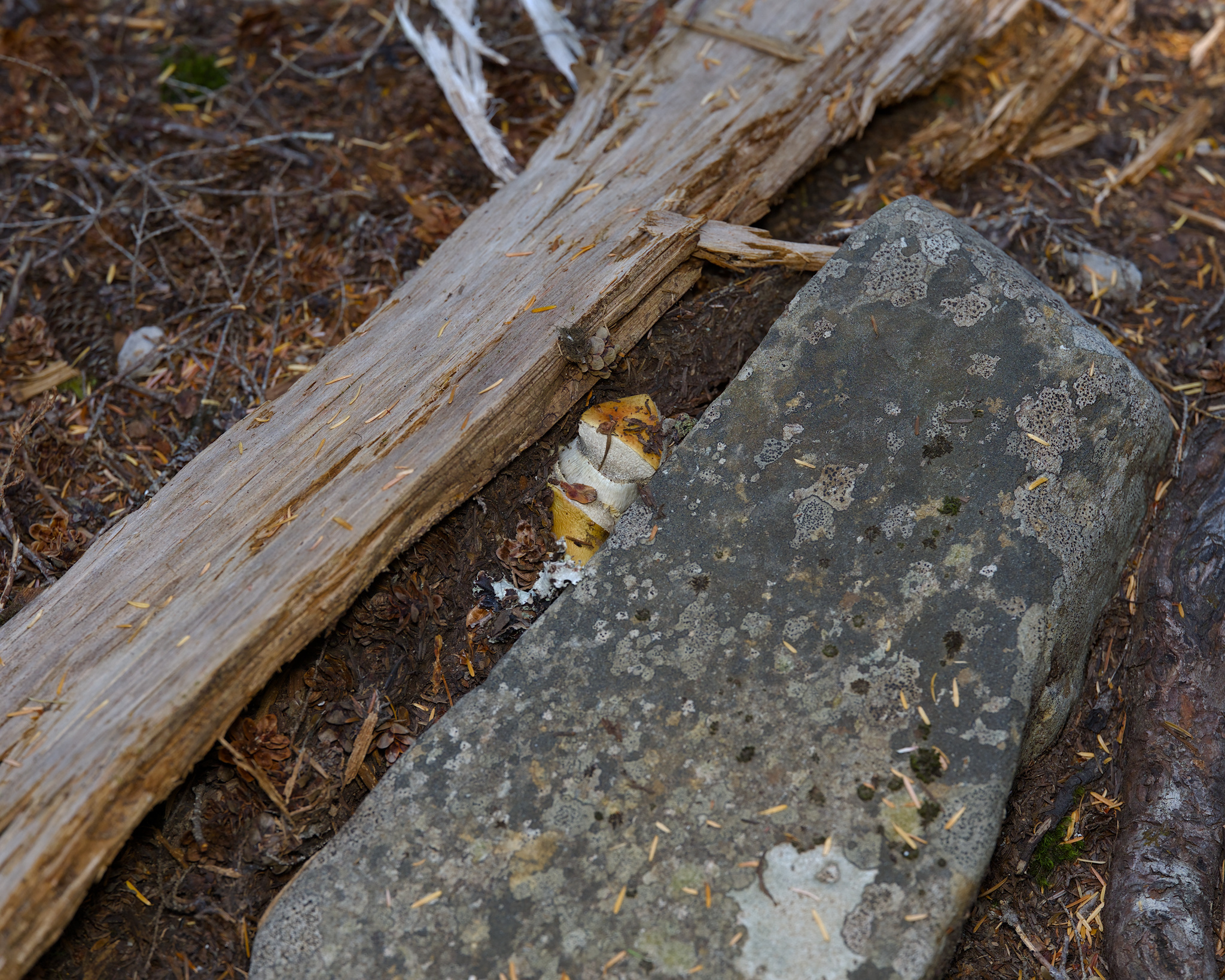
What we assume is a Russula. Not sure if this was one of the examples of mycophagy Brodie recently documented or if this guy was just being weird and squeezed up through that gap. Will confirm.
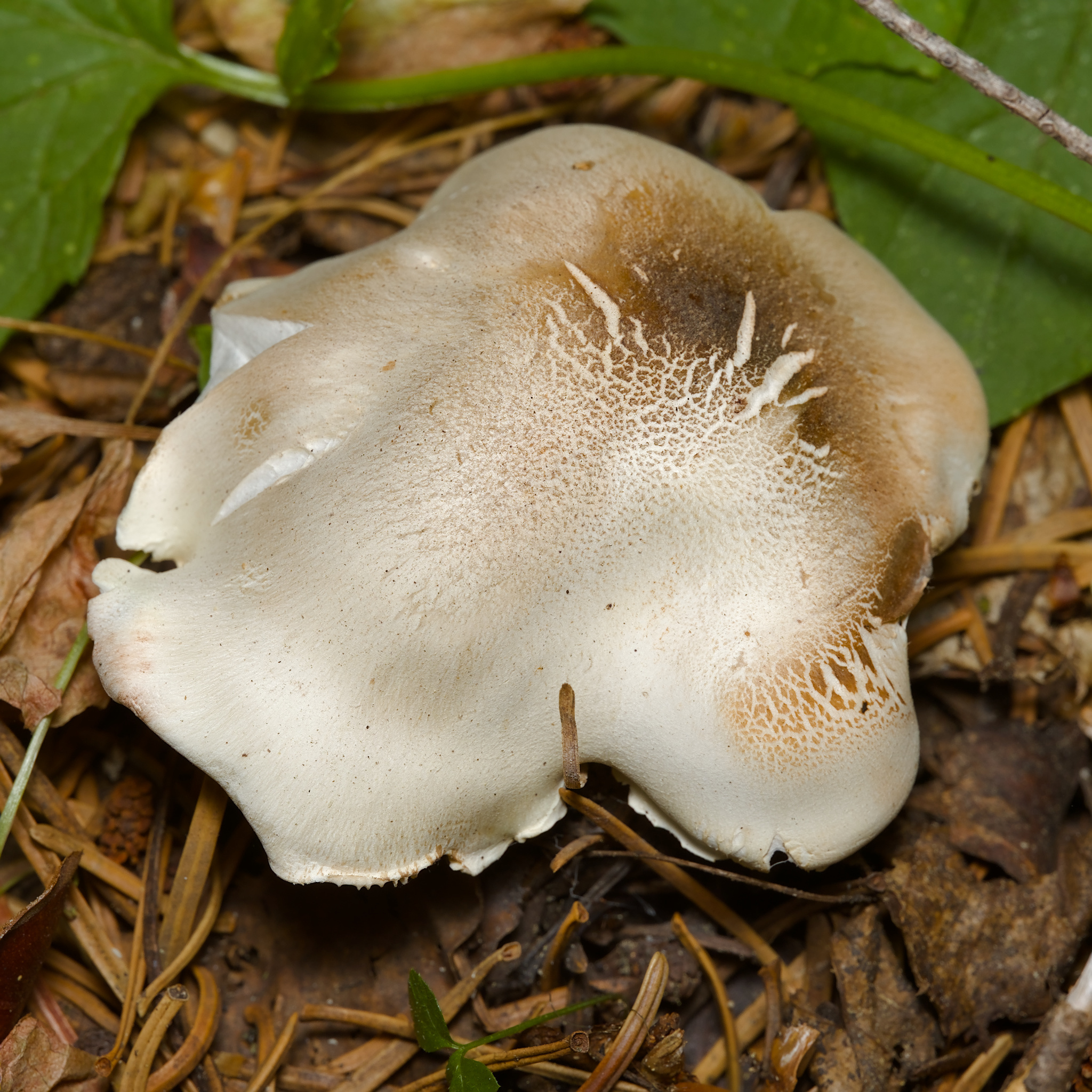
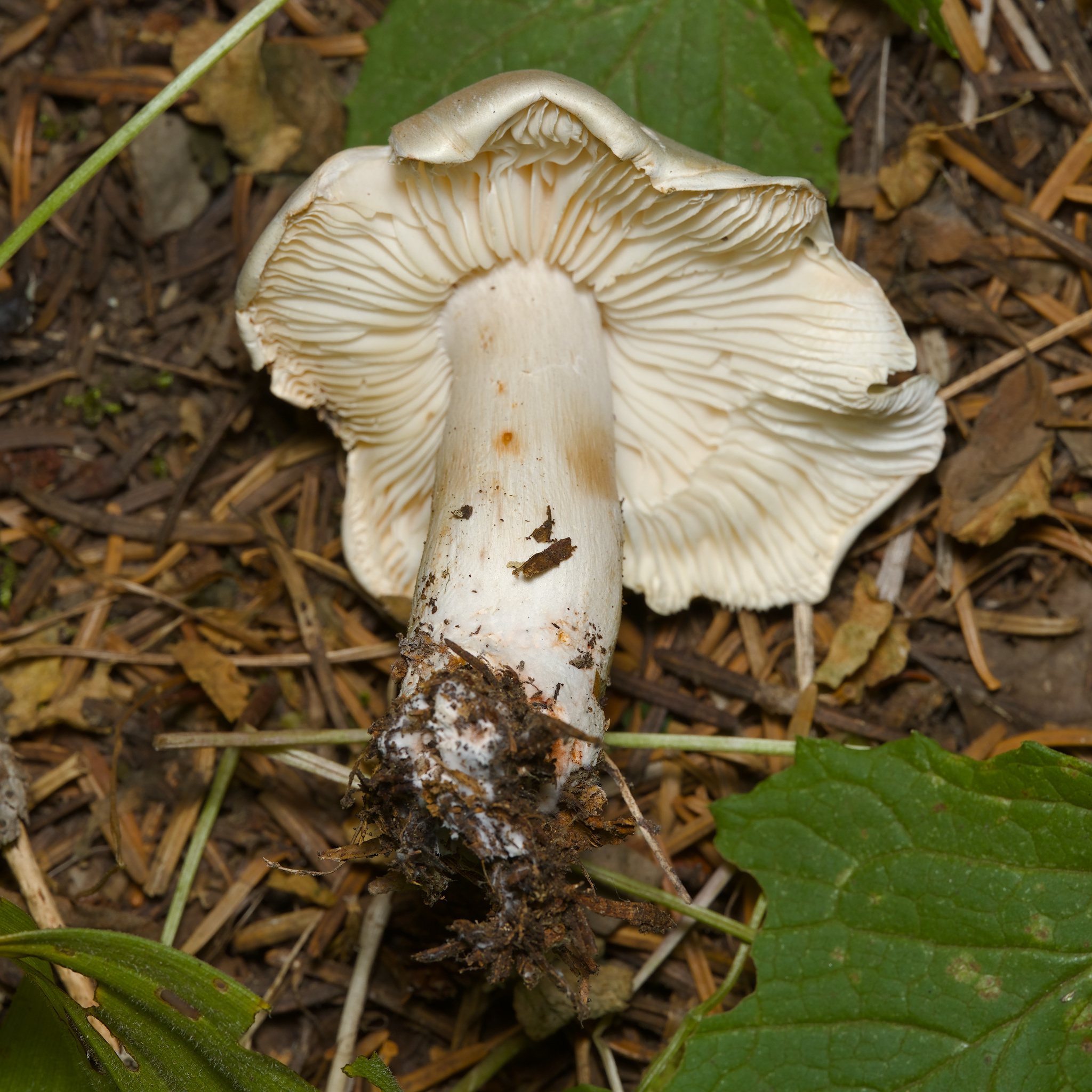
A funky tricholomatoid fella, I think section Contextocutis seems correct. As suggested by Drew Parker on iNat. I am not super into Tricholoma, possibly even less than some other families and genera. I think we will both have to brush up to avoid making repeat collections where we don't necessarily want them!
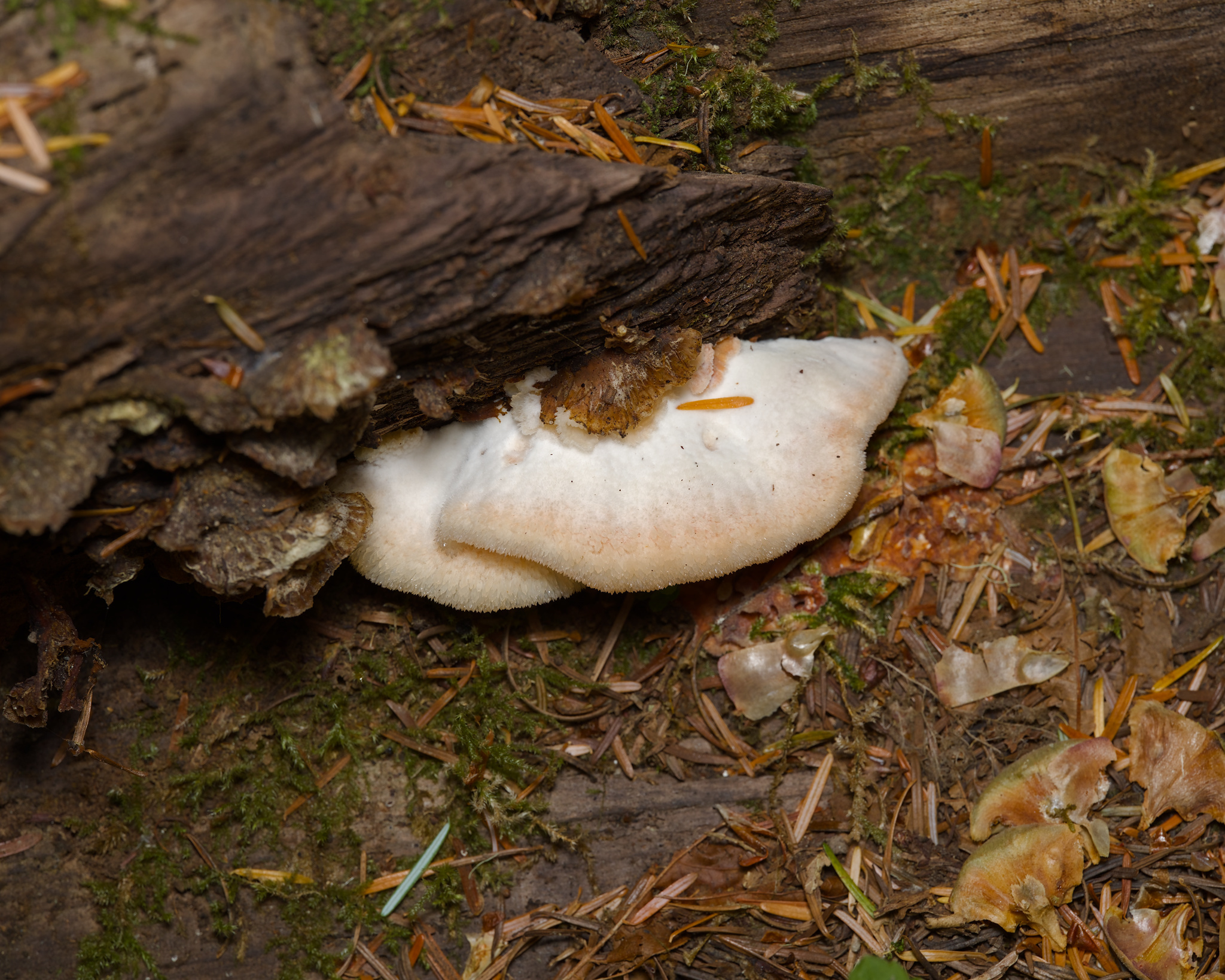
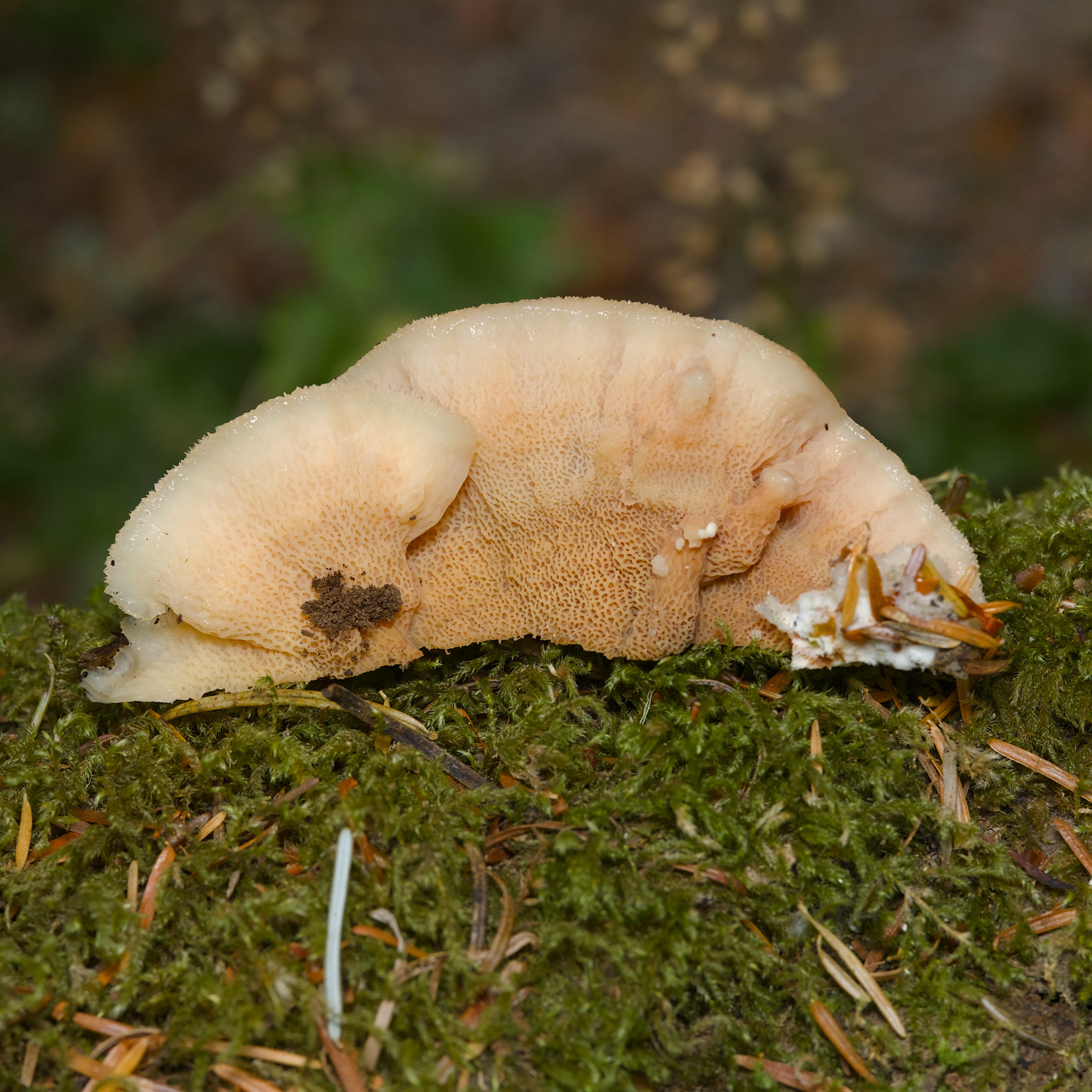
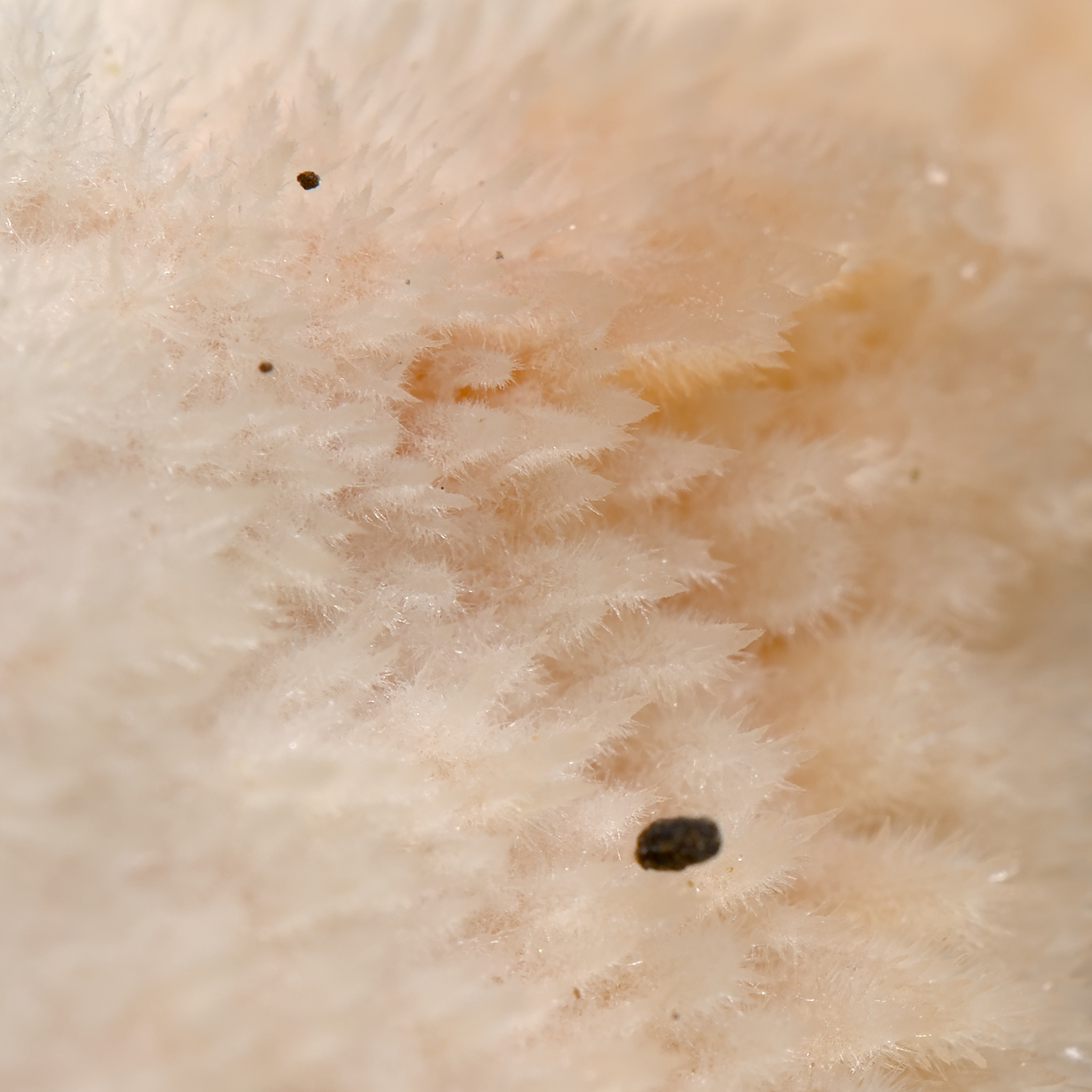
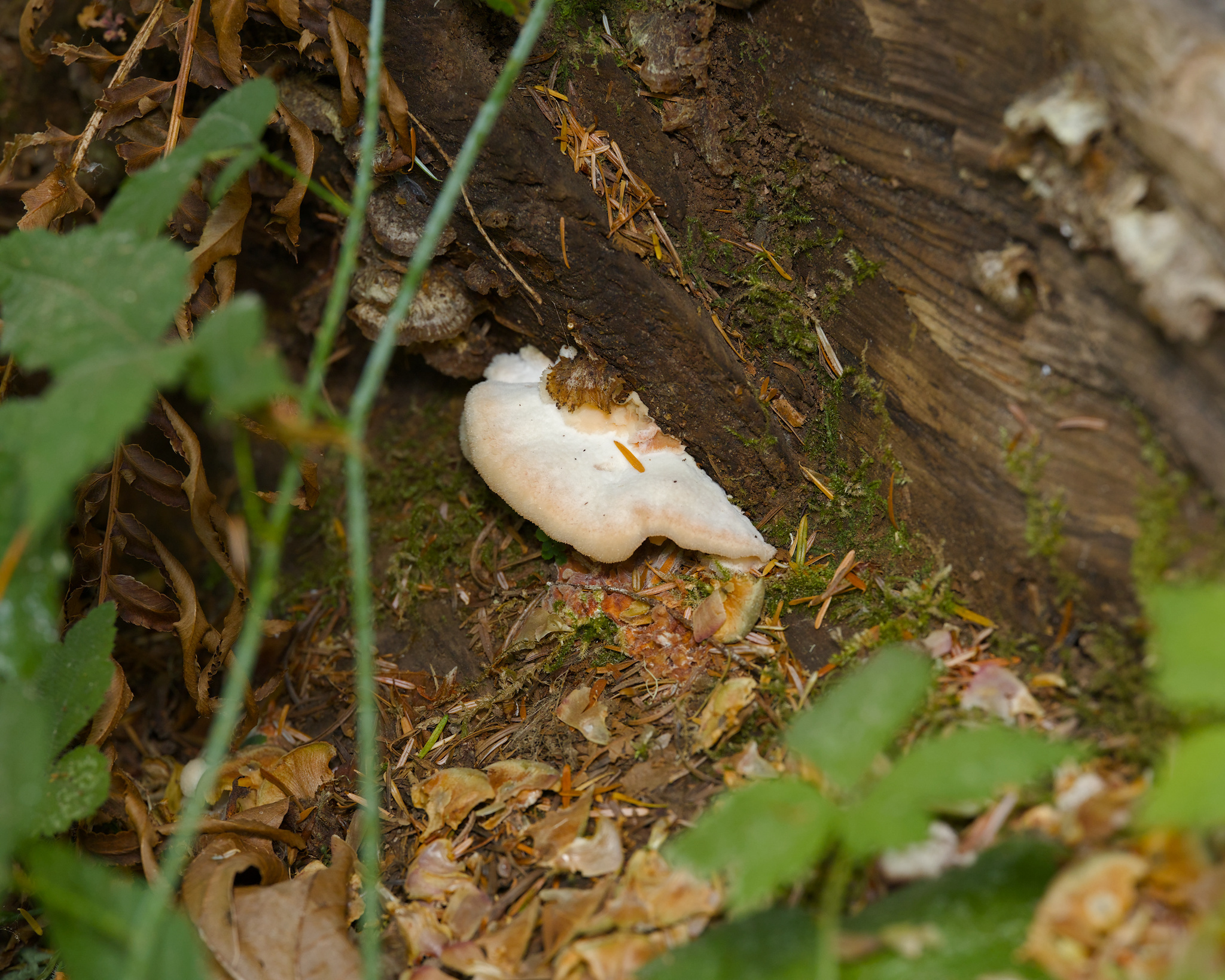
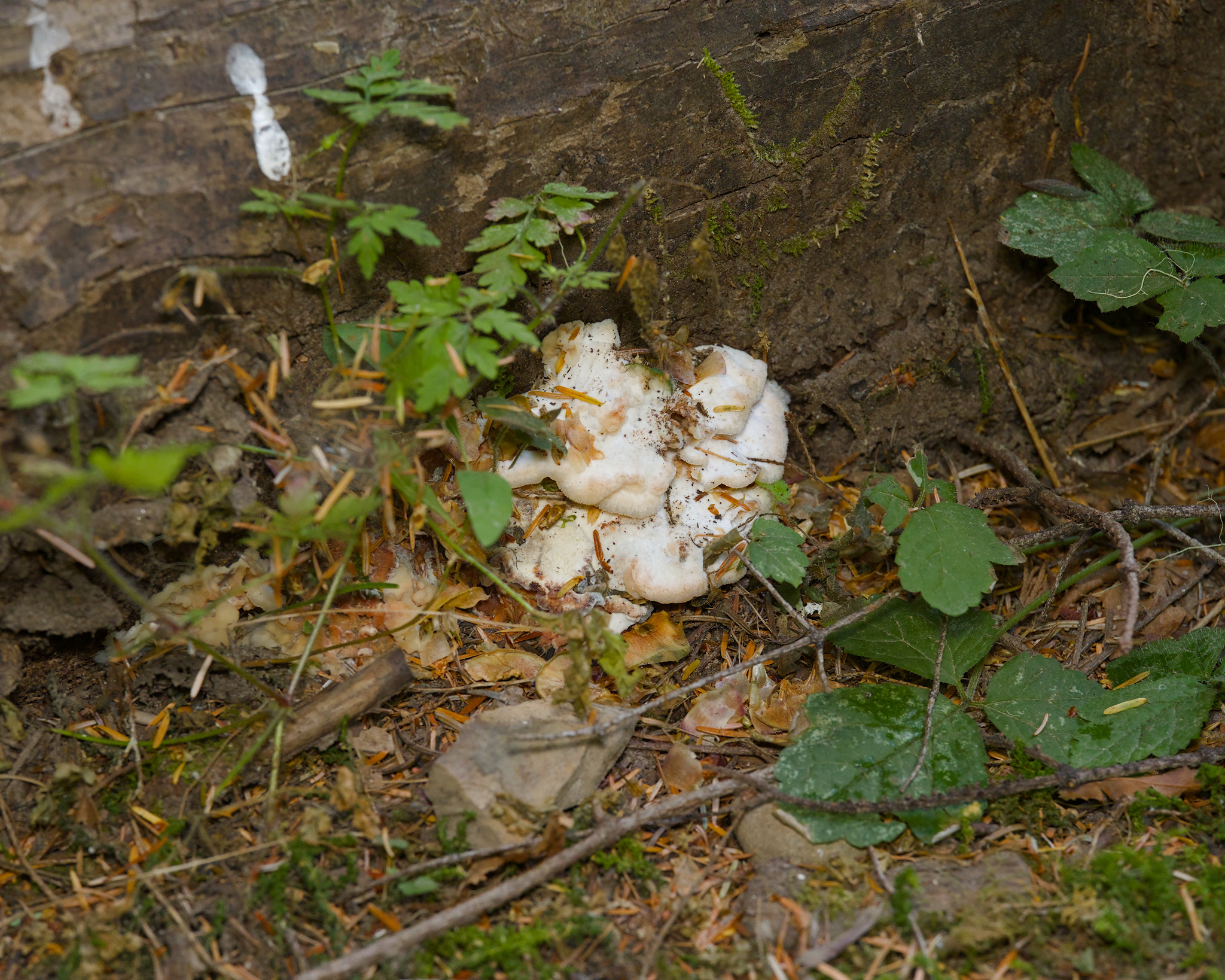
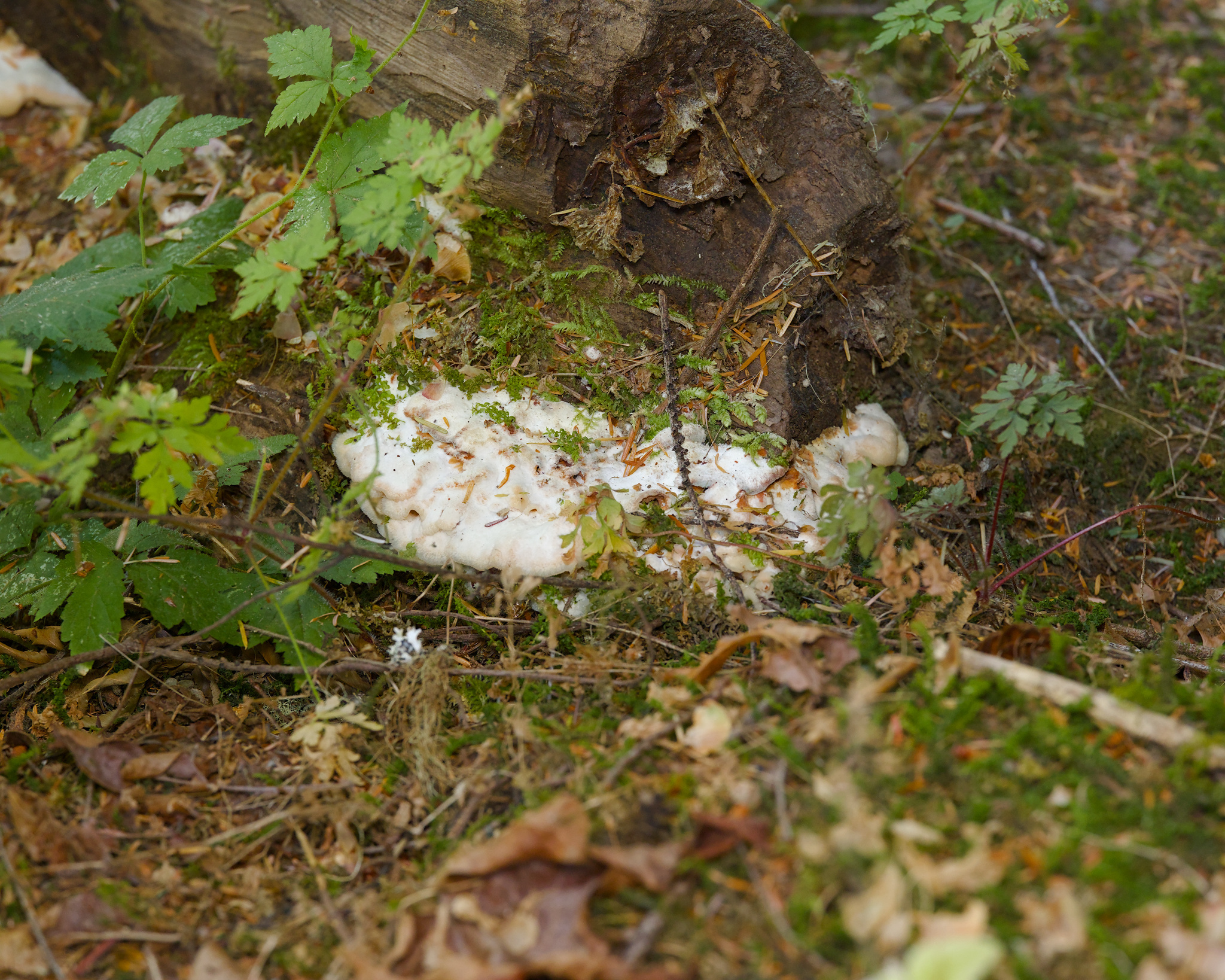
I'm not familiar with the species Brodie has suggested here but it certainly seems correct. One of the other white, maybe softer polypores, that have a fuzzy texture also. We again will collect a few from the common genera present and then try to nail a few of the less common targets of vaguely similar morphology! Funny how many of them seem to have their own family, a few monotypic genera, etc. I wonder if there's any more common lineage between some of these species, but haven't delved too deep into that topic. I think we will have to consider that at some point later, as I have other personal priorities!
Another example of what we assume to be this species, I think at least similar Omphalotaceae. This one is a bit fresher. It would be nice to see if we can also get a better pin on common members of this genus. I think I'll probably be saying that a lot about a number of different things, through next spring when it will become "I think this is what we collected last year, so we'll make a pass on that".
I'm gonna shoot my shot here and say I think this will come back as Pseudosperma. I find that we always get at least an Inocybaceae or two two add some diversity to our survey work for any given month and it usually works out. Many cryptic members, lots of room for micro work, fun stuff.
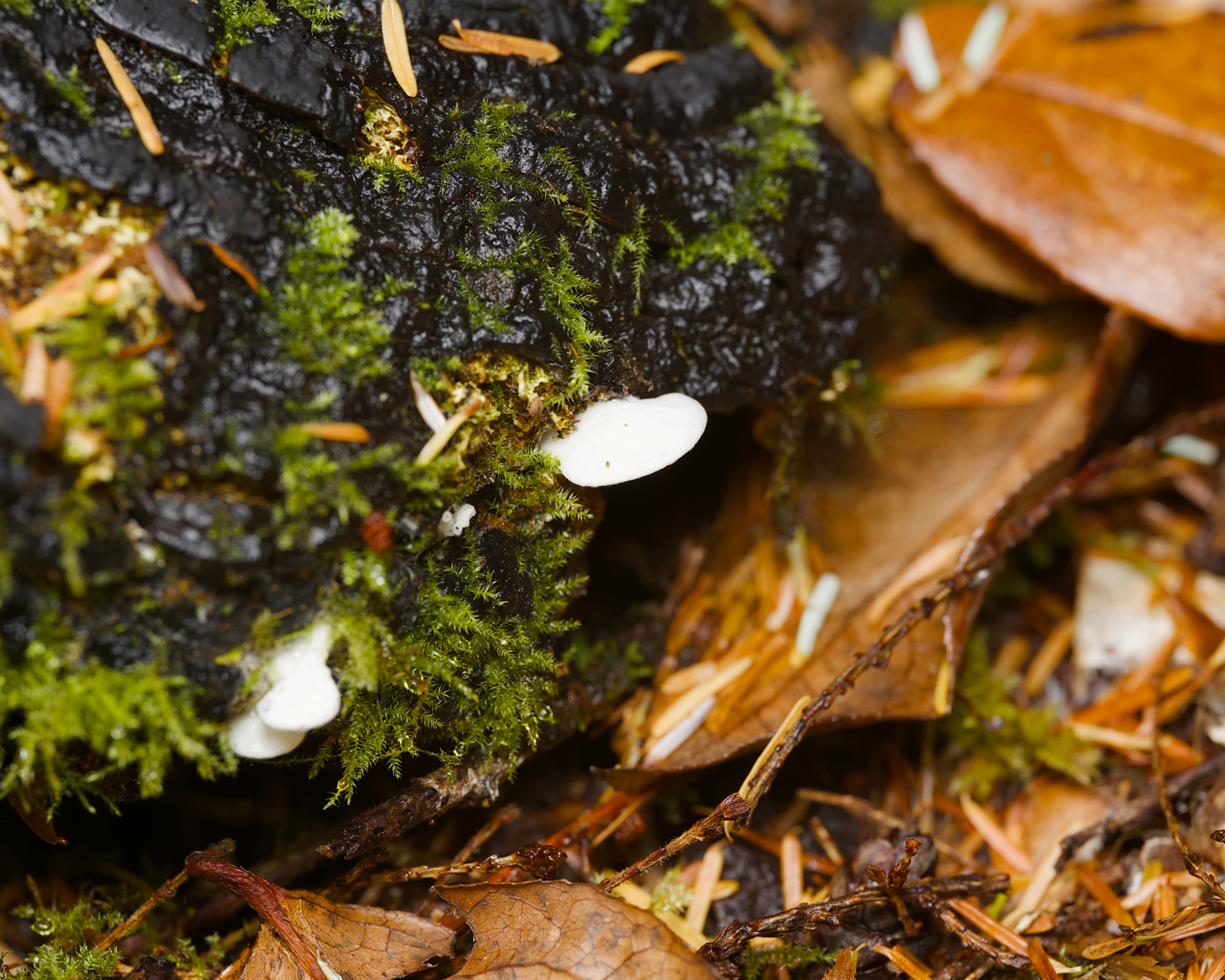
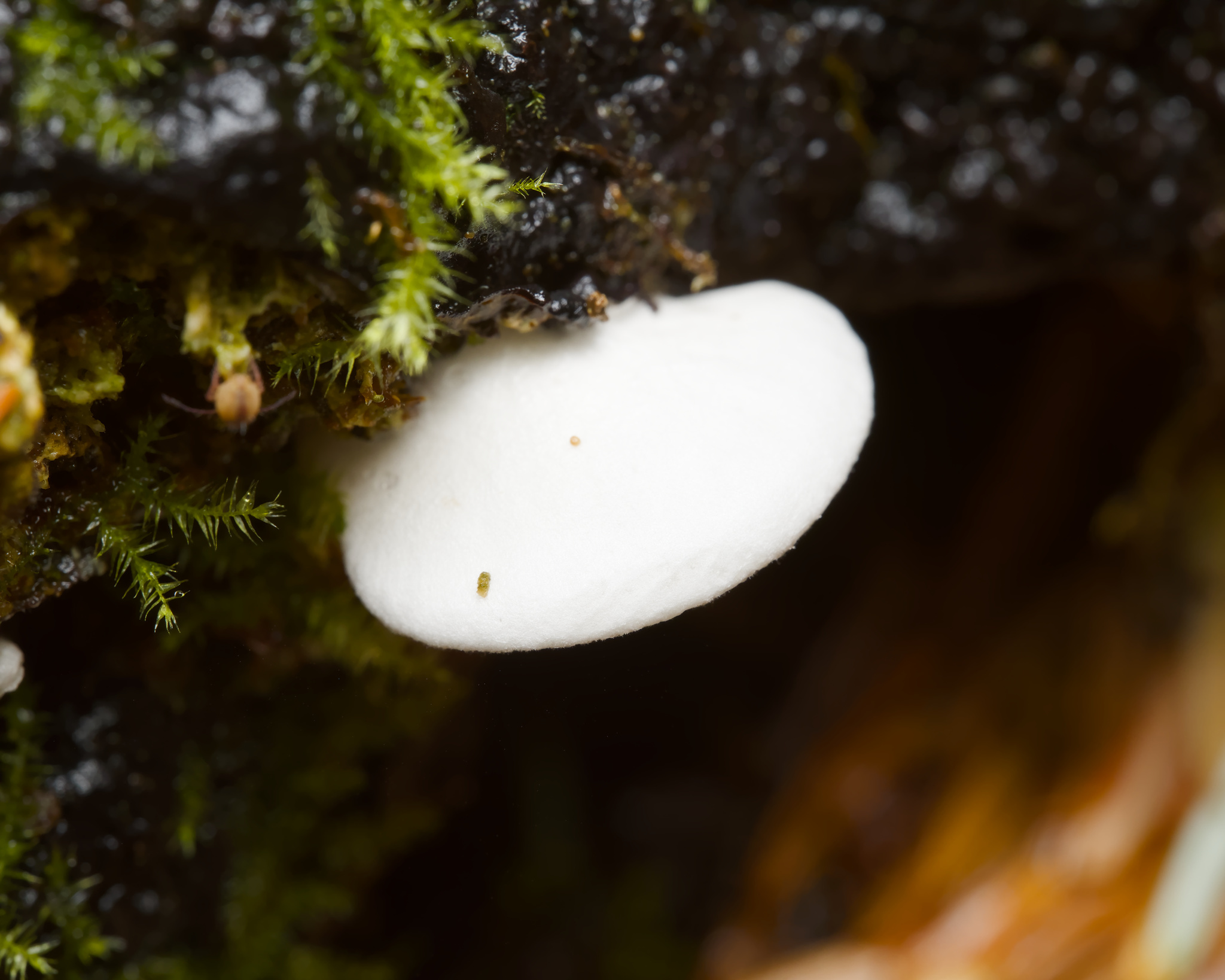
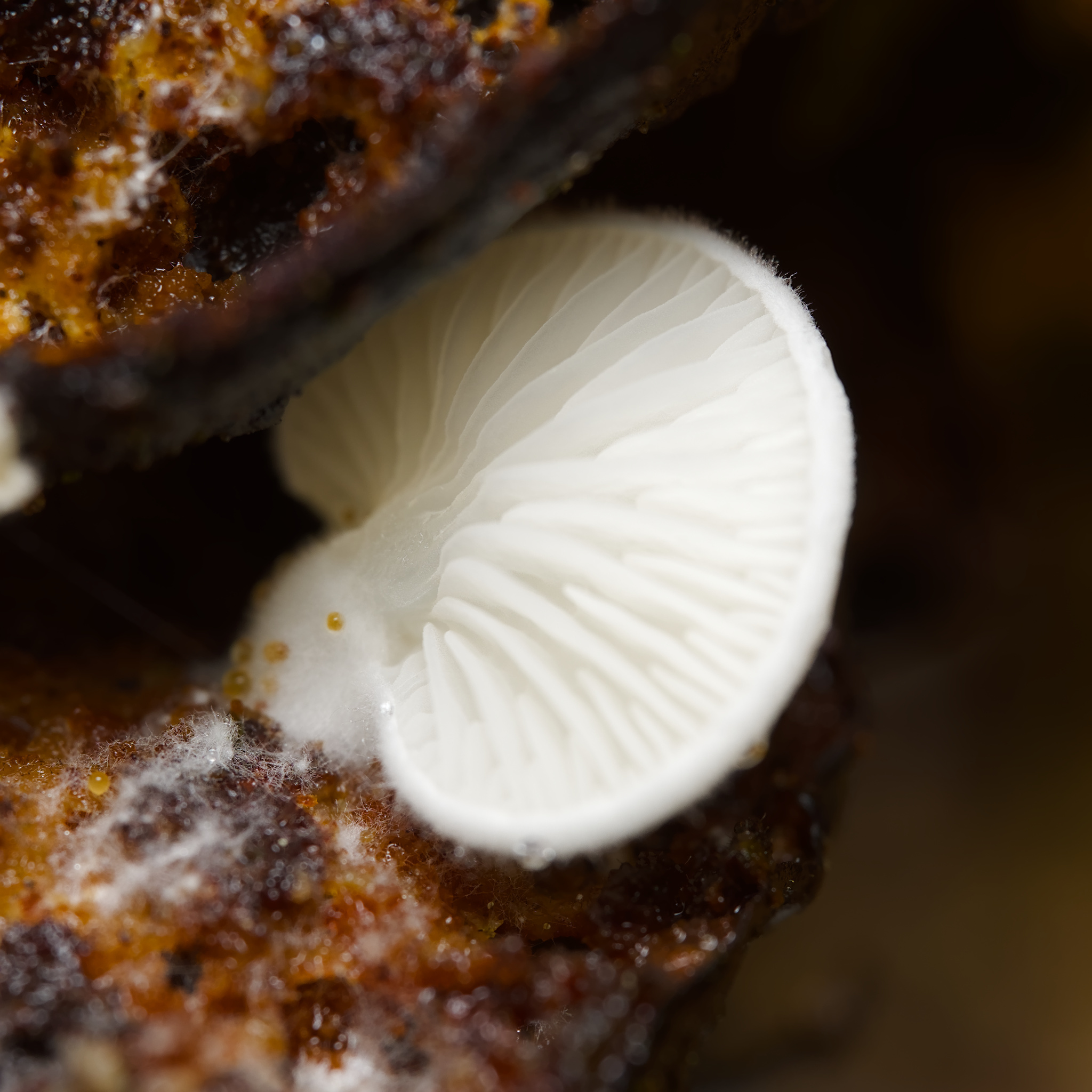
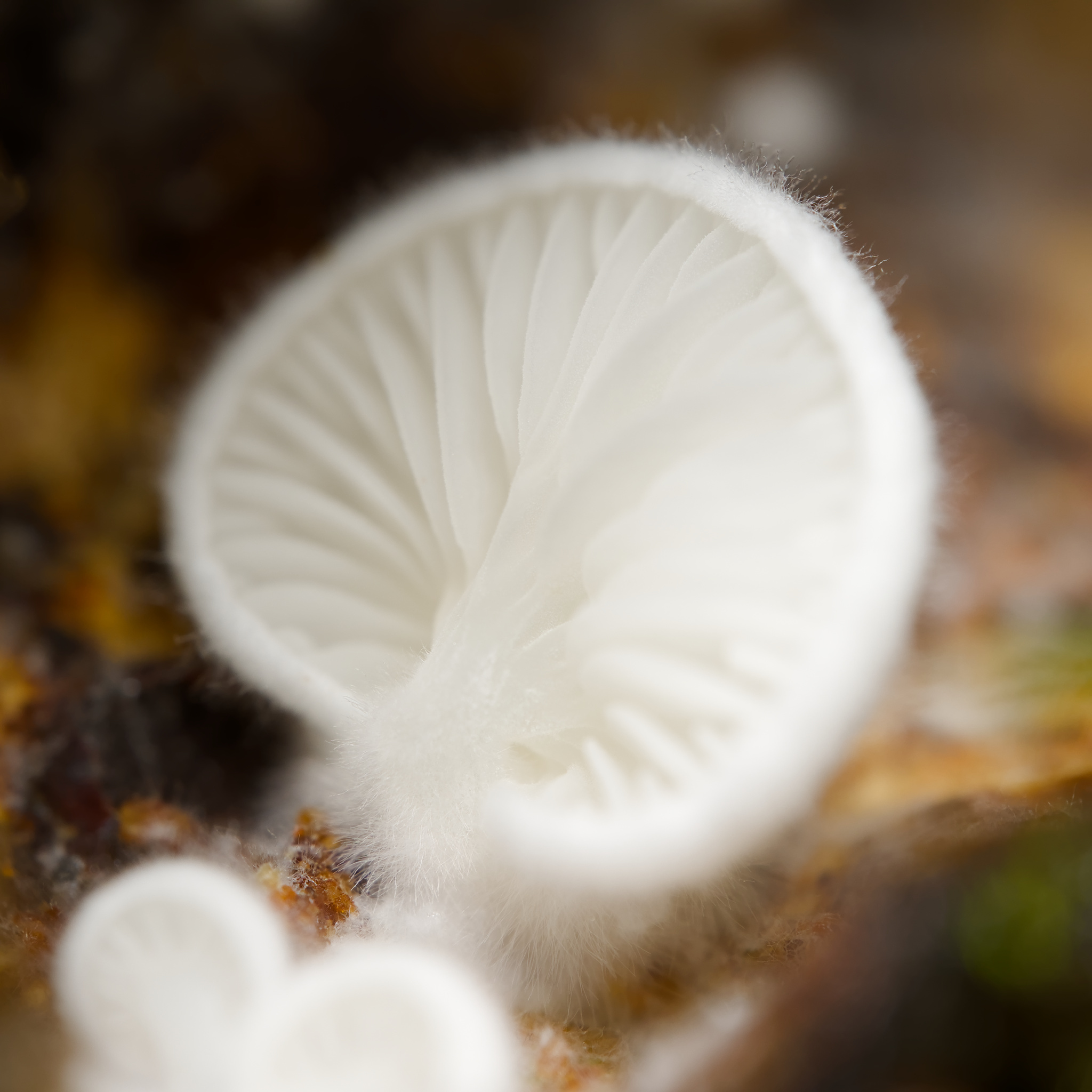
Another small white example of the genus. I think we're again, just trying to get a good idea of what we might have, if there's a reason to collect more, etc.
Not that other folks haven't already done Russula work in the area, we just want to have our own base of general work. Any new readers might notice a focus on that idea, it is explained in the beginning of this survey work. We are starting general and working our way through as many collections as possible. Which will of course land us with some more well known species collections.
A taller, more lanky yellow-ish Russula. I think we will prioritize a few of our other more curious collections from these months for micro while we await sequencing for all these Russula. I think we may then narrow interest down based on sequences, which seems a bit lame to Russula, but I think that's best for such a large and diverse genus in this study. Again one that we may simply not have a more personal interest in either.
We chose this as a fairly pretty example of this species, which we were seeing profusely out by the coast in Ozette. I joined Brodie again for this trip and I'm glad we included a collection of this species here, and I believe at least one for September also.
A baby chanterelle that at the time, looked like C. roseocanus, so we collected it. I'm not sure if is that species but if so, we'd like to have it for survey.
×
‹
![Expanded report image]() ›